Linktree Alternative: Smart Solutions for 2026
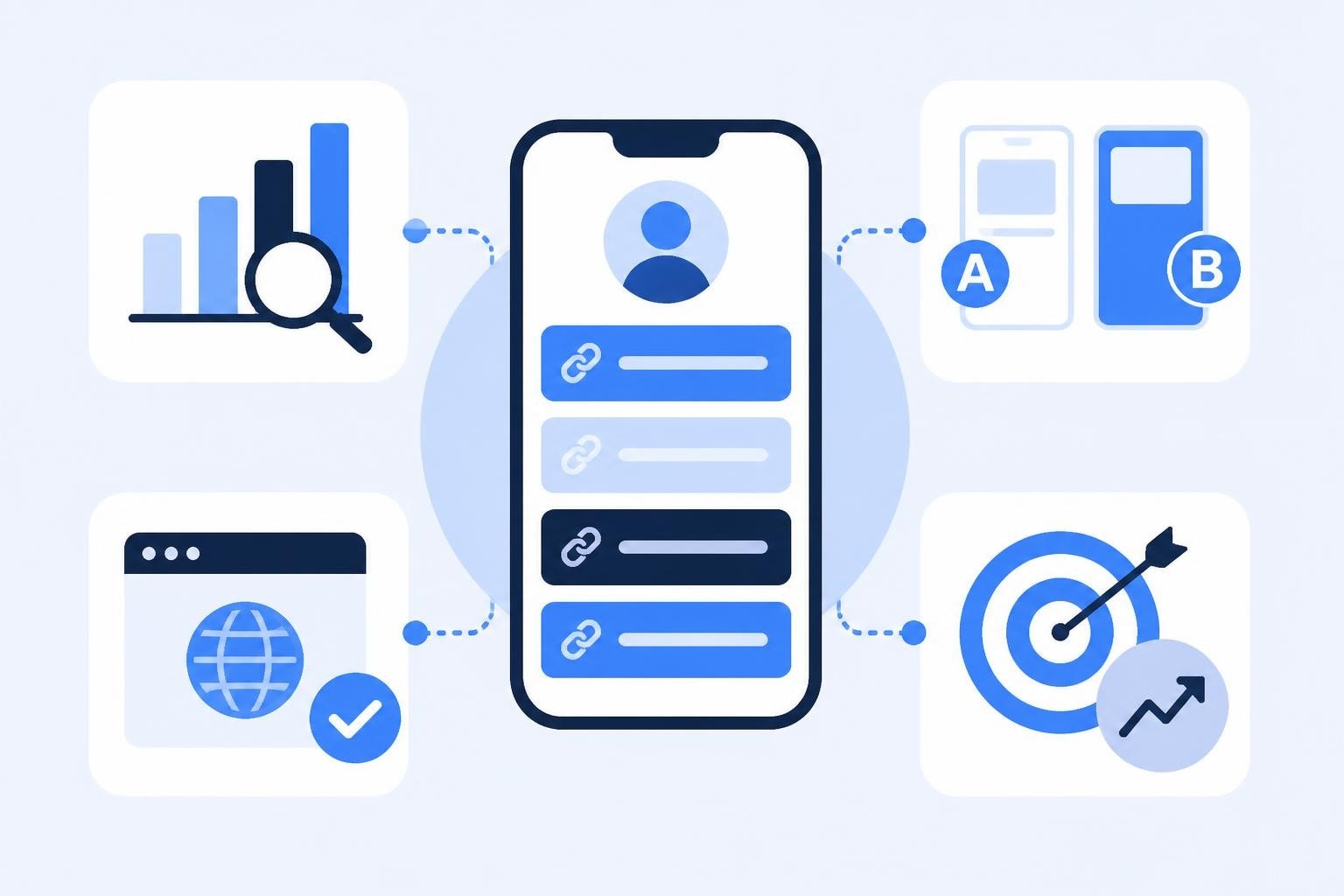
The humble "link in bio" has evolved from a simple workaround into a critical revenue driver for creators, brands, and marketers. While Linktree pioneered the category, businesses increasingly recognize that a basic landing page with stacked buttons leaves money on the table. Today's competitive landscape demands more than just link aggregation. It requires intelligent routing, deep analytics, conversion optimization, and privacy-conscious tracking. Finding the right Linktree alternative means evaluating platforms that treat every click as a data point and every visitor as an opportunity to learn and optimize.
Why Businesses Outgrow Linktree
Linktree launched in 2016 to solve a simple Instagram problem: one clickable link per profile. The platform succeeded by offering an easy solution. Create an account, add links, share your Linktree URL. Done.
But simplicity has limits. As marketing teams mature, they encounter Linktree's ceiling:
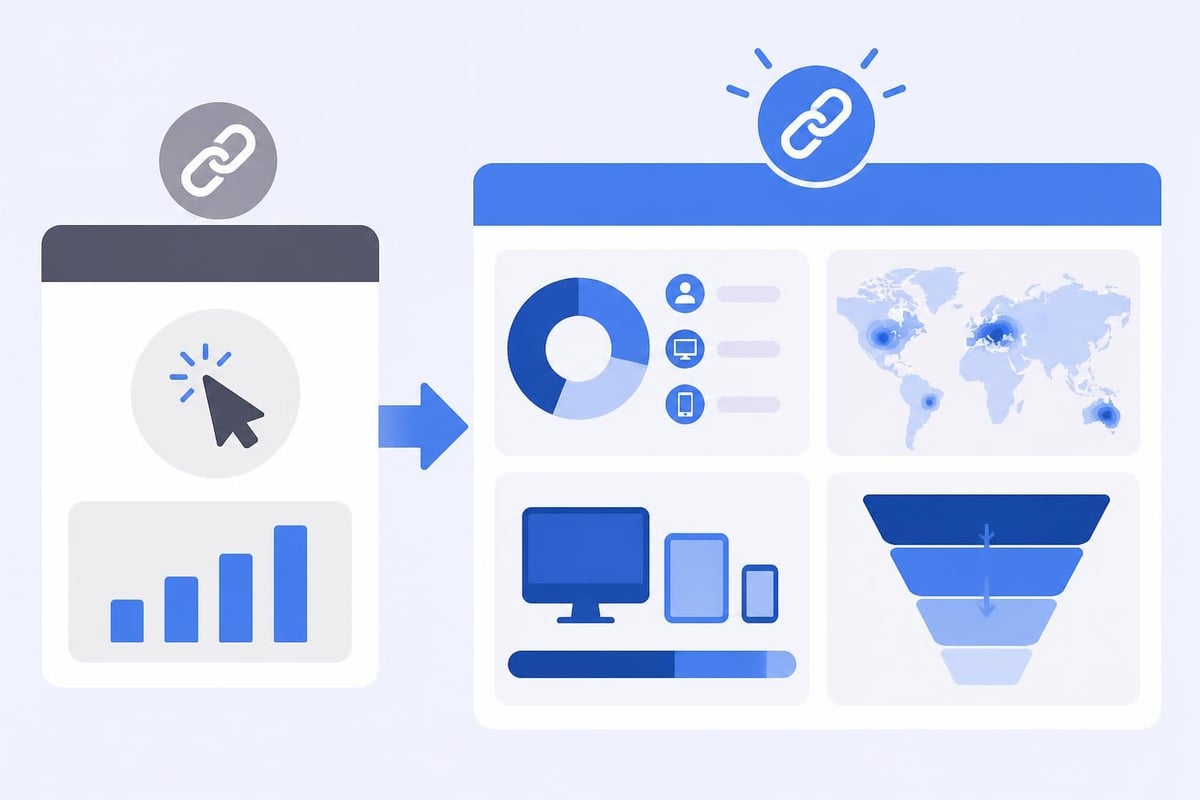
- Surface-level analytics that show clicks but not visitor behavior, device types, or geographic patterns
- No A/B testing to determine which link arrangement, copy, or call-to-action drives conversions
- Limited customization that makes every page feel template-driven
- Expensive upgrades for basic features like removing branding or adding custom domains
- Third-party data ownership where your audience insights remain locked in someone else's platform
For marketers running paid campaigns or tracking attribution, these gaps create blind spots. You drive traffic to your bio link, visitors click through, but you cannot trace which source, message, or creative drove the highest-value actions. Optimizing your Instagram profile requires understanding the full customer journey, not just counting link clicks.
The Intelligence Gap
Every click contains information. When someone taps your bio link at 2 PM on a Tuesday from Toronto using an iPhone, that context matters. It tells you when your audience is active, where they're located, and how they browse. Traditional link-in-bio tools discard this intelligence.
Modern alternatives capture it. They track UTM parameters, referral sources, scroll depth, and time-on-page. They integrate with marketing automation platforms and CRMs. They transform links from static shortcuts into dynamic data engines.
Essential Features in a Modern Linktree Alternative
Not all alternatives are created equal. The best platforms share core capabilities that extend far beyond link aggregation.
Advanced Analytics and Attribution
Comprehensive tracking separates professional tools from consumer apps. Look for platforms that provide:
| Metric Category | What to Track | Why It Matters |
|---|---|---|
| Traffic Sources | Referral domains, UTM campaigns, social platforms | Understand which channels drive engaged visitors |
| Visitor Behavior | Click-through rate, time on page, scroll depth | Identify which links and content resonate |
| Geographic Data | Country, region, city-level insights | Optimize timing and messaging for key markets |
| Device Analytics | Mobile vs. desktop, operating systems, browsers | Ensure mobile-first design and compatibility |
Privacy considerations matter here. While third-party cookies are declining, first-party tracking through your own domain remains effective and privacy-compliant. Choose platforms that respect user consent while delivering actionable insights.
A/B Testing Capabilities
Guessing which headline works better wastes time. Testing proves it.
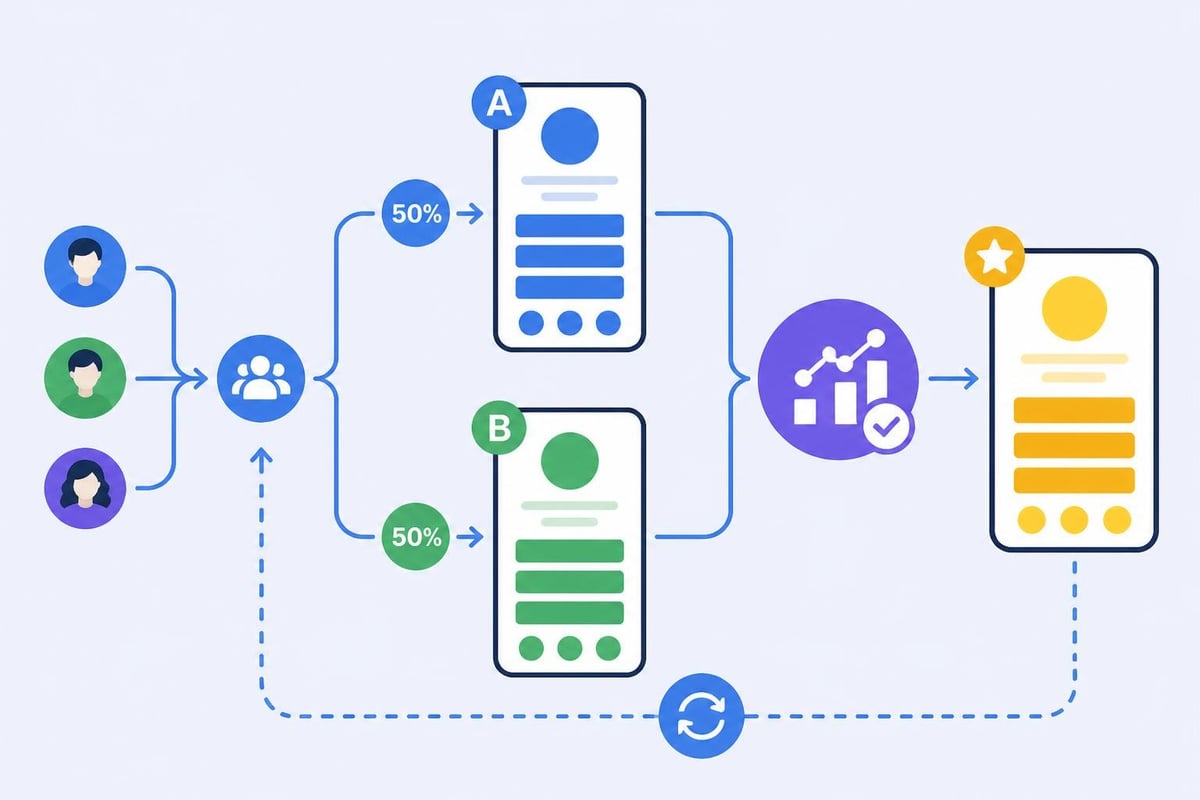
A robust Linktree alternative enables systematic experimentation:
- Create variants with different link orders, button colors, or headlines
- Split traffic automatically between versions
- Measure performance with statistical significance
- Deploy winners and iterate continuously
Smart teams test one variable at a time. This week, test whether "Shop Now" outperforms "Browse Collection." Next week, test thumbnail images versus text-only links. Compound these 2 percent improvements over months, and you've doubled conversion rates.
Custom Domains and Branding
Your bio link represents your brand. A generic URL undermines credibility.
Professional alternatives allow custom domains. Instead of linktree.com/yourbrand, use links.yourbrand.com or bio.yourbrand.com. This approach delivers three benefits:
- Brand consistency across all customer touchpoints
- Trust signals that reassure visitors they're in the right place
- SEO value by keeping backlinks pointing to your domain
White-label options remove platform branding entirely. Your bio page looks like an extension of your website, not a third-party service.
Comparing Top Linktree Alternatives in 2026
The market has matured significantly. Several platforms now offer enterprise-grade features at accessible price points.
Link Management Platforms with Bio Page Features
Purpose-built link management tools often include bio page builders as one component of broader functionality. These platforms excel when you need link intelligence across all marketing channels, not just social media.
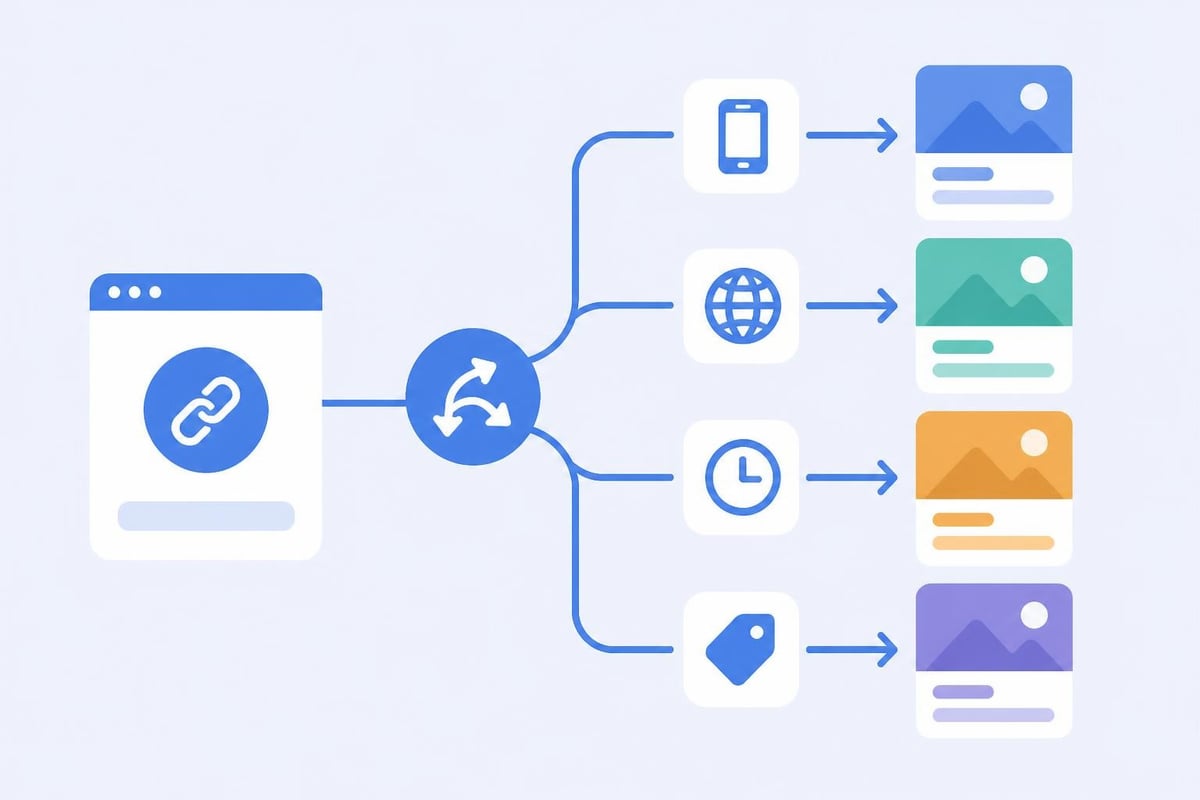
Trimy exemplifies this approach. The platform combines URL shortening, click tracking, A/B testing, and smart routing with customizable bio pages. For marketers running campaigns across email, social, paid ads, and organic channels, Trimy provides unified link analytics. You can track how your bio link performs alongside every other URL in your marketing stack, compare conversion rates across channels, and use the same retargeting pixels everywhere.
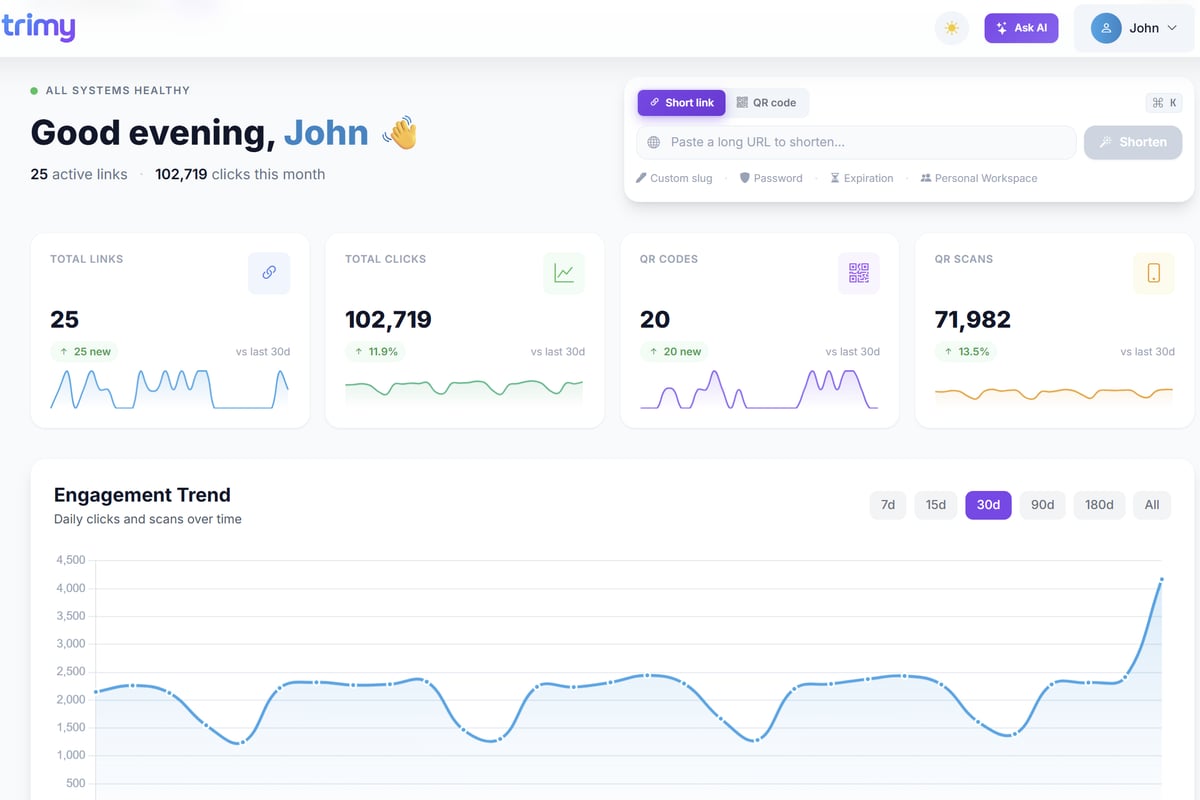
The advantage here is consolidation. Instead of one tool for short links, another for QR codes, and a third for bio pages, you manage everything through a single dashboard with consistent reporting.
All-in-One Creator Platforms
Platforms like Beacons, Stan, and Koji target creators who need more than link aggregation. They bundle email capture, digital product sales, appointment booking, and tipping functionality.
Strengths:
- Integrated monetization tools
- Email list building without third-party integrations
- Creator-specific templates and design options
Limitations:
- Higher monthly costs as you scale
- Less flexibility for custom workflows
- Analytics often focus on sales metrics, not link intelligence
These work well for independent creators monetizing directly. They're less suited for marketing teams optimizing multi-channel campaigns.
Open-Source and Self-Hosted Solutions
Developers can build custom bio pages using frameworks like Next.js or Nuxt. Building your own link-in-bio page offers maximum control over design, tracking, and functionality.
Benefits include:
- Complete data ownership
- Unlimited customization
- No monthly platform fees
- Integration with existing tech stack
Tradeoffs involve:
- Development and maintenance costs
- Hosting and infrastructure management
- Security and uptime responsibility
For businesses with engineering resources, self-hosting makes sense. For lean marketing teams, managed platforms provide better ROI.
Strategic Considerations Beyond Features
Choosing a Linktree alternative requires thinking beyond bullet-point comparisons. Consider how the tool fits your broader marketing strategy.
Link-in-Bio SEO Implications
Single-page sites present unique SEO challenges. Bio pages typically don't rank for competitive keywords because search engines prefer content depth over simplicity.
However, bio pages serve discovery, not search. They convert traffic you've already earned through social media, email signatures, podcast appearances, and paid ads. The goal isn't ranking for "best running shoes." It's maximizing conversion after someone discovers you on Instagram.
That said, technical SEO basics still matter:
- Fast page load times (under 2 seconds)
- Mobile-responsive design
- Descriptive page titles and meta descriptions
- Structured data markup for rich results
Some platforms handle these automatically. Others require manual configuration.
Accessibility and Inclusive Design
Your bio page should work for all visitors, including those using screen readers, keyboard navigation, or high-contrast displays.
WCAG guidelines provide accessibility standards that apply to bio pages:
- Sufficient color contrast for text and buttons
- Keyboard-accessible navigation
- Descriptive alt text for images
- Clear focus indicators
- Logical heading hierarchy
Platforms with strong accessibility support ensure you're not excluding potential customers. Check whether your chosen alternative offers accessibility testing or templates designed with WCAG compliance.
The Creator Economy Context
Bio links have become infrastructure for the creator economy. Businesses tapping into creator partnerships rely on bio pages as conversion points for sponsored content, affiliate links, and product launches.
This shift changes what matters in a Linktree alternative. Brands need:
- Multi-user access for agencies and collaborators
- Approval workflows before links go live
- Usage analytics to evaluate creator performance
- Compliance tools for disclosure requirements
Enterprise features that seemed unnecessary in 2022 are now table stakes for scaled creator programs.
Practical Implementation Strategies
Migrating from Linktree or launching your first bio page requires planning. Follow these steps to maximize results from day one.
Audit Your Current Performance
Before switching platforms, establish baseline metrics:
- Document total clicks on your existing bio link over the past 90 days
- Identify top-performing links by click-through rate
- Note traffic sources driving visitors to your bio page
- Calculate conversion rates from bio link to desired actions
This data guides your alternative selection and provides benchmarks for improvement.
Structure Your Bio Page for Conversion
Link-in-bio best practices emphasize prioritization and clarity. Your bio page should answer three questions instantly:
- Who you are (headline and brief description)
- What you offer (primary call-to-action)
- Why someone should click (value proposition for each link)
Link hierarchy matters. Place your most important call-to-action first. For e-commerce brands, that's typically your latest product launch or best-selling item. For service providers, it's booking a consultation or downloading a lead magnet.
Avoid link overload. Every additional option increases decision paralysis. Aim for 5 to 7 links maximum. Rotate seasonal promotions or trending content weekly rather than creating a permanent list of 20 links.
Configure Tracking and Integrations
Link intelligence requires proper setup. When evaluating a Linktree alternative, verify it supports:
| Integration Type | Purpose | Example Use Case |
|---|---|---|
| UTM Parameters | Campaign attribution | Track which social post drove bio visits |
| Retargeting Pixels | Audience building | Show ads to bio page visitors who didn't convert |
| Webhooks | Real-time data sync | Send new email subscribers to your CRM |
| Analytics Platforms | Centralized reporting | View bio page data alongside website analytics |
The best platforms make these integrations point-and-click, not custom development projects.
Test Systematically
Deploy A/B tests with clear hypotheses. Don't just test random changes.
Example testing roadmap:
Week 1-2: Test link order (highest-converting link first vs. newest content first)
Week 3-4: Test button copy (action-oriented vs. benefit-focused)
Week 5-6: Test visual elements (thumbnail images vs. icons vs. text-only)
Week 7-8: Test page headlines (brand name vs. value proposition)
Document results and iterate. Small wins compound into significant performance improvements over quarters.
Privacy and Data Ownership Considerations
Where your link data lives matters. Third-party platforms own their databases. When you use a hosted service, you're essentially renting access to your own analytics.
Key questions to ask:
- Can you export raw click data?
- Who has access to visitor information?
- How is data used for platform improvements or advertising?
- What happens to your data if you cancel?
Privacy regulations like GDPR and CCPA require transparency about data collection. Research on cookie consent shows that tracking behaviors vary widely across platforms. Some alternatives load dozens of third-party trackers. Others keep tracking first-party and minimal.
For businesses in regulated industries or with privacy-conscious audiences, choosing a platform with clear data policies and minimal third-party dependencies reduces risk.
Mobile-First Design Requirements
Over 80 percent of social media browsing happens on mobile devices. Your bio page must load instantly and display perfectly on small screens.
Non-negotiable mobile requirements:
- One-tap clickable buttons (minimum 44x44 pixels)
- Vertical scrolling only (no horizontal swipes)
- Legible text without zooming (minimum 16px font size)
- Touch-friendly spacing between links
- Image optimization for cellular connections
Test your bio page on actual devices, not just desktop browser simulators. Load times and rendering differ significantly between iPhone, Android, and tablet devices.
Integration with Broader Marketing Stack
Your bio link doesn't exist in isolation. It's one node in your marketing ecosystem.
Consider how your chosen alternative connects to:
- Email marketing platforms for subscriber sync
- E-commerce systems for product catalog updates
- CRM tools for lead scoring and nurturing
- Social media schedulers for link rotation
- Analytics dashboards for unified reporting
The strongest Linktree alternatives act as hubs, not silos. They feed data into your existing tools and accept updates from your content calendar.
Pricing Models and Hidden Costs
Free tiers attract initial users, but limitations become apparent quickly. Understand what you're actually paying for.
Common pricing tiers:
Free: Limited links, platform branding, basic analytics
Pro ($5-15/month): Unlimited links, custom branding, detailed analytics
Business ($20-50/month): Multiple users, A/B testing, integrations, priority support
Enterprise (custom): White-label, API access, dedicated infrastructure, SLAs
Hidden costs to watch for:
- Custom domain setup fees
- Overage charges for traffic or clicks
- Premium template libraries
- Advanced analytics modules
- Integration connectors
Calculate total cost of ownership over 12 months, not just monthly subscription prices. A platform at $30/month with everything included may cost less than a $10/month service that charges for every add-on.
The right Linktree alternative transforms a simple problem into a strategic advantage. By treating your bio link as a dynamic conversion tool rather than a static directory, you gain insights that inform campaigns, optimize messaging, and drive measurable revenue. If you're ready to turn every click into actionable intelligence, trimy provides the analytics depth, testing capabilities, and routing logic that modern marketers demand at a price point that makes sense for teams of any size.