Web Site Marketing: Build Traffic & Revenue in 2026
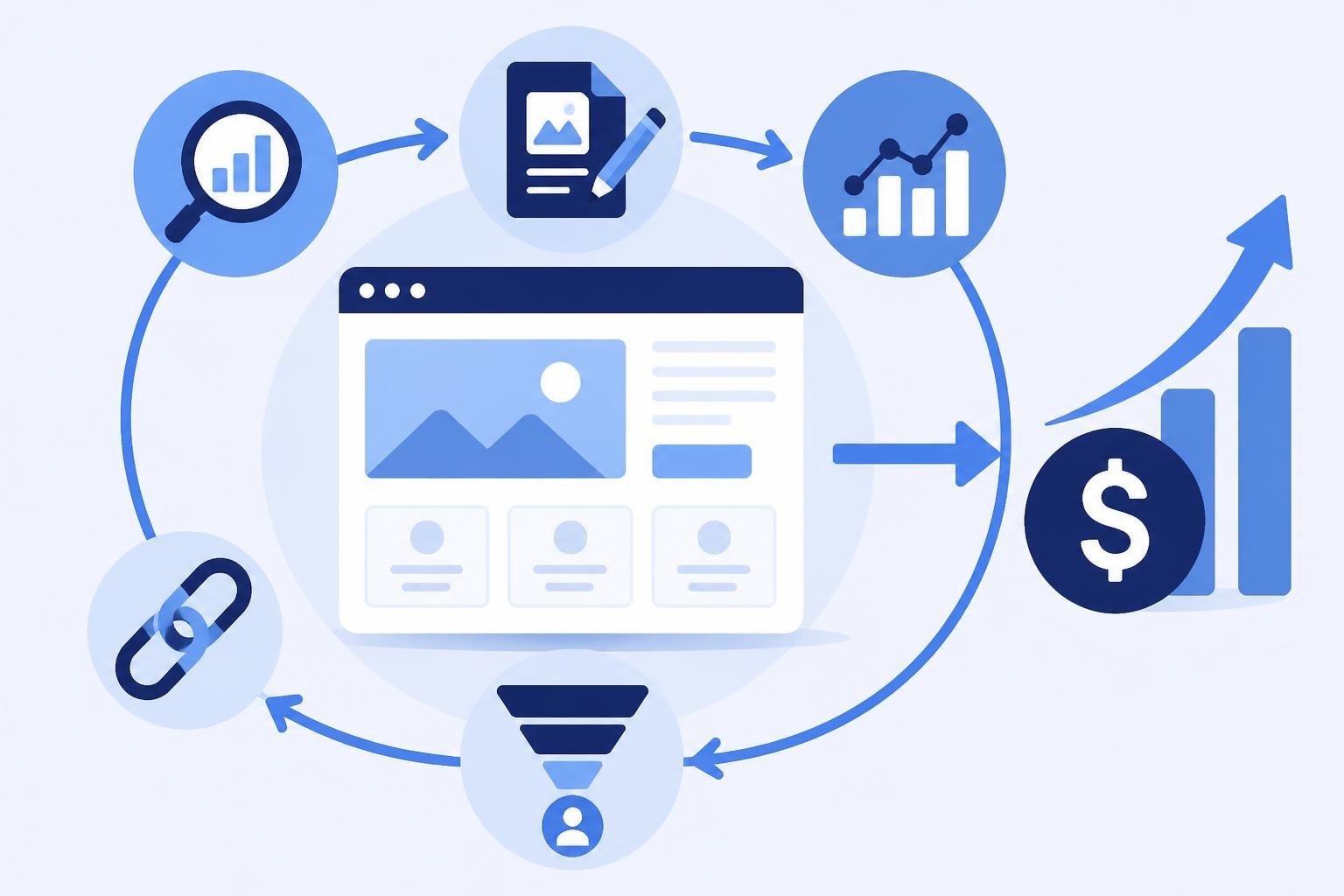
Web site marketing has evolved into a sophisticated discipline that combines technical precision, creative content strategy, and data-driven optimization. In 2026, businesses can no longer rely on basic tactics to drive traffic and conversions. The modern approach to web site marketing requires understanding how search algorithms work, how users behave across devices, and how every click contributes to your bottom line. Whether you're launching a new digital presence or scaling an established platform, mastering these fundamentals will determine your competitive position in an increasingly crowded online marketplace.
Understanding the Core Elements of Web Site Marketing
Effective web site marketing rests on three fundamental pillars: visibility, engagement, and conversion. Each element requires distinct strategies and tools to maximize performance.
Visibility means ensuring your target audience can actually find your website. This involves search engine optimization, paid advertising, social media presence, and strategic link placement across the web. Without visibility, even the most beautifully designed website with compelling offers remains invisible to potential customers.
Engagement focuses on what happens after visitors arrive. This includes page load speed, content quality, navigation structure, and user experience design. Research on balancing user experience with visual elements demonstrates how critical these design choices are for keeping visitors on your site and moving them toward conversion.
Conversion transforms visitors into customers, subscribers, or leads. This requires clear calls to action, streamlined checkout processes, trust signals, and continuous testing to identify what works best for your specific audience.
The Technical Foundation
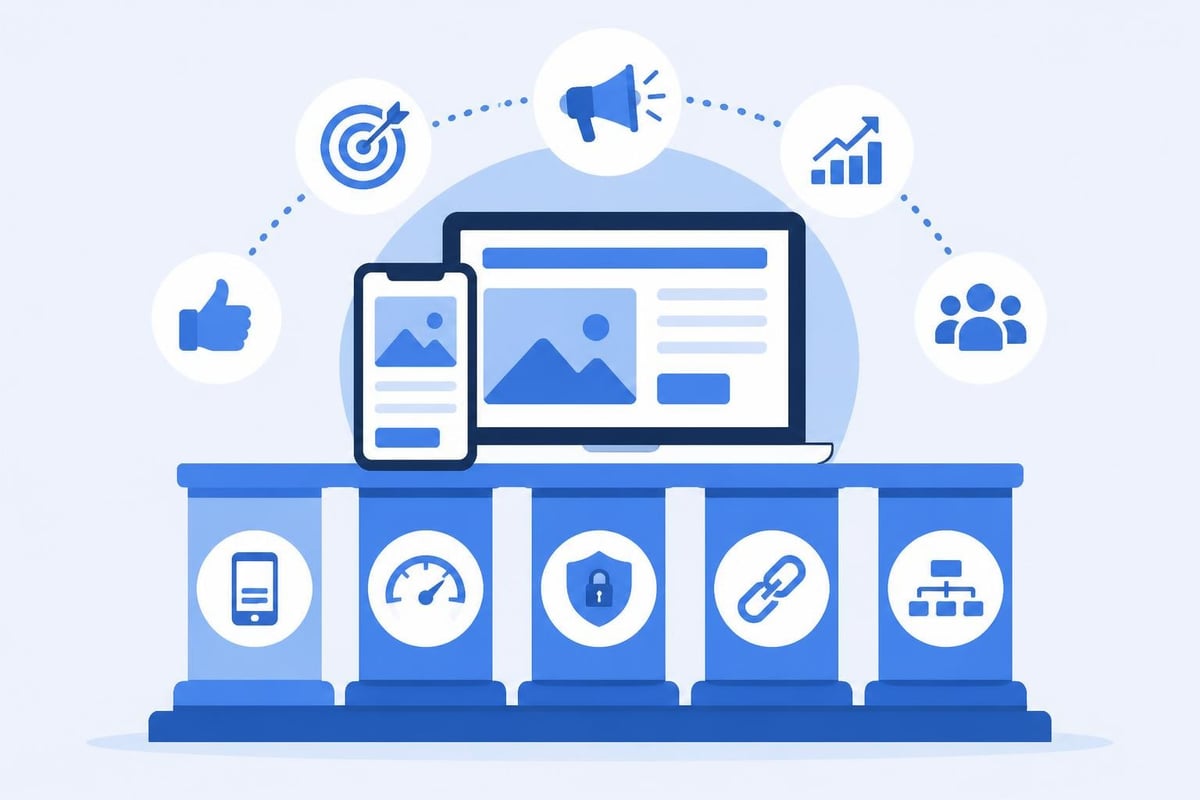
Before implementing any marketing tactics, your website must meet modern technical standards:
- Mobile responsiveness across all device sizes
- Page load speeds under three seconds
- SSL certificates and HTTPS security
- Clean URL structures that support SEO
- Schema markup for rich search results
- XML sitemaps for search engine crawling
These technical elements aren't glamorous, but they form the infrastructure that supports all other marketing efforts. When choosing a website builder, industry experts emphasize these technical capabilities alongside ease of use.
Search Engine Optimization as a Growth Engine
SEO remains the cornerstone of sustainable web site marketing. Unlike paid advertising that stops delivering results when budgets run out, organic search traffic continues flowing once you've established strong rankings.
Modern SEO extends far beyond keyword stuffing. It requires understanding search intent, creating comprehensive content that answers user questions, and building authority through quality backlinks. The shift toward Answer Engine Optimization represents the latest evolution in this space. HubSpot's 1,850% increase in leads demonstrates the power of aligning content with how users actually search for information.
On-Page Optimization Strategies
Every page on your website should be optimized for both search engines and human readers:
- Title tags that include primary keywords and compelling copy
- Meta descriptions that drive click-through rates from search results
- Header hierarchy (H1, H2, H3) that structures content logically
- Image alt text that describes visuals for accessibility and SEO
- Internal linking that distributes page authority throughout your site
- Content depth that thoroughly covers topics rather than superficial overviews
The key is balancing optimization with readability. Content that ranks well but fails to engage visitors wastes the opportunity SEO creates.
Content Marketing That Drives Results
Content forms the substance of web site marketing. Without valuable, relevant content, you have nothing to optimize, share, or convert visitors with.
Effective content marketing requires a strategic approach:
| Content Type | Primary Purpose | Best Use Cases |
|---|---|---|
| Blog posts | Organic traffic, thought leadership | How-to guides, industry insights, case studies |
| Landing pages | Conversion optimization | Product launches, campaign destinations, lead capture |
| Resource centers | Authority building | Comprehensive guides, templates, tools |
| Video content | Engagement, explanation | Product demos, tutorials, testimonials |
| Infographics | Social sharing, backlinks | Data visualization, process explanations |
Each content type serves specific goals within your overall web site marketing strategy. The most successful approaches use multiple formats to reach different audience segments and serve various stages of the buyer journey.
Creating Content That Converts
Great content does more than attract visitors. It guides them toward specific actions. This requires understanding your audience's pain points, questions, and decision-making process.
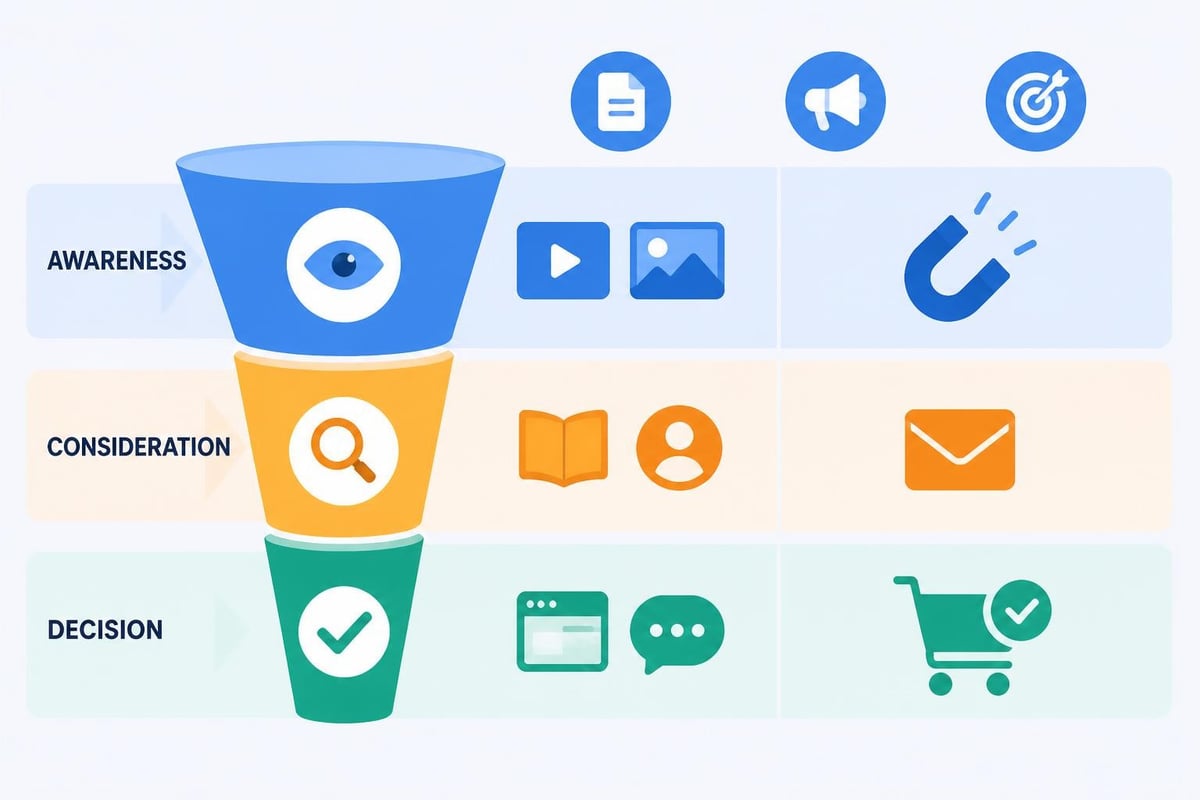
Start by mapping content to each stage of your funnel. Top-of-funnel content answers broad questions and builds awareness. Middle-funnel content compares solutions and builds trust. Bottom-funnel content addresses objections and facilitates decisions.
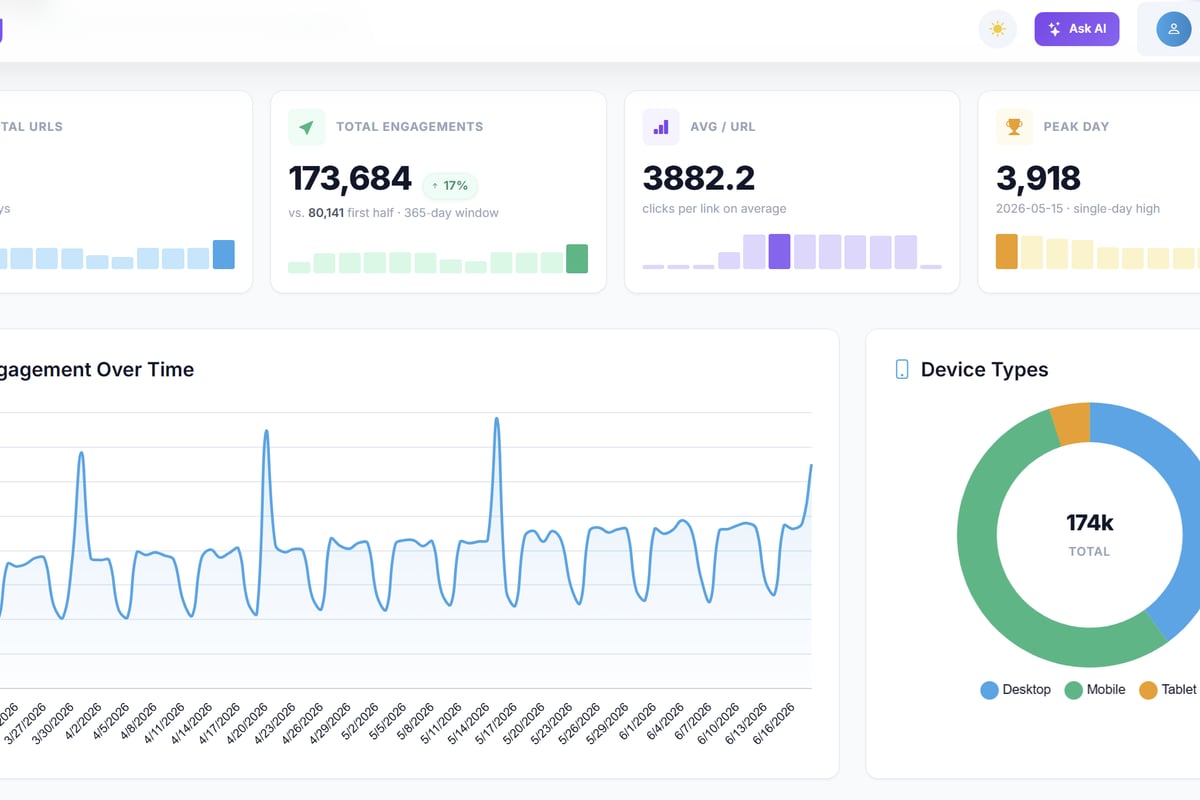
For businesses managing digital campaigns, tracking how different content pieces perform becomes essential. This is where link management intersects with content strategy. When you can see which blog posts, resources, or landing pages drive the most valuable traffic, you can double down on what works and eliminate what doesn't.
Analytics and Performance Measurement
Web site marketing without analytics is like driving blindfolded. You might move forward, but you have no idea where you're going or whether you're on the right path.
Key metrics every marketer should track:
- Traffic sources (organic, direct, referral, social, paid)
- Bounce rate and time on page
- Conversion rates by traffic source and landing page
- Customer acquisition cost versus lifetime value
- Page-level performance and engagement
Beyond basic web analytics, advanced marketers use heat mapping, session recordings, and funnel analysis to understand exactly how visitors interact with their sites. AI-driven systems can now score marketing content and provide automated recommendations for improvement.
The real power comes from connecting analytics to action. When you identify that organic traffic from a specific keyword converts at three times the rate of paid traffic, you can shift resources accordingly. When you discover that visitors who view your pricing page before your features page convert more often, you can restructure your navigation.
A/B Testing for Continuous Improvement
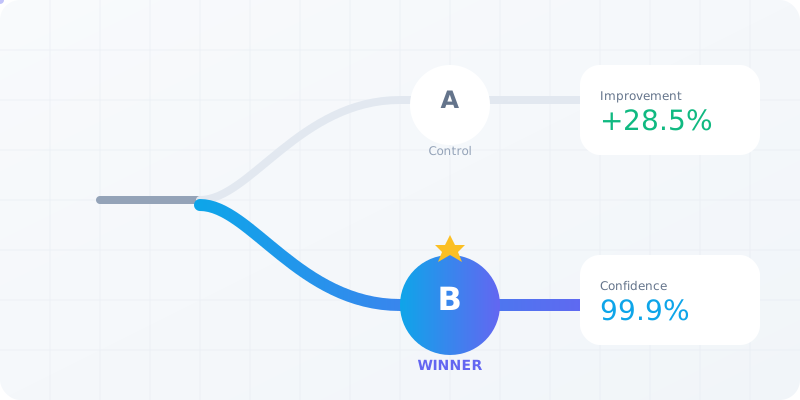
The most successful web site marketing programs treat every page as a hypothesis to be tested. A/B testing removes guesswork by showing what actually works with your specific audience.
Elements worth testing include:
- Headlines and value propositions
- Call-to-action button text and placement
- Form length and field requirements
- Page layouts and content order
- Color schemes and visual hierarchy
- Pricing presentation and packaging
Even small improvements compound over time. A 5% increase in conversion rate might seem modest, but across thousands of monthly visitors, it represents significant revenue growth.
For marketers running multiple campaigns simultaneously, the ability to test different destinations, track performance by traffic source, and optimize routing based on real-time data becomes crucial. Trimy offers these capabilities with advanced analytics, A/B testing, and smart routing that helps transform every link into actionable intelligence for your campaigns.
Conversion Rate Optimization Fundamentals
Driving traffic to your website accomplishes nothing if visitors don't take desired actions. Conversion rate optimization focuses on maximizing the value of existing traffic rather than constantly chasing new visitors.
Building Trust and Credibility
Modern consumers are skeptical. They've been burned by misleading marketing and scam websites. Building trust requires multiple signals:
- Social proof through customer testimonials, reviews, and case studies
- Security indicators including SSL certificates and trust badges
- Professional design that signals legitimacy and competence
- Clear contact information and accessible customer support
- Transparent pricing without hidden fees or deceptive tactics
Research on dark patterns in e-commerce reveals how certain deceptive design choices can manipulate users, but these tactics ultimately damage trust and long-term value. Ethical web site marketing builds sustainable relationships rather than extracting short-term gains.
Streamlining the Conversion Path
Every additional step between arrival and conversion introduces friction. The best web site marketing minimizes this friction:
- Reduce form fields to only essential information
- Offer guest checkout options for e-commerce
- Provide multiple payment methods
- Use progress indicators for multi-step processes
- Enable auto-fill and smart defaults
| Friction Point | Impact on Conversion | Solution |
|---|---|---|
| Slow page load | 7% drop per second delay | Image optimization, CDN, caching |
| Required account creation | 25-40% abandonment | Guest checkout option |
| Unclear value proposition | 60% immediate bounce | Above-fold clarity, benefit-focused copy |
| Hidden costs | 55% cart abandonment | Transparent pricing, shipping calculator |
| Complex forms | 81% abandon before completion | Minimal required fields, smart validation |
Integrated Channel Strategy
Web site marketing doesn't exist in isolation. The most effective approaches integrate your website with broader marketing channels.
Email marketing drives repeat traffic and nurtures leads over time. Collect email addresses through valuable content offers, then use automated sequences to guide subscribers toward conversion.
Social media extends your reach and builds community. Share content, engage with followers, and use social platforms to drive qualified traffic back to your website.
Paid advertising accelerates results while organic strategies build momentum. Platforms like Google Ads, Facebook, and LinkedIn allow precise targeting and immediate visibility.
The key is ensuring consistency across channels while optimizing for each platform's unique characteristics. Your message should be recognizable whether someone encounters it in search results, social media, or email.
Link Strategy Across Channels
Every piece of content you distribute, every social post, every email includes links back to your website. Managing these links strategically multiplies your web site marketing effectiveness.
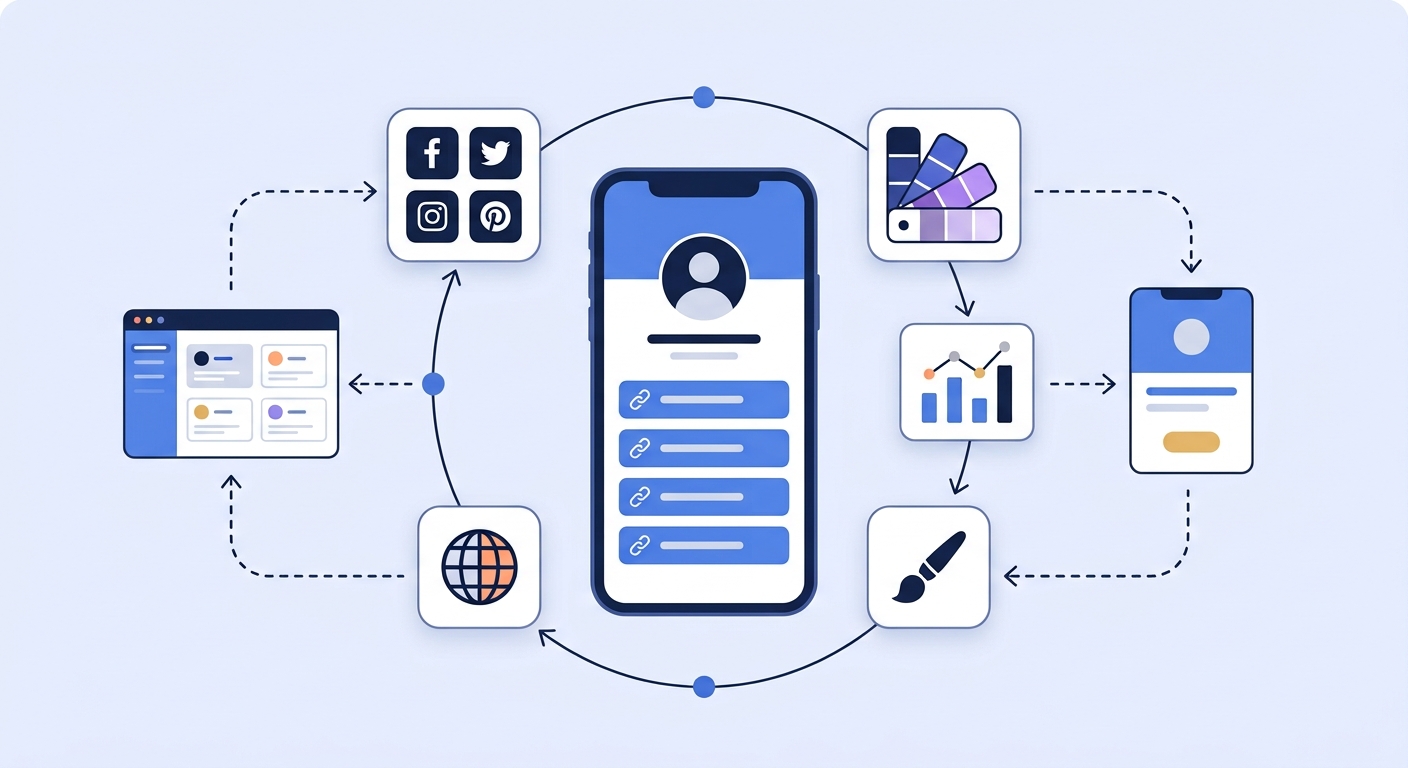
Consider how different audiences respond to different landing pages. Your LinkedIn audience might need more professional validation, while your Instagram followers respond to visual storytelling. Smart routing sends each visitor to the most relevant destination based on their source.
UTM parameters track campaign performance with precision, showing which specific posts, ads, or partners drive the most valuable traffic. Growing website traffic with built-in marketing tools becomes significantly easier when you can measure exactly what's working.
Advanced Tactics for Competitive Markets
As web site marketing matures, basic tactics become table stakes. Advanced marketers employ sophisticated strategies to gain competitive advantages.
Personalization tailors the website experience based on visitor characteristics, behavior, or traffic source. This might include dynamic content, customized product recommendations, or targeted messaging.
Marketing automation nurtures leads through complex, multi-touch sequences that respond to user behavior. When someone downloads a resource but doesn't convert, automated follow-up keeps your solution top of mind.
Retargeting brings back visitors who left without converting. By tracking site visitors and displaying relevant ads as they browse other websites, you stay visible during their decision process.
Influencer partnerships and guest posting build backlinks, expand reach, and borrow authority from established voices in your industry.
Emerging Opportunities in 2026
The web site marketing landscape continues evolving. Voice search optimization, AI-generated content, and video-first strategies represent frontier opportunities for early adopters.
Interactive content like calculators, assessments, and configurators engage visitors more deeply than static text. These tools provide value while collecting behavioral data that informs future marketing.
Privacy-first analytics and cookieless tracking solutions address growing privacy regulations while maintaining the insights marketers need to optimize performance.
Successful web site marketing in 2026 requires combining technical excellence, compelling content, and rigorous analytics into an integrated system that continuously improves. Every element from page speed to link structure plays a role in driving traffic and converting visitors into customers. For marketers who need to maximize the intelligence extracted from every campaign link, trimy provides the advanced analytics, A/B testing capabilities, and smart routing features that transform simple links into powerful revenue signals, all while maintaining competitive pricing that makes sophisticated link management accessible to growing businesses.