B2C Social Media Marketing: Strategy Guide for 2026
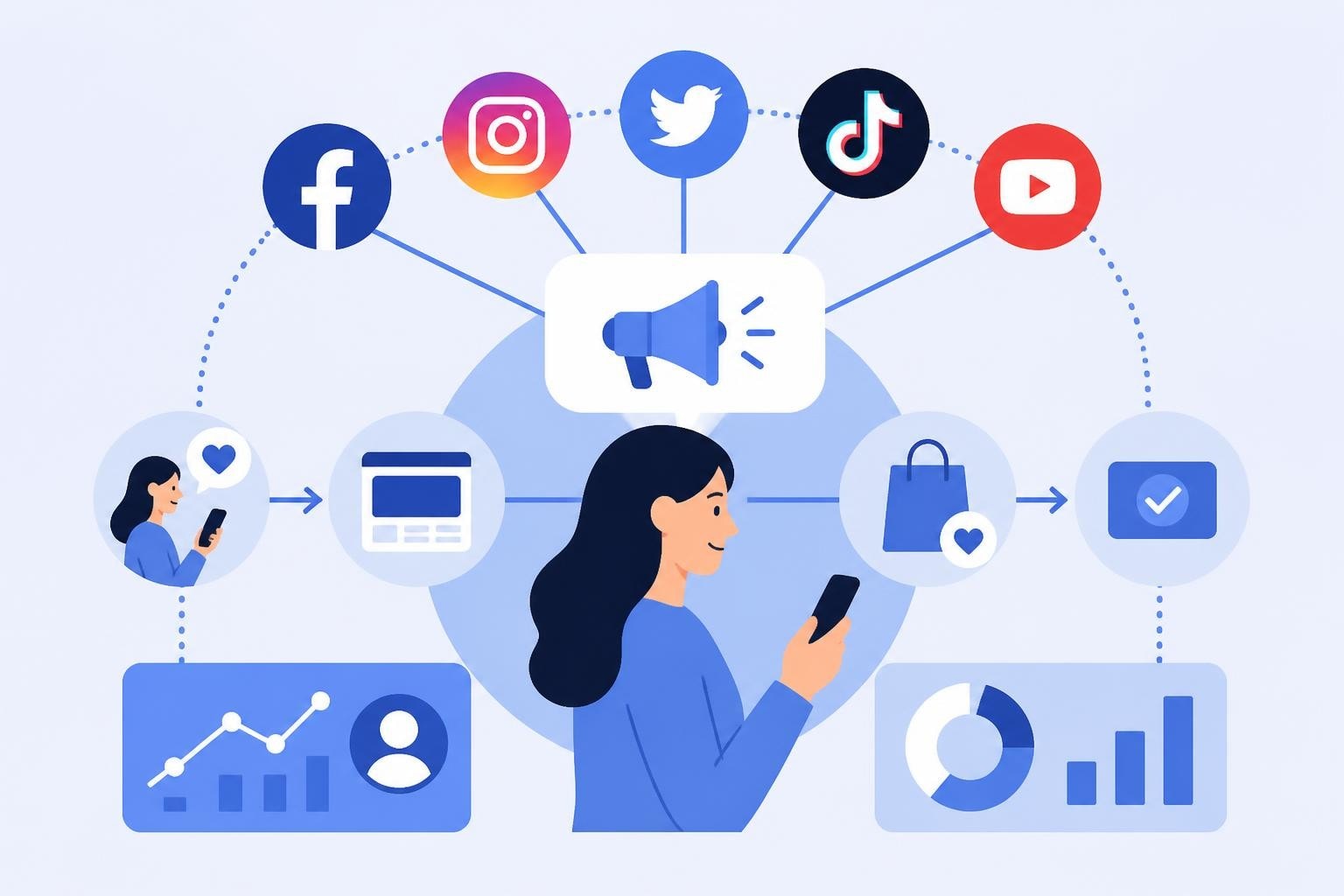
Social media has fundamentally reshaped how consumer brands connect with their audiences. For businesses selling directly to consumers, these platforms represent more than marketing channels-they're dynamic ecosystems where discovery, engagement, and conversion happen simultaneously. Understanding how to navigate b2c social media marketing effectively separates growing brands from those struggling to maintain relevance in an increasingly competitive digital landscape.
Understanding the B2C Social Media Landscape
The foundation of any successful b2c social media marketing strategy begins with understanding where your audience spends time. According to recent demographic data on social media usage, platform preferences vary significantly by age, income, and lifestyle factors. YouTube and Facebook maintain the broadest reach among U.S. adults, while Instagram, TikTok, and Snapchat dominate younger demographics.
Consumer behavior on social platforms differs fundamentally from business audiences. B2C users scroll for entertainment, connection, and inspiration rather than professional development. This creates both opportunity and challenge for marketers.
Platform Selection and Prioritization
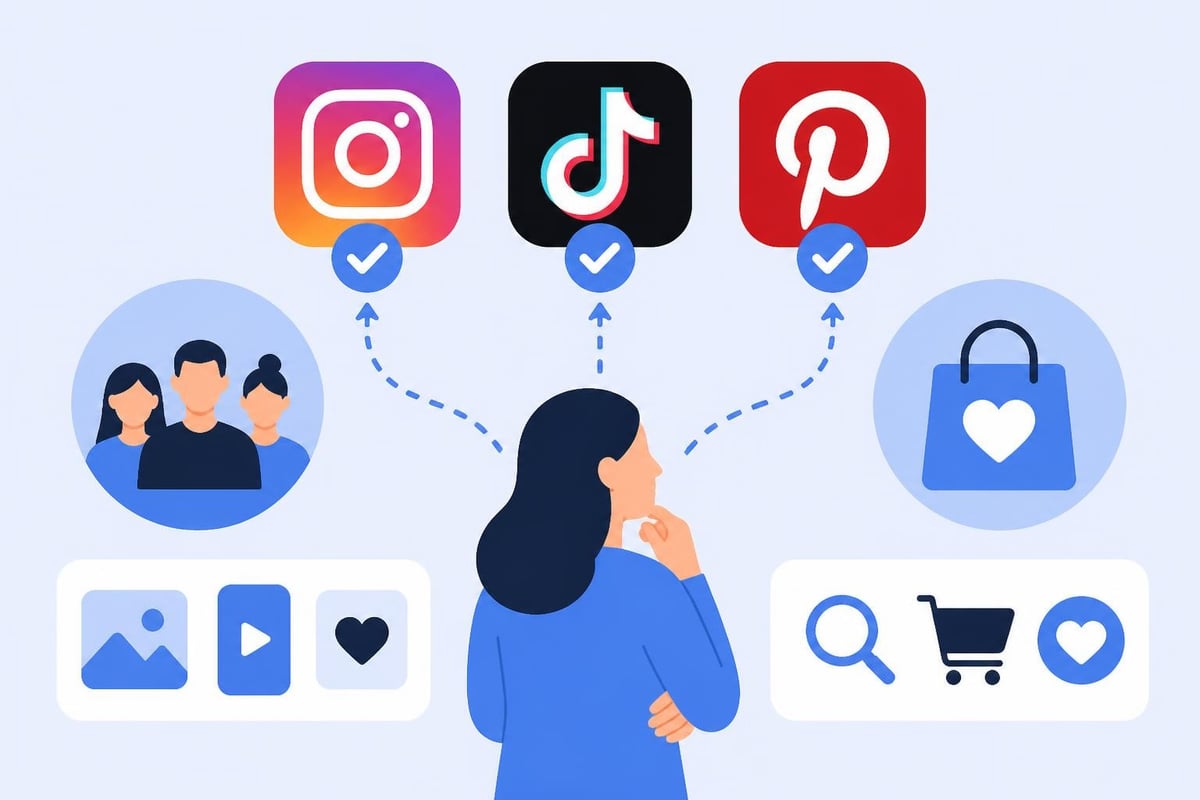
Rather than spreading resources across every available channel, effective b2c social media marketing requires strategic platform selection based on three core factors:
- Audience concentration: Where your target customers actively engage
- Content format alignment: Which platforms support your storytelling strengths
- Commercial intent signals: Platforms where users demonstrate purchase readiness
Resource allocation becomes critical when managing multiple channels. Most consumer brands achieve better results by dominating two or three platforms than maintaining weak presence across six or seven.
| Platform | Best For | Content Cadence | Primary Metric |
|---|---|---|---|
| Visual storytelling, lifestyle brands | 4-7 posts/week | Engagement rate | |
| TikTok | Viral reach, Gen Z/Millennial | 3-5 videos/week | View completion |
| Community building, older demographics | 3-5 posts/week | Share rate | |
| Product discovery, aspirational content | 5-10 pins/day | Click-through |
Content Strategy for Consumer Engagement
B2C social media marketing thrives on emotional connection rather than feature lists. Consumers engage with content that entertains, educates, or inspires them-not content that simply promotes products. The most successful brands build content ecosystems where promotional messages represent only 20-30% of total output.
The Content Mix Framework
Implementing a balanced content strategy prevents audience fatigue while maintaining commercial viability:
- Educational content (40%): Tips, tutorials, and how-to guides that provide genuine value
- Entertainment content (30%): Humor, trending formats, and culturally relevant material
- Inspirational content (20%): User stories, transformations, and aspirational messaging
- Promotional content (10%): Direct product features, offers, and calls-to-action
This distribution keeps audiences engaged while creating natural opportunities for conversion. B2C marketing trends consistently show that brands prioritizing value-driven content outperform those focused primarily on promotional messaging.
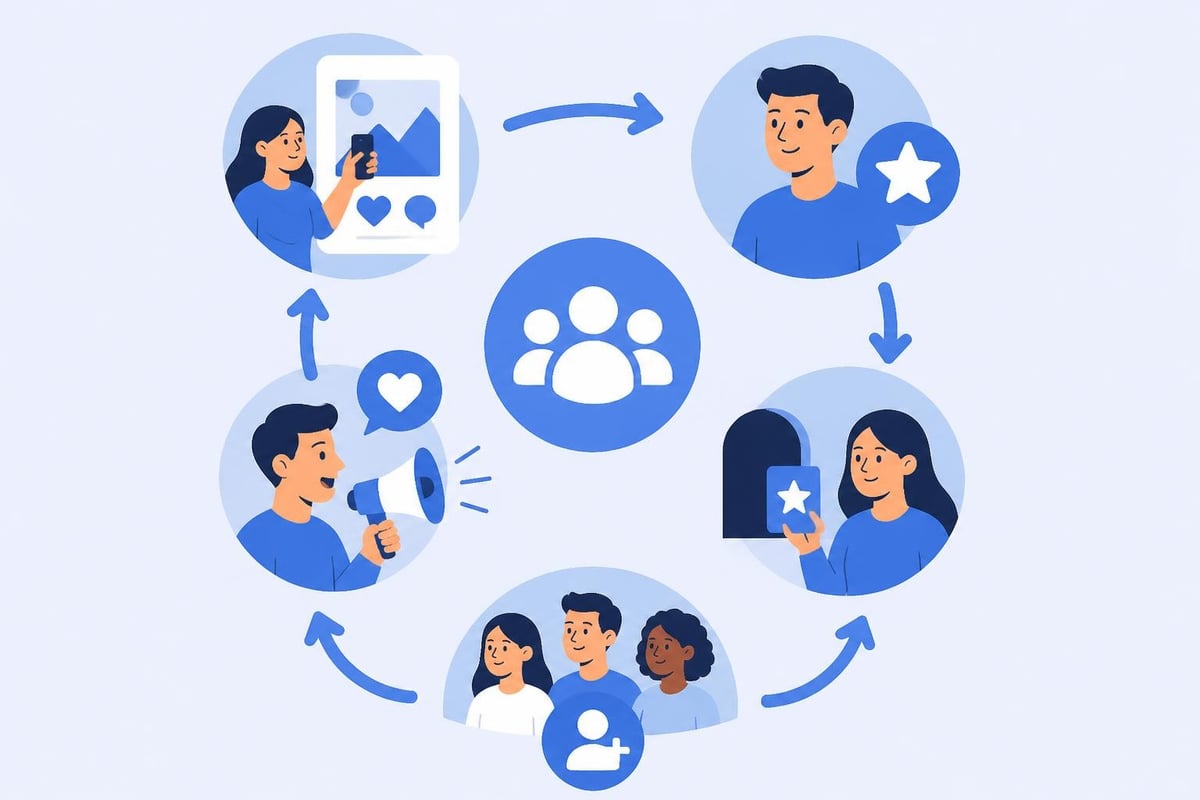
User-generated content deserves special attention in b2c social media marketing. Customer photos, reviews, and testimonials provide authentic social proof while reducing content production costs. Brands that systematically collect and reshare customer content build stronger community connections and drive higher conversion rates.
Video Dominance and Short-Form Content
Video has evolved from optional to essential across nearly every social platform. Short-form video specifically drives the highest engagement rates among consumer audiences. TikTok's algorithm rewards completion rate and sharing behavior, making compelling 15-60 second videos powerful reach multipliers.
Instagram Reels, YouTube Shorts, and Facebook video each prioritize native uploads over repurposed content. While the same core creative can work across platforms, optimizing aspect ratios, captions, and hooks for each environment significantly improves performance.
Key video best practices include:
- Hook within three seconds to prevent scroll-away
- Native captions for sound-off viewing
- Clear value proposition in thumbnail and opening frame
- Platform-specific formatting rather than cross-posting identical files
Paid Social Advertising for B2C Brands
Organic reach limitations make paid advertising essential for most b2c social media marketing programs. Platform algorithms increasingly prioritize content from friends and family over brand pages, requiring advertising investment to maintain visibility even among existing followers.
Campaign Structure and Objectives
Meta's advertising system (Facebook and Instagram) offers several campaign objectives aligned with different funnel stages. Meta Blueprint frameworks provide structured approaches for awareness, consideration, and conversion campaigns tailored to consumer purchase journeys.
Awareness campaigns introduce new audiences to your brand through reach and video view objectives. These campaigns prioritize broad exposure over immediate response, building the recognition necessary for future conversion.
Consideration campaigns engage users who've shown initial interest through traffic, engagement, or lead generation objectives. Retargeting plays a crucial role at this stage, reconnecting with website visitors and social engagers.
Conversion campaigns focus explicitly on purchases, leveraging platform algorithms to find users most likely to complete transactions. Dynamic product ads automatically show relevant items to users who've browsed specific products.
| Campaign Type | Objective | Key Metric | Typical ROAS |
|---|---|---|---|
| Awareness | Reach/Video Views | CPM, ThruPlay | N/A |
| Retargeting | Traffic/Engagement | CPC, CTR | 2-4x |
| Conversion | Purchases | CPA, ROAS | 3-6x |
| Catalog | Dynamic Products | ROAS, AOV | 4-8x |
Creative Testing and Optimization
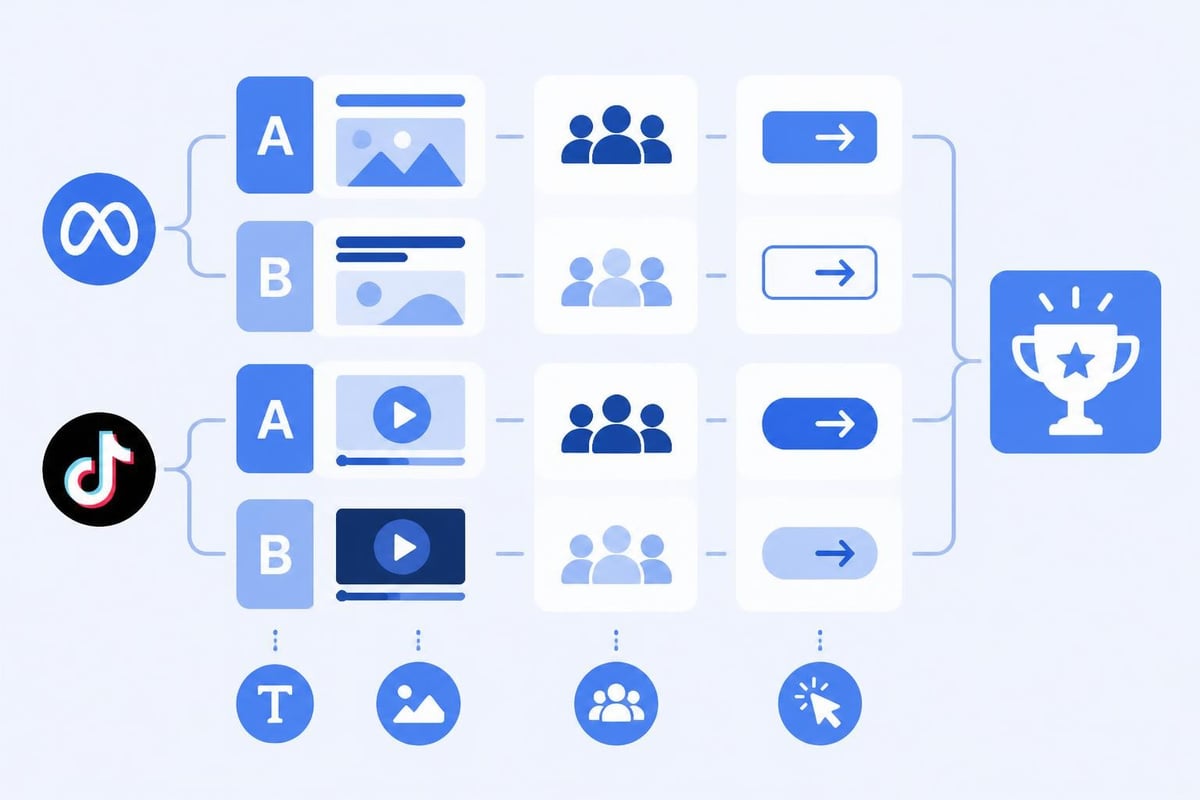
Effective b2c social media marketing requires continuous creative testing. Consumer preferences shift rapidly, and ad fatigue sets in quickly on social platforms. Implementing structured testing programs maintains fresh creative while identifying winning combinations of messaging, visuals, and calls-to-action.
The most effective testing approach isolates single variables:
- Headline variations with identical imagery
- Visual formats (photo vs. video vs. carousel) with consistent copy
- Audience segments receiving the same creative
- Call-to-action options within the same ad unit
TikTok's testing guidance emphasizes launching multiple creative variants simultaneously rather than sequential testing, allowing faster identification of winning concepts. This approach works across platforms, though minimum spend thresholds vary.
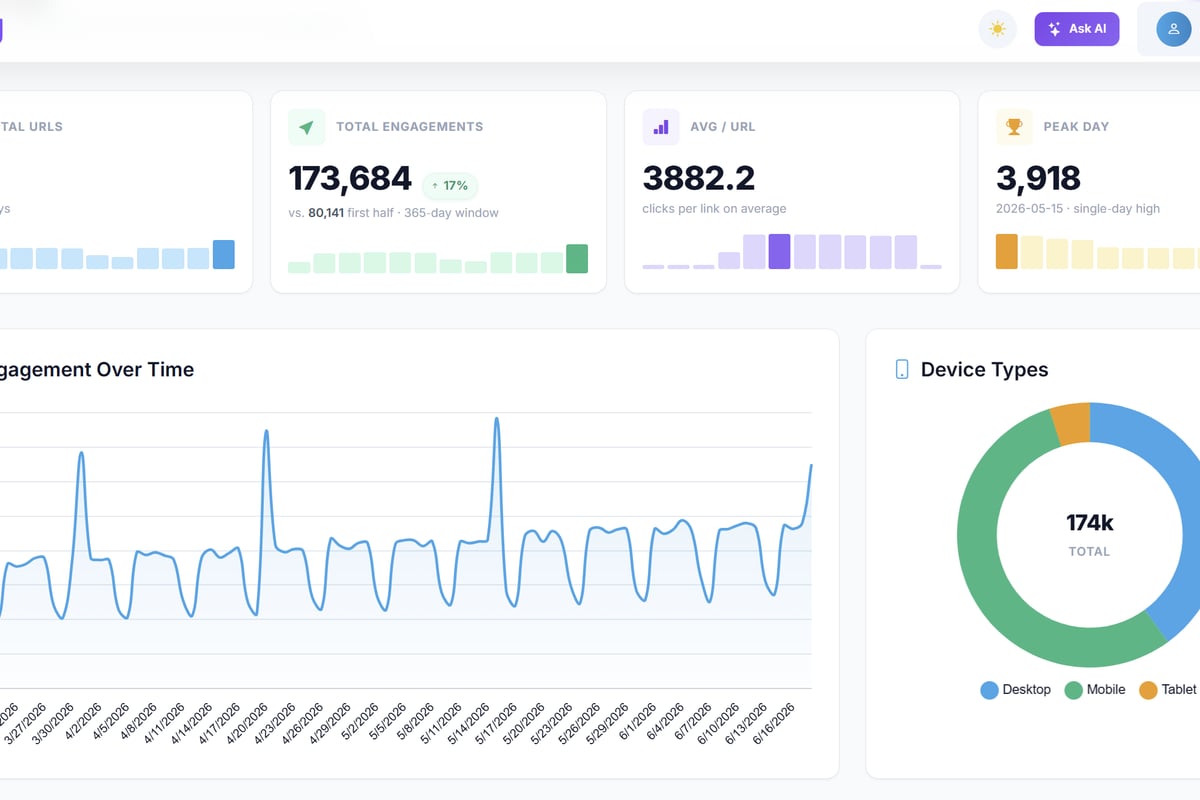
When running A/B tests on creative and campaign performance, having granular data on which links and landing pages drive the best results becomes essential. Trimy provides the link intelligence infrastructure that helps marketers track campaign performance across platforms, test different landing page variations, and route traffic based on user attributes-all while maintaining clean analytics that feed back into ad platform optimization.
Influencer Marketing and Partnerships
Influencer collaboration represents one of the most effective tactics within b2c social media marketing. Consumer audiences trust peer recommendations more than branded messaging, making authentic influencer partnerships powerful conversion drivers.
Influencer Tier Strategy
Rather than focusing exclusively on celebrities or mega-influencers, successful brands build multi-tier programs:
- Nano-influencers (1K-10K followers): Highest engagement rates, authentic community connections, budget-friendly
- Micro-influencers (10K-100K followers): Niche authority, professional content quality, measurable reach
- Mid-tier influencers (100K-500K followers): Category expertise, proven track record, scalable impact
- Macro-influencers (500K+ followers): Broad awareness, celebrity association, premium pricing
Nano and micro-influencers typically deliver superior ROI for direct response campaigns, while larger influencers excel at awareness objectives. Many brands allocate 60-70% of influencer budgets to smaller creators, reserving remaining funds for selective macro partnerships.
Compliance and Disclosure Requirements
The Federal Trade Commission requires clear disclosure of material connections between brands and influencers. All sponsored content must include obvious, unambiguous disclosure such as "#ad" or "#sponsored" in easily visible locations.
Beyond legal requirements, transparency builds consumer trust. Audiences increasingly recognize and appreciate honest partnerships over hidden endorsements. Influencer agreements should specify disclosure language, placement, and format to ensure compliance across all content.
Measurement and Analytics
Data-driven optimization separates effective b2c social media marketing from guesswork. However, vanity metrics like follower counts and total reach often obscure actual business impact. Focus instead on metrics directly connected to commercial outcomes.
Essential Performance Indicators
Engagement rate measures how actively audiences interact with content relative to reach. Calculate by dividing total engagements (likes, comments, shares, saves) by impressions, then multiplying by 100. Rates above 2-3% indicate strong content-market fit for most consumer brands.
Click-through rate (CTR) shows how effectively content drives traffic to owned properties. Track both link clicks and landing page sessions to understand drop-off between platforms and destinations. Understanding social measurement standards helps maintain consistent definitions across platforms.
Conversion rate connects social activity to revenue. Track conversions from each platform using UTM parameters, platform pixels, and analytics integration. Compare assisted conversions (users who engaged socially before converting elsewhere) to last-click attribution for complete picture.
Customer acquisition cost (CAC) divides total social marketing spend by new customers acquired. Compare social CAC to other channels and lifetime value (LTV) to assess program viability. Sustainable b2c social media marketing maintains CAC below 30% of LTV.
Attribution and Cross-Channel Impact
Social platforms rarely function as isolated conversion channels. Consumer behavior research shows that most purchases involve multiple touchpoints across search, social, email, and direct visits.
Multi-touch attribution models assign fractional credit to each interaction rather than attributing conversions solely to final clicks. This provides more accurate understanding of how social discovery and engagement contribute to eventual purchases, even when conversions happen through other channels.
First-click attribution specifically highlights social's role in customer acquisition, while linear or time-decay models show how ongoing social engagement nurtures prospects toward conversion. Implement view-through conversion tracking to capture users who see but don't click ads before purchasing.
Community Building and Customer Service
Successful b2c social media marketing extends beyond broadcasting to building genuine communities. Brands that foster two-way conversations, respond promptly to inquiries, and create spaces for customer interaction generate stronger loyalty and higher lifetime value.
Social Listening and Response Strategy
Monitoring brand mentions, competitor activity, and category conversations provides intelligence that shapes content strategy and product development. Social listening tools track:
- Direct mentions of your brand, products, or handles
- Untagged discussions using brand or product names
- Competitor mentions and sentiment
- Category keywords indicating purchase intent or pain points
Response speed matters significantly for customer service inquiries. Data on social media strategy consistently shows that consumers expect responses within hours, not days. Implementing response protocols ensures timely, consistent engagement.
Negative feedback requires particular attention. Public complaints left unaddressed damage brand perception among much larger audiences than the original complainant. Respond publicly with empathy and solution focus, then move detailed resolution to private channels.
User Community Activation
The most engaged customers become brand advocates when given platform and recognition. Tactics for activating community include:
- Hashtag campaigns encouraging user-generated content
- Customer spotlight features celebrating community members
- Exclusive groups for loyal customers
- Early access programs for engaged followers
These initiatives transform passive audiences into active participants who generate content, provide testimonials, and recruit new customers through authentic peer recommendations.
Platform-Specific Tactics for 2026
While fundamental principles apply across platforms, each social channel requires tailored approaches reflecting unique algorithms, user behaviors, and content formats.
Instagram Strategy
Instagram's algorithm prioritizes content that generates saves and shares over simple likes. Create practical, reference-worthy content that users want to revisit. Carousel posts typically outperform single images, allowing deeper storytelling and multiple engagement opportunities per post.
Instagram Stories offer daily touchpoint opportunities without cluttering main feeds. Use stories for behind-the-scenes content, polls, questions, and timely updates. Story highlights preserve evergreen content for profile visitors.
Shopping features integrate product catalogs directly into posts and stories, reducing friction between discovery and purchase. Tag products in organic content and leverage shoppable ads for paid campaigns.
TikTok Approach
TikTok rewards authentic, entertaining content over polished production. Consumer audiences respond to personality, humor, and cultural relevance rather than corporate messaging. Successful brands embrace platform culture rather than fighting it.
Trending sounds and formats provide visibility shortcuts when adapted authentically to your brand. Monitor trending content within your category, then participate quickly with branded versions that feel native to the platform rather than forced.
Creator partnerships work particularly well on TikTok, where influencer content often outperforms branded accounts. Seed product with relevant creators, provide creative freedom, and amplify high-performing organic content through Spark Ads.
Facebook Fundamentals
Despite perceptions of declining relevance, Facebook maintains the largest user base and sophisticated advertising infrastructure. The platform excels for community building through groups and long-form engagement.
Facebook Groups create owned communities around shared interests related to your products. Active group management builds loyalty while generating zero-cost reach among highly engaged audiences.
Video content receives preferential distribution, particularly longer formats (3+ minutes) that generate sustained watch time. Facebook prioritizes meaningful interactions, making comment-generating content more valuable than passive consumption.
Emerging Trends and Future Considerations
B2C social media marketing continues evolving as platforms introduce new features and user behaviors shift. Several trends warrant attention for 2026 and beyond.
Social commerce integration deepens across platforms, blurring lines between discovery and purchase. Current research indicates that younger consumers increasingly complete purchases without leaving social apps, making seamless checkout experiences competitive requirements.
AI-powered personalization enables increasingly sophisticated targeting and dynamic creative optimization. Platforms leverage machine learning to automatically test creative variants, adjust bids, and optimize delivery-reducing manual management while improving performance.
Authenticity demands intensify as consumers develop sophisticated detection for artificial or overly polished content. Behind-the-scenes footage, user-generated content, and transparent business practices resonate more strongly than traditional advertising approaches.
Privacy regulations continue limiting tracking capabilities and attribution accuracy. First-party data collection through owned channels becomes increasingly valuable as third-party cookies and device identifiers face restrictions. Building email lists and customer databases from social traffic creates sustainable competitive advantages.
Content Calendar and Workflow Systems
Consistent execution separates successful b2c social media marketing from sporadic efforts. Implementing structured planning and production workflows ensures steady content flow without last-minute scrambling.
Monthly Planning Framework
Effective content calendars balance planned tentpole content with flexibility for trending topics:
- Tentpole moments (20%): Holidays, product launches, major campaigns planned weeks or months ahead
- Recurring themes (50%): Weekly content pillars rotating on predictable schedule
- Reactive content (30%): Trending topics, user responses, and timely commentary
This structure provides consistency while maintaining agility. Content marketing frameworks emphasize planning 60-70% of content in advance while reserving capacity for spontaneous opportunities.
Batch production improves efficiency by grouping similar tasks. Dedicate specific blocks for photography, video shoots, copywriting, and scheduling rather than producing one-off pieces. This approach reduces context switching and maintains consistent quality.
Approval and Publishing Processes
Growing teams require clear workflows preventing bottlenecks while maintaining quality standards. Define approval requirements based on content type and risk level:
- Standard posts: Creator approval only
- Promotional content: Marketing manager review
- Sensitive topics: Legal or executive approval
Scheduling tools allow advance queuing while preserving flexibility to pause or modify planned content based on breaking news or unforeseen circumstances. Review scheduled content daily to ensure continued relevance and appropriateness.
Mastering b2c social media marketing requires balancing creative storytelling with rigorous measurement, authentic engagement with commercial objectives, and platform-specific tactics with overarching strategy. The brands that win in 2026 treat social channels as complete ecosystems connecting discovery, consideration, and conversion rather than isolated awareness vehicles. When you're ready to transform your social traffic into measurable revenue through intelligent link management, advanced analytics, and sophisticated routing capabilities, trimy provides the infrastructure that turns every click into actionable intelligence for optimizing your campaigns.