Link Expiration: Essential Guide for 2026
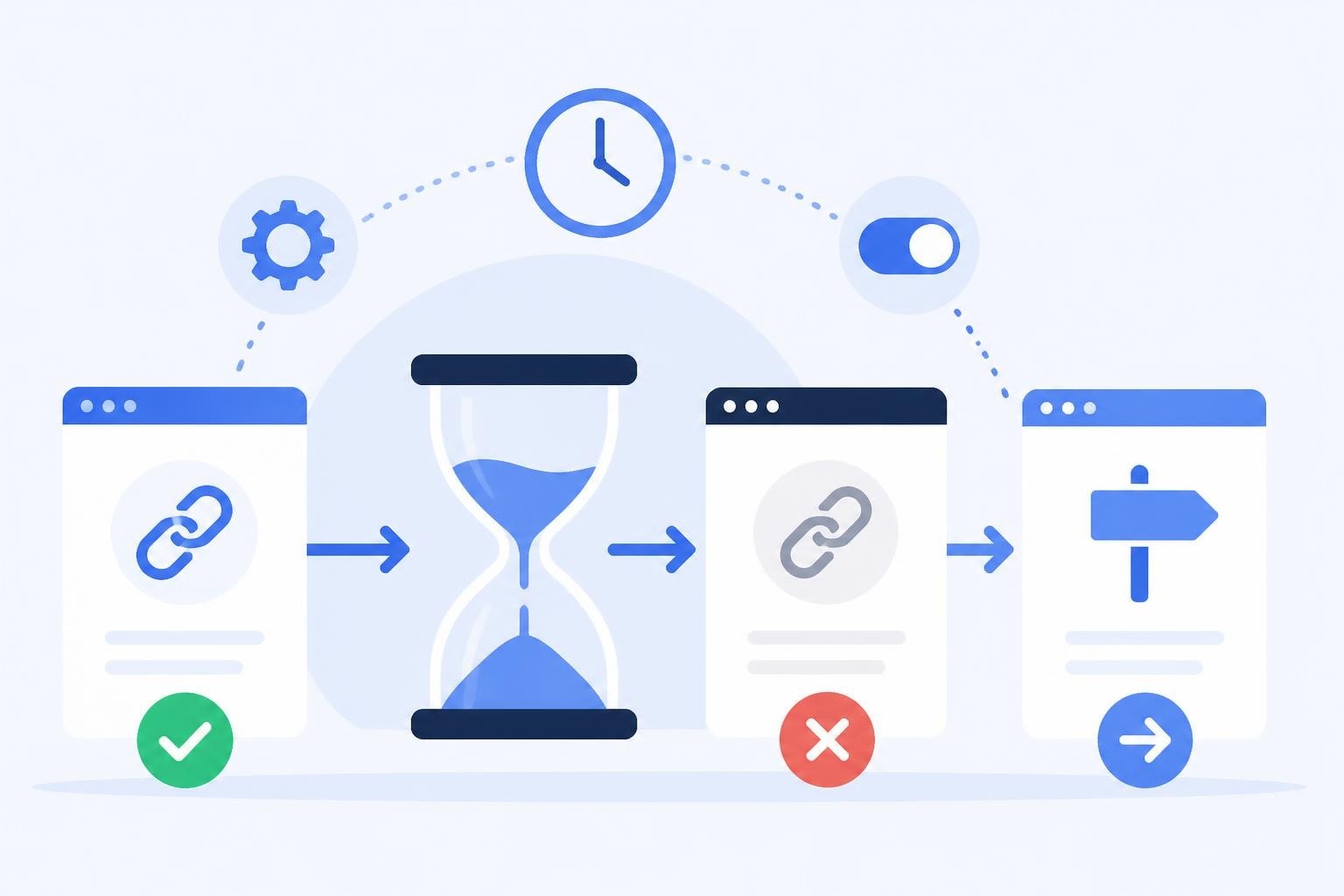
Link expiration has become a critical component of modern digital marketing and security strategies. As businesses share more content online and face increasing cybersecurity threats, the ability to automatically deactivate links after a specified timeframe or condition has transformed from a nice-to-have feature into an essential tool. Whether you're managing time-sensitive promotional campaigns, protecting confidential documents, or maintaining control over your shared resources, understanding how to implement and optimize link expiration can significantly impact your marketing effectiveness and data security.
Understanding Link Expiration Fundamentals
Link expiration refers to the automated process of deactivating URLs after they reach a predetermined date, click threshold, or other defined condition. This mechanism ensures that links cease to function once they've served their intended purpose, preventing unauthorized access to outdated or time-sensitive content.
The concept addresses several critical challenges in digital management. First, it prevents link rot, the phenomenon where hyperlinks become inactive over time, leading to broken user experiences and data loss. Second, it provides essential security controls for businesses sharing sensitive information. Third, it enables marketers to create genuine scarcity and urgency in their campaigns without manual intervention.
Core Components of Link Expiration
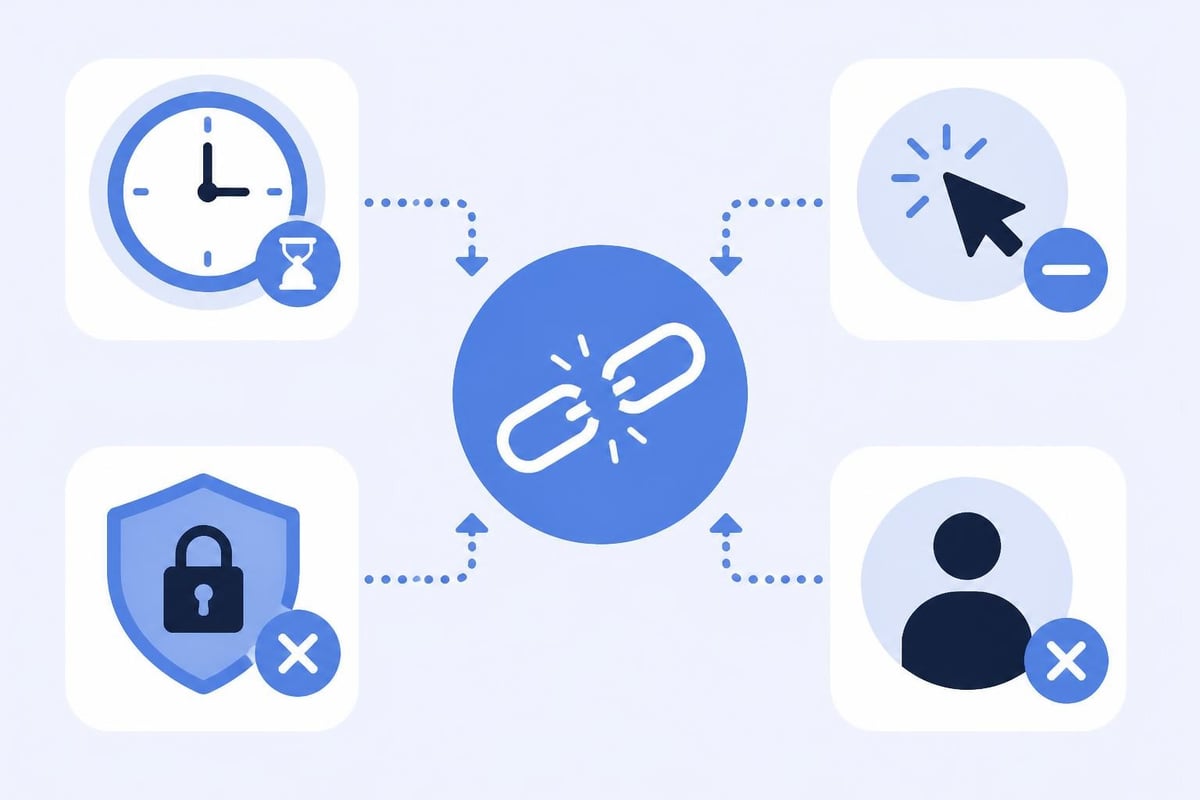
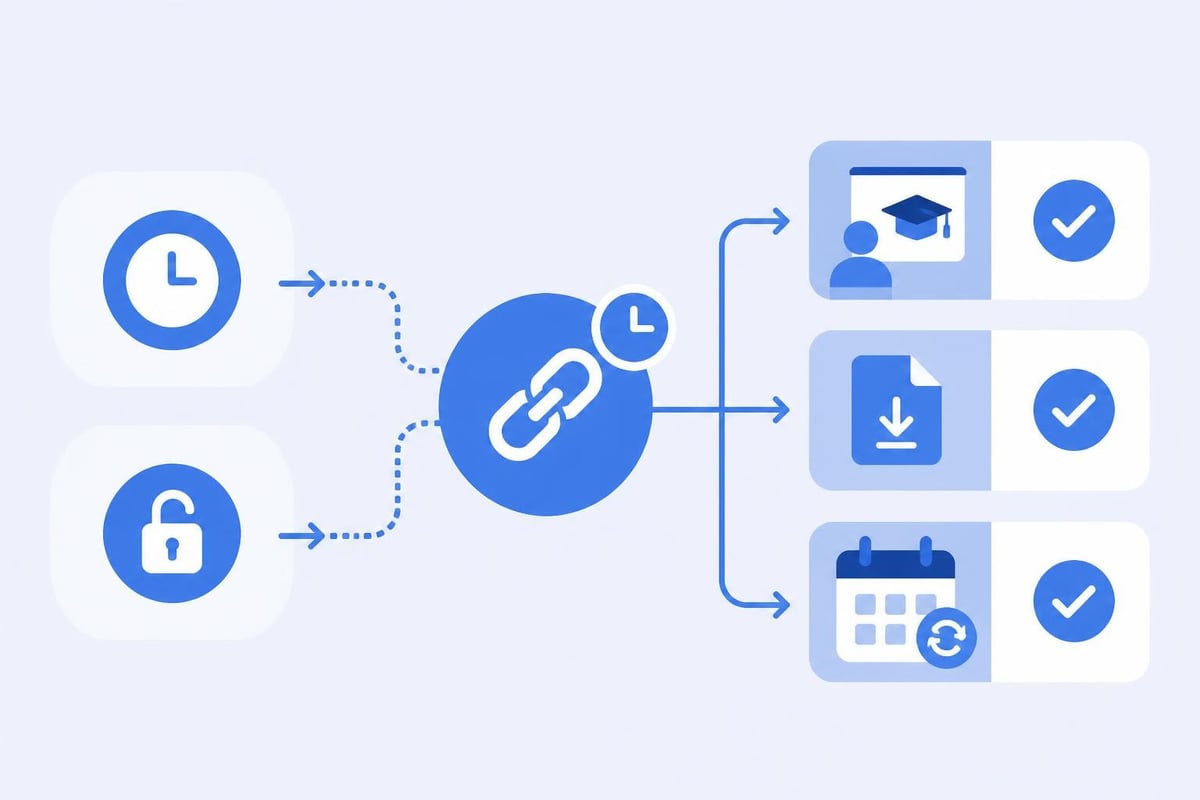
Effective link expiration systems typically incorporate multiple trigger mechanisms:
- Time-based expiration: Links deactivate after a specific date and time
- Click-threshold expiration: URLs become inactive after reaching a predetermined number of clicks
- Conditional expiration: Links expire based on user behavior, location, or device type
- Manual override: Administrative controls to expire links immediately when needed
The sophistication of these mechanisms varies by platform, but the underlying principle remains consistent: automated control over link lifecycle without requiring constant human oversight.
Security Benefits of Time-Limited Links
Security remains one of the most compelling reasons to implement link expiration strategies. When you share confidential documents, internal resources, or client deliverables, every additional day those links remain active represents an expanding attack surface.
Research examining End-of-Life embedded devices revealed that over 2 million active outdated devices remain vulnerable due to lack of updates and proper access controls. The same principle applies to digital links: what served a purpose yesterday may become a liability tomorrow.
Protecting Against Unauthorized Access
Link expiration creates natural boundaries around your shared content. Consider a scenario where you share a proposal with a prospective client. Without expiration controls, that link remains functional indefinitely, potentially accessible to competitors if the recipient's email is compromised or if they inadvertently forward it.
Key security advantages include:
- Reduced exposure window for sensitive materials
- Automatic revocation of access without manual intervention
- Prevention of content access by unintended recipients
- Mitigation of risks from compromised email accounts
- Compliance with data retention policies and regulations
Organizations handling confidential information frequently mandate link expiration as part of their security protocols. Financial institutions, healthcare providers, and legal firms particularly benefit from these controls, ensuring client data doesn't remain accessible beyond necessary timeframes.
Marketing Applications and Campaign Optimization
Beyond security, link expiration serves as a powerful marketing tool for creating authentic urgency and managing promotional campaigns. The ability to set definitive deadlines for offers transforms how businesses approach time-sensitive marketing.
Traditional marketing campaigns often struggle with the gap between stated deadlines and actual access. A promotion advertised to end Friday at midnight loses credibility if the landing page remains accessible all weekend. Link expiration eliminates this disconnect.
Creating Genuine Scarcity
Modern consumers have grown skeptical of artificial scarcity tactics. They've seen too many "limited time offers" that mysteriously extend week after week. Link expiration restores authenticity to your promotional deadlines.
| Marketing Scenario | Without Expiration | With Expiration |
|---|---|---|
| Flash Sale | Links work indefinitely, undermining urgency | Links automatically deactivate, reinforcing deadline |
| Early-Bird Pricing | Manual removal required, often delayed | Automatic cutoff at specified time |
| Exclusive Preview | Risk of prolonged unauthorized sharing | Access automatically revoked after period |
| Beta Program Signup | Requires manual closure monitoring | Self-enforcing participant limits via click threshold |
Platforms like Trimy empower marketers to implement these strategies seamlessly, combining link expiration with advanced analytics to understand exactly how time constraints impact conversion rates and user behavior.
A/B Testing Expiration Strategies
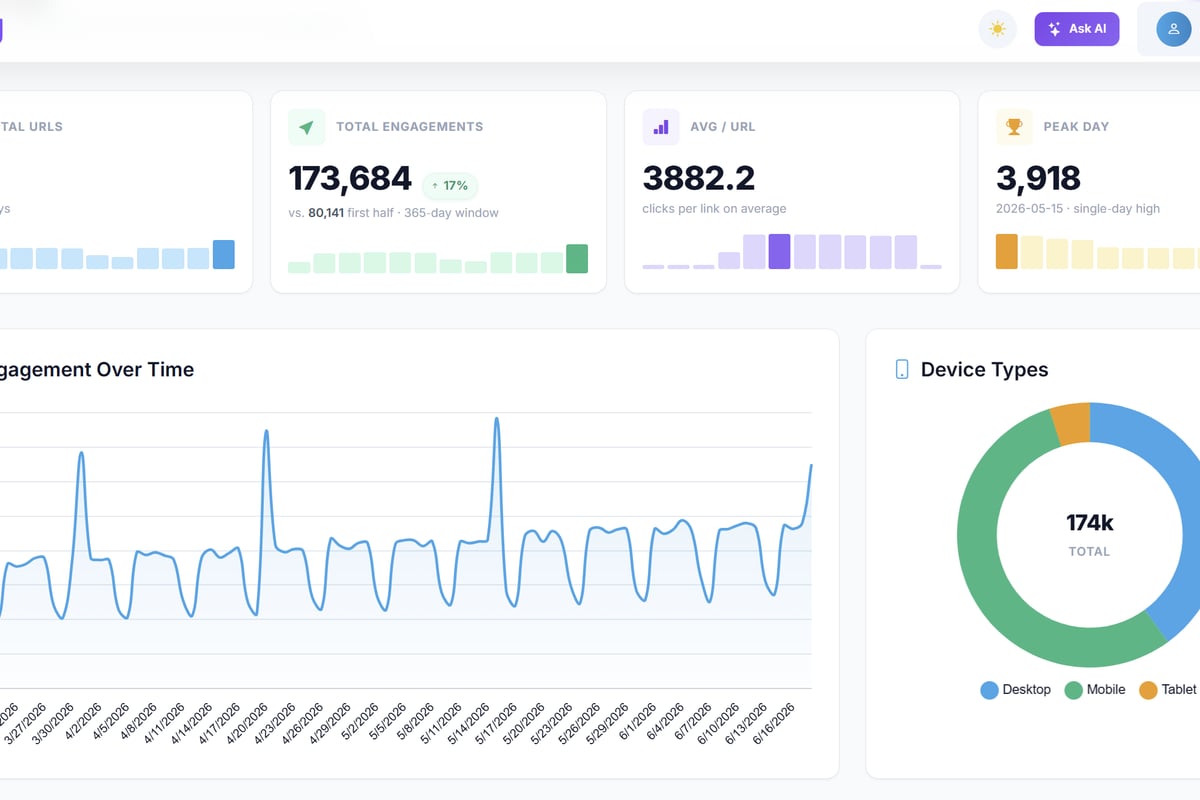
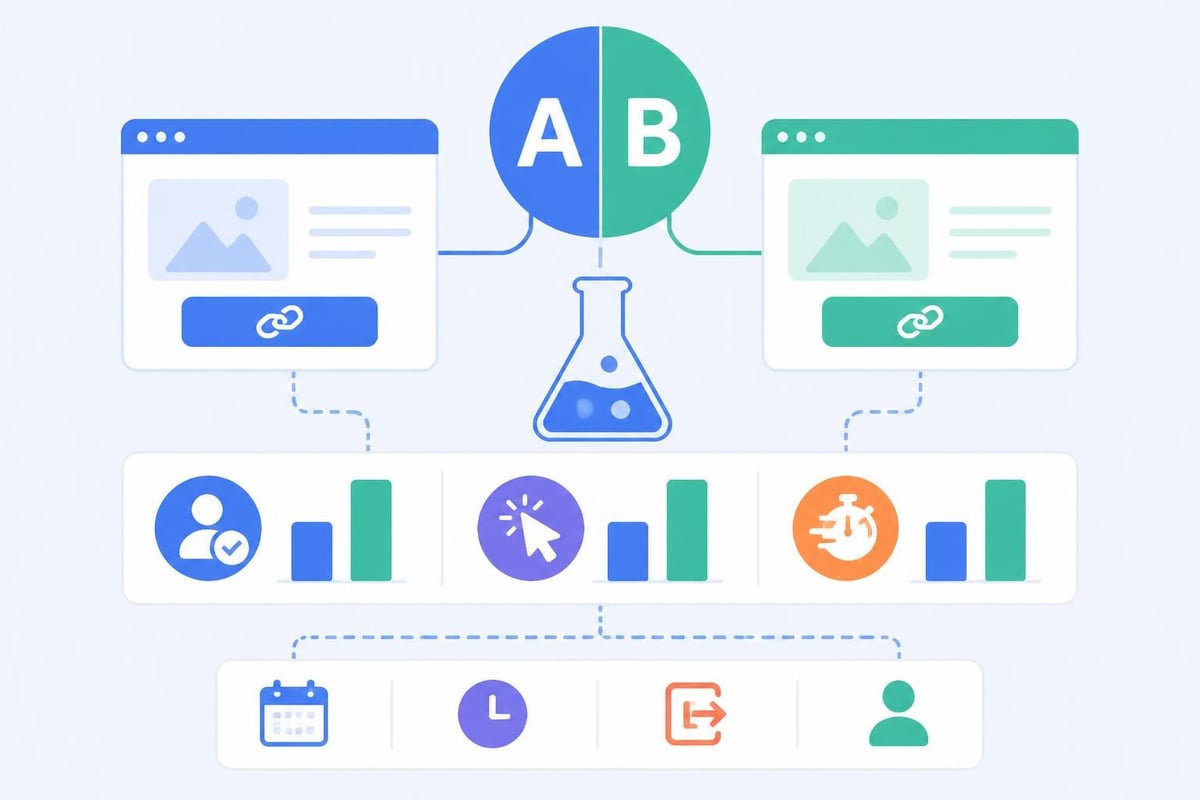
Link expiration parameters themselves become variables worth testing. Does a 24-hour window generate more urgency than 72 hours? Do click-limited links (first 100 users only) outperform time-based restrictions?
Smart marketers run systematic experiments:
- Compare conversion rates across different expiration windows
- Test messaging around expiration (countdown timers vs. static deadlines)
- Analyze engagement patterns before expiration triggers
- Measure how expiration impacts sharing behavior
The data from these tests reveals surprising insights. Some audiences respond better to longer windows with clear countdowns, while others convert faster when facing immediate scarcity. The UseClick documentation on link expiration emphasizes the importance of testing and monitoring to optimize these parameters for your specific audience.
Technical Implementation Best Practices
Implementing link expiration requires thoughtful planning to balance security and user experience. Poorly executed expiration strategies frustrate legitimate users while failing to deliver intended benefits.
Setting Appropriate Expiration Windows
The correct expiration timeframe depends entirely on your use case and audience behavior. File transfer services typically default to 7-30 day windows, balancing security with practical access needs. Marketing campaigns might use hours or days, while confidential document sharing could require even shorter windows.
Factors to consider when determining expiration timeframes:
- User access patterns: When will recipients realistically click your link?
- Time zone considerations: A midnight expiration in your zone may be mid-afternoon elsewhere
- Buffer periods: Adding cushion time prevents premature expiration due to delays
- Content sensitivity: More confidential materials warrant shorter windows
- Backup access methods: Can users request renewed access if needed?
Analytics platforms reveal that most email link clicks occur within the first 48 hours of delivery, with significant drop-off afterward. This data helps establish baseline expiration windows that capture peak engagement while minimizing security exposure.
Communicating Expiration Clearly
Users encountering expired links without warning experience frustration and confusion. Transparent communication about expiration prevents negative experiences.
Effective expiration communication includes:
- Pre-expiration notices: Prominently display expiration dates on landing pages
- Countdown timers: Visual reinforcement of approaching deadlines
- Warning emails: Automated reminders before links expire
- Custom expiration pages: Helpful messaging when users encounter expired links
- Alternative access paths: Clear instructions for requesting renewed access
The Pretty Links documentation provides detailed guidance on creating custom expiration experiences that maintain brand consistency while clearly explaining why access has been revoked.
Managing Link Lifecycles at Scale
Organizations managing hundreds or thousands of links face unique challenges with expiration strategies. Manual oversight becomes impossible, requiring automated systems and clear governance policies.
Developing Link Expiration Policies
Successful link expiration at scale requires documented policies that balance security, usability, and operational efficiency. These policies should address:
- Default expiration windows by link category
- Override procedures for extended access
- Archival requirements for expired content
- Renewal request handling processes
- Audit trails for compliance documentation
Different link types warrant different treatment. Marketing campaign links might expire aggressively (24-72 hours), while customer support resources could maintain longer windows (30-90 days), and internal documentation links might use conditional expiration based on employee status.
Automation and Monitoring Systems
Manual link expiration management doesn't scale. Organizations need platforms that automate expiration while providing visibility into link status and performance.
Essential automation capabilities include:
| Feature | Business Value |
|---|---|
| Bulk expiration settings | Apply consistent policies across link groups |
| Conditional triggers | Expire based on user actions or external events |
| Expiration reporting | Track which links expire and when |
| Renewal workflows | Streamline legitimate access extension requests |
| Integration APIs | Connect expiration data with CRM and analytics systems |
For ecommerce businesses, platforms like those discussed in Shopify communities often integrate link expiration with inventory management, automatically expiring product links when stock depletes or seasonal items end their selling window.
Link Expiration for Content Creators and Digital Products
The rise of digital product businesses has created new applications for link expiration. Creators selling courses, templates, and downloadable resources use expiration to manage access, prevent unauthorized sharing, and create tiered value propositions.
Protecting Digital Product Access
Digital product creators face unique challenges with unauthorized sharing. A customer might purchase access to a course, download all materials, then share those download links publicly. Link expiration mitigates this risk.
Common digital product expiration strategies:
- Single-use download links that expire after first access
- Time-limited access windows for subscription-based products
- Device-specific links that prevent multi-device sharing
- View-count limitations on video content links
Platforms like CreateSell teach entrepreneurs how to structure digital product businesses around these access controls, turning knowledge into sustainable products with proper link management forming the technical foundation.
Building Scarcity into Digital Offerings
Limited enrollment periods for cohort-based courses rely on link expiration to enforce genuine scarcity. When registration links automatically deactivate at course start, it creates real incentive for prospective students to commit rather than procrastinate.
This approach extends beyond education. Beta access for software products, early-bird pricing for digital tools, and exclusive preview access for new content all benefit from automated expiration that removes decision-making friction while creating authentic urgency.
Analytics and Optimization Through Expiration Data
Link expiration generates valuable data that many organizations overlook. The patterns around how users interact with expiring links reveal insights about audience behavior, campaign timing, and content value.
Understanding User Behavior Patterns
Tracking when users click expiring links relative to expiration deadlines reveals fascinating behavioral patterns. Do users procrastinate until the last moment? Do early-bird incentives actually drive earlier action? Does countdown messaging accelerate decisions?
Key metrics to track:
- Time-to-click distribution (when users access links relative to send time)
- Expiration proximity patterns (clicks clustered near deadline vs. evenly distributed)
- Renewal request rates (how often users need extended access)
- Abandoned access (users who receive links but never click before expiration)
- Conversion correlation (relationship between click timing and purchase completion)
Research examining link decay in source code analyzed 9.6 million links to understand deterioration patterns. Similar analytical rigor applied to marketing link expiration reveals optimization opportunities worth thousands in improved conversion rates.
SEO Considerations and Link Management
While link expiration primarily serves marketing and security purposes, it intersects with SEO strategy in important ways. Expired links contribute to poor user experience when discovered through search engines, potentially impacting site authority.
Best practices include:
- Implementing proper 301 redirects for expired promotional links to evergreen alternatives
- Using 410 Gone status codes for intentionally removed content
- Monitoring crawl errors from expired links in search console
- Maintaining updated XML sitemaps that exclude expired URLs
For businesses focused on organic growth, services like RankPill automate SEO tasks while ensuring expired promotional content doesn't undermine long-term search visibility through proper technical handling of deactivated links.
Advanced Link Expiration Strategies
Sophisticated marketers move beyond basic time-based expiration to implement dynamic, context-aware expiration strategies that respond to real-time conditions.
Conditional Expiration Based on Performance
Rather than expiring all campaign links simultaneously, conditional expiration responds to actual performance. A promotional link might remain active until reaching a conversion target, inventory threshold, or revenue goal.
This approach prevents the common scenario where campaigns end prematurely because of arbitrary time constraints despite continuing strong performance, or conversely, run too long after momentum has clearly stalled.
Geographic and Device-Specific Expiration
Global campaigns benefit from expiration rules that account for time zones and regional differences. A flash sale might expire at local midnight in each region rather than simultaneously worldwide, or product links might expire when regional inventory depletes while remaining active in other markets.
Similarly, device-specific expiration enables different access windows for mobile versus desktop users, recognizing different usage patterns and decision-making contexts across devices.
Integration with Marketing Automation
The most sophisticated implementations connect link expiration with broader marketing automation workflows. When a campaign link expires, it might trigger:
- Follow-up email sequences to non-clickers
- Retargeting campaigns through platforms like AdsRaw for video ad creation
- CRM updates flagging prospects who didn't engage before deadline
- Automated reporting to stakeholders about campaign performance
This integration transforms link expiration from a simple deactivation mechanism into a strategic trigger point for multi-channel marketing orchestration.
Domain Management and Expiration Accuracy
Link expiration effectiveness depends on accurate underlying data infrastructure. Research on domain registration data consistency found inconsistencies in 7.6% of observed domains between WHOIS and RDAP protocols, highlighting how data accuracy issues can undermine expiration reliability.
Maintaining Expiration Data Integrity
Organizations must ensure their link management systems maintain accurate expiration metadata. This includes:
Data validation requirements:
- Synchronization across distributed systems
- Backup and recovery procedures for expiration rules
- Audit logging of expiration changes
- Testing protocols to verify expiration triggers fire correctly
- Monitoring for drift between scheduled and actual expiration times
Even small discrepancies create problems. A link that should expire at midnight but actually deactivates at 11:45 PM creates customer service issues. One that persists 15 minutes past deadline undermines promotional integrity.
Handling Edge Cases
Robust link expiration systems account for edge cases that simpler implementations miss:
- Users who click links exactly at expiration time
- Time zone confusion in global campaigns
- Daylight saving time transitions
- Leap years and month-end variations in date-based expiration
- System maintenance windows that might affect expiration processing
The glossary definition from FlipLink emphasizes that link expiry serves to control content access and prevent outdated information circulation, but only when implemented with sufficient technical rigor to handle these edge scenarios reliably.
Compliance and Legal Considerations
Link expiration increasingly intersects with regulatory compliance requirements, particularly in industries handling personal data or subject to strict information governance mandates.
Data Retention Policy Alignment
Many regulations mandate maximum retention periods for certain data types. Link expiration supports compliance by automatically enforcing these limits on shared content access.
GDPR, HIPAA, and financial services regulations often require demonstrable controls over data access duration. Automated link expiration provides auditable evidence that access was revoked according to policy, supporting compliance documentation during regulatory examinations.
Right to Erasure Support
When individuals exercise rights to data deletion, organizations must ensure all access points are terminated. Link expiration mechanisms support these requirements by providing centralized control over shared content access, enabling rapid revocation across all distribution channels.
Link expiration has evolved from a simple security feature into a sophisticated tool that drives marketing effectiveness, protects sensitive data, and optimizes digital operations. By implementing thoughtful expiration strategies with clear communication, appropriate timeframes, and robust technical infrastructure, businesses can create authentic urgency, reduce security exposure, and gain valuable insights into audience behavior. Trimy provides the advanced link management capabilities you need to implement these strategies effectively, combining intelligent expiration controls with deep analytics that transform every link into actionable business intelligence.