Link Management: Complete Guide for 2026
Link shortening has evolved from a simple convenience into a strategic marketing necessity. While Bitly popularized the concept of transforming long URLs into compact, shareable links, modern link management requires a comprehensive understanding of tracking capabilities, security considerations, and advanced optimization techniques. Today's digital marketers and developers need more than basic URL shortening-they need intelligent link infrastructure that drives measurable business results.
Understanding Link Management Fundamentals
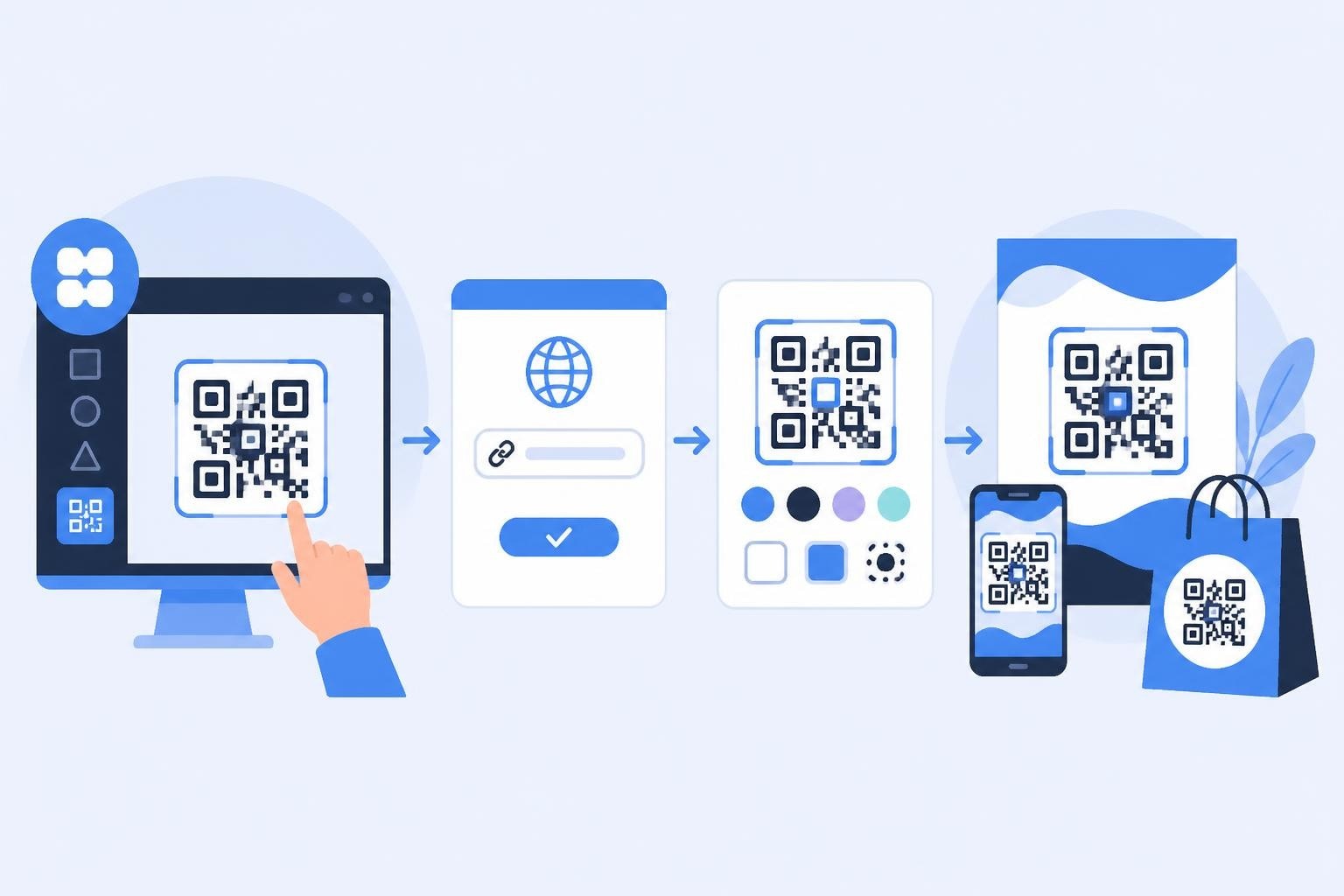
Link management encompasses the entire lifecycle of shortened URLs, from creation and customization to tracking and analysis. The platform allows users to transform lengthy web addresses into branded, memorable links while capturing valuable click data. This process involves several key components that work together to provide actionable insights.
The core functionality centers on URL compression through unique identifiers. When you create a link, the system generates a shortened version using a combination of letters and numbers. This identifier maps back to your original destination URL while enabling the platform to track every interaction.
Campaign Tracking and Attribution
Effective link management requires strategic implementation of tracking parameters. UTM codes embedded within your links provide granular data about traffic sources, campaign performance, and user behavior. These parameters help you understand which marketing channels deliver the highest engagement and conversion rates.
Key tracking elements include:
Source identification (social media, email, paid ads)
Medium classification (organic, CPC, newsletter)
Campaign naming conventions for consistent reporting
Content variation tracking for A/B testing
Term parameters for keyword-level analysis
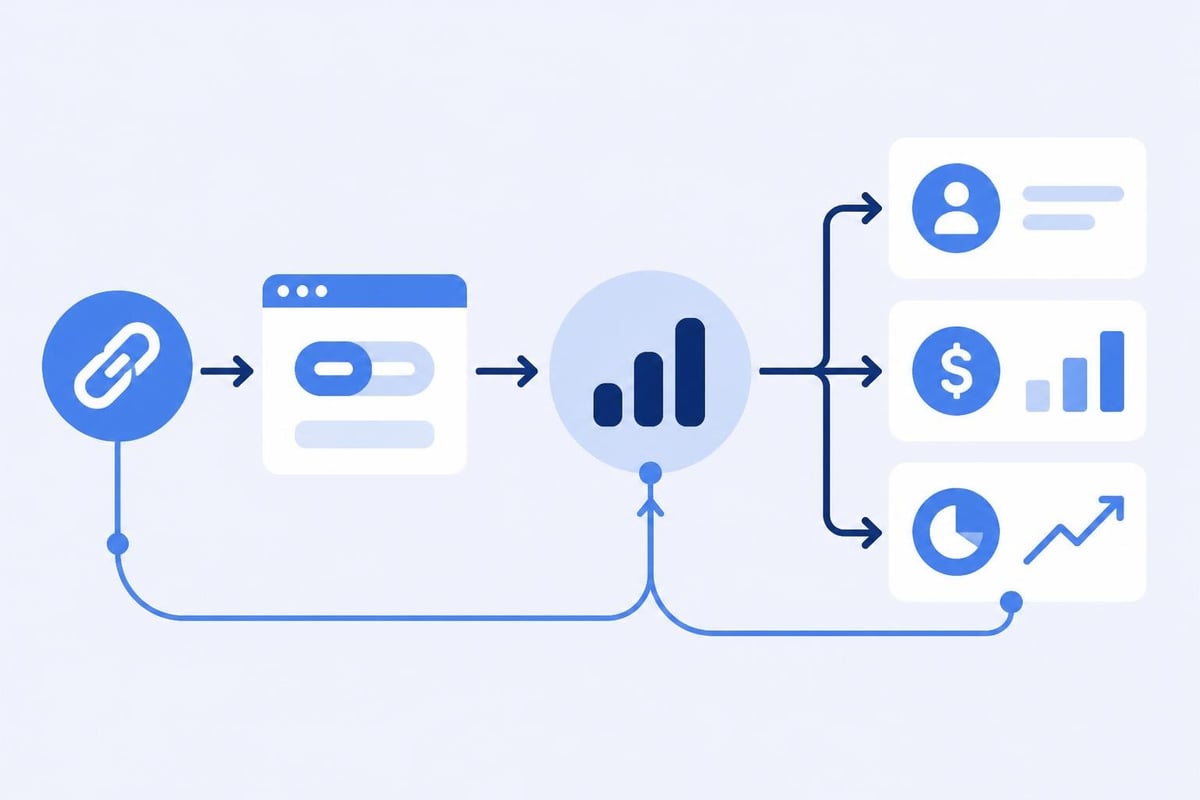
The data captured through these parameters feeds directly into analytics platforms, creating a comprehensive view of your marketing funnel. This integration allows marketers to attribute revenue to specific links and campaigns with precision.
Custom Domain Configuration
Branded short links significantly impact click-through rates and brand recognition. Custom domain setup within link management allows organizations to replace generic bit.ly domains with their own branded alternatives. This configuration requires DNS modifications and verification processes.
| Feature | Generic Domain | Custom Domain |
|---|---|---|
| Brand Recognition | Low | High |
| Trust Signals | Moderate | Strong |
| Click-Through Rate | Baseline | +34% average |
| Customization | Limited | Full control |
| Cost | Free tier available | Premium requirement |
Custom domains enhance credibility while maintaining the tracking and management capabilities that make link shortening valuable. Organizations typically see improved engagement when links clearly identify the sender or brand.
Advanced Analytics and Performance Monitoring
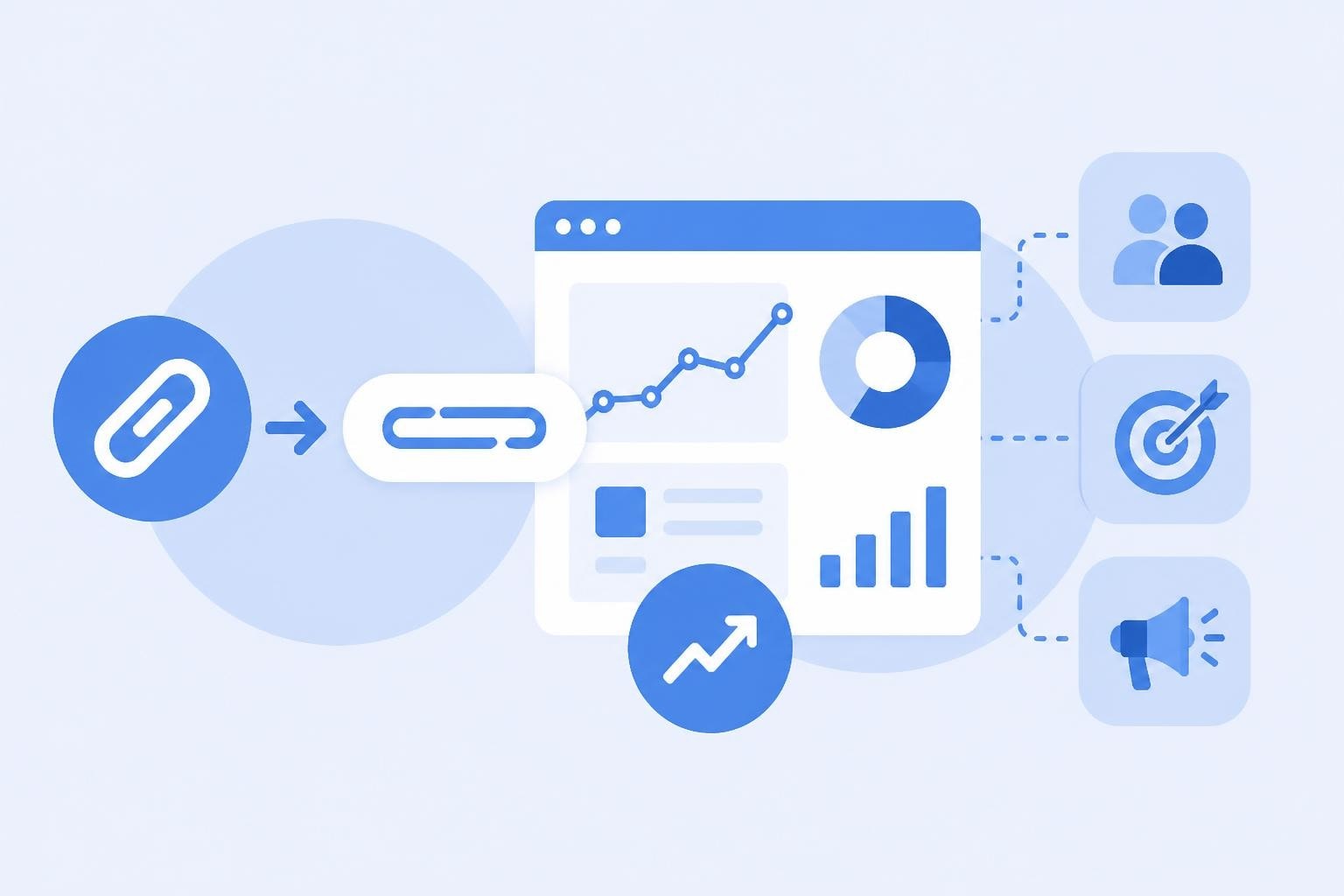
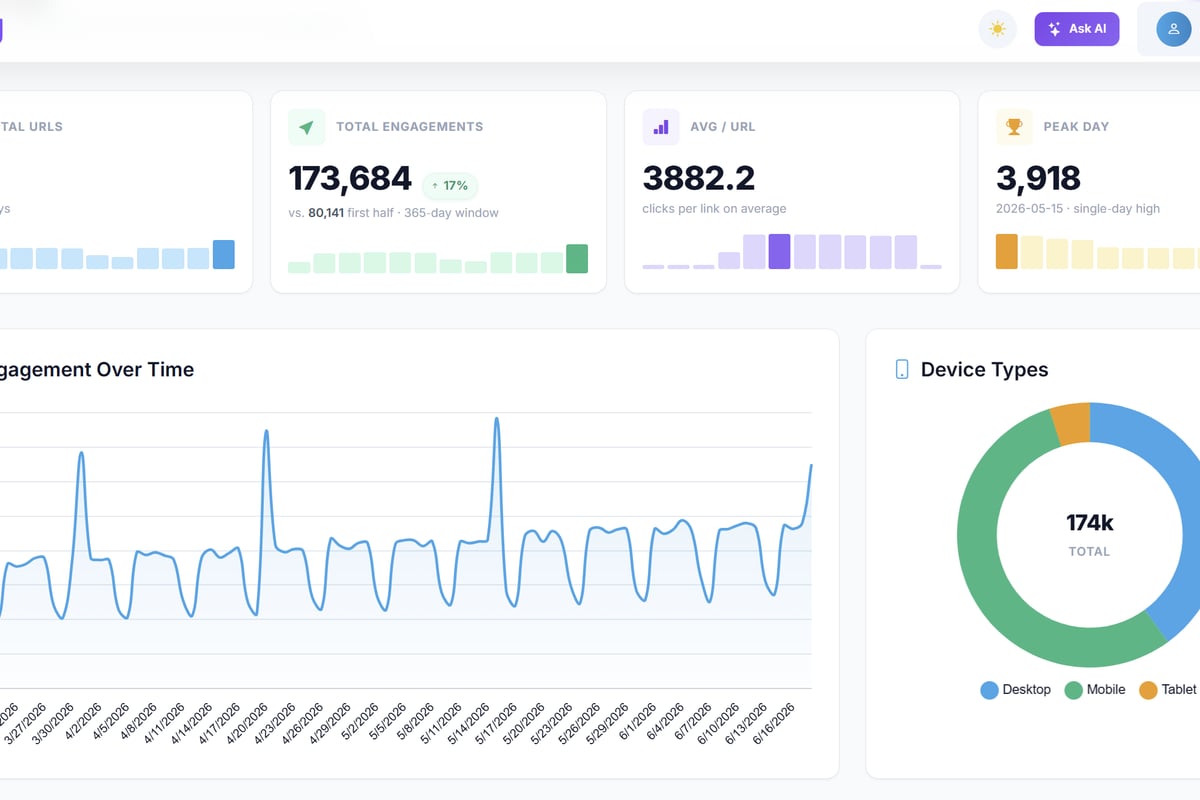
Modern link management extends far beyond simple click counting. The platform provides multi-dimensional analytics that reveal user behavior patterns, geographic distribution, device preferences, and temporal engagement trends. These insights inform strategic decisions about content distribution and audience targeting.
Real-time dashboards display click activity as it occurs, allowing marketers to gauge immediate response to campaigns. Historical data comparison enables trend analysis and performance benchmarking across different time periods. This temporal perspective helps identify seasonal patterns and optimal posting times.
Audience Intelligence Gathering
Link analytics reveal detailed audience characteristics without requiring cookies or invasive tracking. Geographic data shows where clicks originate, helping localize content and adjust timing for different time zones. Device and browser information guides technical optimization decisions.
Referrer data identifies which platforms and websites drive traffic to your links. This intelligence helps you double down on high-performing channels while reconsidering underperforming distribution methods. The combination of these data points creates comprehensive audience profiles.
Behavioral metrics worth monitoring:
Click velocity (rate of engagement over time)
Peak activity windows for timing optimization
Device distribution for responsive design priorities
Geographic concentration for regional targeting
Referral source performance for channel allocation
Security and Deliverability Considerations
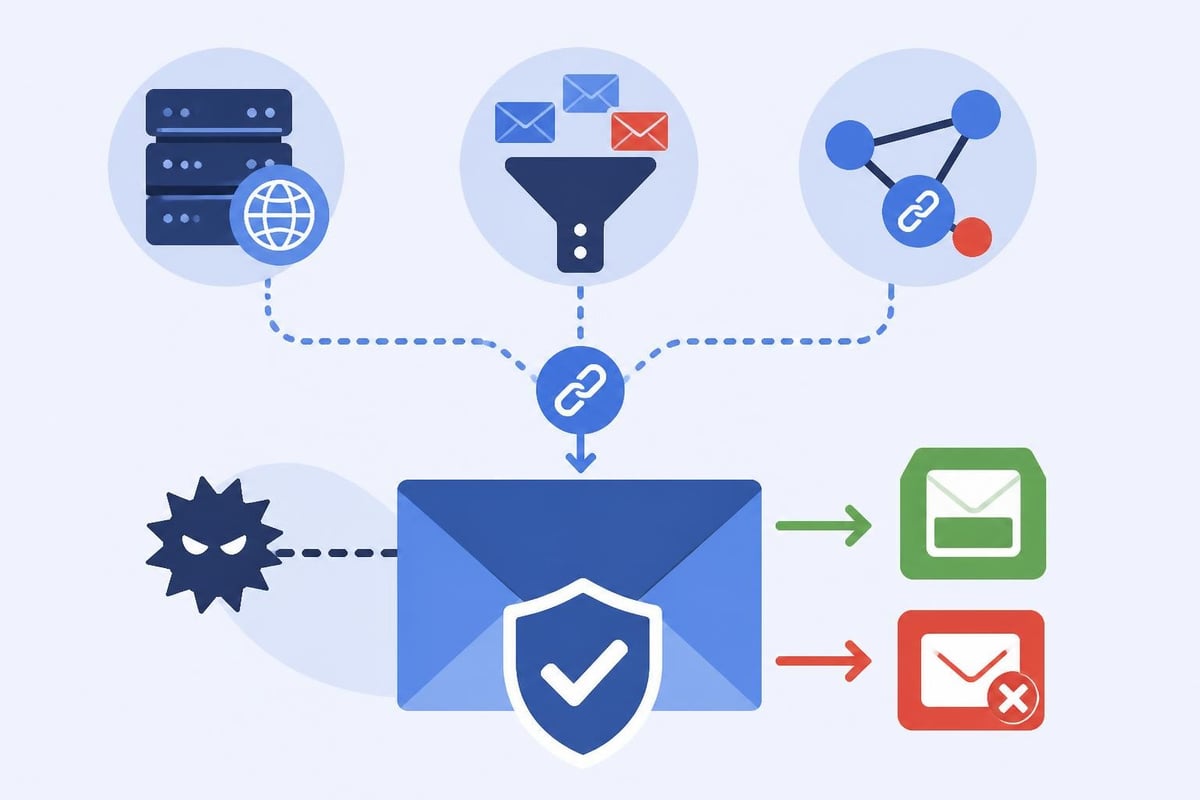
The shared nature of link shortening platforms creates unique challenges for link management. When multiple users share the same domain infrastructure, the actions of one user can potentially impact others. This communal environment requires vigilance and understanding of risk factors.
Email Integration Challenges
Link shorteners in email campaigns present specific deliverability concerns. Spam filters scrutinize shortened URLs more heavily than direct links because malicious actors have historically exploited these services. Analysis of Bitly links and email deliverability shows that reputation management becomes critical when using shortened URLs in email marketing.
Email service providers evaluate the historical performance of domains and URLs. If a shortened link domain has been associated with spam or phishing attempts, legitimate messages containing similar links may face filtering challenges. This guilt-by-association effect impacts delivery rates.
| Risk Factor | Impact Level | Mitigation Strategy |
|---|---|---|
| Shared Domain Reputation | High | Use custom branded domains |
| Spam Filter Sensitivity | Moderate | Limit link quantity per message |
| Phishing Detection | High | Maintain consistent sender reputation |
| Historical Abuse | Variable | Monitor link performance metrics |
Platform Security Measures
Effective link management includes awareness of built-in security features and their limitations. Studies examining gaps in spam detection policies reveal that while platforms implement automated detection systems, sophisticated threats sometimes evade these protections. Organizations must layer additional security practices over platform-provided safeguards.
Regular link audits help identify compromised or suspicious activity. Monitoring unusual click patterns, geographic anomalies, or sudden traffic spikes can indicate security issues. Implementing link expiration dates for time-sensitive campaigns reduces long-term exposure to potential exploitation.
Strategic Link Organization Systems
As link volume grows, systematic organization becomes essential for efficient link management. Without proper structure, finding and analyzing specific links becomes time-consuming and error-prone. Implementing logical naming conventions and categorization systems from the outset prevents future chaos.
Naming Convention Best Practices
Consistent link naming enables quick identification and retrieval. Effective naming schemes incorporate multiple identifying elements: campaign name, date, channel, and content type. This structured approach creates self-documenting links that team members can understand without additional context.
Recommended naming structure:
Campaign identifier (product launch, seasonal sale, webinar)
Date stamp (YYYYMMDD format for proper sorting)
Channel indicator (email, social, paid, organic)
Content descriptor (blog, video, landing-page, resource)
Version number (for A/B testing variations)
Example: spring-sale-20260315-email-landing-v2
This systematic approach scales effectively as your link inventory expands. Team members can locate relevant links quickly, and reporting becomes more straightforward when links follow predictable patterns.
Tag Hierarchies and Filtering
Tags provide flexible organization that complements rigid naming structures. Link management platforms support multiple tags per link, enabling cross-categorical filtering. A single link might carry tags for product line, target audience, campaign theme, and content format simultaneously.
This multidimensional tagging supports diverse reporting needs. Marketing teams can filter by audience segment while product teams filter by feature category, both accessing relevant subsets from the same link library. Tag hierarchies prevent chaos when tag counts grow large.
A/B Testing and Optimization Strategies
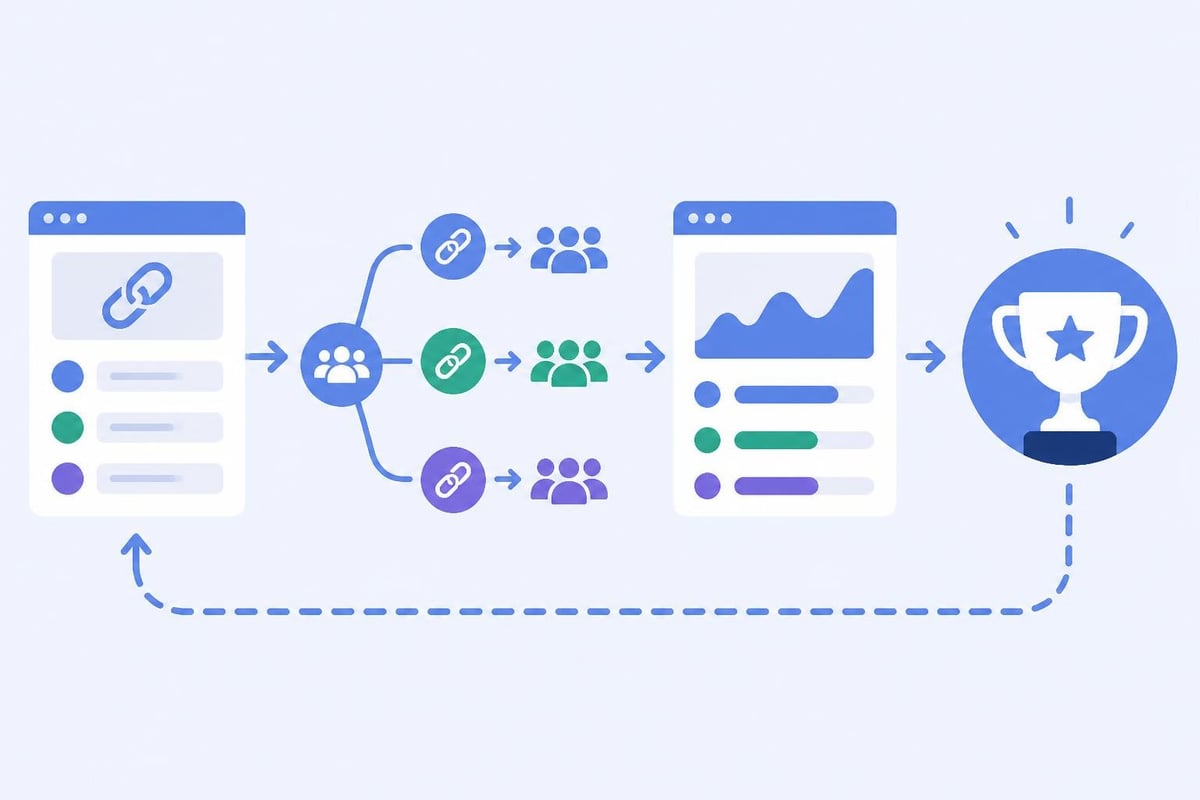
Professional Link management incorporates systematic testing to maximize engagement. A/B testing with shortened links allows marketers to evaluate different destination pages, call-to-action copy, or timing strategies while maintaining consistent tracking infrastructure. This experimentation drives continuous improvement.
Split testing begins with hypothesis formation. What element might impact click-through or conversion rates? Variables worth testing include destination page design, offer presentation, urgency messaging, and social proof elements. Each test should isolate a single variable for clear result interpretation.
Test Implementation Frameworks
Creating separate shortened links for each test variant enables precise traffic allocation and performance comparison. Link management platforms track results independently for each variant, providing clear winner identification. Statistical significance calculations ensure decisions rest on solid data rather than random variation.
Testing methodology steps:
Define clear success metrics (clicks, conversions, revenue)
Create variant links with identical base URLs but different parameters
Distribute variants evenly across your audience
Monitor performance until statistical significance emerges
Implement winning variant and document learnings
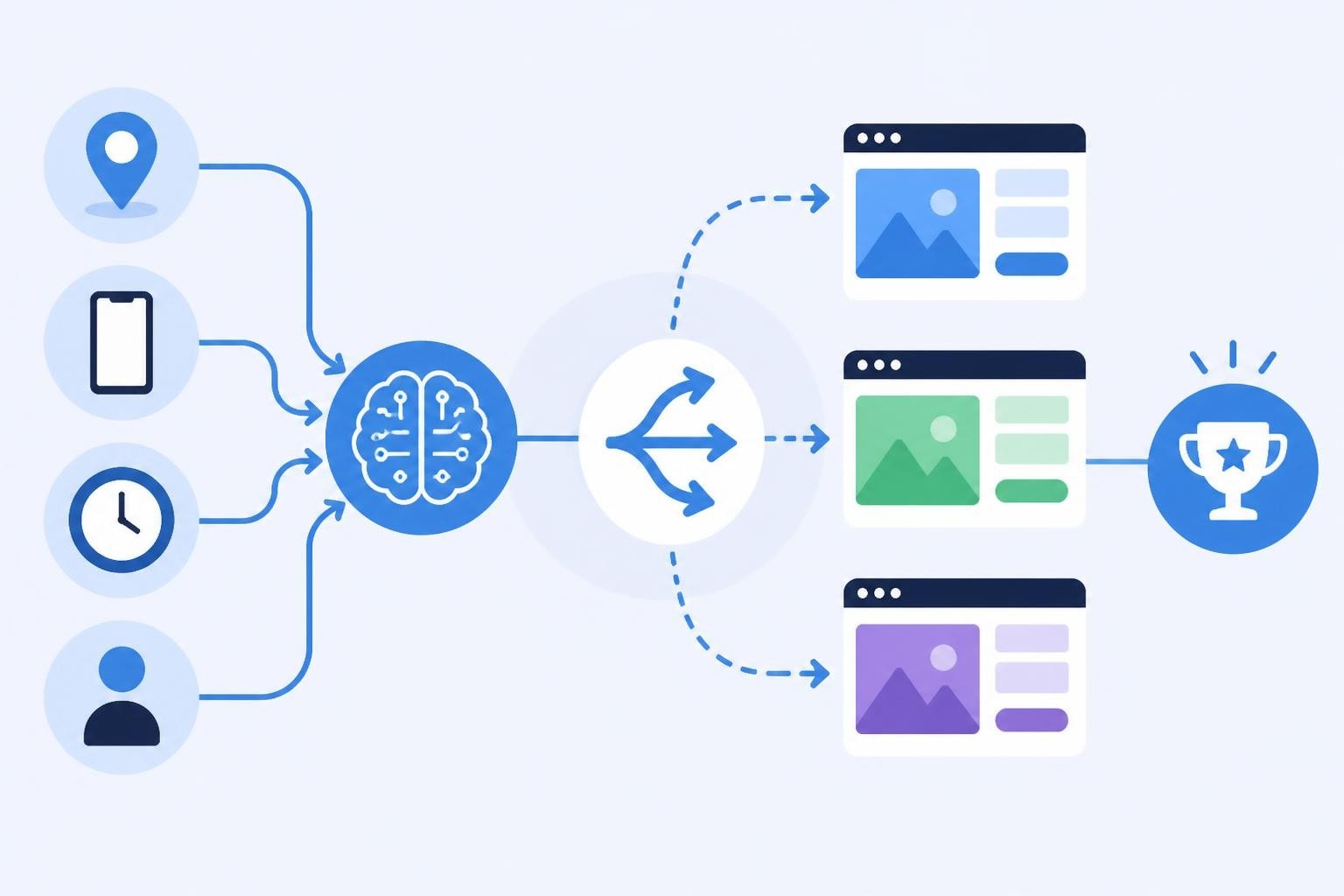
Trimy enhances this testing process with built-in A/B testing capabilities that automatically route traffic between variants and provide real-time performance comparison. The platform's advanced analytics help identify winning combinations faster while offering smart routing features that maximize campaign performance.
Team Collaboration and Access Management
Enterprise Link management requires coordinated efforts across marketing, sales, product, and development teams. Establishing clear governance policies prevents link proliferation, maintains brand consistency, and ensures data security. Access controls and permission structures protect sensitive campaign information.
Role-Based Permission Structures
Different team members require varying levels of access. Content creators need link generation capabilities, while executives require read-only analytics access. IT administrators manage domain configurations and integrations. Role-based access control (RBAC) systems match permissions to responsibilities.
| Role | Create Links | Edit Links | View Analytics | Domain Admin | Integration Setup |
|---|---|---|---|---|---|
| Content Creator | Yes | Own only | Own only | No | No |
| Marketing Manager | Yes | Team links | Full access | No | No |
| IT Administrator | Yes | All links | Full access | Yes | Yes |
| Executive | No | No | Summary only | No | No |
| External Contractor | Limited | Own only | Own only | No | No |
Permission granularity prevents accidental modifications while maintaining audit trails. Version history and change logs document who modified links and when, supporting accountability and troubleshooting efforts.
Workspace Organization
Teams benefit from separate workspaces for different departments, products, or campaigns. Workspace isolation prevents cross-contamination of data while enabling centralized billing and administration. Shared workspaces facilitate collaboration on joint initiatives without exposing unrelated projects.
Workspace-level settings control default domains, tagging taxonomies, and integration configurations. This structure allows different teams to optimize their Link management practices while maintaining organizational standards. Administrators can enforce policies globally or allow workspace-specific customization.
Integration Ecosystems and API Utilization
Modern Link management extends beyond standalone platforms through extensive integration capabilities. Connecting link management systems with marketing automation, CRM, analytics, and social media tools creates unified workflows that eliminate manual data transfer and reduce error rates.
Marketing Automation Connections
Integration with email service providers, social media schedulers, and marketing automation platforms streamlines campaign execution. Automated link creation during campaign setup ensures consistent tracking without manual intervention. Pre-built integrations with major platforms reduce technical implementation barriers.
API access enables custom integration development for unique organizational needs. Developers can programmatically create links, retrieve analytics, update destinations, and manage tags. This automation capability supports high-volume operations and dynamic link generation based on user attributes or behaviors.
Common integration use cases:
Automatic link creation when scheduling social posts
Dynamic link generation in personalized email campaigns
Real-time analytics display in custom dashboards
Bulk link operations for large-scale campaigns
Automated reporting delivery to stakeholders
Developer-Friendly Tools
Technical teams appreciate robust API documentation, client libraries, and webhook support. These tools enable sophisticated implementations like dynamic link routing based on user characteristics, automated link expiration, and custom analytics processing. Developer resources determine implementation success for complex use cases.
Webhook notifications push real-time click data to external systems, enabling immediate response to link activity. This capability supports time-sensitive applications like fraud detection, inventory management, or personalized follow-up sequences. Event-driven architectures benefit significantly from webhook integration.
Compliance and Privacy Management
Regulatory requirements around data collection and user privacy directly impact Link management practices. GDPR, CCPA, and similar frameworks mandate transparency about tracking mechanisms and user rights regarding their data. Organizations must configure link management systems to support compliance obligations.
Data Retention Policies
Compliance often requires limiting how long click data remains stored. Link management platforms should support configurable retention periods that align with legal requirements and business needs. Automated data deletion after specified timeframes reduces liability and storage costs.
Privacy-conscious implementations minimize data collection to essential elements. While comprehensive analytics provide value, organizations must balance insights against privacy principles. Anonymization techniques and aggregated reporting can deliver strategic intelligence without compromising individual privacy.
Compliance checklist items:
Document what data your links collect
Provide clear privacy notices to users
Implement data retention and deletion policies
Enable user data access and deletion requests
Maintain audit logs of data processing activities
Ensure third-party processors meet compliance standards
Cookie consent management systems should account for tracking pixels and retargeting tags embedded in link destinations. Proper consent flows ensure tracking only occurs when legally permissible. Integration between consent platforms and link management systems automates compliance.
Performance Optimization Techniques
Maximizing the value of Link management requires ongoing optimization across multiple dimensions. Technical performance, user experience, and analytics accuracy all contribute to overall effectiveness. Regular audits identify improvement opportunities and prevent degradation over time.
Link Health Monitoring
Broken destination URLs undermine user experience and waste marketing investments. Automated link checking detects dead ends before users encounter them. Regular scans of your link inventory identify issues like 404 errors, redirect chains, or slow-loading pages.
Redirect performance impacts both user experience and SEO value. Each hop in a redirect chain adds latency and increases abandonment risk. Link management best practices include minimizing redirect depth and monitoring response times. Direct connections to final destinations provide optimal performance.
Mobile optimization becomes critical as smartphone traffic dominates most categories. Testing shortened links across devices and network conditions ensures consistent performance. Mobile-specific landing pages may warrant separate link variants to optimize conversion rates.
Effective link management transforms simple URL shortening into strategic marketing infrastructure that drives measurable results. By implementing comprehensive tracking, maintaining security vigilance, organizing systematically, and optimizing continuously, organizations extract maximum value from every link they share. Trimy provides the advanced analytics, A/B testing capabilities, and intelligent routing features that modern marketers and developers need to transform links into revenue signals, all at a competitive price that makes sophisticated link intelligence accessible to businesses of all sizes.