Digital Marketing Platform: Complete 2026 Strategy Guide
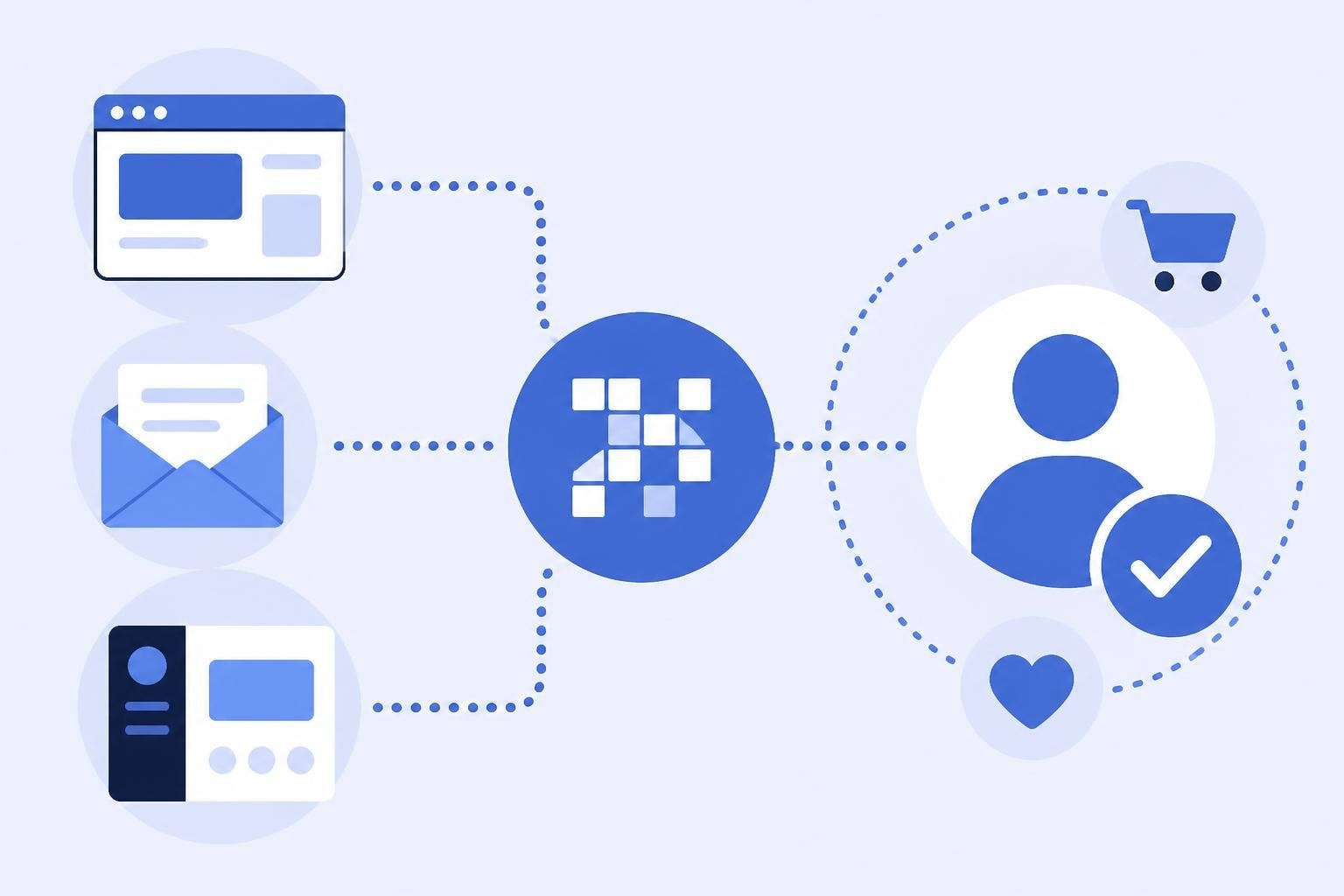
Modern marketing teams face an overwhelming challenge: managing campaigns across dozens of channels while tracking performance, optimizing conversion rates, and proving ROI. A digital marketing platform solves this complexity by consolidating tools, data, and workflows into a unified system that transforms scattered efforts into cohesive strategies. These platforms have evolved from simple automation tools into sophisticated intelligence systems that power everything from email campaigns to link tracking and audience segmentation.
Understanding the Digital Marketing Platform Ecosystem
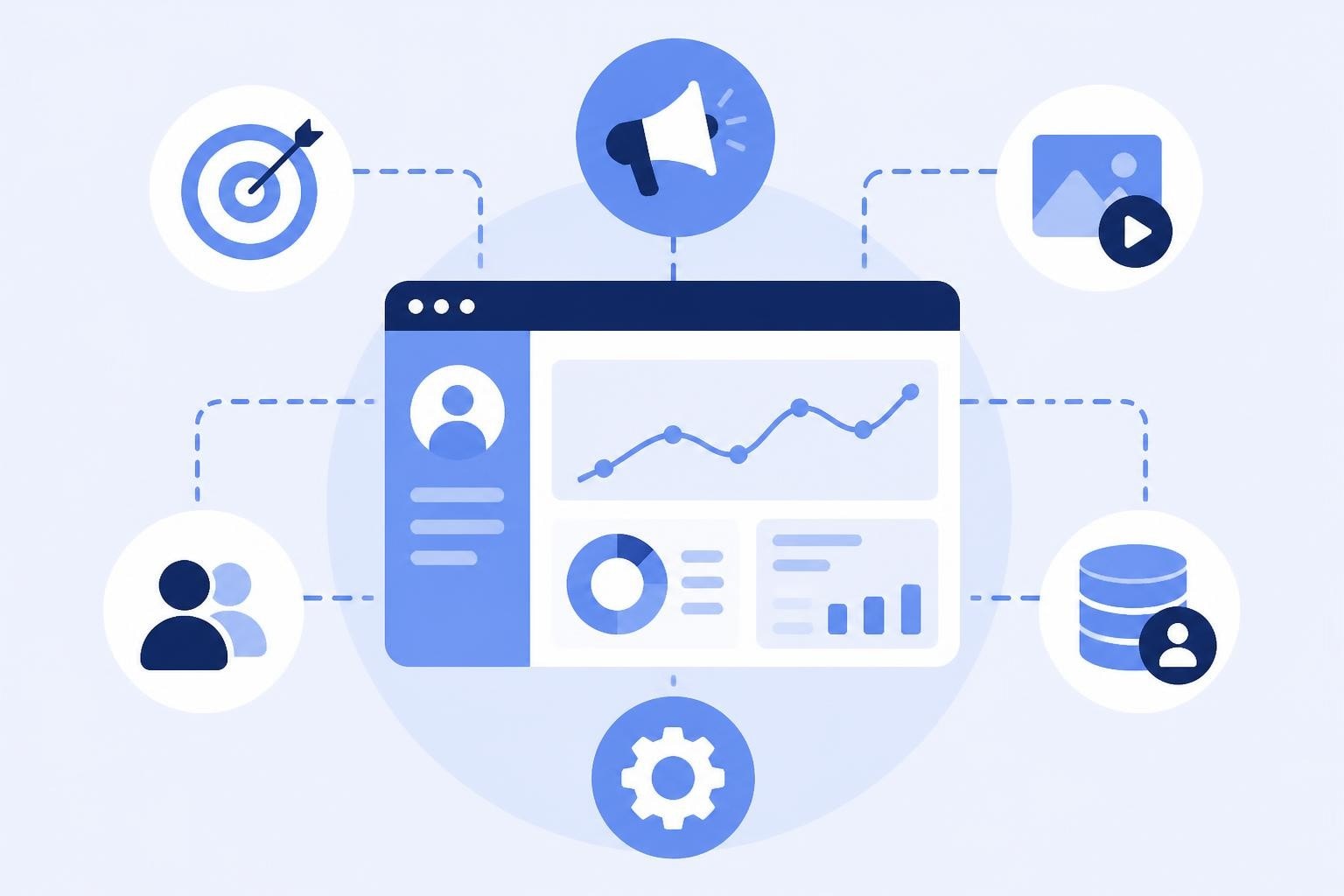
A digital marketing platform serves as the command center for all marketing activities, integrating multiple functions that previously required separate software solutions. Rather than juggling disparate tools for email, social media, analytics, and advertising, marketers gain access to a centralized environment where data flows seamlessly between channels.
The core value proposition centers on efficiency and intelligence. Modern platforms don't just execute tasks; they learn from performance data, identify patterns, and recommend optimizations. This shift from manual execution to intelligent automation has fundamentally changed how marketing teams operate.
Key Components That Define Platform Capabilities
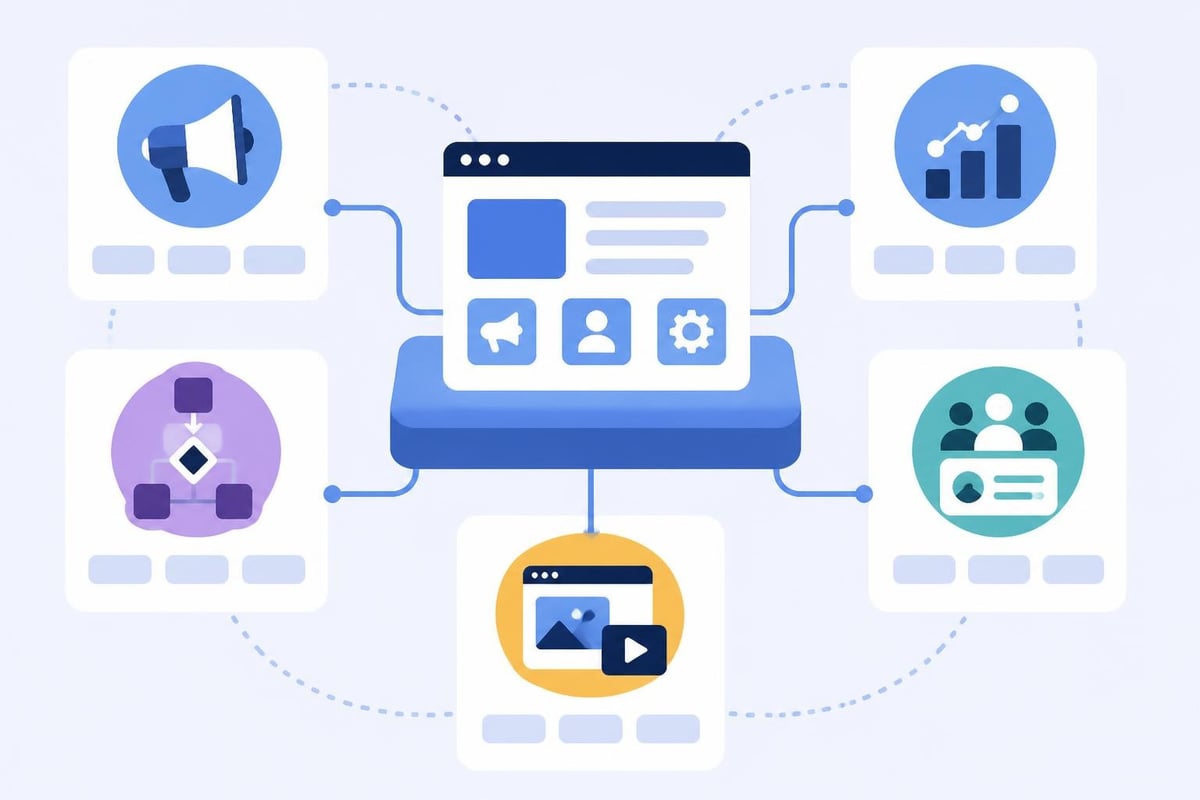
Every comprehensive digital marketing platform includes several foundational elements that work together to support campaign success:
- Campaign management tools that orchestrate multi-channel initiatives from a single interface
- Analytics engines that track user behavior, conversion paths, and attribution models
- Automation workflows that trigger actions based on customer behavior and predefined rules
- Content management systems that organize creative assets and messaging variations
- Integration capabilities that connect with CRM, sales tools, and external data sources
The sophistication of these components varies significantly across platforms. Enterprise solutions like those discussed in Forbes Digital Platforms offer advanced features for large-scale operations, while specialized platforms focus on particular functions like link intelligence or email automation.
Strategic Selection Criteria for Marketing Technology
Choosing the right digital marketing platform requires careful evaluation of both current needs and future growth trajectories. The decision impacts not just marketing outcomes but also team productivity, data quality, and technology infrastructure.
Evaluating Platform Architecture and Scalability
Platform architecture determines how well a solution adapts to changing business requirements. Cloud-native platforms offer superior flexibility compared to legacy systems, enabling rapid deployment and seamless updates without disruption.
Scalability considerations include:
- Data processing capacity for handling increasing traffic and customer records
- API flexibility that supports custom integrations and workflow extensions
- User seat management that accommodates team growth without proportional cost increases
- Geographic distribution for international campaigns and compliance requirements
According to research on digital platform co-evolution, platforms that support modular expansion deliver better long-term value than monolithic systems requiring complete replacement during growth phases.
Integration Depth and Data Connectivity
A digital marketing platform's effectiveness depends heavily on its ability to connect with existing business systems. Shallow integrations that merely pass data create bottlenecks, while deep integrations enable sophisticated workflows and unified customer views.
| Integration Type | Capability Level | Business Impact |
|---|---|---|
| API Connections | Bidirectional data sync | Real-time customer updates |
| Native Integrations | Pre-built workflows | Faster deployment |
| Webhook Support | Event-driven actions | Advanced automation |
| Data Warehouse Links | Historical analysis | Strategic insights |
The Customer Data Platform Institute emphasizes that true platform value emerges when customer data flows freely between systems, creating a unified view that informs every marketing decision.
Campaign Execution and Performance Optimization
Modern digital marketing platforms transform campaign execution from manual task management into strategic orchestration. The best platforms provide frameworks that guide marketers through proven methodologies while allowing customization for unique business needs.
Multi-Channel Campaign Coordination
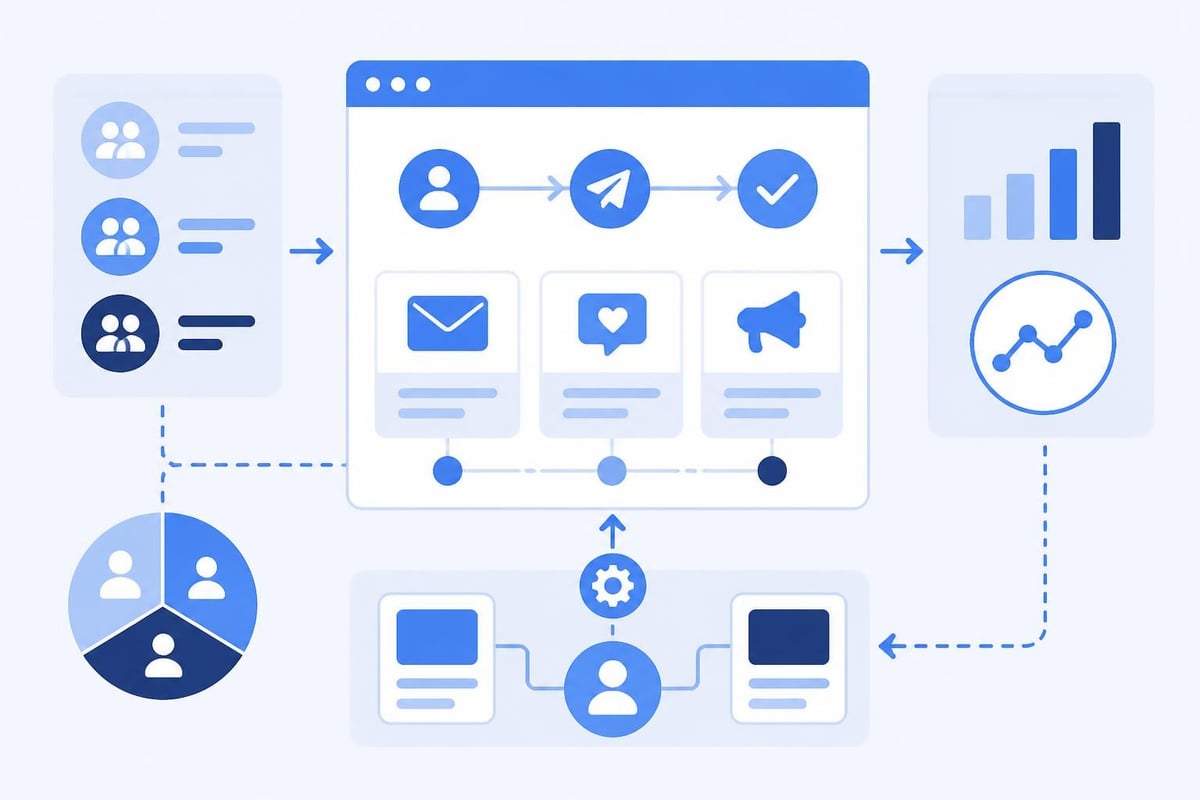
Coordinating messages across email, social media, paid advertising, and owned properties requires sophisticated scheduling and segmentation capabilities. A robust digital marketing platform maintains message consistency while adapting content for each channel's unique characteristics.
Campaign coordination involves several critical functions:
- Audience segmentation based on behavior, demographics, and engagement history
- Message sequencing that guides prospects through awareness, consideration, and conversion stages
- Cross-channel attribution that identifies which touchpoints drive results
- Dynamic content personalization that adapts messaging to individual preferences
Link Intelligence and Traffic Optimization
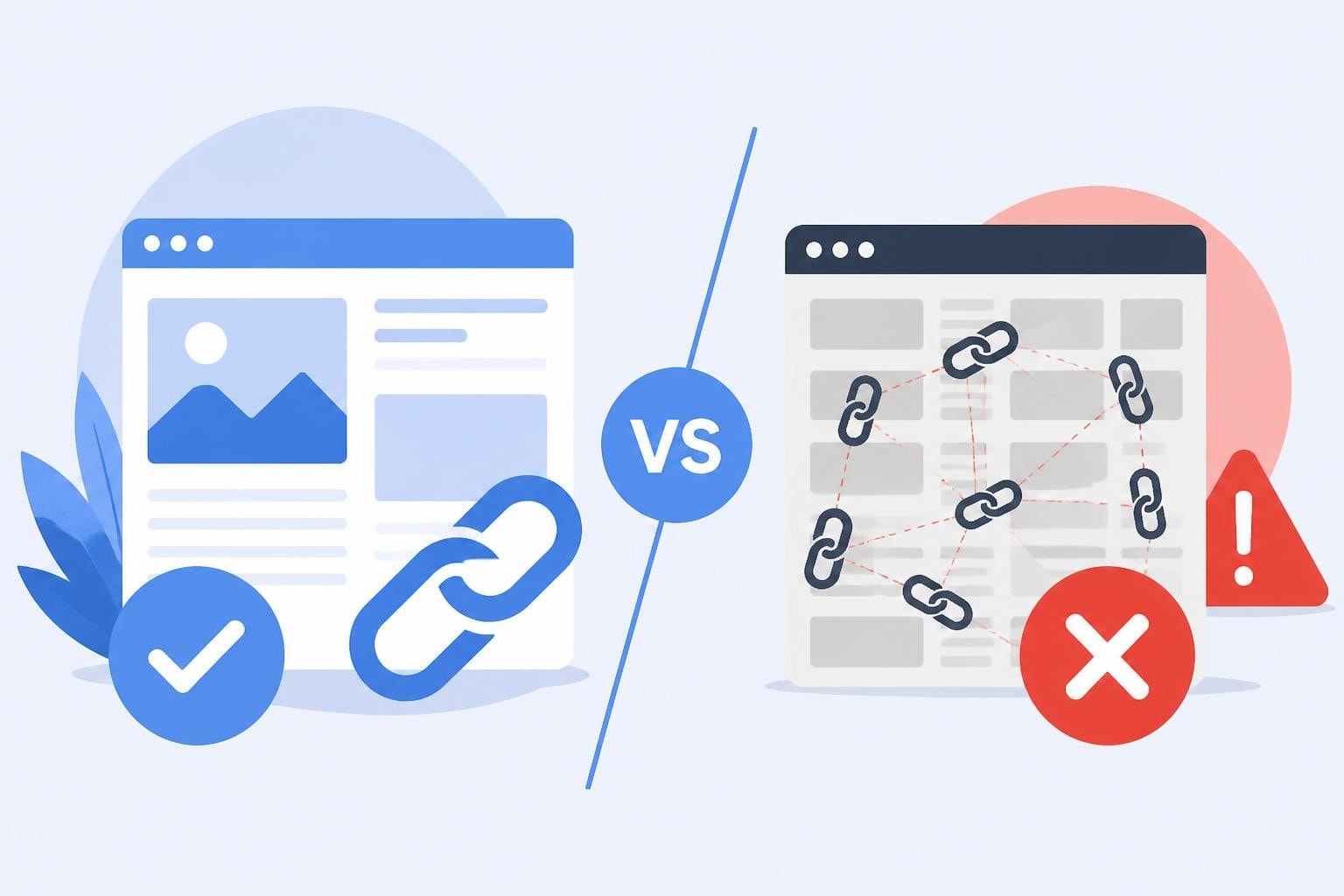
Every marketing campaign relies on links to drive traffic, track engagement, and measure conversion. Traditional link management offers basic shortening and click tracking, but advanced link intelligence transforms URLs into revenue signals that inform strategic decisions.
Smart marketers recognize that links represent critical touchpoints where customers transition from awareness to action. A sophisticated digital marketing platform treats these moments as optimization opportunities rather than simple redirects.
Advanced link capabilities include:
- A/B testing different landing pages to identify highest-converting destinations
- Smart routing based on device type, geography, or user attributes
- Retargeting pixel injection without modifying destination pages
- UTM parameter management for consistent campaign tracking
- Real-time analytics showing traffic patterns and conversion paths
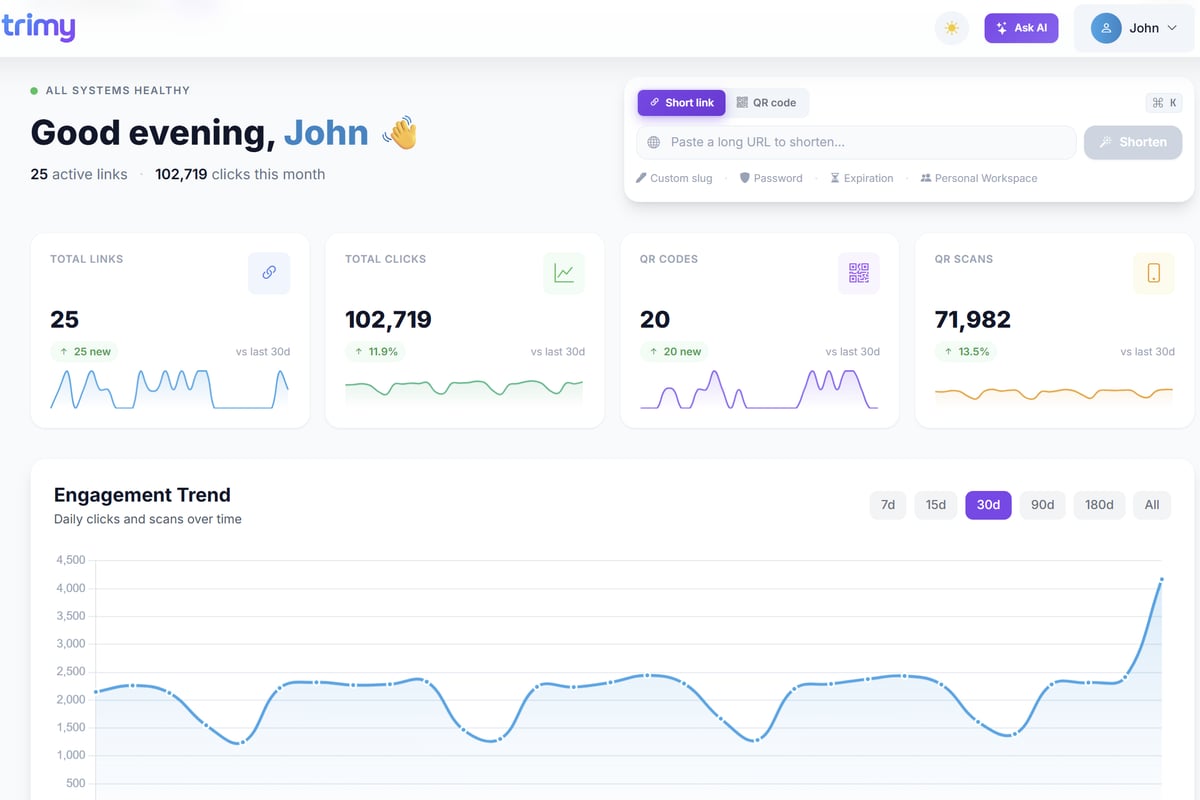
For teams managing complex multi-channel campaigns, link intelligence becomes essential infrastructure. Trimy addresses this need by providing enterprise-grade link management with deep analytics, A/B testing capabilities, and smart routing features that help marketers optimize every click. The platform transforms simple URL shortening into a strategic advantage by revealing exactly how traffic converts across different segments and channels.
Analytics, Measurement, and Continuous Improvement
Data without insight delivers minimal value. A sophisticated digital marketing platform converts raw metrics into actionable intelligence that drives better decisions and improved outcomes.
Building Meaningful Measurement Frameworks
Effective measurement starts with clear definitions of success. Different stakeholders care about different metrics, and platforms must accommodate multiple perspectives while maintaining data consistency.
| Stakeholder | Primary Metrics | Platform Requirements |
|---|---|---|
| Marketing Team | Engagement, conversion rate, cost per acquisition | Real-time dashboards, segment comparison |
| Sales Team | Lead quality, pipeline velocity, attribution | CRM integration, lead scoring |
| Executives | Revenue impact, ROI, market share | Executive summaries, trend analysis |
| Product Team | Feature adoption, user feedback, retention | Behavioral tracking, cohort analysis |
The Digital Codex guides on analytics emphasize that measurement frameworks should evolve with business maturity, starting with basic metrics and progressively incorporating more sophisticated attribution models.
Attribution Models and Revenue Tracking
Understanding which marketing activities generate revenue remains one of digital marketing's persistent challenges. Single-touch attribution models oversimplify customer journeys, while complex multi-touch models require substantial data infrastructure.
Modern digital marketing platforms offer multiple attribution approaches:
- First-touch attribution credits the initial interaction that brought customers into the funnel
- Last-touch attribution assigns value to the final touchpoint before conversion
- Linear attribution distributes credit equally across all touchpoints
- Time-decay attribution gives more weight to recent interactions
- Custom attribution applies business-specific logic based on unique customer journeys
Research on platform fairness and measurement highlights the importance of transparent attribution methodologies that stakeholders can understand and trust.
Automation, Personalization, and Customer Experience
Automation separates scalable marketing operations from teams trapped in manual execution cycles. A well-designed digital marketing platform automates repetitive tasks while preserving the human judgment that drives creative excellence.
Workflow Automation and Trigger Management
Marketing automation extends far beyond scheduled email campaigns. Sophisticated platforms support complex workflows that respond to customer behavior in real-time, creating personalized experiences at scale.
Common automation scenarios include:
- Welcome sequences triggered when new subscribers join email lists
- Cart abandonment recovery flows that remind customers of incomplete purchases
- Lead nurturing campaigns that adapt based on engagement signals
- Re-engagement campaigns targeting inactive customers with personalized offers
- Event-based messaging tied to birthdays, anniversaries, or product milestones
The most effective automation balances relevance with restraint. Over-automation creates robotic experiences that alienate customers, while strategic automation delivers timely value that strengthens relationships.
Dynamic Personalization Strategies
Personalization has evolved from inserting first names into email subject lines to delivering completely customized experiences based on comprehensive customer profiles. Modern platforms leverage behavioral data, purchase history, and predictive analytics to anticipate customer needs.
According to insights from MarTech.org, effective personalization requires three foundational elements: unified customer data, content variation capabilities, and decision logic that determines which content to display.

Platform Integration and Technology Stack Optimization
No digital marketing platform operates in isolation. Success requires thoughtful integration with existing business systems, creating a cohesive technology ecosystem that eliminates data silos and enables sophisticated workflows.
Building Connected Marketing Technology Stacks
The average marketing team uses 15-20 different software tools, according to Wikipedia's overview of digital marketing. Without proper integration, this complexity creates inefficiency rather than capability enhancement.
A well-architected marketing technology stack follows several key principles:
- Data flows automatically between systems without manual exports and imports
- Single sources of truth eliminate conflicting information across platforms
- Workflow continuity allows processes to span multiple tools seamlessly
- Unified reporting aggregates metrics from disparate sources into cohesive dashboards
- Role-based access maintains security while enabling collaboration
Modern integration approaches favor API-first architectures that support flexible connections over rigid point-to-point integrations that break during updates.
Managing Platform Migration and Change
Switching digital marketing platforms represents significant organizational change that extends beyond technical implementation. Successful migrations require careful planning, stakeholder alignment, and phased rollouts that minimize disruption.
Migration planning checklist:
- Audit current platform usage to identify essential features and workflows
- Map data structures between old and new systems to ensure complete transfer
- Design training programs that prepare teams for new interfaces and capabilities
- Create parallel operation periods where both platforms run simultaneously
- Establish success metrics that define when migration is complete
Content migration deserves particular attention, as creative assets, templates, and historical campaign data represent substantial intellectual property that must transfer cleanly.
Privacy, Compliance, and Data Governance
Marketing platforms process massive amounts of personal data, creating substantial compliance obligations under regulations like GDPR, CCPA, and emerging privacy frameworks worldwide. Platform selection must consider not just marketing capabilities but also governance features that protect both customers and businesses.
Consent Management and Privacy Controls
Modern digital marketing platforms incorporate sophisticated consent management systems that track customer preferences across channels and respect opt-out requests automatically. These systems must handle complex scenarios where customers consent to some communications but not others.
| Privacy Requirement | Platform Capability | Implementation Challenge |
|---|---|---|
| Consent tracking | Preference centers, audit logs | Multi-channel consistency |
| Data deletion | Automated purging workflows | Backup retention conflicts |
| Access requests | Self-service data portals | Identity verification |
| Purpose limitation | Data usage policies | Cross-team coordination |
The TechTarget perspective on content platforms notes that privacy-compliant marketing actually strengthens customer relationships by demonstrating respect for personal boundaries.
Data Security and Access Controls
Marketing platforms contain sensitive customer information, campaign strategies, and competitive intelligence that require protection from unauthorized access. Enterprise-grade platforms implement multiple security layers including encryption, role-based access controls, and audit logging.
Security considerations extend beyond preventing breaches to ensuring data accuracy and integrity. Marketing decisions based on corrupted or incomplete data lead to poor outcomes, making data quality controls essential platform features.
Emerging Trends Shaping Platform Evolution
The digital marketing platform landscape continues evolving rapidly as new technologies, customer expectations, and regulatory requirements reshape what marketers need from their core systems. Understanding these trends helps inform platform selection and implementation strategies.
Artificial Intelligence and Predictive Analytics
AI integration has moved from experimental feature to core platform capability. Modern systems use machine learning for content optimization, send-time prediction, audience segmentation, and creative testing at scales impossible through manual analysis.
Predictive capabilities allow platforms to anticipate customer needs before explicit signals emerge. By analyzing patterns across thousands of customer journeys, AI identifies early indicators of churn, upsell opportunities, and optimal intervention points.
Privacy-First Architecture and First-Party Data
Third-party cookie deprecation and privacy regulation tightening have accelerated platform evolution toward first-party data strategies. Successful platforms help marketers build direct customer relationships that generate proprietary data assets rather than relying on external tracking networks.
This shift emphasizes owned channels, permission-based marketing, and value exchanges where customers willingly share information in return for personalized experiences and relevant content.
Selecting and implementing a digital marketing platform represents one of the most consequential technology decisions marketing teams make, influencing campaign effectiveness, team productivity, and customer experience quality for years. The right platform consolidates fragmented tools, transforms data into actionable insights, and enables sophisticated automation that scales personalized marketing across growing customer bases. For teams managing complex multi-channel campaigns where every link represents a conversion opportunity, Trimy provides the link intelligence infrastructure that transforms simple URL tracking into strategic revenue signals through advanced analytics, A/B testing, and smart routing capabilities.