How to Build a Grow Plan for Business Success in 2026

A grow plan serves as the strategic foundation for businesses seeking sustainable expansion and measurable progress. Whether you're scaling a startup, launching new products, or optimizing existing operations, a structured approach to growth separates successful ventures from those that stagnate. The GROW model provides a proven framework that transforms abstract ambitions into concrete action steps, enabling teams to navigate challenges while maintaining focus on their core objectives.
Understanding the GROW Model Framework
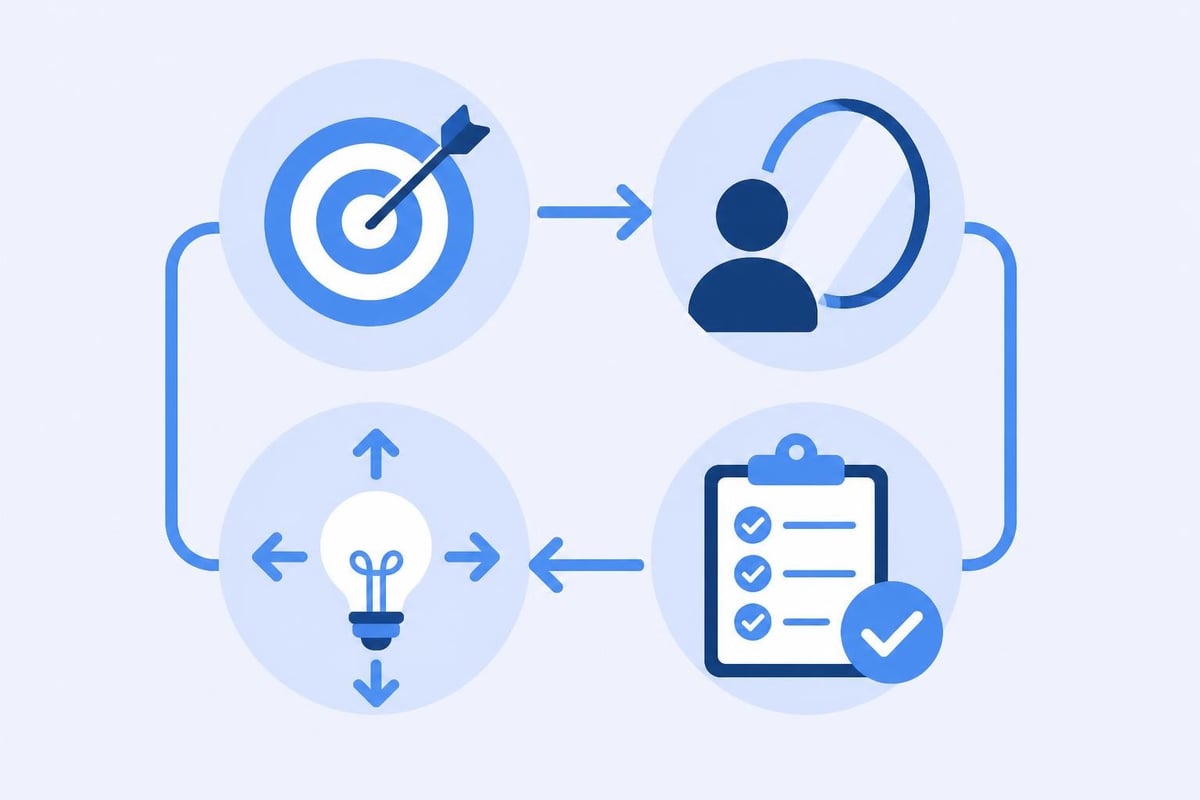
The GROW model represents a systematic approach to problem-solving and goal achievement that has gained widespread adoption in coaching, business development, and strategic planning. This framework breaks down the growth process into four distinct stages: Goal, Reality, Options, and Will. Each component serves a specific purpose in creating a comprehensive grow plan that addresses both aspirations and practical constraints.
Goal establishes the destination. This phase demands clarity about what you want to achieve, whether that's increasing market share, improving customer retention, or expanding into new territories. Effective goals are specific, measurable, and time-bound, providing a clear target for all subsequent planning efforts.
Reality grounds your ambitions in current circumstances. This assessment phase requires honest evaluation of existing resources, capabilities, market position, and obstacles. Understanding where you stand today creates the baseline from which all progress is measured.
Moving from Assessment to Action
Options explores the pathways available to bridge the gap between current reality and desired goals. This brainstorming phase encourages creative thinking and strategic analysis, examining multiple approaches before committing resources to a specific direction.
Will transforms planning into execution. This final stage focuses on commitment, accountability, and specific action steps. It answers the critical question: What will you do, when will you do it, and how will you measure success?
Defining Clear Growth Goals
Setting meaningful goals within your grow plan requires more than wishful thinking. Start by identifying what growth means for your specific business context. For link management platforms, growth might encompass user acquisition, feature adoption, enterprise client conversion, or revenue per customer.
Break down large objectives into component parts:
- Revenue targets: Specific dollar amounts or percentage increases over defined periods
- Market expansion: Geographic regions, industry verticals, or customer segments to penetrate
- Product development: Features, integrations, or capabilities to launch
- Operational efficiency: Process improvements, cost reductions, or productivity gains
- Customer success: Retention rates, satisfaction scores, or engagement metrics
The most effective goals create tension between ambition and achievability. They should stretch your capabilities without becoming demotivating through unrealistic expectations. According to NYU's coaching framework, well-structured goals provide both direction and motivation, serving as the north star for decision-making throughout the growth journey.
Quantifying Success Metrics
Transform qualitative aspirations into quantitative benchmarks. Instead of "improve customer satisfaction," specify "increase Net Promoter Score from 45 to 60 within nine months." For link management services, metrics might include click-through rates, conversion tracking accuracy, or A/B test implementation speed.
| Metric Category | Example Measure | Target Range |
|---|---|---|
| User Acquisition | Monthly active users | 20-30% growth |
| Engagement | Average links per user | 15-25 links |
| Revenue | Average revenue per account | $50-$75/month |
| Retention | 90-day retention rate | 70-80% |
Assessing Your Current Reality
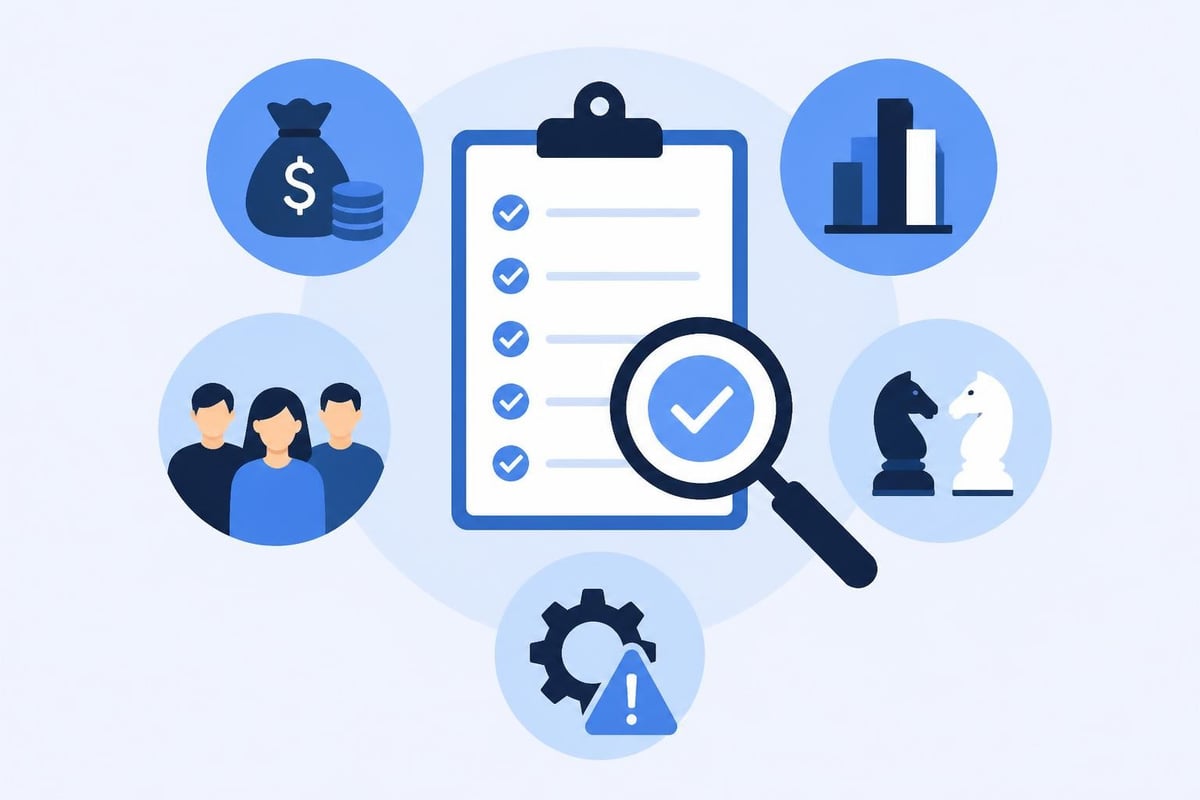
The reality phase demands brutal honesty about your starting point. Conduct a comprehensive audit of resources, capabilities, and market position. This assessment should cover financial reserves, team skills, technology infrastructure, customer base, competitive landscape, and brand recognition.
For businesses in the link management space, reality assessment includes analyzing current user behavior, identifying feature utilization gaps, understanding why prospects choose competitors, and recognizing operational bottlenecks. Review analytics data, customer feedback, support tickets, and sales conversations to build an accurate picture.
Key questions to address:
- What resources do you currently have available?
- Which capabilities distinguish you from competitors?
- What obstacles consistently prevent progress?
- Where do customers experience friction or dissatisfaction?
- Which team members possess skills critical to growth objectives?
External factors matter as much as internal capabilities. Market trends, regulatory changes, technological shifts, and economic conditions all influence what's possible. The Business Balls framework emphasizes that effective reality assessment requires both internal introspection and external market analysis.
Identifying Growth Constraints
Every grow plan faces limitations. Resource constraints might include budget, personnel, time, or technology. Market constraints involve competitive pressure, customer acquisition costs, or industry regulations. Organizational constraints encompass culture, decision-making speed, or risk tolerance.
Document these constraints explicitly rather than ignoring them. Acknowledge that your link management platform might lack enterprise-grade security certifications needed for Fortune 500 clients, or that your development team can only ship major features quarterly. These realities inform which options remain viable.
Exploring Strategic Options
The options phase unlocks creativity within constraints. Generate multiple pathways to achieve your goals, resisting the temptation to immediately select the first plausible approach. Aivy's GROW model guide suggests that exploring diverse options reveals innovative solutions that might otherwise remain hidden.
For link management platforms pursuing growth, options might include:
- Product-led growth: Enhance free tier features to drive organic adoption
- Enterprise sales focus: Build dedicated sales team targeting large organizations
- Partner ecosystem: Create integration marketplace with complementary tools
- Vertical specialization: Develop industry-specific solutions for e-commerce, SaaS, or media
- Geographic expansion: Localize platform for non-English markets
- Feature differentiation: Invest heavily in unique capabilities competitors lack
Each option carries distinct advantages, risks, resource requirements, and timelines. Evaluate them against your reality assessment and growth goals.
Comparing Strategic Pathways
| Strategy | Investment Required | Time to Revenue | Risk Level | Scalability |
|---|---|---|---|---|
| Product-led growth | Medium | 6-12 months | Low | High |
| Enterprise sales | High | 12-18 months | Medium | Medium |
| Partner ecosystem | Low-Medium | 3-6 months | Low | High |
| Vertical specialization | Medium-High | 9-15 months | Medium | Medium |
Consider combining options rather than choosing a single path. A grow plan might pursue product-led growth for mid-market customers while building enterprise sales capabilities for large accounts. The key is ensuring chosen options align with available resources and reinforce rather than contradict each other.
When developing link intelligence features, for example, you might simultaneously improve analytics dashboards (product-led) and create custom reporting packages (enterprise focus). Both serve growth objectives while appealing to different customer segments.
Committing to Action Steps
The will phase transforms strategy into execution. This stage demands specific commitments about who does what by when. Vague intentions like "improve marketing" become concrete actions: "Launch LinkedIn campaign targeting SaaS marketers, publish three case studies by August 15, allocate $5,000 budget, assign Sarah as campaign owner."
Break down each strategic option into actionable steps:
- Immediate actions: Tasks completable within one week
- Short-term initiatives: Projects spanning two to six weeks
- Medium-term programs: Efforts requiring two to four months
- Long-term investments: Strategic bets taking six months or longer
Assign clear ownership for each action. Growth initiatives fail when everyone assumes someone else is responsible. Designate specific individuals accountable for deliverables, ensuring they possess both authority and resources needed for success.
Building Accountability Systems
Establish regular check-ins to monitor progress against your grow plan. Weekly team standups address immediate blockers, monthly reviews assess initiative progress, and quarterly planning sessions adjust strategy based on results.
Tracking mechanisms should include:
- Progress dashboards displaying key metrics
- Milestone reviews celebrating achievements
- Retrospectives analyzing what worked and what didn't
- Resource reallocation processes responding to changing priorities
- Communication protocols keeping stakeholders informed
The personal GROW model approach emphasizes that commitment requires both motivation and capability. Ensure team members understand why growth matters and receive training needed to execute their responsibilities effectively.
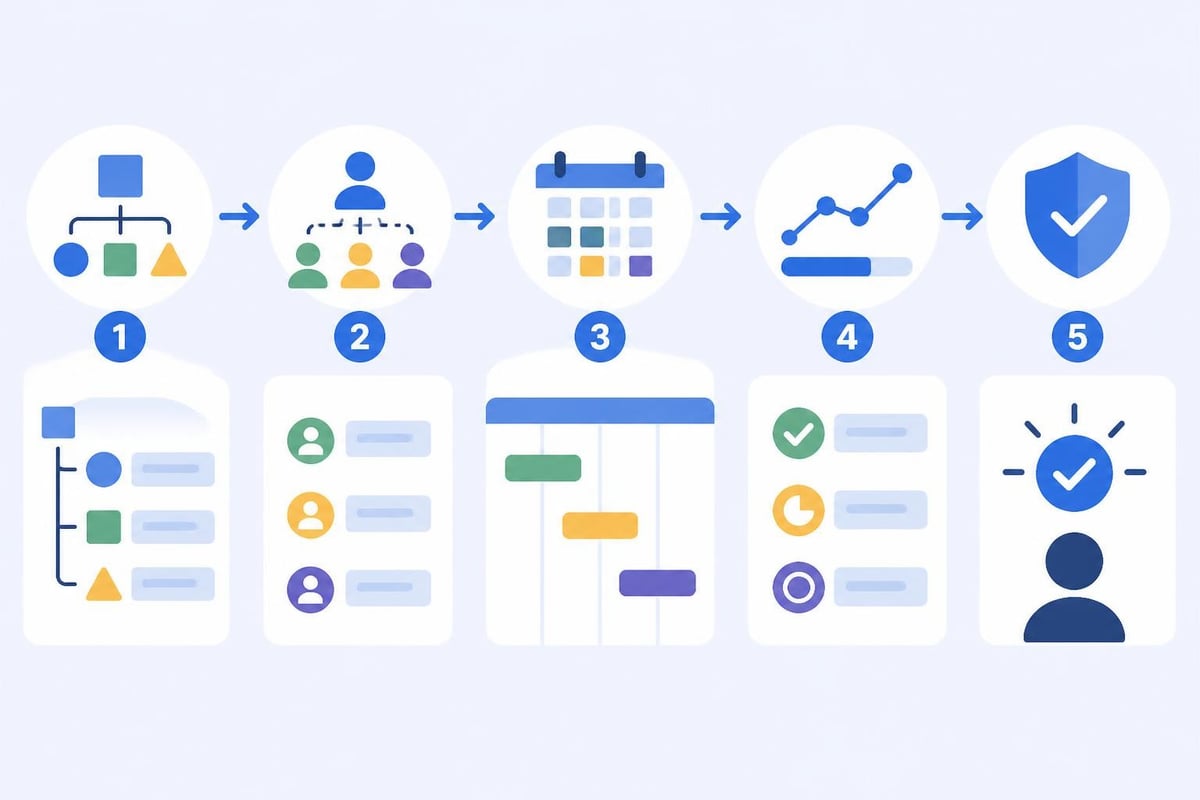
Implementing Your Grow Plan in Practice
Translation from planning to results requires disciplined execution. Start with quick wins that build momentum and demonstrate progress. For link management platforms, this might mean shipping a frequently requested feature, reducing page load times, or launching a successful content marketing campaign.
Create feedback loops that inform ongoing adjustments. Monitor which tactics generate results and which consume resources without corresponding returns. A grow plan should remain flexible enough to adapt as you learn what works in your specific market context.
When implementing growth strategies for link intelligence platforms, businesses discover that comprehensive analytics and campaign optimization require sophisticated link management infrastructure. Trimy provides the advanced analytics, A/B testing capabilities, and smart routing features that transform marketing links into revenue signals, giving businesses the intelligence they need to make data-driven growth decisions. These tools enable precise tracking of which campaigns drive conversions, where traffic originates, and how different link variations perform across channels.
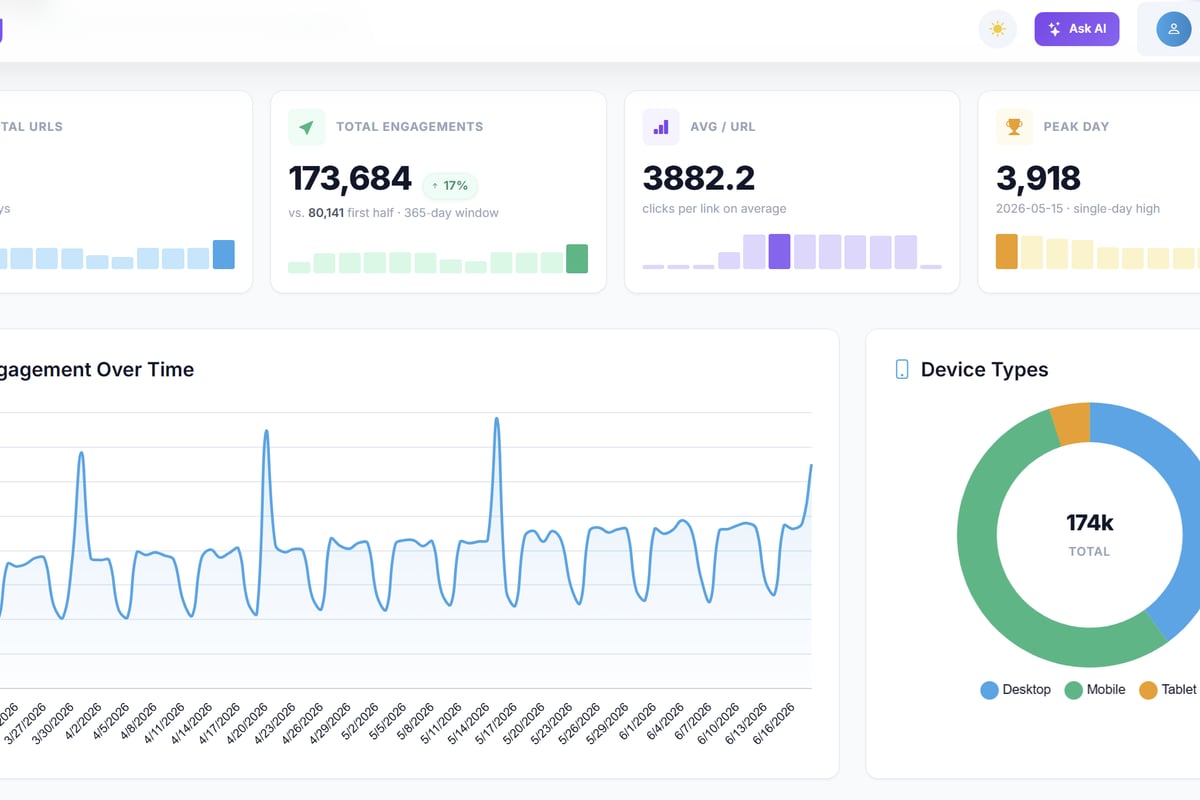
Document lessons learned throughout execution. What assumptions proved incorrect? Which opportunities emerged unexpectedly? How did market conditions shift? This organizational learning becomes invaluable for refining future grow plans.
Scaling Successful Initiatives
Once you identify tactics that work, systematize and scale them. If content marketing drives qualified leads, expand publishing frequency and distribution channels. If enterprise sales prove viable, hire additional account executives and develop structured sales processes. Growth comes from doing more of what works while quickly abandoning what doesn't.
The Enterprise Centre's growth plan framework emphasizes that sustainable expansion requires both strategic vision and operational excellence. Your grow plan should address not just what you'll achieve but how you'll build the organizational capabilities to maintain growth over time.
Measuring and Refining Growth Progress
Effective grow plans include clear success metrics and measurement frameworks. Establish baseline measurements before launching initiatives, track progress consistently, and analyze trends over time rather than fixating on daily fluctuations.
Core measurement principles:
- Track leading indicators that predict future results, not just lagging indicators reporting past performance
- Compare results against both internal targets and external benchmarks
- Segment data to understand what works for different customer types or use cases
- Attribute results to specific initiatives when possible
- Share metrics transparently to maintain organizational alignment
For link management platforms, leading indicators might include trial signup rates, feature activation percentages, or API integration attempts. These signal future revenue before it materializes in financial reports.
Schedule regular planning reviews to assess whether your grow plan remains relevant. Market conditions change, competitive landscapes shift, and internal capabilities evolve. What made sense in January may require adjustment by June.
Adapting to Market Feedback
The most successful grow plans embrace iteration based on real-world feedback. Customer interviews reveal unmet needs, usage analytics highlight feature gaps, and competitive analysis exposes emerging threats. Incorporate this intelligence systematically rather than reactively.
According to Coach Guide's framework approach, effective planning involves asking powerful questions that surface hidden assumptions and uncover new possibilities. Regularly challenge whether your goals remain appropriate, your reality assessment stays current, your options list includes the best available choices, and your commitments produce expected results.
Aligning Teams Around Growth Objectives
A grow plan only succeeds when everyone understands their role in achieving shared objectives. Communicate the plan clearly across your organization, explaining not just what you're doing but why it matters. Help team members see how their individual contributions connect to larger growth goals.
Create cross-functional alignment around growth priorities. Product teams should understand marketing's campaign calendar, sales should know what features are launching next quarter, and customer success needs visibility into revenue targets. This coordination prevents conflicting initiatives and ensures resources flow toward highest-impact opportunities.
Alignment strategies include:
- All-hands meetings presenting growth strategy and progress
- Department-specific objectives derived from overall grow plan
- Shared dashboards displaying key performance indicators
- Regular interdepartmental check-ins coordinating activities
- Recognition programs celebrating growth-driving behaviors
The Stratrix framework guide notes that coaching conversations using the GROW model work best when participants feel psychologically safe to acknowledge challenges and explore unconventional options. Foster this environment throughout your organization.
When teams understand how their work contributes to growth, engagement increases and innovation accelerates. A developer who sees how improved API documentation enables partner integrations feels more connected to expansion goals than one simply completing assigned tickets.
Building an effective grow plan requires structured thinking, honest assessment, creative exploration, and disciplined execution. By applying the GROW model framework to your business challenges, you create clarity around objectives while maintaining flexibility to adapt as conditions evolve. Whether you're scaling a startup or expanding an established business, this systematic approach transforms growth from aspiration into achievable reality. If you're ready to accelerate growth through better link intelligence and campaign optimization, Trimy provides the analytics and testing capabilities that help businesses make data-driven decisions and maximize marketing ROI.