Brand Management Platform: Complete Guide for 2026

A brand management platform serves as the central nervous system for modern marketing operations, controlling how brand assets flow across channels, teams, and campaigns. As organizations scale their digital presence in 2026, the challenge isn't creating more content but ensuring every touchpoint reflects a consistent brand identity while measuring performance across fragmented customer journeys. Marketing teams now juggle dozens of platforms, hundreds of assets, and countless campaigns simultaneously, making centralized brand control more critical than ever.
Understanding the Brand Management Platform Ecosystem
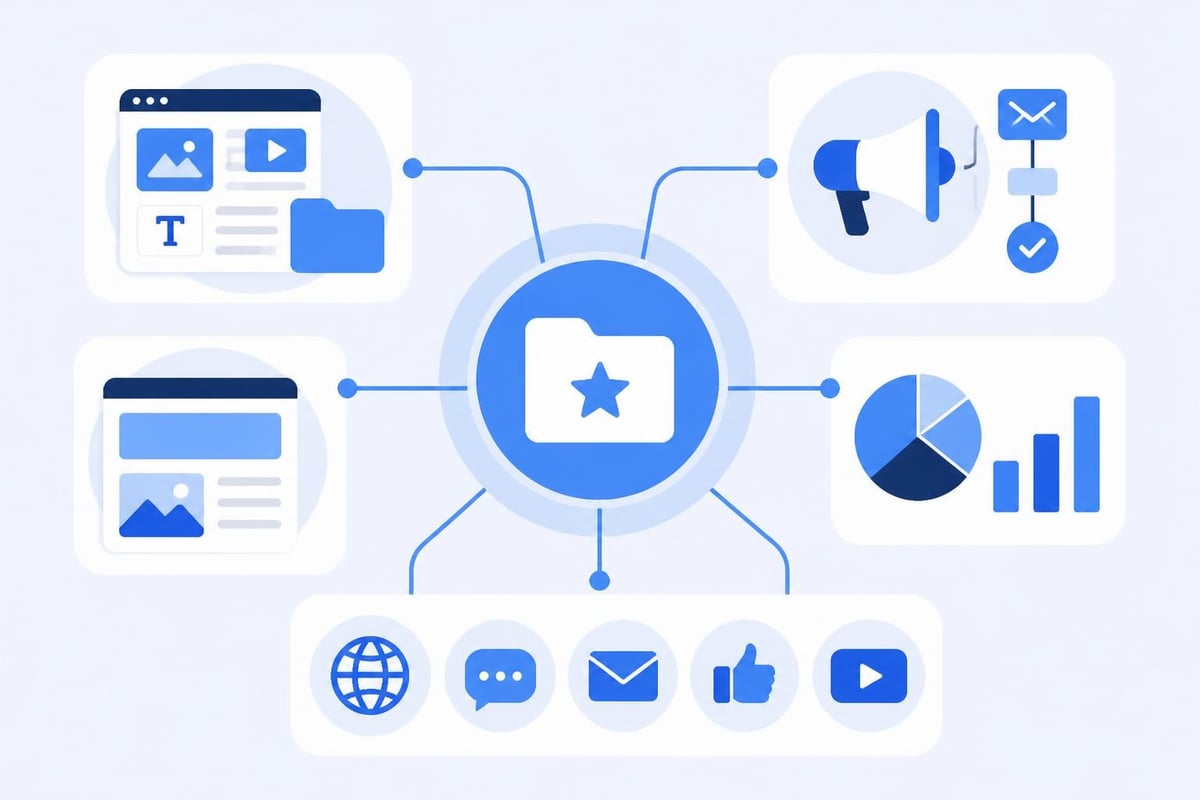
A brand management platform functions as a unified system that houses, organizes, and distributes brand assets while maintaining governance controls and tracking usage across all channels. These platforms have evolved from simple digital asset libraries into sophisticated intelligence systems that connect creative production, distribution workflows, and performance analytics.
Modern platforms integrate multiple functions previously handled by separate tools. Digital asset management forms the foundation, storing logos, images, videos, templates, and documentation in searchable repositories. Brand guidelines enforcement ensures teams apply correct colors, fonts, and messaging across materials. Workflow automation streamlines approval processes and content distribution to various channels.
The competitive landscape has shifted significantly as brands recognize that consistency directly impacts revenue. According to industry analysis, maintaining brand consistency across channels requires technological infrastructure capable of scaling with organizational complexity while preserving brand integrity.
Core Components That Define Platform Capabilities
Every effective brand management platform contains specific technical capabilities that separate enterprise solutions from basic asset repositories:
- Centralized asset libraries with metadata tagging, version control, and permission-based access
- Template management systems enabling brand-compliant creation without design expertise
- Distribution automation pushing approved assets to websites, social platforms, and partner channels
- Usage tracking monitoring where and how assets appear across digital properties
- Collaboration tools facilitating feedback, approvals, and project coordination
- Integration capabilities connecting with marketing automation, CMS, and analytics platforms
The architecture matters because disparate systems create gaps where brand inconsistencies emerge. A platform approach eliminates these gaps by creating a single source of truth for all brand materials and guidelines.
Strategic Advantages for Marketing Operations
Implementing a brand management platform transforms how marketing teams operate at fundamental levels. The most immediate benefit appears in time savings, as teams no longer waste hours searching for approved assets across shared drives, email threads, and outdated folders. Centralization means one search query retrieves the current version of any asset, complete with usage guidelines and technical specifications.
Brand consistency improves measurably when teams work from a controlled asset library rather than creating variations independently. This consistency builds brand recognition and trust with audiences who encounter uniform messaging across touchpoints. Companies that maintain strong brand consistency experience higher customer retention and premium pricing power in their markets.
Operational Efficiency and Cost Reduction
Organizations waste substantial resources recreating assets that already exist somewhere in their systems. A brand management platform eliminates this redundancy by making existing assets discoverable and accessible. Teams can see what's available before commissioning new creative work, reducing unnecessary production costs.
The platform approach also reduces compliance risks. When brand assets include embedded usage rights, expiration dates, and geographic restrictions, teams avoid legal complications from improper asset usage. Automated notifications alert stakeholders when assets approach expiration or require renewal, preventing costly mistakes.
| Benefit Category | Before Platform | After Platform | Impact Measure |
|---|---|---|---|
| Asset Search Time | 15-30 minutes | Under 2 minutes | 85% reduction |
| Brand Compliance | 60-70% consistency | 95%+ consistency | 35% improvement |
| Asset Recreation | 30% of requests | Under 5% of requests | 83% reduction |
| Approval Cycles | 5-10 days average | 2-3 days average | 60% faster |
Real-world implementations demonstrate these efficiency gains. The Kohler brand management transformation resulted in substantial annual savings while improving operational speed across their global organization. Similarly, DreamHost's centralization initiative enhanced team efficiency and campaign consistency by creating a single access point for all brand materials.
Selection Criteria for Platform Evaluation
Choosing the right brand management platform requires alignment between organizational needs and platform capabilities. The evaluation process should begin with a thorough audit of current pain points, user requirements, and integration necessities rather than feature lists.
Scalability determines whether the platform grows with your organization. Systems that perform well for 50 users often struggle with 500. Evaluate how platforms handle increasing asset volumes, user counts, and complexity without performance degradation. Cloud-based architectures typically scale more efficiently than on-premise solutions.
Integration capabilities make or break platform success. Your brand management platform must connect with existing marketing technology, including content management systems, marketing automation platforms, social media management tools, and analytics solutions. Native integrations work more reliably than custom API connections that require ongoing maintenance.
When selecting brand management software, technical considerations should balance with user experience factors. The most feature-rich platform fails if team members find it too complex to adopt in daily workflows.
Essential Features for Modern Teams
Different organizations prioritize features based on their specific workflows and challenges. However, certain capabilities have become standard requirements in 2026:
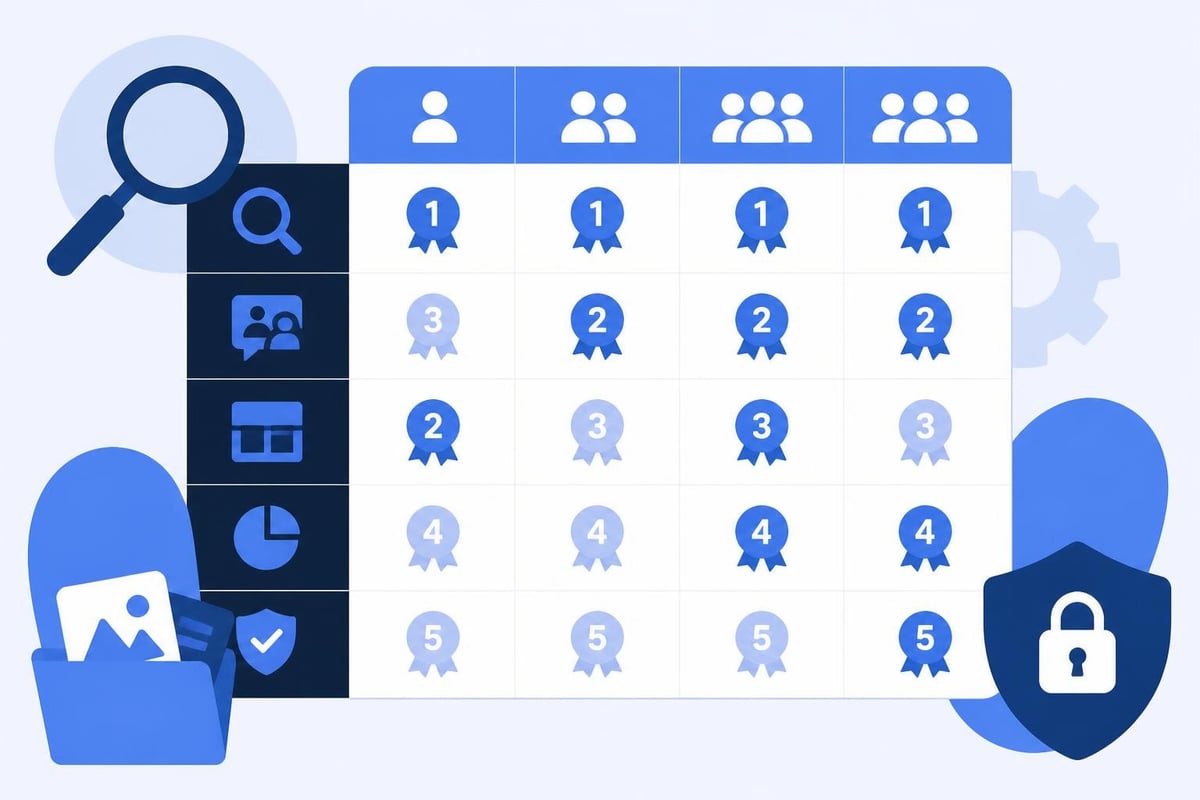
- AI-powered search enabling natural language queries and visual similarity matching
- Automated metadata tagging reducing manual cataloging burden
- Brand guideline enforcement through templates and locked design elements
- Rights management tracking for licensed assets and usage restrictions
- Performance analytics integration connecting assets to campaign results
- Mobile accessibility for remote teams and field operations
- Customizable portals for external partners and franchisees
The best brand management software platforms distinguish themselves through user experience and intelligent automation rather than simply accumulating features. Platforms that reduce friction in daily workflows achieve higher adoption rates and deliver better ROI.
Implementation Strategies for Maximum Adoption
Technical deployment represents only part of successful platform implementation. Cultural adoption determines whether the investment delivers value or becomes another underutilized tool in the marketing technology stack. Change management planning should begin during vendor selection, not after purchase.
Executive sponsorship proves critical for platform adoption. When leadership actively uses and promotes the platform, teams recognize its strategic importance. Sponsors also help overcome resistance from departments accustomed to legacy workflows and hesitant about new systems.
Start with a focused pilot program rather than organization-wide rollout. Select a high-visibility project or team where success creates momentum. Document specific problems the platform solves and measure improvements in concrete metrics like time savings, compliance rates, or production costs.
Building Governance and Maintaining Quality
Platform value degrades without proper governance structures. Establish clear roles for asset ownership, approval workflows, metadata standards, and archive policies before loading content. These governance frameworks prevent the platform from becoming a disorganized dumping ground that recreates problems it was meant to solve.
Metadata consistency requires enforced standards and regular audits. Define controlled vocabularies for tags, categories, and descriptions. Automated tagging helps, but human oversight ensures accuracy and relevance. Schedule quarterly reviews to identify gaps, remove outdated assets, and refine organizational structures.
Training programs should extend beyond initial onboarding. As platforms add capabilities and teams evolve, continuous education keeps users informed about features that could improve their workflows. Create role-based training paths addressing specific needs for creative teams, marketing managers, and executive users.
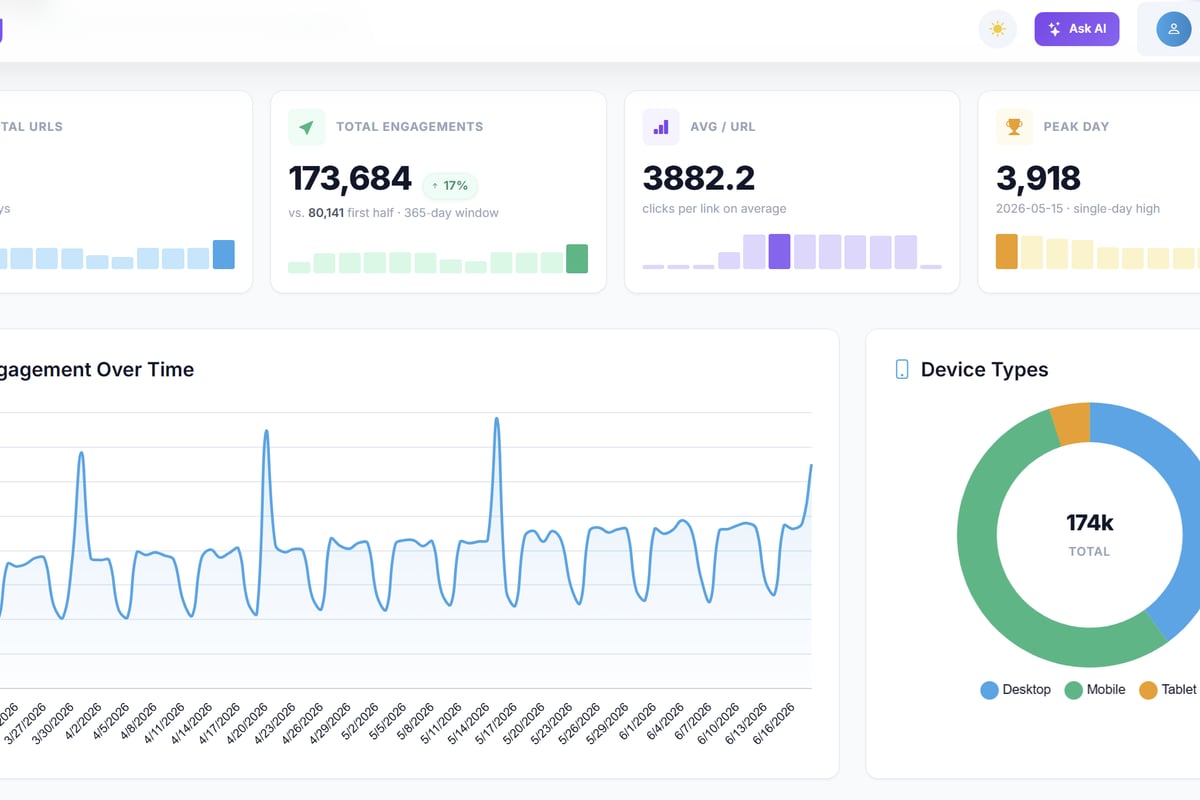
For link-based marketing campaigns, integration between your brand management platform and link tracking systems creates powerful optimization opportunities. Understanding which branded assets drive traffic and conversions allows data-driven refinement of creative strategies. Trimy provides the link intelligence infrastructure that connects brand asset performance to revenue outcomes, enabling marketers to optimize both creative and distribution simultaneously.
Advanced Use Cases Across Industries
Brand management platforms serve diverse industries with varying requirements and priorities. Financial services organizations prioritize compliance and regulatory controls, ensuring marketing materials meet strict legal requirements before distribution. Healthcare companies focus on HIPAA compliance and patient privacy protections embedded in asset workflows.
Retail and franchise operations use brand management platforms to empower distributed teams while maintaining consistency. Franchisees access approved marketing materials through customizable portals, personalizing campaigns within brand guidelines. This approach balances local relevance with corporate brand standards.
Technology companies leverage platforms for product launch coordination across global markets. When releasing new products, synchronized messaging across regions requires coordinated asset distribution and localized adaptations. Platforms enable this complexity without sacrificing brand coherence.
Measuring Platform ROI and Performance
Quantifying brand management platform value requires tracking both direct cost savings and strategic benefits. Direct savings appear in reduced asset production, faster approval cycles, and decreased compliance violations. Strategic benefits include improved brand perception, higher campaign performance, and accelerated time-to-market.
Establish baseline metrics before implementation to measure improvement accurately. Common measurement areas include:
- Time efficiency: Hours saved searching for assets, average approval cycle duration
- Cost reduction: Decreased asset recreation, reduced compliance penalties
- Quality metrics: Brand consistency scores, asset usage rates, campaign performance
- Productivity indicators: Assets created per team member, campaigns launched per quarter
The definition and functionality of brand management platforms have expanded to encompass performance measurement as a core capability rather than an afterthought. Modern platforms connect brand assets directly to business outcomes through integrated analytics.
| Success Metric | Measurement Method | Target Benchmark |
|---|---|---|
| Asset Findability | Time to locate specific asset | Under 60 seconds |
| Platform Adoption | Active users / total users | Above 80% |
| Asset Utilization | Downloads / total assets | 70%+ used quarterly |
| Compliance Rate | Approved assets / total usage | 95%+ compliant |

Integration With Marketing Technology Ecosystems
A brand management platform reaches its full potential when integrated throughout the marketing technology stack. Isolated systems create data silos and workflow friction that diminish platform value. Strategic integrations amplify capabilities by connecting brand governance with execution platforms.
Content management system integration allows approved brand assets to flow directly into website content workflows. Editors access the brand library without leaving their CMS interface, ensuring web content maintains brand standards. This connection also enables dynamic asset updates, where changes to brand assets automatically propagate to published pages.
Marketing automation platforms benefit from direct brand management platform connections. Email templates, landing page assets, and campaign materials remain current when pulled directly from centralized repositories. This integration ensures promotional campaigns reflect the latest brand guidelines without manual updating.
Social media management tools integrated with brand management platforms streamline multi-channel publishing. Social teams access approved assets, customize within established parameters, and schedule distribution across platforms from a unified interface. This workflow maintains brand consistency while enabling the rapid response social channels demand.
For organizations focused on online brand management at scale, integration strategy determines whether platforms simplify or complicate operations. Thoughtful integration planning creates seamless workflows where brand governance happens transparently without impeding execution speed.
Link Intelligence and Brand Asset Performance
Understanding how brand assets perform across channels requires connecting creative materials to distribution analytics. When marketing teams track which branded content drives engagement, conversions, and revenue, they refine both creative strategy and channel allocation more effectively.
Link management platforms track how audiences interact with branded content distributed across digital channels. This intelligence reveals which asset variations resonate with specific segments, informing future creative decisions. The connection between brand management and link analytics creates a feedback loop that continuously improves marketing effectiveness.
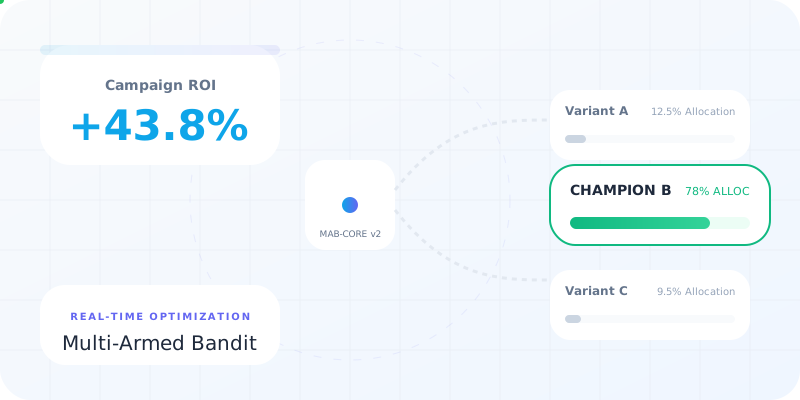
Smart routing capabilities enable A/B testing of brand asset variations at scale. Teams can systematically test different visual approaches, messaging angles, or format variations while maintaining overall brand consistency. Data from these tests informs brand guideline evolution based on performance evidence rather than subjective preferences.
Emerging Trends Shaping Platform Evolution
Artificial intelligence continues transforming brand management platform capabilities in 2026. Generative AI features now assist with asset creation, automatically generating brand-compliant variations from master templates. These tools democratize design capabilities, allowing marketing teams to create on-brand materials without specialized design skills.
Predictive analytics help teams anticipate asset needs based on historical usage patterns and upcoming campaign schedules. Platforms suggest which assets require updates, identify gaps in current libraries, and recommend production priorities aligned with strategic objectives.
Blockchain technology is emerging for rights management and provenance tracking. Immutable records of asset ownership, licensing terms, and usage history create transparency that reduces disputes and ensures compliance. This technology particularly benefits organizations managing extensive licensed content portfolios.
Sustainability tracking has become a platform feature as brands commit to environmental goals. Systems calculate the carbon footprint of asset production and distribution, helping organizations make environmentally conscious decisions about content creation and channel selection.
The evolution toward comprehensive brand management platform capabilities reflects broader shifts in marketing complexity and organizational expectations for technology solutions. Platforms must adapt continuously to support emerging channels, content formats, and performance measurement requirements.
Privacy and Security Considerations
Brand management platforms house valuable intellectual property requiring robust security measures. Multi-factor authentication, role-based access controls, and encryption both in transit and at rest have become baseline security requirements rather than premium features.
Audit trails tracking who accessed, modified, or distributed assets create accountability and enable forensic investigation when unauthorized usage occurs. Detailed logs prove particularly important for regulated industries where compliance documentation requirements extend to marketing materials.
Geographic data residency options address international privacy regulations like GDPR. Organizations can specify where data resides physically, ensuring compliance with regional requirements about data sovereignty and cross-border transfers.
Regular security assessments and penetration testing verify platform resilience against evolving threats. Vendors should provide transparency about security practices, incident response procedures, and compliance certifications relevant to your industry.
Brand management platforms have evolved from asset storage systems into strategic marketing infrastructure that drives efficiency, consistency, and measurable performance improvements. Organizations that implement these platforms thoughtfully, with attention to governance, integration, and adoption strategies, realize substantial competitive advantages through superior brand execution. When you're ready to enhance your marketing operations with link intelligence that connects brand assets to revenue outcomes, trimy provides the analytics and optimization tools that transform distributed content into measurable business results.