Conversion Ads: A Complete Guide for 2026
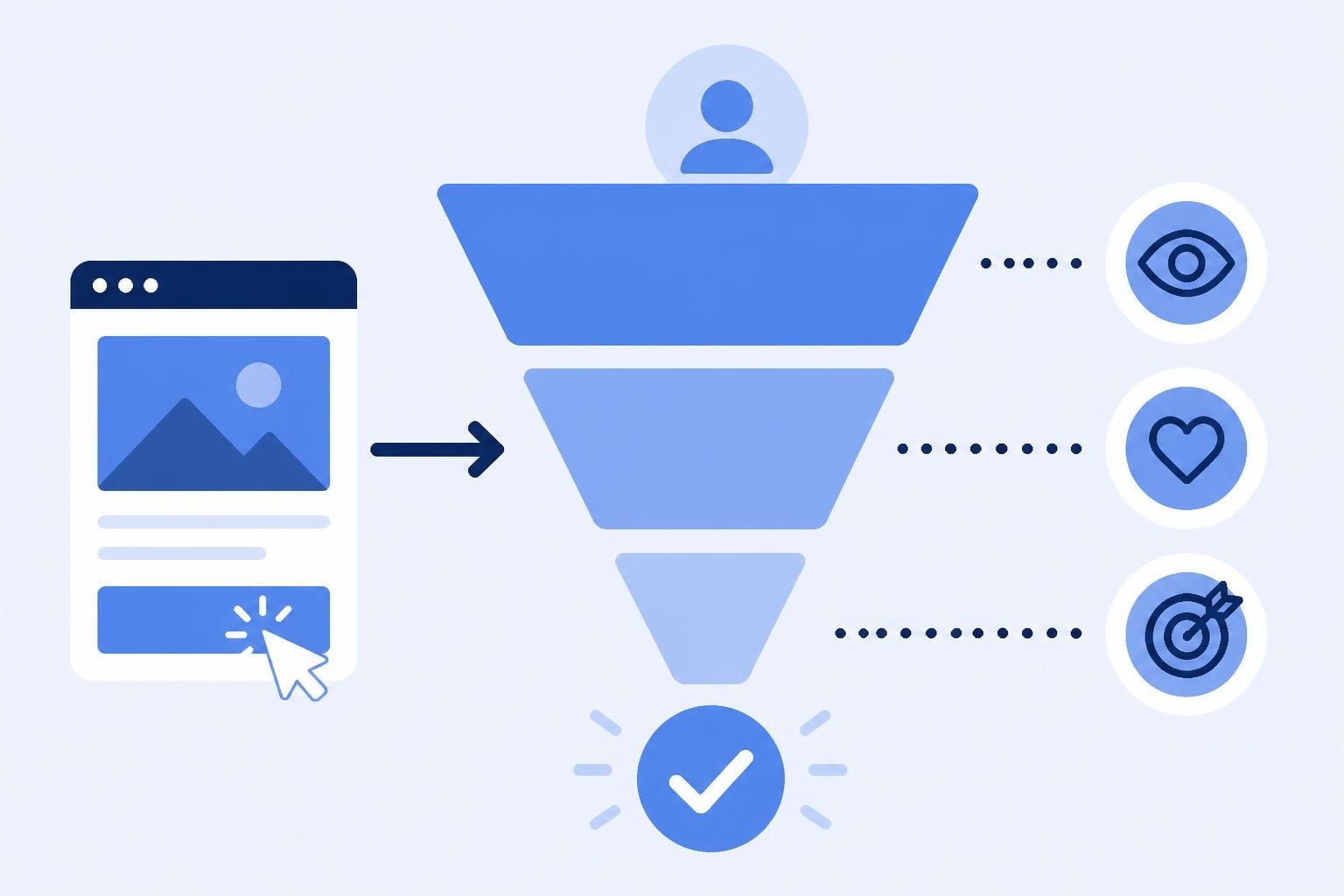
Conversion ads represent the critical bridge between marketing investment and measurable business outcomes. Unlike awareness campaigns that focus on reach or consideration campaigns that build interest, conversion ads aim for a specific action: a purchase, sign-up, download, or other valuable customer behavior. For marketers and developers managing digital campaigns in 2026, understanding how to design, deploy, and optimize conversion ads has become essential for demonstrating return on investment and driving sustainable growth.
Understanding Conversion Ads and Their Role in Marketing
Conversion ads are advertising campaigns specifically structured to drive users toward completing a predetermined action. These actions vary by business objective but share a common thread: they represent measurable value to the organization running the campaign.
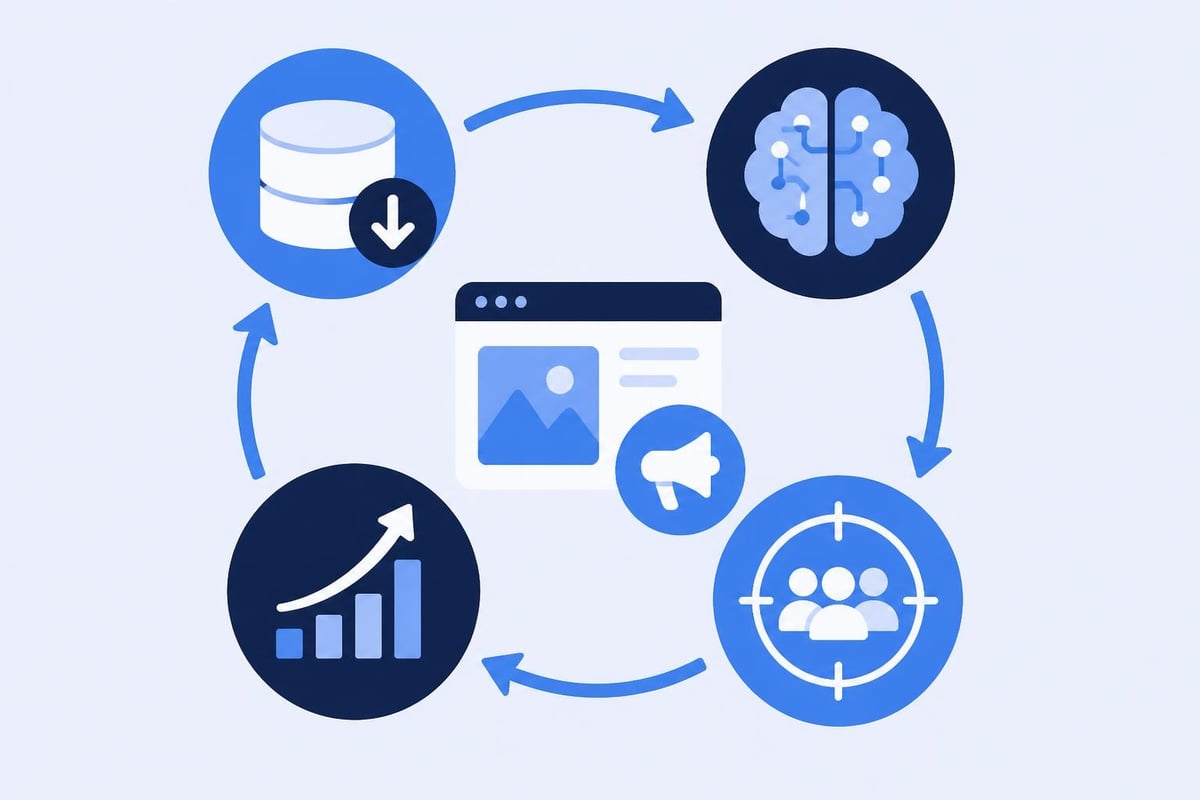
The defining characteristic of conversion ads lies in their optimization strategy. Rather than maximizing impressions or clicks, these campaigns use platform algorithms trained on conversion data to identify and reach users most likely to complete the desired action. Modern advertising platforms like Meta, Google, and TikTok have developed sophisticated machine learning systems that analyze thousands of signals to predict conversion probability.
Key components that distinguish conversion ads include:
- Conversion tracking pixels or server-side events that report completed actions
- Bid strategies optimized for cost per acquisition or return on ad spend
- Creative assets designed to motivate immediate action rather than passive awareness
- Landing page experiences aligned with the ad promise and conversion goal
- Attribution models that connect ad exposure to downstream conversions
The shift toward conversion-focused advertising reflects broader changes in marketing accountability. Businesses demand demonstrable returns, and conversion ads provide the clearest connection between spending and revenue. According to Amazon Ads best practices for Performance+ campaigns, associating every conversion event with campaign optimization creates a direct feedback loop that improves performance over time.
Designing High-Converting Ad Creative
Creative excellence forms the foundation of successful conversion ads. Even perfect targeting and bidding cannot compensate for ads that fail to capture attention and motivate action.
The Conversion-First Creative Framework
Research into thousands of high-performing campaigns has identified consistent patterns in ads that drive conversions. The conversion-first creative framework emphasizes specific elements in sequence:
- Hook - The first three seconds must stop scrolling and establish relevance
- Problem Statement - Articulate the pain point your audience experiences
- Solution Introduction - Present your product or service as the answer
- Social Proof - Demonstrate credibility through testimonials, data, or results
- Call-to-Action - Provide clear instructions on the next step
This structure works across formats, from static images to video content. The key lies in matching the creative depth to the platform and placement. A six-second bumper ad requires compression of these elements, while a two-minute YouTube video allows fuller development of each component.
Visual and Copy Principles
Effective conversion ad creative balances attention-grabbing visuals with persuasive copy. The visual hierarchy should guide the eye toward the value proposition and call-to-action. Text overlays need sufficient contrast for mobile readability, as the majority of ad impressions now occur on smartphones.
Copy should speak directly to the target audience using their language and addressing their specific circumstances. Generic messages underperform against personalized variants that reference industry, role, or use case. Testing different copy angles through A/B testing reveals which messaging resonates strongest with your conversion-ready segments.
| Creative Element | Low-Converting Approach | High-Converting Approach |
|---|---|---|
| Hook | Generic lifestyle imagery | Specific problem visualization |
| Value Proposition | Feature lists | Outcome-focused benefits |
| Social Proof | Vague claims | Specific metrics and testimonials |
| CTA | "Learn More" | Action-specific instruction |
| Design | Cluttered, multiple messages | Clean focus on single conversion goal |
Optimizing Landing Pages for Conversion Ads
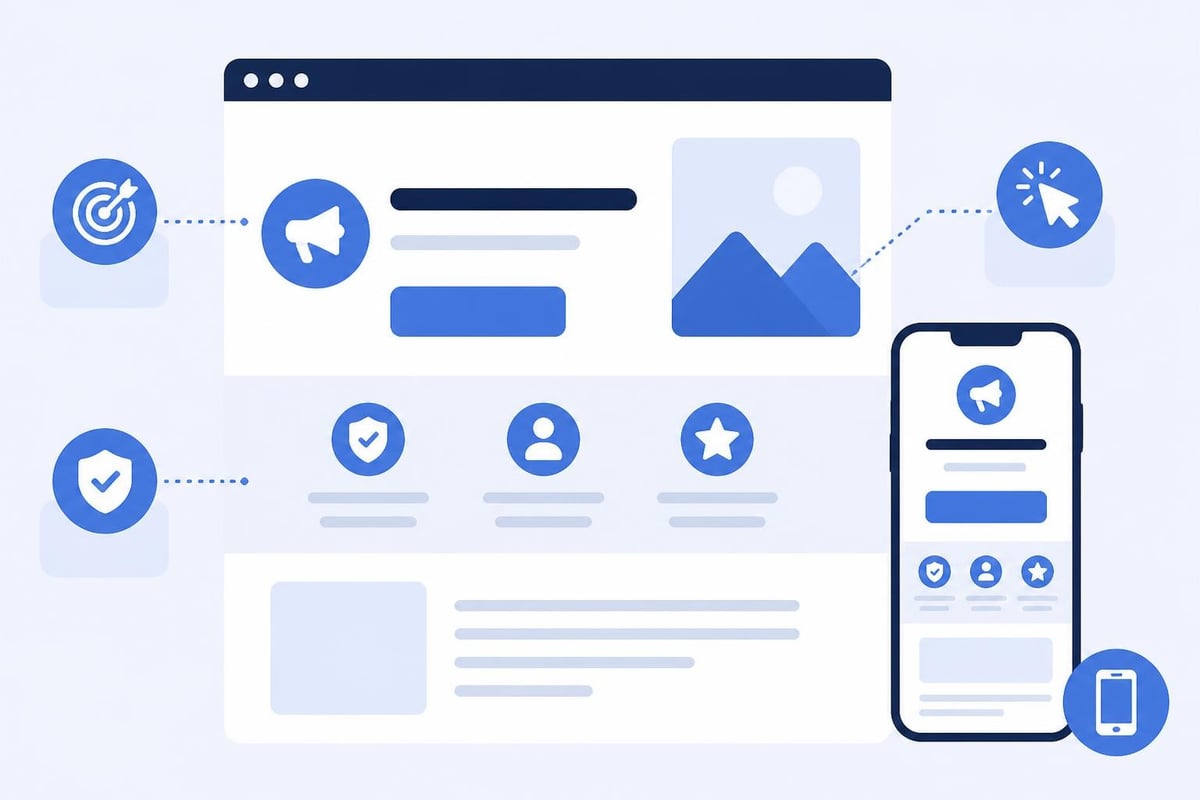
The landing page experience determines whether ad clicks convert into valuable actions. Disconnects between ad promises and landing page delivery destroy conversion rates and waste advertising budgets.
Message Match and Continuity
Message match means the landing page headline, imagery, and offer directly reflect what the ad promised. When a user clicks an ad about "50% off analytics dashboards," the landing page must immediately confirm that offer. Visual continuity through consistent color schemes, imagery style, and branding reduces cognitive friction and builds trust.
Landing page best practices emphasize the importance of a single, clear call-to-action. Pages with multiple competing CTAs dilute focus and reduce conversion rates. Every element should guide visitors toward the primary conversion goal, whether that's starting a trial, making a purchase, or scheduling a demo.
Speed represents another critical factor. Pages that load in under two seconds convert significantly better than those requiring five or more seconds. Mobile optimization goes beyond responsive design to include touch-friendly buttons, minimal form fields, and streamlined content that works on smaller screens.
Trust Signals and Conversion Optimization
Trust signals reassure visitors that converting is safe and valuable. These include:
- Security badges and SSL certificates for transactions
- Customer testimonials with names and photos
- Case studies demonstrating real results
- Clear privacy policies and data handling information
- Professional design that signals legitimate business operations
Form optimization reduces friction in the conversion process. Request only essential information at the initial conversion point. Progressive profiling allows you to gather additional data points across multiple interactions rather than creating a lengthy barrier at first contact.
Tracking and Attribution for Conversion Ads
Accurate conversion tracking forms the foundation of campaign optimization. Without reliable data on which ads and audiences drive conversions, you're optimizing blind.
Implementing Conversion Tracking
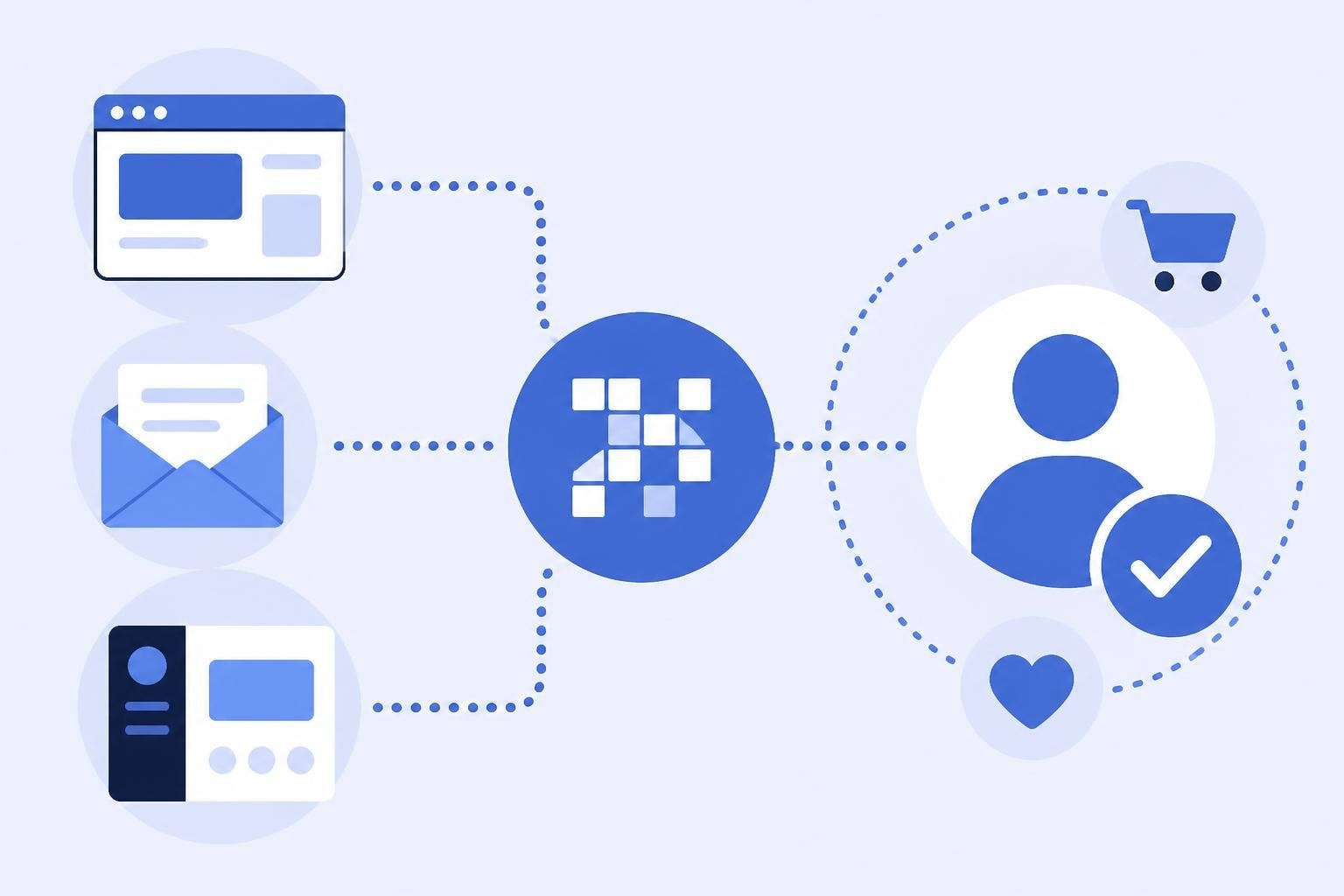
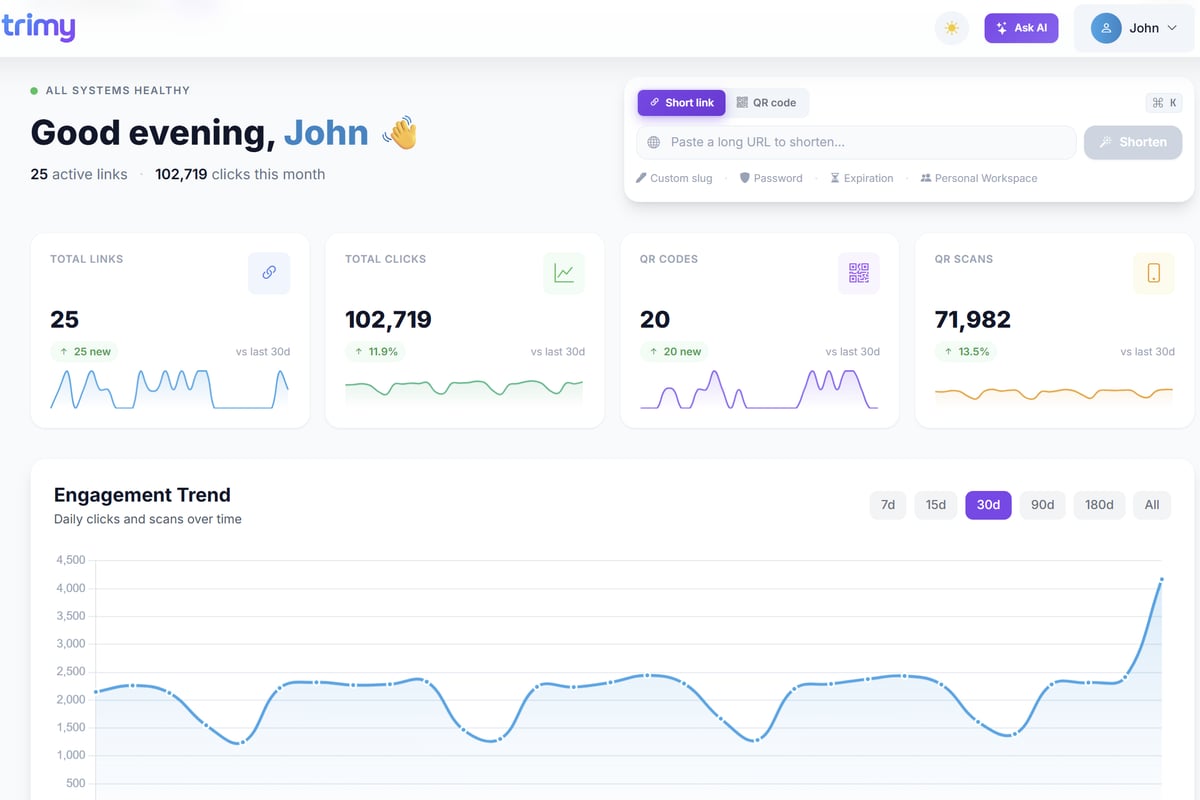
Modern conversion tracking uses multiple methods to capture the full customer journey. Browser-based pixels track users who convert on the same device and browser where they clicked the ad. Server-side conversion APIs provide more reliable data collection that isn't affected by ad blockers or privacy settings.
For link-based campaigns, tools like Trimy enable sophisticated tracking through custom UTM parameters, click analytics, and conversion attribution. By shortening and managing links through a centralized platform, marketers gain visibility into which traffic sources, campaigns, and creative variants drive the highest conversion rates. The platform's A/B testing capabilities allow you to experiment with different landing page destinations and measure the impact on conversion performance.
Attribution Models and Conversion Windows
Attribution models determine how credit for conversions distributes across multiple ad touchpoints. Last-click attribution assigns full credit to the final ad interaction before conversion. First-click attributes success to the initial ad exposure. Multi-touch models distribute credit across all interactions in the conversion path.
Conversion windows define the time period during which a click or view can receive credit for a conversion. A seven-day click window means conversions occurring within seven days of an ad click count toward that campaign's performance. Different products and industries require different windows based on typical purchase cycles.
| Attribution Model | Best Used For | Limitations |
|---|---|---|
| Last Click | Direct response campaigns | Ignores awareness and consideration |
| First Click | Top-of-funnel optimization | Doesn't credit closing interactions |
| Linear | Balanced view across journey | Equal weight may not reflect reality |
| Time Decay | Crediting recent interactions | May undervalue early touchpoints |
| Data-Driven | Platform algorithm optimization | Requires substantial conversion volume |
Platform-Specific Conversion Ad Strategies
Each advertising platform offers unique conversion optimization capabilities and requires tailored approaches for maximum performance.
Meta (Facebook and Instagram) Conversion Campaigns
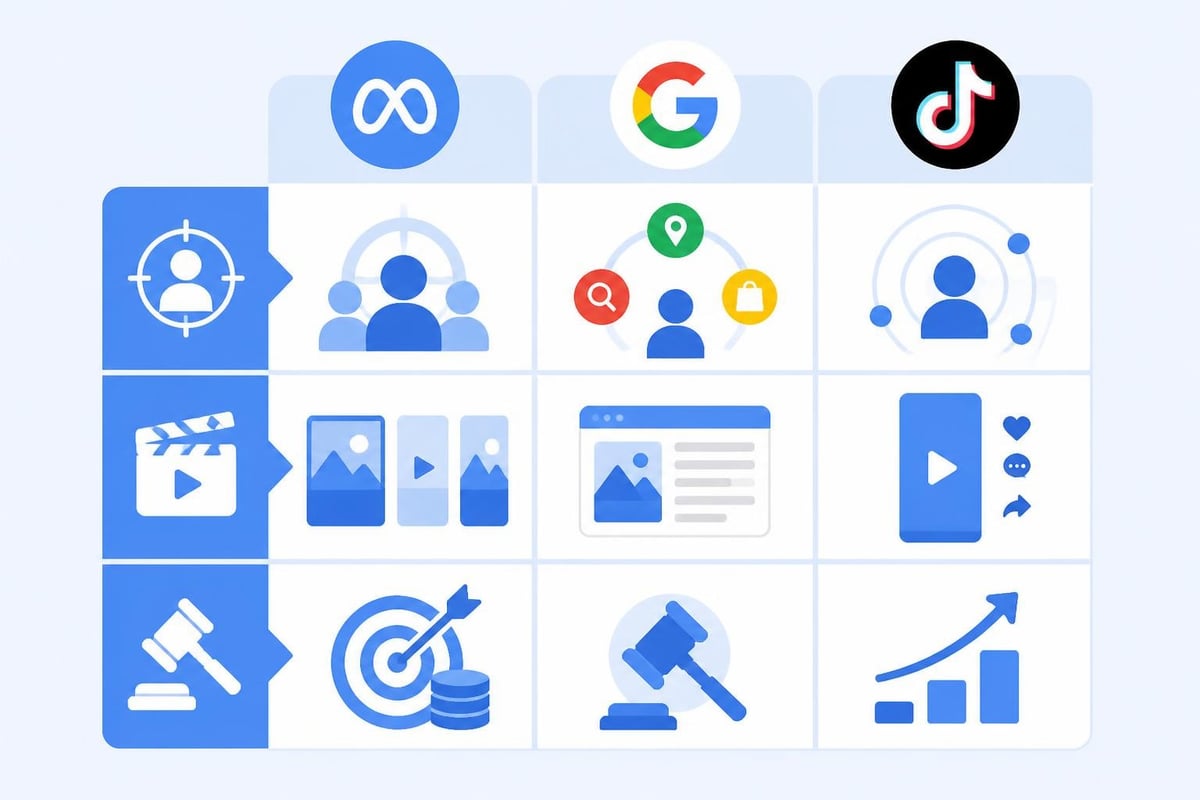
Meta's conversion campaigns leverage extensive user data and behavioral signals to predict conversion likelihood. The platform's Advantage+ shopping campaigns use automation to test creative variants, audiences, and placements while optimizing for the lowest cost per conversion.
Catalog ads enable dynamic retargeting, showing users specific products they viewed or added to cart. These highly personalized ads drive strong conversion rates by addressing demonstrated intent. The Meta pixel tracks on-site behavior to build conversion-optimized audiences and enable sophisticated retargeting strategies.
Google Ads Performance Max and Search Conversions
Google's Performance Max campaigns distribute ads across Search, Display, YouTube, Gmail, and Discovery based on conversion optimization. The algorithm determines the best combinations of assets, audiences, and placements to achieve your target cost per acquisition.
Search conversion ads respond to active intent, reaching users who explicitly search for solutions. The combination of keyword targeting, responsive search ads, and optimized landing pages creates a direct path from query to conversion. Remarketing lists for search ads (RLSA) allow bid adjustments and messaging customization for users who previously visited your site.
TikTok and Emerging Platforms
TikTok conversion campaigns require creative that feels native to the platform's entertainment-focused environment. Hard-sell approaches underperform against content that entertains while subtly integrating product benefits. The platform's algorithm excels at finding conversion-ready users once provided sufficient conversion data.
Spark Ads, which promote organic posts as paid content, often deliver stronger conversion performance than obvious advertisements. This format preserves the authenticity users expect while benefiting from paid distribution and optimization.
Advanced Optimization Techniques for Conversion Ads
Moving beyond basic campaign setup, advanced optimization techniques separate good conversion ad performance from exceptional results.
Audience Segmentation and Custom Audiences
Broad audience targeting may work during the learning phase, but refined segmentation drives efficiency at scale. Custom audiences built from customer data, website visitors, or engagement behaviors convert at higher rates than cold prospects.
Lookalike audiences use platform algorithms to find users who share characteristics with your best converters. Starting with a seed audience of high-value customers, the platform identifies similar users likely to convert. Testing multiple lookalike percentages (1%, 5%, 10%) balances audience size with similarity to the original converters.
Effective segmentation strategies include:
- Separating new customer acquisition from existing customer campaigns
- Creating audience tiers based on engagement level or purchase history
- Excluding recent converters to avoid wasted spend on satisfied customers
- Building sequential campaigns that progress users through awareness to conversion
- Testing interest-based audiences against behavioral targeting
Dynamic Creative Optimization
Dynamic creative optimization automatically tests combinations of headlines, images, videos, and calls-to-action to identify the highest-converting variations. Rather than manually creating dozens of ad variants, you provide asset libraries that the platform algorithmically combines and tests.
High-converting ad creation benefits from this data-driven approach, as minor creative differences can significantly impact conversion rates. A headline change or image swap might improve performance by 30% or more, but you only discover these wins through systematic testing.
Bid Strategy and Budget Optimization
Conversion bid strategies vary in their optimization approach. Cost cap bidding maintains a target maximum cost per conversion while maximizing volume. Bid cap controls the maximum bid in each auction. ROAS (return on ad spend) bidding optimizes for revenue value rather than conversion volume.
Campaign budget optimization distributes spending across ad sets based on real-time conversion opportunity. Rather than manually allocating budgets, the platform directs resources toward the audiences and placements currently delivering the strongest conversion performance. This requires relinquishing some control but often improves overall efficiency.
Measuring and Improving Conversion Ad Performance
Continuous measurement and iteration separate sustainably successful campaigns from temporary wins. Establishing the right metrics and testing framework drives ongoing improvement.
Key Performance Indicators Beyond Basic Metrics
While cost per conversion provides the headline metric, deeper analysis requires examining the full conversion funnel and downstream value. Click-through rate indicates ad relevance and creative effectiveness. Landing page conversion rate isolates on-site experience from ad performance. Customer lifetime value determines whether you're acquiring profitable customers or churning expensive one-time buyers.
Landing page optimization directly impacts conversion ad efficiency. A campaign delivering a 2% landing page conversion rate requires half the traffic of one converting at 1%, effectively doubling ad performance without creative or targeting changes.
Cohort analysis tracks how different acquisition sources perform over time. Users acquired through conversion ads in January might show different retention and revenue patterns than those from March. Understanding these differences informs both short-term optimization and long-term budget allocation.
Structured Testing Frameworks
Systematic testing prevents random changes that make it impossible to identify performance drivers. A structured approach isolates variables:
- Hypothesis Formation - Identify specific elements you believe impact conversions
- Test Design - Create controlled variants that change only the tested element
- Sample Size Calculation - Ensure sufficient traffic for statistical significance
- Duration Management - Run tests long enough to account for day-of-week variations
- Analysis and Implementation - Measure results and scale winning approaches
Statistical significance matters more than directional trends. A variant showing 10% better performance with insufficient sample size may simply reflect random variation. Waiting for 95% confidence prevents false conclusions that harm long-term performance.
Conversion Rate Optimization Research
Academic research continues advancing conversion prediction and optimization methodologies. Studies on URL embeddings for conversion prediction explore how landing page URLs contain signals predictive of conversion likelihood. Uncertainty-regularized knowledge distillation addresses bias in conversion rate estimation, improving algorithm accuracy. Privacy-preserving approaches like federated learning for conversion estimation balance performance optimization with data protection requirements.
Understanding these advanced techniques provides competitive advantages as platforms incorporate research findings into their optimization algorithms. Dynamic creative optimization in native advertising demonstrates how algorithmic creative combinations outperform manual approaches at scale.
Common Conversion Ad Mistakes and Solutions
Even experienced marketers fall into patterns that undermine conversion ad performance. Recognizing and correcting these mistakes accelerates results.
Optimization Before Sufficient Data
Platforms require conversion data to optimize effectively. Making significant changes before accumulating 50-100 conversions per ad set prevents algorithms from completing their learning phase. Patience during the initial campaign period yields better long-term performance than constant tinkering.
The solution involves setting realistic expectations and planning adequate testing budgets. If your product converts at 2% and costs $50 per click, you'll spend $2,500 per conversion. Reaching 50 conversions for algorithm training requires a $125,000 investment before major optimization begins.
Misaligned Conversion Events
Optimizing for the wrong conversion event produces campaigns that efficiently deliver unwanted outcomes. A campaign optimized for "add to cart" drives users who abandon at checkout. Optimization for "landing page views" attracts clicks without conversion intent.
The solution requires optimizing for the conversion event closest to revenue while maintaining sufficient volume. Start-ups with low sales volume might optimize for "sign-up" or "trial start" rather than waiting for purchase volume. As conversion volume grows, shift optimization toward higher-value events.
Neglecting Mobile Experience
With over 70% of ad impressions occurring on mobile devices, campaigns optimized for desktop conversion experiences fail systematically. Forms requiring extensive typing, pages with slow mobile load times, and checkout processes designed for mouse input create conversion barriers.
Testing the complete conversion journey on mobile devices reveals friction points invisible in desktop optimization. Simplified forms, mobile-optimized landing pages, and streamlined checkout processes dramatically improve conversion rates for mobile traffic.
Conversion ads transform marketing from expense into measurable investment by directly connecting advertising spend to valuable customer actions. The strategies outlined here provide the foundation for campaigns that consistently deliver results through creative excellence, technical optimization, and continuous improvement. When you're ready to take your conversion tracking and optimization to the next level, trimy provides the link intelligence and management capabilities needed to transform every click into actionable revenue signals across your marketing campaigns.