Data Drives Decisions: A Guide for Modern Marketers
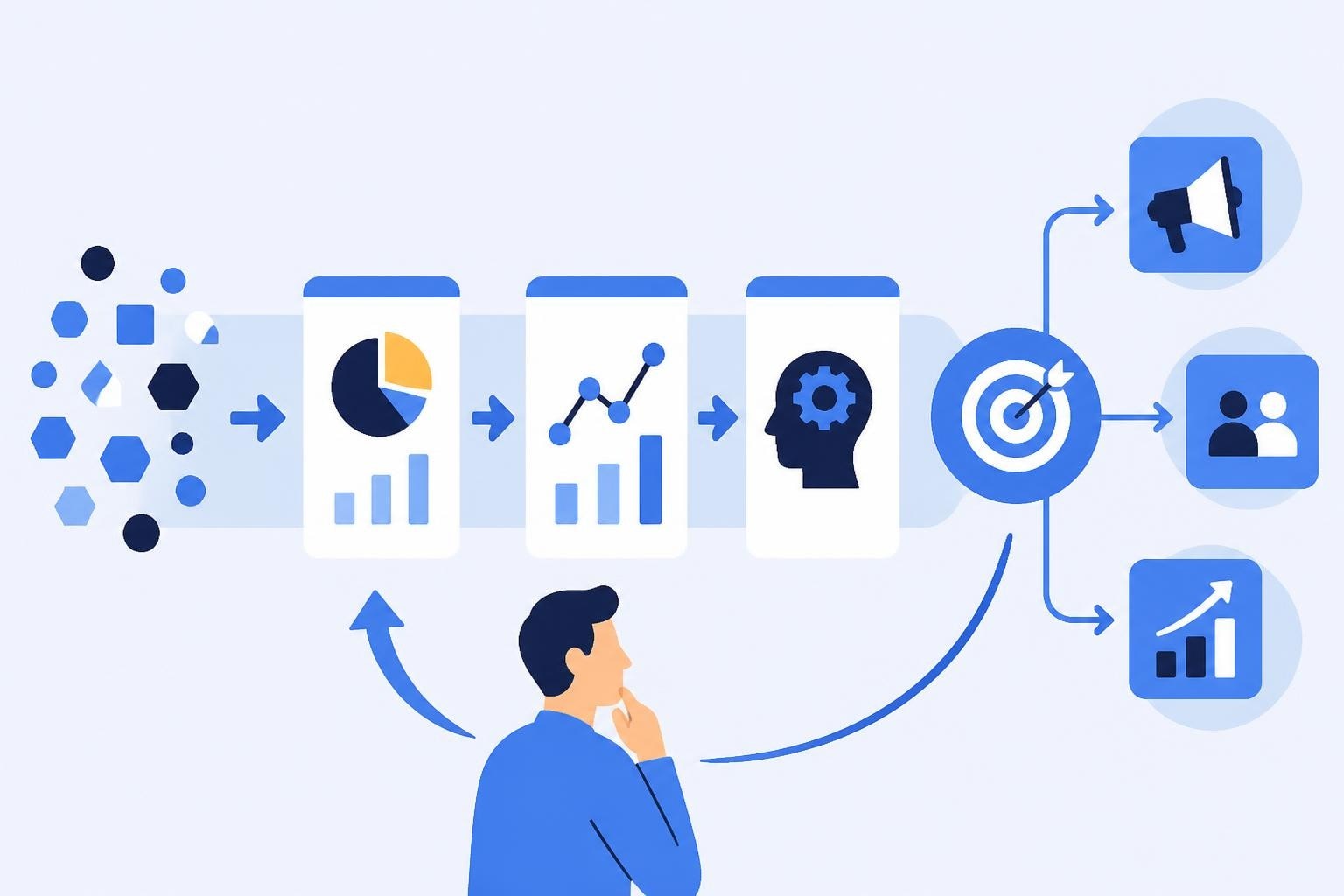
Every click, conversion, and customer interaction generates a trail of information. Organizations that capture, analyze, and act on this information gain a competitive edge. When data drives decisions, businesses move from guesswork to precision, from intuition to evidence. Yet the gap between collecting data and making better choices remains wide for many teams. This article explores the frameworks, strategies, and practical steps that transform raw numbers into strategic advantage, especially for marketers and operations leaders who need measurable results.
The Foundation: Why Data Drives Decisions Better Than Instinct
Experience and intuition still matter in business. However, relying solely on gut feelings introduces bias, limits scale, and makes it difficult to replicate success. Data-driven decision-making creates a foundation of objectivity.
Eliminating Cognitive Bias
Human decision-makers face dozens of cognitive biases. Confirmation bias leads teams to favor information that supports existing beliefs. Recency bias overweights recent events. Anchoring bias fixes attention on the first piece of information encountered. When data drives decisions, these mental shortcuts lose their grip. Numbers don't care about office politics or personal preferences.
A marketing team might believe their audience prefers email over SMS based on anecdotal feedback. Usage data could reveal the opposite: SMS campaigns generate 4x the engagement rate. The numbers force a strategic pivot that intuition would miss.

Building Repeatable Processes
Decisions based on data can be documented, audited, and improved. A campaign manager who "just knows" which creative will perform can't transfer that knowledge to others. A manager who uses A/B testing data, click-through rates, and conversion metrics creates a playbook anyone can follow.
This repeatability matters for scaling operations. As teams grow, documented data processes maintain quality and consistency. The NIST Research Data Framework provides guidance on establishing data quality standards that make insights trustworthy and reusable across organizations.
Measuring What Matters
Not all data deserves attention. The principle that data drives decisions requires selecting the right metrics. Vanity metrics like total page views or follower counts feel good but rarely connect to business outcomes. Revenue per visitor, customer acquisition cost, and lifetime value directly link to profit.
Link management platforms face this challenge daily. Total clicks on a shortened URL matter less than qualified clicks that convert. Geographic distribution, device type, referral source, and time-to-convert all provide actionable intelligence. Marketers who track these dimensions make smarter budget allocations.
Frameworks for Data-Driven Decision-Making
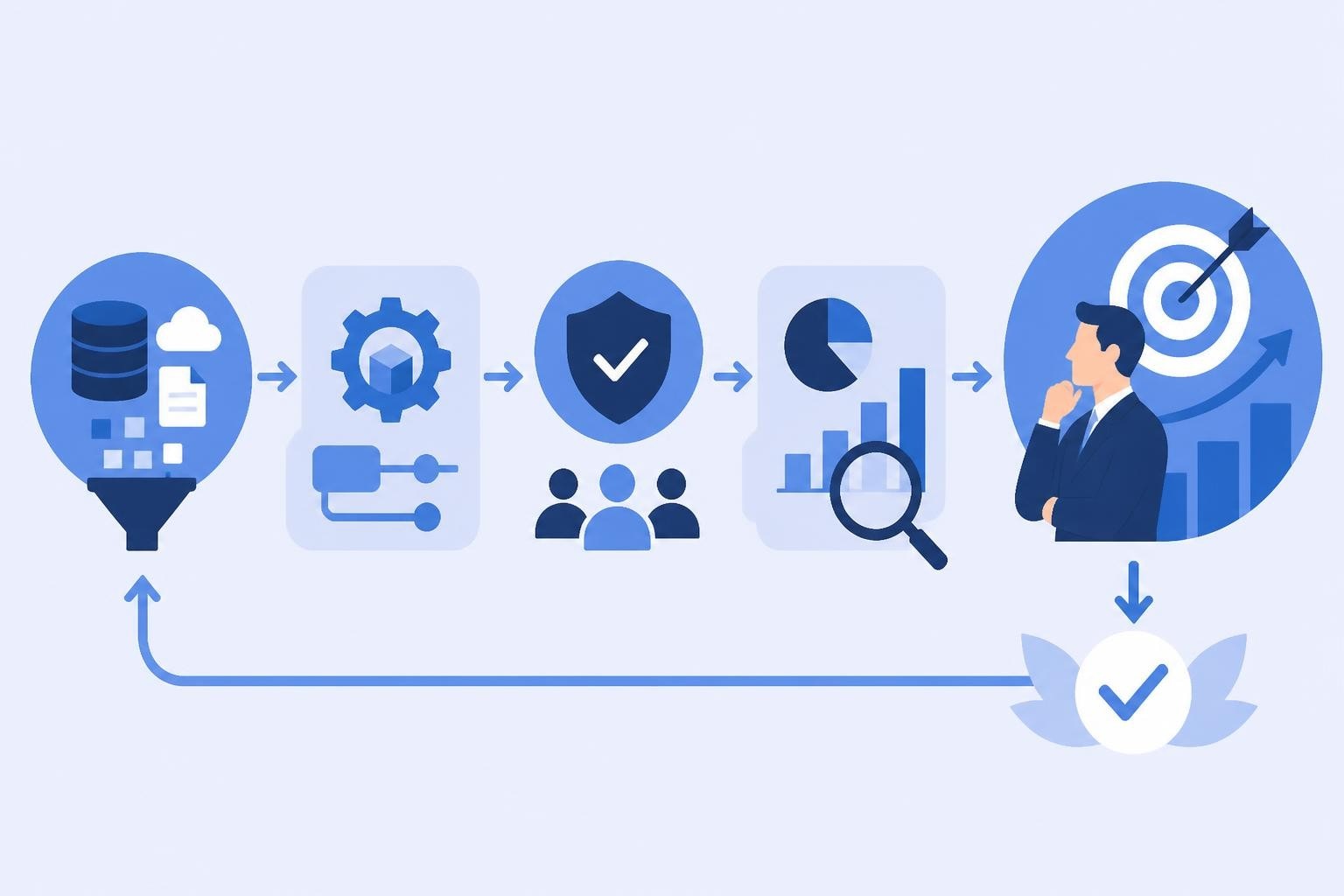
Turning raw data into decisions requires structure. Several frameworks help teams move systematically from question to insight to action.
The OODA Loop
Developed by military strategist John Boyd, the OODA loop (Observe, Orient, Decide, Act) creates a cycle of continuous improvement:
- Observe: Collect data from multiple sources
- Orient: Analyze the data in context of goals and constraints
- Decide: Choose the best course of action based on evidence
- Act: Implement the decision and measure results
This loop repeats continuously. Each cycle generates new data that feeds the next observation phase. Marketing teams use OODA when they monitor campaign performance, adjust targeting parameters, and iterate based on results.
The DATA Framework
Another practical model uses four stages:
- Define the business question or problem
- Acquire relevant data from reliable sources
- Transform raw data into analyzable formats
- Analyze to extract insights and recommendations
The transformation step often consumes the most time. Data arrives in inconsistent formats, contains duplicates, includes outliers, and hides in siloed systems. Teams that invest in data quality assessment reap long-term benefits. Research on data quality dimensions and frameworks shows how systematic quality checks prevent flawed conclusions.
Storytelling as a Bridge
Data drives decisions most effectively when presented as narrative. Numbers alone rarely persuade stakeholders. Context, comparison, and consequences bring data to life. Storytelling techniques help data-driven teams succeed by framing insights in terms leaders understand and act upon.
A chart showing declining conversion rates states a fact. The same chart paired with customer feedback, competitive analysis, and a proposed solution becomes a call to action. The data remains identical, but the story determines whether decisions change.
Practical Applications Across Business Functions
Organizations apply data-driven principles differently depending on department and objectives. Marketing, operations, finance, and product teams all benefit when data drives decisions, but each requires tailored approaches.
Marketing and Campaign Optimization
Digital marketing generates massive data volumes. Every ad impression, click, form submission, and purchase creates a record. The challenge is connecting these events to revenue.
UTM Parameters and Attribution
Proper campaign tracking starts with consistent URL parameters. UTM codes identify traffic source, medium, campaign name, and content variation. When implemented correctly, they show which efforts drive results.
| UTM Parameter | Purpose | Example Value |
|---|---|---|
| utm_source | Traffic origin | newsletter, facebook, partner_blog |
| utm_medium | Marketing channel | email, social, paid_search |
| utm_campaign | Specific initiative | spring_sale_2026, product_launch |
| utm_content | A/B test variation | headline_a, cta_blue |
Link management platforms that capture UTM data enable marketers to answer critical questions: Which email subject line converts best? Does Instagram or LinkedIn drive higher-value customers? Should we invest more in content marketing or paid ads?
A/B Testing Discipline
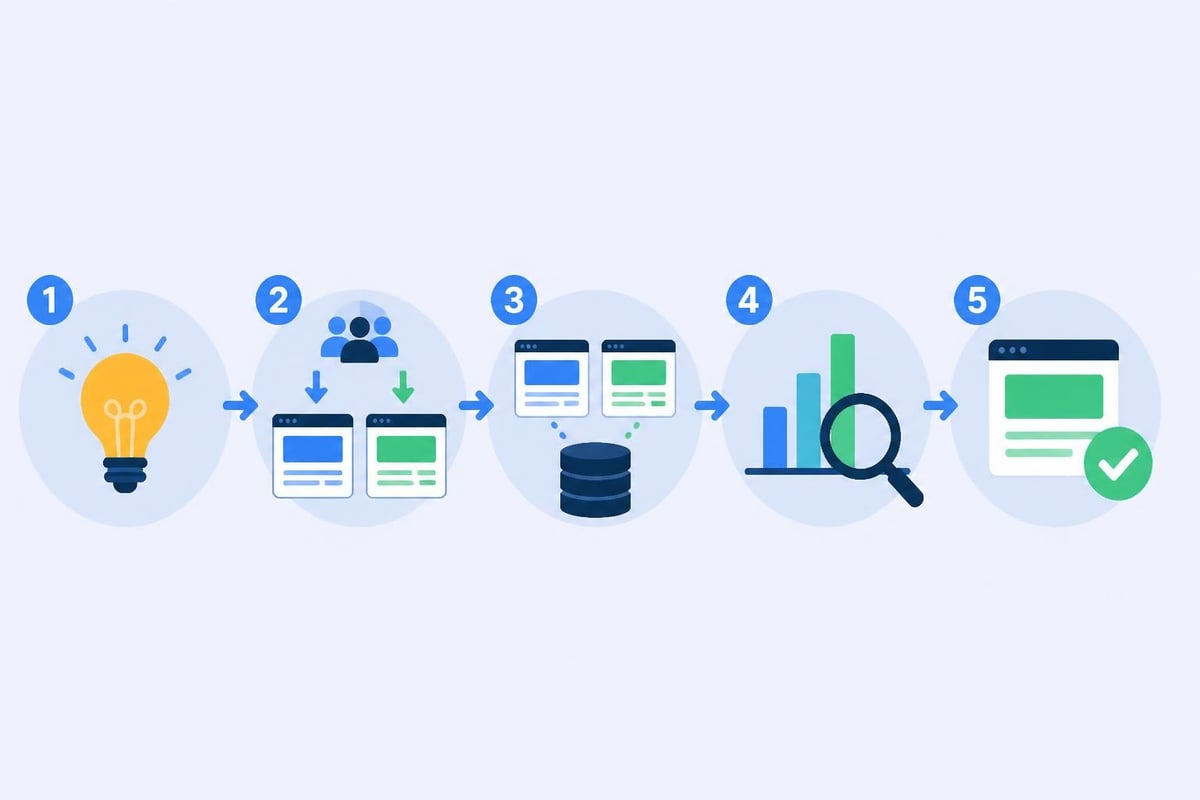
When data drives decisions in marketing, A/B testing becomes standard practice. Rather than debating which landing page design works better, teams test both and let conversion rates decide. Statistical significance matters here. A 2% lift on 50 visitors means nothing. The same lift on 5,000 visitors points to real improvement.
Smart marketers test one variable at a time: headline, call-to-action button, form length, or image choice. Testing multiple changes simultaneously makes it impossible to identify which element caused the difference.
Operations and Resource Allocation
Operations teams use data to optimize resource allocation, reduce waste, and improve efficiency. Manufacturing plants track equipment uptime, defect rates, and throughput. Service businesses monitor response times, customer satisfaction scores, and employee productivity.
The principle that data drives decisions has expanded into climate and sustainability planning. Organizations now use data-driven approaches to reduce climate-related business risks by analyzing supply chain vulnerabilities, energy consumption patterns, and regulatory changes.
Predictive Maintenance
Equipment sensors generate continuous streams of temperature, vibration, and performance data. Machine learning models identify patterns that precede failures. When a pump's vibration frequency shifts outside normal ranges, maintenance teams receive alerts. This predictive approach prevents costly breakdowns and extends asset life.
Compliance and Risk Management
Regulatory requirements grow more complex each year. Finance, healthcare, and technology companies face mounting pressure to demonstrate compliance. When data drives decisions in risk management, organizations move from reactive to proactive stances.
Recent studies on global compliance practices show how analytics and AI reshape how leaders approach regulatory decisions. Automated monitoring systems flag suspicious transactions, identify potential conflicts of interest, and ensure policy adherence.
For businesses operating in regulated industries such as sports betting or online gaming, data transparency becomes essential. Platforms like PerHead Kings build comprehensive reporting into their sportsbook technology, enabling operators to monitor player activity, manage risk exposure, and maintain regulatory compliance through detailed analytics.
Product Development
Product teams rely on usage data to prioritize features, fix bugs, and improve user experience. Analytics reveal which features customers actually use versus which seemed important during planning.
Session recordings, heatmaps, and funnel analysis show where users struggle. A high drop-off rate at checkout might indicate confusing form fields, unexpected shipping costs, or technical errors. Data pinpoints the problem. User research explains why. Together, they guide solutions.
Building a Data-Driven Culture
Technology and tools matter less than organizational mindset. Companies where data drives decisions share common cultural traits.
Leadership Buy-In
Change starts at the top. When executives request data to support recommendations and model evidence-based thinking, teams follow suit. Leaders who override analytics with personal hunches undermine the entire effort.
This doesn't mean ignoring qualitative insights or dismissing experience. It means balancing intuition with evidence and requiring data to validate assumptions.
Accessible Tools and Training
Data-driven decision-making fails when only analysts can access or interpret information. Self-service analytics platforms democratize insights. Marketing managers should query campaign performance without submitting IT tickets. Sales leaders should build custom reports without waiting for the analytics team.
Training programs help teams develop data literacy. Not everyone needs to become a statistician, but basic skills matter:
- Understanding mean, median, and mode
- Recognizing correlation versus causation
- Reading charts and identifying trends
- Questioning data quality and methodology
Experimentation Mindset
Organizations where data drives decisions treat business initiatives as experiments. Each campaign, process change, or feature launch includes success metrics defined upfront. Teams measure results, learn from outcomes, and iterate.
This experimental approach reduces fear of failure. A campaign that underperforms isn't a disaster. It's a data point that informs the next attempt. Over time, these incremental improvements compound into significant competitive advantages.
Common Pitfalls and How to Avoid Them
Even committed teams stumble when implementing data-driven approaches. Awareness of common mistakes helps avoid them.
Analysis Paralysis
Data abundance creates a new problem: endless analysis that delays action. Teams can always gather more information, run additional tests, or explore another dimension. Perfectionism paralyzes.
Set decision deadlines. Define "good enough" data quality thresholds. Accept that some uncertainty always remains. The goal isn't eliminating all risk but making better-informed bets.
Ignoring Data Quality
Garbage in, garbage out remains true. When data drives decisions, quality determines accuracy. Duplicate records, missing values, outdated information, and measurement errors corrupt insights.
Invest in data governance processes:
- Document data sources and collection methods
- Establish validation rules and quality checks
- Create feedback loops to report data issues
- Schedule regular audits of critical datasets
Mistaking Correlation for Causation
Two variables that move together aren't necessarily related. Ice cream sales and drowning deaths both increase in summer. That doesn't mean ice cream causes drowning. Warm weather explains both.
Business data contains countless spurious correlations. Website traffic and revenue might correlate because both grow over time, not because traffic directly causes sales. Rigorous analysis controls for confounding variables and tests causal hypotheses.
Overlooking Context
Numbers without context mislead. A 50% increase in email open rates sounds impressive until you learn the previous campaign went to a stale list and the new one targeted engaged subscribers. The comparison lacks validity.
Healthcare provides powerful examples of how data-driven decision-making must account for context to improve outcomes. Patient populations, treatment protocols, and environmental factors all influence which interventions work. The same principle applies across industries.
Implementing Data-Driven Practices: A Roadmap
Organizations at different maturity levels need different next steps. This roadmap provides a progression from beginner to advanced practices.
Phase 1: Establish Foundations
Start by identifying critical business questions. What decisions do you make repeatedly? Which choices have the biggest impact on revenue or efficiency? Prioritize gathering data for these high-value areas.
Implement basic tracking:
- Set up web analytics on all digital properties
- Create consistent naming conventions for campaigns
- Establish a single source of truth for key metrics
- Document data definitions so everyone understands terms
Phase 2: Build Analysis Capabilities
With data flowing, develop skills to extract insights. This might mean hiring analysts, training existing staff, or partnering with specialists.
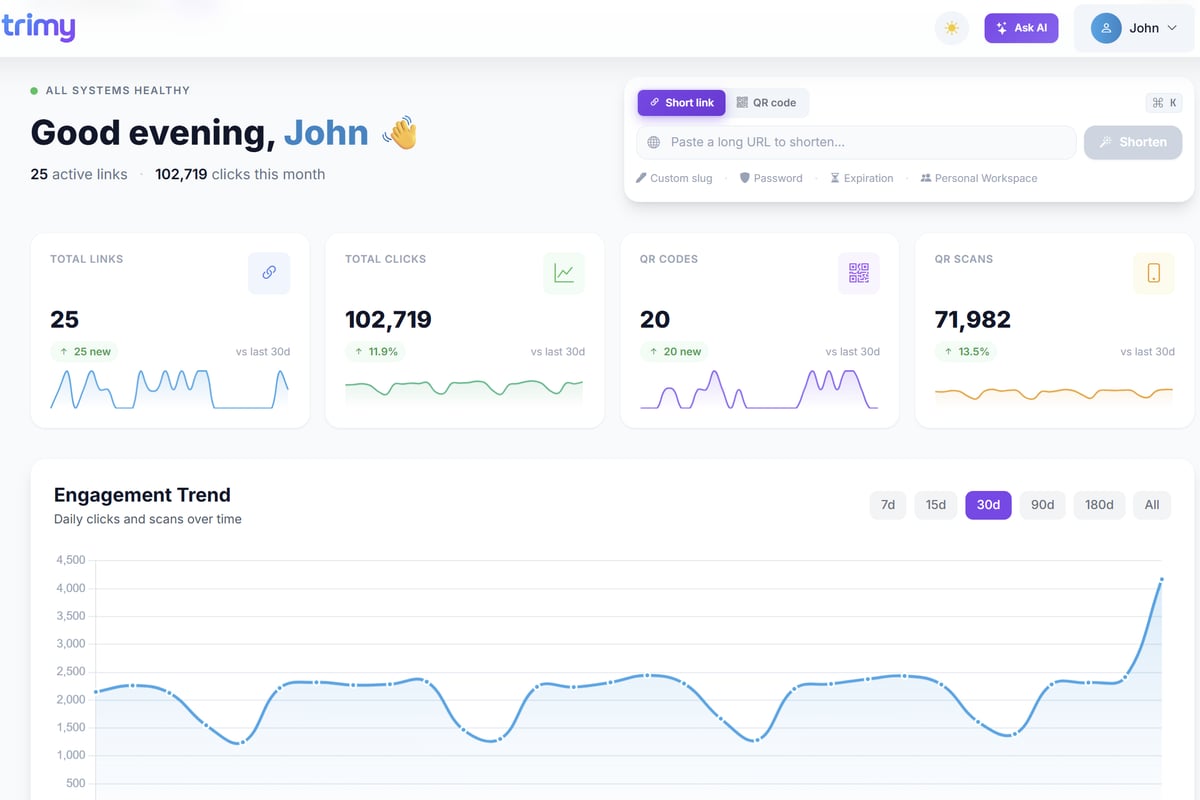
Create dashboards that surface key metrics daily. Automate reporting for routine questions. Focus analyst time on deeper investigations and strategic projects.
Platforms built for marketers and developers provide the infrastructure to transform links into revenue signals. Trimy combines URL management with advanced analytics, A/B testing capabilities, and smart routing features that help teams optimize every touchpoint in their marketing campaigns. By centralizing link intelligence, teams spend less time gathering data and more time acting on insights.
Phase 3: Embed in Workflows
The final maturity stage integrates data into daily operations. Decisions at all levels incorporate evidence. Meetings start with metrics reviews. Project proposals include expected outcomes and measurement plans.
At this stage, data drives decisions automatically through systems and algorithms. Marketing automation platforms adjust bid strategies based on performance. Inventory systems reorder products when stock levels hit thresholds. Customer service routing assigns inquiries to specialists based on topic and urgency.
Measuring the Impact of Data-Driven Decisions
How do you know if data-driven practices actually improve outcomes? Meta-analysis is helpful but challenging. Organizations that embrace evidence-based management should measure their own decision quality.
Decision Registers
Maintain a log of significant decisions including:
- The question or problem addressed
- Data sources and analysis used
- The chosen option and alternatives considered
- Expected outcomes and success metrics
- Actual results after implementation
This register enables retrospective analysis. Which types of decisions consistently produce good outcomes? Where do predictions miss the mark? What data sources prove most valuable?
Leading and Lagging Indicators
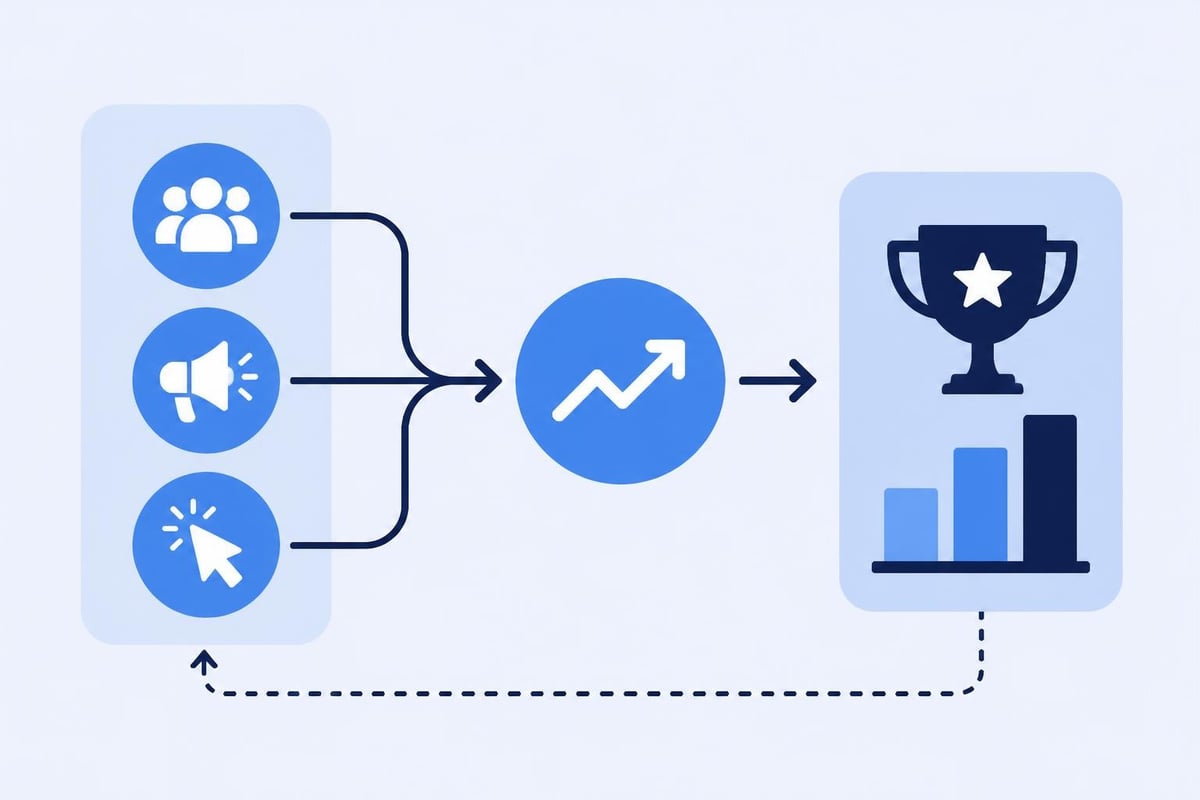
Track both types of metrics. Lagging indicators (revenue, customer retention, market share) show ultimate success but arrive too late to course-correct. Leading indicators (website conversion rates, sales pipeline velocity, product adoption) predict future performance and enable timely adjustments.
When data drives decisions effectively, leading indicators become more predictive. Marketing teams learn which engagement metrics anticipate conversions. Product teams identify which onboarding behaviors predict long-term retention.
Competitive Benchmarking
Compare performance against peers and industry standards. Are your email open rates above or below average for your sector? Does your customer acquisition cost align with similar businesses? External benchmarks provide context that internal trends alone cannot.
Organizations in competitive industries benefit from detailed performance data. Casino and sports betting reviews from sources like Best247 Casino highlight how data transparency helps operators and players make informed decisions. Whether evaluating bonus structures, payment processing speeds, or game fairness, objective metrics enable better choices than marketing claims alone.
Advanced Techniques: Machine Learning and Predictive Analytics
As data infrastructure matures, organizations can deploy sophisticated analytical methods. Machine learning algorithms identify patterns humans miss and scale analysis beyond manual capacity.
Customer Lifetime Value Prediction
Rather than treating all customers equally, predictive models estimate future value based on early behaviors. A customer who makes three purchases in the first month likely differs from one who makes a single small purchase. Marketing budgets shift to acquire and retain high-value segments.
Churn Prediction
Algorithms can flag customers at risk of leaving before they actually cancel. Usage frequency, feature adoption, support ticket patterns, and billing changes all correlate with churn. Targeted retention efforts then focus where they matter most.
Dynamic Pricing
Airlines and hotels have used data-driven pricing for decades. E-commerce businesses increasingly adopt similar approaches. Prices adjust based on demand signals, inventory levels, competitor rates, and customer characteristics. The goal is maximizing revenue without alienating buyers.
For service businesses scaling high-ticket offerings, data precision becomes critical to growth. Strategic consultancies like Rise Reign Rule help founders install systems that track client acquisition costs, lifetime value, and delivery profitability. These metrics inform which services to expand, which markets to target, and where operational improvements offer the highest returns.
The Future: Real-Time Decision Intelligence
The next frontier moves beyond analysis of historical data to real-time decision support. Systems monitor conditions continuously and recommend actions instantly.
Automated Bidding in Digital Advertising
Ad platforms already adjust bids hundreds of times per day based on performance data. As algorithms improve, they'll incorporate broader signals: competitor activity, inventory levels, seasonal patterns, and business objectives.
Dynamic Content Personalization
Websites that serve the same content to every visitor leave opportunity on the table. Personalization engines select images, headlines, and offers based on visitor attributes and behavior. Each interaction generates new data that refines future recommendations.
Smart Traffic Routing
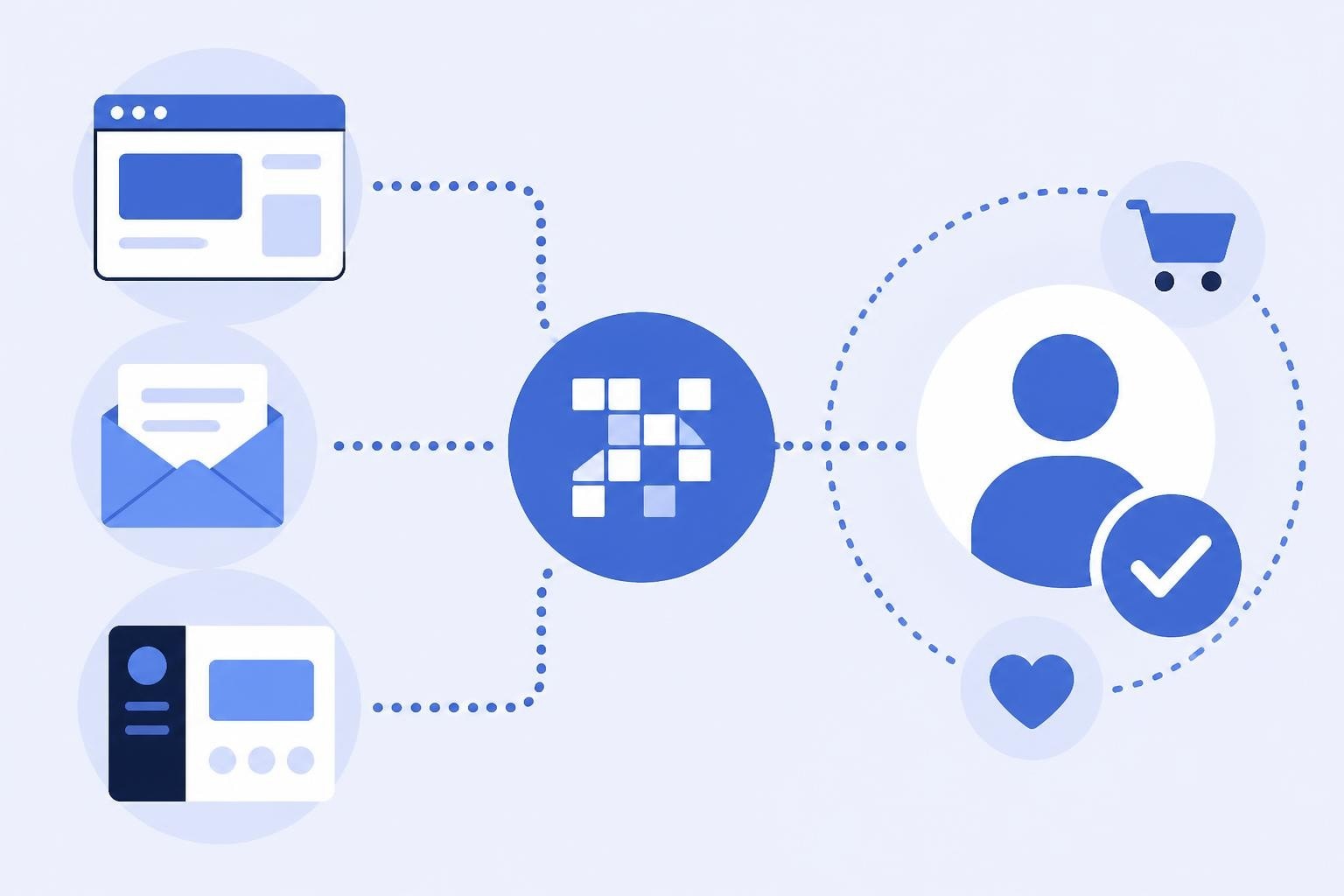
Advanced link management goes beyond simple redirects. Intelligent routing sends visitors to different destinations based on device type, geographic location, time of day, or custom parameters. This capability transforms a single shortened URL into a sophisticated distribution system that optimizes for conversion across segments.
When data drives decisions at the infrastructure level, marketers gain precision previously impossible. Testing isn't limited to two variations. Dozens of landing pages, offers, and experiences can be deployed simultaneously with traffic automatically flowing to top performers.
Data Privacy and Ethical Considerations
Collecting and analyzing customer data carries responsibilities. Regulations like GDPR and CCPA establish baseline requirements. Ethical practice often demands more than legal compliance.
Transparency
Inform customers what data you collect and how you use it. Privacy policies shouldn't hide behind legal jargon. Clear communication builds trust.
Data Minimization
Collect only what you need. Every data point represents privacy risk and storage cost. More data doesn't automatically lead to better decisions. Focused datasets often produce clearer insights than massive warehouses of marginally useful information.
Security
Data breaches damage reputation and trigger regulatory penalties. Encryption, access controls, audit trails, and incident response plans protect sensitive information.
Bias Mitigation
Algorithms trained on biased data perpetuate and amplify those biases. Facial recognition systems that work poorly for certain demographics, lending models that discriminate against protected groups, and hiring tools that favor particular backgrounds all demonstrate this risk. Regular audits and diverse development teams help identify and correct algorithmic bias.
Organizations that embrace evidence-based practices gain clarity, speed, and competitive advantage. When data drives decisions, teams move confidently from insight to action, measuring results and iterating continuously. The frameworks, tools, and cultural practices outlined here provide a foundation for any business ready to transform how it operates. Trimy empowers marketers and developers to capture the intelligence hidden in every link, turning routine URLs into strategic assets that inform smarter campaigns and drive measurable growth.