Data Tracking for Marketing Teams: A Complete Guide

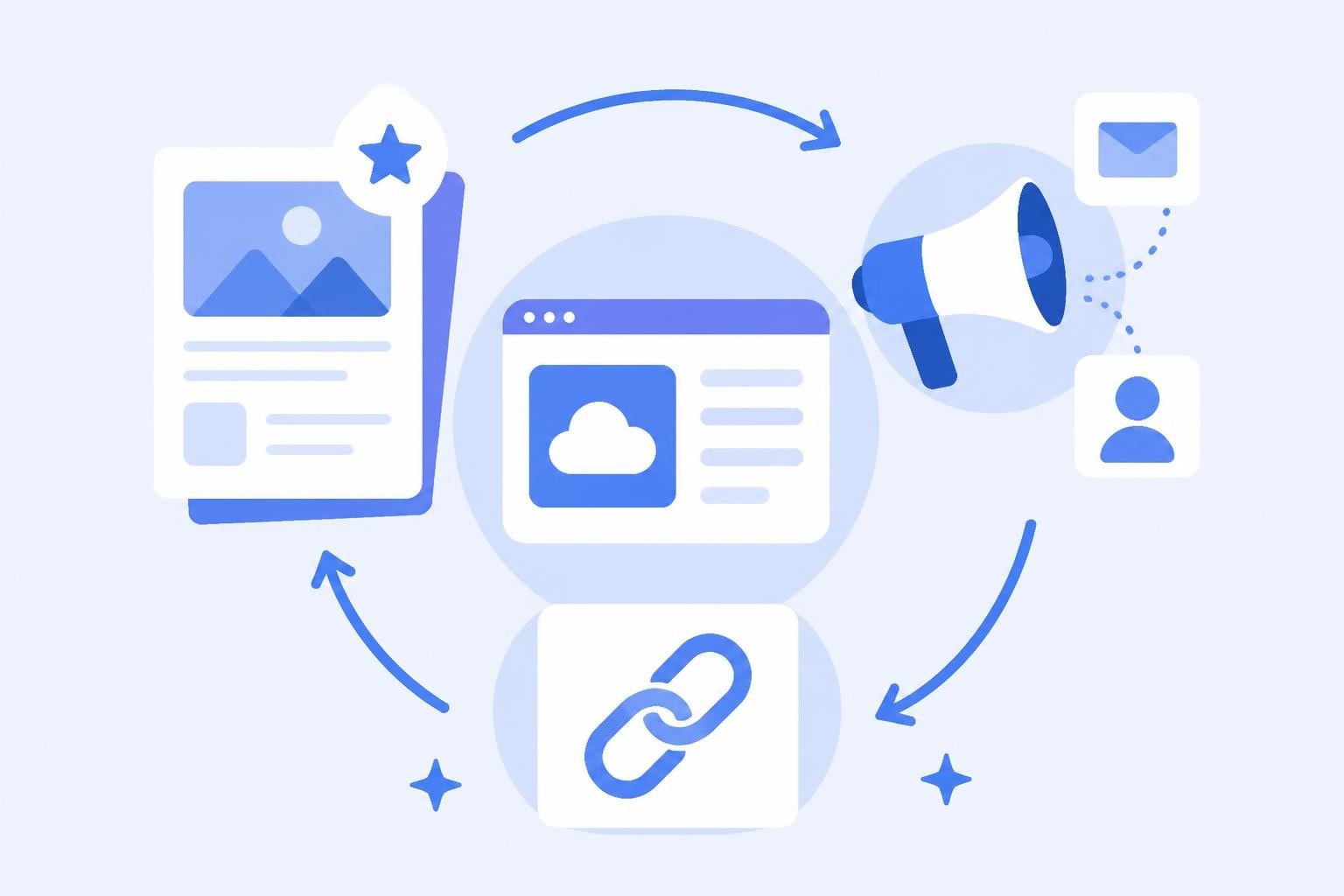
Data tracking has become the backbone of modern marketing operations. As businesses invest millions in digital campaigns, the ability to measure, analyze, and optimize performance separates successful teams from those burning budget with little to show. Understanding what data tracking means, how it works, and why it matters determines whether your marketing dollars generate measurable returns or disappear into the digital void.
Understanding Data Tracking in Marketing Context
Data tracking refers to the systematic collection, measurement, and analysis of user interactions across digital touchpoints. Every click, page view, form submission, and purchase creates data points that reveal how audiences engage with your brand. Marketing teams use this information to understand customer behavior, measure campaign effectiveness, and make informed decisions about resource allocation.
The practice extends beyond simple visitor counts. Modern data tracking encompasses behavioral patterns, demographic information, traffic sources, device types, geographic locations, and conversion pathways. This comprehensive view allows marketers to build detailed profiles of their ideal customers and optimize experiences accordingly.
Key benefits of effective data tracking include:
- Accurate attribution of revenue to specific campaigns
- Identification of high-performing channels and content
- Real-time performance monitoring for rapid adjustments
- Evidence-based budget allocation decisions
- Customer journey mapping from awareness to conversion
The Evolution of Tracking Technology
Early web analytics relied on server logs and simple page counters. Today's ecosystem features sophisticated platforms that track cross-device behavior, integrate with CRM systems, and provide predictive analytics. However, this evolution brings complexity. Marketing teams now juggle multiple tracking systems, each with different methodologies and metrics.
The challenge intensifies as privacy expectations evolve across generations, requiring more transparent and ethical data practices. Marketers must balance comprehensive tracking with respect for user privacy and compliance with regulations.
Types of Marketing Data Tracking
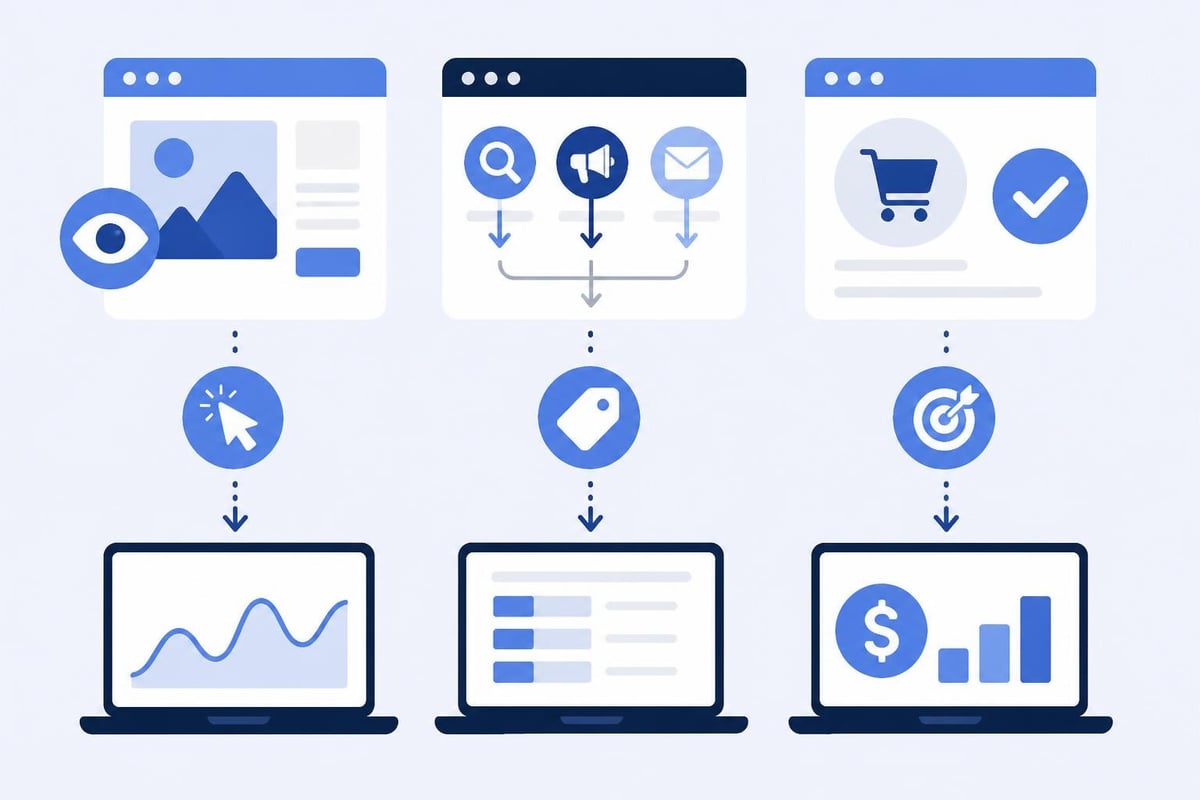
Different tracking methodologies serve distinct purposes within the marketing technology stack. Understanding each type helps teams build comprehensive measurement frameworks that capture the full customer journey.
Web Analytics Tracking
Web analytics platforms monitor visitor behavior on websites and applications. These systems track metrics like page views, session duration, bounce rates, and navigation paths. The data reveals which content resonates with audiences, where users experience friction, and how site changes impact engagement.
Implementation typically involves placing JavaScript code on every page. This code fires when pages load, sending information to analytics servers. Modern implementations use tag management systems to centralize tracking code deployment and reduce technical overhead.
| Metric Category | What It Measures | Marketing Application |
|---|---|---|
| Traffic Volume | Visitors, sessions, page views | Trend analysis, capacity planning |
| Engagement | Time on site, pages per session | Content effectiveness, user interest |
| Behavior Flow | Navigation paths, exit pages | User experience optimization |
| Audience | Demographics, interests, devices | Segmentation, targeting refinement |
Campaign Tracking Systems
Campaign tracking connects marketing activities to website traffic and conversions. This approach uses URL parameters (particularly UTM codes) to tag links in emails, social posts, ads, and other promotional channels. When users click tagged links, analytics platforms capture the source information.
Essential UTM parameters include:
- utm_source: Identifies the platform (facebook, newsletter, google)
- utm_medium: Specifies the marketing medium (social, email, cpc)
- utm_campaign: Names the specific campaign (spring_sale, product_launch)
- utm_content: Differentiates similar content (blue_button, header_link)
- utm_term: Tracks paid search keywords
Consistent parameter naming prevents fragmented reporting. A single campaign appearing under multiple names (Spring Sale, spring_sale, Spring-Sale) splits your data and obscures true performance.
Conversion Tracking Implementation
Conversion tracking monitors specific actions that represent value: purchases, form submissions, downloads, sign-ups, or other defined goals. This tracking type connects marketing efforts to business outcomes, enabling ROI calculation and performance-based optimization.
Implementation varies by conversion type. E-commerce transactions typically use enhanced tracking that captures product details, transaction values, and customer information. Lead generation conversions might trigger when forms submit successfully or when users reach specific confirmation pages.
Advanced conversion tracking includes cross-device attribution, recognizing that customers often research on mobile devices but purchase on desktop computers. Without cross-device capabilities, marketers undervalue mobile touchpoints and misallocate budget toward last-click desktop channels.
Event Tracking for User Interactions
Event tracking captures interactions that don't generate new page loads: video plays, PDF downloads, button clicks, scroll depth, and form field interactions. These micro-conversions provide deeper insights into user engagement and content effectiveness.
Each tracked event includes a category, action, and optional label or value. For example, tracking a video might use category "Videos," action "Play," label "Product Demo," and value representing the percentage watched. This granular data reveals which content truly engages audiences versus what gets ignored.
Why Consistency Matters in Data Tracking
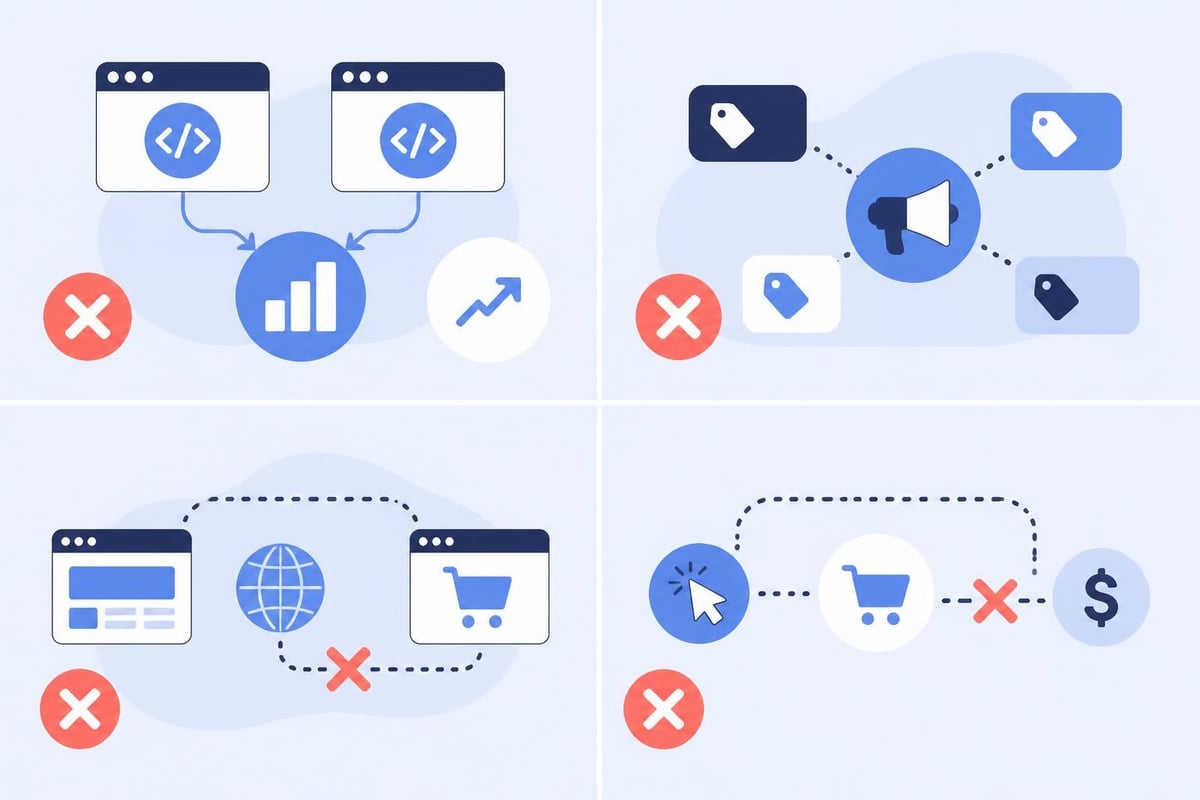
Inconsistent data tracking practices create misleading reports that drive poor decisions. When tracking implementations vary across campaigns, teams, or time periods, comparing performance becomes impossible. The resulting data chaos wastes resources and obscures genuine insights.
Naming Convention Standards
Establishing clear naming conventions for campaigns, parameters, and events ensures data aggregates correctly. Without standards, team members create variations like "Email Campaign," "email_campaign," and "EmailCampaign" that analytics platforms treat as separate entities.
Document your conventions in an accessible reference guide. Specify capitalization rules, separator characters (hyphens versus underscores), abbreviations, and date formats. Update the guide when adding new parameters or tracking scenarios.
Cross-Domain Tracking Challenges
Many businesses operate multiple domains or subdomains: main websites, e-commerce stores, blog platforms, and landing page systems. Without proper cross-domain tracking configuration, users moving between these properties appear as separate sessions from different sources.
This fragmentation destroys attribution accuracy. A customer clicking an email link to your blog, then navigating to your store to purchase, appears as a direct visitor if cross-domain tracking fails. The email campaign receives no conversion credit despite driving the sale.
Mobile App and Web Integration
Customers interact across multiple platforms: mobile apps, mobile web, and desktop web. Unified tracking across these environments reveals true customer journeys. However, technical limitations complicate implementation. Apps and web browsers use different tracking technologies and user identifiers.
Solutions include server-side tracking that processes events in a controlled environment, user authentication that connects sessions across devices, and probabilistic matching that uses signals like IP addresses and device characteristics to link anonymous sessions. Research shows that tracking users even when they've opted out remains a controversial practice that undermines user trust.
Common Data Tracking Mistakes
Even experienced marketing teams fall into predictable tracking traps that compromise data quality. Recognizing these mistakes helps avoid costly errors and ensures reliable measurement.
Duplicate Tracking Implementation
Installing the same tracking code multiple times inflates metrics artificially. This often occurs when different team members implement tracking without coordination, or when tag management systems and hardcoded scripts both fire the same events.
Symptoms include unrealistically perfect conversion rates, unusually high page views per session, and bounce rates near zero. Regular audits using browser developer tools reveal multiple tracking requests firing from single page loads.
Ignoring Filter and Exclusion Settings
Analytics platforms count internal traffic, bot activity, and spam referrals unless explicitly filtered. Internal employees browsing the website, development servers sending test traffic, and automated scripts skew data by appearing as legitimate visitors.
Critical exclusions include:
- Internal IP addresses from office networks
- Known bot user agents and crawlers
- Referral spam domains
- Test and development environment traffic
- Payment gateway referrals that inflate source data
Missing Revenue Attribution
Tracking visits and conversions without connecting revenue values prevents ROI calculation. Marketing teams need to know not just that campaigns drove 100 conversions, but that those conversions generated $50,000 in revenue at a $5,000 acquisition cost.
E-commerce implementations should pass transaction values to analytics platforms. Lead generation businesses assign estimated values to different lead types or stages. This financial context transforms reporting from activity metrics to business impact measurement.
Inadequate Testing Protocols
Deploying tracking changes without thorough testing breaks data collection. A misconfigured tag, incorrect parameter, or JavaScript error can silently stop tracking for hours or days before anyone notices the absence of data.
Establish testing environments that mirror production configurations. Verify tracking fires correctly across browsers, devices, and user scenarios before deployment. Monitor data flows continuously after launch to catch degradation quickly.
Link-Level Tracking as a Practical Method
Among various tracking approaches, link-level tracking offers granular insights into how specific URLs perform across campaigns. By embedding tracking parameters directly in links and monitoring their usage, marketers gain precise attribution for every click source. This methodology proves particularly valuable for teams managing numerous campaigns across multiple channels simultaneously.
Platforms specializing in link management enhance this capability by centralizing tracking data, automating parameter generation, and providing unified analytics regardless of where links appear. This approach streamlines workflows while maintaining measurement consistency. Trimy exemplifies this approach, transforming ordinary URLs into intelligent tracking endpoints that capture comprehensive engagement data while enabling A/B testing and smart routing capabilities for optimized campaign performance.

Building a Sustainable Tracking Framework
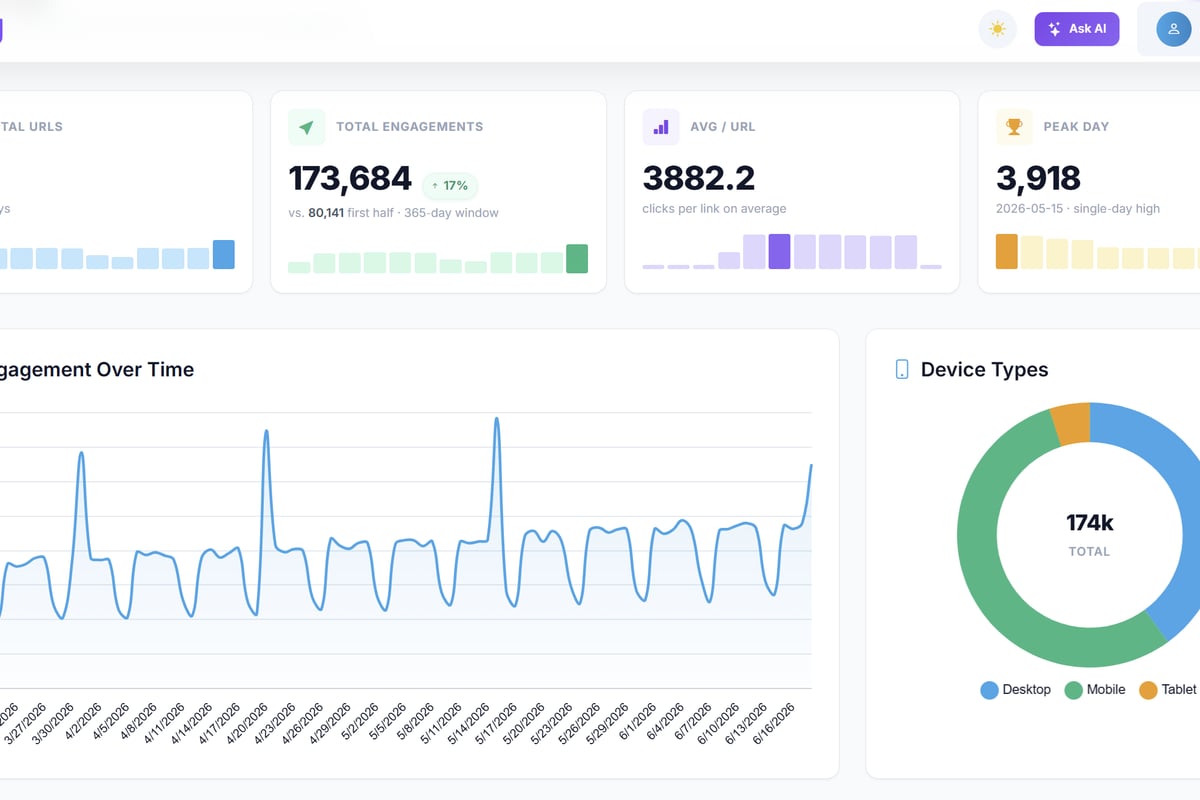
Effective data tracking requires deliberate planning, clear documentation, and ongoing governance. Organizations that treat tracking as a strategic initiative rather than a technical afterthought build competitive advantages through superior measurement capabilities.
Establishing Governance Processes
Designate tracking ownership within your organization. Whether a marketing operations specialist, analytics manager, or technical team, someone must maintain standards, approve implementations, and audit data quality. Without clear ownership, tracking degrades as team members make ad-hoc changes.
Create approval workflows for new tracking requests. Before implementing campaign tracking, conversion goals, or event monitoring, review against existing standards. This prevents duplicate implementations and ensures consistency with established conventions.
Documentation Requirements
Comprehensive documentation transforms institutional knowledge into accessible resources. Document every tracked element: what it measures, how it's implemented, when it was added, and who requested it. Include technical details like parameter names, event categories, and filter settings.
Maintain a tracking specification sheet listing all campaigns, naming conventions, URL parameter structures, and conversion definitions. Update this document with every change. New team members should consult this resource before launching campaigns to ensure compliance with standards.
Regular Audit Schedules
Monthly or quarterly audits identify tracking problems before they compound. Review analytics for anomalies: sudden traffic spikes or drops, unusual referral sources, unexplained conversion rate changes, or missing data segments.
Technical audits using browser extensions and developer tools verify tracking code fires correctly. Check that events trigger appropriately, parameters pass accurately, and no duplicate implementations exist. Address issues immediately rather than accepting degraded data quality.
Privacy and Compliance Considerations
Data tracking must respect user privacy and comply with regulations like GDPR, CCPA, and emerging legislation. The reality that data privacy consent isn't merely a checkbox demands genuine commitment to ethical data practices.
Implement consent management platforms that honor user preferences. Provide clear privacy policies explaining what data you collect and how you use it. Offer genuine opt-out mechanisms rather than perfunctory compliance gestures. Studies reveal that Americans feel a lack of control over their personal information, highlighting the importance of transparent practices.
Advanced Tracking Strategies for 2026
As marketing technology evolves, new tracking methodologies emerge that address privacy concerns while maintaining measurement capabilities. Forward-thinking teams adopt these approaches to future-proof their analytics infrastructure.
Server-Side Tracking Architecture
Server-side tracking processes data on your servers before sending to analytics platforms. This approach offers several advantages: reduced browser impact, protection from ad blockers, control over data sent to third parties, and independence from client-side limitations.
Implementation requires technical resources but provides superior data quality. Server-side tracking captures events that browser-based systems miss, including blocked requests and incomplete page loads. The architecture also enables data enrichment, adding business context from internal systems before logging events.
First-Party Data Collection
Third-party cookies face increasing restrictions from browsers and regulations. First-party data strategies collect information directly from your owned properties: websites, apps, email interactions, and customer service systems. This data belongs to your organization and faces fewer privacy constraints.
Building first-party data assets requires creating value exchanges that encourage users to share information voluntarily. Personalized experiences, loyalty programs, and exclusive content motivate users to create accounts and engage authentically. The resulting data proves more reliable and actionable than third-party alternatives.
Attribution Modeling Beyond Last-Click
Last-click attribution credits the final touchpoint before conversion, ignoring earlier interactions that influenced the decision. Advanced attribution models distribute credit across the customer journey, recognizing that awareness channels deserve recognition even when direct channels capture final conversions.
Data-driven attribution uses machine learning to analyze conversion paths and assign credit based on actual impact. Time-decay models weight recent touchpoints more heavily while acknowledging earlier influences. Position-based attribution credits first and last touches significantly while distributing remaining credit to middle interactions.
| Attribution Model | Credit Distribution | Best Use Case |
|---|---|---|
| Last-Click | 100% to final touchpoint | Short sales cycles, direct response |
| First-Click | 100% to initial touchpoint | Awareness campaign measurement |
| Linear | Equal credit to all touches | Long consideration periods |
| Time Decay | More credit to recent touches | Multiple touchpoint journeys |
| Data-Driven | Machine learning allocation | Sufficient conversion volume |
Predictive Analytics Integration
Predictive analytics applies machine learning to historical tracking data, forecasting future outcomes and identifying optimization opportunities. These systems predict which visitors will convert, estimate customer lifetime value, and recommend targeting adjustments.
Implementation requires clean, consistent data over meaningful time periods. The algorithms learn patterns from past behavior to make forward-looking predictions. As data quality improves through disciplined tracking practices, predictive capabilities become increasingly accurate and valuable.
Measuring What Matters Most
Comprehensive data tracking generates overwhelming information volumes. The challenge shifts from collecting data to identifying meaningful metrics that drive decisions. Vanity metrics like total page views may satisfy executives but rarely inform strategy.
Focus measurement on metrics directly connected to business objectives. E-commerce businesses prioritize revenue, average order value, and customer acquisition cost. Lead generation organizations track qualified lead volume, conversion rates through the funnel, and cost per qualified lead. Content publishers monitor engagement time, content depth, and audience growth.
Establish metric hierarchies:
- Primary metrics directly measure business success (revenue, profit, retention)
- Secondary metrics predict primary outcomes (lead quality, engagement depth)
- Tertiary metrics diagnose performance issues (traffic sources, bounce rates)
Review primary metrics daily, secondary metrics weekly, and tertiary metrics monthly. This cadence ensures focus on business impact while maintaining awareness of supporting indicators.
The Human Element in Data Tracking
Technology enables data tracking, but humans interpret findings and make decisions. The most sophisticated tracking infrastructure fails without analysts who understand business context, question anomalies, and translate data into actionable insights.
Invest in analytics talent alongside technology platforms. Team members need statistical literacy, marketing knowledge, and critical thinking skills. They should challenge assumptions, identify confounding variables, and recognize when correlations don't imply causation.
Foster a data-informed culture rather than data-driven absolutism. Quantitative insights inform decisions, but qualitative understanding, customer empathy, and strategic vision remain essential. The best marketing teams balance analytical rigor with creative intuition.
Effective data tracking transforms marketing from guesswork into measurable science, enabling precise optimization and confident budget allocation across channels. By implementing consistent tracking methodologies, establishing governance frameworks, and focusing on metrics that matter, marketing teams build sustainable competitive advantages through superior measurement capabilities. Trimy provides the link intelligence and advanced analytics infrastructure that modern marketing teams need to transform every URL into a strategic data asset, capturing granular insights while maintaining the flexibility to adapt as tracking technologies and privacy expectations continue evolving.