Dofollow Links: What They Are & Why They Matter in 2026
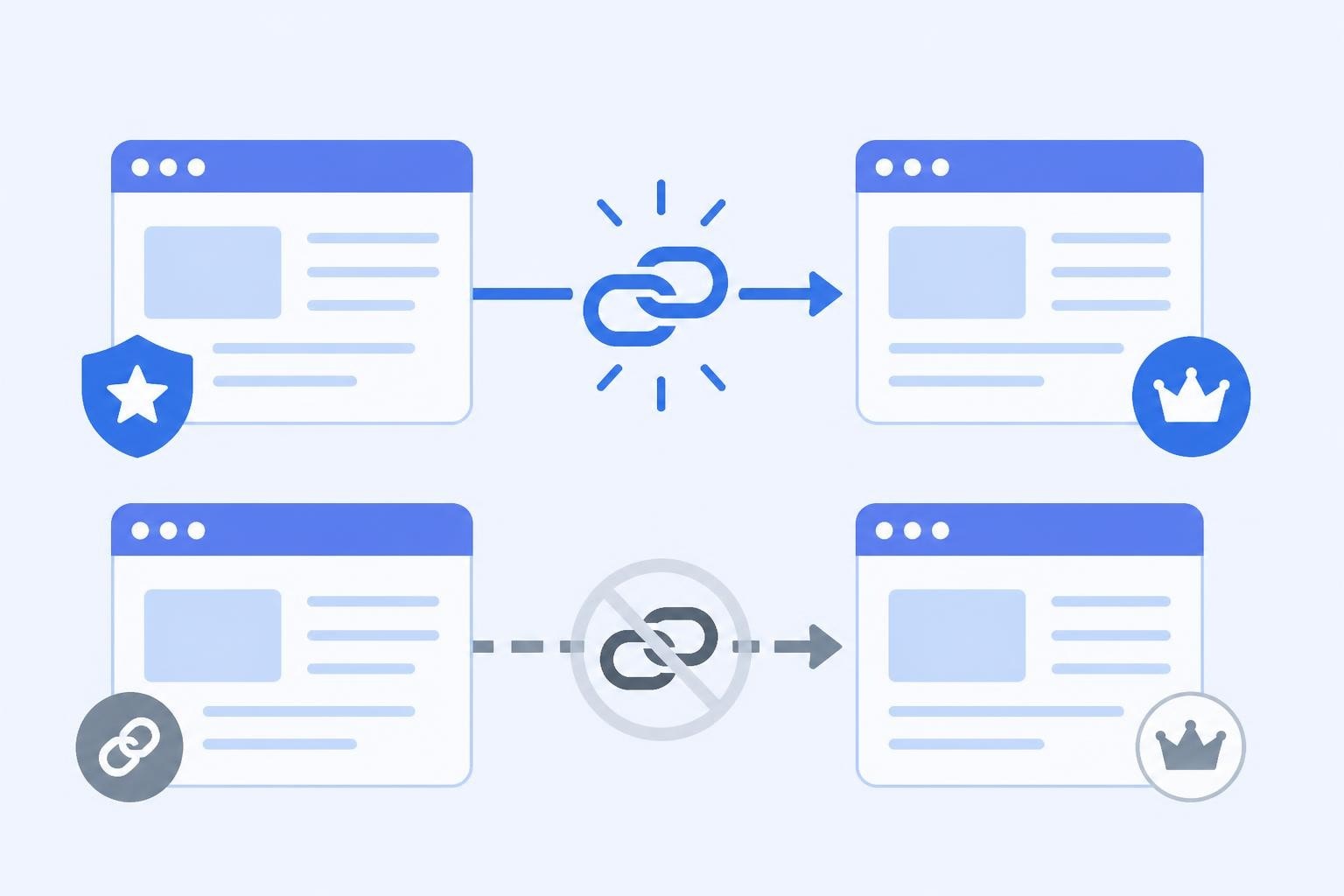
Understanding link attributes is fundamental to search engine optimization, yet the term "dofollow link" often causes confusion. Unlike other link types explicitly marked with HTML attributes, a dofollow link is simply the default state of any hyperlink-a regular link without special instructions telling search engines not to follow it. This distinction matters significantly for anyone managing digital marketing campaigns, building backlinks, or analyzing link profiles. The way search engines treat these links directly affects how authority flows across the web and how pages rank in search results.
What Defines a Dofollow Link
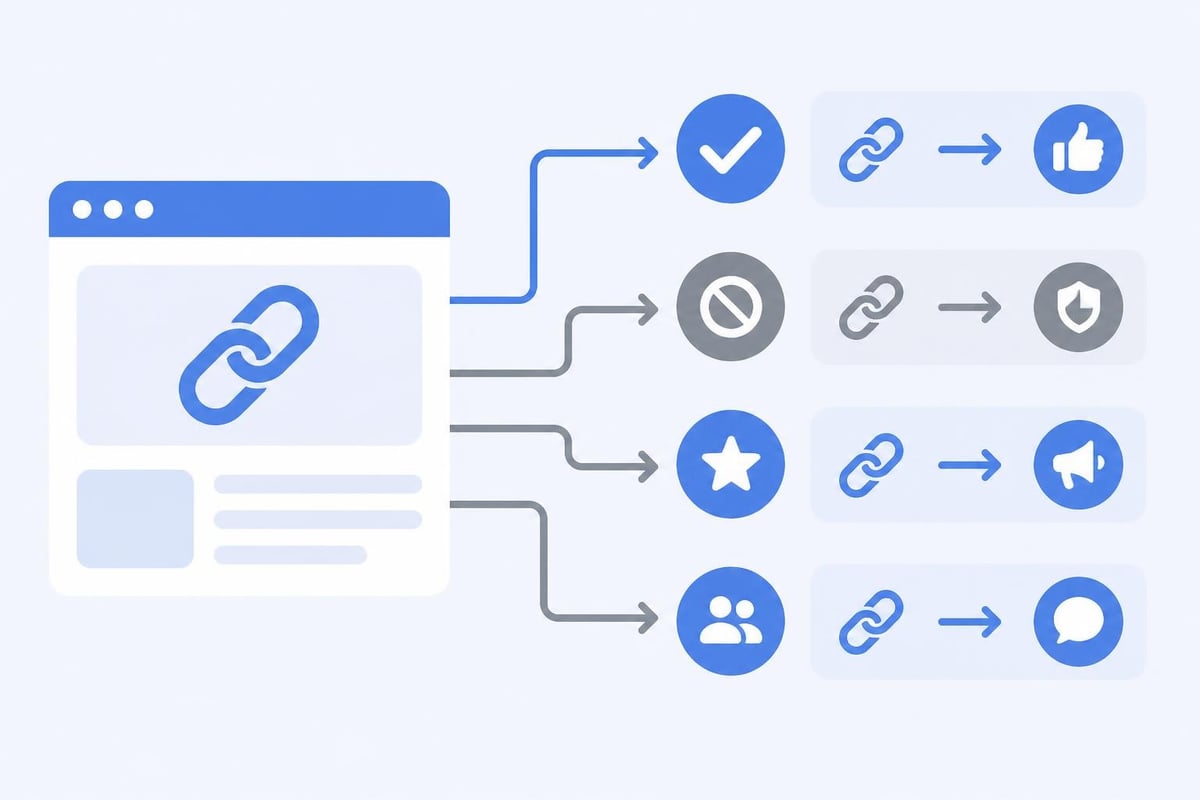
A dofollow link is a standard HTML hyperlink that allows search engine crawlers to follow it and pass ranking signals from the source page to the destination page. In technical terms, it's any link that doesn't contain a rel="nofollow", rel="sponsored", or rel="ugc" attribute.
The HTML code for a dofollow link looks straightforward:
<a href="https://example.com">anchor text</a>
No special markup is required. This is the original, default behavior of hyperlinks since the web's inception. When Google and other search engines encounter this type of link, they treat it as an endorsement-a vote of confidence from one site to another.
The Historical Context
The concept of "dofollow" only emerged as terminology after Google introduced the nofollow attribute in 2005. Before that point, all links were dofollow by default. The nofollow attribute was created to combat comment spam and give webmasters a way to link to content without vouching for it.
Over time, Google expanded the qualifier attributes to include:
- rel="nofollow": General instruction not to follow the link for ranking purposes
- rel="sponsored": Identifies advertising or paid placements
- rel="ugc": Marks user-generated content like forum posts and comments
Any link without these attributes remains a dofollow link, functioning as the web originally intended.
Why Dofollow Links Matter for SEO
Search engines use links as one of their primary ranking signals. When a reputable website links to your content with a dofollow link, it signals to search algorithms that your page offers value worthy of reference.
Authority and Trust Flow
Dofollow links serve as conduits for PageRank and similar authority metrics. According to Semrush's analysis of dofollow links, these connections allow "link equity" or "link juice" to flow from one domain to another, potentially boosting the linked page's ability to rank for relevant queries.
The impact varies based on several factors:
- Source domain authority: Links from established, trusted sites carry more weight
- Relevance: Topically related sources provide stronger signals
- Anchor text: Descriptive anchor text helps search engines understand the linked content
- Page placement: Links in main content typically matter more than footer links
Competitive Advantage
Sites with strong dofollow backlink profiles generally outperform competitors with weaker link portfolios. Research from Ahrefs examining links with organic traffic demonstrates that pages receiving backlinks from sources with significant organic traffic tend to rank higher themselves.
This creates a compounding effect: better rankings lead to more visibility, which often attracts more natural dofollow links, further improving rankings.
| Link Type | Passes Authority | Crawler Follows | Primary Use Case |
|---|---|---|---|
| Dofollow | Yes | Yes | Editorial citations, partnerships |
| Nofollow | No* | Sometimes | General references, untrusted content |
| Sponsored | No* | Sometimes | Paid advertisements, sponsorships |
| UGC | No* | Sometimes | User comments, forum signatures |
*As of 2019, Google treats these as "hints" rather than absolute directives, but generally doesn't pass ranking credit.
Identifying Dofollow Links
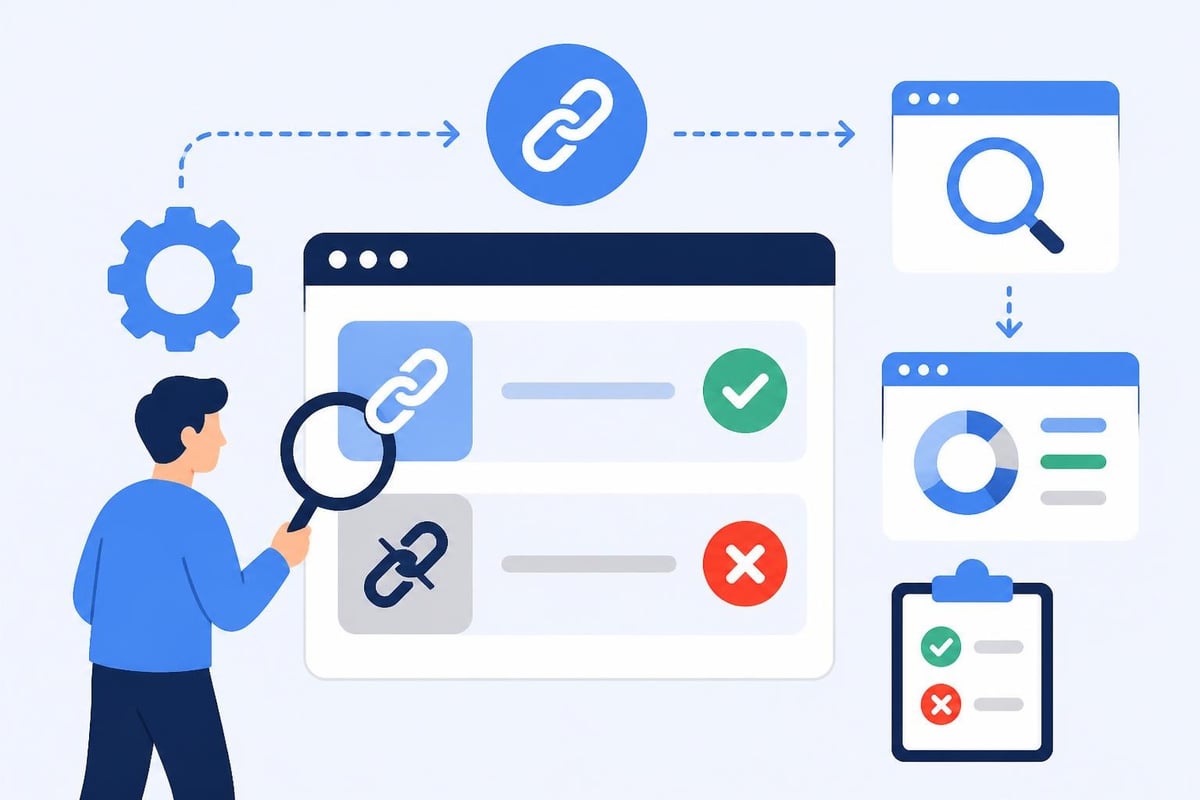
Determining whether a link is dofollow requires examining the HTML source code or using specialized tools. For marketers and SEO professionals tracking backlinks to their sites, this distinction informs strategy decisions.
Manual Inspection Method
To check if a specific link is dofollow:
- Right-click the link in your browser
- Select "Inspect" or "Inspect Element"
- Look at the anchor tag in the HTML panel
- Check for
relattributes
If you see no rel attribute, or if the rel value doesn't include "nofollow," "sponsored," or "ugc," you're looking at a dofollow link.
Tool-Based Detection
Several platforms automate this process for analyzing backlink profiles at scale. The Ahrefs dofollow link definition explains how their crawler identifies and reports these links in site explorer reports.
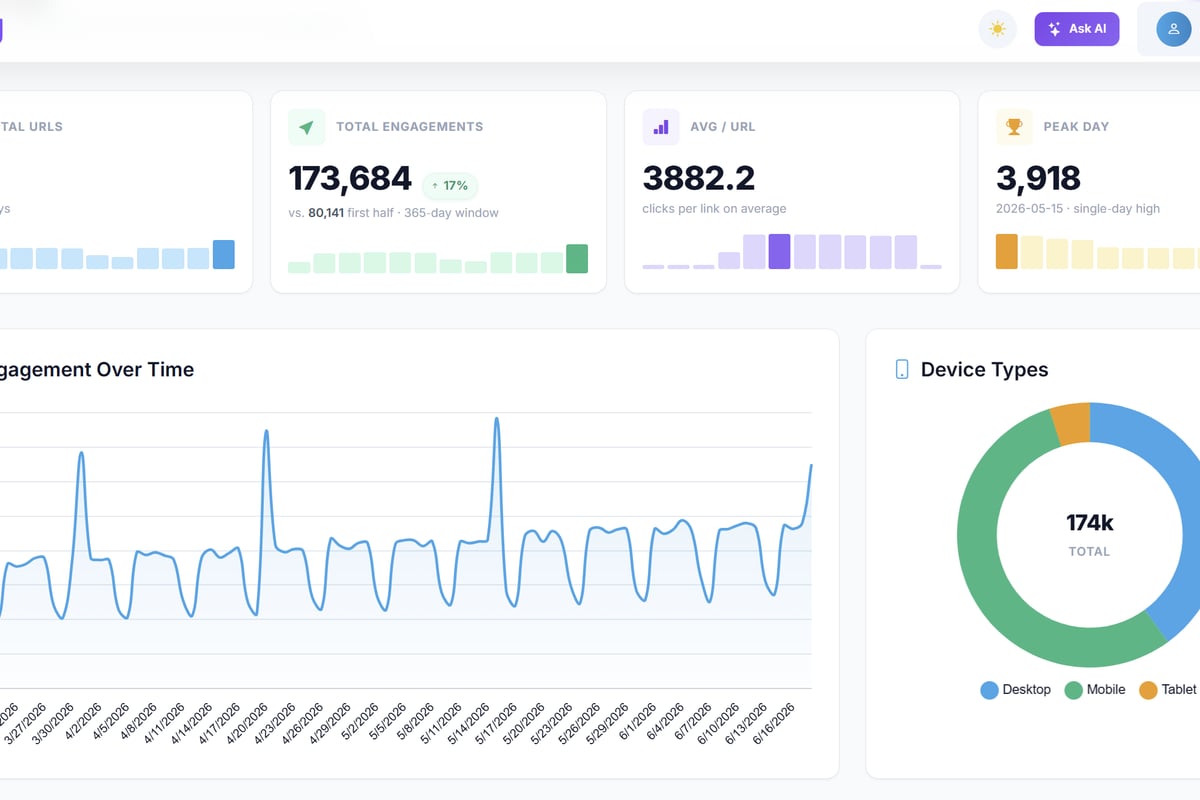
When managing link campaigns through platforms like Trimy, understanding which destinations allow dofollow backlinks helps you prioritize outreach efforts and measure the true SEO value of your link building activities. The platform's analytics can track which shortened links receive backlinks, letting you identify high-performing content that attracts natural dofollow references.
Common tools include:
- Browser extensions that highlight link types visually
- SEO platforms with backlink analysis features
- Site audit tools that crawl your site's outbound links
- Backlink checkers that show the rel attributes of incoming links
Strategic Approaches to Earning Dofollow Links
Building a strong dofollow backlink profile requires deliberate strategy. The most sustainable approach focuses on creating genuinely valuable content that naturally attracts editorial links.
Content-Driven Link Attraction
High-quality resources earn links because other publishers want to reference them. According to Search Engine Journal's link building insights, the most effective content types include:
- Original research and data studies
- Comprehensive guides addressing specific pain points
- Interactive tools and calculators
- Expert roundups featuring industry voices
- Visual assets like infographics and charts
When these resources become reference points in your niche, they accumulate dofollow links organically over time.
Relationship Building
Many dofollow opportunities come from genuine professional relationships. Contributing expertise to industry publications, participating in podcasts, and collaborating on joint ventures all create contexts where natural dofollow links occur.
Effective outreach practices:
- Personalize communication based on the recipient's content
- Offer genuine value before requesting anything
- Suggest specific placement opportunities that benefit their audience
- Follow up professionally without being pushy
- Build long-term relationships rather than one-off transactions
Competitive Analysis
Examining where competitors earn dofollow links reveals opportunities. If multiple competitors have links from the same source, that publication likely covers your industry and might welcome your contributions.
Review competitor backlink profiles to identify:
- Guest posting opportunities on industry blogs
- Resource pages that list helpful tools
- Directory submissions in your niche
- Partnership and supplier page listings
- Expert source opportunities for journalists
Common Dofollow Link Sources
Different types of websites and pages offer varying opportunities for earning dofollow backlinks. Understanding these categories helps prioritize efforts.
Editorial Links
These are the most valuable dofollow links-unsolicited references from publishers who find your content genuinely useful. Editorial links typically come from:
- News articles citing your research or commentary
- Blog posts referencing your tools or resources
- Academic papers citing your data
- Industry publications featuring your expertise
Resource Pages and Directories
Quality-focused directories and curated resource lists in your niche often provide dofollow links. Unlike spam directories of the past, legitimate resource pages offer genuine value to their visitors by organizing helpful links by category.
Partnership and Supplier Pages
Business relationships often include dofollow links on partner pages, supplier listings, or case study features. These contextual links from relevant industry sites carry meaningful authority.
Guest Contributions
Contributing articles to reputable publications typically includes an author bio with dofollow links. The Moz SEO beginner's guide emphasizes that guest posting remains valuable when focused on quality publications and genuine expertise sharing rather than link schemes.
Technical Considerations for Link Management
Managing both inbound and outbound dofollow links involves technical decisions that affect SEO performance and user experience.
Outbound Link Strategy
When linking from your own content, Yoast's guidance on outbound link attributes recommends using appropriate rel attributes based on relationship type:
When to use dofollow (no rel attribute):
- Citing authoritative sources
- Referencing related content on trusted sites
- Linking to partners without financial arrangements
- Directing readers to complementary resources
When to add qualifiers:
- Sponsored: Any paid placement or advertising relationship
- UGC: Comments, forum posts, user-submitted content
- Nofollow: Untrusted or unvetted content you're mentioning
Link Velocity and Pattern
Search engines monitor the rate at which sites acquire dofollow backlinks. Sudden spikes may trigger scrutiny, while steady, natural growth patterns appear more organic.
Healthy link acquisition shows:
- Gradual increase correlated with content publication
- Links from diverse sources and domains
- Variety in anchor text distribution
- Mix of link types and placements
Internal Link Architecture
While discussions of dofollow versus nofollow typically focus on external backlinks, internal linking also matters. Your site's internal links are naturally dofollow, and their structure affects how authority distributes across your pages.
Strategic internal linking:
- Points important pages to conversion-focused destinations
- Creates topic clusters around pillar content
- Uses descriptive anchor text for clarity
- Maintains reasonable link density per page
Measuring Dofollow Link Impact
Tracking the effect of dofollow backlinks on your SEO performance requires systematic measurement and attribution.
Key Metrics to Monitor
| Metric | What It Measures | Why It Matters |
|---|---|---|
| Referring domains | Unique sites linking to you | Domain diversity indicates natural link profiles |
| Total dofollow backlinks | All dofollow links across sources | Volume combined with quality affects authority |
| Domain authority/rating | Overall site strength | Tracks how link acquisition improves site-wide metrics |
| Keyword rankings | Position for target terms | Direct measurement of SEO improvement |
| Organic traffic | Visitors from search engines | Business outcome of ranking improvements |
Attribution Challenges
Isolating the specific impact of individual dofollow links proves difficult because search algorithms consider hundreds of ranking factors simultaneously. Changes in rankings may result from:
- Your new backlinks
- Competitor link profile changes
- Algorithm updates
- On-page optimization improvements
- Content freshness updates
- Technical SEO enhancements
The Sitebulb guide to dofollow and nofollow links recommends tracking holistic trends rather than attributing results to single links.
Time Lag Considerations
Dofollow links don't produce immediate ranking changes. Search engines need time to:
- Discover the new link through crawling
- Process and index the linking page
- Recalculate authority distribution
- Update rankings based on new signals
Depending on the linking site's crawl frequency and your own site's crawl budget, this process might take days or weeks. High-authority sites with frequent crawling often pass signals faster than obscure, infrequently updated sources.
Avoiding Dofollow Link Pitfalls
While dofollow backlinks benefit SEO, certain practices risk penalties or wasted effort.
Link Schemes to Avoid
Google's guidelines explicitly prohibit manipulative link building practices, including:
- Buying or selling links that pass PageRank
- Excessive link exchanges ("I'll link to you if you link to me")
- Mass article distribution with optimized anchor text
- Automated link building programs
- Footer or sidebar links across entire networks
These tactics might have worked historically but now risk manual actions or algorithmic devaluation.
Quality Over Quantity
A single dofollow link from a highly authoritative, relevant source often provides more value than dozens of links from low-quality sites. Focus acquisition efforts on:
- Sites with established authority in your industry
- Pages that receive genuine organic traffic
- Content contextually related to your topic
- Publishers with editorial standards
Anchor Text Over-Optimization
Using exact-match keywords as anchor text for all your dofollow backlinks appears manipulative. Natural link profiles show variety:
- Branded anchors (your company name)
- Generic phrases ("click here," "learn more")
- Naked URLs (https://example.com)
- Topical variations of keywords
- Occasional exact-match keywords
Diversification makes your profile appear organic and reduces over-optimization risk.
Platform-Specific Dofollow Considerations
Different platforms and content management systems handle link attributes differently, affecting your link building strategy.
Social Media Links
Most major social platforms automatically add nofollow attributes to external links:
- Facebook, Twitter/X, and Instagram links don't pass authority
- LinkedIn varies by placement (company pages may differ from posts)
- Pinterest links typically include nofollow
- Reddit uses nofollow on user-submitted links
While these don't provide direct SEO value, they can drive traffic that leads to editorial dofollow links from other sources.
Content Management Systems
Popular CMS platforms treat external links differently:
WordPress:
- Links are dofollow by default
- Plugins can automatically add nofollow to specific categories
- Comment links can be set to nofollow site-wide
Medium:
- External links include nofollow
- Limited SEO value for backlinks
Shopify:
- Product and page links are dofollow by default
- Configuration options available for specific link types
Press Release Distribution
Press release services traditionally offered dofollow links, but most now use nofollow to comply with Google's sponsored content guidelines. The value of press releases for SEO has shifted toward:
- Earning editorial coverage that links back naturally
- Building brand awareness that drives searches
- Creating opportunities for journalist outreach
Understanding dofollow links is essential for anyone serious about SEO and digital marketing performance. These default hyperlinks remain the foundation of how search engines discover content and distribute authority across the web. When you're managing marketing campaigns and tracking which content attracts valuable backlinks, Trimy provides the link intelligence and analytics you need to understand what's working. Our platform helps you measure the true impact of your links, optimize routing for better engagement, and transform every connection into actionable revenue signals.