Nofollow Link: Complete Guide for Marketers in 2026
Understanding link attributes is fundamental to successful digital marketing and search engine optimization. Among these attributes, the nofollow link stands as one of the most important yet frequently misunderstood elements of modern web architecture. Originally introduced to combat spam, this HTML attribute has evolved into a sophisticated tool that marketers, developers, and SEO professionals must master to optimize their linking strategies effectively.
What Is a Nofollow Link
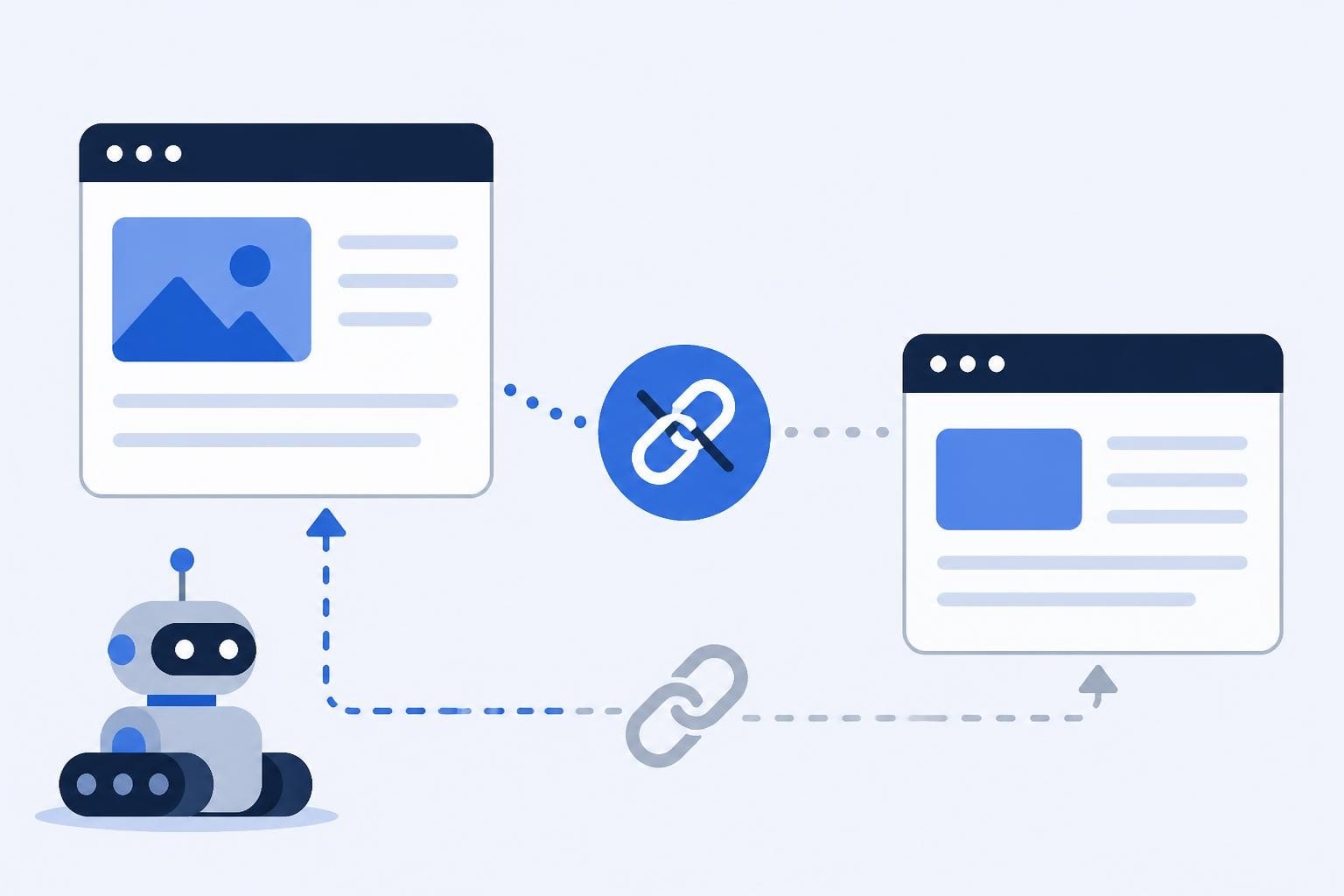
A nofollow link is an HTML hyperlink that includes the rel="nofollow" attribute, instructing search engines not to pass ranking credit (link equity) to the destination page. When implemented, this attribute tells search engine crawlers like Google to recognize the link but not count it as an endorsement or vote of confidence for the linked website.
The basic HTML structure looks like this: <a href="https://example.com" rel="nofollow">anchor text</a>. This simple addition fundamentally changes how search engines interpret the relationship between your site and the destination.
The Evolution of Nofollow
Google introduced the nofollow attribute in 2005 primarily to combat comment spam and paid links that manipulated search rankings. The original purpose was straightforward: prevent spammers from boosting their search rankings by dropping links in blog comments, forums, and other user-generated content areas.
By 2026, the landscape has changed significantly. In 2019, Google announced that nofollow would transition from a directive to a hint, introducing additional attributes like "sponsored" and "ugc" (user-generated content) to provide more granular control over link relationships.
How Nofollow Links Impact SEO
The relationship between nofollow links and search engine optimization remains complex and nuanced. While these links don't directly pass PageRank or link equity, they still serve valuable functions in a comprehensive SEO strategy.
Search Engine Treatment
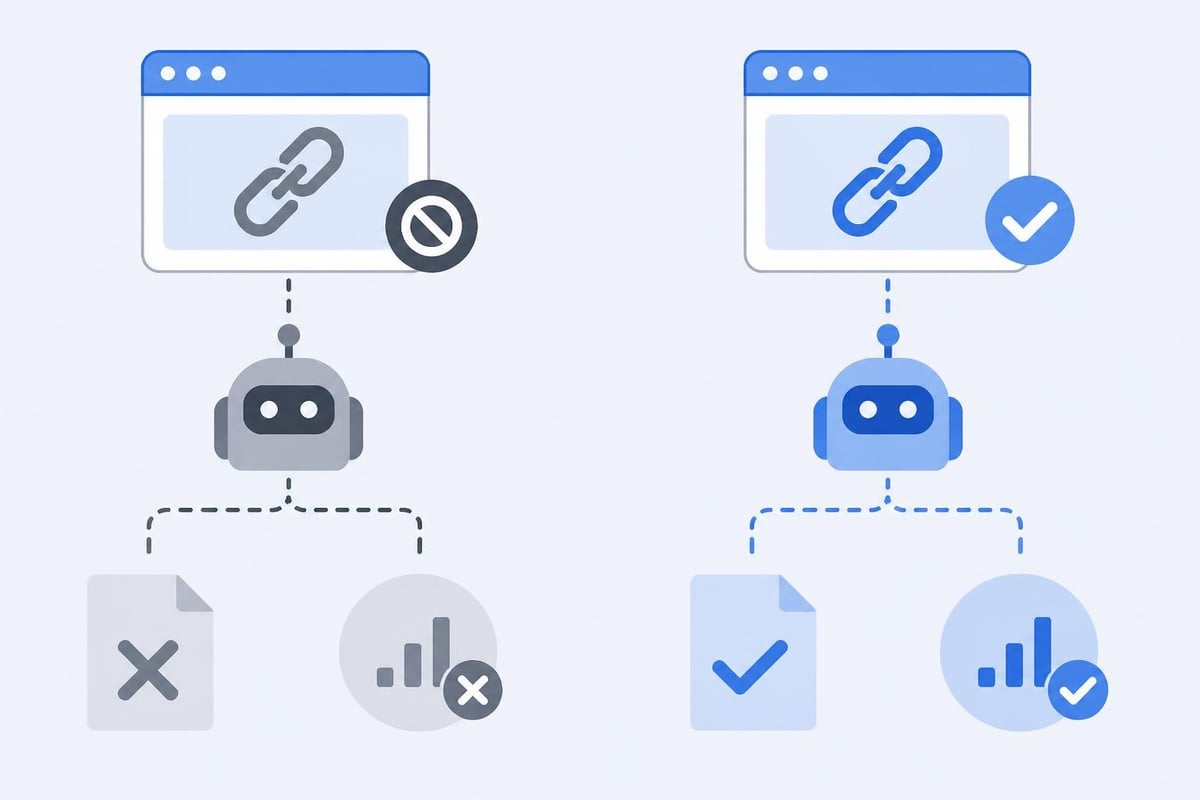
Search engines process nofollow links differently than standard (dofollow) links. When Google's crawler encounters a nofollow link, it generally:
- Recognizes the link exists
- May still crawl the destination URL
- Does not pass PageRank through that specific link
- Does not use the anchor text as a ranking signal for the destination page
However, the "hint" status means Google may choose to follow or credit these links in certain circumstances, particularly when they appear genuinely useful for users.
Indirect SEO Benefits
Despite not passing direct ranking power, nofollow links provide several indirect SEO benefits:
- Traffic generation: Quality nofollow links from high-traffic sites still drive visitors to your content
- Brand visibility: Links from authoritative platforms increase brand awareness regardless of their attribute
- Natural link profile: A healthy mix of nofollow and dofollow links appears more natural to search engines
- Referral opportunities: Nofollow links can lead to genuine dofollow links when people discover your content
When to Use Nofollow Links
Understanding when to apply the nofollow attribute is critical for maintaining search engine trust and avoiding penalties. The decision often depends on the nature of the link relationship and Google's guidelines.
Paid and Sponsored Content
Any link that involves monetary exchange must include appropriate attributes. This includes:
- Sponsored blog posts and advertorial content
- Affiliate marketing links
- Paid product placements
- Influencer partnerships with compensation
Google specifically recommends using rel="sponsored" for these scenarios, though rel="nofollow" remains acceptable. Failing to properly attribute paid links can result in manual actions against your site.
User-Generated Content
Forums, comment sections, and community-driven platforms should implement nofollow on user-submitted links to prevent spam and manipulation. The rel="ugc" attribute is designed specifically for this purpose.
| Link Type | Recommended Attribute | Reason |
|---|---|---|
| Blog comments | rel="ugc" or rel="nofollow" | Prevent spam, protect site reputation |
| Forum signatures | rel="ugc" or rel="nofollow" | Discourage link schemes |
| User profiles | rel="ugc" or rel="nofollow" | Reduce spam incentive |
| Guest book entries | rel="ugc" or rel="nofollow" | Maintain link quality |
Untrusted Content
Links to websites you don't fully trust or vouch for should carry the nofollow attribute. This protects your site's reputation and signals to search engines that you're not endorsing the destination content.
Nofollow vs. Dofollow: Understanding the Difference
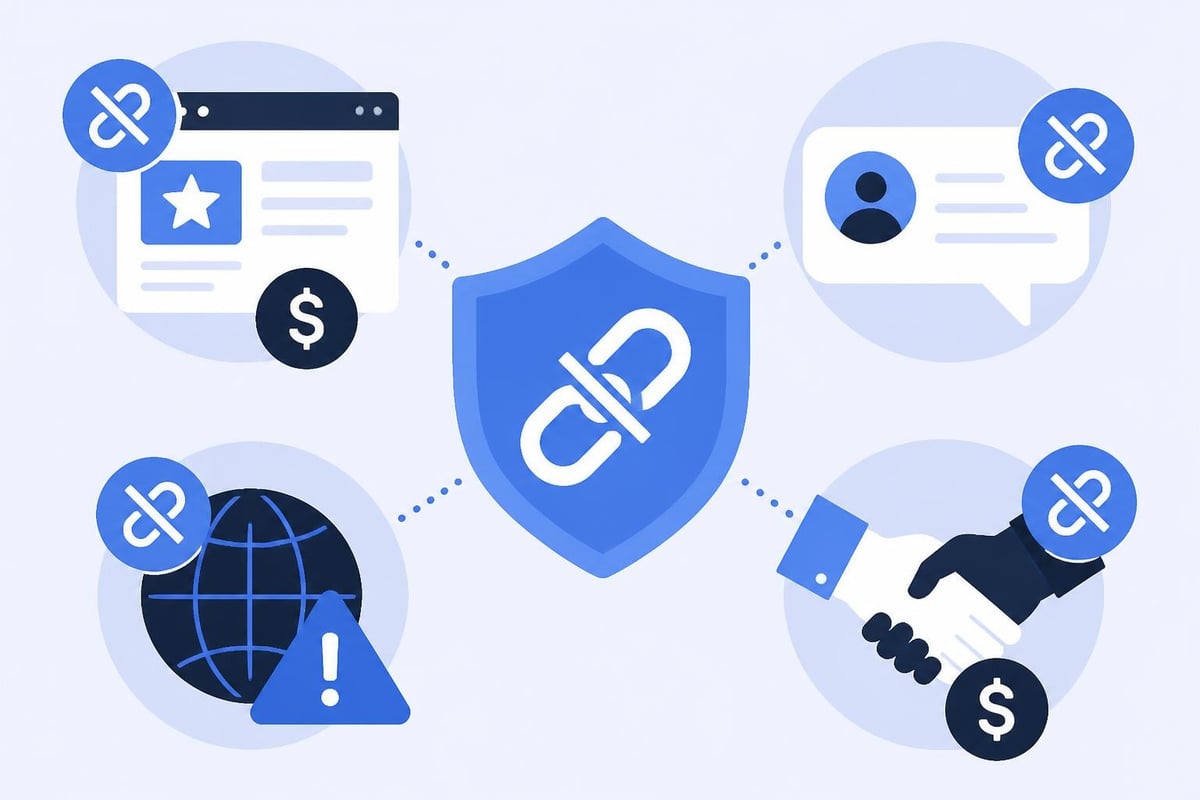
The distinction between nofollow and dofollow links shapes how you structure your link building and content strategies. Dofollow links pass link equity, contributing to the destination page's search rankings, while nofollow links explicitly tell search engines not to count them as ranking signals.
Technical Implementation
A dofollow link requires no special attribute - it's the default state of HTML links. A nofollow link requires the explicit addition of rel="nofollow" or related attributes (sponsored, ugc).
Default (Dofollow): <a href="https://example.com">Link Text</a>
Nofollow: <a href="https://example.com" rel="nofollow">Link Text</a>
Strategic Application
Your linking strategy should incorporate both types thoughtfully:
- Use dofollow links for genuine editorial recommendations, internal site navigation, and credible source citations
- Apply nofollow to paid placements, uncertain content quality, and spam-prone areas
- Monitor your backlink profile to ensure a natural mix that doesn't trigger algorithmic filters
Managing Nofollow Links in Your Marketing Strategy
For marketers managing complex campaigns across multiple channels, tracking and optimizing nofollow links presents unique challenges. Advanced link management becomes essential when you're running campaigns that mix organic content, paid placements, and partnership opportunities.
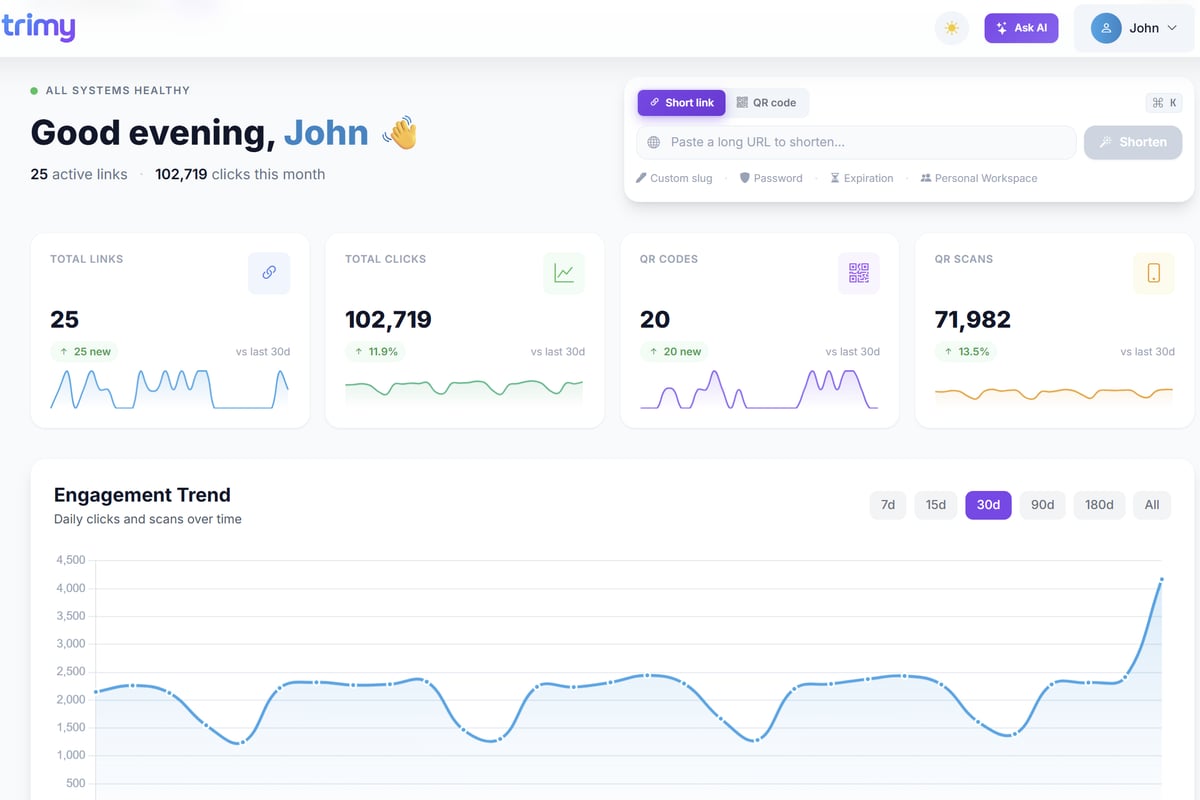
Trimy offers powerful link intelligence that helps marketers understand exactly how their links perform across different contexts. By tracking click behavior, geographic data, and conversion patterns, you can determine whether nofollow links from specific sources drive valuable traffic even without passing SEO equity.
Link Auditing Best Practices
Regular audits of your outbound and inbound links ensure compliance with search engine guidelines and maintain site health:
- Review paid partnerships quarterly to verify proper nofollow/sponsored attributes
- Scan user-generated content areas for spam links that could harm your reputation
- Document your linking policies to maintain consistency across content teams
- Track competitor linking patterns to identify industry standards and opportunities
Tracking Link Performance
Not all nofollow links deliver equal value. Sophisticated marketers analyze metrics beyond SEO impact:
- Click-through rates from nofollow sources
- Conversion rates from different referral types
- Engagement quality (time on site, pages per session)
- Revenue attribution across link sources
Common Nofollow Link Mistakes to Avoid
Even experienced marketers make critical errors when implementing nofollow attributes. Understanding these pitfalls helps you maintain search engine trust and maximize link value.
Overusing Nofollow Internally
Some website owners mistakenly apply nofollow to internal links, thinking it will help "sculpt" PageRank flow. This strategy is generally counterproductive in 2026. Search engines are sophisticated enough to understand site architecture without artificial manipulation.
Internal links should typically remain dofollow to:
- Help search engines discover and index all your content
- Distribute PageRank naturally throughout your site
- Create clear content hierarchies and topic clusters
- Enable users to navigate effectively
Inconsistent Paid Link Marking
Failing to consistently mark paid placements creates serious risks. Google's algorithms detect patterns of paid link behavior, and unmarked sponsored content can trigger manual reviews or algorithmic devaluations.
Ignoring the Hint Status
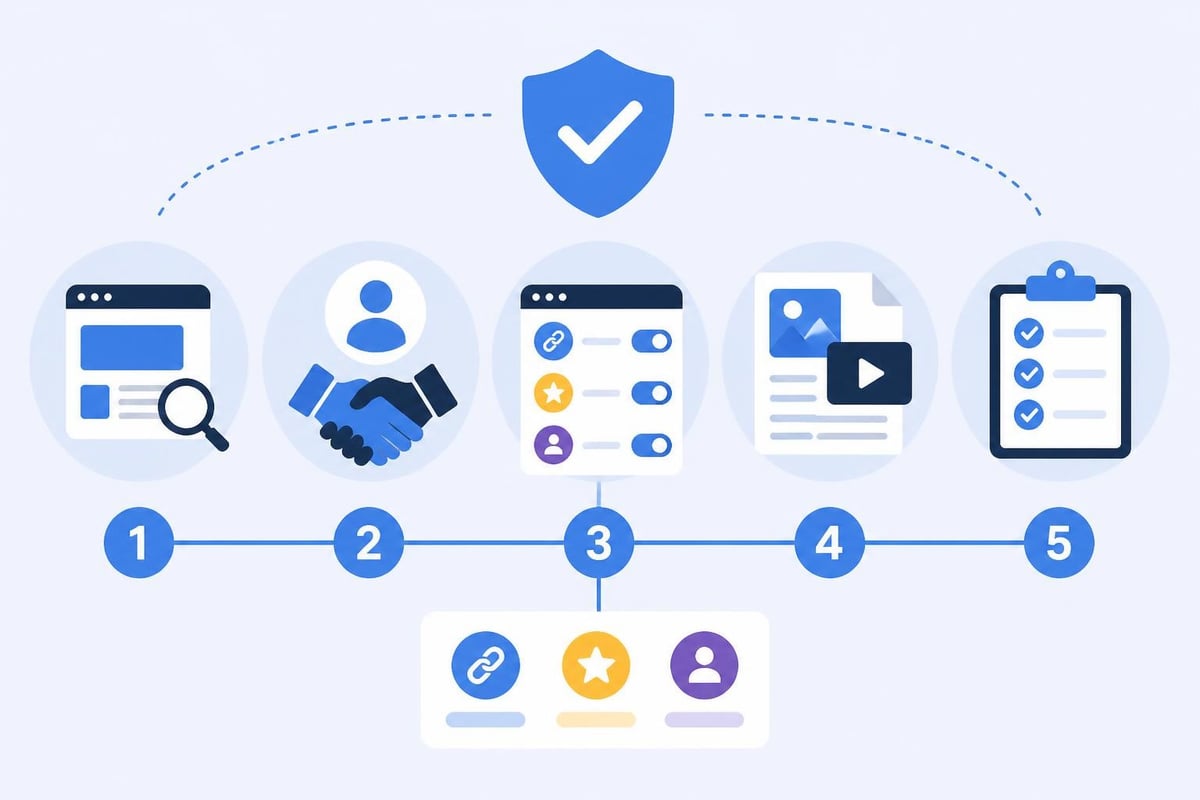
Since Google treats nofollow as a hint rather than a directive, marketers sometimes assume the attribute is meaningless. This misunderstands the nuance. While Google may choose to honor or ignore the attribute, properly implementing it remains a best practice that signals transparency and compliance.
Advanced Nofollow Strategies for 2026
Modern link management extends beyond simple nofollow implementation. Sophisticated marketers leverage multiple attributes and strategic approaches to maximize value while maintaining compliance.
Combining Link Attributes
Google supports multiple rel values in a single link, allowing precise communication about link relationships:
rel="nofollow sponsored"for paid placementsrel="nofollow ugc"for untrusted user contentrel="sponsored ugc"for paid user-submitted content (rare but possible)
This granular approach provides search engines with clearer signals about why you're qualifying the link relationship.
Conditional Nofollow Implementation
Dynamic websites can implement conditional logic to apply nofollow attributes based on specific criteria:
| Condition | Nofollow Strategy |
|---|---|
| New user accounts (< 30 days) | Apply ugc to all links |
| Verified trusted users | Allow dofollow for established contributors |
| External domains | Nofollow by default, whitelist trusted sources |
| Internal navigation | Always dofollow |
Link Velocity and Pattern Analysis
Monitoring how quickly you acquire nofollow versus dofollow links helps identify potential issues. Sudden spikes in one type might indicate spam attacks, broken processes, or campaign issues requiring investigation.
The Future of Nofollow Links
As search engines continue evolving their approach to link evaluation, the nofollow attribute adapts alongside these changes. Machine learning and artificial intelligence increasingly help search engines understand link intent without relying solely on manual attributes.
Emerging Trends
Several trends are reshaping how marketers think about nofollow links:
- Context-aware evaluation: Search engines better understand when nofollow makes sense based on surrounding content
- Cross-platform tracking: Links shared on social media and messaging apps receive sophisticated analysis regardless of attributes
- Quality over quantity: The focus shifts further toward link quality and user value rather than simple equity passing
- Transparency requirements: Regulatory frameworks increasingly demand clear disclosure of commercial relationships
Preparing Your Strategy
To stay ahead of algorithm updates and industry changes, implement these forward-looking practices:
- Build genuine relationships that generate natural editorial links
- Focus on creating content worthy of citation regardless of link attributes
- Diversify traffic sources beyond organic search
- Invest in link intelligence platforms that provide comprehensive performance data
- Document your linking policies and train content teams thoroughly
Nofollow Links and Link Intelligence Platforms
Managing nofollow links at scale requires tools that go beyond basic analytics. Modern link intelligence platforms help marketers understand the complete picture of link performance, tracking behaviors that traditional SEO tools miss.
Advanced platforms monitor:
- Geographic routing patterns that show where nofollow links drive the most valuable traffic
- Device-specific behavior revealing how different audiences interact with various link types
- Conversion attribution connecting link sources to actual revenue regardless of SEO impact
- A/B testing capabilities that optimize link placement and messaging for maximum effect
These insights transform nofollow links from "SEO-neutral" elements into strategic assets that drive measurable business results through traffic quality and conversion optimization.
Mastering the nofollow link attribute requires understanding both its technical implementation and strategic implications for modern marketing. While these links don't pass direct SEO equity, they serve critical functions in maintaining search engine trust, driving quality traffic, and building comprehensive digital marketing strategies. Whether you're managing paid partnerships, user-generated content, or complex multi-channel campaigns, proper nofollow implementation protects your site's reputation while maximizing link value across all dimensions. Trimy provides the link intelligence and management capabilities you need to track, optimize, and extract maximum value from every link in your marketing ecosystem, turning your linking strategy into a competitive advantage.