Link Analyzer: Optimize Your SEO and Marketing Performance
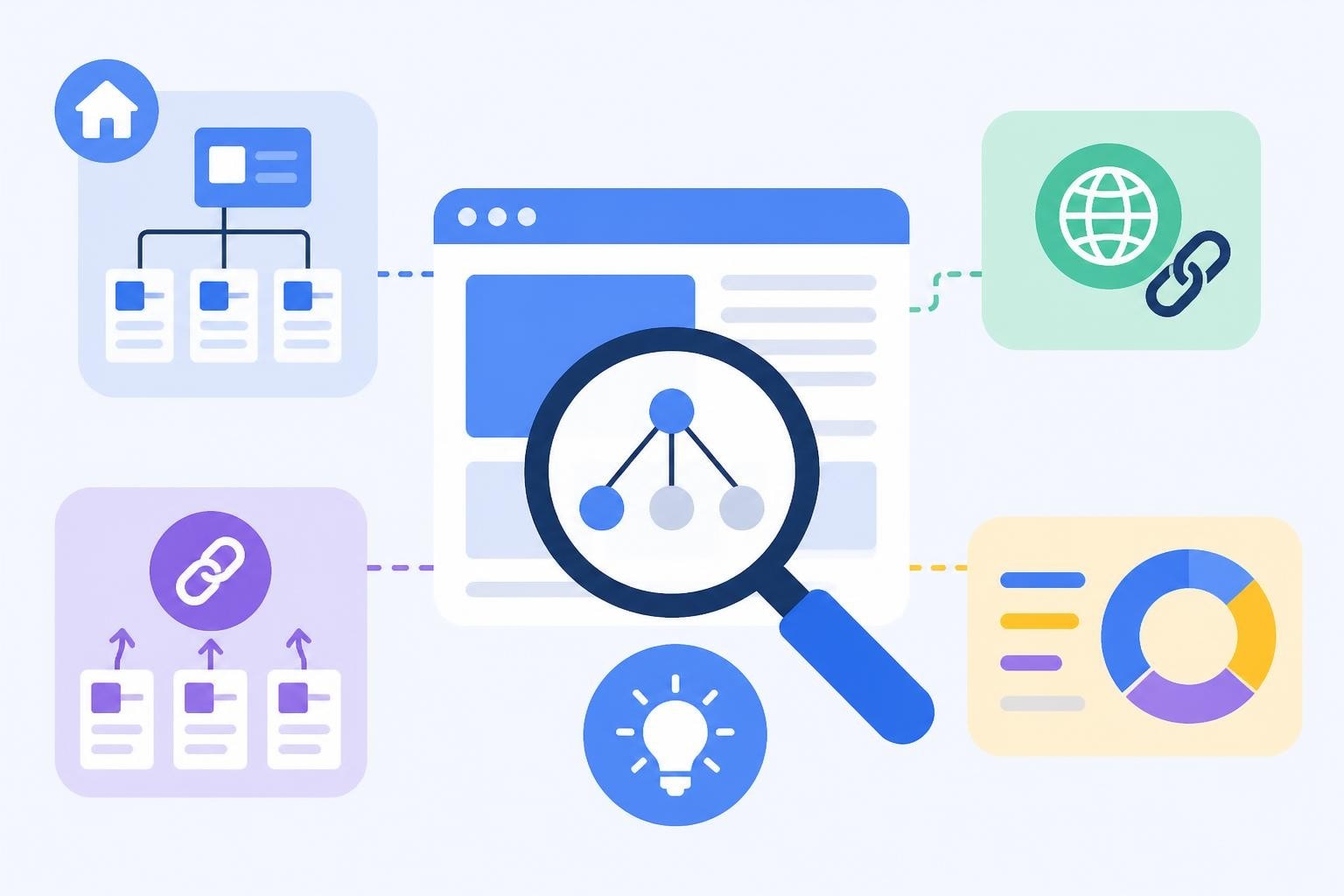
A link analyzer is an essential tool for marketers, SEO professionals, and website owners who want to understand and optimize their link ecosystem. This specialized software examines every aspect of your links, from internal navigation structure to external backlink profiles, providing actionable insights that can dramatically improve your search engine rankings and user experience. Whether you're managing a small business website or overseeing enterprise-level marketing campaigns, understanding how to leverage a link analyzer effectively can transform your digital strategy and reveal opportunities that competitors might miss.
Understanding Link Analyzer Fundamentals
A link analyzer serves as a diagnostic instrument that crawls your website and evaluates the quality, quantity, and configuration of links across your digital properties. The technology examines both inbound and outbound links, assessing factors such as anchor text distribution, link placement, and the relationship between linked pages.
Core Functions of Link Analysis Tools
Modern link analyzers perform multiple critical functions simultaneously. They identify broken links that create poor user experiences and damage SEO performance, map your internal linking structure to reveal navigation weaknesses, and analyze your backlink profile to assess domain authority and trustworthiness.
Key capabilities include:
- Detecting broken links and redirect chains that slow page load times
- Evaluating anchor text diversity and keyword targeting
- Identifying toxic or spammy backlinks that could trigger penalties
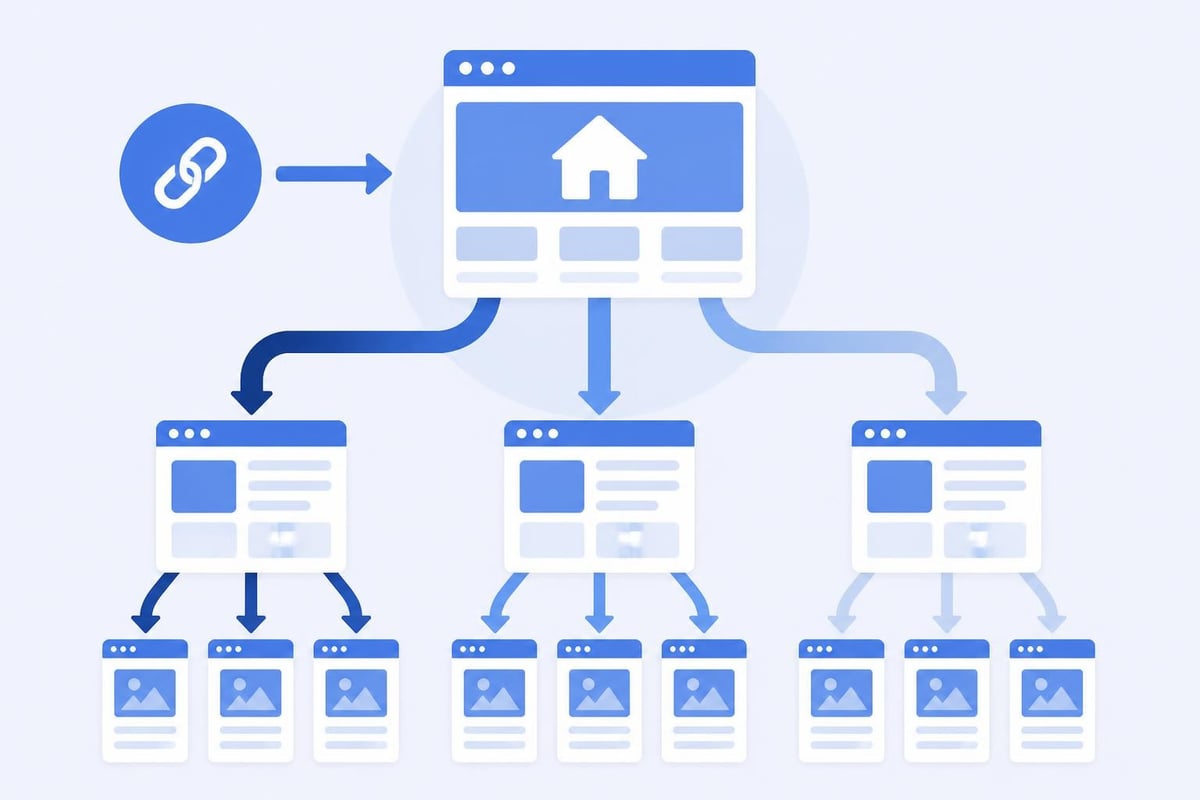
- Mapping link equity flow throughout your site architecture
- Comparing your link profile against competitor benchmarks
The most sophisticated platforms go beyond basic crawling to provide context around each link. They assess whether links follow best practices for internal linking, evaluate the relevance of linking domains, and identify patterns that could indicate technical issues or strategic opportunities.
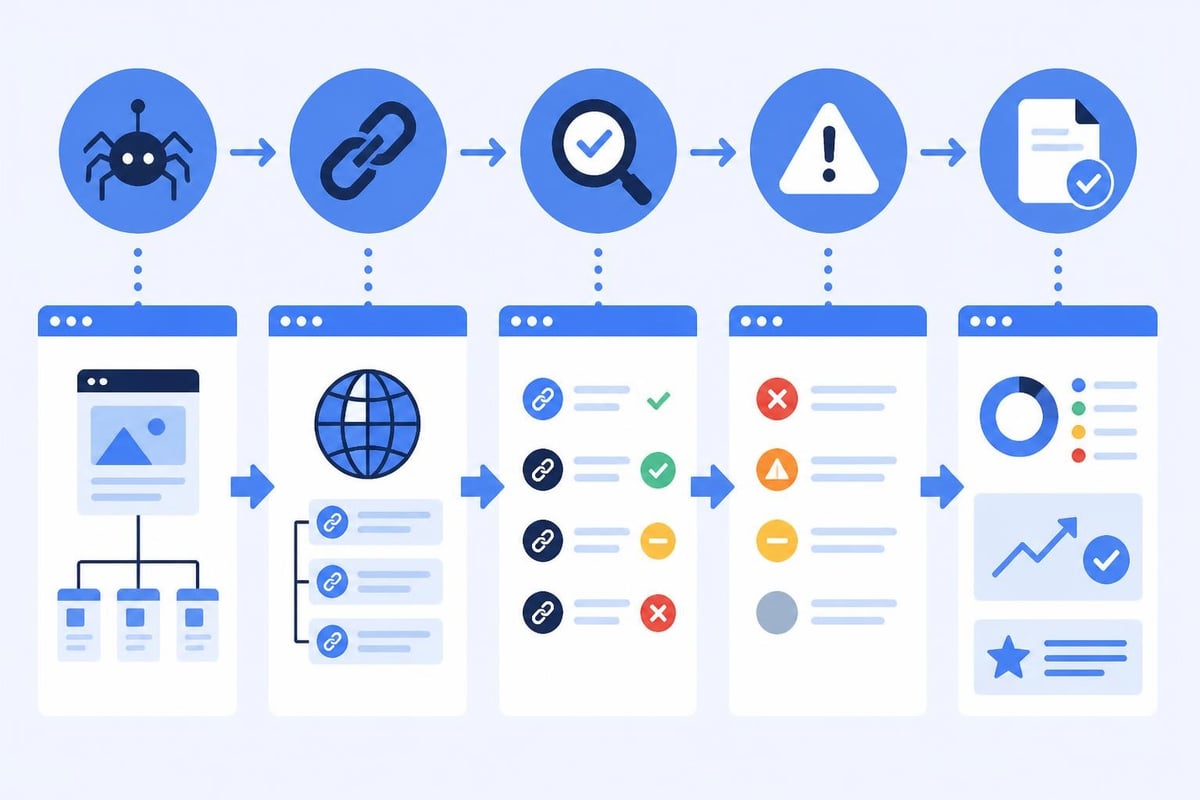
Technical Architecture and Data Collection
The technical foundation of a link analyzer determines its accuracy and usefulness. Advanced tools employ sophisticated crawlers that mimic search engine behavior, following links in the same manner that Googlebot navigates your site.
Crawling Methodology and Depth
Professional link analyzers use configurable crawlers that respect robots.txt files while providing options to override restrictions for comprehensive audits. The crawling depth, frequency, and scope can typically be adjusted based on site size and analysis objectives.
| Crawling Parameter | Purpose | Typical Range |
|---|---|---|
| Crawl Depth | How many clicks from homepage | 3-10 levels |
| Pages per Second | Crawl speed control | 1-20 pages/sec |
| Timeout Duration | Wait time for slow pages | 10-60 seconds |
| User Agent | How crawler identifies itself | Customizable |
These tools collect comprehensive data about every link encountered, including HTTP status codes, response times, link attributes (such as nofollow designations), and the context surrounding each link. This granular data enables precise analysis and targeted optimization efforts.
Data Processing and Reporting
Once collected, link data undergoes processing algorithms that categorize links, identify patterns, and flag potential issues. The analyzer cross-references links against databases of known spam sources, evaluates the topical relevance of linking pages, and calculates metrics such as PageRank flow and link equity distribution.
The resulting reports typically organize findings into actionable categories. Priority levels help teams focus on high-impact issues first, while trend analysis shows how your link profile evolves over time.
Internal Link Analysis and Site Architecture
Internal links form the skeletal structure of your website, guiding both users and search engines through your content hierarchy. A link analyzer reveals how effectively your internal linking strategy supports your business objectives.
Identifying Orphaned Pages and Dead Ends
Orphaned pages exist on your server but have no internal links pointing to them, making them essentially invisible to search engines and users. A comprehensive link analyzer identifies these isolated pages and suggests integration points within your existing content structure.
Dead-end pages present another problem-pages with no outbound links that trap users and prevent them from exploring deeper into your site. These represent missed opportunities for engagement and conversion.
Common internal linking issues detected:
- Pages with excessively high or low internal link counts
- Broken internal links causing 404 errors
- Redirect chains that create unnecessary server requests
- Inconsistent anchor text for important landing pages
- Poor link distribution favoring shallow pages over valuable content
The analyzer maps your site's link graph, showing the relationship between pages and identifying which content receives the most link equity. This visualization helps you understand whether your most important pages receive adequate internal linking support.
External Link and Backlink Profile Analysis
Your backlink profile represents votes of confidence from other websites, but not all votes carry equal weight. A robust link analyzer evaluates both the quantity and quality of sites linking to your domain.
Assessing Link Quality and Relevance
Quality assessment extends beyond simple domain authority scores. Modern analyzers evaluate the topical relevance of linking sites, the context surrounding each link, and the naturalness of the link profile growth pattern.
Links from highly relevant sites in your industry carry significantly more value than links from unrelated directories or link farms. The analyzer identifies which backlinks contribute meaningfully to your SEO efforts and which might pose risks.
| Quality Factor | High-Quality Signal | Low-Quality Signal |
|---|---|---|
| Domain Authority | 50+ with natural growth | New domains with artificial metrics |
| Topical Relevance | Same industry/niche | Completely unrelated content |
| Link Placement | Editorial content | Site-wide footer links |
| Anchor Text | Natural, varied phrases | Exact-match keyword stuffing |
Competitor Backlink Comparison
Understanding where competitors earn their backlinks reveals opportunities for your own link-building campaigns. By analyzing competitor link profiles, you can identify high-value linking domains that might also link to your content with the right outreach approach.
The analyzer shows gaps in your backlink profile-authoritative sites linking to competitors but not to you. This competitive intelligence transforms link building from guesswork into a strategic, data-driven process.
Anchor Text Optimization and Distribution
Anchor text optimization plays a crucial role in how search engines understand the topic and relevance of linked pages. A link analyzer evaluates your anchor text distribution across both internal and external links.
Natural vs. Over-Optimized Patterns
Search engines penalize websites with unnatural anchor text patterns that appear manipulative. A healthy link profile includes a diverse mix of branded terms, naked URLs, generic phrases, and topically relevant keywords.
- Branded anchors use your company name or variations
- Exact-match keywords directly target specific search terms
- Partial-match phrases include keywords within natural language
- Generic terms like "click here" or "learn more"
- Naked URLs display the full web address
- Image links where alt text serves as anchor text
The analyzer calculates the percentage distribution across these categories, comparing your profile against industry benchmarks and competitor patterns. Significant deviations from natural distributions trigger alerts that help you adjust your strategy before penalties occur.
Technical Link Issues and Error Detection
Technical problems with links undermine both SEO performance and user experience. A comprehensive link analyzer identifies and categorizes these issues for efficient resolution.
Common Technical Link Problems
Broken links create frustrating dead ends for users and waste the crawl budget search engines allocate to your site. The analyzer identifies all 404 errors, 500 server errors, and other HTTP status codes indicating problems.
Critical technical issues detected include:
- Redirect chains exceeding three hops
- Mixed content warnings on HTTPS sites
- Links to pages with slow load times
- Malformed URLs with syntax errors
- Links blocked by robots.txt or meta robots tags
Redirect chains present particular problems because each redirect adds latency and dilutes link equity passing through the chain. Tools like Screaming Frog's SEO Spider excel at mapping these chains and suggesting consolidation strategies.
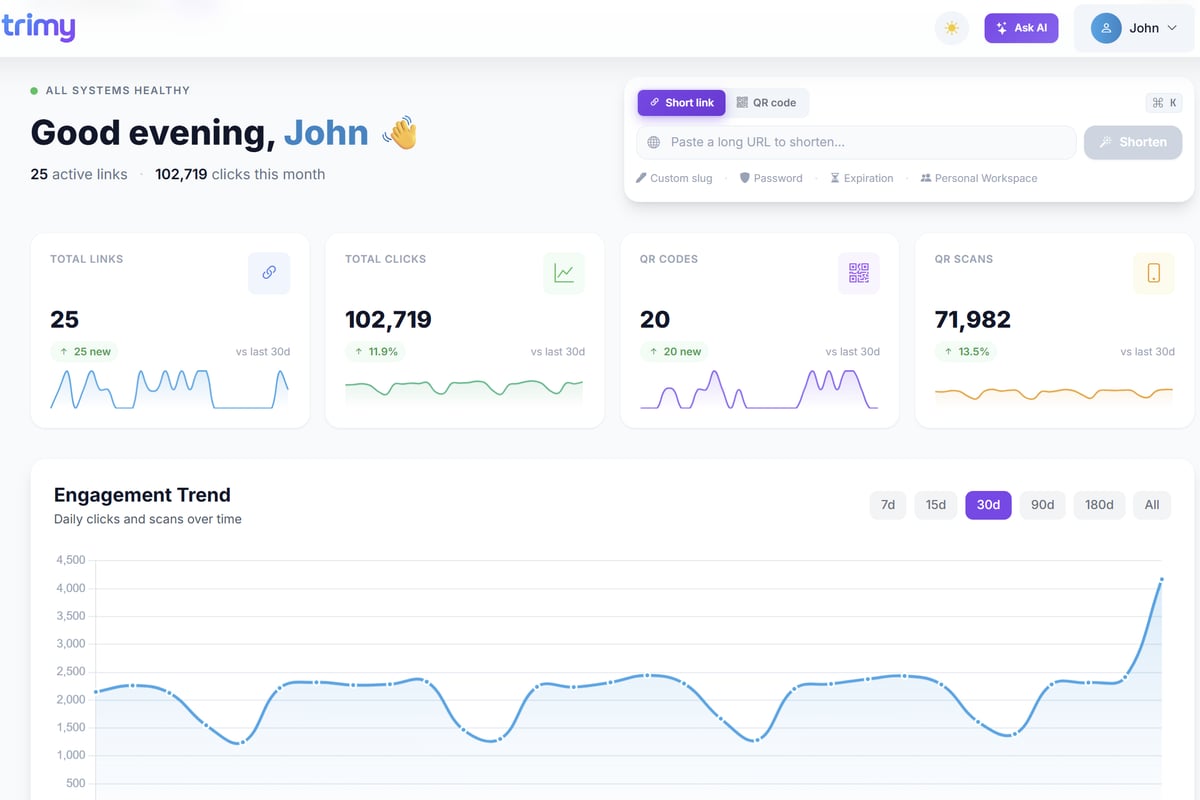
Modern link management platforms provide real-time monitoring rather than periodic snapshots. When you're managing marketing campaigns with numerous shortened links and tracking parameters, having immediate visibility into link health becomes critical. Trimy offers advanced analytics that transform your links into revenue signals, providing the deep insights needed to identify issues before they impact campaign performance.
Link Velocity and Growth Pattern Analysis
The rate at which you acquire or lose links tells an important story about your website's health and growth trajectory. Sudden spikes or drops in link velocity often indicate either successful marketing campaigns or potential problems requiring investigation.
Monitoring Natural vs. Artificial Growth
Search engines expect link profiles to grow organically over time. Artificial link building campaigns that generate hundreds of backlinks overnight raise red flags and can trigger manual reviews or algorithmic penalties.
A sophisticated link analyzer tracks your link acquisition rate over weeks, months, and years. It identifies unusual patterns such as sudden increases following directory submissions or paid link purchases, helping you maintain a natural-looking growth curve.
The tool also monitors link loss, which occurs naturally as websites update content, redesign, or go offline. Excessive link loss might indicate technical problems on your site or negative SEO attacks where competitors attempt to remove your valuable backlinks.
Integration with Comprehensive SEO Audits
Link analysis represents one component of a complete SEO audit strategy. The most valuable insights emerge when link data integrates with other technical SEO, content quality, and user experience metrics.
Holistic Site Performance Assessment
Understanding how link issues interact with other SEO factors enables more effective optimization. A page with excellent content but poor internal linking won't reach its ranking potential, while a well-linked page with thin content wastes link equity.
Professional link analyzers export data in formats compatible with other analytics platforms, enabling cross-referencing between link metrics and performance indicators such as organic traffic, conversion rates, and user engagement signals.

Strategic Applications for Marketing Campaigns
Beyond SEO, link analyzers provide strategic value for marketing campaign management and optimization. Understanding how links perform across channels enables data-driven decisions about resource allocation and campaign tactics.
Campaign Attribution and Performance Tracking
Marketing teams running campaigns across multiple channels need precise attribution to understand which efforts drive results. A link analyzer tracks performance across UTM-tagged URLs, branded short links, and campaign-specific landing pages.
Strategic applications include:
- Identifying which referral sources deliver the highest-quality traffic
- Comparing performance across A/B test variations using different links
- Tracking how social media links perform relative to email or paid channels
- Understanding the customer journey through multi-touch attribution
- Optimizing link placement within content for maximum click-through rates
The analyzer reveals patterns in how different audience segments interact with links, enabling personalization strategies that route users to the most relevant content based on their source, device, or previous behavior.
Compliance and Link Attribute Management
Proper link attribute management ensures compliance with search engine guidelines and legal requirements. Link analyzers help maintain appropriate use of nofollow, sponsored, and UGC attributes as specified in W3C HTML standards.
Sponsored and User-Generated Content Links
Google requires specific link attributes for paid partnerships and user-generated content. Failure to properly mark these links can result in manual actions that suppress your site's search visibility.
| Link Type | Required Attribute | Purpose |
|---|---|---|
| Paid placements | rel="sponsored" | Identifies paid links |
| User comments | rel="ugc" | Marks user-generated content |
| Untrusted sources | rel="nofollow" | Prevents equity transfer |
| External resources | rel="external" | Indicates third-party links |
A comprehensive link analyzer scans all links and flags those missing appropriate attributes based on their context and placement. This automated compliance checking prevents oversights that could trigger penalties.
Leveraging Link Intelligence for Competitive Advantage
The most sophisticated users transform link analysis from a diagnostic tool into a source of competitive intelligence. By systematically analyzing link patterns across your industry, you uncover opportunities competitors haven't identified.
Building Data-Driven Link Strategies
Rather than pursuing links randomly, successful teams use analyzer insights to build targeted campaigns. They identify which content formats attract the most backlinks, which publications frequently link to competitor content, and which topics generate natural link acquisition.
This intelligence enables efficient resource allocation. Instead of creating content and hoping for links, you focus efforts on topics and formats with proven link attraction potential based on historical data from your industry.
The analyzer also reveals technical optimizations that improve link performance. Smart routing based on user attributes, A/B testing different link presentations, and implementing retargeting pixels all become possible when you treat links as strategic assets rather than simple navigation elements.
Effective link analysis transforms how you understand and optimize your digital presence, revealing opportunities hidden in your link ecosystem while identifying issues before they damage performance. The insights gained from systematic link analysis enable smarter content strategies, more efficient link building, and better campaign attribution across all marketing channels. Trimy combines advanced link intelligence with practical management tools, giving you the analytics depth and campaign optimization features needed to turn every link into a measurable revenue signal while maintaining competitive pricing that makes sophisticated link management accessible to businesses of all sizes.