Google Link Building: Strategies for 2026 Success
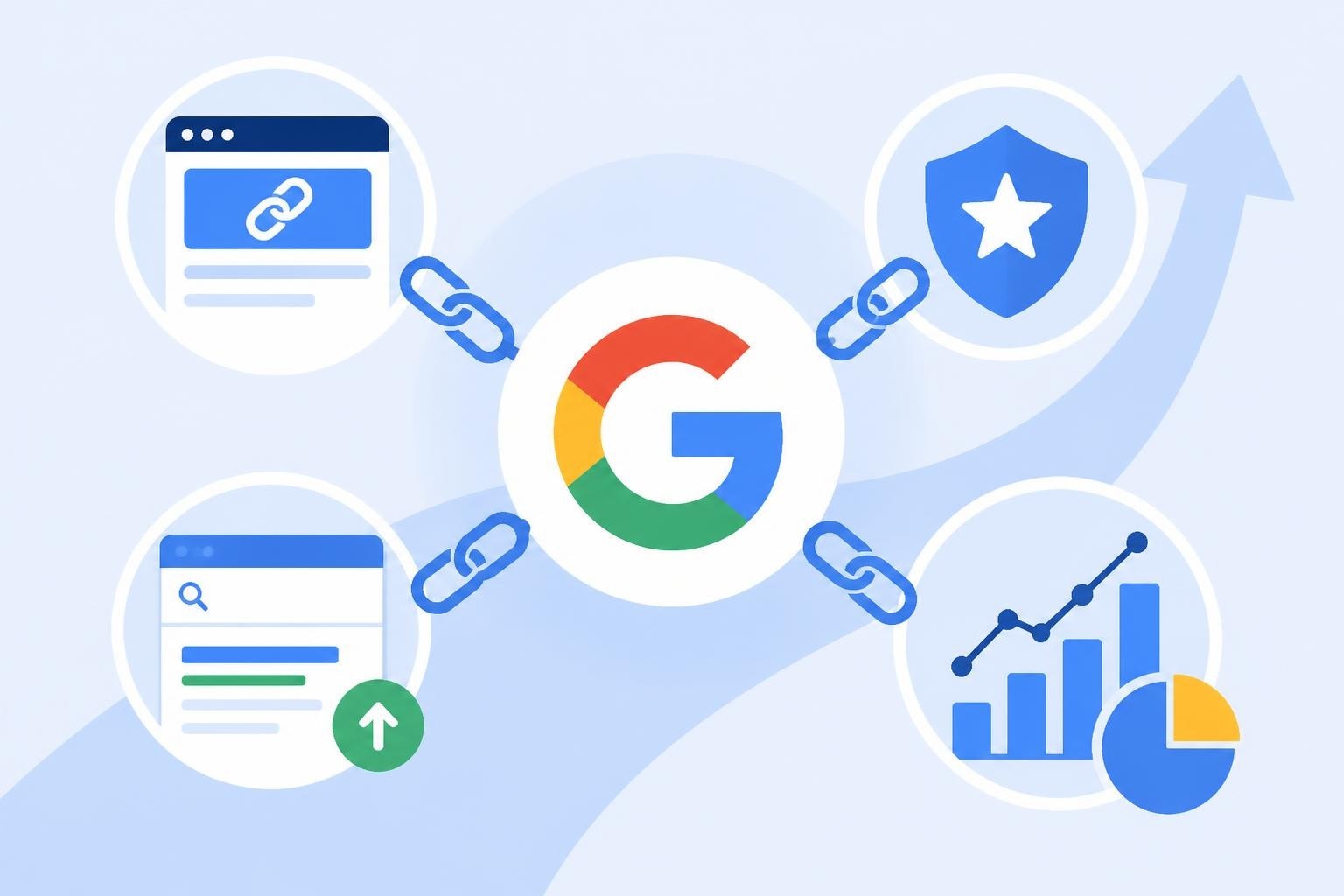
Google link building remains one of the most critical components of search engine optimization in 2026. While the fundamentals of acquiring quality backlinks haven't changed dramatically, the methods for earning, tracking, and optimizing these connections have evolved significantly. Understanding how Google evaluates links and implementing strategic approaches to link acquisition can transform your search visibility and drive sustainable organic traffic growth.
Understanding Google's Approach to Link Building
Google's algorithms have become increasingly sophisticated in evaluating link quality, context, and relevance. The search engine no longer simply counts backlinks but analyzes the entire link profile to assess authority, trustworthiness, and user value. This shift means that google link building strategies must prioritize quality over quantity in every campaign.
How Google Evaluates Backlinks
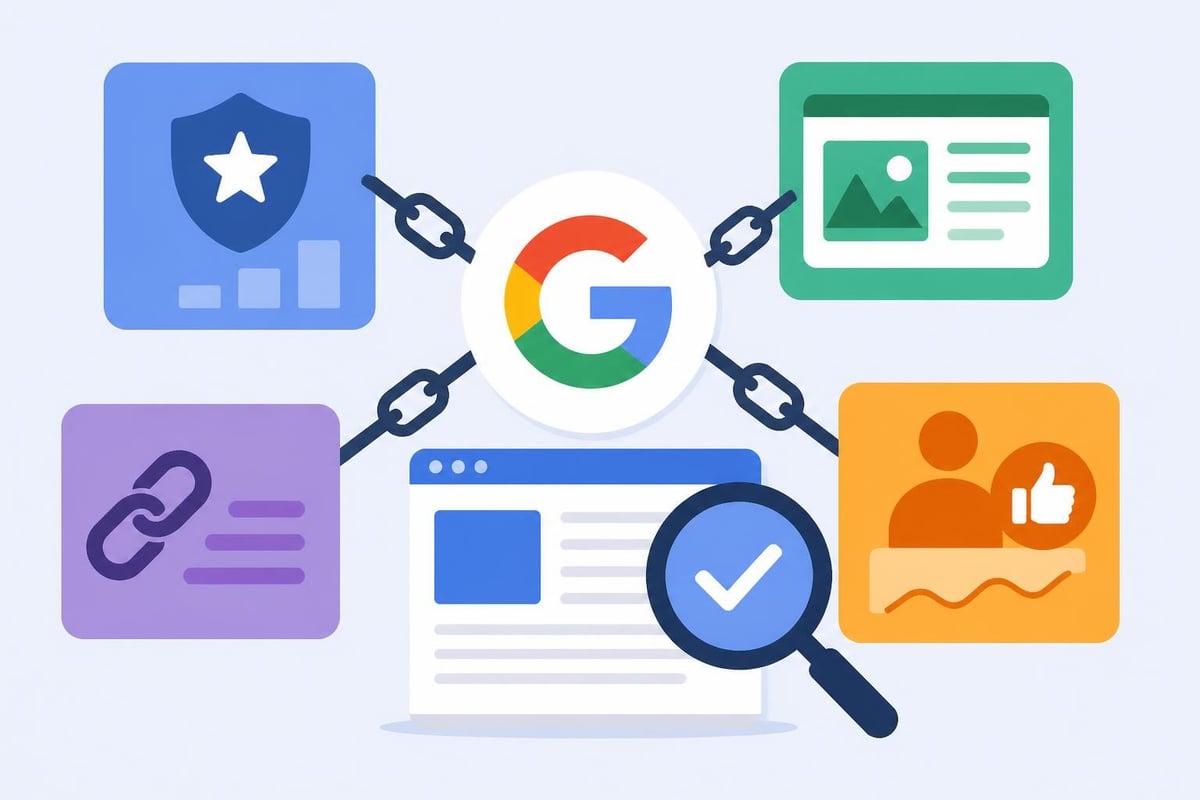
The search giant uses multiple signals to determine link value:
- Domain authority and trustworthiness of the linking site
- Relevance between source and destination content
- Anchor text diversity and naturalness
- Link placement within content context
- Traffic patterns and user engagement signals
Google's crawlers follow specific protocols when discovering and indexing links. According to Google's official documentation on crawlable links, proper HTML structure and implementation are essential for ensuring your backlinks contribute to SEO value.
The Role of Link Intelligence in 2026
Modern google link building requires sophisticated tracking and analysis capabilities. Marketing teams need visibility into which links drive the most valuable traffic, how users interact after clicking through, and which partnerships generate the highest ROI. Link intelligence platforms enable marketers to:
- Track performance metrics across all backlink sources
- Identify patterns in high-converting referral traffic
- Optimize link placement based on engagement data
- Test different anchor strategies through controlled experiments
- Monitor link health and detect broken or toxic connections
This data-driven approach transforms link building from a volume game into a strategic revenue channel.
Proven Google Link Building Strategies
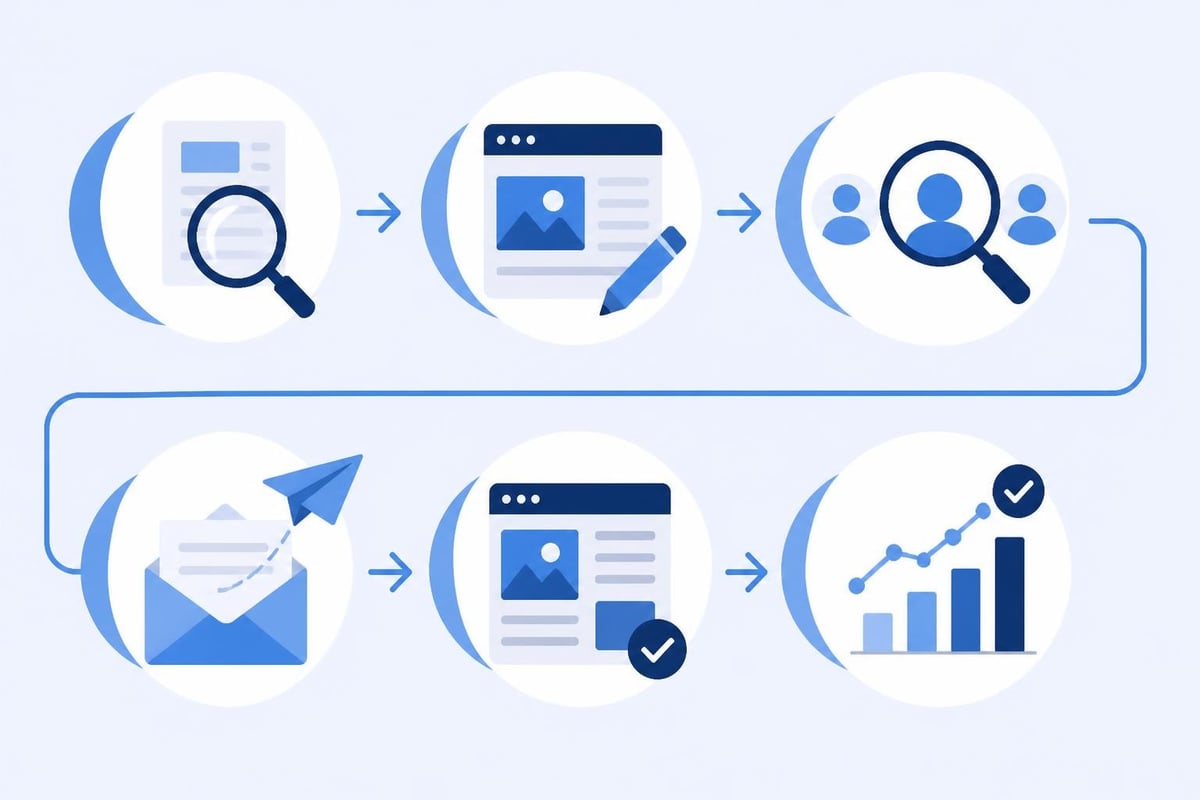
Successful link acquisition in 2026 combines traditional relationship-building with modern analytics and automation. The most effective strategies focus on creating genuine value for both linking partners and end users.
Content-Driven Link Acquisition
Creating exceptional content remains the foundation of sustainable google link building. However, the bar for "link-worthy" content has risen dramatically:
Research-backed assets that provide original data, industry surveys, or proprietary insights naturally attract backlinks from journalists, bloggers, and industry publications. Publishing comprehensive studies positions your brand as an authority while generating dozens or hundreds of organic backlinks.
Interactive tools and calculators offer practical value that encourages both usage and citation. When you solve specific problems for your target audience, sharing and linking follow naturally.
Visual content assets including infographics, charts, and data visualizations make complex information digestible and shareable. According to current link building best practices, visual content generates 40% more backlinks than text-only resources.
Strategic Partnership Development
Building relationships with complementary businesses creates opportunities for natural, high-value link exchanges:
| Partnership Type | Link Opportunity | Value Rating |
|---|---|---|
| Industry associations | Member directories, resource pages | High |
| Complementary services | Integration pages, case studies | Very High |
| Educational institutions | Research collaborations, toolkits | High |
| Media publications | Expert commentary, contributed articles | Very High |
The key is identifying partners whose audiences overlap with yours without direct competition. These relationships produce links that Google recognizes as editorially earned rather than manipulated.
Guest Contribution and Thought Leadership
Contributing expert insights to established publications builds both links and brand authority. The fundamentals of link building emphasize that contextual, editorially placed links from authoritative sources carry significantly more weight than directory listings or forum signatures.
When pursuing guest contributions:
- Research publications your target audience actually reads
- Pitch unique angles that haven't been covered extensively
- Provide genuine value rather than promotional content
- Include natural, contextual links that enhance the reader experience
- Build ongoing relationships rather than one-off placements
Technical Considerations for Link Building Success
Beyond acquisition strategies, technical implementation determines whether your google link building efforts translate into actual SEO gains. Proper link structure, tracking capabilities, and quality control processes separate successful campaigns from wasted effort.
Link Structure and Implementation
Every backlink you earn should be optimized for maximum SEO value:
- Use descriptive anchor text that naturally incorporates relevant keywords without over-optimization
- Ensure links point to relevant landing pages rather than always targeting the homepage
- Implement proper URL structures that are clean, readable, and permanent
- Verify crawlability through proper HTML implementation
Google's guidelines on link structure specify technical requirements that many marketers overlook. Links embedded in JavaScript, behind login walls, or implemented incorrectly may not pass authority effectively.
Advanced Link Tracking and Attribution
Understanding which backlinks drive actual business results requires sophisticated tracking infrastructure. Modern google link building campaigns benefit from:
- UTM parameter strategies that identify traffic sources accurately
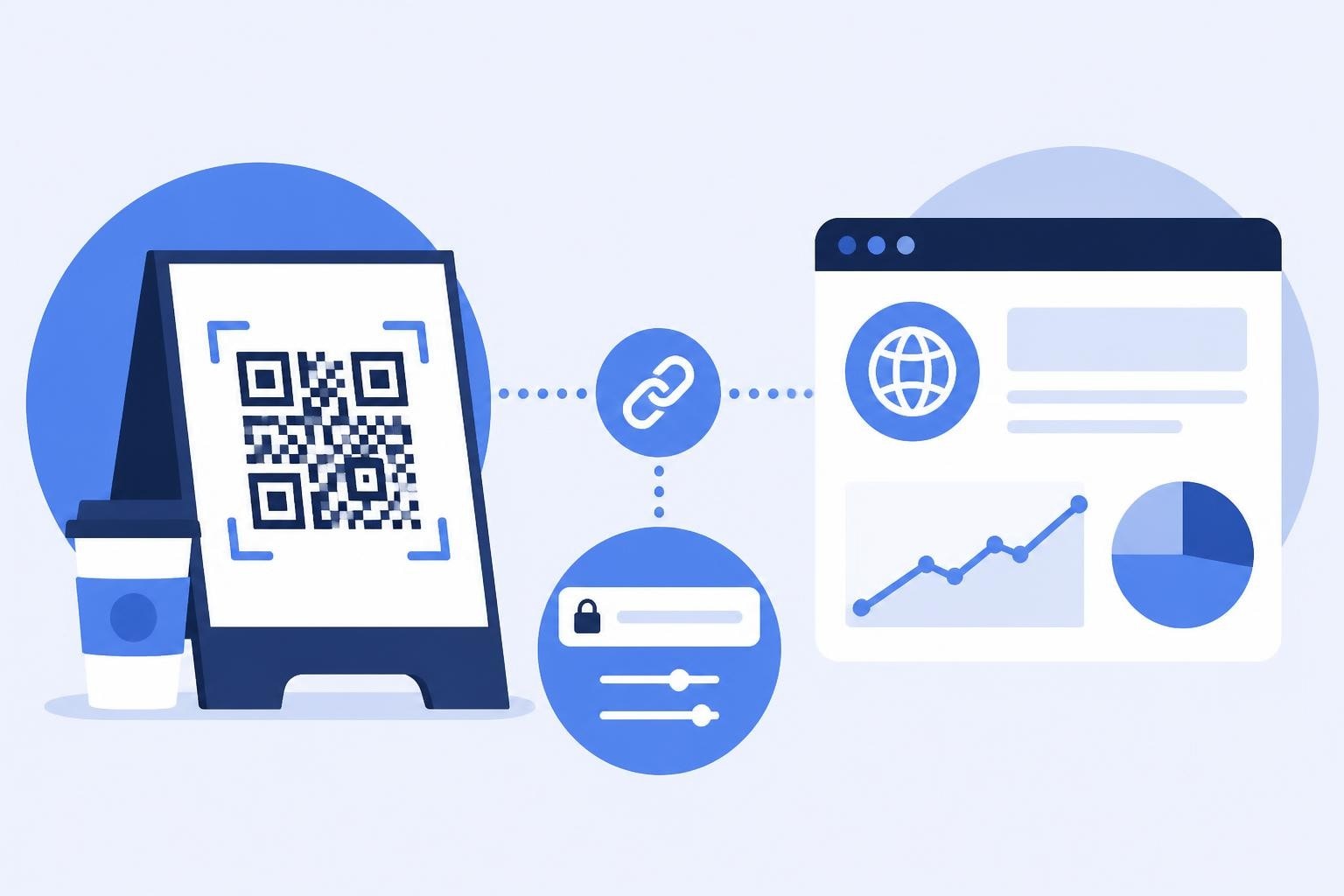
- Custom short URLs for tracking placement performance
- A/B testing capabilities to optimize landing pages for referral traffic
- Conversion attribution connecting links to revenue outcomes
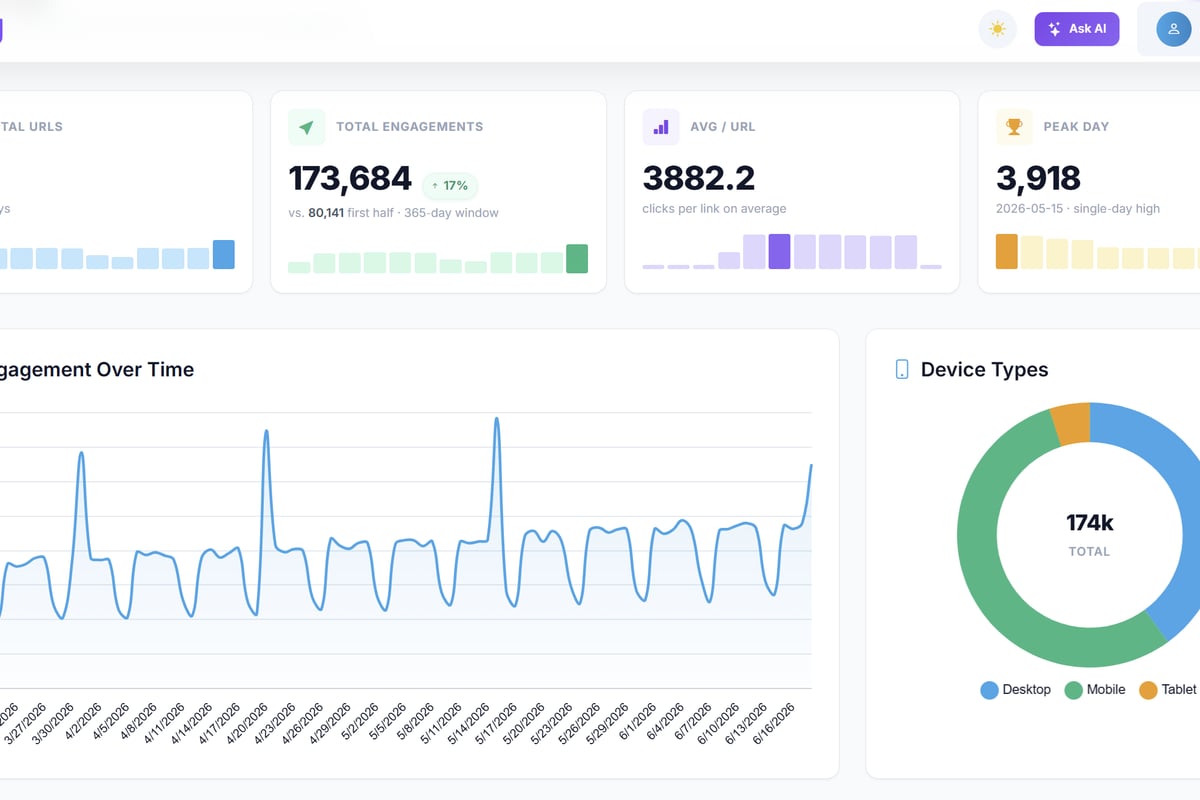
Platforms like Trimy enable marketers and developers to transform links into revenue signals by providing deep analytics, smart routing, and comprehensive tracking across all backlink sources. This intelligence helps teams focus resources on the highest-performing link opportunities while identifying underperforming placements.
Quality Control and Toxic Link Management
Not all backlinks improve your search rankings. Google penalizes certain linking practices, making quality control essential:
Regular link audits help identify potentially harmful backlinks from spammy directories, link farms, or irrelevant sources. While Google has become better at ignoring low-quality links, concentrated toxic backlink profiles can still trigger manual penalties.
Disavow file management provides a last resort for removing association with particularly problematic link sources. However, proactive quality control prevents most issues before they impact rankings.
Competitor analysis reveals both opportunities and threats. Understanding where competitors earn valuable backlinks identifies potential targets for your outreach while exposing negative SEO attacks that require defensive action.
Measuring Link Building Performance
Effective google link building requires rigorous measurement and continuous optimization. The metrics that matter have evolved beyond simple backlink counts to encompass business impact and user value.
Essential Link Building Metrics
| Metric Category | Key Indicators | Business Impact |
|---|---|---|
| Volume | Total backlinks, referring domains, new links per month | Brand reach and visibility |
| Quality | Domain authority, relevance scores, editorial placements | Search rankings and trust |
| Traffic | Referral visits, engagement rates, bounce rates | Audience acquisition |
| Conversions | Lead generation, sales, email signups | Revenue and ROI |
Modern marketers track the entire funnel from link placement through conversion. Current best practices in link building emphasize connecting backlink strategies directly to revenue outcomes rather than treating links as vanity metrics.
Attribution and ROI Calculation
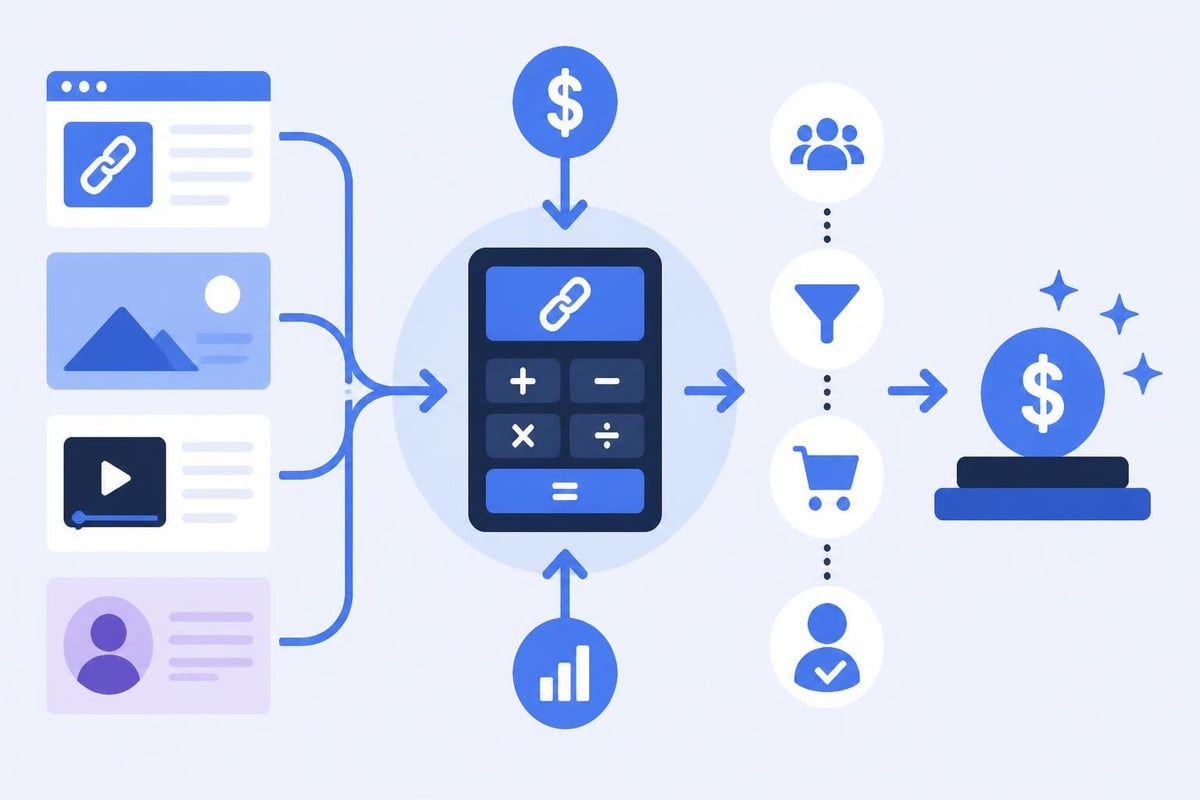
Calculating true google link building ROI requires understanding both direct and indirect value:
Direct value includes immediate conversions from referral traffic. When a backlink from an industry publication drives 100 visitors and converts five into customers, the attribution is straightforward.
Indirect value encompasses SEO improvements that increase organic traffic across all keywords. A high-authority backlink might not drive significant direct referral traffic but could improve rankings for dozens of terms, generating thousands of additional organic visits monthly.
Compound effects occur when link building enhances brand awareness, leading to increased branded search volume, direct traffic, and future linking opportunities. These secondary benefits often exceed primary gains but require longer measurement windows to quantify.
Competitive Benchmarking
Understanding your link profile relative to competitors provides context for goal setting:
- Analyze competitor backlink profiles to identify gaps and opportunities
- Track share of voice for key industry publications and resources
- Monitor ranking movements correlated with link acquisition
- Compare growth rates in referring domains and total backlinks
According to comprehensive link building guides, successful campaigns typically aim to match or exceed the link velocity of top-ranking competitors while maintaining higher quality standards.
Scaling Link Building Operations
As google link building proves effective, most organizations seek to scale their efforts. However, scaling requires systems, processes, and quality controls that prevent dilution of results.
Building Systematic Processes
Successful scaling begins with documented, repeatable workflows:
- Prospect identification systems that continuously surface high-value link opportunities
- Outreach templates and sequences that maintain personalization while enabling volume
- Content production pipelines that generate link-worthy assets consistently
- Relationship management databases tracking all partner interactions and placement status
- Quality assurance checkpoints ensuring every link meets minimum standards
The dos and don'ts of link building warn against sacrificing quality for quantity during scaling efforts. Automated outreach without personalization, mass directory submissions, and link exchanges all represent shortcuts that undermine long-term success.
Team Structure and Responsibilities
Effective google link building typically requires multiple specialized roles:
- Content strategists who identify link-worthy topics and formats
- Outreach specialists who build relationships and secure placements
- Technical SEO experts who ensure proper implementation and tracking
- Data analysts who measure performance and identify optimization opportunities
- Project managers who coordinate efforts and maintain quality standards
Smaller teams may combine roles, but separating content creation from outreach and technical implementation typically improves efficiency and results.
Technology Stack Considerations
Modern link building operations leverage multiple tools and platforms:
Backlink analysis tools provide intelligence on existing link profiles, competitor strategies, and prospecting opportunities. These platforms reveal where competitors earn links and help prioritize outreach targets.
Outreach management systems streamline communication tracking, follow-up sequences, and relationship documentation. Scaling beyond a few dozen monthly outreach contacts requires systematic tracking.
Link tracking and analytics platforms measure the performance of earned backlinks across traffic, engagement, and conversion metrics. Understanding which placements drive actual business value enables data-driven prioritization.
Content management and collaboration tools coordinate the creation of link-worthy assets across distributed teams while maintaining quality and brand consistency.
Future-Proofing Your Link Building Strategy
Google's algorithms continue evolving, with increasing emphasis on user experience, E-E-A-T (Experience, Expertise, Authoritativeness, Trustworthiness), and genuine value creation. Future-proof google link building strategies focus on fundamentals that remain valuable regardless of algorithmic changes.
Emphasis on Genuine Value Creation
The most sustainable approach centers on creating resources, tools, and content that genuinely help your target audience. When you solve real problems, linking happens naturally. Publications cite useful research. Users share helpful tools. Partners reference valuable resources.
This value-first approach requires deeper investment per asset but generates compounding returns. A comprehensive industry study might require months of research and thousands of dollars in investment, but it can generate hundreds of backlinks over multiple years while positioning your brand as an industry authority.
Building for Multi-Channel Impact
The most effective link building assets serve multiple marketing objectives:
- SEO value through earned backlinks and improved rankings
- Direct traffic from users discovering and sharing the resource
- Lead generation through gated content or email capture
- Sales enablement providing proof points and trust signals
- PR opportunities generating media coverage and brand awareness
This multi-channel approach justifies larger investments in individual assets while reducing reliance on any single channel for ROI.
Adaptive Strategy and Continuous Learning
The google link building landscape shifts constantly with algorithm updates, competitor actions, and industry evolution. Successful organizations build learning into their processes:
- Regularly review performance data to identify trends and shifts
- Test new acquisition strategies on a small scale before broad implementation
- Monitor algorithm updates and adjust tactics accordingly
- Track competitor movements and emerging opportunities
- Invest in ongoing education and skill development
According to current SEO and link building practices, adaptability and continuous improvement separate consistently successful campaigns from those that plateau or decline.
Mastering google link building in 2026 requires combining proven relationship-building fundamentals with modern analytics, tracking, and optimization capabilities. Success depends on creating genuine value, implementing proper technical infrastructure, and measuring what matters to your business. Trimy helps marketers and developers transform their link building efforts into measurable revenue signals through advanced analytics, A/B testing, and comprehensive tracking-giving you the intelligence needed to optimize every backlink for maximum impact.