Lead Generation Digital Marketing Guide for 2026
Lead generation digital marketing has evolved from simple contact forms and email signups into a sophisticated ecosystem of touchpoints, data intelligence, and personalized engagement strategies. For businesses managing complex marketing campaigns, understanding how every interaction contributes to lead capture can mean the difference between wasted ad spend and predictable revenue growth. Today's marketing teams need to track not just who clicked, but what drove that click, where they went next, and which signals indicate genuine buying intent versus casual browsing.
Understanding Lead Generation Digital Marketing Fundamentals
Lead generation digital marketing refers to the systematic process of attracting, capturing, and qualifying potential customers through online channels. Unlike traditional marketing that casts a wide net, digital lead generation focuses on identifying prospects with genuine interest and collecting their information for ongoing engagement.
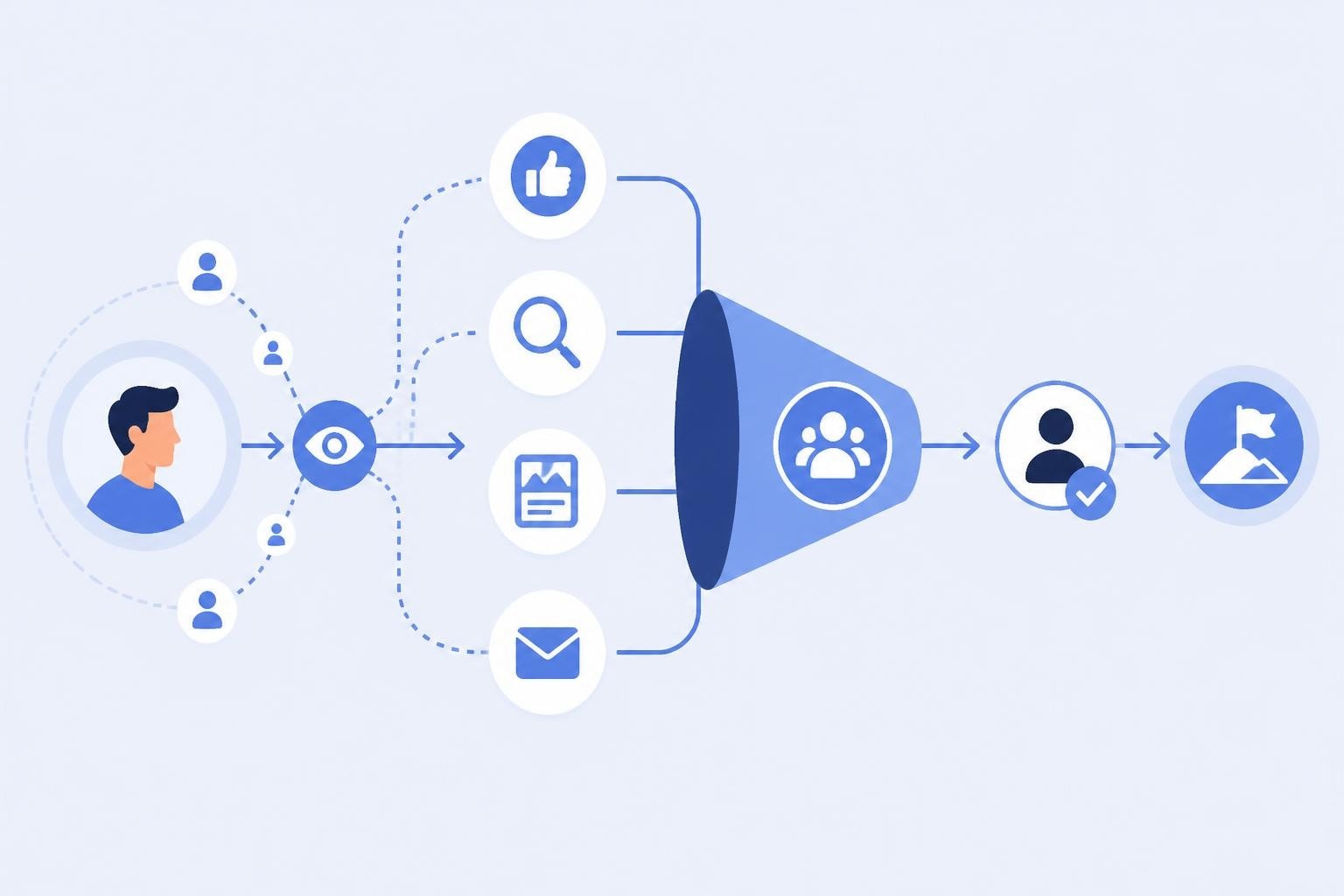
The core components include traffic generation, conversion mechanisms, lead scoring, and nurturing workflows. Each element requires careful coordination to transform anonymous visitors into known prospects, then guide them toward purchase readiness. Modern approaches integrate multiple channels seamlessly, creating consistent experiences whether prospects arrive via search, social media, paid ads, or referral links.
Key Differences Between Traditional and Digital Lead Generation
Traditional lead generation relied heavily on trade shows, cold calling, direct mail, and broad advertising campaigns. Results were difficult to measure, attribution was nearly impossible, and costs per lead remained high. Digital methods provide granular tracking, real-time optimization, and precise cost-per-acquisition metrics.
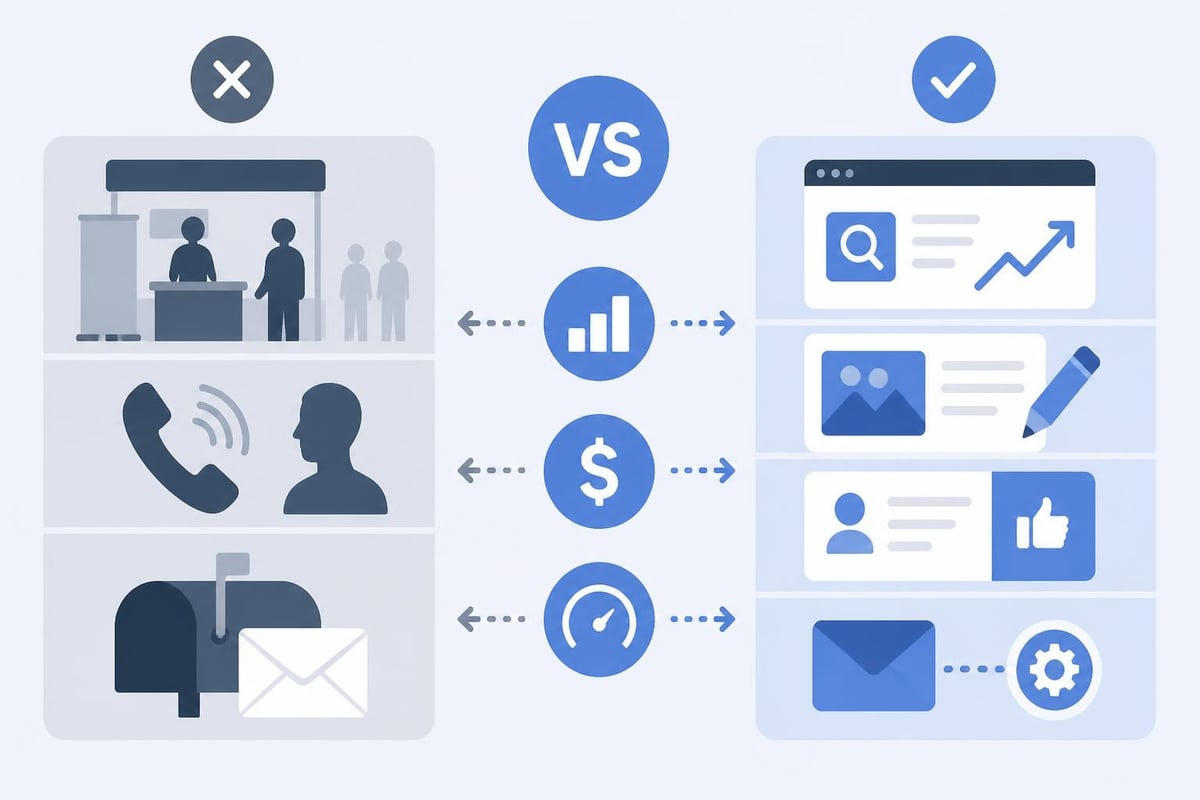
Digital advantages include:
- Real-time performance data and attribution tracking
- Lower cost per lead through targeted audience segmentation
- Automated nurturing sequences based on behavioral triggers
- A/B testing capabilities for continuous improvement
- Multi-touch attribution across the entire customer journey
The shift toward digital channels accelerated dramatically over recent years, with B2B organizations now allocating over 50% of marketing budgets to digital tactics according to Content Marketing Institute research. This investment reflects the measurable returns and scalability that digital channels provide.
Building an Effective Lead Generation Funnel
A well-structured funnel guides prospects through awareness, consideration, and decision stages with tailored content and offers at each phase. The lead generation funnel serves as the strategic framework for all campaign activities, ensuring resources align with prospect readiness.
Top of Funnel: Awareness Stage
At this stage, prospects may not know they have a problem or that your solution exists. Content should educate, inform, and establish authority without aggressive selling.
Effective top-of-funnel tactics:
- SEO-optimized blog content targeting informational queries
- Social media engagement and thought leadership posts
- Educational videos and webinars
- Infographics and research reports
- Podcast appearances and guest contributions
Traffic generation at this stage focuses on volume and reach. The goal is maximum visibility among your target audience, introducing your brand as a trusted resource. Smart marketers track not just traffic volume but engagement metrics like time on page, scroll depth, and content sharing rates.
Middle of Funnel: Consideration Phase
Prospects in this phase understand their challenge and are evaluating potential solutions. They need comparison content, case studies, and detailed feature information to narrow their options.
| Middle Funnel Content Type | Purpose | Common Formats |
|---|---|---|
| Product comparisons | Help prospects evaluate alternatives | Blog posts, comparison charts |
| Case studies | Demonstrate real-world results | PDF downloads, video testimonials |
| Webinars | Deep-dive education and Q&A | Live sessions, on-demand recordings |
| Email courses | Multi-touch education sequences | Automated email series |
| ROI calculators | Quantify potential value | Interactive tools |
The consideration phase is where lead generation digital marketing truly differentiates quality prospects from casual browsers. Gated content offers like comprehensive guides or exclusive research capture contact information while delivering genuine value. This exchange establishes trust and provides the data needed for personalized follow-up.
Bottom of Funnel: Decision Stage
Decision-stage prospects are ready to choose a vendor. Content should remove final objections, demonstrate unique value, and make the buying process straightforward.
Bottom-funnel conversion tactics include:
- Free trials or product demos
- Personalized consultations and needs assessments
- Detailed pricing information and package comparisons
- Implementation roadmaps and onboarding previews
- Limited-time offers or incentives
This stage demands tight coordination between marketing and sales teams. Lead scoring models identify when prospects reach purchase-readiness thresholds, triggering immediate sales outreach. The handoff quality determines conversion rates more than any other factor.
Core Digital Channels for Lead Generation
Successful lead generation digital marketing campaigns leverage multiple channels in coordinated ways, creating numerous touchpoints that reinforce messaging and build familiarity.
Search Engine Marketing and SEO
Organic and paid search capture high-intent prospects actively seeking solutions. Inbound lead generation strategies built around search provide some of the highest-quality leads because prospects initiate contact when they need help.
SEO tactics for lead generation:
- Keyword research targeting buyer-intent phrases
- Landing page optimization for conversion
- Content clusters addressing complete topic areas
- Technical SEO ensuring crawlability and speed
- Local SEO for geography-specific targeting
Paid search through Google Ads or Microsoft Advertising delivers immediate visibility while organic efforts mature. Both require ongoing optimization, with data from paid campaigns often informing organic content strategies.
Content Marketing and Lead Magnets
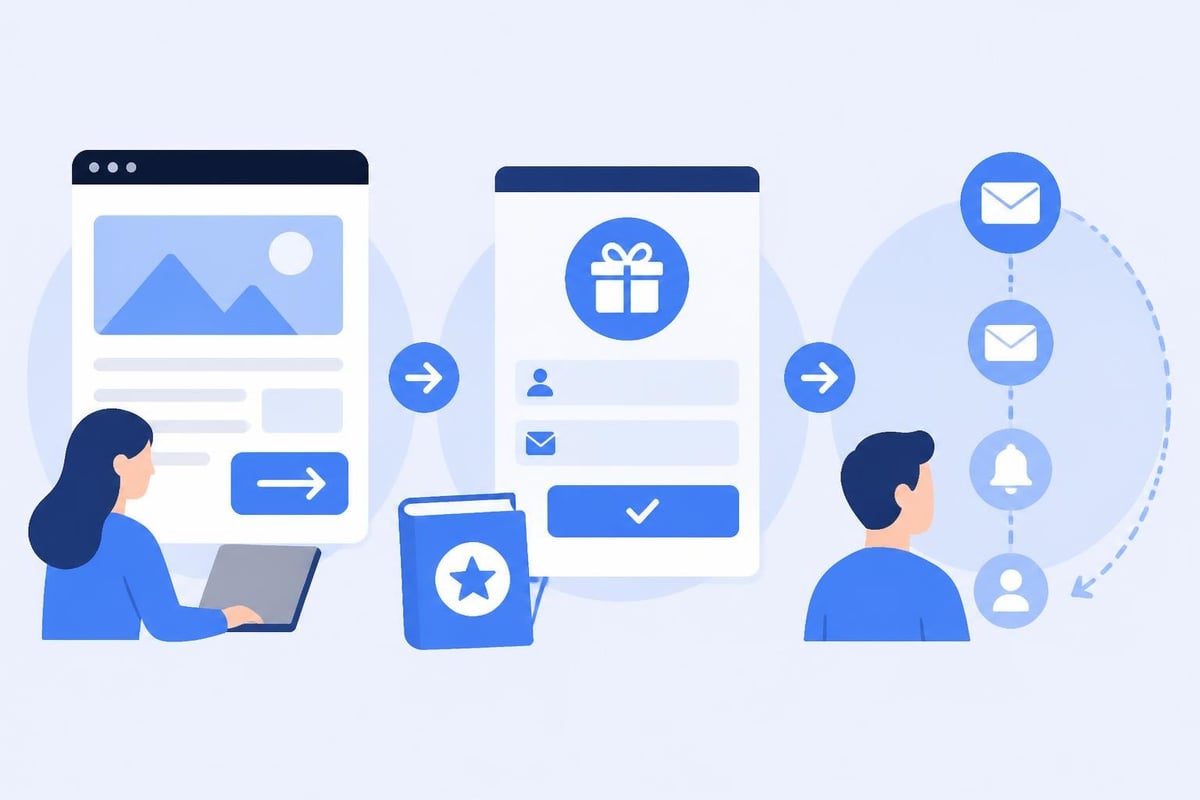
Content marketing establishes expertise while attracting prospects through valuable information. Lead magnets convert content consumers into known prospects by offering premium resources in exchange for contact details.
High-performing lead magnets solve specific problems immediately. Templates, checklists, calculators, and exclusive research perform well because they deliver quick wins. The perceived value must justify the privacy cost of sharing email addresses and other information.
Distribution channels matter as much as content quality. Repurposing core content across multiple formats (blog posts, videos, infographics, podcasts) maximizes reach and accommodates different consumption preferences.
Social Media Lead Generation
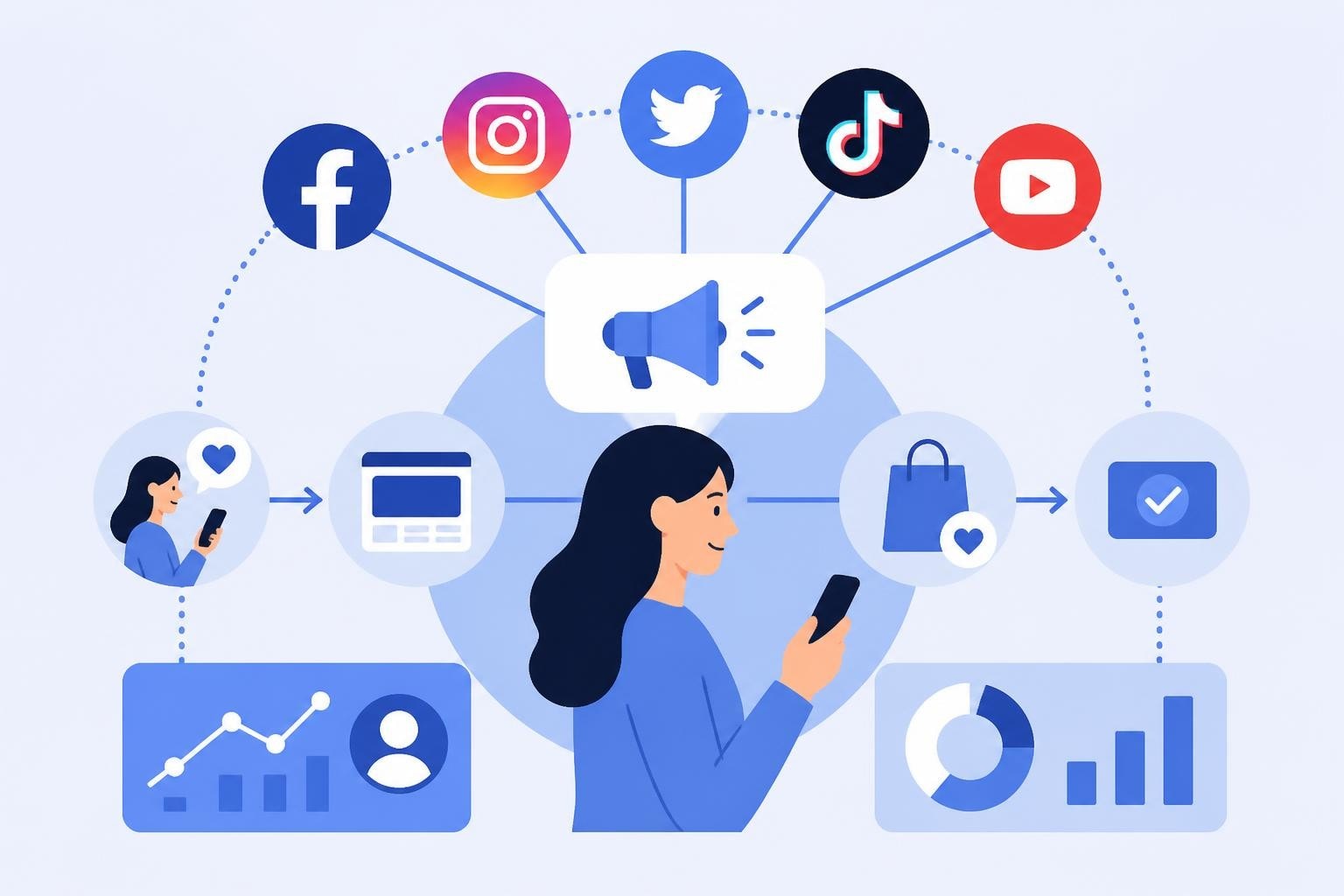
Social platforms offer both organic community building and paid advertising opportunities. LinkedIn remains the dominant B2B lead generation platform, while Facebook, Instagram, and Twitter serve different audience segments and use cases.
Platform-specific strategies:
- LinkedIn: Thought leadership content, Sales Navigator outreach, sponsored InMail campaigns, lead gen forms
- Facebook: Community groups, retargeting campaigns, lead ads with pre-filled forms
- Twitter: Real-time engagement, Twitter chats, promoted tweets to target audiences
- Instagram: Visual storytelling, Stories swipe-up links (for eligible accounts), influencer partnerships
Native lead capture forms on platforms like LinkedIn and Facebook reduce friction by pre-populating user information, significantly improving conversion rates compared to external landing pages. According to Forbes Agency Council insights, platform-native formats now outperform traditional landing pages for cold audience campaigns.
Email Marketing and Automation
Email remains one of the highest-ROI digital marketing channels for both lead generation and nurturing. Automated sequences triggered by specific behaviors maintain engagement without manual effort.
Segmentation transforms generic broadcasts into personalized conversations. Variables like industry, company size, content consumption history, and engagement level enable tailored messaging that addresses specific pain points and objections.
Email campaign types for lead generation:
- Welcome series introducing new subscribers to your brand
- Educational drip campaigns delivering sequential value
- Re-engagement campaigns activating dormant contacts
- Event promotion sequences driving webinar registrations
- Lead nurturing workflows moving prospects through the funnel
Behavioral triggers create timely, relevant interactions. When a prospect downloads a case study, visits pricing pages repeatedly, or engages with product comparison content, automated workflows deliver appropriate follow-up without delay.
Optimizing Campaign Performance Through Link Intelligence
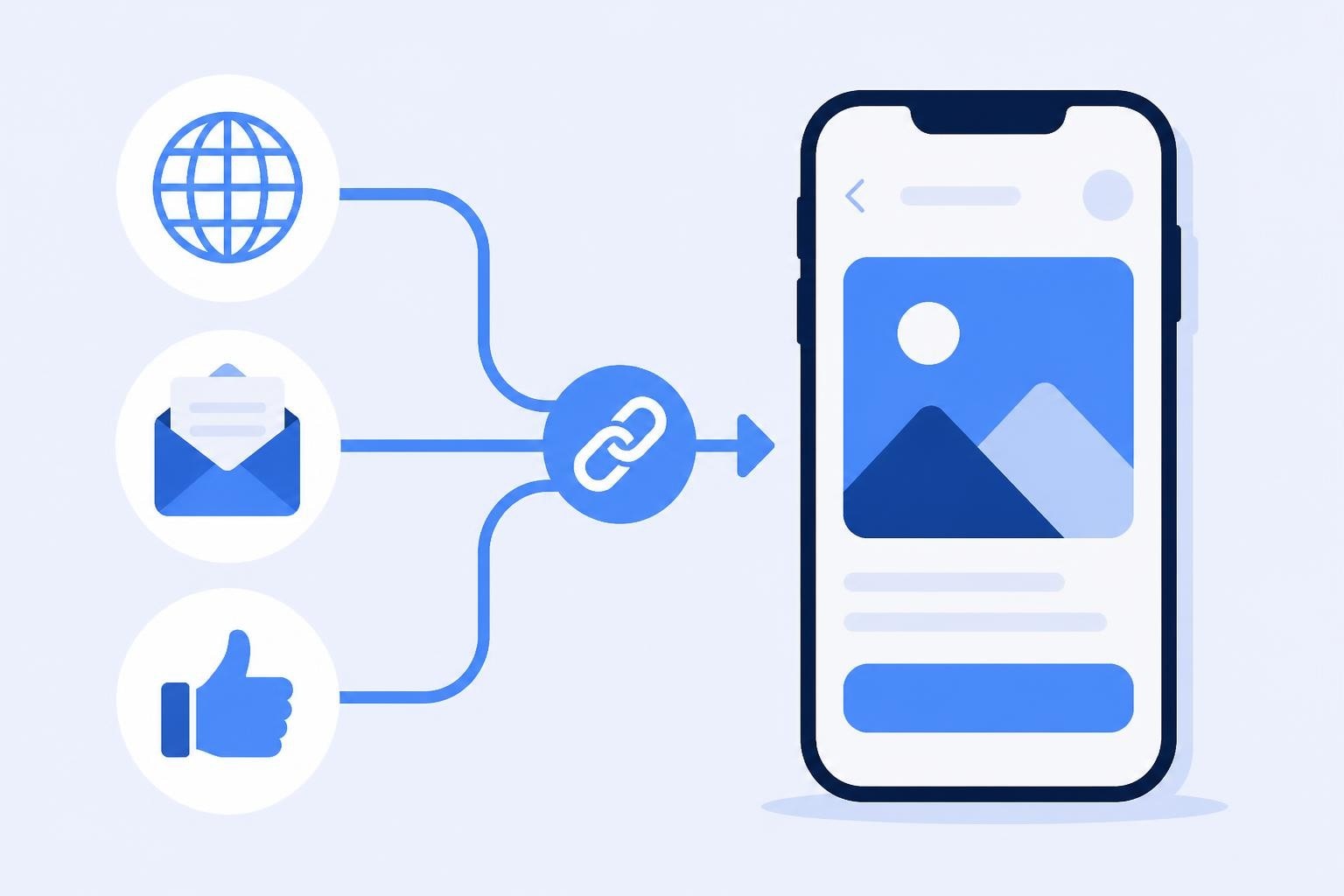
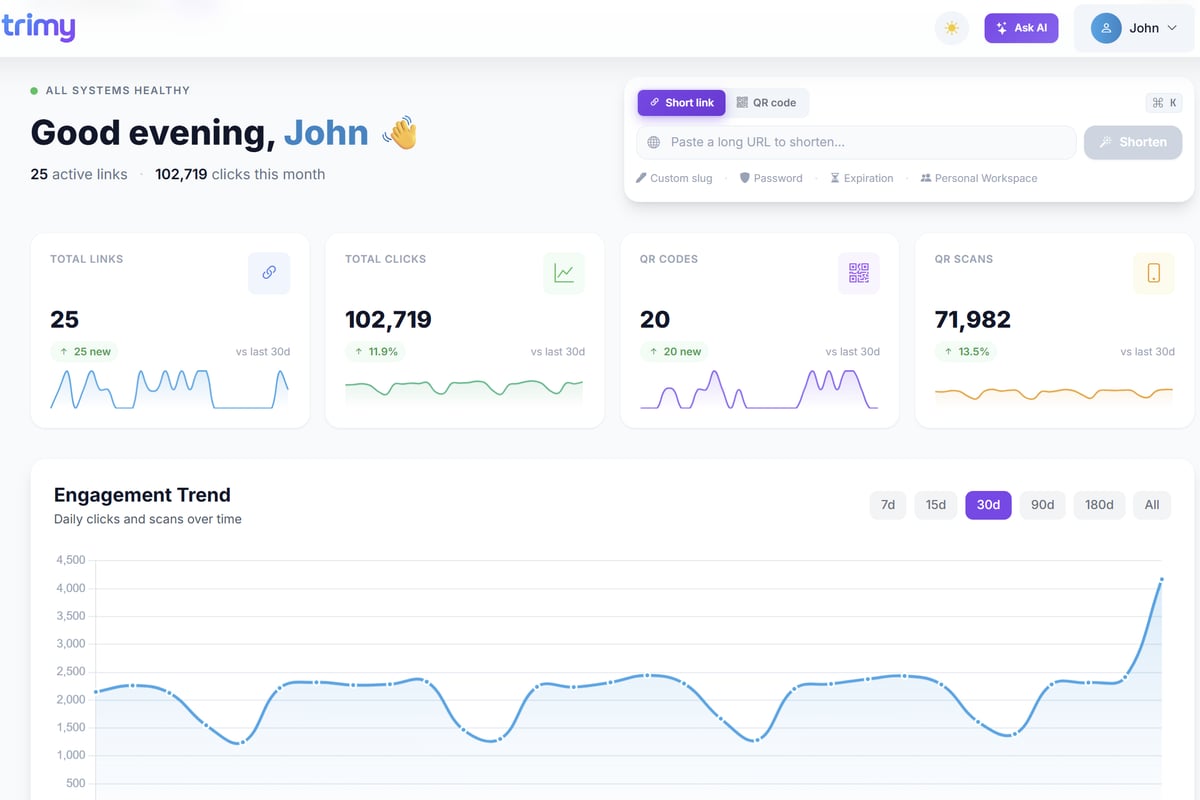
For businesses running multi-channel lead generation digital marketing campaigns, understanding what happens after the click is as important as driving the click itself. When prospects click through from email, social media, or paid ads, the destination and subsequent journey determine conversion success.
Trimy enables marketers to transform every campaign link into a data collection point, capturing insights about traffic sources, device types, geographic locations, and behavioral patterns. The platform's A/B testing capabilities let teams compare different landing pages, offers, or messaging variations to systematically improve conversion rates. Smart routing functionality can direct prospects to personalized experiences based on their source, previous interactions, or segment characteristics.
Attribution and Multi-Touch Tracking
Understanding which touchpoints contribute to lead generation requires sophisticated attribution modeling. First-touch models credit the initial interaction, last-touch attributes success to the final conversion point, and multi-touch approaches distribute credit across the journey.
UTM parameters embedded in campaign links enable tracking across channels and campaigns. Consistent naming conventions and parameter structures are essential for accurate reporting and analysis. Many teams struggle with UTM management as campaign complexity grows, leading to data inconsistencies and attribution gaps.
Critical UTM parameters include:
- utm_source: Identifies the traffic source (google, newsletter, linkedin)
- utm_medium: Specifies the marketing medium (cpc, email, social)
- utm_campaign: Names the specific campaign (spring_promo, webinar_2026_q2)
- utm_term: Tracks paid search keywords (optional)
- utm_content: Differentiates ad variations or link placements (optional)
Link management platforms centralize UTM creation, ensure consistency, and provide aggregated analytics across all campaigns. This centralization eliminates the manual spreadsheet tracking that creates errors and slows decision-making.
Conversion Rate Optimization Tactics
Even small improvements in conversion rates compound dramatically across large traffic volumes. A landing page converting at 3% instead of 2% generates 50% more leads from the same traffic investment.
| Optimization Element | Typical Impact | Testing Priority |
|---|---|---|
| Headline clarity | 20-40% lift | High |
| CTA button text/color | 10-25% lift | High |
| Form field reduction | 15-30% lift | High |
| Social proof placement | 10-20% lift | Medium |
| Page load speed | 5-15% lift | Medium |
| Above-fold content | 15-35% lift | High |
Systematic testing requires discipline and statistical rigor. Running tests to significance prevents false conclusions from random variation. Most landing page tools provide built-in statistical calculators to determine when results are reliable.
Measuring Lead Generation Success
What gets measured gets improved. Comprehensive lead generation digital marketing programs track metrics across acquisition, conversion, and revenue stages.
Acquisition Metrics
These measure the effectiveness of traffic generation efforts:
- Traffic volume by channel and campaign
- Cost per click (CPC) for paid campaigns
- Organic search rankings for target keywords
- Social engagement rates (likes, shares, comments)
- Email open and click-through rates
Acquisition metrics indicate reach and initial interest. High traffic with low conversion suggests audience targeting or messaging alignment issues. Low traffic with high conversion indicates a channel worth expanding.
Conversion and Lead Quality Metrics
These assess how effectively you capture and qualify leads:
- Conversion rate (leads divided by visitors)
- Cost per lead (CPL) across channels
- Lead quality score based on fit and engagement
- Form completion rate (starts versus submits)
- Time to conversion from first touch
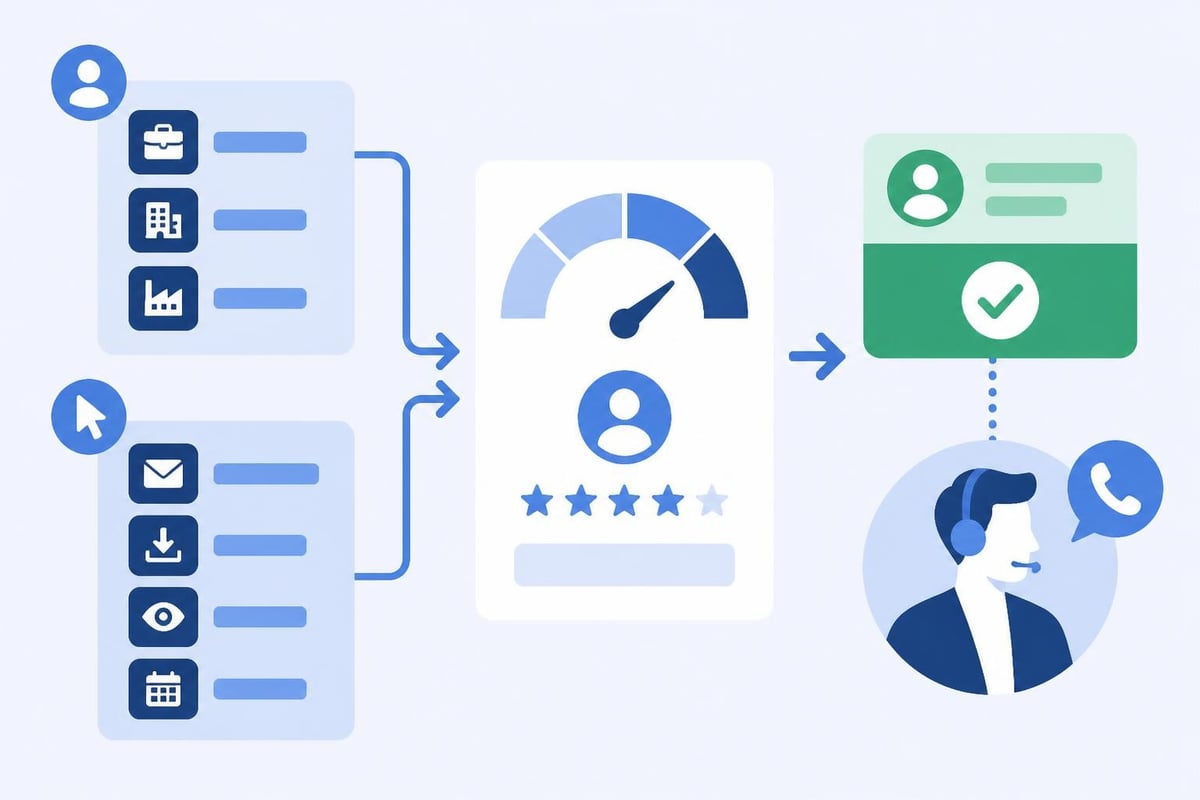
Not all leads have equal value. A low CPL means little if leads rarely convert to customers. Lead scoring models assign point values based on demographic fit (company size, industry, role) and behavioral signals (content consumed, website visits, email engagement).
Revenue Impact Metrics
Ultimate success is measured by pipeline contribution and revenue generation:
- Lead-to-opportunity rate (marketing qualified leads converting to sales opportunities)
- Opportunity-to-customer rate (close rate for marketing-sourced leads)
- Customer acquisition cost (CAC) including all marketing spend
- Marketing-influenced revenue tracked through attribution
- Return on marketing investment (ROMI) comparing revenue to spend
These metrics require tight CRM integration and agreement between marketing and sales on definitions. A marketing qualified lead (MQL) might meet specific scoring criteria, while a sales qualified lead (SQL) has been vetted by sales development representatives.
Advanced Tactics for 2026 and Beyond
Lead generation digital marketing continues evolving as technology advances and buyer behaviors shift. Staying ahead requires experimentation with emerging tactics while maintaining focus on fundamentals.
Conversational Marketing and Chatbots
Real-time chat functionality on websites captures prospects while interest peaks. AI-powered chatbots qualify visitors through conversational questioning, route qualified prospects to sales, and schedule meetings automatically.
Modern chatbots integrate with CRM systems, access customer data for personalization, and hand off complex conversations to human agents seamlessly. Implementation requires careful script design to balance helpfulness with efficiency.
Account-Based Marketing (ABM) Approaches
Rather than broad lead generation, ABM targets specific high-value accounts with personalized campaigns. Marketing and sales collaborate to identify target accounts, research key stakeholders, and create customized content and outreach.
ABM execution steps:
- Identify and prioritize target accounts based on ideal customer profiles
- Research account structure, challenges, and key decision-makers
- Develop account-specific content and messaging
- Orchestrate multi-channel touchpoints (email, ads, direct mail, events)
- Track account-level engagement and coordinate sales outreach
ABM works best for organizations with clear ideal customer profiles, longer sales cycles, and higher contract values. The personalization effort requires significant resources but delivers substantially higher conversion rates than broad campaigns.
Video Marketing and Interactive Content
Video content continues growing in importance for lead generation. Product demos, customer testimonials, educational series, and thought leadership interviews engage prospects more effectively than text alone.
Interactive content like assessments, configurators, ROI calculators, and quizzes increase engagement time and provide valuable data about prospect needs and preferences. Each interaction reveals preferences that inform follow-up messaging and offers.
Modern video platforms provide detailed engagement analytics showing exactly where viewers drop off, replay sections, or engage with CTAs. These insights guide content optimization and help identify high-intent prospects based on viewing behavior.
Privacy-First Lead Generation
Increasing privacy regulations and third-party cookie deprecation are reshaping digital marketing tactics. First-party data collection through direct relationships becomes more valuable as tracking-based targeting becomes limited.
Privacy-compliant strategies include:
- Building owned email lists and communities
- Creating value exchanges that justify data sharing
- Implementing clear consent mechanisms and preference centers
- Developing contextual targeting based on content rather than tracking
- Investing in customer data platforms (CDPs) that unify first-party data
Transparency about data usage builds trust. Clear privacy policies, easy opt-out mechanisms, and demonstrated data protection practices differentiate brands in an era of increased consumer privacy awareness.
Integration and Technology Stack Considerations
Effective lead generation digital marketing requires integrated technology that connects campaign execution, data collection, lead management, and analysis.
Essential Platform Categories
Core systems include:
- Marketing automation platforms (HubSpot, Marketo, Pardot) for email campaigns, lead scoring, and workflows
- CRM systems (Salesforce, Microsoft Dynamics, Pipedrive) for lead management and sales process tracking
- Landing page builders (Unbounce, Instapage, Leadpages) for conversion-optimized destination pages
- Analytics platforms (Google Analytics, Adobe Analytics) for traffic and behavior analysis
- Link management solutions for campaign tracking and attribution
Integration quality determines whether your stack enables seamless workflows or creates data silos. APIs connecting platforms ensure lead data flows automatically from capture through conversion without manual exports and imports.
Data Quality and Enrichment
Lead data degrades over time as people change roles, companies evolve, and contact information becomes outdated. Data enrichment services append additional firmographic and demographic information to basic contact details.
Regular data hygiene practices include duplicate detection and merging, validation of email addresses and phone numbers, updating outdated company information, and removing inactive or unqualified records. Clean data improves targeting precision and campaign performance while reducing wasted outreach efforts.
Successful lead generation digital marketing in 2026 requires coordinated multi-channel strategies, continuous optimization based on data insights, and technology integration that connects every touchpoint. The complexity of modern campaigns demands tools that provide visibility into what's working, where prospects are coming from, and which paths lead to conversion. Trimy helps marketing teams transform their campaign links into intelligence assets, providing the attribution clarity and testing capabilities needed to systematically improve lead generation performance while maintaining full control over traffic data and routing.