Marketing Automation Agency: Strategy & Selection Guide

Businesses today face mounting pressure to deliver personalized experiences at scale while maximizing ROI from every marketing dollar. A marketing automation agency specializes in designing, implementing, and optimizing automated marketing systems that transform how companies engage prospects and customers. These specialized partners bring technical expertise, strategic insight, and proven playbooks to help organizations leverage automation platforms effectively. As marketing technology stacks grow increasingly complex, the guidance of an experienced agency can mean the difference between automation that drives revenue and tools that simply add overhead.
Understanding the Marketing Automation Agency Landscape
The marketing automation agency sector has evolved dramatically over the past decade. What began as simple email automation has expanded into sophisticated ecosystems encompassing lead scoring, behavioral triggers, multi-channel orchestration, and predictive analytics.
Today's marketing automation agency partners serve diverse client needs across industries. Some specialize in specific platforms like Marketo, HubSpot, or Pardot, while others maintain platform-agnostic expertise. According to Ascend2's 2024 State of Marketing Automation survey, lead nurturing, email marketing, and customer retention remain the top use cases driving agency engagements.
Core Services Marketing Automation Agencies Provide
Modern agencies deliver comprehensive services that extend well beyond platform setup:
- Strategy development and workflow mapping to align automation with business objectives
- Platform selection and implementation based on technical requirements and budget
- Campaign architecture and build including segmentation logic and trigger configurations
- Integration services connecting CRM, analytics, content management, and data sources
- Testing and optimization programs to improve conversion rates and engagement metrics
- Training and enablement to build internal team capabilities
- Ongoing management and refinement as campaigns mature and goals evolve
The strongest agencies don't just execute tactics. They serve as strategic partners who understand how automation fits within broader marketing and revenue operations.

Strategic Value a Marketing Automation Agency Delivers
Organizations invest in agency partnerships for several compelling reasons. First, expertise acceleration matters tremendously. Building in-house capabilities requires time, hiring, training, and inevitable learning curves. A specialized agency brings battle-tested knowledge from dozens or hundreds of implementations.
Second, agencies provide objective perspective. Internal teams often struggle with organizational politics, legacy processes, and "we've always done it this way" thinking. External partners challenge assumptions and introduce best practices from across industries.
Measuring Agency Impact on Business Outcomes
Smart businesses evaluate agency performance through concrete metrics:
| Metric Category | Key Performance Indicators | Typical Impact Timeline |
|---|---|---|
| Lead Generation | MQL volume, cost per lead, conversion rates | 3-6 months |
| Sales Enablement | Lead scoring accuracy, sales accepted leads, pipeline velocity | 4-9 months |
| Customer Retention | Engagement rates, churn reduction, lifetime value | 6-12 months |
| Operational Efficiency | Time saved, cost reduction, campaign throughput | 2-4 months |
Research from Deloitte Digital highlights how marketing content automation transforms production workflows, with leading organizations reporting 40-60% increases in content output while maintaining or improving quality.
A capable marketing automation agency establishes clear baselines before implementation and tracks progress through regular reporting cadences. This data-driven approach ensures accountability and enables continuous refinement.
Selecting the Right Marketing Automation Agency Partner
Choosing an agency partner requires thorough evaluation across multiple dimensions. Not all agencies possess equal capabilities, and the wrong choice can result in wasted investment and missed opportunities.
Critical Evaluation Criteria
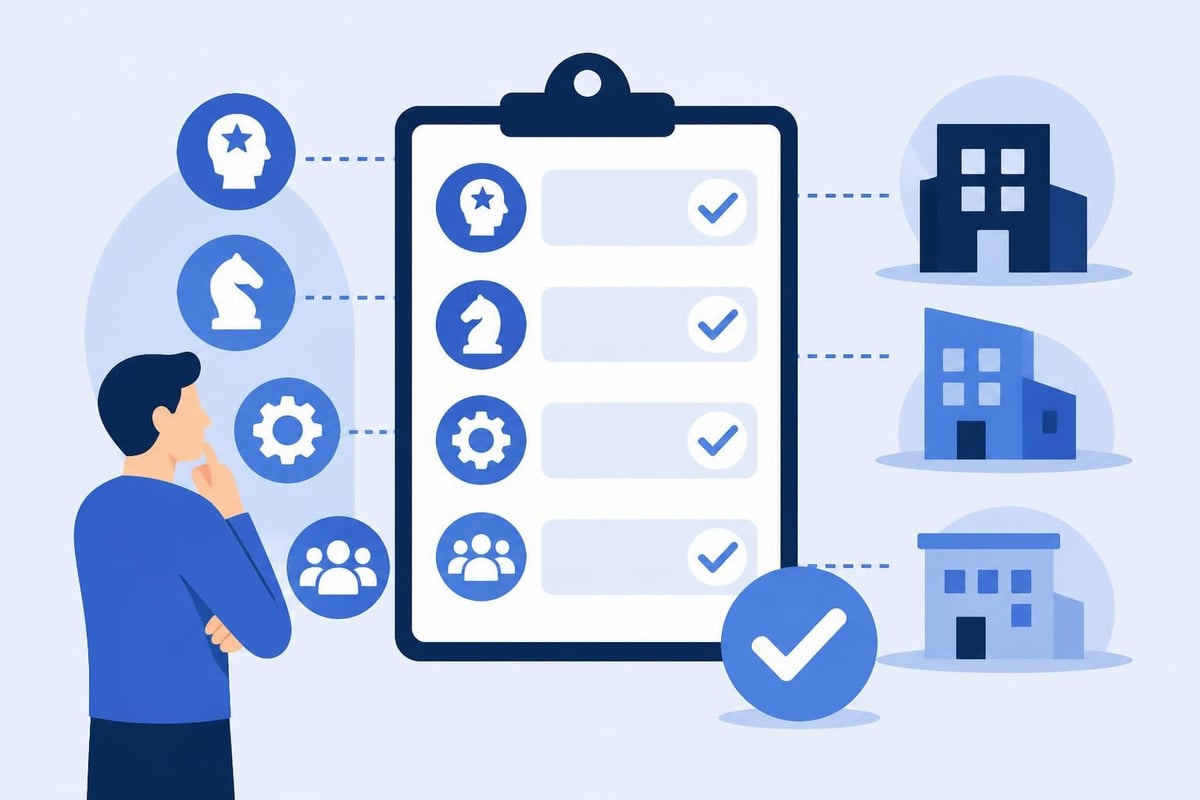
Platform expertise and certifications matter significantly. Verify that agencies hold current certifications for the platforms you're using or considering. Ask about the number of implementations completed and request case studies from similar industries or company sizes.
Strategic depth versus tactical execution separates exceptional agencies from order-takers. During evaluation conversations, assess whether the agency asks probing questions about your business model, customer journey, and growth objectives. The best partners challenge your assumptions and offer strategic recommendations before discussing technical implementation.
Integration capabilities prove essential in complex marketing ecosystems. Your automation platform must connect seamlessly with CRM systems, analytics tools, content platforms, and revenue tracking. Ask specifically about integration experience and technical architecture expertise.
Cultural fit and communication style influence long-term partnership success. Marketing automation requires ongoing collaboration, iteration, and problem-solving. Evaluate whether the agency's working style, responsiveness, and communication preferences align with your organization's culture.
The evaluation process should include reference checks with current and former clients. Ask references about responsiveness, problem-solving ability, strategic contributions, and results achieved.
Implementation Approaches and Best Practices
Successful marketing automation deployments follow structured methodologies that balance quick wins with long-term platform maturity. A professional marketing automation agency brings proven frameworks to guide this journey.
Phased Implementation Methodology
Most effective implementations follow a crawl-walk-run approach:
- Foundation phase: Platform setup, data migration, basic segmentation, and initial campaign builds
- Expansion phase: Advanced workflows, behavioral triggers, lead scoring, and multi-channel coordination
- Optimization phase: A/B testing, predictive analytics, AI-enhanced personalization, and revenue attribution
- Scale phase: Complex journey orchestration, account-based marketing automation, and cross-functional integration
This phased approach delivers value quickly while building toward sophisticated capabilities. According to TechTarget's marketing automation best practices, starting with clearly defined objectives and measurable goals increases success rates significantly.
Common Implementation Pitfalls to Avoid
Even with agency support, organizations encounter predictable challenges:
- Data quality issues that undermine segmentation and personalization efforts
- Overly complex initial campaigns that delay launch and frustrate stakeholders
- Insufficient stakeholder alignment creating conflicting requirements and priorities
- Neglecting mobile experience despite mobile's dominance in email consumption
- Automation without strategy leading to spam-like communications that damage brand perception
A skilled marketing automation agency anticipates these challenges and implements safeguards. This includes data cleansing protocols, stakeholder workshops, mobile-first design standards, and rigorous testing procedures.
Advanced Capabilities and Emerging Trends
The marketing automation landscape continues evolving rapidly. Forward-thinking agencies stay ahead of trends and help clients capitalize on emerging capabilities.
Artificial Intelligence and Machine Learning Integration
AI-powered features now enable unprecedented personalization and optimization. Modern platforms leverage machine learning for:
- Predictive lead scoring that identifies high-value prospects with greater accuracy
- Send-time optimization that delivers messages when individual recipients most likely engage
- Content recommendations that personalize messaging based on behavioral patterns
- Churn prediction that triggers retention campaigns before customers disengage
However, Harvard Business Review's research on personalization emphasizes that technology alone doesn't create meaningful experiences. Strategic thinking about customer needs, privacy considerations, and authentic value exchange remains essential.
Account-Based Marketing Automation
B2B organizations increasingly adopt account-based marketing approaches that require sophisticated automation capabilities. Marketing automation agencies now design systems that:
- Coordinate multi-stakeholder engagement within target accounts
- Orchestrate content delivery across buying committee members
- Track account-level engagement signals rather than individual leads
- Integrate with account intelligence and intent data providers
This shift requires different workflow architecture, measurement frameworks, and sales-marketing alignment models than traditional lead-based approaches.
Link Intelligence Within Marketing Automation Ecosystems
Modern marketing automation depends on accurate link tracking, attribution, and analytics. Every email, social post, and digital touchpoint typically includes multiple links that drive prospect behavior and generate valuable performance data.
Link management becomes increasingly complex as campaigns scale. Marketers need to track campaign performance, test different calls-to-action, segment traffic intelligently, and maintain brand consistency across thousands of links. Platforms like Trimy integrate with marketing automation systems to provide advanced link analytics, A/B testing, smart routing, and deep insights that transform links from simple navigation into strategic revenue signals. This link intelligence layer enhances automation platforms' native capabilities with granular attribution, real-time optimization, and sophisticated traffic management.
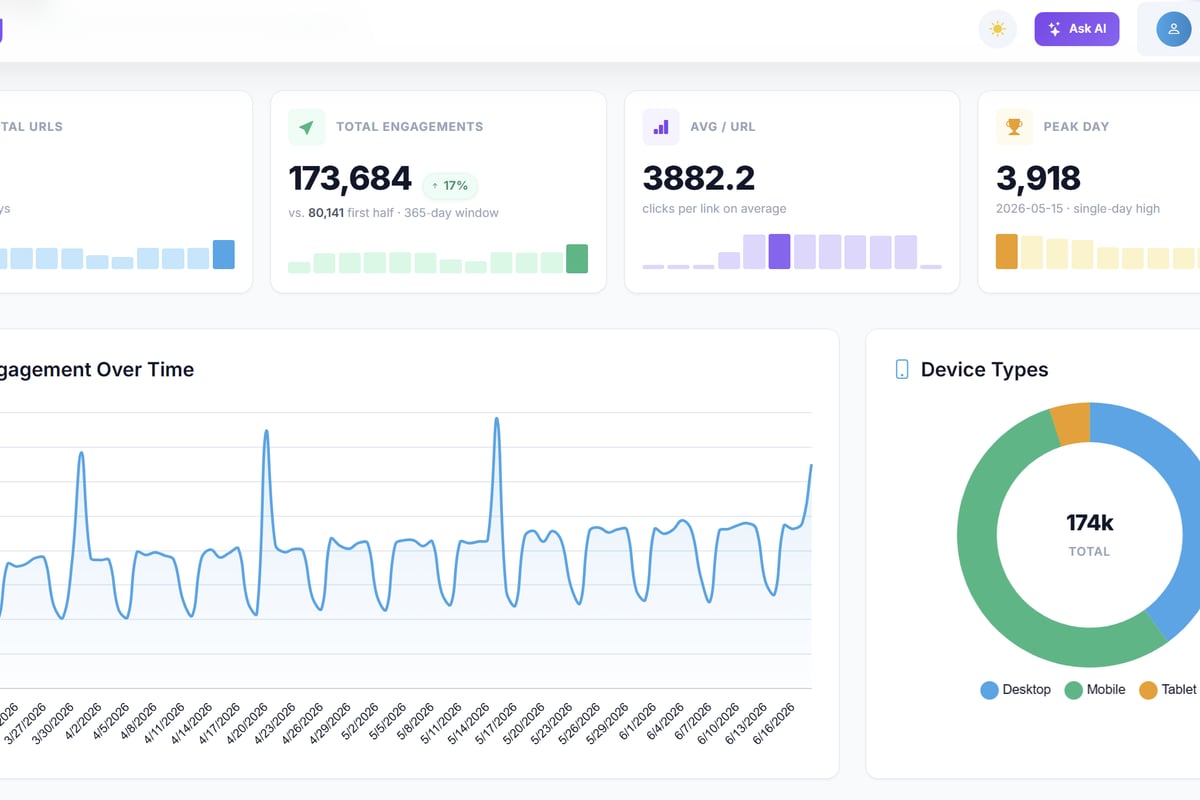
The integration of specialized link management with marketing automation creates powerful synergies. Marketers can segment audiences based on link engagement patterns, trigger workflows from specific link interactions, and optimize campaign performance through continuous link-level testing.
Content Workflow Automation for Agency Operations
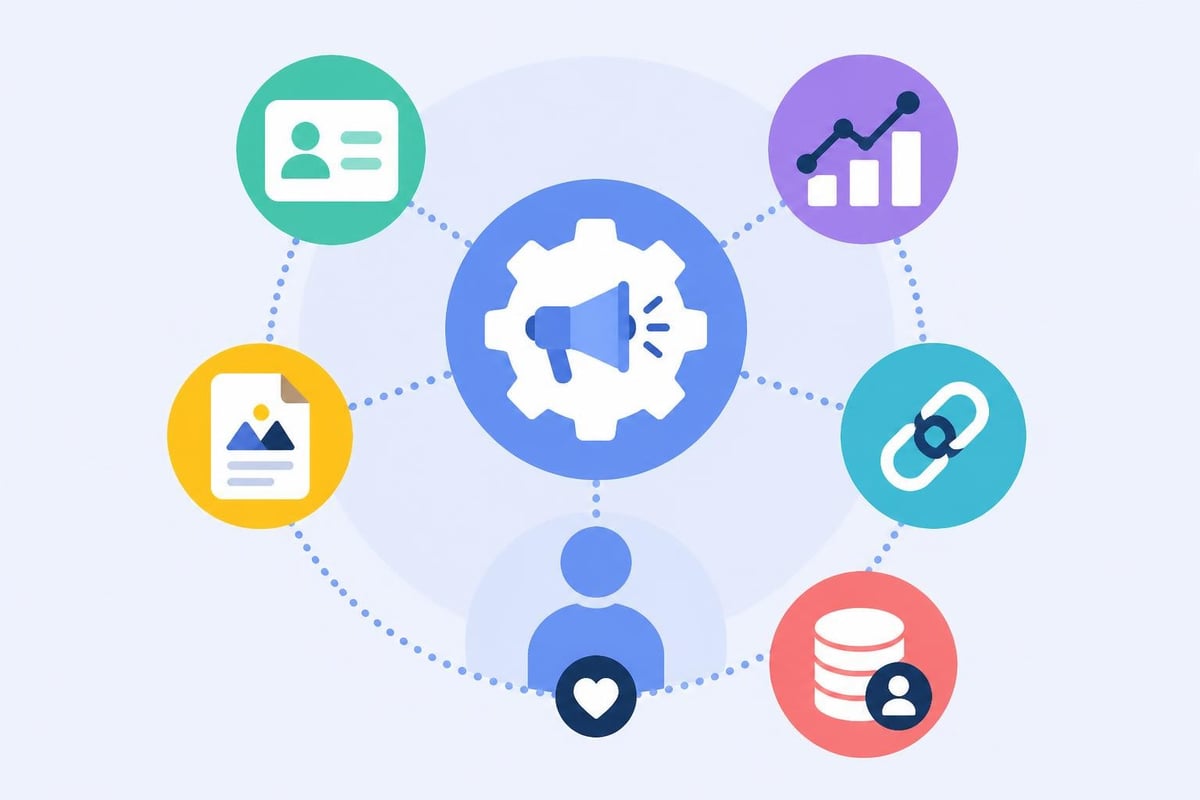
Marketing automation agencies benefit from applying automation principles to their own content production and client delivery processes. The Content Marketing Institute's guidance on using technology to unlock marketing potential applies equally to agency workflows and client campaigns.
Scaling Agency Service Delivery
Successful agencies build repeatable processes and templates that enable efficient scaling:
| Process Area | Automation Opportunities | Impact on Delivery |
|---|---|---|
| Client onboarding | Automated intake forms, project kickoff workflows, documentation | 40-50% time reduction |
| Campaign builds | Template libraries, snippet repositories, approval automation | 30-40% faster deployment |
| Reporting | Automated data pulls, dashboard generation, performance alerts | 60-70% time savings |
| Quality assurance | Automated testing, checklist workflows, validation scripts | 50-60% error reduction |
This operational excellence enables agencies to serve more clients effectively while maintaining quality standards and team satisfaction.
Balancing Automation with Strategic Creativity
The best marketing automation agency partners recognize that technology enables human creativity rather than replacing it. Automation handles repetitive tasks, data processing, and workflow orchestration, freeing strategists and creatives to focus on messaging, positioning, and customer experience design.
According to Demand Gen Report's 2024 State of Marketing Automation research, organizations achieving the strongest results from automation invest in both technology capabilities and strategic talent. The combination drives differentiation and competitive advantage.
Building Long-Term Agency Relationships
The most valuable marketing automation agency partnerships extend beyond initial implementation into ongoing optimization and strategic evolution. These relationships deepen as agencies gain institutional knowledge about clients' businesses, customers, and competitive dynamics.
Transitioning from Implementation to Optimization
After launch, focus shifts from building infrastructure to refining performance. Mature agency relationships emphasize:
- Continuous testing programs that systematically improve conversion rates and engagement
- Quarterly strategy reviews that align automation with evolving business priorities
- Platform capability adoption as vendors release new features and tools
- Team skill development through training, documentation, and knowledge transfer
- Expansion planning that identifies new use cases and automation opportunities
This ongoing collaboration requires different engagement models than fixed-scope implementation projects. Many organizations shift to retainer arrangements that provide consistent agency support and prioritized access to specialized expertise.
Governance and Performance Management
Effective long-term partnerships require clear governance structures:
- Regular performance reviews against agreed KPIs and business objectives
- Transparent reporting on campaign metrics, test results, and optimization initiatives
- Defined escalation paths for issues, questions, and strategic decisions
- Innovation roadmaps that explore emerging capabilities and competitive trends
- Budget planning cycles that align investment with projected business impact
These structures ensure accountability while maintaining flexibility to adapt as circumstances change.
Investment Considerations and ROI Expectations
Marketing automation agency engagements represent significant investments. Understanding typical cost structures and realistic ROI timelines helps organizations make informed decisions and set appropriate expectations.
Typical Agency Fee Structures
Agencies price services through various models:
- Fixed-project fees for defined implementation scopes with clear deliverables
- Monthly retainers for ongoing management, optimization, and support
- Performance-based pricing tied to specific outcomes like lead volume or revenue
- Hybrid models combining base fees with success bonuses or variable components
Project complexity, platform selection, integration requirements, and custom development needs all influence total investment. Initial implementations typically range from $15,000 to $150,000, while ongoing management retainers span $3,000 to $25,000 monthly depending on campaign sophistication and support levels.
Calculating and Tracking Return on Investment
Smart organizations establish clear ROI frameworks before engaging agencies. This includes:
Baseline metrics capturing current performance across lead generation, conversion rates, customer acquisition costs, and lifetime value. Without accurate baselines, measuring improvement becomes impossible.
Attribution modeling that connects automation activities to revenue outcomes. Multi-touch attribution provides more accurate assessment than last-touch models but requires more sophisticated tracking infrastructure.
Time horizon expectations recognizing that automation value accrues over time. Initial months focus on setup and learning, with measurable business impact typically emerging in quarters two and three.
Total cost of ownership accounting for platform licenses, agency fees, internal resources, and integration expenses. This comprehensive view enables accurate ROI calculations.
Most organizations achieving strong automation ROI report 12-18 month payback periods on total investment, with ongoing returns improving as campaigns mature and optimization compounds.
Marketing automation agencies deliver strategic expertise, technical capabilities, and proven methodologies that help businesses unlock the full potential of modern marketing platforms. By carefully selecting partners, implementing thoughtfully, and maintaining focus on measurable outcomes, organizations transform marketing efficiency and effectiveness. If you're looking to optimize your marketing campaigns with advanced link intelligence, trimy provides the analytics, testing, and routing capabilities that turn every link into actionable revenue data-perfectly complementing your automation strategy.