Social Media Marketing Agency for Small Business Guide

Small businesses face a unique challenge in 2026: social media has become essential for growth, yet most owners lack the time, expertise, or resources to manage it effectively. A social media marketing agency for small business bridges this gap, bringing specialized knowledge, proven strategies, and dedicated resources to help small brands compete in an increasingly crowded digital landscape. Whether you're struggling to gain traction, generate leads, or simply maintain consistency across platforms, the right agency partnership can transform your social presence from a checkbox activity into a revenue-driving engine.
Why Small Businesses Need Specialized Social Media Support
Small business owners wear many hats. Between operations, customer service, inventory, staffing, and finances, marketing often falls to the bottom of the priority list. Yet social media usage continues to grow, with platforms becoming the primary discovery channel for local businesses, service providers, and niche products.
The challenge isn't just finding time. Social media marketing has evolved into a sophisticated discipline requiring platform-specific expertise, content strategy, paid advertising knowledge, analytics interpretation, and community management skills. A social media marketing agency for small business brings all these capabilities under one roof, eliminating the need to hire multiple specialists or burden existing staff with responsibilities outside their core competencies.
The Cost of DIY Social Media
Many small business owners start by managing social media themselves or delegating it to an employee who "knows Instagram." This approach rarely scales. According to industry benchmarks from HubSpot, effective social media marketing requires consistent posting, engagement monitoring, performance analysis, and strategic iteration based on data.
Common pitfalls of unmanaged social media include:
- Inconsistent posting schedules that damage algorithmic reach
- Generic content that fails to differentiate your brand
- Missed opportunities to engage with customers and prospects
- No clear connection between social activity and business goals
- Wasted ad spend due to poor targeting or creative
- Inability to track ROI or attribute revenue to social efforts

What a Social Media Marketing Agency Delivers
A professional agency brings structure, expertise, and accountability to your social media efforts. The best agencies don't just post content-they build comprehensive strategies aligned with your business objectives, whether that's increasing foot traffic, generating qualified leads, building brand awareness, or driving e-commerce sales.
Strategic Planning and Platform Selection
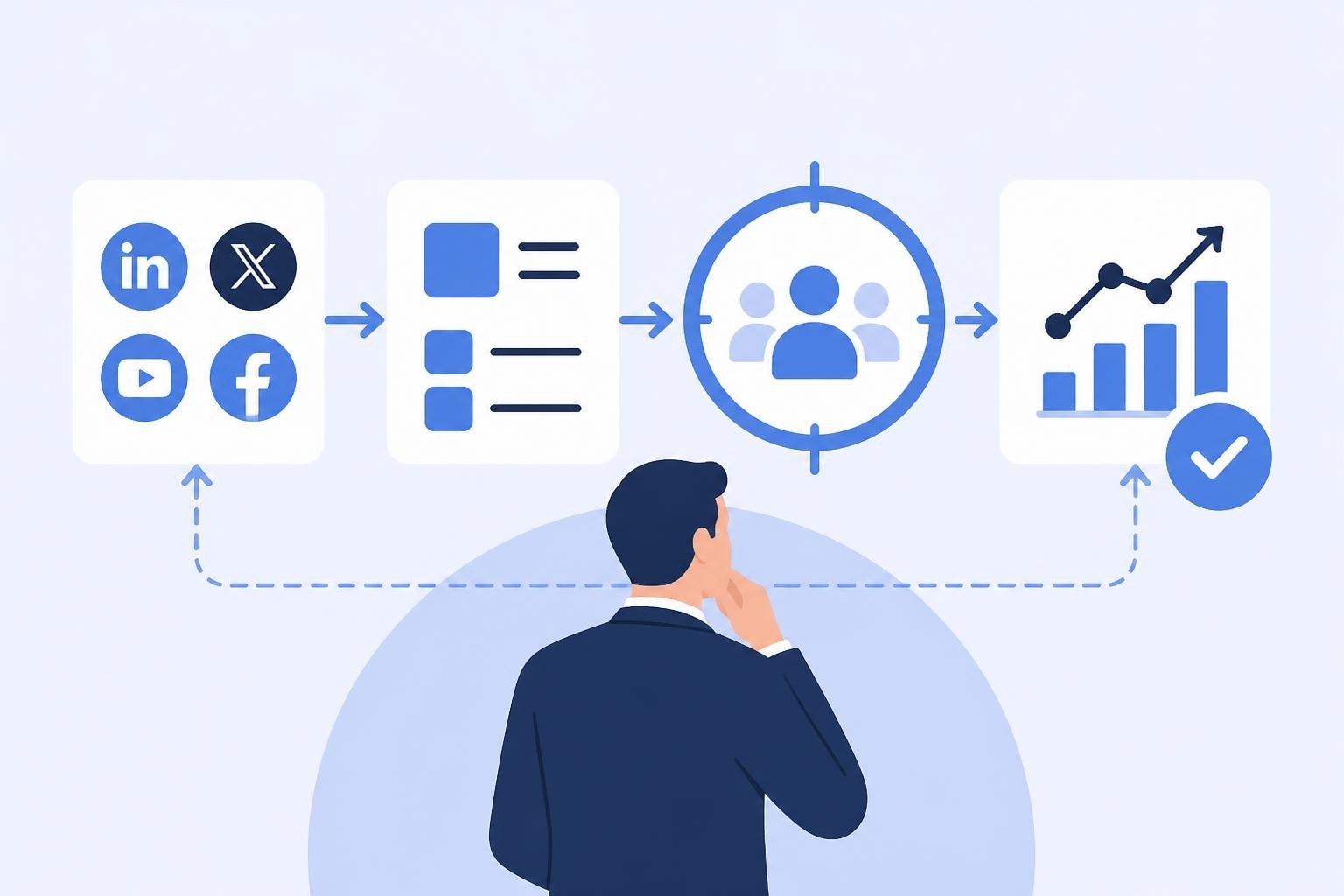
Not every platform serves every business. A social media marketing agency for small business starts by understanding your target audience, competitive landscape, and business goals. Research from the SBA emphasizes that small businesses achieve better results by focusing resources on fewer platforms where their ideal customers actually spend time.
| Platform | Best For | Content Type | Typical Engagement |
|---|---|---|---|
| Visual brands, B2C, local businesses | Photos, Reels, Stories | High interaction rates | |
| B2B, professional services, thought leadership | Articles, company updates, industry insights | Quality leads, longer sales cycles | |
| Local businesses, community building, broad demographics | Mixed content, events, groups | Strong for local discovery | |
| TikTok | Younger audiences, creative brands, viral potential | Short-form video, trends | Explosive reach potential |
| X (Twitter) | Real-time updates, customer service, news | Text, threads, quick updates | Conversation-focused |
Your agency partner conducts audience research, competitive analysis, and platform audits to determine where your business can achieve the strongest return on investment.
Content Creation and Management
Consistent, high-quality content separates successful social media programs from abandoned profiles. Agencies employ content strategists, copywriters, graphic designers, and video producers who understand platform-specific best practices.
A comprehensive content program includes:
- Brand voice development that reflects your company personality
- Content calendars mapping posts weeks or months in advance
- Original creative assets including graphics, photos, and video
- User-generated content curation and amplification
- Trending content participation to boost visibility
- Educational content that positions you as an authority
According to the Content Marketing Institute, the most successful small business social strategies integrate social media with broader content marketing efforts, creating a cohesive narrative across all customer touchpoints.
Measuring Success: Analytics and Optimization
The difference between a mediocre agency and an exceptional one lies in their approach to measurement and optimization. Every post, campaign, and dollar spent should connect back to business objectives through clear, trackable metrics.
Beyond Vanity Metrics
Follower counts and likes feel good but rarely translate directly to revenue. A professional social media marketing agency for small business focuses on metrics that matter: website traffic, lead generation, conversion rates, customer acquisition cost, and lifetime value.
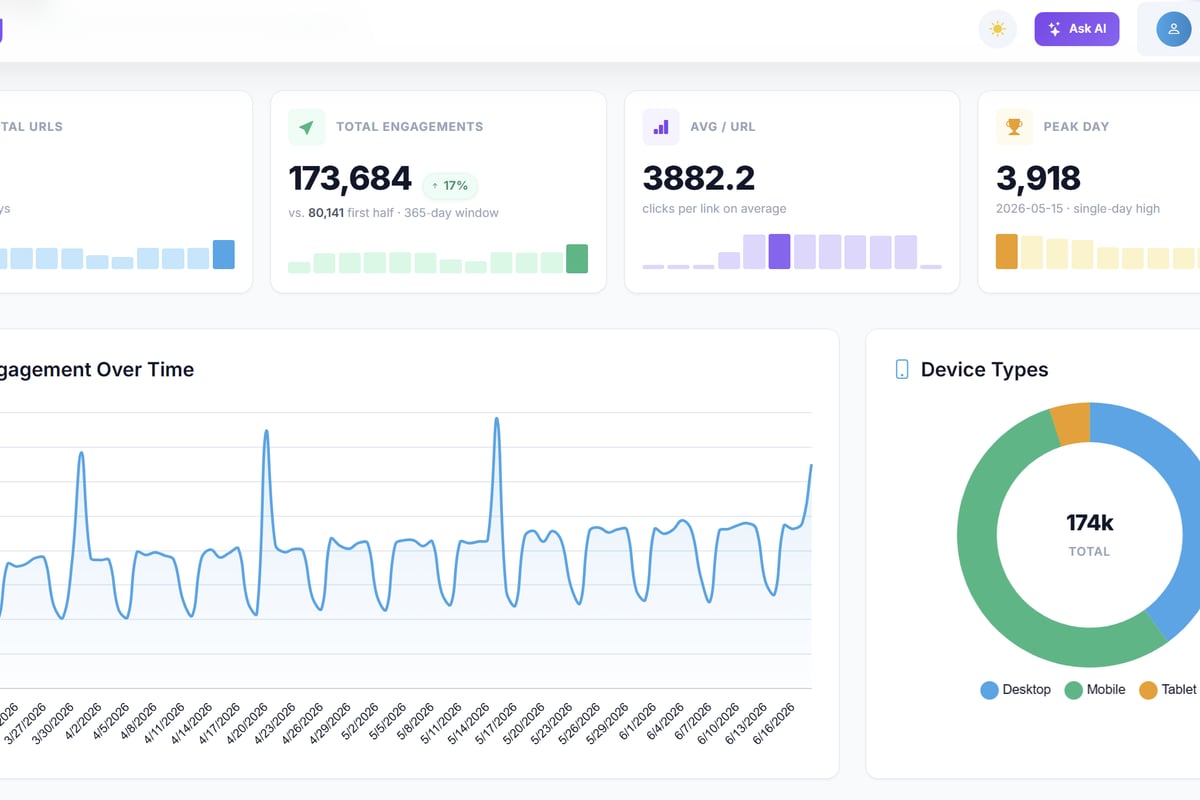
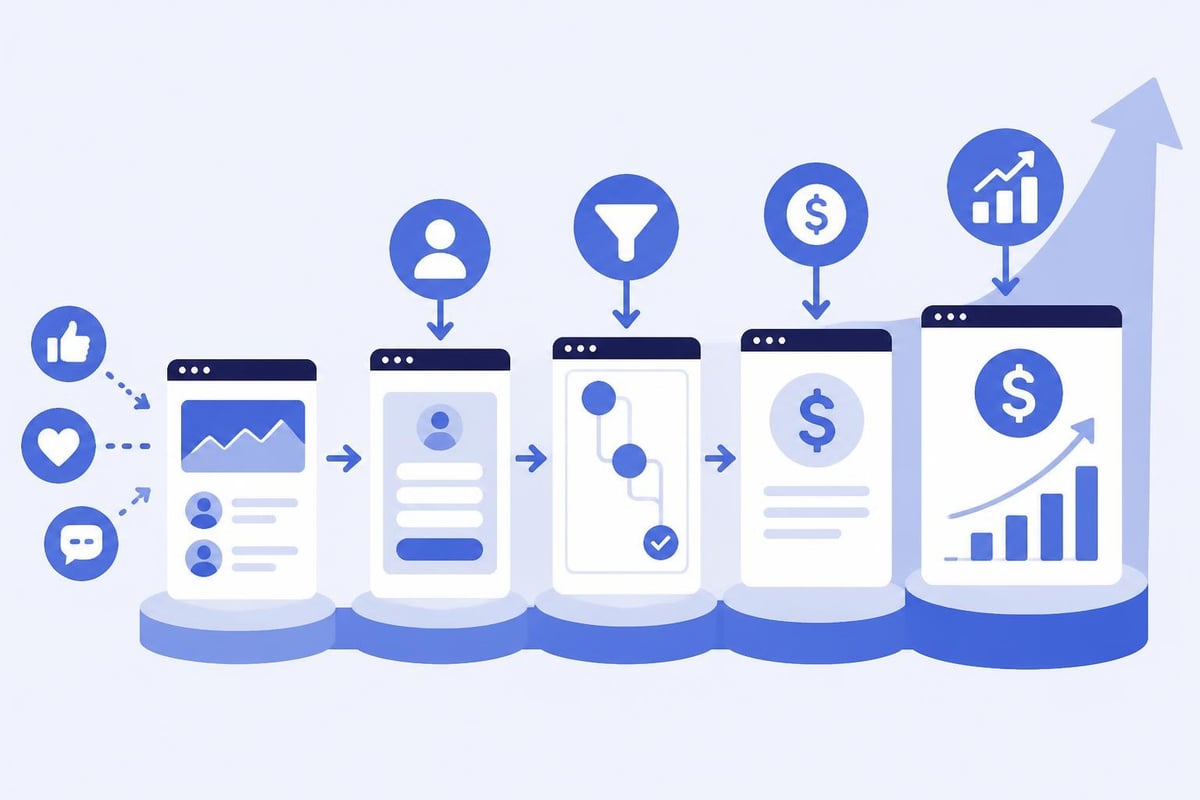
Modern social media management requires sophisticated tracking. When your agency shares content containing links-whether to product pages, blog posts, or landing pages-understanding which platforms, content types, and messaging drive actual business results becomes critical. Link management platforms enable agencies to track click-through rates, conversion paths, and revenue attribution with precision that standard platform analytics cannot provide. Trimy gives agencies and their clients the ability to A/B test different calls-to-action, route traffic intelligently based on audience segments, and gain deep insights into which social efforts generate real ROI.
Continuous Improvement Through Data
Data from Sprout Social's research shows that high-performing social media programs iterate continuously based on performance insights. Your agency should provide regular reporting that covers:
- Engagement trends showing which content resonates with your audience
- Audience growth patterns and demographic shifts
- Conversion tracking from social click to purchase or lead
- Competitive benchmarking against industry standards
- ROI calculations connecting investment to revenue
These insights inform strategic adjustments, content refinements, and budget reallocations to maximize results over time.
Paid Social Advertising Management
Organic reach on social platforms has declined dramatically over the past decade. While consistent organic content builds community and credibility, paid advertising has become essential for reaching new audiences and driving predictable results.
Strategic Campaign Development
A skilled social media marketing agency for small business designs paid campaigns that align with customer journey stages. Awareness campaigns introduce your brand to cold audiences. Consideration campaigns educate prospects about your solutions. Conversion campaigns drive purchases or lead submissions.
Effective paid social campaigns require:
- Precise audience targeting based on demographics, interests, and behaviors
- Compelling ad creative that stops the scroll
- Clear value propositions and calls-to-action
- Landing page optimization for conversion
- Budget allocation across platforms and campaign types
- Ongoing testing and optimization
Budget Efficiency for Small Businesses
Small businesses cannot afford to waste advertising dollars on poorly targeted or ineffective campaigns. Professional agencies leverage platform tools, historical data, and testing frameworks to maximize every dollar spent. They start with modest budgets, identify what works, then scale successful campaigns while eliminating underperformers.
| Campaign Type | Typical Goal | Small Business Budget | Expected Timeline |
|---|---|---|---|
| Brand Awareness | Impressions, reach | $500-$1,500/month | 3-6 months |
| Lead Generation | Email captures, contact forms | $750-$2,500/month | 1-3 months |
| E-commerce Sales | Direct purchases | $1,000-$5,000/month | 2-4 months |
| Local Traffic | Store visits, calls | $300-$1,000/month | 1-2 months |
Community Management and Reputation
Social media is inherently social. Brands that treat platforms as one-way broadcast channels miss the opportunity to build genuine relationships with customers and prospects.
Responsive Engagement
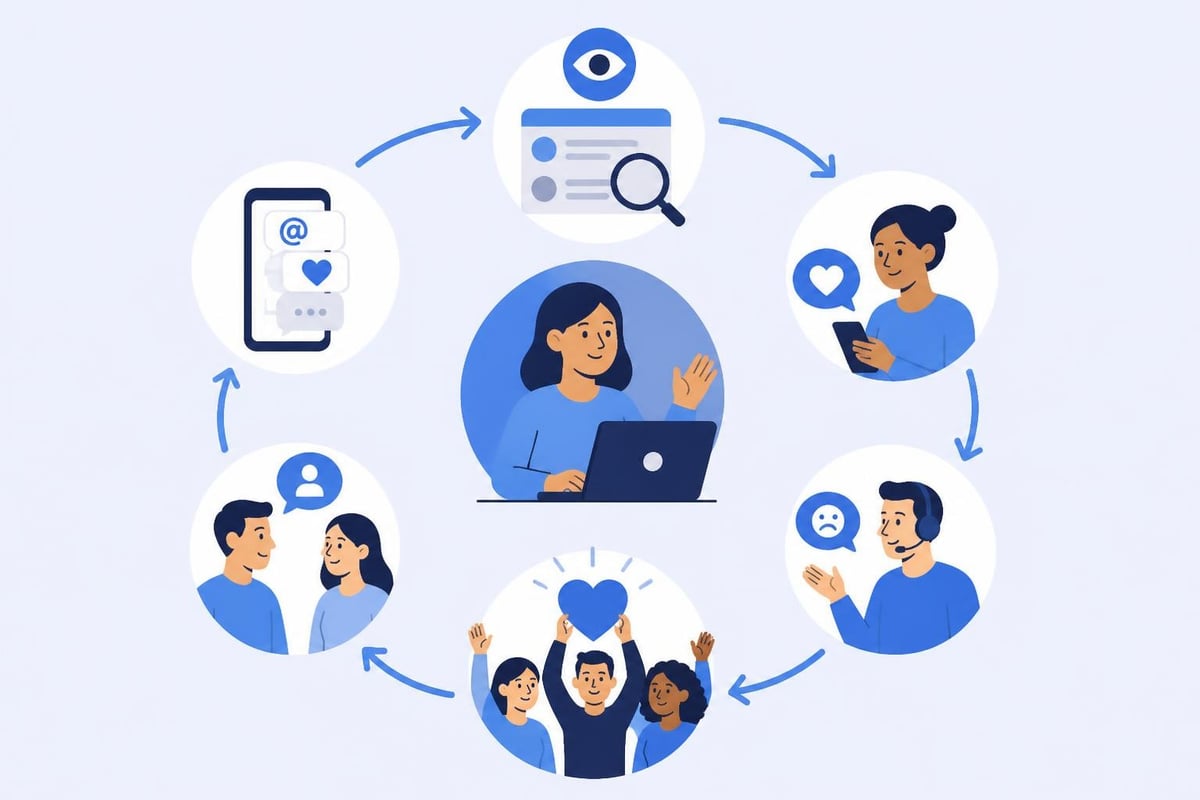
Your agency should monitor comments, messages, and mentions daily, responding promptly to questions, addressing concerns, and thanking customers for positive feedback. This consistent engagement builds loyalty and turns casual followers into brand advocates.
Community management responsibilities include:
- Responding to comments within 24 hours
- Managing direct messages and inquiries
- Monitoring brand mentions across platforms
- Engaging with relevant content from customers and partners
- Identifying and escalating customer service issues
- Cultivating relationships with micro-influencers and brand ambassadors
Crisis Management
Negative reviews, product complaints, and public criticism happen to every business. A professional agency has protocols for addressing these situations quickly and appropriately, protecting your reputation while demonstrating responsiveness and accountability.
Choosing the Right Agency Partner
Not all agencies are created equal. The social media marketing agency for small business landscape includes everything from solo freelancers to large firms with hundreds of employees. Finding the right fit requires evaluating several key factors.
Specialization and Experience
Look for agencies with proven small business experience. Large agencies often focus on enterprise clients with six-figure budgets. Small business specialists understand budget constraints, local market dynamics, and the need for strategies that deliver quick wins alongside long-term growth.
Questions to ask potential agencies:
- How many small business clients do you currently serve?
- Can you share case studies from businesses similar to mine?
- What industries do you specialize in?
- How do you approach clients with limited budgets?
- What results have you achieved for comparable businesses?
Transparency and Communication
Your agency should provide clear reporting, regular communication, and transparent pricing. Avoid agencies that make unrealistic promises ("10,000 followers in 30 days!") or refuse to explain their methodology.
Red flags to watch for:
- Guaranteed specific follower counts or engagement rates
- Lack of clear deliverables or performance metrics
- Poor communication or missed deadlines during sales process
- No case studies or client references
- Generic proposals that could apply to any business
Service Model and Pricing
Agencies offer various service models, from a la carte options to comprehensive retainers. Understanding what's included ensures you're comparing apples to apples when evaluating proposals.
| Service Level | Typical Inclusions | Monthly Investment | Best For |
|---|---|---|---|
| Basic | 8-12 posts/month, basic engagement | $500-$1,500 | Consistent presence, limited budget |
| Standard | 15-20 posts, community management, monthly reporting | $1,500-$3,500 | Active growth, multiple platforms |
| Premium | 25+ posts, paid ads, advanced analytics, strategy sessions | $3,500-$7,500 | Aggressive growth, comprehensive support |
| Enterprise | Custom content, influencer partnerships, full-service | $7,500+ | Maximum results, full outsourcing |
Integration with Broader Marketing Efforts
Social media doesn't exist in a vacuum. The most effective programs integrate seamlessly with email marketing, content marketing, SEO, public relations, and offline marketing efforts.
Cross-Channel Consistency
Your social media marketing agency for small business should ensure brand messaging, visual identity, and customer experience remain consistent across all touchpoints. A promotion announced via email should be reflected on social. A blog post should be amplified across relevant platforms. An in-store event should drive social buzz.
Data Sharing and Attribution
Modern marketing requires understanding how channels influence each other. Social media often serves as an early-stage awareness tool that leads to email subscriptions, which eventually drive purchases. Your agency should work within your broader marketing ecosystem, sharing data and insights that inform strategy across all channels.
Research from SEMrush indicates that small businesses achieving the best results treat social media as one component of an integrated strategy rather than an isolated tactic.
Staying Current with Platform Changes
Social media platforms evolve rapidly. Algorithm changes, new features, shifting user behaviors, and emerging platforms create both opportunities and challenges for small businesses.
Adaptive Strategy
A professional agency stays ahead of these changes, testing new features early, adjusting strategies as algorithms evolve, and identifying emerging platforms before they become saturated. They attend industry conferences, participate in platform beta programs, and maintain relationships with platform representatives.
Recent trends shaping social media in 2026:
- AI-powered content creation and personalization
- Increased emphasis on video, especially short-form
- Social commerce integration and native checkout
- Privacy-first targeting as third-party cookies disappear
- Authentic, unpolished content outperforming overproduced posts
- Micro-communities and niche platforms gaining traction
Marketing Dive's coverage of SMB social trends highlights how small businesses increasingly rely on social media for both marketing and sales, making professional management more critical than ever.
Building Long-Term Value
The best agency relationships extend beyond transactional service delivery. Your ideal partner becomes an extension of your team, deeply understanding your business, industry, and customers while bringing fresh perspectives and challenging assumptions when necessary.
Strategic Advisor Role
As your social media program matures, your agency should evolve from executor to strategic advisor. They should identify opportunities for expansion, recommend new platforms or tactics, and help you navigate major business changes like new product launches, market expansions, or repositioning efforts.
Knowledge Transfer
While you're paying for expertise, a good agency also educates your team. Through regular reporting, strategy sessions, and informal communication, you should develop a deeper understanding of social media marketing, enabling better decisions and more productive collaboration.
Signs of a healthy agency relationship:
- Regular strategy discussions beyond tactical execution
- Proactive recommendations for improvement
- Transparent reporting that educates rather than confuses
- Collaborative approach that values your input and insights
- Measurable progress toward business objectives
- Mutual respect and professional chemistry
Finding the right social media marketing agency for small business transforms social media from an overwhelming obligation into a strategic growth driver. The key lies in choosing a partner who understands small business constraints, delivers measurable results, and integrates social efforts with your broader marketing goals. When you're ready to optimize the links connecting your social content to business outcomes, Trimy provides the analytics, A/B testing, and intelligent routing that turn every click into actionable insight. Start building a social media program that delivers real ROI.