SEO Agency Near Me: Finding the Right Local Partner
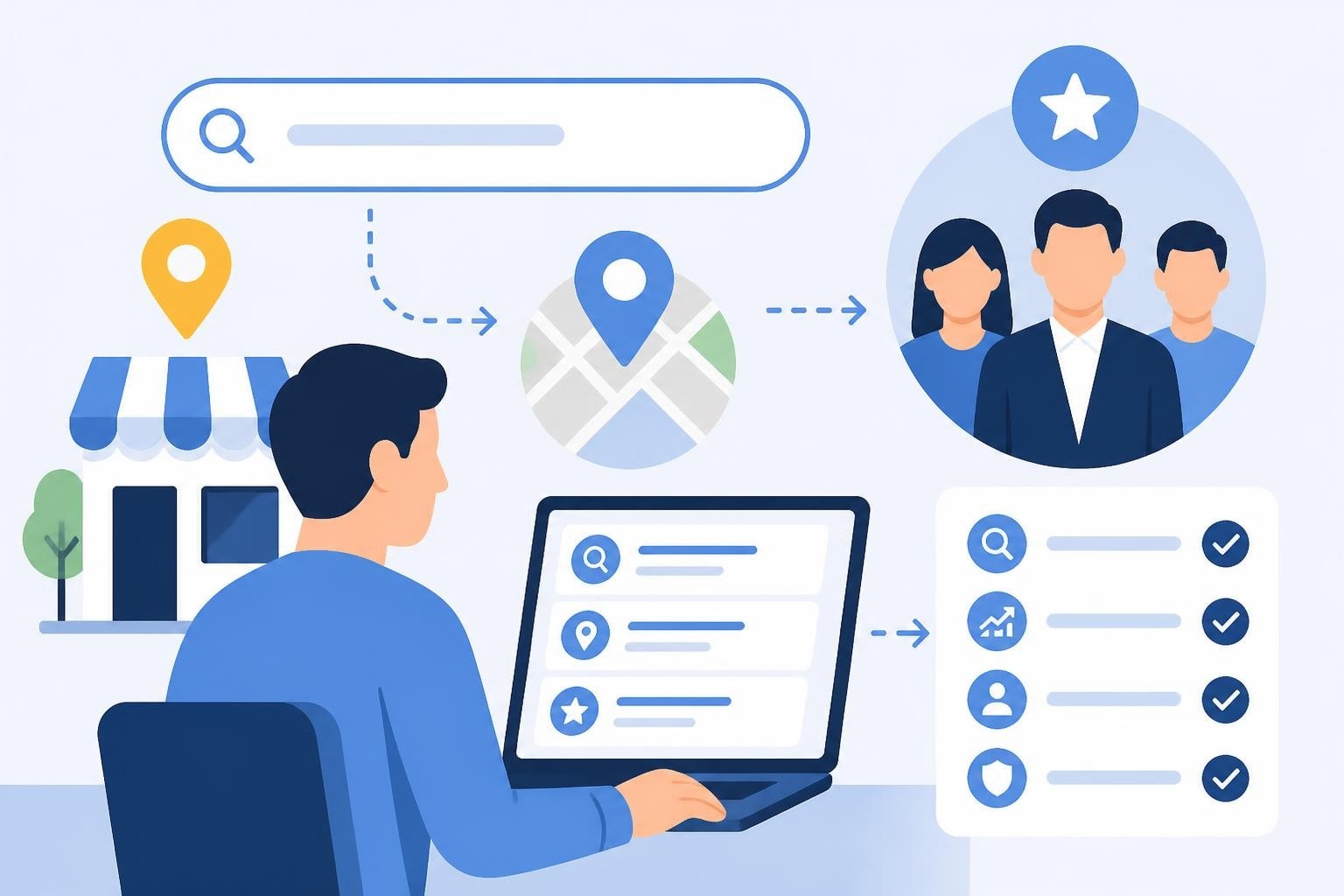
Searching for an "seo agency near me" has become one of the most common ways businesses discover marketing partners in their area. This search behavior reflects a fundamental preference for local relationships, especially when investing in services as critical as search engine optimization. Whether you're a startup looking to establish your digital footprint or an established company seeking to amplify your online presence, finding the right SEO partner in your geographic area can make the difference between campaigns that deliver measurable ROI and those that drain resources without results.
Why Location Still Matters in SEO Partnerships
The digital nature of SEO work might suggest that geography is irrelevant. After all, search algorithms function identically whether your agency is across the street or across the ocean. Yet businesses continue to prioritize proximity when selecting their SEO partners, and for compelling reasons.
Face-to-face meetings foster trust and accountability in ways video calls cannot replicate. When you can walk into an agency's office, meet their team, and observe their work environment, you gain insights into their culture and processes. Local agencies also understand regional market dynamics, competitive landscapes, and consumer behavior patterns specific to your area. A Minneapolis agency knows Minnesota business seasonality; a Miami firm understands the bilingual search landscape of South Florida.
Key advantages of local SEO partnerships include:
- Shared time zones for real-time communication and collaboration
- Understanding of local business regulations and compliance requirements
- Existing relationships with regional media outlets and influencers
- Easier contract negotiation and legal recourse if disputes arise
- Cultural alignment and shared business values
Proximity also enables agencies to participate in your broader marketing initiatives. They can attend trade shows, visit your facilities, photograph products, and engage with your team in ways that inform better strategy. This contextual understanding translates directly into more effective campaigns.

Evaluating SEO Agency Credentials and Expertise
When your search for an seo agency near me returns dozens of results, distinguishing genuine expertise from clever marketing becomes essential. The SEO industry attracts both exceptional professionals and opportunistic vendors, making thorough vetting non-negotiable.
Portfolio Analysis and Case Studies
Request detailed case studies from industries similar to yours. Generic success stories mean little; you need evidence the agency has solved problems analogous to your challenges. Look for specific metrics: organic traffic growth percentages, ranking improvements for competitive keywords, conversion rate increases, and revenue attribution.
Pay attention to the timeline. SEO delivers compounding returns, but legitimate agencies set realistic expectations. If an agency promises first-page rankings in 30 days, walk away. Sustainable SEO requires 3-6 months minimum to show meaningful results, and 12-18 months to realize full potential.
| Evaluation Criterion | Green Flag | Red Flag |
|---|---|---|
| Results Timeline | 3-6 months for initial traction | Guaranteed rankings in 30 days |
| Reporting Frequency | Monthly detailed reports with analysis | Quarterly or sporadic updates |
| Client Retention | 12+ month average relationships | High churn, mostly new clients |
| Team Structure | Dedicated strategists and specialists | Single "guru" handling everything |
Technical Competency Assessment
The SEO fundamentals outlined by Google provide a baseline for evaluating agency knowledge. During discovery conversations, ask candidates to explain their approach to technical SEO audits, site architecture, Core Web Vitals optimization, and structured data implementation. Their answers should be specific, current, and align with documented best practices.
Request access to sample audit reports or strategy documents (with client information redacted). These materials reveal how thoroughly the agency approaches problems and whether their recommendations address root causes or surface symptoms.
Understanding Pricing Models and Investment Structures
SEO agency pricing varies dramatically, from $500 monthly retainers to $50,000+ enterprise agreements. Understanding what drives these differences helps you evaluate whether a quote represents fair value or inflated margins.
Common Pricing Approaches
Most local agencies structure fees using one of these models:
Monthly retainer: Fixed monthly fee for ongoing optimization work, reporting, and consultation. Typical range: $2,500-$10,000 monthly for small to mid-sized businesses.
Project-based: One-time fee for specific deliverables like site audits, content creation, or technical remediation. Range: $5,000-$50,000 depending on scope.
Performance-based: Compensation tied to specific outcomes like rankings or traffic. Less common due to factors beyond agency control affecting results.
Hourly consulting: Billed for strategy sessions, audits, or advisory work. Typical range: $150-$400 per hour for experienced consultants.
The right model depends on your needs and stage. Startups often begin with project work to fix foundational issues, then transition to retainers for ongoing optimization. Established businesses with in-house teams might prefer consulting to guide their efforts.

What Your Investment Should Include
Regardless of pricing structure, your SEO investment should deliver these core components:
- Comprehensive technical audit identifying crawlability, indexation, and performance issues
- Keyword research aligned with business objectives and conversion potential
- On-page optimization including title tags, meta descriptions, headers, and content structure
- Content strategy and creation plan based on search intent analysis
- Link acquisition through legitimate outreach and relationship building
- Regular reporting with traffic, rankings, and business impact metrics
- Strategic consultation to align SEO with broader marketing initiatives
Beware of agencies offering "unlimited" services at suspiciously low prices. Quality SEO requires skilled labor; rock-bottom pricing indicates either inexperienced staff, offshore teams with communication barriers, or corner-cutting tactics that risk penalties.
Local SEO Specialization for Service Businesses
If your business relies on local customers finding you through search, ensure your chosen agency demonstrates expertise in local SEO strategies beyond generic optimization. Local search operates with different ranking factors and requires specialized tactics.
Google Business Profile Optimization
Your Google Business Profile (formerly Google My Business) serves as your primary digital storefront for local search. An experienced local SEO agency will optimize every profile element: business categories, attributes, services, posts, photos, and review management protocols. They should implement strategies for consistent NAP (name, address, phone) citations across directories and platforms.
Local agencies understand the nuances of proximity ranking and how location-specific content signals relevance to nearby searchers. They'll help you create location pages, local landing pages, and area-specific content that captures "near me" intent without keyword stuffing.
Managing Online Reviews and Reputation
Consumer behavior research consistently shows that reviews significantly influence local purchasing decisions. Your SEO agency should provide review generation systems, response protocols, and reputation monitoring. This isn't ancillary to SEO; reviews directly impact local pack rankings and click-through rates.
The best agencies integrate review signals into broader content strategy, extracting common themes from customer feedback to inform service page optimization and FAQ development.
Questions to Ask During Agency Consultations
When meeting with potential SEO partners, move beyond surface-level questions about services and pricing. The following inquiries reveal how agencies actually operate and whether their approach aligns with your needs.
Process and methodology questions:
- What does your technical SEO audit process involve, and what tools do you use?
- How do you prioritize recommendations when multiple optimization opportunities exist?
- Walk me through your content creation process from keyword research to publication.
- How do you measure success, and what metrics do you report monthly?
- What's your approach to link building, and how do you evaluate link quality?
Operational and relationship questions:
- Who will be my primary point of contact, and what's their experience level?
- How often will we communicate, and what channels do you prefer?
- What do you need from my team to execute effectively?
- How do you handle algorithm updates or ranking fluctuations?
- Can you provide references from current clients in similar industries?
The quality of responses matters more than the answers themselves. Strong agencies explain their reasoning, acknowledge what they don't control, and set realistic expectations. They ask thoughtful questions about your business, competitors, and previous marketing efforts before proposing solutions.
Integrating SEO with Your Broader Marketing Technology
Modern marketing operates through interconnected systems: CRM platforms, marketing automation, analytics suites, and campaign management tools. Your SEO agency needs to work within this ecosystem, not as an isolated vendor optimizing in a vacuum.
When evaluating agencies, discuss how they integrate with your existing technology stack. Do they have experience with your CMS? Can they implement tracking properly in Google Analytics 4? Will they coordinate with your paid search team to align keyword targeting and messaging?
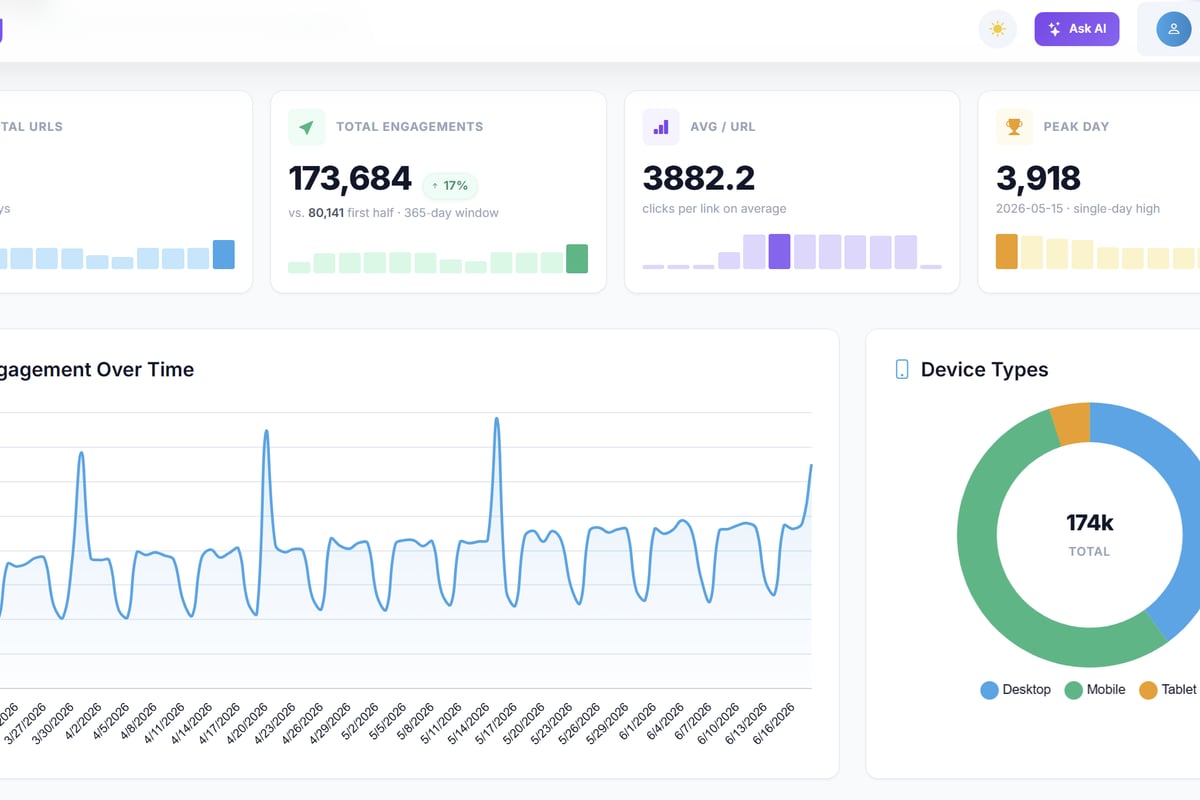
For businesses running sophisticated campaigns across multiple channels, link management becomes critical for attribution and optimization. Trimy provides the link intelligence and campaign tracking capabilities that bridge SEO efforts with measurable business outcomes. When your agency recommends content distribution or link building tactics, a platform like Trimy enables you to track which sources drive qualified traffic, test different landing pages through A/B testing, and optimize routing based on visitor characteristics. This transforms links from simple navigational elements into revenue signals.
Red Flags That Should End Your Search
Certain practices and promises indicate an agency operates outside acceptable boundaries or lacks the expertise to deliver results. These red flags should immediately disqualify candidates from consideration, regardless of attractive pricing or compelling sales presentations.
Guaranteed Rankings and Unrealistic Timelines
No agency can guarantee specific rankings. Search algorithms incorporate hundreds of factors, many beyond any marketer's control. Agencies promising "#1 rankings" or "first page in 30 days" either don't understand SEO or intentionally mislead clients. Both scenarios make them unsuitable partners.
Proprietary Secrets and Black-Box Methodologies
SEO isn't magic; it's a documented discipline with established best practices. When agencies claim "proprietary techniques" or refuse to explain their methods, they're hiding tactics you wouldn't approve if disclosed. Legitimate agencies transparently share their strategies because they're built on recognized principles.
Low-Quality Link Building Tactics
Link acquisition remains important, but methods matter enormously. Agencies offering "link packages" with hundreds of backlinks for minimal investment engage in schemes that risk penalties. Ask specifically about their link building approach. Quality agencies pursue genuine relationships, create link-worthy assets, and earn placements through outreach-processes that require time and effort.
Other disqualifying red flags include:
- Ownership claims over your website or content they create
- Contracts with excessive cancellation penalties or auto-renewal clauses
- Unwillingness to provide client references or case study details
- Communication exclusively through sales representatives rather than practitioners
- Recommending against industry best practices without substantive reasoning
Structuring Your Agency Relationship for Success
Finding the right seo agency near me represents just the beginning; structuring the relationship properly ensures sustained results. The best client-agency partnerships share certain characteristics that maximize effectiveness and minimize friction.
Defining Roles and Responsibilities
Create explicit documentation outlining who owns which tasks. Typically, agencies handle strategy, execution, and reporting while clients provide business context, content approval, and internal coordination. Gray areas create delays and frustration; clear boundaries prevent them.
Effective outsourcing requires structured collaboration with regular touchpoints and transparent communication. Establish weekly or biweekly status updates beyond monthly reports, especially during initial months. These conversations address blockers quickly and maintain momentum.
Setting Realistic KPIs and Timelines
Collaborate with your agency to establish meaningful key performance indicators tied to business objectives. Vanity metrics like "total keywords ranking" matter less than qualified organic traffic, conversion rates, and revenue attribution. Your agency should help you understand which metrics indicate progress and which lag indicators confirm success.
| Timeline | Expected Progress | Key Indicators |
|---|---|---|
| Months 1-3 | Foundation building, quick wins | Technical fixes implemented, content plan approved, initial ranking improvements for low-competition terms |
| Months 4-6 | Traction development | Organic traffic growth 15-30%, moderate-competition keyword rankings improving, content indexed and ranking |
| Months 7-12 | Compounding returns | Traffic growth 40-75%, competitive keyword rankings achieved, measurable conversion and revenue increases |
| Month 12+ | Sustained optimization | Continued growth, expanded keyword coverage, market share gains, strong ROI documentation |
Expect setbacks and fluctuations. Algorithm updates, increased competition, and seasonal factors affect all sites. Strong agencies communicate proactively when challenges arise and adjust tactics accordingly.
Maintaining Productive Communication
Establish preferred communication channels and response time expectations. Email works for non-urgent updates; project management platforms track tasks and deliverables; video calls facilitate strategic discussions. Respect each other's time by preparing agendas for meetings and documenting decisions.
Provide your agency with context they can't access independently: upcoming product launches, business model changes, competitive intelligence, customer feedback themes. This information enables them to align SEO strategy with business reality rather than optimizing in isolation.
Transitioning Between Agencies or In-House Teams
Sometimes agency relationships end. Budget constraints, strategic pivots, performance issues, or growth into in-house capabilities necessitate transitions. Managing these changes professionally protects your SEO momentum and preserves your investment.
When changing agencies or bringing SEO in-house, request comprehensive documentation of all work completed. This should include audit reports, keyword research, content calendars, backlink profiles, technical changes implemented, and tracking configurations. Quality agencies provide this documentation because they're confident in their work; reluctance to share details suggests problems.
Ensure you retain ownership of all assets: website content, created graphics, earned backlinks, and any tools or accounts opened for your campaigns. Review contracts before signing to confirm these ownership rights. Most disputes arise from ambiguous language about intellectual property and work product.
Knowledge Transfer Protocols
Plan a 30-60 day transition period where the outgoing agency transfers knowledge to the incoming team. This might include walkthrough sessions explaining current campaigns, introductions to important contacts, and detailed documentation of ongoing initiatives. Budget for this transition work; sudden cutoffs create gaps that set back your progress by months.
For businesses moving from agency partnerships to in-house teams, recognize that agencies bring accumulated expertise across many clients and industries. Your internal hire needs time to develop comparable experience. Consider retaining the agency in an advisory capacity during the transition to prevent costly missteps.
Maximizing Your SEO Investment Through Active Partnership
The most successful SEO engagements aren't vendor relationships; they're collaborative partnerships where both parties actively contribute to outcomes. Passive clients who delegate everything and wait for results consistently underperform those who engage strategically.
Your Role in SEO Success
Even with an exceptional agency, you control factors that determine success. Provide timely approvals for content and technical changes. Connect your agency with internal stakeholders who understand products, customers, and competitive dynamics. Allocate internal resources when needed for subject matter expertise or content creation support.
Champion SEO internally by educating colleagues about timelines and helping them understand why SEO requires patience. Many businesses abandon effective strategies prematurely because stakeholders expect immediate results. Your agency provides expertise; you provide organizational alignment and sustained commitment.
Continuous Improvement and Adaptation
SEO isn't a project with a defined endpoint. Search landscapes evolve constantly as algorithms update, competitors adjust tactics, and consumer behavior shifts. Your agency relationship should mature over time, with strategies becoming more sophisticated as foundational elements stabilize.
Annual strategy reviews assess progress against original objectives and recalibrate based on business changes. What made sense when you launched your SEO program may need adjustment as you expand into new markets, introduce products, or face different competitive pressures. The best agencies proactively recommend strategic pivots rather than executing unchanged tactics indefinitely.
Finding the right seo agency near me requires thorough evaluation of credentials, transparent communication about expectations, and structured collaboration once the partnership begins. The proximity, cultural alignment, and relationship depth that local agencies provide can significantly enhance campaign effectiveness when you select partners with genuine expertise and compatible working styles. As you execute your SEO strategy and track campaign performance across channels, trimy gives you the link intelligence and advanced analytics to connect your optimization efforts directly to revenue outcomes. With A/B testing, smart routing, and deep campaign insights, you can transform every link your agency builds into measurable business value while maximizing your marketing investment.