Backlink Sites: Strategic Link Building for 2026
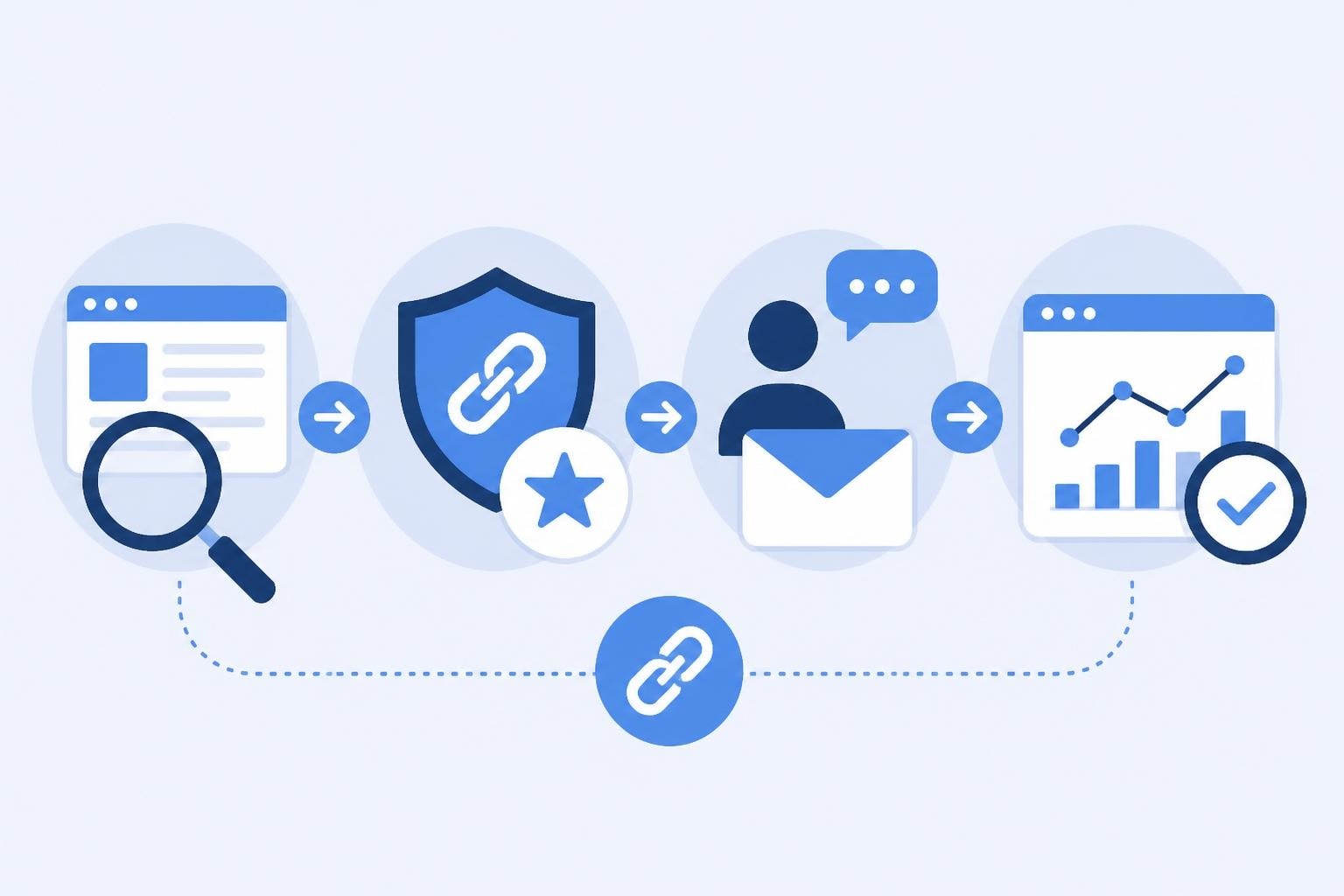
Backlink sites serve as the foundation of modern search engine optimization, acting as digital endorsements that signal credibility and authority to search algorithms. Understanding which platforms deliver genuine value versus those that create risk requires a strategic approach rooted in data, quality metrics, and sustainable practices. As search engines continue refining their algorithms in 2026, the distinction between high-value referring domains and low-quality link farms has never been more critical for marketers and developers seeking measurable results.
Understanding Backlink Sites and Their Role in SEO
Backlink sites are web properties that link to your domain from their pages, creating a network of referring domains that search engines use to assess your website's authority and relevance. These inbound links function as votes of confidence, with each referring domain contributing to your overall search visibility based on its own authority, topical relevance, and trustworthiness.
The fundamental principle behind backlink sites remains unchanged since the early days of search: links represent relationships between content, and those relationships help algorithms understand which resources deserve prominent placement in search results. However, the sophistication of how search engines evaluate and qualify links has evolved dramatically, making quality far more important than quantity.
Types of Backlink Sites
Different categories of backlink sites serve distinct purposes within a comprehensive link building strategy. Understanding these classifications helps marketers allocate resources effectively and avoid platforms that create more risk than reward.
Editorial and Content-Driven Sites
- Industry publications and news outlets
- Academic institutions and research databases
- Professional blogs with established audiences
- Resource pages curated by subject matter experts
Community and User-Generated Platforms
- Forums with active, moderated discussions
- Question-and-answer sites addressing specific topics
- Review platforms where customers share experiences
- Social bookmarking services with editorial standards
Business and Directory Listings
- Industry-specific directories with vetting processes
- Local business listings verified by geographic data
- Professional association member directories
- Chamber of commerce and trade organization sites
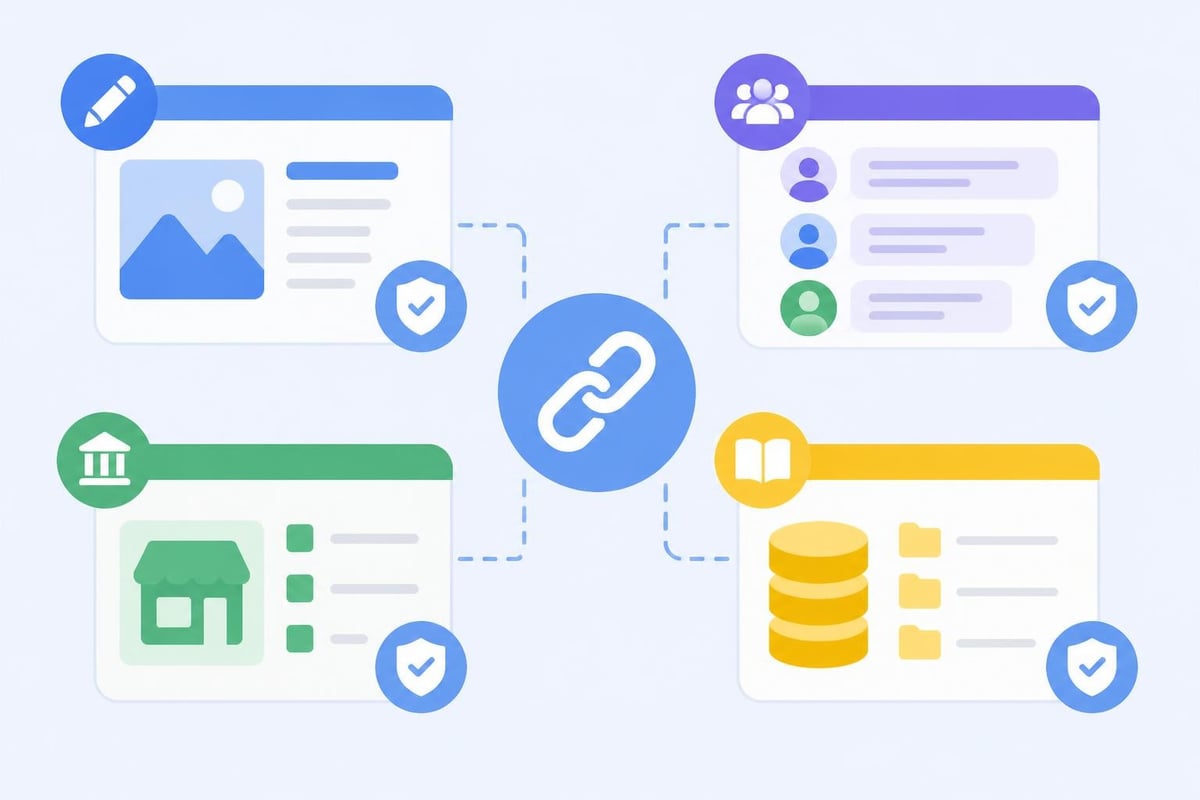
Not all backlink sites deliver equal value. A link from a respected industry publication carries significantly more weight than a citation from a low-quality directory with thousands of unvetted listings. Search engines assess referring domains based on multiple factors, including domain age, content quality, topical relevance, and link profile health.
Evaluating Quality in Backlink Sites
Quality assessment separates successful link building from wasted effort or algorithmic penalties. Modern SEO requires a data-driven approach to evaluating potential backlink sites before pursuing placements or accepting unsolicited links.
Core Quality Metrics
| Metric | What It Measures | Why It Matters |
|---|---|---|
| Domain Authority | Overall site strength and ranking potential | Predicts link value and ranking influence |
| Topical Relevance | Content alignment with your industry | Ensures contextual fit and user value |
| Traffic Volume | Actual visitors and engagement | Indicates real audience beyond SEO metrics |
| Link Profile Health | Ratio of quality to spam links | Reveals site's own SEO practices |
| Content Freshness | Publishing frequency and updates | Shows active maintenance and relevance |
Beyond quantitative metrics, qualitative signals provide crucial context. A backlink site with genuine editorial standards, human moderation, and content creation guidelines typically delivers more sustainable value than automated platforms accepting all submissions. Understanding what constitutes quality backlinks requires examining both the numbers and the underlying business model of the referring domain.
Red Flags to Avoid
Certain characteristics immediately identify backlink sites that create risk rather than opportunity. Marketers should avoid platforms that exhibit multiple warning signs, regardless of promised placement or rankings.
- Exact-match anchor text saturation: Sites where every link uses keyword-heavy anchor text rather than natural language
- Excessive outbound links: Pages linking to dozens or hundreds of unrelated domains
- Thin or duplicate content: Sites with minimal original content or obvious plagiarism
- Unnatural traffic patterns: Dramatic spikes suggesting artificial inflation or bot traffic
- Geographic-language mismatches: Content in one language targeting keywords in another
- Expired or recycled domains: Recently registered domains with suspicious historical profiles
The Bing Webmaster Guidelines provide additional context on link schemes and manipulation tactics that major search engines actively penalize, making due diligence essential before pursuing any backlink opportunity.
Strategic Approaches to Backlink Sites
Building a healthy backlink profile requires moving beyond opportunistic link placement toward strategic relationship building and value creation. The most sustainable approaches focus on earning links through quality content and genuine industry participation rather than chasing shortcuts.
Content-Driven Link Acquisition
Creating assets that naturally attract backlinks from authoritative sites remains the gold standard for link building. This approach requires upfront investment but delivers compounding returns as content continues earning citations over time.
High-Value Content Formats
- Original research and data studies: Industry surveys, market analysis, or proprietary datasets that journalists and analysts reference
- Comprehensive guides and tutorials: Deep-dive educational content that becomes the definitive resource on specific topics
- Tools and calculators: Interactive resources that solve specific problems for your target audience
- Visual assets and infographics: Data visualizations that publishers embed with attribution links
- Case studies and success stories: Real-world examples demonstrating measurable outcomes
The Moz Beginner's Guide to Link Building emphasizes that sustainable link acquisition flows from creating resources people genuinely want to cite, share, and reference in their own content creation workflows.
Relationship-Based Outreach
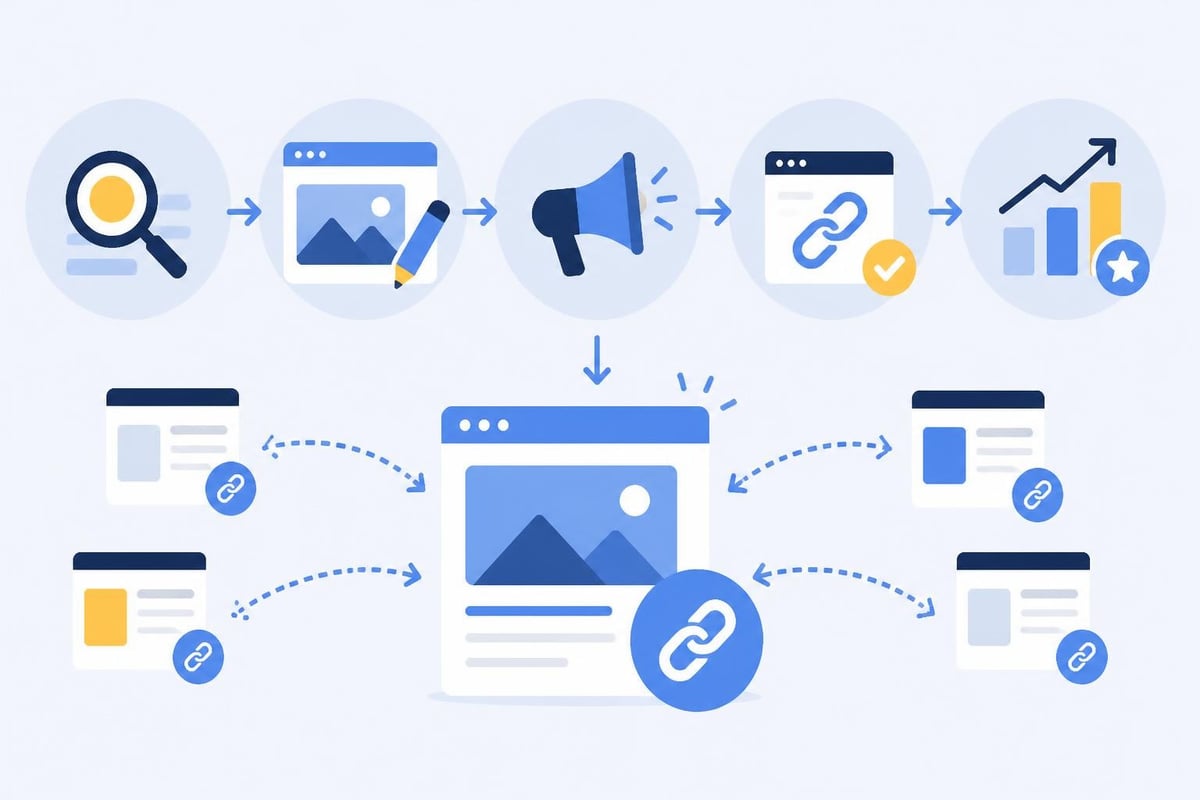
Direct outreach to relevant backlink sites works when executed with personalization and genuine value exchange. Generic mass emails generate minimal response rates, while targeted relationship building opens doors to authoritative placements.
Successful outreach follows a structured process that respects the recipient's time while clearly communicating mutual benefit. Start by identifying decision-makers at target backlink sites, then research their content themes, audience demographics, and editorial calendars to propose timely, relevant contributions.
Outreach Best Practices
- Research the site's existing content to propose genuine gaps you can fill
- Personalize every message with specific references to recent articles or initiatives
- Lead with value for their audience rather than your own goals
- Offer multiple content options or angles rather than a single pitch
- Follow up professionally without becoming aggressive or demanding
- Track response rates and adjust messaging based on what resonates
When executed properly, relationship-based outreach converts backlink sites from potential targets into ongoing partnerships that deliver recurring value through multiple placements over time.
Managing and Monitoring Your Backlink Profile
Acquiring quality backlinks represents only half the equation. Ongoing monitoring and management ensure your link profile remains healthy, identifies new opportunities, and catches potential issues before they impact rankings.
Tracking and Analysis Tools
Modern link management requires visibility into both existing backlinks and emerging patterns that signal opportunities or threats. Multiple platforms offer backlink monitoring, each with distinct strengths for different use cases.
Discovering which sites currently link to you provides the baseline data for all subsequent optimization efforts, revealing gaps, strengths, and areas requiring attention.
| Analysis Type | Key Questions | Action Items |
|---|---|---|
| Referring Domain Growth | Are we gaining links at a healthy, natural rate? | Adjust outreach volume and content publishing frequency |
| Anchor Text Distribution | Do anchor texts appear natural and varied? | Diversify future placements to avoid over-optimization |
| Link Velocity Changes | Have we seen sudden spikes or drops? | Investigate causes and address any algorithmic concerns |
| Lost Link Recovery | Which valuable backlinks have we lost? | Contact site owners to restore or replace lost links |
| Competitor Gap Analysis | Where do competitors have links we don't? | Target those same backlink sites with superior content |
Regular auditing identifies toxic backlinks from spam sites or link schemes that require disavowal. While search engines have improved at ignoring low-quality links automatically, proactive management prevents algorithmic penalties from obvious manipulation attempts.
Link Attribution and Tracking
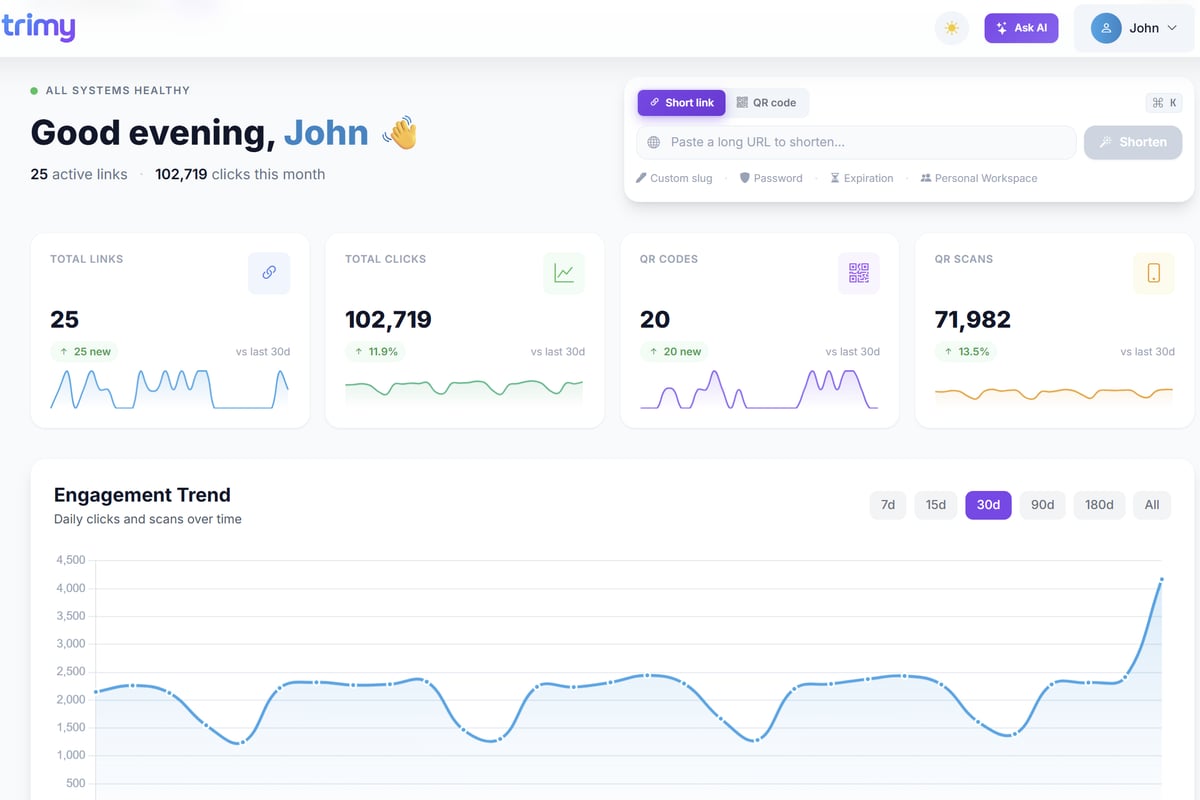
Understanding which backlink sites drive actual traffic and conversions requires proper tracking infrastructure. While basic referral data appears in analytics platforms, sophisticated marketers layer additional tracking to connect link placements with downstream business outcomes.
Advanced Tracking Strategies
- UTM parameter campaigns: Tag links from different backlink sites with unique campaign identifiers to measure traffic quality and conversion rates
- Custom landing pages: Create dedicated pages for high-value backlink sites to improve relevance and track engagement
- Event tracking: Monitor specific user actions from backlink traffic to understand behavioral differences across referring domains
- Multi-touch attribution: Connect backlink visits with eventual conversions across multiple sessions and touchpoints
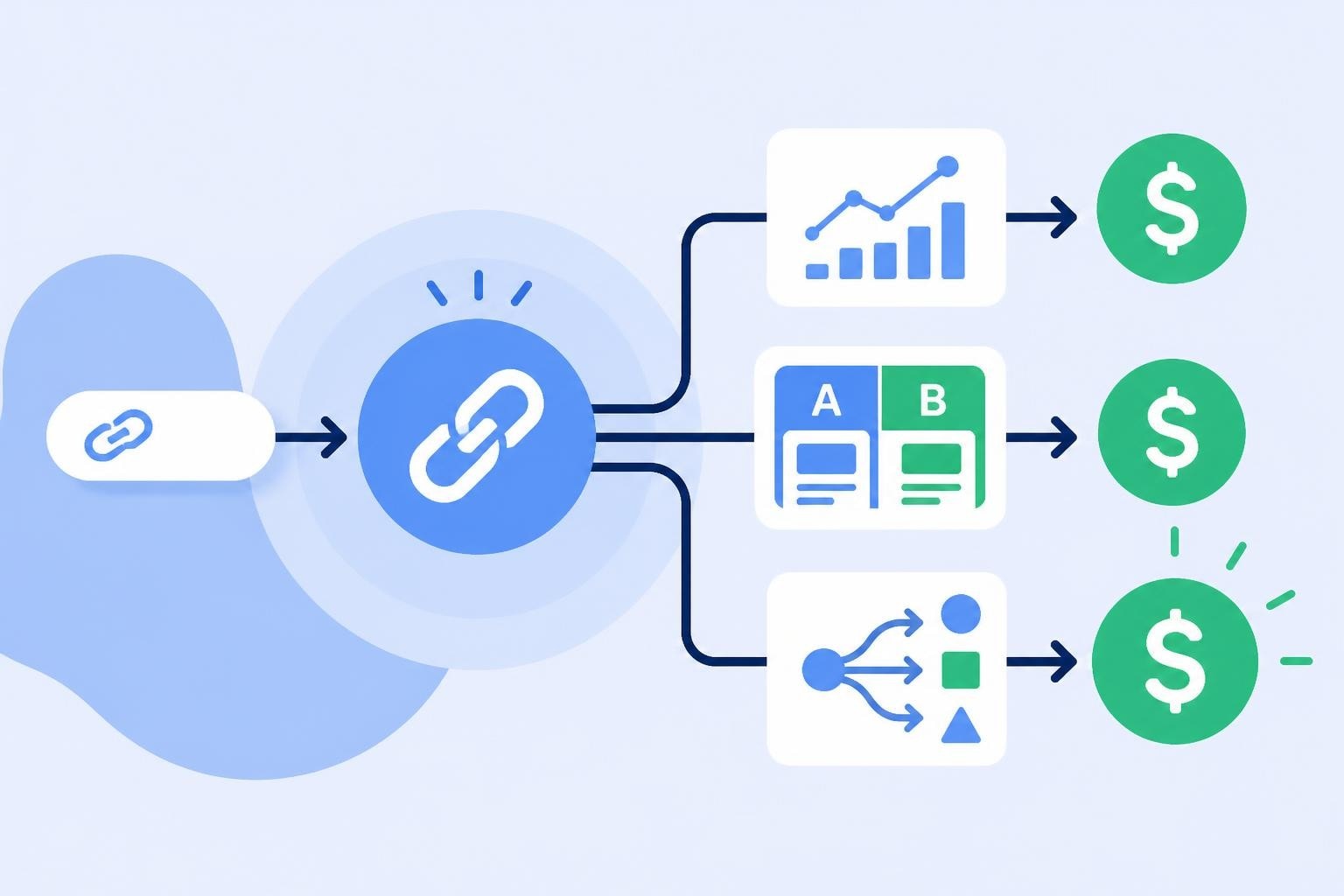
Platforms like Trimy enable marketers to add sophisticated tracking to any link placement, including A/B testing different landing pages, retargeting pixels for backlink traffic, and deep analytics that connect referring domains with revenue signals. This intelligence transforms backlink sites from simple SEO metrics into measurable marketing channels with clear ROI.
Building a Sustainable Backlink Strategy
Long-term success with backlink sites requires systematic processes that scale without sacrificing quality or creating algorithmic risk. The most effective strategies balance multiple acquisition methods while maintaining ethical standards and focusing on genuine value creation.
Diversification Across Methods and Sources
Relying on a single backlink acquisition method creates vulnerability when that channel becomes saturated or algorithmic changes reduce its effectiveness. Diversified strategies spread risk while uncovering unexpected opportunities.
Balanced Link Building Mix
- 30% Content Marketing: Guest posts, contributed articles, and resource creation
- 25% Digital PR: Media outreach, expert commentary, and newsjacking
- 20% Resource Link Building: Tool creation, calculators, and embeddable assets
- 15% Relationship Building: Industry partnerships, associations, and collaborations
- 10% Reclamation: Recovering lost links and converting unlinked mentions
This distribution varies based on industry, competition levels, and available resources, but the principle remains consistent: multiple streams create stability and compound over time.
Competitive Analysis and Gap Identification
Studying competitor backlink profiles reveals patterns, opportunities, and underutilized backlink sites within your industry. Rather than copying competitor strategies, use their link profiles as research data to inform your own unique approach.
Analyze which backlink sites competitors have earned placements on, then assess whether those platforms align with your content strengths and audience targeting. Some competitor links may come from low-quality sources worth avoiding, while others highlight authoritative sites you should prioritize.
Competitive Backlink Research Process
- Identify 5-10 direct competitors with strong search visibility
- Export their backlink profiles using SEO research tools
- Filter for high-authority domains with editorial standards
- Remove obvious paid placements or low-quality directories
- Categorize remaining sites by acquisition difficulty and potential value
- Prioritize targets where your content offers superior value
- Develop customized outreach strategies for top-tier opportunities
This systematic approach to competitor analysis reveals backlink sites you might have overlooked while providing validation that certain platforms deliver measurable results within your specific niche.
Emerging Trends in Backlink Sites
The backlink landscape continues evolving as search engines refine algorithms and content creators develop new platforms and formats. Staying ahead of these trends ensures your link building efforts remain effective throughout 2026 and beyond.
Video and Multimedia Platforms
Traditional text-based backlink sites now compete with video platforms, podcasts, and multimedia content hubs for attention and authority. While these platforms structure links differently-often in descriptions or show notes rather than editorial content-they can drive significant traffic and brand awareness.
Video content hosted on platforms like YouTube can include links in descriptions that, while nofollow, still drive referral traffic and visibility. Similarly, podcast show notes frequently link to guest websites and resources mentioned during episodes, creating discovery opportunities beyond traditional search.
AI-Generated Content Concerns
The proliferation of AI-generated content has created new categories of backlink sites-some valuable, others problematic. Sites publishing high-quality, edited AI-assisted content that provides genuine value remain viable link sources, while pure content farms churning out unedited automated articles create risk.
Evaluating whether a potential backlink site uses AI responsibly requires examining content depth, factual accuracy, and editorial oversight. Sites that clearly edit and fact-check AI-generated drafts while adding human expertise typically maintain quality standards, while those publishing raw AI output at scale quickly deteriorate in value.
Niche Community Platforms
Specialized community platforms focused on specific industries or interests have emerged as valuable backlink sites for targeted audiences. These communities often feature strict moderation standards and engaged user bases, making links from them both valuable for SEO and traffic generation.
Unlike broad social platforms, niche communities verify member expertise, moderate spam aggressively, and foster genuine discussions around specific topics. Links earned through authentic participation in these communities carry contextual relevance that general directories cannot match.
Building a quality backlink profile through strategic site selection and relationship development remains fundamental to search visibility and traffic growth in 2026. Success requires balancing multiple acquisition methods, maintaining rigorous quality standards, and tracking performance to optimize your efforts over time. When you need sophisticated tracking and intelligence to understand which backlink sites drive real business outcomes, Trimy provides the analytics and management tools to transform referring domain traffic into measurable revenue signals.