Best Bitly Alternatives for Link Management in 2026
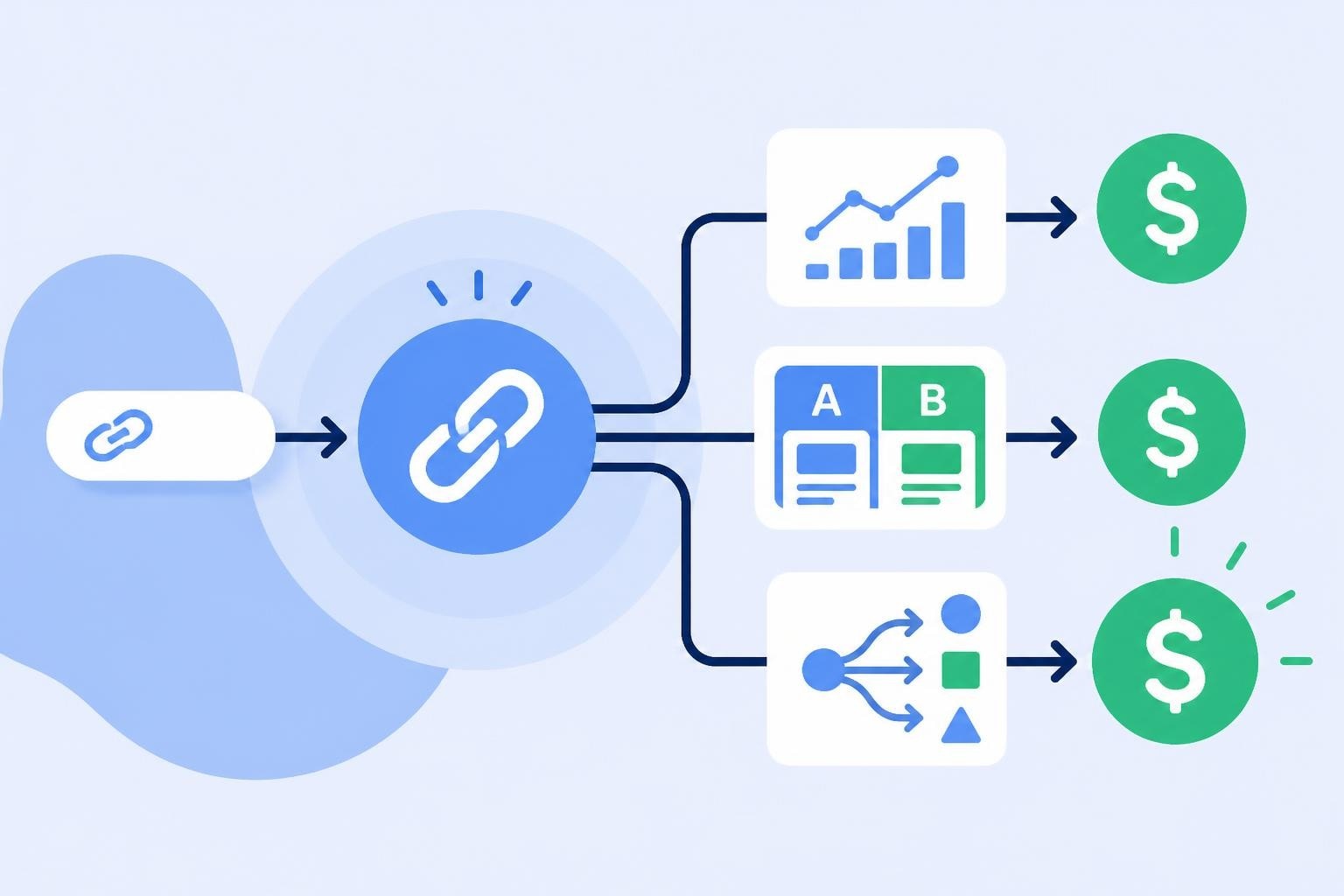
Link management has evolved far beyond simple URL shortening. While Bitly pioneered the space, today's marketers and developers need more sophisticated tools that provide deeper insights, advanced routing capabilities, and comprehensive analytics. Finding the right bitly alternative can unlock new opportunities for campaign optimization, audience understanding, and revenue growth without breaking the budget.
Understanding the Limitations of Traditional URL Shorteners
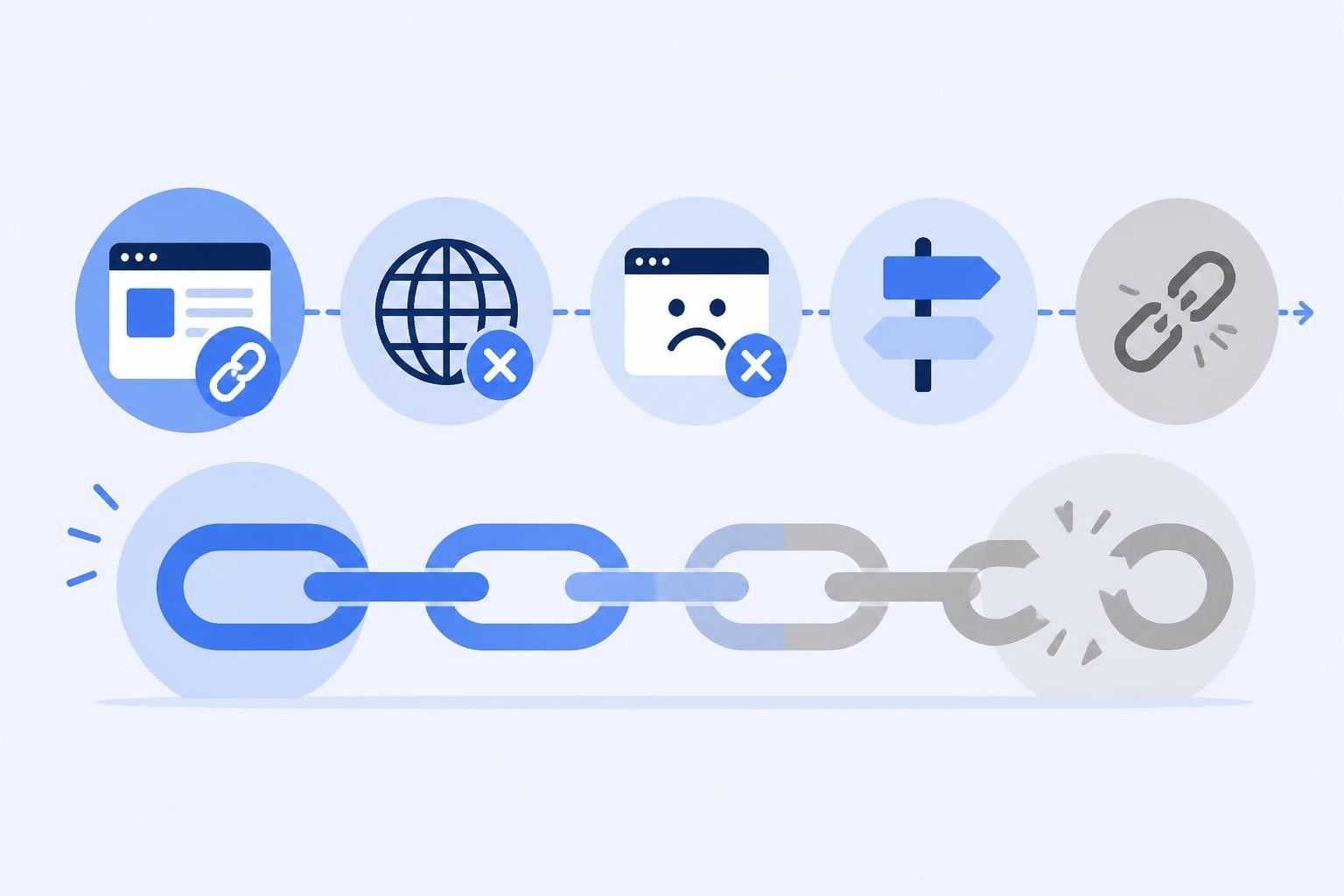
Bitly established itself as the go-to solution for link shortening over a decade ago. However, its pricing structure and feature set haven't always kept pace with modern marketing demands.
The platform's free tier restricts users to basic analytics and limited branded links. Teams requiring advanced features face steep pricing increases that can strain marketing budgets. Additionally, many users find themselves locked into a single ecosystem without the flexibility to customize tracking parameters or integrate seamlessly with their existing tech stack.
Key limitations include:
- Restricted analytics on free plans
- High pricing for enterprise features
- Limited A/B testing capabilities
- Basic routing options
- Minimal customization for developers
These constraints have driven businesses to explore alternatives that offer better value, more features, or specialized capabilities. The best URL shorteners in 2026 demonstrate how the market has matured beyond basic shortening functionality.
Essential Features in a Modern Link Management Platform
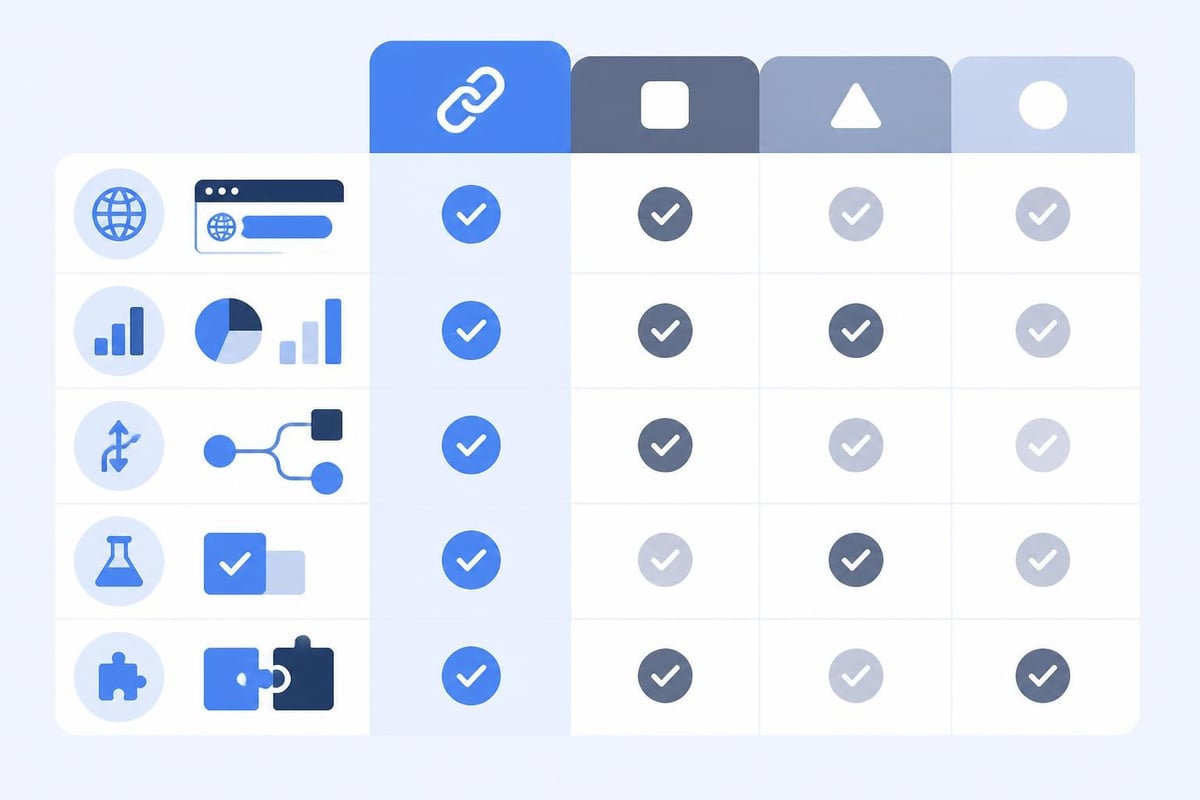
When evaluating a bitly alternative, organizations should prioritize features that align with their specific marketing and technical requirements.
Advanced Analytics and Attribution
Modern link management demands granular data about who clicks your links, when they engage, and what actions they take afterward. Comprehensive analytics should include:
- Geographic distribution and device breakdowns
- Click-through rates and conversion tracking
- Referrer source identification
- Time-based engagement patterns
- Custom event tracking capabilities
Without robust analytics, you're essentially operating blind, unable to optimize campaigns or measure true ROI. The difference between basic click counting and actionable intelligence can determine campaign success.
Smart Routing and Geo-Targeting
Geographic routing capabilities allow marketers to send users to different destinations based on their location, device type, or other parameters. This functionality proves invaluable for:
- Running region-specific promotions
- Directing users to localized content
- Optimizing mobile versus desktop experiences
- Conducting market-specific A/B tests
- Complying with regional requirements
Evaluating geo-routing capabilities has become a critical factor in platform selection, particularly for global brands managing multiple markets simultaneously.
A/B Testing Infrastructure
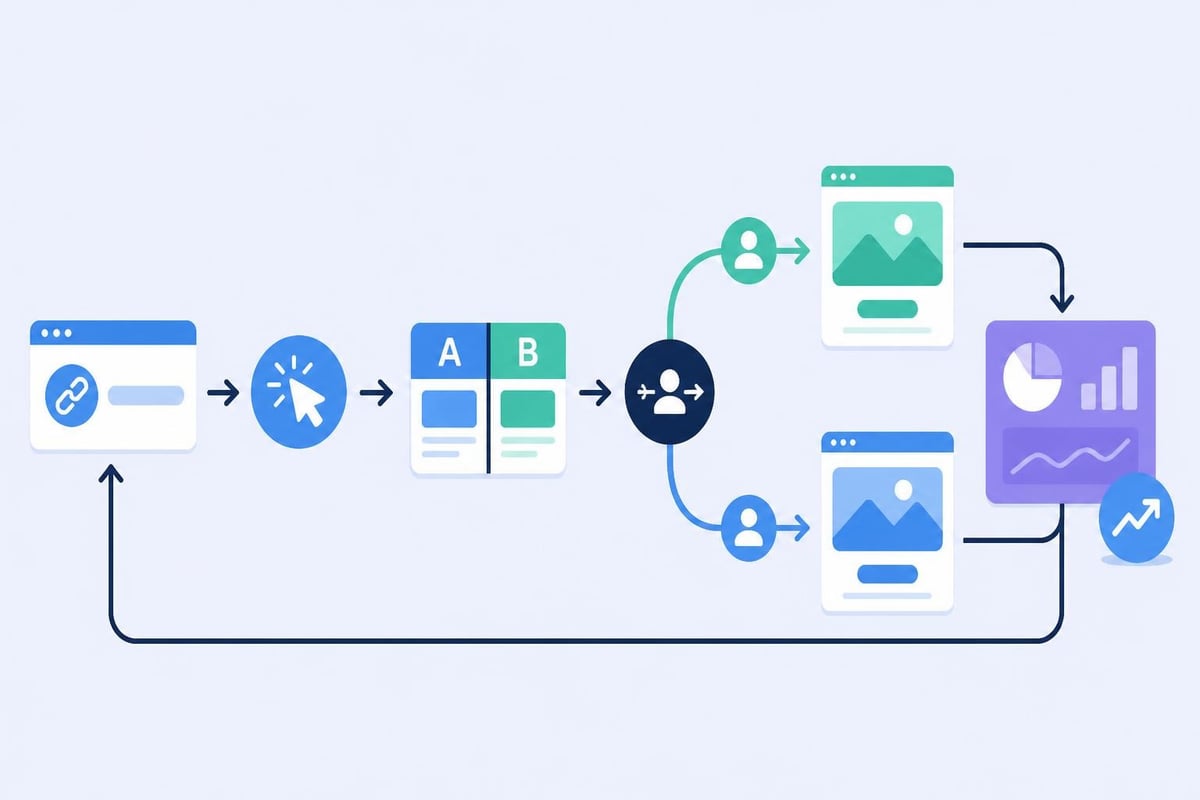
The ability to split-test different landing pages, offers, or creative variations through your links accelerates optimization cycles. Rather than running separate campaigns, you can test multiple variations through a single shortened URL.
| Testing Capability | Business Impact | Use Case Example |
|---|---|---|
| Landing Page Variants | Conversion Rate Optimization | Testing two homepage designs |
| Offer Testing | Revenue Maximization | Comparing discount percentages |
| Creative Rotation | Engagement Improvement | Testing ad copy variations |
| Path Optimization | User Experience Enhancement | Finding optimal conversion funnels |
Developer-Friendly APIs
Technical teams need robust APIs that enable programmatic link creation, bulk operations, and seamless integration with existing systems. A quality API should support:
- RESTful architecture with comprehensive documentation
- Webhook capabilities for real-time notifications
- Bulk link creation and management
- Custom domain configuration
- Analytics data export
Top Considerations When Switching Platforms
Migrating from Bitly to an alternative platform requires careful planning to avoid disrupting existing campaigns and preserving historical data.
Data Portability and Migration
Before committing to a new platform, verify that you can export your existing link data, analytics history, and custom configurations. Some platforms offer migration assistance, while others require manual data transfer.
Critical migration elements:
- Historical click data and analytics
- Custom branded domains
- UTM parameter templates
- Team member access and permissions
- Integration configurations
The transition period demands coordination across marketing, development, and analytics teams to ensure continuity. Establish a timeline that allows for thorough testing before fully switching platforms.
Pricing Structure and Scalability
Cost considerations extend beyond monthly subscription fees. Evaluate the total cost of ownership including:
- Per-link charges or volume limits
- Custom domain hosting fees
- API call pricing
- Additional user seats
- Advanced feature upgrades
Many platforms appear affordable at first glance but become expensive as usage scales. Calculate projected costs based on your anticipated link volume and team size over the next 12-24 months.
Security and Compliance Requirements
Link management platforms handle sensitive traffic data and marketing information. Security features should include:
- SSL encryption for all shortened URLs
- Two-factor authentication for team accounts
- Role-based access controls
- SOC 2 compliance certifications
- GDPR and privacy regulation adherence
Research has shown that short URLs can present security vulnerabilities if not properly managed, making platform security a non-negotiable requirement. Additionally, spam detection and abuse prevention mechanisms protect your brand reputation and ensure links aren't exploited for malicious purposes.
Specialized Capabilities That Drive Results
Beyond standard features, certain advanced capabilities separate basic URL shorteners from comprehensive link intelligence platforms.
Retargeting Pixel Integration
Adding retargeting pixels to your shortened links creates powerful remarketing opportunities. Every click becomes a chance to build custom audiences across advertising platforms.
This functionality enables:
- Building lookalike audiences from engaged users
- Retargeting visitors who didn't convert
- Cross-platform attribution tracking
- Audience segmentation based on engagement
- Dynamic remarketing campaigns
Campaign Management and Organization
As link volume grows, organization becomes critical. Robust campaign management features help teams maintain clarity and control across hundreds or thousands of links.
| Organization Feature | Benefit | Team Impact |
|---|---|---|
| Folder Hierarchies | Logical grouping | Faster link location |
| Tag Systems | Flexible categorization | Better filtering |
| Bulk Editing | Efficient updates | Time savings |
| Search Functionality | Quick retrieval | Reduced friction |
| Permission Controls | Security and delegation | Team collaboration |
QR Code Generation and Tracking
QR codes bridge offline and online marketing, and integrated QR code generation with the same analytics as standard links provides unified tracking across channels.
Modern QR capabilities should include customization options, dynamic updating, and comprehensive scan analytics. This convergence of physical and digital tracking creates cohesive omnichannel measurement.

Evaluating Open-Source Versus SaaS Solutions
The choice between open-source alternatives and commercial SaaS platforms depends on your technical capabilities, budget, and control requirements.
Open-Source Advantages
Self-hosted solutions offer maximum control and customization. Technical teams can modify code, host on their own infrastructure, and avoid ongoing subscription fees.
Benefits include:
- Complete data ownership
- Unlimited customization potential
- No vendor lock-in
- One-time setup costs
- Full infrastructure control
However, open-source options require significant technical expertise for setup, maintenance, security updates, and scaling. The hidden costs of developer time often exceed SaaS subscription fees for smaller teams.
SaaS Platform Benefits
Commercial platforms provide turnkey solutions with professional support, regular updates, and guaranteed uptime. They're ideal for teams prioritizing speed to value over customization.
SaaS advantages include managed infrastructure, automatic security patches, customer support, and feature development roadmaps. The tradeoff involves ongoing subscription costs and less flexibility for extreme customization needs.
Platform Comparison Framework
When evaluating any bitly alternative, use a structured framework to ensure comprehensive assessment.
Core Functionality Matrix
| Feature Category | Must-Have | Nice-to-Have | Not Required |
|---|---|---|---|
| Analytics Depth | ☐ | ☐ | ☐ |
| Custom Domains | ☐ | ☐ | ☐ |
| API Access | ☐ | ☐ | ☐ |
| A/B Testing | ☐ | ☐ | ☐ |
| Geo-Routing | ☐ | ☐ | ☐ |
| Team Collaboration | ☐ | ☐ | ☐ |
| Retargeting Pixels | ☐ | ☐ | ☐ |
| QR Codes | ☐ | ☐ | ☐ |
Rank each category based on your specific needs, then score potential platforms against your priorities. This systematic approach prevents feature overwhelm and focuses evaluation on what truly matters.
Testing and Validation Process
Before fully committing to a new platform, conduct thorough testing:
- Create test campaigns with representative link volumes
- Verify analytics accuracy against known traffic sources
- Test API integration with your existing tools
- Evaluate support responsiveness with technical questions
- Measure page load times for shortened URLs
- Validate routing accuracy across different conditions
Run parallel testing for at least two weeks to identify potential issues before migration. This validation period uncovers edge cases and compatibility problems that aren't apparent in initial demos.
Maximizing Value From Your Link Management Platform
Selecting the right bitly alternative represents just the first step. Extracting maximum value requires strategic implementation and ongoing optimization.
Implementation Best Practices
Establish clear naming conventions, tagging systems, and organizational structures before creating links at scale. Consistency enables better reporting, faster link location, and cleaner analytics.
Standard naming conventions should include:
- Campaign identifier
- Channel designation
- Content type indicator
- Date or version number
- Target audience segment
Document these standards and train all team members to ensure compliance. Inconsistent naming creates analytics chaos that undermines platform value.
Ongoing Optimization Strategies
Link management platforms generate tremendous data, but value comes from acting on insights. Regular optimization cycles should include:
- Weekly performance reviews identifying top and bottom performers
- Monthly A/B test launches on high-traffic links
- Quarterly routing rule updates based on geographic performance
- Annual platform feature audits to discover underutilized capabilities
Set calendar reminders for these activities to ensure consistent optimization rather than reactive troubleshooting.
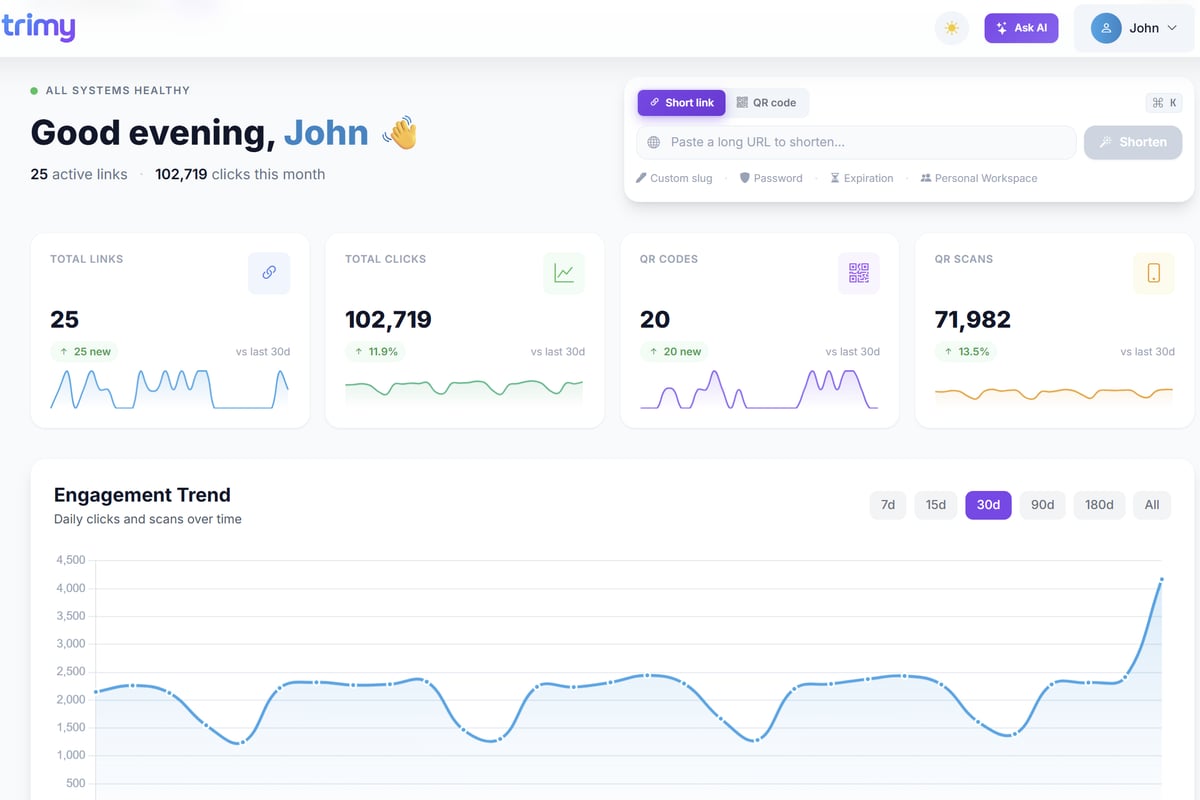
Trimy provides exactly these capabilities at a competitive price point, combining advanced analytics with developer-friendly tools that transform links into actionable revenue signals. The platform's A/B testing framework and smart routing capabilities enable continuous campaign optimization without technical complexity.
Integration Ecosystem Considerations
Your link management platform doesn't exist in isolation. It must connect seamlessly with your broader marketing technology stack.
Critical Integration Points
Modern marketing operations require connections between link management and:
- Marketing automation platforms (HubSpot, Marketo, Pardot)
- Analytics suites (Google Analytics, Adobe Analytics)
- Advertising platforms (Google Ads, Facebook Ads, LinkedIn)
- CRM systems (Salesforce, Microsoft Dynamics)
- Social media management tools (Hootsuite, Buffer, Sprout Social)
Native integrations reduce manual work and ensure data flows automatically between systems. API flexibility enables custom connections for specialized tools in your stack.
Webhook and Automation Capabilities
Webhooks enable real-time data transfer, triggering actions in other systems when links receive clicks. This functionality powers sophisticated workflows like:
- Sending high-intent clicks to sales teams immediately
- Updating CRM records with engagement data
- Triggering email sequences based on link clicks
- Adjusting advertising bids based on conversion performance
- Alerting teams when links exceed performance thresholds
Automation transforms static links into dynamic triggers within your broader marketing ecosystem.
Privacy and Data Governance
Link management platforms collect substantial user data, making privacy compliance essential for responsible marketers.
GDPR and Privacy Regulations
Ensure your chosen platform provides:
- Clear data retention policies
- User data deletion capabilities
- Consent management options
- Data processing agreements
- Geographic data storage options
European marketing efforts require particular attention to GDPR requirements. Platform documentation should explicitly address compliance capabilities and limitations.
Internal Data Policies
Beyond regulatory compliance, establish internal policies governing:
- Who can create and manage links
- What data gets collected through tracking
- How long analytics data is retained
- Which team members access user-level data
- When and how data is shared externally
These policies protect user privacy and reduce organizational risk while maintaining marketing effectiveness.
Platform Selection Checklist
Before finalizing your bitly alternative selection, verify these critical points:
Technical Requirements:
- API documentation quality and completeness
- Integration availability for your existing tools
- Bulk operation capabilities for scale
- Custom domain configuration options
- SSL certificate management
Analytics and Reporting:
- Real-time data availability
- Custom report creation
- Data export formats and frequency
- Attribution window flexibility
- Cross-campaign analysis tools
Business Considerations:
- Pricing transparency and predictability
- Contract terms and cancellation policies
- Support availability and responsiveness
- Platform uptime guarantees
- Migration assistance offerings
Comparing feature sets across platforms reveals significant variation in capabilities and pricing models, making thorough evaluation essential.
Future-Proofing Your Link Strategy
Technology evolves rapidly, and your link management platform should evolve with it. Consider forward-looking capabilities that position your organization for future success.
Emerging Technologies
Forward-thinking platforms invest in:
- Machine learning for predictive analytics
- Natural language processing for sentiment analysis
- Advanced fraud detection algorithms
- Privacy-preserving analytics methods
- Voice and smart speaker optimization
While these capabilities may not be critical today, they indicate platform innovation and long-term viability.
Scalability and Growth
Your needs today differ from your needs in three years. Evaluate platforms based on their ability to support:
- 10x link volume growth
- International market expansion
- Additional team members and departments
- New marketing channels and tactics
- Increased technical sophistication
Switching platforms repeatedly creates disruption and data fragmentation. Selecting a solution that scales with your organization reduces future migration needs.
Finding the right bitly alternative requires balancing features, pricing, and technical capabilities against your specific marketing needs. The platforms available in 2026 offer sophisticated capabilities that transform simple URL shortening into comprehensive link intelligence.
Whether you prioritize advanced analytics, developer flexibility, or budget-conscious pricing, modern alternatives provide options that surpass traditional solutions. By systematically evaluating platforms against your requirements and testing thoroughly before migration, you can confidently select a solution that drives marketing performance. Trimy delivers exactly this combination-powerful analytics, A/B testing, smart routing, and developer tools that turn every link into a revenue optimization opportunity at competitive pricing designed for growing businesses.