Marketing Automation SaaS: Transform Your Campaigns
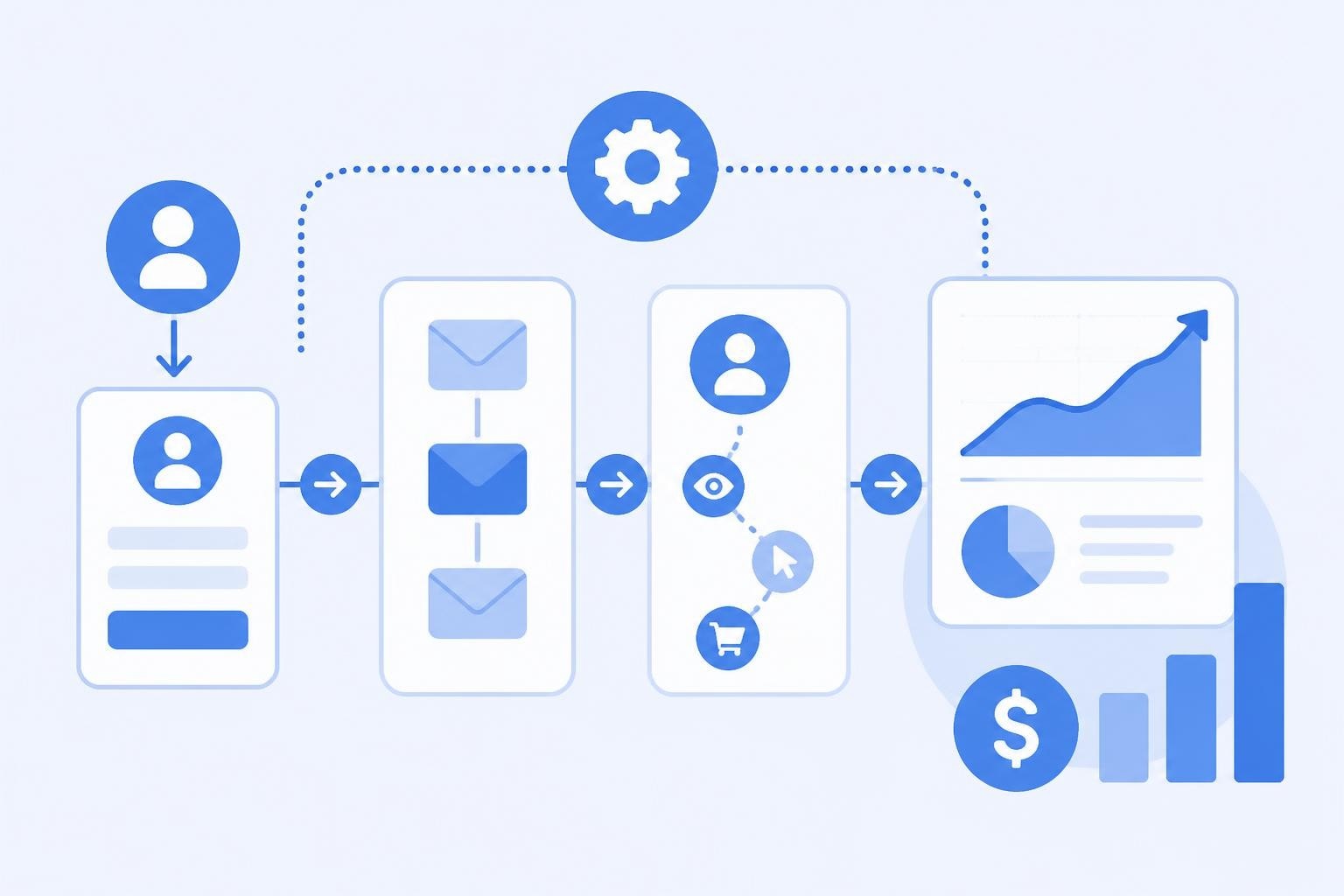
Marketing teams face mounting pressure to deliver personalized experiences at scale while managing increasingly complex customer journeys. Marketing automation SaaS platforms have emerged as essential tools for businesses seeking to streamline operations, nurture leads intelligently, and maximize campaign ROI without exponentially growing their teams. These cloud-based solutions eliminate the technical barriers that once made automation accessible only to enterprise organizations, democratizing sophisticated marketing capabilities for businesses of all sizes.
Understanding Marketing Automation SaaS Fundamentals
Marketing automation SaaS represents a category of cloud-based software designed to automate repetitive marketing tasks, orchestrate multi-channel campaigns, and deliver data-driven insights. Unlike traditional on-premise solutions that require substantial infrastructure investment, marketing automation platforms operate entirely in the cloud, offering subscription-based pricing models that align costs with business growth.
The core value proposition centers on efficiency and scalability. These platforms handle tasks like email sequencing, lead scoring, social media posting, and campaign tracking automatically based on predefined triggers and customer behaviors. This automation frees marketing teams to focus on strategy, creative development, and relationship building rather than manual execution.
Key Components of Modern Platforms
Every robust marketing automation SaaS includes several foundational capabilities that work in concert:
- Email marketing automation with drag-and-drop builders and template libraries
- Lead management and scoring systems that prioritize prospects based on engagement
- Multi-channel campaign orchestration across email, social, SMS, and web
- Analytics dashboards providing real-time performance metrics
- CRM integration capabilities for seamless data synchronization
- Landing page builders with A/B testing functionality
- Segmentation engines that group audiences by behavior and attributes
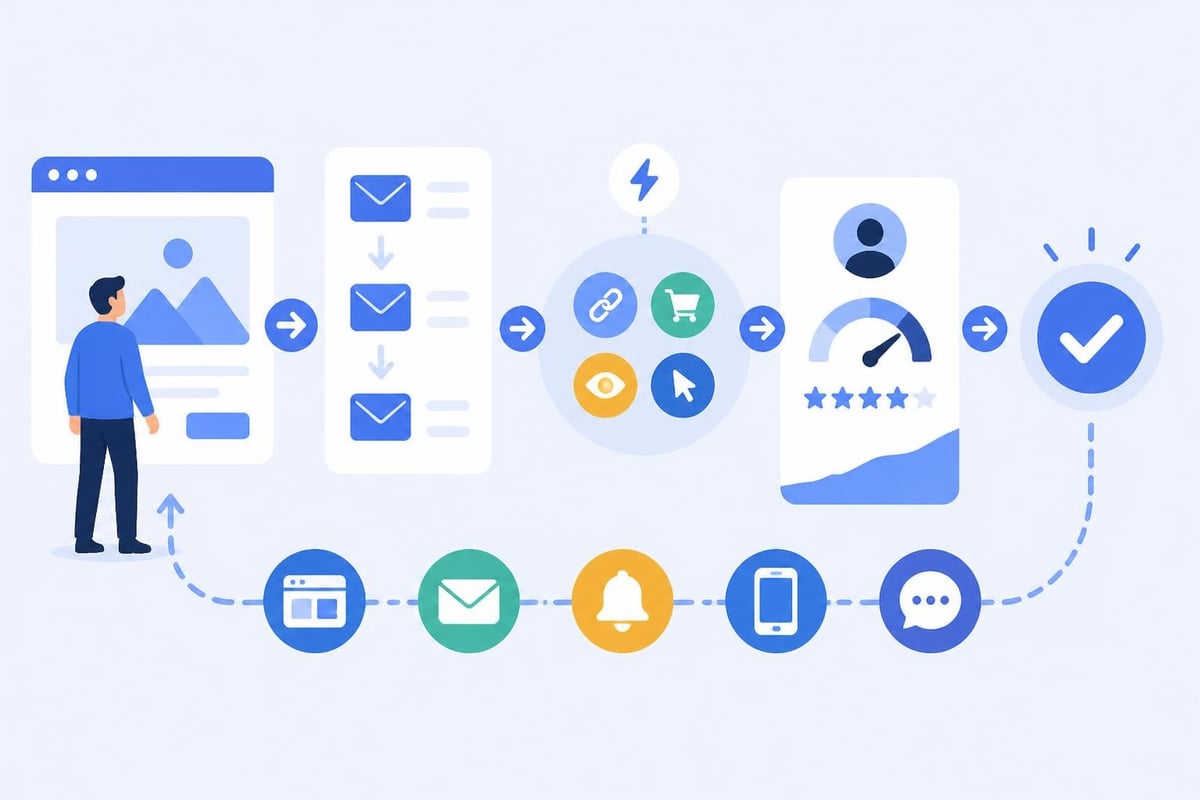
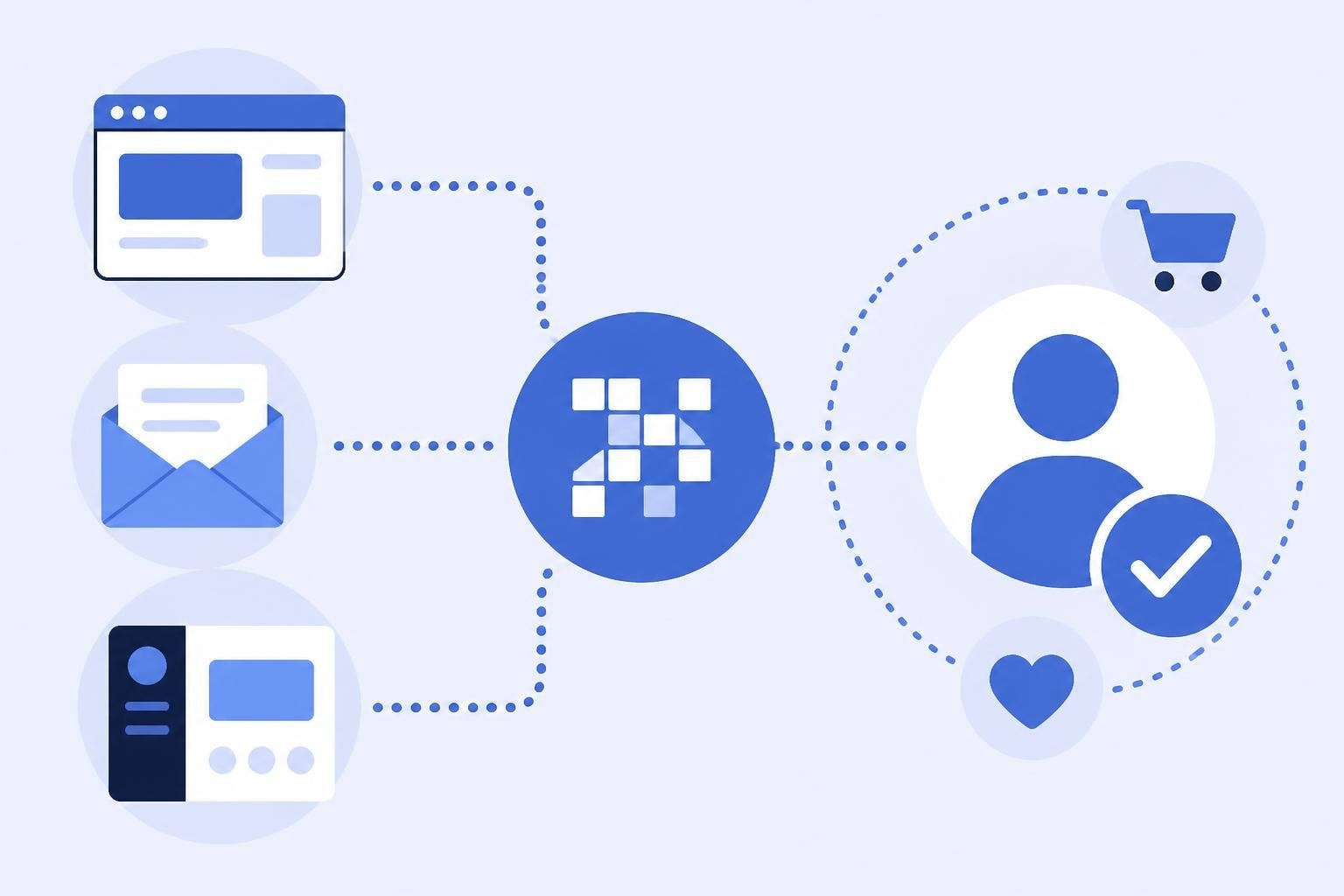
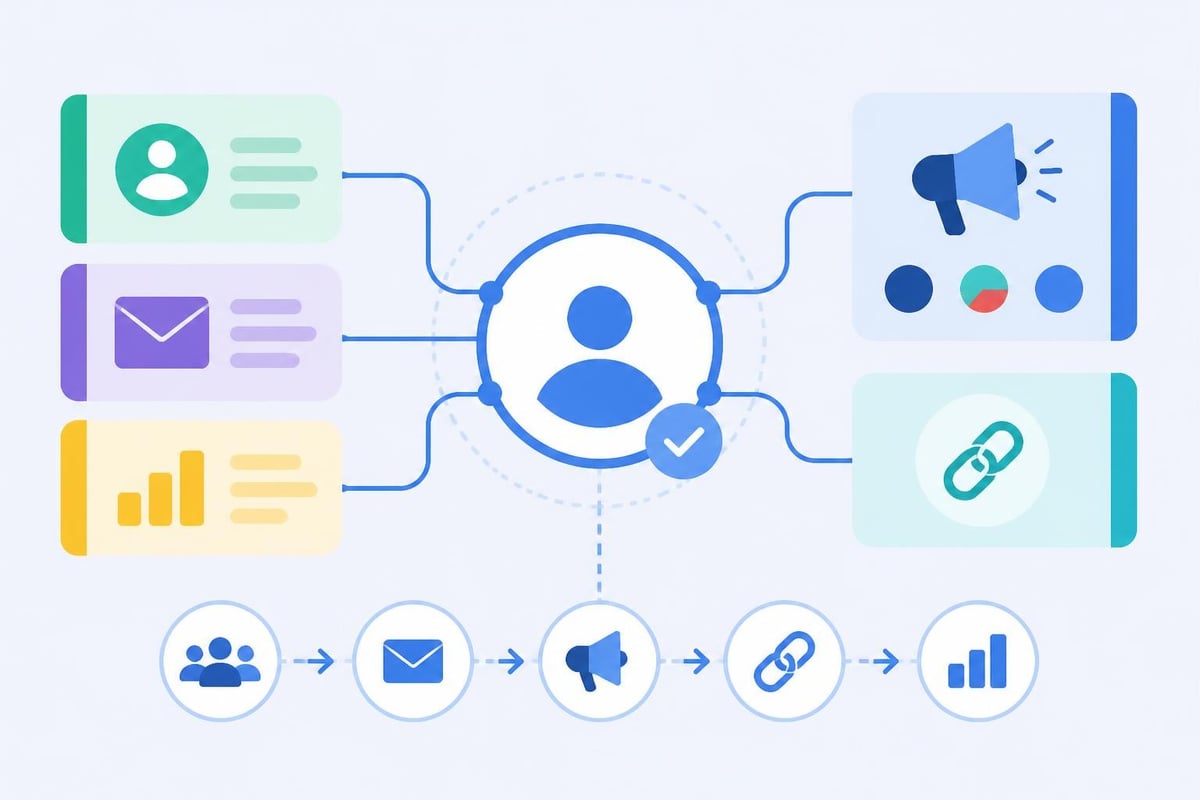
The architecture of marketing automation SaaS typically follows a hub-and-spoke model. The central platform serves as the orchestration layer while connecting to various marketing channels and data sources. This integration capability determines how effectively the platform can deliver unified customer experiences and consolidated reporting.
Selecting the Right Marketing Automation SaaS
Choosing marketing automation software requires evaluating your specific business needs against platform capabilities. The market offers solutions ranging from entry-level tools focused on email automation to enterprise-grade platforms handling complex, multi-touch attribution across dozens of channels.
Critical Evaluation Criteria
| Criterion | Questions to Ask | Impact Level |
|---|---|---|
| Scalability | Can it handle 10x growth in contacts and campaigns? | High |
| Integration Depth | Does it connect with existing CRM, analytics, and sales tools? | High |
| Ease of Use | Can non-technical team members build campaigns independently? | Medium |
| Pricing Structure | How do costs scale with contact volume and features? | High |
| Support Quality | What training, documentation, and customer service are included? | Medium |
| Customization Options | Can workflows be tailored to unique business processes? | Medium |
Budget considerations extend beyond subscription fees. Factor in implementation costs, training time, potential consulting needs, and the opportunity cost of team members learning new systems. Many marketing automation SaaS providers offer tiered pricing that starts affordably but scales significantly as contact databases and feature requirements expand.
The integration ecosystem matters tremendously for operational efficiency. Your marketing automation platform should connect seamlessly with your CRM system, analytics tools, content management platform, and advertising channels. Native integrations typically offer deeper functionality than third-party connectors, reducing data synchronization issues and manual workarounds.
Matching Features to Business Stage
Startup and early-stage companies typically prioritize simplicity and affordability. They need core email automation, basic segmentation, and straightforward analytics without overwhelming complexity. As organizations mature, requirements shift toward advanced personalization, predictive analytics, account-based marketing capabilities, and sophisticated multi-touch attribution models.
Mid-market businesses often benefit most from marketing automation SaaS because they have sufficient lead volume to justify automation investment while lacking the resources for custom-built solutions. These companies typically need robust workflow builders, comprehensive A/B testing capabilities, and detailed behavioral tracking to optimize conversion rates across growing customer bases.
Implementing Marketing Automation for Maximum Impact
Successful deployment of marketing automation SaaS extends far beyond technical setup. The most impactful implementations align automation capabilities with clearly defined marketing strategies and customer journey maps. Organizations that rush into automation without this strategic foundation often create sophisticated systems that execute poorly conceived campaigns efficiently.
Building Effective Automation Workflows
- Map existing customer journeys from awareness through purchase and retention
- Identify repetitive touchpoints where automation adds value without sacrificing personalization
- Define trigger events that initiate automated sequences based on specific behaviors
- Create content libraries organized by journey stage, persona, and channel
- Establish lead scoring models that reflect genuine purchase intent signals
- Configure testing frameworks for continuous optimization of messaging and timing
- Set up reporting dashboards that track metrics aligned with business objectives

The transition from manual processes to automated workflows requires careful planning. Start with high-volume, low-complexity campaigns like welcome series or abandoned cart reminders. These straightforward use cases deliver quick wins while teams develop proficiency with the platform. Gradually expand to more sophisticated sequences involving dynamic content, conditional logic, and cross-channel coordination.
Data hygiene determines automation effectiveness. Marketing automation SaaS platforms amplify existing data quality issues, sending irrelevant messages faster if contact records contain inaccurate information. Implement regular data cleansing protocols, establish clear conventions for contact fields, and create processes for enriching records with behavioral and demographic data over time.
Advanced Strategies for Marketing Automation SaaS
Organizations maximizing their marketing automation SaaS investments move beyond basic email sequences to leverage sophisticated capabilities that drive measurable revenue impact. Marketing automation research consistently shows that advanced users achieve substantially higher ROI through strategic application of platform capabilities.
Behavioral Trigger Optimization
The most powerful automation workflows respond to specific customer behaviors rather than arbitrary time delays. When a prospect downloads a pricing guide, visits your pricing page three times in one week, or watches a product demo video, these signals indicate heightened interest that warrants immediate, relevant follow-up.
Behavioral triggers work most effectively when paired with intelligent content matching. Someone researching specific product features should receive targeted information about those capabilities, not generic company overviews. Marketing automation SaaS platforms enable this precision through dynamic content blocks that adapt based on contact attributes and interaction history.
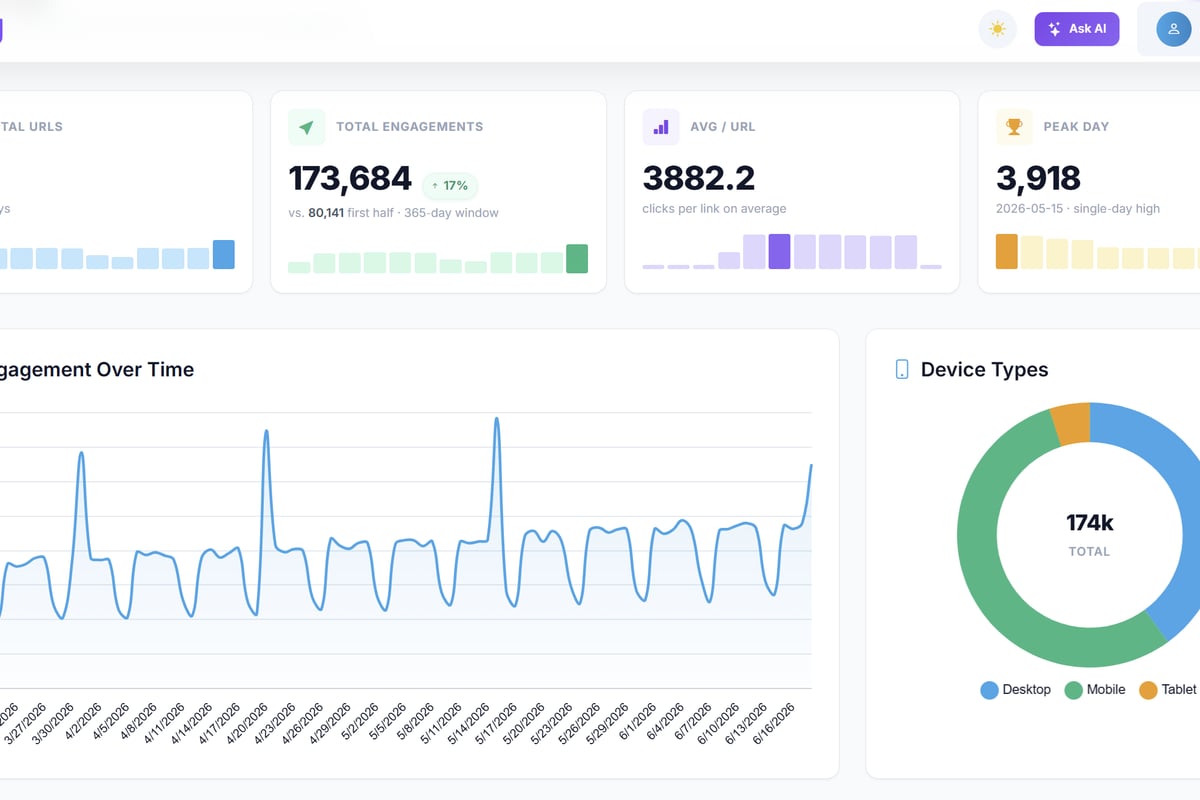
Link intelligence plays a crucial role in behavioral trigger strategies. Every link in your automated campaigns generates valuable data about recipient interests, device preferences, geographic locations, and engagement patterns. Trimy transforms these links into rich data sources through advanced analytics, A/B testing capabilities, and smart routing that directs different segments to personalized landing experiences. By tracking which links drive conversions and which generate bounces, marketers can continuously refine their automation sequences for improved performance.
Multi-Channel Orchestration Techniques
Modern buyers interact with brands across numerous channels before making purchase decisions. Effective marketing automation SaaS implementations coordinate messaging across email, social media, SMS, web personalization, and advertising platforms to create cohesive experiences regardless of touchpoint.
| Channel | Best Use Cases | Automation Opportunities |
|---|---|---|
| Nurture sequences, announcements, educational content | Drip campaigns, event-triggered sends, re-engagement | |
| SMS | Time-sensitive offers, appointment reminders, shipping updates | Conditional messaging based on email opens, location triggers |
| Social Media | Brand awareness, community engagement, customer service | Scheduled posting, response management, social listening alerts |
| Web Personalization | Homepage customization, product recommendations | Dynamic content based on visit history and lifecycle stage |
| Retargeting Ads | Cart abandonment recovery, cross-sell campaigns | Audience sync from automation platform to ad networks |
The key to successful multi-channel orchestration lies in message coordination rather than simple repetition. Each channel should complement others, advancing the narrative rather than duplicating identical content. When someone ignores three emails about a webinar, shifting to a social media reminder or SMS notification often proves more effective than sending a fourth email.
Measuring Marketing Automation SaaS Performance
Understanding marketing automation metrics enables continuous improvement and demonstrates business value. The most meaningful measurement frameworks connect platform activities to revenue outcomes rather than focusing exclusively on engagement metrics.
Essential Performance Indicators
Engagement metrics provide early signals about campaign resonance:
- Open rates indicating subject line effectiveness
- Click-through rates showing content relevance
- Time-to-open patterns revealing optimal send times
- Device and location data informing creative decisions
Conversion metrics track progression toward business objectives:
- Form submission rates on automated landing pages
- Content download volumes by campaign and segment
- Trial signup conversion from nurture sequences
- Meeting booking rates from outreach campaigns
Revenue metrics demonstrate ultimate business impact:
- Pipeline contribution from marketing automation sources
- Customer acquisition cost for automated versus manual campaigns
- Revenue per contact across different segments
- Lifetime value differences between automation-nurtured and direct-sales customers
Attribution modeling determines which touchpoints deserve credit for conversions. Marketing automation SaaS platforms typically offer first-touch, last-touch, and multi-touch attribution models. First-touch attributes conversion to initial interaction, last-touch credits the final touchpoint before conversion, and multi-touch distributes credit across the entire journey.
The optimal attribution model depends on your sales cycle complexity and organizational goals. Simple, transactional businesses with short sales cycles often find last-touch sufficient. Complex B2B organizations with 6-12 month sales cycles benefit from multi-touch attribution that recognizes numerous marketing interactions influencing purchase decisions.
Optimization Through Testing
Continuous improvement distinguishes high-performing marketing automation implementations from stagnant ones. Regular A/B testing of subject lines, send times, content formats, calls-to-action, and offer positioning generates incremental gains that compound over time.
Testing disciplines should extend beyond individual campaign elements to entire workflow strategies. Compare nurture sequence lengths, evaluate different lead scoring models against actual conversion rates, and test personalization depth to find the optimal balance between relevance and production complexity.
Link-level analytics provide granular insights for optimization. When multiple links within automated emails point to different resources, tracking which generates highest engagement reveals content preferences. Geographic and device data from link clicks inform localization strategies and mobile optimization priorities.
Integrating Marketing Automation Across Your Technology Stack
Marketing automation SaaS platforms deliver maximum value when integrated within comprehensive marketing technology ecosystems. Isolated systems create data silos, manual workarounds, and incomplete customer views that undermine automation effectiveness.
Critical Integration Points
The CRM system serves as the single source of truth for customer data. Bi-directional synchronization between marketing automation and CRM ensures sales teams access complete interaction histories while marketing sees deal progression and closed-won revenue. This connection enables sophisticated lead handoff workflows and closed-loop reporting that tracks campaigns through to revenue.
Analytics platforms extend measurement capabilities beyond what marketing automation SaaS provides natively. Integration with Google Analytics, Adobe Analytics, or similar tools enables cross-platform journey analysis, attribution modeling across paid and organic channels, and website behavior correlation with email engagement.
Content management systems streamline campaign production when connected to marketing automation platforms. Direct integration allows marketers to pull blog posts, product pages, and resource content into emails without manual copying. Dynamic content feeds ensure automated campaigns always reference current information.
E-commerce platforms require tight integration for abandoned cart sequences, post-purchase follow-up, and customer win-back campaigns. Product data synchronization enables personalized recommendations while purchase history informs segmentation strategies.
Overcoming Common Marketing Automation Challenges
Even well-implemented marketing automation SaaS faces predictable obstacles. Addressing these challenges proactively prevents automation from becoming a source of frustration rather than efficiency.
Over-automation represents a frequent pitfall where businesses automate too many touchpoints, creating robotic experiences that alienate rather than engage prospects. The solution involves reserving high-value interactions for human outreach while automating routine communications. When deals reach certain thresholds or prospects exhibit specific high-intent behaviors, trigger notifications for personal sales follow-up rather than additional automated messages.
Content gaps emerge when automation strategies outpace content production capabilities. Workflows requiring dozens of unique email variations, landing pages, and supporting resources quickly overwhelm small marketing teams. Prioritize automation projects based on available content, create modular content blocks that combine into multiple variations, and establish realistic production roadmaps aligned with automation ambitions.
Complexity creep occurs as organizations continuously add features, workflows, and integrations without retiring outdated components. Regular audits identify underperforming automation sequences, redundant workflows, and obsolete content requiring updates or removal. This maintenance prevents platforms from becoming unwieldy systems that only one person understands.
Building Organizational Adoption
Technology implementation succeeds or fails based on user adoption. Marketing automation SaaS requires cross-functional collaboration between marketing, sales, and often customer success teams. Clear documentation of workflows, regular training sessions, and designated platform administrators ensure team members use systems effectively rather than reverting to manual processes.
Change management strategies should emphasize benefits over features. Rather than focusing on platform capabilities, demonstrate how automation enables marketers to accomplish more strategic work, helps sales teams focus on qualified opportunities, and improves customer experiences through timely, relevant communication.
Future Trends in Marketing Automation SaaS
The marketing automation landscape continues evolving rapidly as artificial intelligence, privacy regulations, and changing buyer behaviors reshape platform capabilities and best practices. Forward-thinking organizations position themselves to leverage emerging trends while maintaining foundational automation excellence.
Artificial intelligence is transforming marketing automation from rule-based systems to predictive platforms. AI-powered features now optimize send times for individual recipients, generate subject line variations, predict lead conversion probability, and recommend next-best actions for each contact. These capabilities reduce manual optimization work while improving performance beyond what static rules achieve.
Privacy-first automation adapts to stricter data regulations and consumer expectations around data usage. Marketing automation SaaS providers increasingly emphasize consent management, data minimization principles, and transparency features that help businesses comply with GDPR, CCPA, and emerging regulations. Successful strategies focus on earning permission through value delivery rather than maximizing data collection.
Conversational marketing integration brings chat, messaging apps, and interactive content into automation workflows. Modern platforms coordinate email sequences with chatbot interactions, SMS conversations, and in-app messaging to create fluid, multi-channel dialogues rather than one-way broadcast campaigns.
Account-based marketing capabilities expand within marketing automation SaaS as B2B organizations shift from lead-centric to account-centric strategies. Enhanced features support targeting multiple contacts within priority accounts, coordinating personalized experiences across decision-maker roles, and measuring engagement at the account rather than individual level.
Marketing automation SaaS has evolved from a nice-to-have luxury into an essential component of modern marketing operations, enabling teams to scale personalization, optimize campaign performance, and demonstrate clear ROI. When your automated campaigns depend on links to drive engagement and conversions, having intelligent link management becomes critical to success. Trimy provides the advanced analytics, A/B testing, and deep insights that transform your marketing links from simple redirects into powerful revenue signals, helping you understand exactly which messages, audiences, and channels drive results while optimizing every click for maximum impact.