Marketing Campaign Tracking: A Complete 2026 Guide

Marketing success in 2026 depends on your ability to measure what matters. Without proper marketing campaign tracking, you're essentially flying blind, making decisions based on gut feelings rather than data-driven insights. Every dollar spent on advertising, every email sent, and every social media post published generates valuable data that can inform future strategies. The challenge isn't collecting this data-it's implementing a systematic approach that transforms raw metrics into actionable intelligence. Whether you're running multi-channel campaigns or testing new acquisition channels, understanding the fundamentals of campaign tracking separates profitable marketing from wasted budget.
Understanding Marketing Campaign Tracking Fundamentals
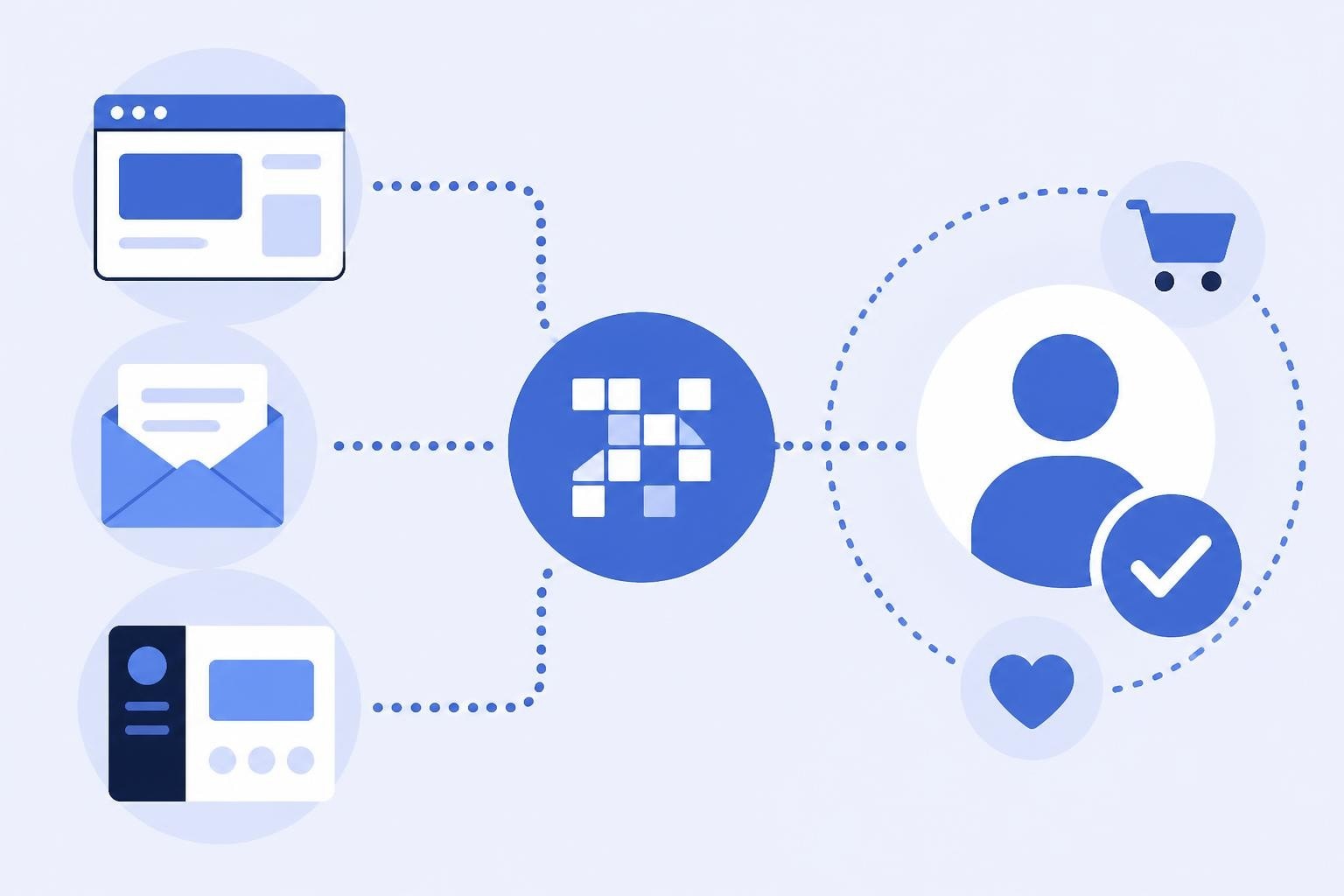
Marketing campaign tracking involves monitoring, measuring, and analyzing the performance of promotional efforts across all channels. This process captures data from the moment a potential customer sees your ad to the point they convert and beyond.
The foundation of effective tracking rests on three pillars: proper implementation, consistent naming conventions, and reliable attribution models. Without these elements working in harmony, your analytics become fragmented and unreliable.
Core Components of Campaign Tracking Systems
Every robust tracking system requires specific technical elements working together:
- UTM parameters for identifying traffic sources and campaign details
- Conversion pixels for tracking user actions post-click
- Analytics platforms for centralizing and visualizing data
- Link management tools for organizing and monitoring campaign URLs
- Attribution models for assigning credit to touchpoints
The technical infrastructure matters just as much as the strategy. Proper UTM parameter structure ensures your data remains clean and analyzable across quarters and years.

Critical Metrics That Drive Decisions
Marketing campaign tracking becomes valuable only when you focus on metrics that directly impact business outcomes. Vanity metrics like impressions and reach tell an incomplete story.
| Metric Category | Key Indicators | Business Impact |
|---|---|---|
| Acquisition | Click-through rate, cost per click, traffic volume | Channel efficiency and reach |
| Engagement | Bounce rate, time on site, pages per session | Content relevance and user intent |
| Conversion | Conversion rate, cost per acquisition, ROI | Revenue generation and profitability |
| Retention | Customer lifetime value, repeat purchase rate | Long-term sustainability |
Focus on conversion metrics first, then work backward to understand which acquisition and engagement patterns drive those conversions. This reverse-engineering approach prevents you from optimizing the wrong variables.
Implementing UTM Parameters for Accurate Attribution
UTM parameters serve as the backbone of marketing campaign tracking in 2026. These simple URL tags enable you to identify exactly where your traffic originates and how visitors interact with your content.
Five standard UTM parameters exist: source, medium, campaign, term, and content. Each serves a specific purpose in your tracking taxonomy.
Building a Sustainable Naming Convention
Consistency separates useful campaign data from analytical chaos. Before launching any tracked campaign, establish clear naming rules that everyone on your team follows.
Your naming convention should address:
- Capitalization standards (always lowercase recommended)
- Word separators (underscores versus hyphens)
- Abbreviation guidelines (when and how to shorten terms)
- Date formatting (if including dates in campaign names)
- Platform identifiers (standardized codes for each channel)
Document these standards in a shared resource that marketing team members reference before creating campaign URLs. Campaign tracking best practices emphasize that inconsistent naming creates duplicate data rows and unreliable reports.
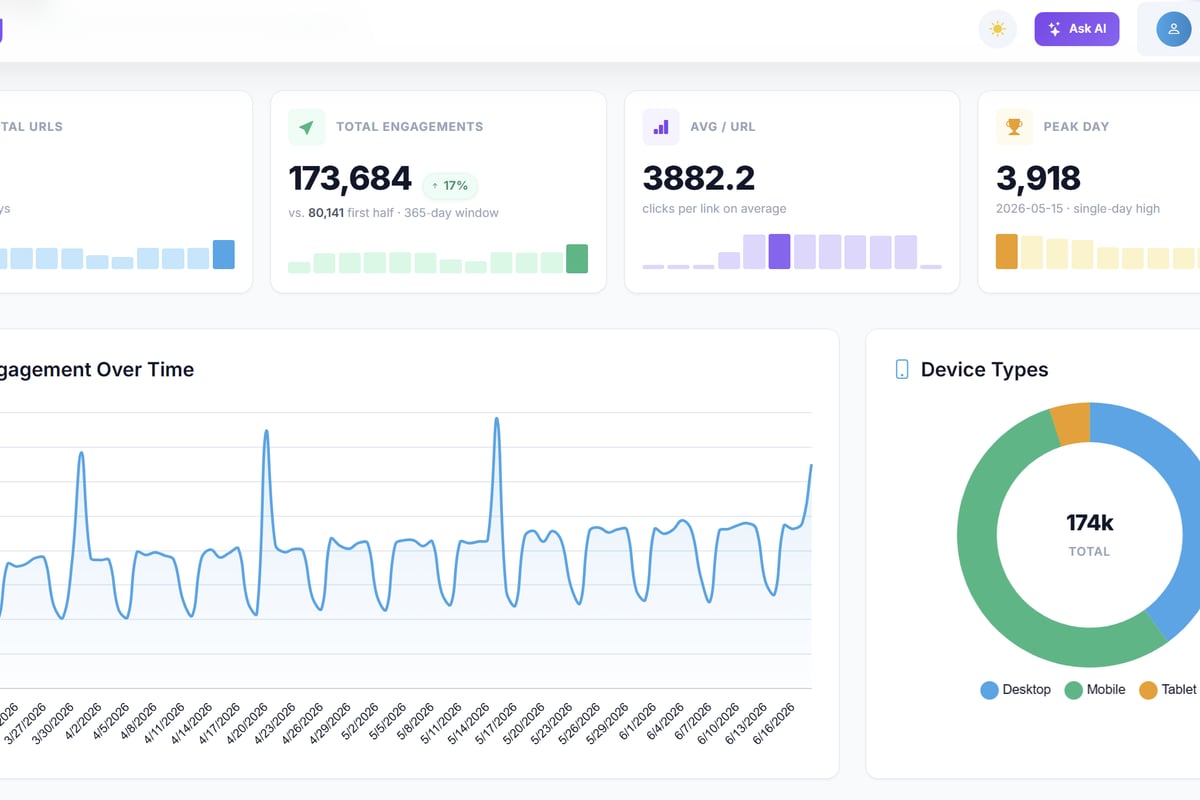
Trimy offers a centralized platform where teams can create, manage, and track campaign URLs while maintaining naming consistency across all marketing channels. The platform enforces your established conventions automatically, preventing the common errors that pollute analytics data.
Common UTM Implementation Mistakes
Even experienced marketers make critical errors when implementing marketing campaign tracking through UTM parameters:
- Using UTM tags on internal links, which resets attribution
- Changing naming conventions mid-campaign
- Omitting required parameters like source or medium
- Including personally identifiable information in URLs
- Failing to URL-encode special characters
The comprehensive UTM checklist outlines 21 specific practices that prevent these errors from compromising your data integrity.
Multi-Touch Attribution and Customer Journeys
Modern buyers rarely convert after a single interaction. Marketing campaign tracking must account for the multiple touchpoints that influence purchase decisions.
Attribution models assign credit to various interactions along the customer journey. Choosing the right model depends on your sales cycle length, average deal size, and channel mix.
Comparing Attribution Approaches
| Attribution Model | Credit Distribution | Best For |
|---|---|---|
| First-touch | 100% to first interaction | Top-of-funnel optimization |
| Last-touch | 100% to final interaction | Direct response campaigns |
| Linear | Equal across all touches | Long sales cycles |
| Time-decay | More to recent interactions | Balanced view with recency bias |
| Position-based | 40/40/20 (first/last/middle) | Awareness and conversion focus |
Advanced marketers in 2026 increasingly adopt data-driven attribution models that use machine learning to weight touchpoints based on actual conversion patterns rather than predetermined rules.
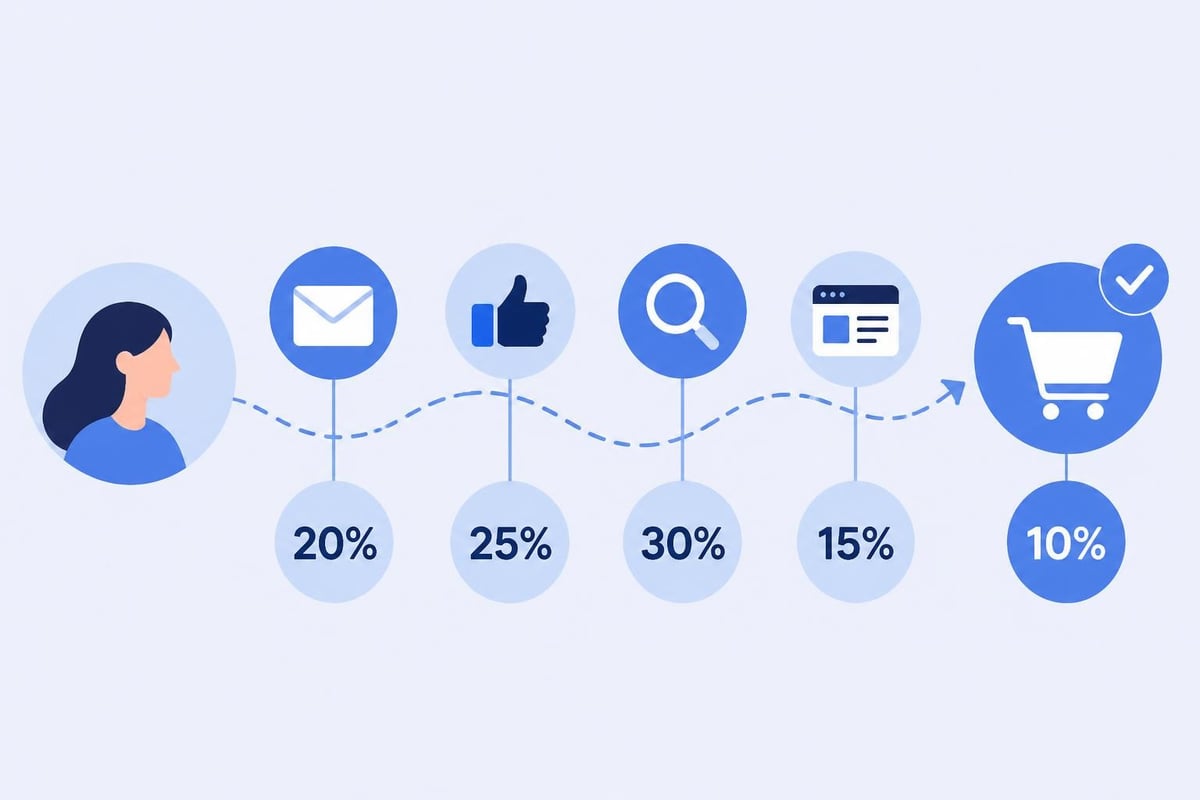
Research on integrated marketing attribution frameworks demonstrates how Bayesian approaches can provide granular measurement while respecting privacy constraints-an increasingly important consideration given evolving data regulations.
Cross-Device Tracking Challenges
Your customers switch between smartphones, tablets, and desktops throughout their journey. Marketing campaign tracking systems must connect these fragmented interactions to understand true campaign performance.
Solutions include:
- Deterministic matching through authenticated logins
- Probabilistic matching using device signals and behavior patterns
- First-party cookies for same-browser tracking
- Customer data platforms that unify identity across touchpoints
The most reliable approach combines authenticated user data with behavioral signals, creating a comprehensive view of each customer's path to conversion.
Campaign Tracking Technology Stack
Your technology choices directly impact the quality and accessibility of your marketing campaign tracking data. The right stack balances comprehensive data collection with usability and cost.
Essential Platform Categories
Building an effective tracking infrastructure requires selecting tools across several categories:
- Analytics platforms (Google Analytics, Adobe Analytics, Mixpanel)
- Tag management systems (Google Tag Manager, Tealium)
- Link management solutions (for organizing and tracking campaign URLs)
- Marketing automation (HubSpot, Marketo, Pardot)
- Attribution platforms (specialized tools for multi-touch analysis)
- Data warehouses (for storing and analyzing raw event data)
Marketing campaign measurement tools vary significantly in capabilities, pricing models, and integration ecosystems. Evaluate options based on your specific reporting needs and technical resources.
Integration and Data Flow Architecture
Individual tools provide value, but connected systems create exponential insights. Your marketing campaign tracking architecture should enable seamless data flow between platforms.
Design your integration strategy around these principles:
- Centralize raw data in a warehouse or customer data platform
- Standardize event taxonomies across all tracking implementations
- Automate data transfers to reduce manual reporting work
- Implement data validation to catch tracking errors early
- Build redundancy for critical conversion events
When evaluating campaign tracking software options, prioritize platforms with robust APIs and pre-built integrations with your existing martech stack.
A/B Testing Within Campaign Tracking Frameworks
Marketing campaign tracking reaches its full potential when combined with systematic experimentation. A/B testing transforms tracking data from descriptive to prescriptive, helping you understand not just what happened, but what changes drive better results.
Structuring Effective Campaign Experiments
Every test should follow a structured process that ensures valid, actionable results:
Planning phase involves defining clear hypotheses, identifying key metrics, and calculating required sample sizes. Avoid the common mistake of testing without statistical rigor.
Implementation phase requires careful variant creation and random traffic allocation. Your marketing campaign tracking system must accurately segment users into test groups and maintain that assignment across sessions.
Analysis phase examines both primary conversion metrics and secondary indicators like engagement and retention. Statistical significance alone doesn't guarantee business significance.
The framework for comparison lift in online advertising demonstrates how bandit-based approaches can outperform traditional A/B testing by dynamically allocating traffic to better-performing variants.
Variables Worth Testing
Focus your testing efforts on elements that significantly impact campaign performance:
- Landing page headlines and value propositions
- Call-to-action copy and button placement
- Offer structure and pricing presentation
- Visual elements and media formats
- Targeting parameters and audience segments
- Channel mix and budget allocation
- Bidding strategies and ad creative
Document every test, including null results. Failed experiments provide valuable insights about what doesn't work, preventing repeated mistakes and informing future hypotheses.
Optimizing Campaign Performance Through Data Analysis
Collecting data through marketing campaign tracking represents only the first step. The real value emerges when you transform metrics into strategic decisions that improve ROI.
Building Actionable Dashboards
Effective dashboards present the right information to the right stakeholders at the right time. Avoid creating overwhelming reports that obscure critical insights beneath excessive detail.
Structure your dashboards around decision-making needs:
- Executive dashboards show high-level KPIs and trend lines
- Channel manager dashboards provide granular performance by source
- Campaign-specific views track individual initiative progress
- Real-time monitors alert teams to anomalies requiring immediate action
Use color coding and visual indicators to highlight performance against benchmarks, making it immediately obvious which campaigns require attention.
Identifying Optimization Opportunities
Regular analysis of marketing campaign tracking data reveals specific opportunities for improvement:
- Underperforming channels draining budget without returns
- High-engagement, low-conversion content needing stronger calls-to-action
- Audience segments with exceptional conversion rates worth scaling
- Time patterns suggesting optimal scheduling for ads and emails
- Device-specific issues indicating technical problems or experience gaps
Campaign monitoring best practices emphasize establishing regular review cadences-weekly for tactical adjustments, monthly for strategic shifts, and quarterly for comprehensive audits.

Advanced Tracking for Modern Marketing Challenges
The marketing landscape in 2026 presents new challenges that require evolved tracking approaches. Privacy regulations, cookie deprecation, and platform limitations demand creative solutions.
Privacy-Compliant Tracking Strategies
Regulatory frameworks like GDPR and CCPA fundamentally changed how marketers can track user behavior. Your marketing campaign tracking systems must balance measurement needs with legal compliance and user trust.
Strategies for privacy-safe measurement include:
- First-party data collection through authenticated experiences
- Aggregated reporting that prevents individual user identification
- Consent management platforms properly documenting user permissions
- Server-side tracking reducing reliance on browser-based cookies
- Privacy-preserving attribution using techniques like differential privacy
Building trust through transparent data practices often increases opt-in rates, actually improving your tracking coverage compared to opaque approaches that drive users to blocking tools.
Link-Level Intelligence and Smart Routing
Beyond basic click tracking, modern link management enables sophisticated campaign optimization through intelligent routing and dynamic destination selection.
Smart routing capabilities include:
- Geographic targeting sending users to region-specific landing pages
- Device detection optimizing experiences for mobile versus desktop
- A/B testing at the link level without complex tag manager configurations
- Retargeting pixel injection adding tracking codes dynamically
- Time-based routing directing traffic based on business hours or inventory
These advanced features transform simple campaign URLs into intelligent decision points that enhance both tracking granularity and user experience.
Handling Cross-Domain Tracking Complexity
Many campaigns drive traffic across multiple domains-from social platforms to landing pages to checkout systems. Maintaining attribution across these boundaries requires careful technical implementation.
Solutions involve:
- Cross-domain tracking configurations in analytics platforms
- Consistent user identifiers passed through URL parameters
- Cookie domain settings enabling access across subdomains
- Server-side event forwarding for domains you control
- Platform-specific integrations for third-party checkouts
Test your cross-domain tracking thoroughly before launching campaigns, as configuration errors often create attribution black holes that hide conversion sources.
Campaign Tracking Quality Assurance
Even the most sophisticated marketing campaign tracking infrastructure fails if implementation errors corrupt your data. Systematic quality assurance prevents costly mistakes that mislead decision-making.
Pre-Launch Testing Protocols
Every campaign URL and tracking implementation should pass through verification before receiving paid traffic:
- Click-through testing confirming UTM parameters appear correctly in analytics
- Conversion tracking validation verifying goal completions register properly
- Cross-device checks ensuring tracking persists across platforms
- Link functionality testing all destinations load correctly
- Parameter preservation confirming tracking codes survive redirects
Structured tracking checklists reduce the likelihood of overlooking critical verification steps during busy campaign launches.
Ongoing Monitoring and Anomaly Detection
Marketing campaign tracking requires continuous monitoring even after initial validation. Traffic patterns shift, platform integrations break, and code deployments sometimes disable tracking inadvertently.
Implement alerts for:
- Sudden traffic drops from specific sources or campaigns
- Conversion rate deviations beyond normal variation ranges
- Missing UTM parameters indicating broken tracking implementations
- Unusually high bounce rates suggesting landing page issues
- Tracking script errors appearing in browser console logs
Catching problems within hours rather than days prevents wasted ad spend and incomplete data sets that complicate future analysis.
Successful marketing campaign tracking in 2026 requires combining strategic planning, technical implementation, and continuous optimization. The frameworks and best practices outlined above provide a foundation for building measurement systems that actually drive business growth rather than simply collecting data. As you refine your approach, trimy offers the link intelligence and management capabilities needed to transform your campaign URLs into powerful revenue signals, with advanced analytics, A/B testing, and smart routing tools designed specifically for marketers who demand more from their tracking infrastructure.