Posting Jobs on Facebook: Complete Guide for 2026

Posting jobs on Facebook has evolved significantly since the platform first introduced recruitment features. With over 2.9 billion monthly active users, Facebook remains one of the most powerful channels for reaching potential candidates where they already spend their time. Whether you're a small business owner hiring your first employee or a marketing team looking to fill specialized roles, understanding how to effectively leverage Facebook's job posting tools can dramatically expand your candidate pool and reduce time-to-hire. This comprehensive guide walks through everything you need to know about posting jobs on Facebook in 2026, from choosing the right posting method to optimizing your listings for maximum visibility and response.
Understanding Facebook's Job Posting Ecosystem
Facebook offers multiple pathways for employers to connect with job seekers, each with distinct advantages and use cases. The platform's job features have been consolidated and relaunched following Meta's reintroduction of Local Jobs in late 2025, creating a more streamlined experience for both employers and applicants.
Three Primary Methods for Posting Jobs
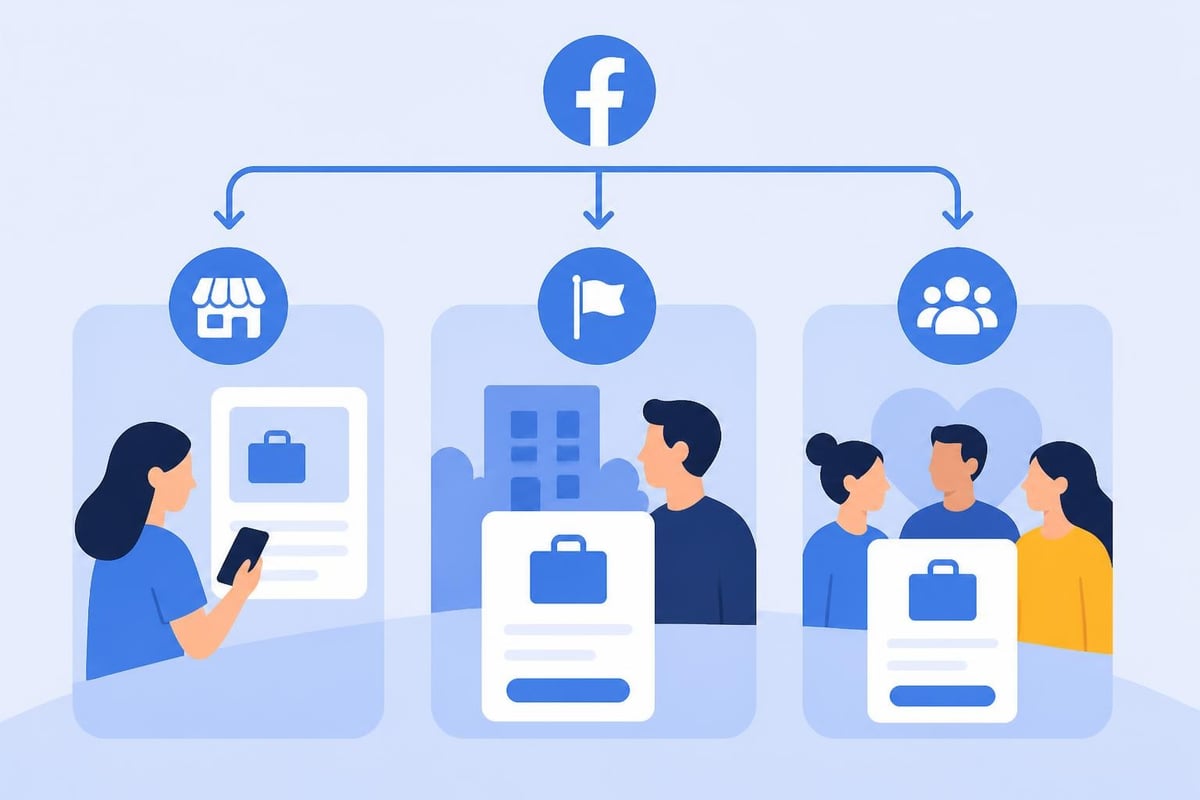
When posting jobs on Facebook, you have three main options:
- Facebook Marketplace Jobs: Post directly to the dedicated Jobs section of Marketplace, where active job seekers browse listings
- Company Page Jobs: Create job posts from your business Page that appear in your followers' feeds and on your Page's Jobs tab
- Facebook Groups: Share opportunities in community groups, industry-specific networks, or your own branded employment group
Each method serves different recruitment objectives. Marketplace listings capture active job seekers browsing for opportunities, while Page posts reach your existing audience and their networks. Group postings target niche communities or local talent pools with shared interests or geographic proximity.
How Facebook Job Listings Work
Facebook's job posting infrastructure connects employer listings with candidate profiles through a streamlined application flow. When you create a job post, Facebook automatically formats it with standardized fields including job title, location, salary range, employment type, and description. Candidates can apply directly through Facebook, either by submitting their Facebook profile information or by being redirected to an external application system.
The platform indexes job posts in search results and surfaces them to users based on their location, interests, and previous job-seeking behavior. This algorithmic matching increases the likelihood that your posting reaches qualified candidates without requiring extensive paid promotion, though boosting remains an option for broader reach.
Step-by-Step Guide to Posting Jobs on Facebook Marketplace
Facebook Marketplace has become the central hub for job discovery on the platform. The relaunch streamlined the posting process to make it accessible even for employers without extensive recruiting experience.
Creating Your First Marketplace Job Listing
To begin posting jobs on Facebook Marketplace, navigate to Marketplace from your desktop or mobile app and select the "Create New Listing" option. Choose "Job Opening" as your listing type. You'll be prompted to fill out several required fields:
- Job Title: Use clear, searchable titles that match industry standards
- Location: Specify city and state or allow remote work designation
- Employment Type: Select full-time, part-time, contract, or internship
- Salary Range: Provide compensation information (optional but recommended)
- Job Description: Detail responsibilities, qualifications, and company information
- Application Method: Choose Facebook applications or redirect to external URL
The job description section supports basic formatting and should include specific information about the role, required qualifications, and what makes your opportunity attractive. Facebook's algorithm favors detailed, authentic descriptions over keyword-stuffed or overly promotional copy.
Optimizing Marketplace Job Posts for Visibility
| Optimization Element | Best Practice | Impact |
|---|---|---|
| Title Clarity | Use standard job titles, avoid internal codes | Higher search visibility |
| Location Accuracy | Include specific city, enable remote if applicable | Better geographic matching |
| Salary Transparency | Provide range even if approximate | 30-40% more applications |
| Description Length | 300-500 words with clear formatting | Improved completion rates |
| Response Time | Reply within 24 hours via Messenger | Higher candidate engagement |
When posting jobs on Facebook Marketplace, remember that mobile users represent the majority of viewers. Write scannable descriptions with short paragraphs, bullet points for key qualifications, and clear next steps. Include information about your company culture and benefits to differentiate your listing from competitors.
Posting Jobs Through Your Facebook Business Page
Your company's Facebook Page offers a powerful alternative for posting jobs on Facebook, particularly when you want to leverage your existing brand presence and follower base. This method integrates seamlessly with your content strategy and keeps hiring conversations within your brand ecosystem.
Creating Page-Based Job Posts
Access the job posting feature from your Page's Publishing Tools or Admin Panel. Navigate to the Jobs tab and click "Create Job." The interface mirrors Marketplace but offers additional options for targeting your Page's audience:
- Audience Targeting: Choose whether the post appears only to followers or to a broader audience
- Cross-Posting: Simultaneously publish to Marketplace and your Page
- Boost Options: Set a budget to amplify reach beyond organic distribution
- Application Routing: Direct applicants to Messenger, email, or external ATS
Page-based job posts appear in your followers' News Feeds like regular content, generating organic engagement through likes, comments, and shares. This social proof can significantly enhance credibility compared to standalone Marketplace listings.
Leveraging Your Page's Community
When posting jobs on Facebook through your Page, you tap into an audience already familiar with your brand. This familiarity translates to higher-quality applications from candidates who understand your company culture and values. Encourage employees to share job posts from your Page to their personal networks, exponentially expanding reach to qualified referrals.
Consider creating a dedicated Highlights section on your Page for career opportunities. This persistent presence makes it easy for interested candidates to find current openings even if they missed the initial post in their feed. Pin important job posts to the top of your Page during critical hiring periods to ensure maximum visibility.

Using Facebook Groups for Targeted Job Distribution
Facebook Groups represent a highly targeted channel for posting jobs on Facebook, particularly for niche roles, local positions, or industry-specific talent. The community-driven nature of Groups creates engagement opportunities that Marketplace and Page posts cannot replicate.
Finding and Joining Relevant Groups
Before posting jobs on Facebook Groups, identify communities where your ideal candidates spend time:
- Local community groups: Geographic-based groups for city residents
- Industry professional groups: Specialized communities for specific professions
- Alumni networks: University and school-based career groups
- Job seeker groups: Groups dedicated to employment opportunities in specific regions or fields
Review each group's rules before posting. Many groups have specific guidelines about job postings, including required formats, designated posting days, or prohibitions on certain types of positions. Violating group rules can result in post removal or membership revocation.
Crafting Group-Specific Job Posts
Unlike Marketplace's structured format, Group job posts typically follow the community's preferred style. Most effective Group job posts include:
- Attention-grabbing opening line with job title and key benefit
- Brief company introduction establishing credibility
- Role overview with 3-5 bullet points of key responsibilities
- Ideal candidate profile describing background and skills
- Clear application instructions with direct link or contact method
- Personal touch acknowledging the Group community
When posting jobs on Facebook Groups, authenticity matters more than polish. Group members respond better to genuine, conversational posts than to corporate announcements. Engage with comments promptly and transparently to build rapport with potential candidates.
Budgeting and Boosting Job Posts
While organic posting jobs on Facebook can generate solid results, paid promotion significantly expands reach and accelerates hiring timelines. Facebook's advertising platform offers sophisticated targeting that can deliver your job post to precisely the candidates you need.
Setting Your Job Post Budget
Facebook's boost functionality allows you to amplify job posts with minimal setup. For most small to mid-sized businesses, a budget of $50-200 per job posting generates meaningful results. Factors affecting optimal budget include:
- Job level and urgency: Executive roles or urgent fills warrant higher budgets
- Geographic scope: Larger geographic areas require more budget to achieve density
- Competition: Highly competitive roles need increased visibility to stand out
- Industry: Tech and specialized fields often require higher ad spend than general positions
Start conservatively and increase budget if initial results show promise but insufficient volume. Facebook's algorithm optimizes delivery over the first 24-48 hours, so avoid judging performance too quickly.
Advanced Targeting for Job Advertisements
Facebook's targeting capabilities allow precise audience definition when posting jobs on Facebook as paid advertisements:
| Targeting Category | Options | Recruitment Use Case |
|---|---|---|
| Demographics | Age, education, job title | Match role requirements |
| Location | Radius, cities, exclude areas | Geographic eligibility |
| Interests | Professional interests, pages liked | Industry alignment |
| Behaviors | Job seekers, recent job changers | Intent signals |
| Connections | Exclude employees, target alumni | Referral networks |
However, exercise caution with demographic targeting. The EEOC has raised concerns about discriminatory recruiting practices that could result from overly narrow targeting by age, gender, or other protected characteristics. Research on employment discrimination and AI highlights how automated targeting can inadvertently create disparate impact.
Managing Applications and Candidate Communication
Successfully posting jobs on Facebook requires a plan for handling inbound applications and maintaining candidate engagement throughout your hiring process.
Application Collection Methods
Facebook offers three primary application collection approaches:
- Facebook Native Applications: Candidates submit profile information directly through Facebook
- Messenger Conversations: Initial screening occurs via Facebook Messenger chat
- External Redirects: Send applicants to your ATS or careers page for formal application
Native applications provide the lowest friction for candidates but require manual transfer of data into your hiring system. External redirects maintain process consistency but may reduce conversion rates by adding steps. Many employers use a hybrid approach, collecting initial interest through Facebook and formal applications externally.
Messenger-Based Candidate Management
Facebook Messenger has become integral to posting jobs on Facebook effectively. Operational workflows should account for timely Messenger responses, as candidates increasingly expect real-time communication on social platforms.
Establish clear response protocols:
- Initial acknowledgment: Confirm receipt within 2-4 hours
- Screening questions: Gather key qualifications via chat
- Next steps communication: Provide clear timeline and process
- Status updates: Keep candidates informed throughout hiring cycle
Consider using Facebook's automated greeting and away messages to set expectations when immediate response isn't possible. However, avoid fully automated chatbots for job-related communication, as candidates value human interaction for career decisions.
Tracking and Optimizing Job Post Performance
Effective measurement transforms posting jobs on Facebook from a one-time tactic into a refined recruitment channel. Understanding which posts drive quality applications enables continuous improvement of your approach.
Key Metrics to Monitor
Track these performance indicators for each job posting:
- Reach and impressions: How many people saw your post
- Engagement rate: Clicks, likes, comments, and shares relative to reach
- Application volume: Total number of applications received
- Application quality: Percentage of applicants meeting basic qualifications
- Time-to-fill: Days from posting to accepted offer
- Cost-per-application: Total spend divided by applications (for boosted posts)
- Source-of-hire: Which Facebook method (Marketplace, Page, Groups) generated your hire
Facebook Page Insights provides detailed analytics for Page-based job posts, including demographic breakdowns of who engaged with your content. For Marketplace and Group posts, tracking requires manual recording of application sources or using unique application URLs for each posting location.

A/B Testing Job Post Variables
Systematic testing improves results when posting jobs on Facebook. Test these variables one at a time to identify what resonates with your target candidates:
- Job titles: Test industry standard vs. creative titles
- Salary disclosure: Compare posts with and without salary ranges
- Description length: Short (200 words) vs. detailed (500+ words)
- Visual content: Posts with company photos vs. text-only
- Call-to-action: "Apply now" vs. "Learn more" vs. "Message us"
- Posting time: Weekday mornings vs. evenings vs. weekends
Run each test with sufficient sample size (at least 50-100 applications per variation) before drawing conclusions. Document findings to build institutional knowledge about what works for your specific roles and candidate pools.
Integrating Facebook Job Posts with Your Link Strategy
When posting jobs on Facebook, the links you share play a crucial role in candidate experience and conversion tracking. Every job post should include strategic links that guide candidates seamlessly through your application process while providing visibility into what's working. Trimy enables sophisticated link management that transforms basic job post URLs into intelligence assets, giving you precise analytics on which Facebook channels, post variations, and targeting parameters drive the highest-quality applicants to your careers page or ATS.
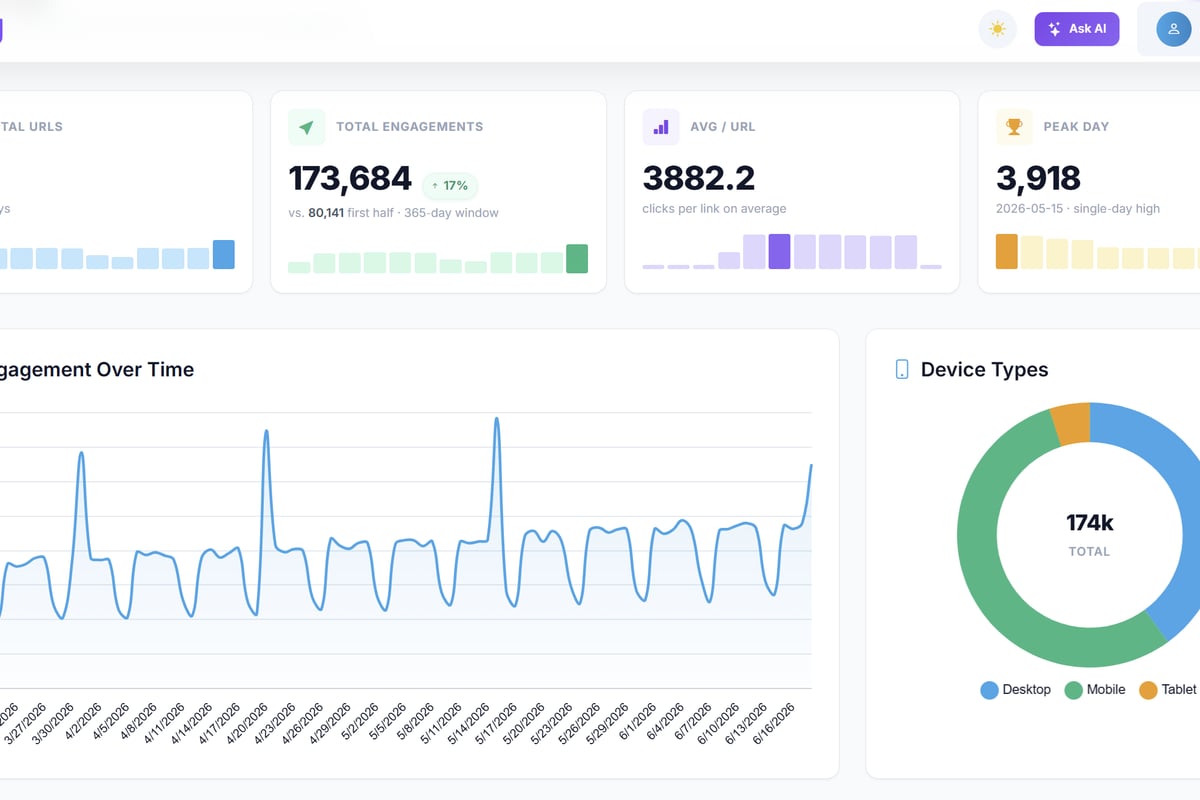
Create unique tracked links for each Facebook job posting method, using UTM parameters or custom short links to differentiate traffic from Marketplace, your Page, specific Groups, and paid promotions. This granular tracking reveals not just volume but quality metrics when you connect link data with your applicant tracking system. Run A/B tests by creating multiple links to the same destination with different UTM tags, allowing you to measure which post copy, headlines, or images generate better application completion rates.
Legal and Compliance Considerations
Posting jobs on Facebook requires awareness of employment law and anti-discrimination regulations. The platform's targeting capabilities create potential legal risks if used improperly.
Avoiding Discriminatory Targeting
Analysis of targeted job advertising reveals concerning patterns where age, gender, or demographic targeting inadvertently excludes protected classes from seeing employment opportunities. When boosting job posts, avoid:
- Age targeting: Do not limit age ranges unless legally justified (rare exceptions for specific industries)
- Gender targeting: Never restrict job ads by gender
- Exclusionary location targeting: Avoid tactics that systematically exclude minority neighborhoods
- Excessive education filters: Don't require degrees unless truly necessary for job performance
The safest approach uses behavioral targeting (job seekers, career changers) and broad demographic parameters that don't systematically exclude any group. Document your targeting rationale for each campaign in case of future scrutiny.
Content and Description Best Practices
Job descriptions posted on Facebook must comply with the same standards as any employment advertisement:
- Focus on job requirements rather than candidate characteristics
- Avoid gendered pronouns or language that suggests preference
- List only bona fide occupational qualifications actually needed for the role
- Include equal opportunity employer statements when appropriate
- Ensure salary ranges and benefits are accurately represented
Small businesses can consult SBA resources for general guidance on compliant hiring practices that apply across all recruitment channels, including social media.
Best Practices for Different Business Types
Different organizations experience varying success rates when posting jobs on Facebook depending on their industry, size, and target candidates.
Small Business and Local Hiring
Small businesses benefit enormously from posting jobs on Facebook due to the platform's local targeting capabilities and cost-effectiveness. For small teams hiring locally:
- Emphasize community connection: Highlight your local presence and community involvement
- Leverage owner/manager networks: Have leadership share posts to personal networks
- Focus on culture and team: Small teams can differentiate on culture over compensation
- Use Groups extensively: Local community groups provide high-quality local candidates
- Keep process simple: Enable Messenger applications to reduce friction
Enterprise and Volume Hiring
Larger organizations posting jobs on Facebook for volume hiring need systematic approaches:
- Create dedicated careers Page: Separate recruitment brand from main corporate Page
- Implement consistent branding: Use templates for job post graphics and descriptions
- Integrate with ATS: Direct all applications to tracking system via unique links
- Assign social media recruiters: Dedicate staff to monitor and respond via Messenger
- Scale through advertising: Budget for consistent paid promotion across all postings
Specialized and Technical Roles
Hiring for specialized positions requires targeted strategies when posting jobs on Facebook:
For technical roles: Focus on industry-specific Groups rather than broad Marketplace listings. Partner with technical influencers or thought leaders who can share opportunities to their networks.
For creative positions: Showcase your company's work and creative culture through visual Page posts that demonstrate the caliber of projects candidates would work on.
For executive roles: Use Page posts targeted to executive networks and alumni groups rather than public Marketplace listings. Leverage personal networks of leadership team for referrals.
Measuring Return on Investment
Understanding whether posting jobs on Facebook delivers value requires comparing costs and outcomes against alternative recruitment channels.
Calculating Cost-Per-Hire
Determine your true cost for each Facebook-sourced hire:
| Cost Component | Typical Range | Notes |
|---|---|---|
| Organic posting time | $0-50 | Staff time to create and manage posts |
| Boosted post budget | $50-500 | Varies by role level and competition |
| Response management | $20-100 | Time spent screening and responding |
| Platform fees | $0 | Facebook charges no listing fees |
| Total cost-per-hire | $70-650 | Compare to agency fees ($5,000-15,000) |
Even with paid promotion, Facebook typically delivers significantly lower cost-per-hire than traditional recruitment agencies or job boards. According to recent research, Facebook's broad demographic reach ensures you can access diverse candidate pools cost-effectively.
Quality vs. Quantity Analysis
Raw application volume matters less than application quality and eventual hire success. Track quality metrics:
- Qualification match rate: Percentage meeting basic requirements
- Interview conversion: Applications advancing to interview stage
- Offer acceptance rate: Candidates accepting offers from Facebook-sourced applications
- 90-day retention: New hires still employed after probation period
- Hiring manager satisfaction: Feedback on candidate quality
Adjust your posting jobs on Facebook strategy based on quality metrics rather than volume alone. Sometimes fewer, higher-quality applications from targeted Group posts outperform high-volume Marketplace campaigns.
Common Mistakes to Avoid
Learning from others' missteps accelerates your success when posting jobs on Facebook.
Posting Without Strategic Planning
Many employers treat Facebook as an afterthought, quickly posting jobs without considering how it fits their recruitment strategy. This leads to:
- Inconsistent posting frequency that confuses candidates about your hiring needs
- Generic descriptions copied from other channels without Facebook-specific optimization
- No measurement framework to assess what's working
- Abandoned posts with unanswered candidate questions that damage employer brand
Neglecting Mobile Optimization
Over 80% of Facebook users access the platform primarily via mobile devices. Posts designed for desktop often fail on mobile:
- Long paragraphs without breaks become walls of text
- Important details buried at the bottom get missed
- Application links that don't work properly on mobile browsers
- Images with small text that's unreadable on phones
Always preview how your job post appears on a mobile device before publishing. Use short paragraphs, clear formatting, and mobile-friendly application methods.
Overlooking Response Speed
Social media creates expectations of rapid response. Candidates messaging about jobs expect replies within hours, not days. Slow response times result in:
- Lost candidates who accept other offers before you respond
- Negative employer brand perception shared in candidate communities
- Lower quality final candidate pool as top prospects drop out
- Wasted advertising spend when interested candidates can't get questions answered
Assign clear ownership for monitoring and responding to Facebook job inquiries. Set up mobile alerts for Messenger notifications during active hiring periods.
Inconsistent Employer Branding
Your Facebook presence represents your employer brand whether you actively manage it or not. Common branding mistakes include:
- Job posts that conflict with company Page messaging
- Tone mismatch between marketing content and recruitment posts
- Outdated company information visible to candidates researching you
- No employee testimonials or authentic culture content to support hiring claims
Coordinate your recruitment Facebook activity with marketing teams to ensure consistent brand presentation across all content.
Posting jobs on Facebook offers businesses of all sizes a powerful, cost-effective channel to reach diverse candidate pools where they already spend significant time. By understanding the distinctions between Marketplace, Page, and Group posting methods, optimizing your content for mobile users, managing applications responsively, and measuring performance systematically, you can transform Facebook from an experimental recruitment tactic into a core hiring channel. When you integrate strategic link management into your job posts, you gain the intelligence needed to continuously refine your approach based on what actually drives quality applications. Trimy provides the link analytics, A/B testing capabilities, and traffic insights that turn your Facebook job posting links into revenue signals, helping you identify which channels, messages, and targeting strategies deliver the candidates who become your best hires.