Social Media for Agencies: Strategy & Management Guide

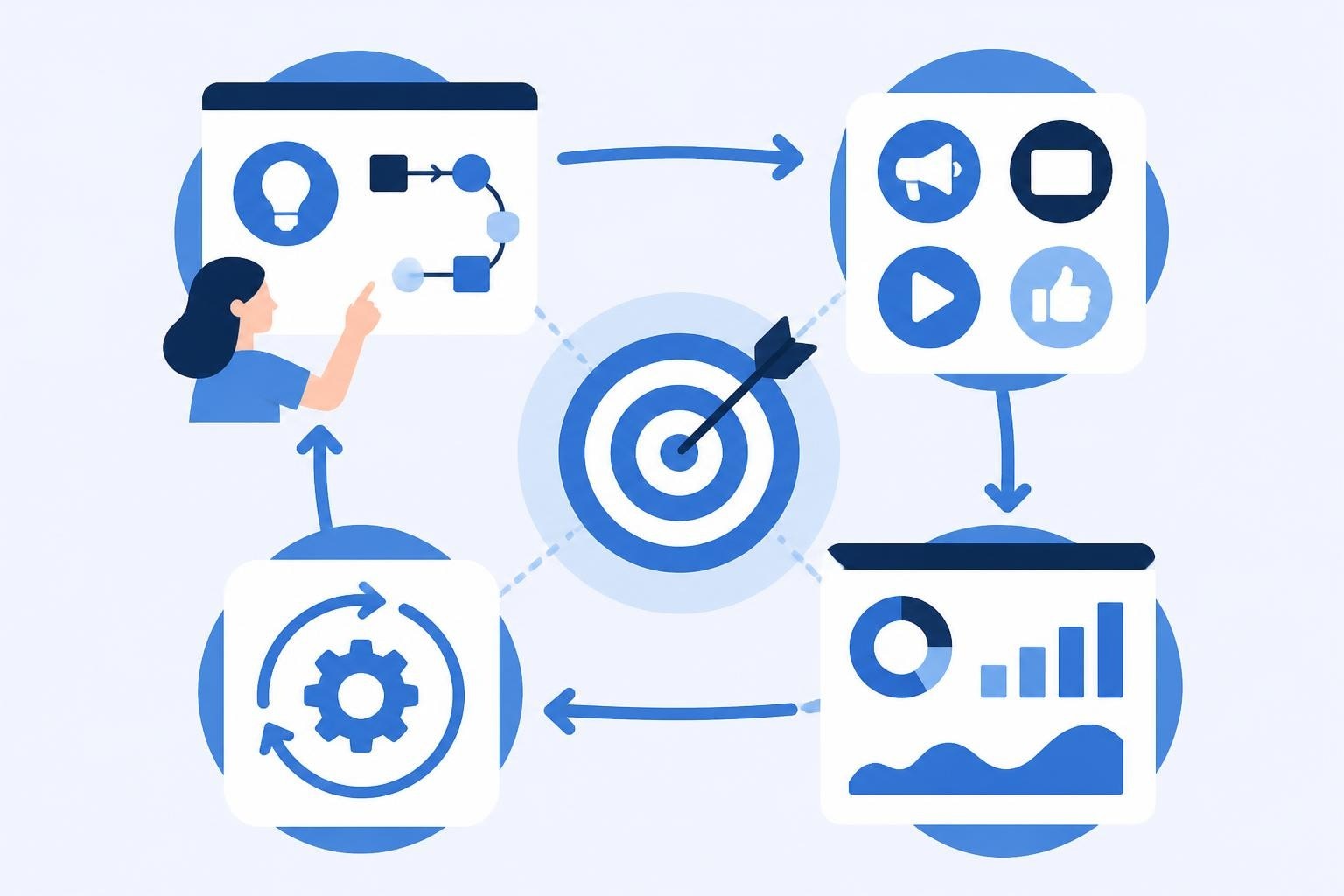
Managing social media for agencies presents unique challenges that single-brand marketers rarely encounter. Agencies must juggle multiple client accounts, each with distinct brand voices, audiences, and campaign objectives, while maintaining quality and demonstrating measurable results. The complexity multiplies when you consider that each client expects personalized attention, consistent posting schedules, and real-time engagement. Success requires scalable systems, specialized tools, and strategic approaches that balance efficiency with customization. This comprehensive guide explores how agencies can build robust social media operations that deliver exceptional results while remaining profitable.
Building Scalable Social Media Systems
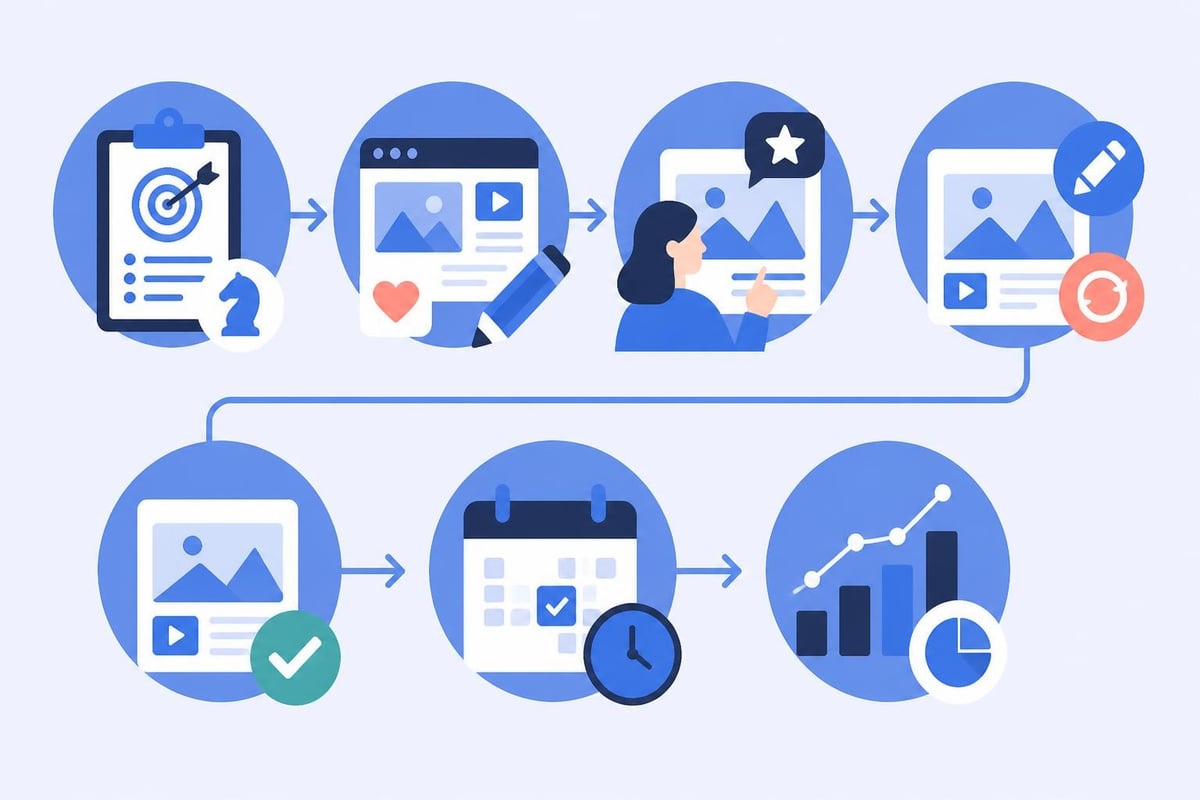
Agencies handling social media for multiple clients need standardized processes that allow customization without reinventing the wheel for each account. The foundation starts with documented workflows that cover content planning, approval processes, publishing schedules, and performance reporting.
A repeatable framework should include:
- Client onboarding checklists with brand guidelines and access credentials
- Content calendars with customizable templates for different industries
- Approval workflows that minimize revision cycles
- Crisis management protocols for handling negative feedback
- Monthly reporting templates with standardized KPIs
Developing a scalable social media strategy for agencies requires thinking beyond individual campaigns to create systems that work across your entire client portfolio. The most successful agencies build content production lines rather than treating each post as a unique creative challenge.
Multi-Client Management Architecture
The technical infrastructure supporting social media for agencies must accommodate simultaneous management of dozens or hundreds of accounts. This means selecting platforms that support team collaboration, role-based permissions, and client-specific workspaces.

Traditional social media management involves logging in and out of different accounts, which creates security risks and wastes valuable time. Modern agencies centralize operations through specialized platforms that aggregate all client accounts into unified dashboards. These systems allow team members to switch between clients instantly while maintaining separate content libraries, brand assets, and publishing queues.
| Management Approach | Time per Client | Security Risk | Scalability |
|---|---|---|---|
| Native Platform Login | 15-20 min/day | High | Low |
| Single Management Tool | 5-8 min/day | Medium | Medium |
| Integrated Agency Platform | 2-4 min/day | Low | High |
Content Strategy Across Multiple Brands
Creating engaging content for diverse clients requires agencies to maintain distinct brand voices while leveraging shared creative resources. The challenge intensifies when managing clients across different industries, each with unique audience expectations and platform preferences.
Successful content strategies for social media for agencies start with comprehensive brand guidelines that document tone, messaging pillars, visual identity, and content restrictions. These guidelines serve as reference points for all team members, ensuring consistency even as accounts scale.
Industry-Specific Content Frameworks
Different verticals demand specialized content approaches. Financial services clients need compliance-aware messaging, while retail brands thrive on user-generated content and promotional campaigns. Agencies excel when they develop industry-specific content frameworks that can be adapted to individual clients.
For financial advisors and insurance professionals, platforms like WebPrez demonstrate how structured communication frameworks can transform complex concepts into clear client conversations. This same principle applies to social media, where agencies must distill complex industry topics into engaging, platform-appropriate content.
Content framework components include:
- Core messaging themes aligned with industry trends
- Platform-specific content formats (Reels, Stories, carousel posts)
- Seasonal campaign calendars tied to industry events
- Engagement strategies tailored to B2B versus B2C audiences
- Hashtag strategies that balance reach and relevance
Effective social media strategies for agencies increasingly prioritize video content, with short-form video dominating engagement metrics across platforms. Agencies should invest in video production capabilities or partner with specialized creators to meet client demands.
Team Structure and Workflow Optimization
Social media for agencies demands carefully structured teams where roles and responsibilities are clearly defined. The traditional agency model of account managers handling everything from strategy to execution doesn't scale efficiently in the social media context.
High-performing agencies typically organize teams into specialized roles: strategists who develop campaigns and messaging frameworks, content creators who produce assets, community managers who handle engagement, and analysts who track performance. This specialization allows team members to develop deep expertise while maintaining efficiency.
Collaboration and Communication Protocols
Managing multiple client accounts requires exceptional internal communication. Teams need clear protocols for content handoffs, approval tracking, and urgent notifications. Many agencies adopt project management systems that integrate with their social media tools, creating seamless workflows from content creation to publication.
The coordination challenge multiplies when working with international clients or remote teams. Agencies serving global markets need systems that accommodate different time zones, languages, and cultural nuances. Digital transformation partners like Be Creative help organizations optimize their operations and build digital solutions that support distributed workflows.
Tools and Technology Stack
Selecting the right tools represents one of the most critical decisions for agencies building social media operations. The best social media management tools for agencies offer features specifically designed for multi-client environments, including white-label reporting, team collaboration, and advanced analytics.
Essential tool categories include:
- Publishing platforms for scheduling and managing posts across networks
- Analytics suites that aggregate data from multiple platforms
- Content creation tools for graphics, video editing, and design
- Listening tools for monitoring brand mentions and industry conversations
- Link management systems for tracking campaign performance
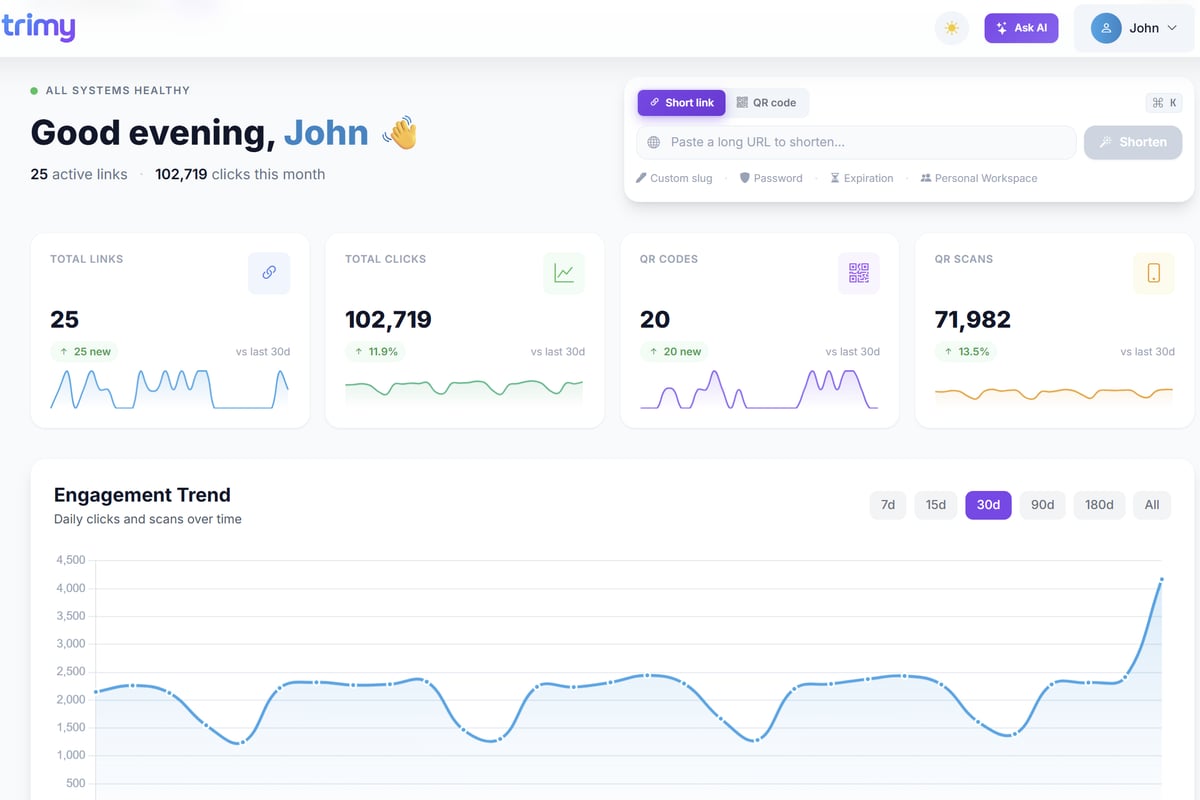
Link management deserves special attention for agencies running performance-driven campaigns. Every social media post that includes a link represents an opportunity to gather intelligence about audience behavior, content performance, and conversion paths. Trimy provides link intelligence and management capabilities that transform simple URLs into revenue signals, offering A/B testing, smart routing, and deep analytics that help agencies optimize campaigns for clients.
Evaluation Criteria for Agency Tools
When evaluating social media management platforms, agencies should prioritize features that directly impact operational efficiency and client satisfaction. Comprehensive reviews of social media management tools help agencies compare options based on scheduling capabilities, analytics depth, monitoring features, collaboration tools, ease of use, and pricing structures.
| Tool Feature | Impact on Efficiency | Client Value | Priority Level |
|---|---|---|---|
| Bulk Scheduling | High | Medium | Essential |
| Custom Reporting | Medium | High | Essential |
| White-Label Options | Low | High | Important |
| Team Permissions | High | Low | Essential |
| Platform Coverage | Medium | High | Essential |
The right technology stack should reduce manual work while providing the data depth clients need to justify their social media investment. Agencies that exceed client expectations consistently leverage tools that automate routine tasks while preserving the human judgment required for strategic decisions.
Performance Measurement and Reporting
Demonstrating ROI remains the central challenge for social media for agencies. Clients want to see how social media activities contribute to business outcomes, not just vanity metrics like follower counts or likes. This requires agencies to establish clear measurement frameworks that connect social media activities to revenue, lead generation, or brand awareness objectives.
Effective reporting starts during the onboarding process when agencies and clients align on success metrics. Different industries and campaign types demand different KPIs. E-commerce clients focus on conversion rates and revenue attribution, while B2B companies prioritize lead quality and engagement from decision-makers.
Attribution and Analytics Frameworks
Modern attribution requires tracking user journeys across multiple touchpoints, from initial social media exposure through website visits and eventual conversions. This complexity demands sophisticated tracking implementations using UTM parameters, pixel tracking, and cross-platform analytics.
Digital marketing agencies like OxD PR demonstrate how comprehensive approaches that combine SEO, paid campaigns, and social media create synergies that amplify results. For social media specialists, this means building attribution models that acknowledge social media's role in multi-touch conversion paths.
Key performance indicators for social media agencies:
- Engagement rate (comments, shares, saves per post)
- Reach and impression growth trends
- Click-through rates on shared links
- Conversion rate from social traffic
- Customer acquisition cost via social channels
- Audience growth rate and demographic shifts
- Share of voice compared to competitors
Agencies should provide clients with both high-level dashboards showing overall trends and detailed reports explaining performance drivers. Monthly reporting should include strategic recommendations based on data insights, not just historical metrics.
Client Communication and Expectation Management
Maintaining strong client relationships distinguishes successful agencies in the competitive social media landscape. Client communication best practices emphasize the importance of consistent brand voice and regular touchpoints that build trust and alignment.
Proactive communication prevents many common agency-client conflicts. When agencies educate clients about platform algorithm changes, industry trends, or performance fluctuations, they position themselves as strategic partners rather than tactical executors. This consultative approach creates stickier client relationships and reduces churn.
Managing Creative Approvals
The approval process represents a common friction point in social media for agencies. Clients want control over content representing their brands, but excessive revision cycles delay publishing and reduce agility. Successful agencies establish clear approval workflows with defined timelines and revision limits.
Some agencies implement tiered approval systems where routine content follows streamlined processes while major campaigns or sensitive topics require multiple stakeholder reviews. This balance maintains quality control without bottlenecking operations.
Scaling Operations Without Sacrificing Quality
Growth creates operational challenges as agencies add clients and team members. The systems that worked for five clients often break down at twenty clients. Social media management for agencies requires building repeatable processes that maintain quality while accommodating increased volume.
Successful scaling strategies include:
- Templated content systems that accelerate creation while preserving customization
- Role specialization allowing team members to develop deep expertise
- Automation of routine tasks like scheduling and initial reporting
- Standard operating procedures documented for all core processes
- Quality control checkpoints that catch errors before publication
The challenge intensifies for agencies serving specialized markets. Platforms connecting freelance developers with clients, such as FreelanceDEV, illustrate how niche expertise creates value in crowded marketplaces. Social media agencies should consider vertical specialization as a scaling strategy, developing deep expertise in specific industries rather than serving all sectors generically.
Crisis Management and Reputation Protection
Social media's real-time nature means that brand crises can escalate within hours. Agencies managing social media for multiple clients need crisis response protocols that enable quick action while maintaining proper authorization.
Crisis management frameworks should define severity levels, notification procedures, and response authorities. Minor issues like customer service complaints might be handled by community managers, while major reputation threats require immediate client consultation and potentially executive involvement.
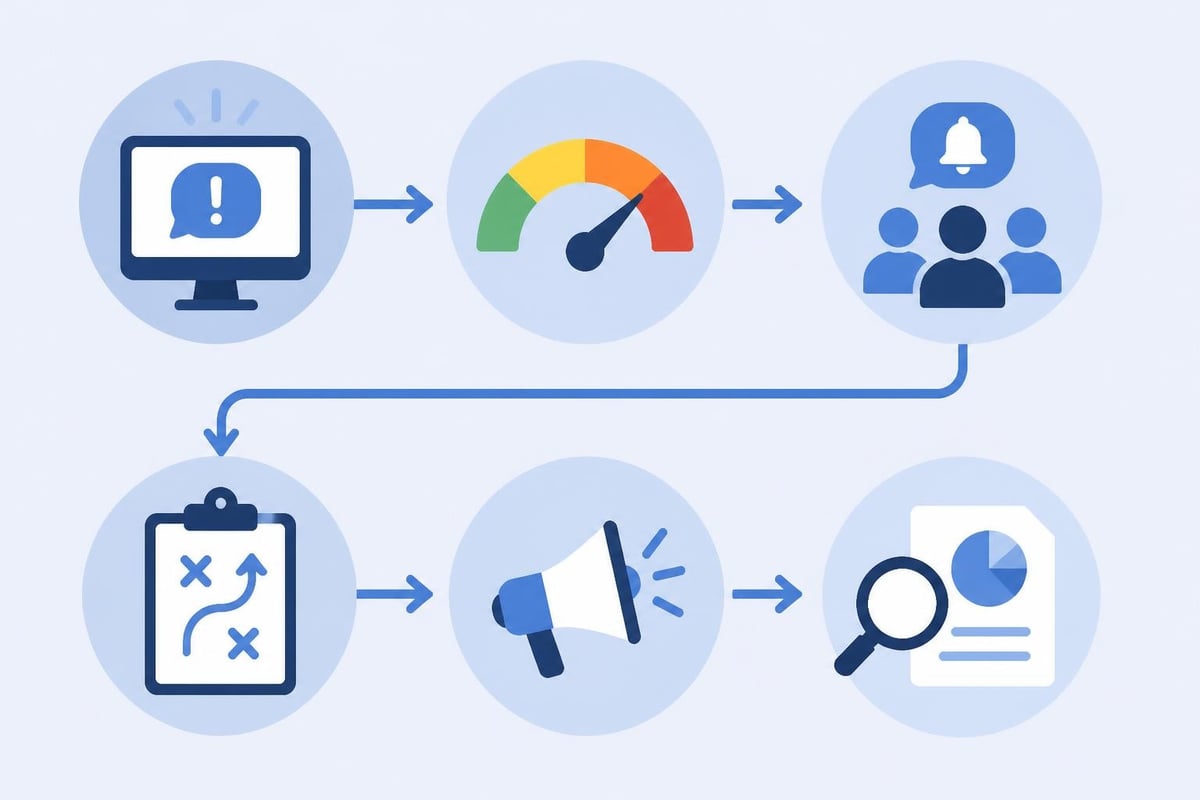
Recent research on strategies against misinformation in social media highlights the growing challenge of managing client reputations in environments where false information spreads rapidly. Agencies must implement monitoring systems that detect potential threats early and response capabilities that address issues before they escalate.
Content Creation at Scale
Producing high-quality content for multiple clients daily requires industrial-grade creative operations. Agencies typically develop content libraries organized by client, campaign, and content type, enabling quick asset retrieval and repurposing.
Batch production techniques improve efficiency by dedicating specific time blocks to similar tasks. Rather than creating one post at a time, agencies might photograph a month's worth of product shots in a single session, write all captions for a week, or design multiple graphics using consistent templates.
Scalable content production elements:
- Photography and videography sessions that capture multiple concepts
- Design template libraries customizable for different clients
- Writing frameworks that guide caption creation
- Asset management systems with tagging and search capabilities
- Revision tracking that maintains version history
The best social media management approaches recognize that quality and quantity aren't mutually exclusive. Agencies achieve both by developing systems that streamline production without compromising creative excellence.
Pricing Models and Service Packages
Determining how to price social media for agencies requires balancing service costs, client budgets, and competitive positioning. Common pricing models include monthly retainers, project-based fees, and performance-based compensation.
Retainer models provide agencies with predictable revenue and allow clients to access ongoing services. These typically include defined deliverables like a specific number of posts per week, community management hours, and monthly reporting. Managing multiple clients profitably demands accurate cost estimation that accounts for all labor, tools, and overhead expenses.
| Pricing Model | Agency Benefit | Client Benefit | Best For |
|---|---|---|---|
| Monthly Retainer | Predictable revenue | Ongoing support | Established relationships |
| Project-Based | Defined scope | Clear deliverables | Specific campaigns |
| Performance-Based | Upside potential | Risk sharing | Results-focused clients |
| Hybrid Model | Balanced approach | Flexibility | Most situations |
Performance-based pricing aligns agency incentives with client outcomes but requires sophisticated attribution systems and client trust. Most agencies use hybrid models combining base retainers with performance bonuses tied to specific metrics.
Emerging Trends and Future Considerations
Social media for agencies continues evolving as platforms introduce new features, algorithms change, and user behaviors shift. Staying ahead requires continuous learning and willingness to experiment with emerging formats and channels.
Short-form video dominance shows no signs of slowing, with platforms prioritizing Reels, Shorts, and TikTok content in their algorithms. Agencies must develop video production capabilities or risk losing relevance as text and static image posts receive declining reach.
AI integration represents another transformative trend. Artificial intelligence tools now assist with content ideation, caption writing, hashtag selection, and even creative production. However, effective social media strategies still require human creativity and strategic judgment that AI cannot replicate.
Emerging considerations for 2026:
- Privacy changes affecting tracking and targeting capabilities
- Platform consolidation or new entrant disruption
- Increased demand for authentic, unpolished content
- Social commerce integration expanding purchase options
- AI-generated content detection and disclosure requirements
Agencies should monitor platform announcements, industry publications, and competitor activities to identify trends early. Early adoption of new features often provides temporary algorithmic advantages before markets become saturated.
Building Competitive Advantages
The social media management market contains thousands of agencies competing for client budgets. Building sustainable competitive advantages requires differentiation beyond generic social media posting services.
Specialization offers one differentiation path. Agencies focusing on specific industries develop deep expertise in regulatory requirements, audience preferences, and content formats that resonate. This expertise commands premium pricing and attracts ideal clients seeking specialists rather than generalists.
Technology integration provides another advantage. Agencies that build proprietary tools, dashboards, or workflows create value that clients cannot easily replicate by switching providers. This might include custom reporting systems, content creation platforms, or performance optimization algorithms.
Strategic partnerships extend agency capabilities without requiring full-time hires. Relationships with complementary service providers allow agencies to offer comprehensive digital marketing solutions while maintaining focus on core competencies.
Successfully managing social media for agencies requires balancing standardized processes with client-specific customization, leveraging technology while preserving creative quality, and demonstrating measurable results that justify client investments. The agencies that thrive build scalable systems, invest in specialized tools, and maintain relentless focus on performance optimization. When your social media campaigns depend on tracking every link and understanding which content drives real results, trimy provides the link intelligence and management capabilities to transform your URLs into actionable revenue signals with advanced analytics, A/B testing, and deep insights that help you optimize every campaign you run.