4Ps of Marketing: Strategy Framework for 2026
The marketing landscape continues to evolve at a rapid pace, yet the fundamental principles that guide successful campaigns remain grounded in proven frameworks. Whether you're launching a new product, optimizing digital campaigns, or refining your go-to-market strategy, understanding the foundational elements of marketing strategy is essential for driving measurable results. The 4Ps of marketing provide a comprehensive framework that has guided marketers for decades, offering a structured approach to planning, executing, and evaluating marketing initiatives across industries and channels.
Understanding the Marketing Mix Framework
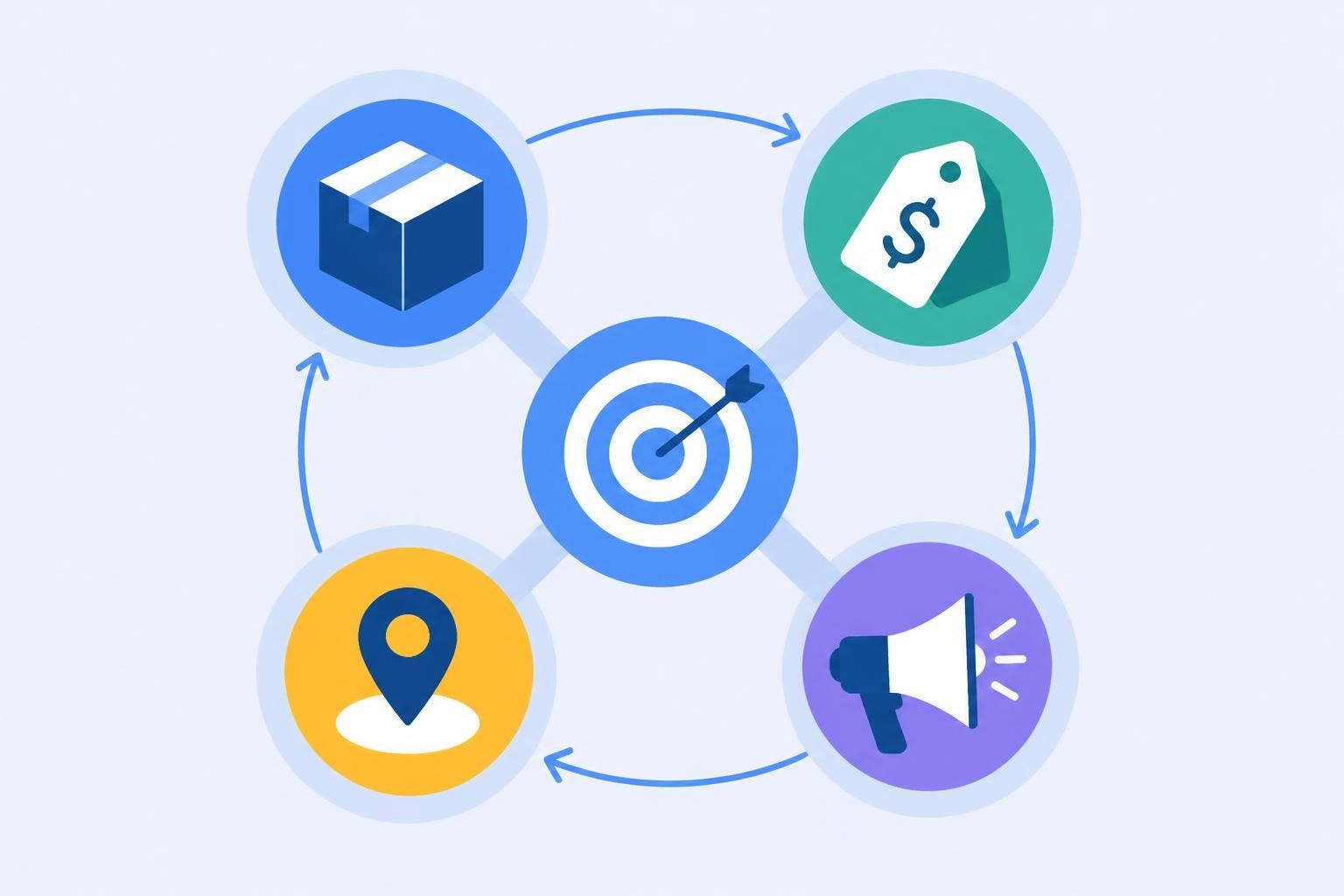
The 4Ps of marketing represent the core components of any marketing strategy: Product, Price, Place, and Promotion. This framework, introduced by E. Jerome McCarthy in 1960 and popularized by Philip Kotler, serves as the foundation for developing cohesive marketing plans that align business objectives with customer needs.
Each element of the marketing mix works interdependently with the others. A premium pricing strategy, for example, must align with product quality, distribution channels, and promotional messaging to maintain brand consistency and meet customer expectations. The American Marketing Association emphasizes that successful marketing strategies require careful calibration of all four elements to create value for both the business and its customers.
Why the 4Ps Still Matter in Digital Marketing
Despite the proliferation of new marketing channels and tactics, the 4Ps of marketing remain relevant because they address fundamental strategic questions:
- What are we selling and how does it solve customer problems?
- How much should we charge to balance profitability with market competitiveness?
- Where and how will customers access our product or service?
- How will we communicate value and drive customer action?
For companies operating in the digital space, these questions take on new dimensions. Link management platforms, for instance, must consider how their product features align with pricing tiers, how distribution occurs through digital channels, and how promotional strategies leverage data-driven insights to reach target audiences.

Product: The Foundation of Your Marketing Strategy
Product represents everything you offer to customers, including physical goods, digital services, features, benefits, quality, design, and brand identity. In the context of the 4Ps of marketing, product decisions form the foundation upon which all other marketing mix elements are built.
Effective product strategy requires deep understanding of customer needs, competitive positioning, and market opportunities. This includes:
- Core product features that solve specific customer problems
- Quality standards that meet or exceed customer expectations
- Design and user experience that differentiate from competitors
- Brand positioning that communicates unique value
- Product lifecycle management that sustains relevance over time
Product Development for Modern Markets
Contemporary product strategy extends beyond physical attributes to encompass the complete customer experience. For digital products and services, this means prioritizing functionality, reliability, and continuous improvement based on user feedback and behavioral data.
Consider how sustainable marketing perspectives influence product decisions in 2026. Businesses increasingly integrate environmental and social considerations into product development, recognizing that customer values extend beyond functional benefits to include ethical and sustainability factors.
| Product Element | Traditional Focus | Modern Focus |
|---|---|---|
| Features | Technical specifications | User outcomes and benefits |
| Quality | Manufacturing standards | Total customer experience |
| Design | Aesthetic appeal | Usability and accessibility |
| Positioning | Market share | Customer lifetime value |
Price: Balancing Value and Profitability
Price represents the amount customers pay for your product or service. Within the 4Ps of marketing framework, pricing strategy directly impacts profitability, market positioning, and perceived value. Getting pricing right requires analyzing costs, competitive landscape, customer willingness to pay, and strategic business objectives.
Pricing decisions communicate value signals to the market. Premium pricing positions products as high-quality or exclusive, while competitive pricing emphasizes value and accessibility. The key is ensuring price alignment with the other marketing mix elements.
Strategic Pricing Approaches
Different pricing strategies serve different business objectives:
- Cost-plus pricing: Adding a standard markup to production costs
- Value-based pricing: Setting prices based on perceived customer value
- Competitive pricing: Matching or undercutting competitor prices
- Penetration pricing: Using low initial prices to gain market share
- Premium pricing: Charging higher prices for differentiated offerings
- Freemium models: Offering basic features free with paid upgrades
For SaaS and digital platforms, tiered pricing models have become standard practice. These structures allow businesses to serve different customer segments while maximizing revenue potential across the entire market. A link management platform, for example, might offer basic features at competitive prices while reserving advanced analytics, A/B testing capabilities, and enterprise integrations for higher-tier plans.
Dynamic pricing strategies leverage real-time data to optimize revenue. Airlines and hotels have used this approach for years, and digital businesses now apply similar principles to adjust pricing based on demand, customer behavior, and market conditions.
Place: Distribution and Market Access
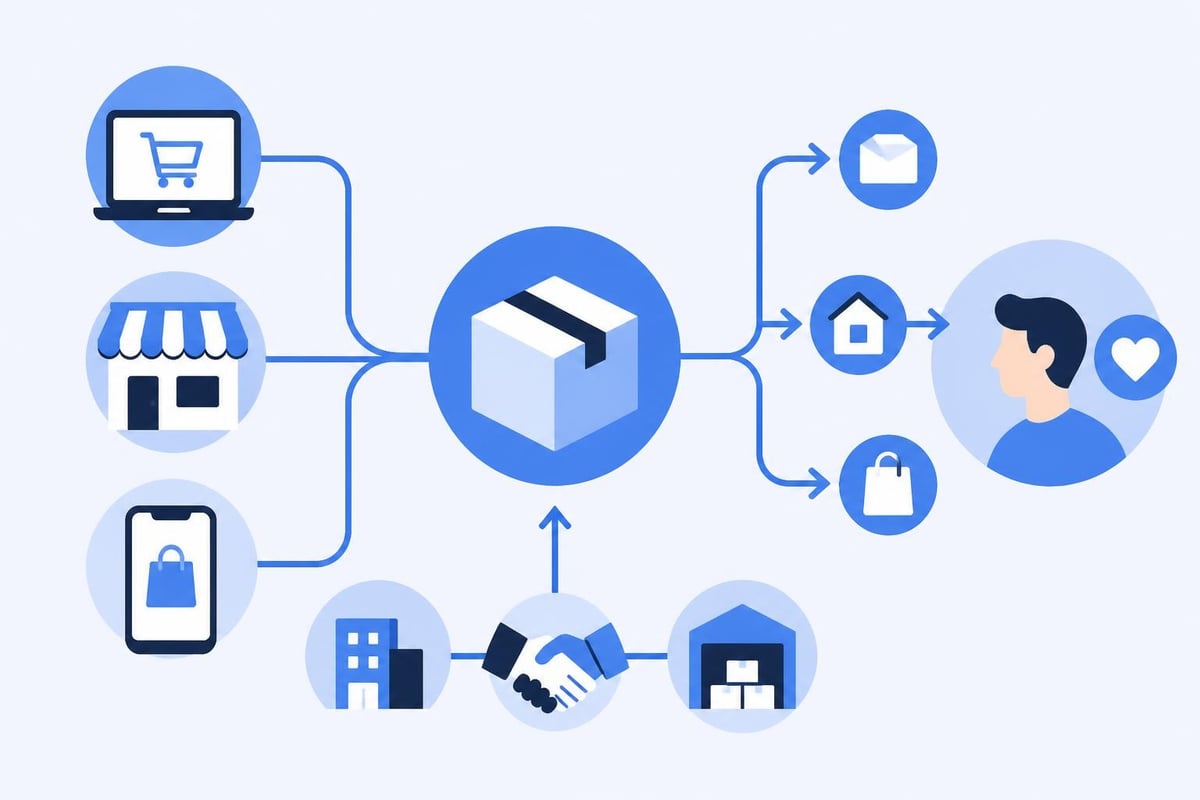
Place encompasses all the channels and methods through which customers access your product. In the 4Ps of marketing, place decisions determine how you deliver value to customers and where purchasing transactions occur. This element has transformed dramatically with digital commerce, yet the fundamental strategic considerations remain consistent.
Distribution Channel Strategy
Effective distribution strategies balance market coverage, control, and cost efficiency:
- Direct distribution: Selling directly to customers through owned channels
- Indirect distribution: Using intermediaries like retailers or resellers
- Hybrid models: Combining direct and indirect channels
- Digital distribution: Delivering products or services electronically
- Omnichannel approaches: Integrating multiple touchpoints seamlessly
The rise of digital channels has democratized market access for businesses of all sizes. A startup can now reach global markets through digital distribution without the infrastructure investments traditionally required for physical distribution networks.
| Distribution Model | Advantages | Considerations |
|---|---|---|
| Direct Digital | Full control, customer data, higher margins | Requires marketing investment, customer acquisition |
| Marketplace | Established traffic, credibility | Commission fees, limited brand control |
| Partner Network | Extended reach, shared costs | Margin sharing, dependency on partners |
| Hybrid | Flexibility, market coverage | Complexity, channel conflict management |
For digital products, distribution often merges with the product itself. Cloud-based services are accessed through web browsers or APIs, eliminating traditional distribution bottlenecks while creating new considerations around uptime, performance, and global infrastructure.
Promotion: Communicating Value to Your Audience
Promotion includes all the activities used to communicate with target audiences and persuade them to purchase. Within the 4Ps of marketing, promotional strategy determines how you reach customers, what messages resonate, and which channels drive the highest return on investment.
Modern promotional strategies integrate multiple channels and tactics:
- Content marketing that educates and builds authority
- Social media engagement that fosters community and conversation
- Email campaigns that nurture leads and retain customers
- Paid advertising across search, social, and display networks
- Public relations that builds credibility and brand awareness
- Influencer partnerships that leverage trusted voices
- SEO optimization that captures organic search traffic
Data-Driven Promotional Tactics
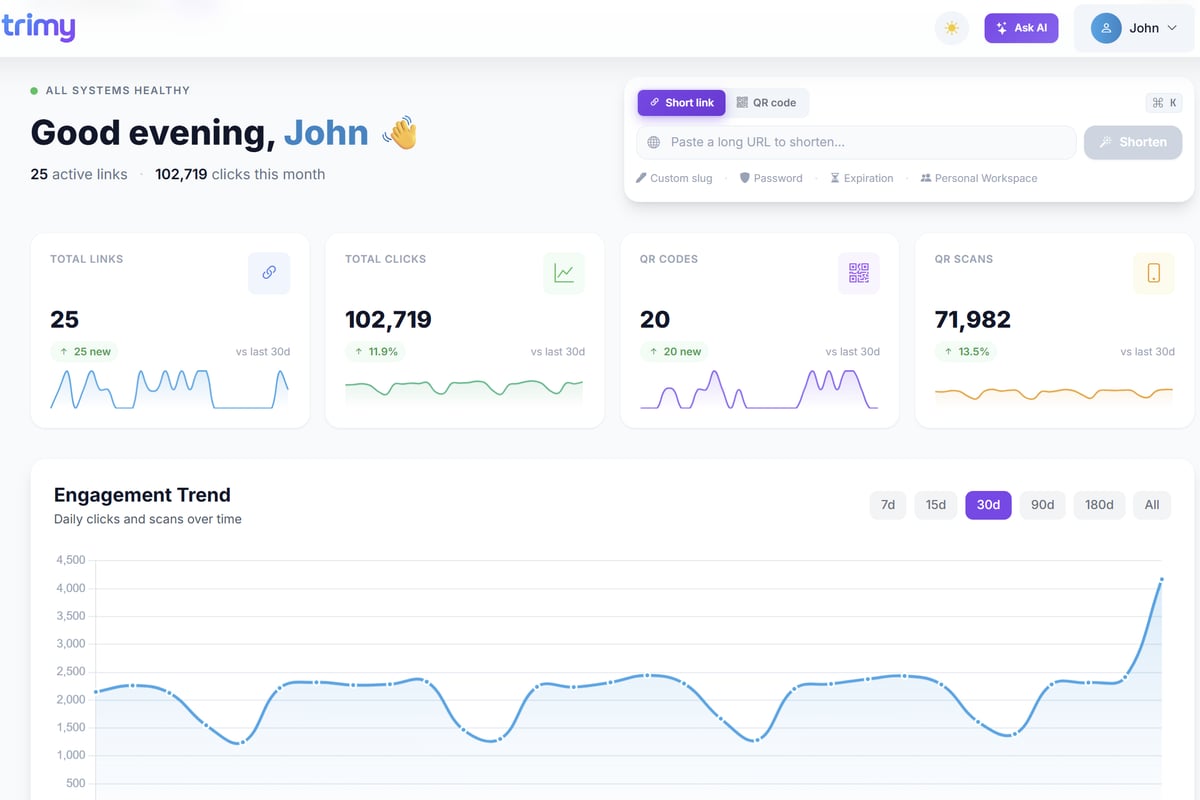
The digital revolution has fundamentally changed how businesses approach promotion. Real-time analytics, attribution modeling, and performance tracking enable marketers to measure ROI with unprecedented precision. This shift from intuition-based to data-driven promotion represents one of the most significant evolutions in applying the 4Ps of marketing framework.
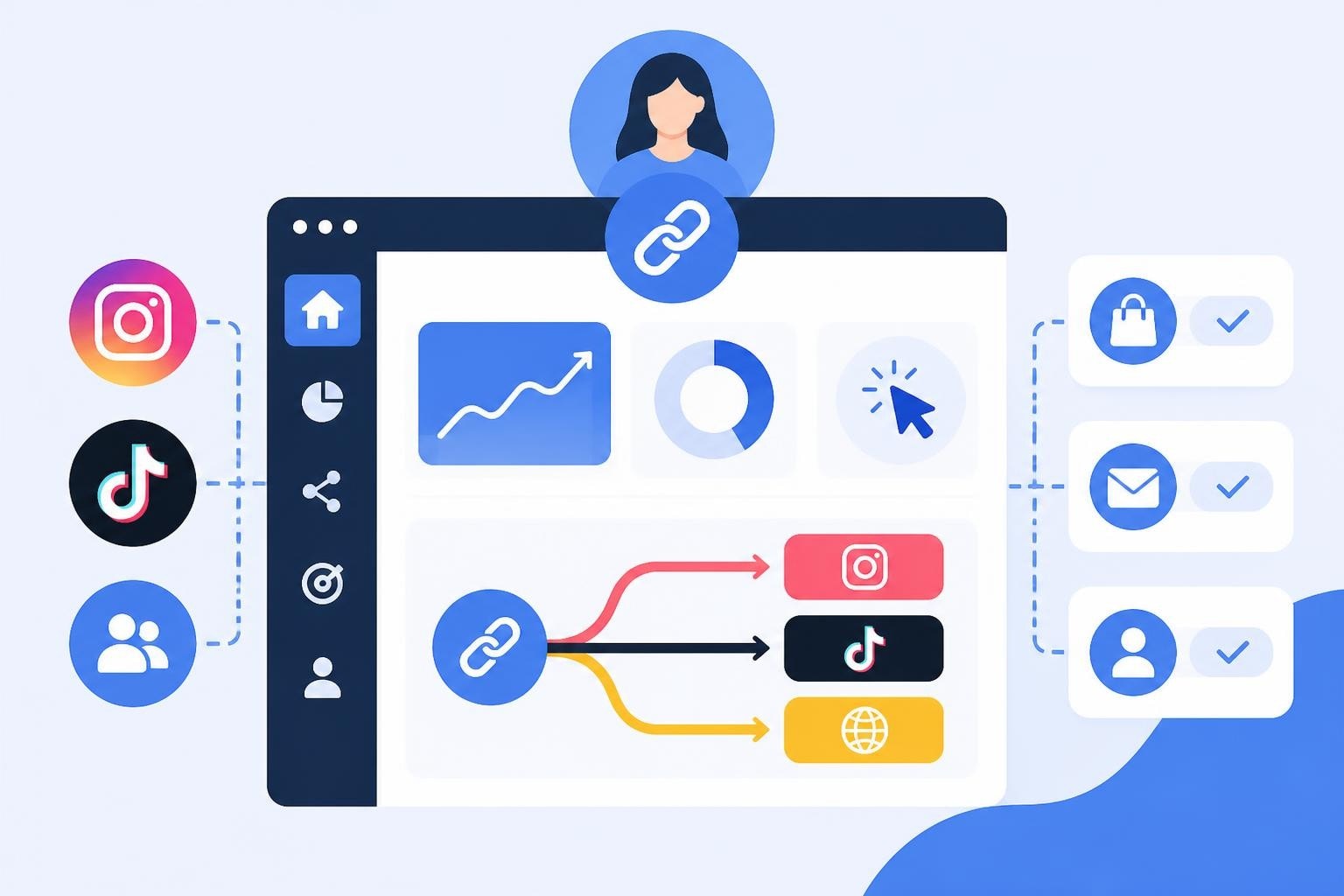
Trimy exemplifies this modern approach to promotion by transforming every link into a data collection point. Marketers can track which promotional channels drive the highest-quality traffic, run A/B tests on messaging and creative, and route visitors to optimized landing pages based on their source or characteristics. This level of intelligence allows businesses to refine promotional strategies continuously based on actual performance data rather than assumptions.
Effective promotional strategy requires aligning messaging with customer journey stages. Awareness-stage content differs fundamentally from consideration or decision-stage messaging. Marketing fundamentals from professional bodies emphasize the importance of matching promotional tactics to specific customer needs at each stage.
Integrated Marketing Communications
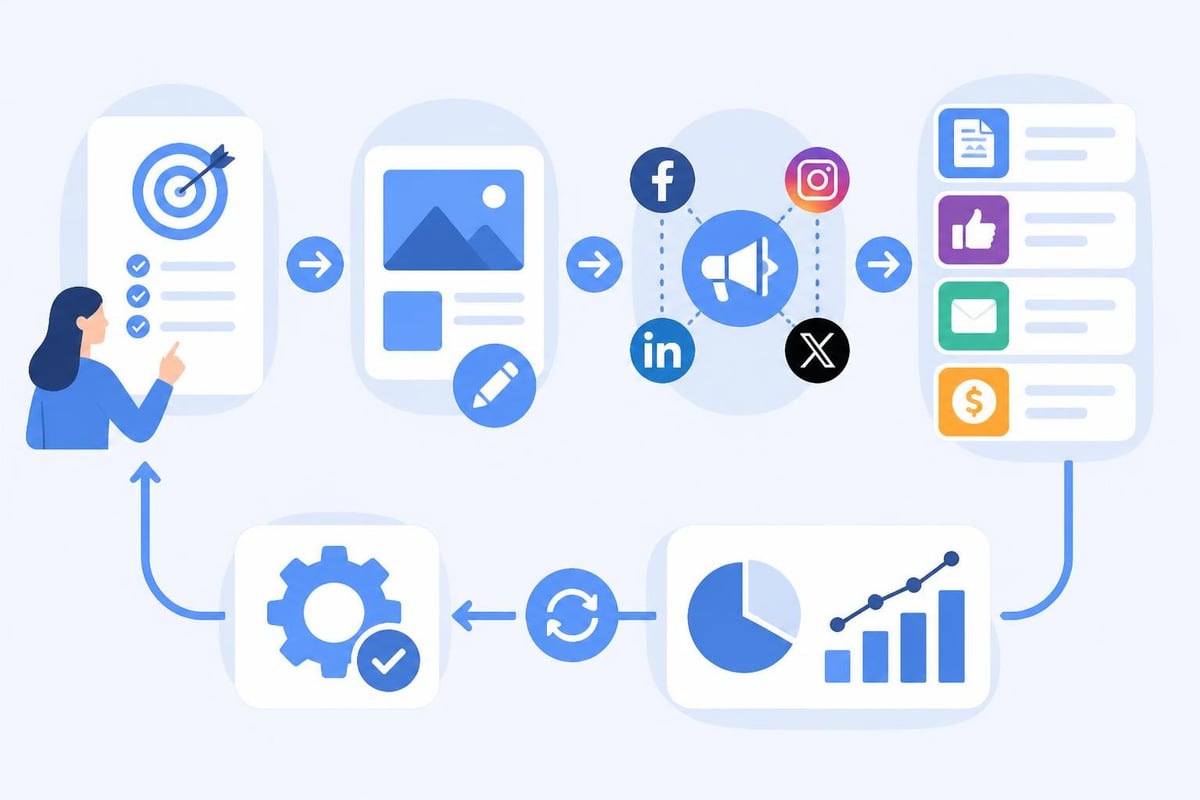
The most effective promotional strategies integrate multiple channels into cohesive campaigns. A product launch might combine:
- Pre-launch content marketing to build awareness
- Email campaigns to engaged subscribers
- Social media announcements coordinated across platforms
- Paid advertising to extend reach beyond organic audiences
- PR outreach to industry publications and influencers
- Retargeting campaigns to re-engage interested prospects
This integrated approach ensures consistent messaging across touchpoints while leveraging the unique strengths of each channel. The key is coordination and measurement to understand which combinations deliver optimal results.
Applying the 4Ps Framework to Your Marketing Strategy
Implementing the 4Ps of marketing requires systematic analysis and strategic alignment. Begin by auditing each element of your current marketing mix, identifying gaps between current state and desired positioning.
Strategic Questions for Each P
Product Analysis:
- Does our product solve meaningful customer problems?
- How does our offering compare to competitive alternatives?
- What features or improvements would increase customer value?
- Is our product portfolio optimized for target segments?
Pricing Evaluation:
- Does our pricing reflect the value we deliver?
- Are we leaving money on the table or pricing ourselves out of the market?
- Do our pricing tiers align with customer segments and willingness to pay?
- How does our pricing strategy support broader business objectives?
Place Assessment:
- Are we present in the channels where customers prefer to buy?
- Do our distribution methods provide competitive advantage or create friction?
- Should we expand, consolidate, or optimize our channel mix?
- How well do our distribution partners represent our brand?
Promotion Review:
- Which channels drive the highest quality customers at the lowest acquisition cost?
- Is our messaging consistent and compelling across touchpoints?
- Are we measuring the right metrics to optimize promotional performance?
- How effectively do we nurture prospects through the customer journey?
Evolving the Marketing Mix for Modern Contexts
Philip Kotler and other marketing scholars have discussed how the original 4Ps framework continues to evolve. Some experts advocate for expanding the model to include additional Ps such as People, Process, and Physical Evidence, particularly for service-oriented businesses.
Harvard Business Review perspectives challenge marketers to rethink traditional applications of the 4Ps in light of digital transformation, changing customer expectations, and new business models. The core framework remains valuable, but its application must adapt to contemporary market realities.
Key Adaptations for Digital-First Businesses
Digital businesses apply the 4Ps of marketing with important modifications:
- Product extends beyond features to include APIs, integrations, and ecosystems
- Price becomes more dynamic, data-driven, and personalized
- Place shifts from physical distribution to digital access and user experience
- Promotion leverages performance marketing, attribution, and continuous optimization
The fundamental principle remains unchanged: successful marketing requires strategic alignment across all four elements. A disconnect between product quality and pricing, or between promotional promises and actual distribution capabilities, undermines customer trust and campaign effectiveness.
Measuring Marketing Mix Performance
Effective implementation of the 4Ps of marketing requires robust measurement frameworks. Key performance indicators should track both individual element performance and overall marketing mix effectiveness.
| Marketing Mix Element | Key Metrics | Strategic Indicators |
|---|---|---|
| Product | Customer satisfaction, feature adoption, retention rate | Product-market fit, competitive differentiation |
| Price | Revenue, profit margin, price elasticity | Customer lifetime value, market share |
| Place | Distribution coverage, channel performance, fulfillment time | Market penetration, channel efficiency |
| Promotion | Reach, engagement, conversion rate, CAC | Brand awareness, message resonance |
Modern analytics platforms enable marketers to connect tactical metrics to strategic outcomes. Link management tools, for instance, can track how different promotional channels perform not just on clicks, but on downstream conversions and revenue generation. This visibility allows continuous refinement of the marketing mix based on actual performance data.
Integrating the 4Ps with Business Strategy
The 4Ps of marketing should never exist in isolation from broader business strategy. Marketing mix decisions must align with organizational objectives, competitive positioning, and resource constraints.
Strategic alignment requires:
- Clear positioning that differentiates your offering in the market
- Target segment definition that focuses resources on highest-value customers
- Value proposition that articulates why customers should choose you
- Competitive analysis that identifies opportunities and threats
- Resource allocation that prioritizes high-impact activities
Cross-functional collaboration ensures marketing mix decisions account for operational capabilities, financial constraints, and strategic priorities. Product development teams, finance, sales, and customer success all provide essential input to optimize the marketing mix.
Creating a Cohesive Marketing Mix
The real power of the 4Ps of marketing emerges when all elements work together harmoniously. Premium products command premium prices, are distributed through selective channels, and are promoted with messaging that emphasizes quality and exclusivity. Value products use competitive pricing, wide distribution, and promotion focused on accessibility and cost savings.
Inconsistency across the marketing mix creates customer confusion and undermines positioning. A luxury brand selling through discount retailers or a budget offering with premium pricing both create dissonance that damages credibility.
The most successful marketing strategies demonstrate clear alignment across all four Ps, creating a cohesive experience that reinforces positioning at every customer touchpoint. This consistency builds trust, strengthens brand identity, and ultimately drives business growth.
Mastering the 4Ps of marketing provides a proven framework for developing comprehensive marketing strategies that align product, pricing, distribution, and promotional decisions with customer needs and business objectives. When you're ready to optimize your promotional effectiveness and gain deeper insights into which channels and messages drive real results, Trimy provides the link intelligence and analytics capabilities you need to transform every marketing touchpoint into actionable data that improves campaign performance and maximizes return on investment.