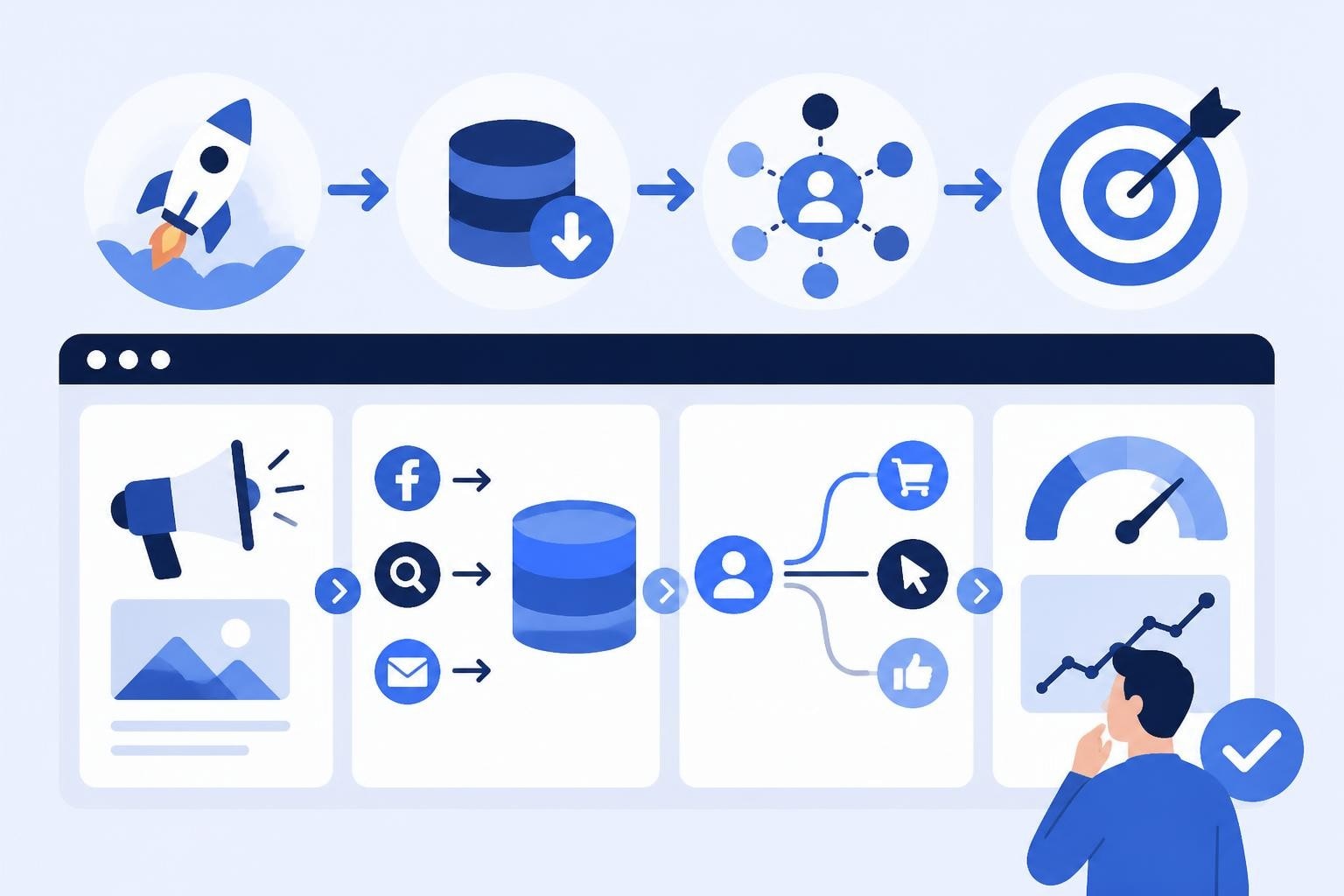
How to Find a Social Media Marketing Company Near Me

Finding the right social media marketing company near me has become a critical decision for businesses looking to build authentic local connections while scaling their digital presence. Whether you run a SaaS startup, manage a retail location, or lead a growing marketing team, the proximity and local market knowledge of your social media partner can dramatically impact campaign performance. This guide walks through the strategic considerations, vetting process, and performance metrics you need to identify and work with a social media marketing company that understands both your industry and your geographic market.
Why Geographic Proximity Still Matters in Digital Marketing
In an era of remote collaboration and cloud-based tools, the question of location might seem outdated. Yet proximity offers tangible advantages that remote-only relationships struggle to replicate.
Face-to-face collaboration accelerates creative development and strategic alignment. When your social media marketing company near me can meet in person for quarterly reviews or campaign kickoffs, teams build rapport faster and miscommunication drops significantly. Complex strategic discussions benefit from whiteboard sessions and real-time feedback loops that video calls cannot fully replace.
Local agencies bring market-specific insights that national firms often miss. A social media marketing company rooted in your region understands local events, cultural nuances, seasonal patterns, and competitive dynamics. They know which neighborhoods your target customers live in, which local influencers hold genuine sway, and how regional language patterns shape engagement.
Time Zone and Availability Considerations
Working within the same time zone eliminates scheduling friction and enables rapid response during campaign launches or crisis management. When a product launch goes live at 9 AM Eastern, you need a partner who's available for real-time optimization-not one waking up three hours later.
Local companies also share your business hours, holiday calendar, and cultural references. This synchronization streamlines approvals, reduces turnaround time, and keeps campaigns moving at market speed.

Evaluating Platform Expertise and Service Range
Not all social media marketing companies offer the same depth across platforms or services. Your evaluation should map their capabilities against your specific business needs and customer behavior.
Platform Specialization Assessment
According to Pew Research Center's data on social media usage, platform preferences vary significantly by age, income, and geography. A social media marketing company near me should demonstrate proven results on the platforms where your audience actually spends time.
| Platform | Best For | Typical ROI Timeline | Content Format Priority |
|---|---|---|---|
| B2B, professional services, SaaS | 6-12 months | Thought leadership, case studies | |
| Visual brands, e-commerce, lifestyle | 3-6 months | Stories, Reels, carousel posts | |
| Local businesses, community building | 3-9 months | Groups, video, local events | |
| TikTok | Youth audiences, viral campaigns | 1-3 months | Short-form video, trends |
| Twitter/X | News, real-time engagement, tech | 2-6 months | Threads, commentary, customer service |
Ask prospective agencies for platform-specific case studies showing audience growth, engagement rates, and conversion metrics. Generic "social media success" claims without platform breakdowns signal shallow expertise.
Beyond Content Creation
The best social media marketing companies integrate multiple disciplines into cohesive strategies:
- Paid social advertising with granular targeting and bid optimization
- Community management including response protocols and reputation monitoring
- Influencer partnerships with vetting, contracting, and FTC compliance
- Analytics and reporting connecting social metrics to business outcomes
- Content production spanning video, graphics, copywriting, and photography
A link management company like Trimy, for example, needs a social media partner who understands how to track campaign attribution across multiple touchpoints. The agency should be comfortable implementing UTM parameters, tracking link performance, and connecting social traffic to downstream conversions.
Key Performance Indicators and Reporting Standards
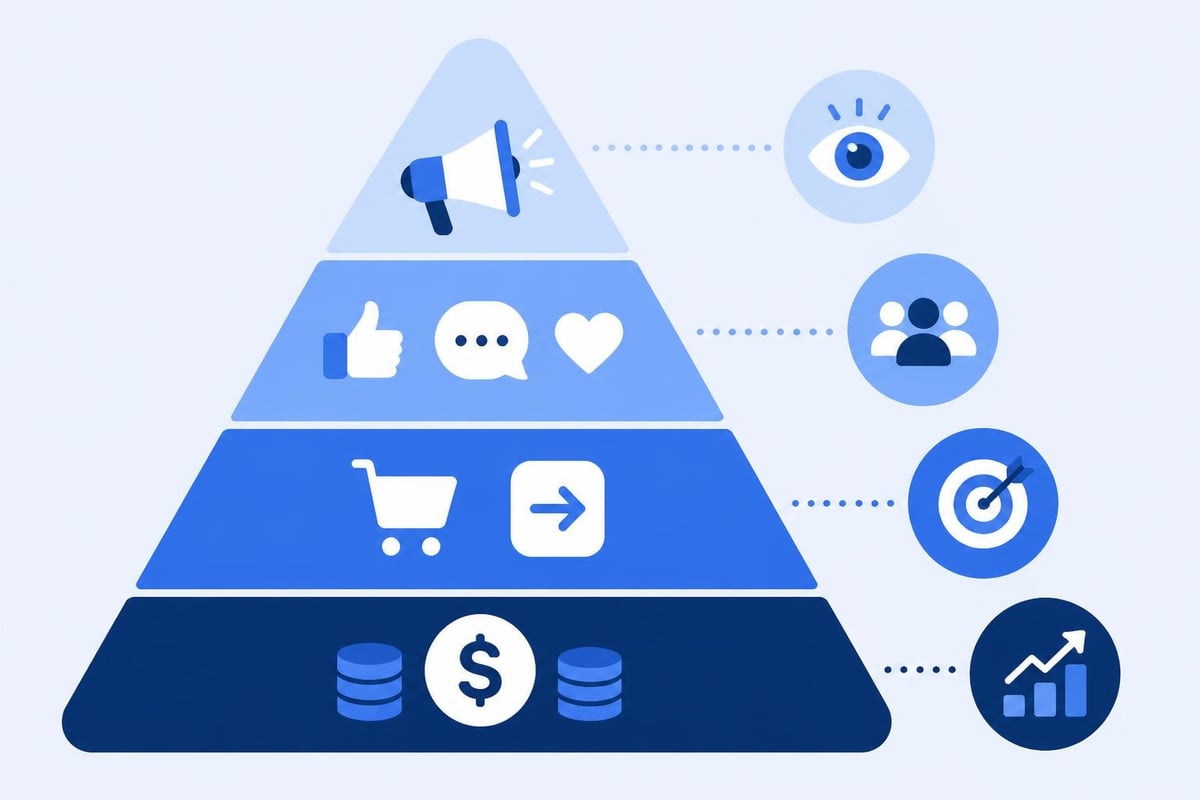
Vanity metrics like follower counts tell incomplete stories. When evaluating a social media marketing company near me, focus on their approach to measuring social media ROI and business-aligned performance indicators.
Metrics That Actually Matter
Engagement rate measures how effectively content resonates with your audience. Calculate it as total engagements (likes, comments, shares, saves) divided by reach or followers. Industry benchmarks vary, but declining engagement signals content misalignment regardless of follower growth.
Click-through rate (CTR) reveals whether your social content drives traffic to conversion points. For link-intensive campaigns, CTR becomes the bridge between social presence and revenue outcomes. This is where robust link tracking infrastructure becomes essential.
Conversion rate tracks the percentage of social visitors who complete desired actions-sign-ups, purchases, demo requests. A social media marketing company should trace these conversions back to specific campaigns, posts, and even ad variations.
Reporting Frequency and Format
Professional agencies provide tiered reporting cadences:
- Weekly dashboards for active campaigns showing spend, reach, and quick-win optimizations
- Monthly reports detailing performance trends, content analysis, and strategic recommendations
- Quarterly business reviews connecting social metrics to broader marketing goals and revenue impact
According to Hootsuite's guide to social media metrics, your reports should include competitive benchmarking, audience demographic shifts, and content performance patterns. Agencies that resist transparent, frequent reporting often hide poor performance behind opaque processes.
Vetting Process and Red Flags to Watch
Finding a trustworthy social media marketing company near me requires structured due diligence. The Better Business Bureau's guidance on choosing marketing agencies emphasizes verification over promises.
Portfolio and Reference Checks
Request case studies from companies in similar industries or with comparable challenges. Pay attention to:
- Specific results with documented before/after metrics
- Campaign duration showing sustained performance, not just launch spikes
- Client retention rates indicating long-term partnership value
- Industry relevance demonstrating they understand your market dynamics
Ask for three references you can contact directly. Prepare pointed questions about communication responsiveness, strategic flexibility, and how the agency handles underperforming campaigns.
Contractual Considerations
Review contract terms carefully before signing. Key elements include:
- Scope definition detailing deliverables, platform coverage, and content volume
- Performance guarantees (be skeptical of agencies promising specific follower counts)
- Termination clauses allowing exit without excessive penalties
- Intellectual property rights clarifying who owns created content
- Reporting obligations specifying metrics, frequency, and access to raw data
A social media marketing company near me that pressures immediate signature or discourages legal review raises immediate red flags. Professional agencies welcome thorough evaluation and structured onboarding.
Compliance and Ethics Standards
Social media campaigns must navigate evolving legal requirements. Verify that prospective agencies follow FTC endorsement guidelines for sponsored content, understand platform-specific advertising policies, and maintain transparent disclosure practices.
Companies running influencer campaigns should demonstrate vetting processes that verify audience authenticity, enforce disclosure requirements, and document partnership terms. Ask how they handle negative comments, competitive responses, and crisis scenarios.
Integrating Social Strategy with Broader Marketing Goals
A social media marketing company near me should function as a strategic partner, not an isolated content factory. Integration with your existing marketing infrastructure determines whether social efforts amplify or duplicate other channels.
Cross-Channel Attribution
Modern customers touch multiple channels before converting. Your social media partner must coordinate with:
- Email marketing teams to reinforce messages and retarget engaged audiences
- Content marketing to amplify blog posts, whitepapers, and thought leadership
- Paid search to create cohesive messaging across discovery and intent-driven channels
- Sales teams to share social insights that inform outreach and objection handling
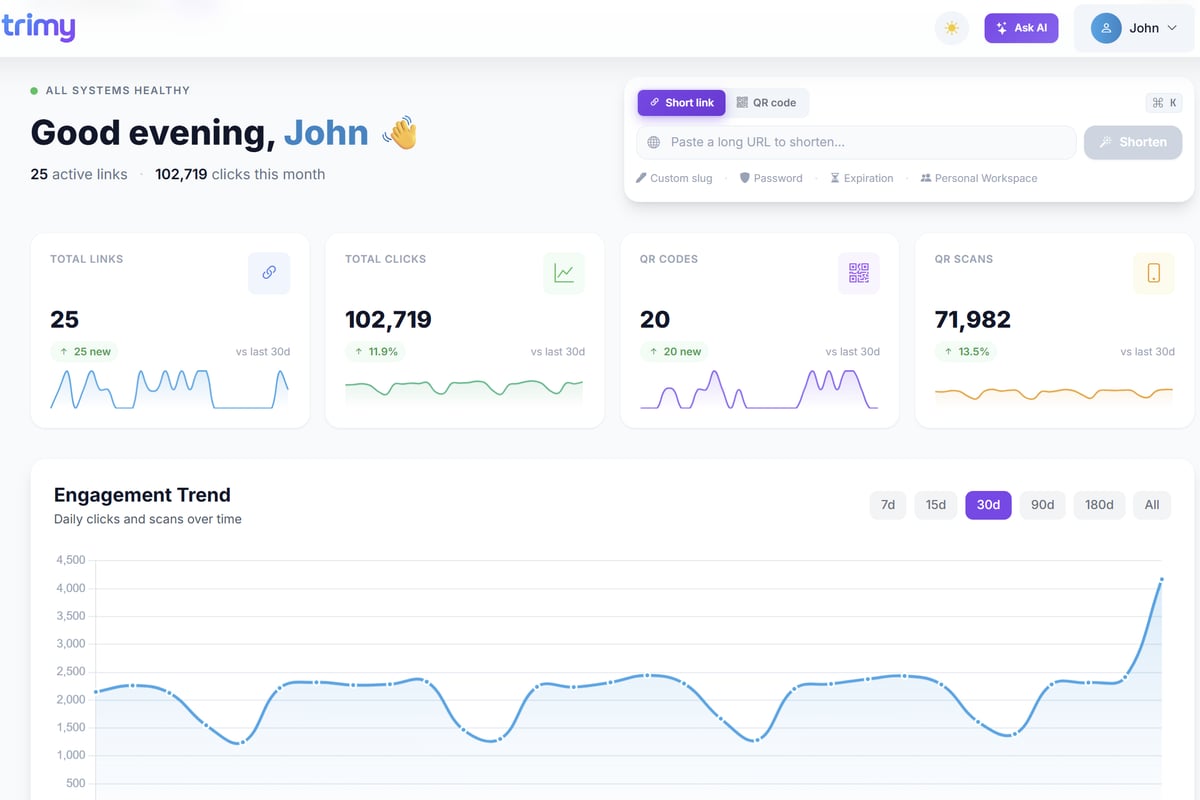
Trimy's link management platform helps marketing teams track how social traffic moves through the customer journey. By implementing branded short links with campaign-specific parameters, you can trace exactly which social posts, ads, and influencer partnerships drive qualified leads. This level of attribution transforms social media from a brand-building exercise into a measurable revenue channel.
Marketing Stack Compatibility
Ask how the social media marketing company integrates with your existing tools:
| Tool Category | Integration Need | Business Impact |
|---|---|---|
| CRM (Salesforce, HubSpot) | Lead tracking, contact enrichment | Connects social engagement to sales pipeline |
| Analytics (Google Analytics, Mixpanel) | Traffic attribution, conversion paths | Proves ROI and informs budget allocation |
| Project management (Asana, Monday) | Content calendars, approval workflows | Streamlines collaboration and deadlines |
| Advertising platforms (Facebook Ads Manager) | Campaign optimization, audience syncing | Improves targeting and reduces waste spend |
Companies using specialized tools like link management platforms need agencies comfortable with API integrations, webhook configurations, and custom tracking implementations. The SBA's guide to social media for small businesses emphasizes that technology integration often determines whether social efforts scale efficiently.
Building Effective Agency Relationships
Selecting a social media marketing company near me represents just the beginning. Long-term success requires intentional relationship management and clear communication frameworks.
Onboarding and Knowledge Transfer
Effective onboarding establishes shared context and realistic expectations. Provide your new agency partner with:
- Brand guidelines covering voice, visual identity, and messaging pillars
- Customer research including personas, pain points, and buying journey maps
- Competitive analysis highlighting differentiation and market positioning
- Historical performance data showing what's worked and what hasn't
- Access credentials to relevant platforms, tools, and analytics systems
Block dedicated time for strategic workshops during the first month. These sessions align on goals, define success metrics, establish approval processes, and set communication cadences.
Communication Protocols
Establish clear expectations for:
- Regular check-ins (weekly status calls, monthly strategy reviews)
- Emergency contact procedures for crisis management or time-sensitive opportunities
- Approval workflows defining who authorizes content, budgets, and strategic pivots
- Performance reviews with transparent feedback mechanisms
Many agency relationships deteriorate due to mismatched communication expectations rather than poor performance. Document these protocols and revisit them quarterly.
Continuous Optimization Mindset
Social platforms evolve constantly, introducing new features, algorithm changes, and content formats. Your social media marketing company near me should proactively test emerging opportunities rather than waiting for competitors to prove viability.
Following HubSpot's framework for evaluating marketing strategy, schedule quarterly innovation sessions focused on:
- Platform updates and beta features worth testing
- Content format experiments (new video lengths, interactive posts, platform-specific features)
- Audience segment expansion into adjacent demographics
- Competitive moves requiring strategic response
Agencies that rely on repeating last year's playbook miss opportunities and gradually lose market relevance.
Budget Considerations and Pricing Models
Understanding how social media marketing companies structure pricing helps you evaluate proposals and allocate resources effectively.
Common Pricing Structures
Monthly retainers cover ongoing management with predictable costs. Typical ranges:
- Basic management ($2,000-$5,000/month): 2-3 platforms, limited content production, basic reporting
- Standard service ($5,000-$10,000/month): 3-4 platforms, regular content creation, community management, monthly reporting
- Comprehensive programs ($10,000-$25,000+/month): Full-service management, video production, influencer campaigns, advanced analytics
Project-based pricing works for defined initiatives like product launches, rebranding campaigns, or seasonal promotions. Projects typically range from $5,000 to $50,000 depending on scope and duration.
Performance-based models tie compensation to results-cost per lead, cost per acquisition, or revenue share. These arrangements align incentives but require robust attribution systems and realistic baseline expectations.
Media Spend vs. Management Fees
Clarify whether quoted prices include advertising budget. Most agencies charge management fees separately from media spend:
- Management fees compensate for strategy, creative, optimization, and reporting
- Media spend purchases actual ad placements on Facebook, Instagram, LinkedIn, etc.
A common structure charges 15-20% of media spend as a management fee, with $3,000-$5,000 monthly minimums. For example, a $10,000 monthly ad budget might carry a $2,000 management fee (20%), totaling $12,000 in monthly costs.
Local Market Advantages for Specific Industries
Different industries benefit from local social media marketing expertise in distinct ways. Evaluating a social media marketing company near me requires understanding these sector-specific advantages.
SaaS and Technology Companies
Tech companies benefit from local agencies who understand regional startup ecosystems, developer communities, and enterprise buying cycles. A social media marketing company embedded in a tech hub brings connections to relevant influencers, knowledge of competitive positioning, and experience with technical product marketing.
Link management and marketing technology companies particularly need partners who grasp the technical sophistication required to track multi-touch attribution, implement pixel retargeting, and optimize conversion funnels. These campaigns demand agencies comfortable with webhooks, API documentation, and A/B testing methodologies.
Service-Based Businesses
Professional services firms-consultancies, agencies, financial advisors-rely heavily on thought leadership and personal branding. A local social media marketing company understands which regional business networks, industry associations, and community events provide authentic engagement opportunities versus generic outreach.
They can coordinate social campaigns with local speaking engagements, chamber of commerce involvement, and regional media opportunities that remote agencies simply cannot replicate.
E-commerce and Retail
Retailers benefit from agencies who understand local shopping behaviors, seasonal patterns unique to your region, and the competitive landscape of nearby stores. They coordinate social promotions with local inventory, regional shipping constraints, and community events that drive foot traffic.
Local agencies can also facilitate user-generated content campaigns by organizing local customer meetups, coordinating with regional influencers for authentic product demonstrations, and capturing location-specific lifestyle imagery.
Questions to Ask During Discovery Calls
Vet prospective social media marketing companies through structured conversations that reveal capabilities and compatibility.
Strategy and Planning
- How do you approach audience research and persona development?
- What's your process for developing platform-specific content strategies?
- How do you balance organic growth with paid advertising?
- Describe your most successful campaign in our industry and what made it work
- How do you stay current with platform algorithm changes?
Execution and Operations
- What's your typical content production timeline from concept to publication?
- How many team members would work on our account, and what are their roles?
- What tools do you use for scheduling, analytics, and project management?
- How do you handle urgent requests or time-sensitive opportunities?
- What's your approval process for content before publication?
Performance and Optimization
- Which metrics do you prioritize during the first 90 days versus long-term?
- How frequently do you optimize active campaigns?
- What does your A/B testing process look like?
- How do you determine when a campaign should be paused versus adjusted?
- Can you share examples of how you've pivoted strategy based on performance data?
Partnership and Culture
- What's your typical client retention rate and average partnership duration?
- How do you handle disagreements about creative direction or strategy?
- What makes a client relationship successful from your perspective?
- How much client involvement do you expect in day-to-day execution?
- What would cause you to recommend ending our partnership?
These questions reveal not just competence but also working style, values alignment, and communication preferences that determine relationship quality.
Choosing a social media marketing company near me requires balancing local market expertise with digital capabilities, strategic vision with execution excellence, and cultural fit with proven results. By evaluating platform specialization, demanding transparent performance reporting, conducting thorough vetting, and establishing clear partnership protocols, you position your business for sustained social media success. When your campaigns drive traffic across multiple channels, trimy transforms those links into intelligence-tracking campaign performance, optimizing routing, and connecting social engagement to revenue outcomes. Take control of your link data and unlock the full attribution picture your marketing deserves.