What Is a Vanity URL? Definition, Benefits & Examples

In today's digital landscape, every character in a URL matters. A long, convoluted web address filled with random strings and parameters can derail your marketing efforts before a potential customer even clicks. This is where vanity URLs come into play, offering businesses a cleaner, more professional way to share links while strengthening brand recognition and boosting engagement metrics across all digital channels.
Understanding Vanity URLs: Core Definition and Structure
A vanity URL is a custom, branded web address designed to be memorable, concise, and aligned with your brand identity. Rather than sharing a generic shortened link or a lengthy URL packed with tracking parameters, vanity URLs provide a clean alternative that communicates professionalism and trustworthiness at first glance.
The structure typically follows a simple pattern: yourbrand.com/keyword or brand.co/campaign. This format replaces cryptic character strings with human-readable words that describe the destination or offer.
Technical Components of Vanity URLs
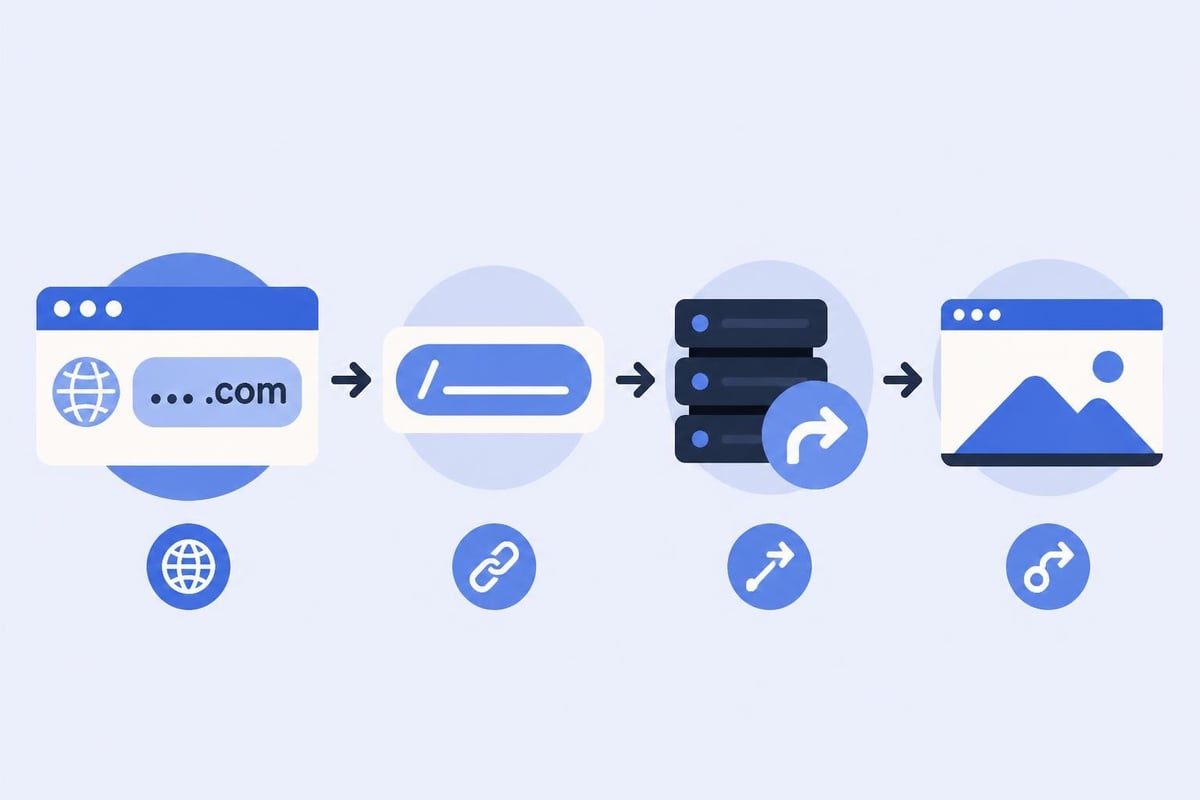
Every vanity URL contains three essential elements that work together to create a functional, branded link:
- Custom domain: Your brand name or a shortened version (trimy.io, brand.co)
- Path or slug: Descriptive keyword that indicates content (promo, demo, spring-sale)
- Redirect mechanism: Backend technology that routes visitors to the actual destination URL
The backend destination might be a complex URL with dozens of parameters, but users only see the polished, professional vanity version. This separation between appearance and functionality gives marketers unprecedented control over their link presentation.
Key Differences Between Vanity URLs and Standard Links
Understanding what is a vanity url requires distinguishing it from other link types commonly used in digital marketing. Standard URLs, generic short links, and vanity URLs each serve different purposes and offer distinct advantages.
| Link Type | Example | Use Case | Trust Level |
|---|---|---|---|
| Standard URL | https://www.example.com/products/category?id=12345&utm_source=email | Direct website links | High |
| Generic Short Link | bit.ly/3xK9pQm | Quick sharing, character limits | Medium |
| Vanity URL | brand.co/spring-sale | Marketing campaigns, branding | Highest |
| Deep Link | app://product/12345 | Mobile app navigation | High |
Standard URLs provide complete transparency but sacrifice brevity and aesthetic appeal. Generic shortened links solve the length problem but introduce brand disconnect and potential trust issues since users cannot immediately verify the destination.
Vanity URLs bridge this gap by combining brevity with brand reinforcement. When someone sees nike.com/running versus bit.ly/xyz123, the vanity URL immediately communicates legitimacy, relevance, and professionalism.
Social Media Platform Considerations
Social media platforms have embraced vanity URLs as critical branding tools. Facebook, Instagram, LinkedIn, and Twitter all allow custom usernames that create clean, shareable profile links.
A business profile URL transforms from facebook.com/pages/123456789 to facebook.com/yourbusiness. This change might seem cosmetic, but it significantly impacts how audiences discover, remember, and share your social presence.
Why Businesses Invest in Vanity URL Implementation
The strategic advantages of vanity URLs extend far beyond aesthetics. Companies that implement custom branded links consistently report measurable improvements across multiple marketing performance indicators.
Brand Recognition and Trust Building
Trust is the currency of digital marketing. When potential customers encounter a link, they make split-second decisions about whether to click based on perceived legitimacy. Vanity URLs leverage your existing brand equity to reduce hesitation.
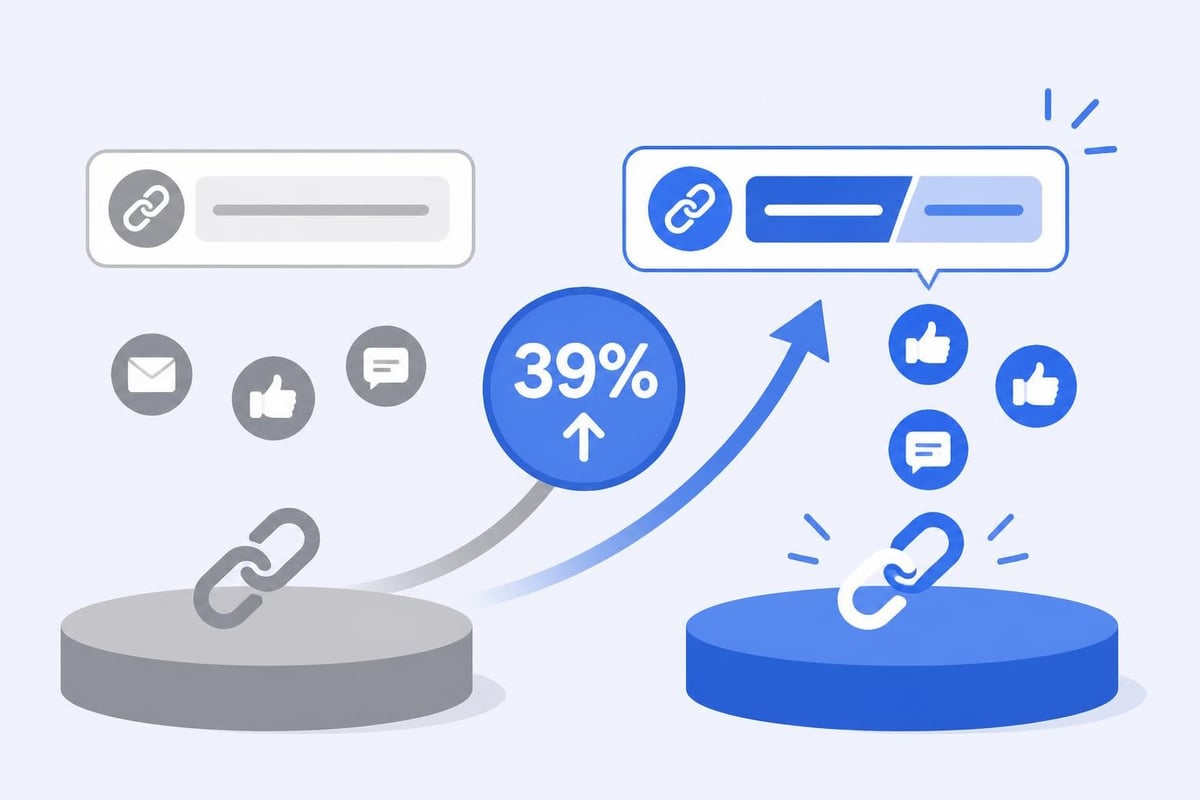
Research demonstrates that branded short links generate 39% higher click-through rates compared to generic shortened URLs. This uplift stems from immediate brand recognition and the psychological safety of knowing exactly where a link leads.
Consider these psychological triggers activated by vanity URLs:
- Instant brand association creates familiarity
- Descriptive paths set clear expectations
- Professional presentation signals legitimacy
- Consistency across campaigns builds recognition patterns
Improved Click-Through Rates and Campaign Performance
Beyond trust, vanity URLs drive concrete performance improvements measurable through analytics platforms. Marketing teams tracking campaign metrics observe consistent patterns when switching from generic to branded links.
Higher engagement rates: Audiences respond more positively to links that communicate value before clicking. A vanity URL like brand.co/webinar-replay tells viewers exactly what they'll access, removing ambiguity that causes hesitation.
Better mobile experience: Mobile users scrolling through social feeds or emails make rapid decisions about content consumption. Clean, readable URLs improve comprehension and reduce cognitive load, particularly on smaller screens.
Enhanced shareability: People are more likely to share links that look professional and trustworthy. Vanity URLs remove the spam-like appearance of random character strings that might trigger skepticism among recipients.
Strategic Applications Across Marketing Channels
Understanding what is a vanity url in practice means recognizing how different marketing channels benefit from custom branded links. The implementation strategy varies based on channel characteristics and audience behavior patterns.
Email Marketing Optimization
Email remains one of the highest-ROI marketing channels, and vanity URLs amplify this advantage. Every email newsletter, promotional campaign, and automated sequence benefits from strategic link customization.
Promotional campaigns: Transform yoursite.com/products/category/sale?utm_source=email&utm_campaign=spring2026 into brand.co/spring-offer. The vanity version is cleaner, more clickable, and easier to remember if recipients want to return later.
Call-to-action links: Primary CTAs deserve the most memorable, compelling URLs. A button labeled "Start Free Trial" becomes more powerful when paired with brand.co/trial rather than a generic shortener or parameter-heavy URL.
Social Media Campaign Management
Social platforms impose character limits and encourage concise communication, making vanity URLs essential tools for effective social marketing. Twitter, LinkedIn, Instagram bio links, and Facebook posts all benefit from branded link strategies.
Instagram bio optimization presents unique challenges since the platform allows only one clickable link in profiles. Many businesses solve this through brand.co/links vanity URLs that route to link-in-bio landing pages, maximizing the utility of limited clickable real estate.
Print and Offline Media Integration
Digital links appearing in physical contexts require extra memorability and simplicity. Business cards, product packaging, billboards, and event materials all translate digital destinations into offline spaces.
A trade show booth displaying brand.co/demo provides instant clarity and easy manual entry for interested prospects. Compare this to a QR code paired with a complex URL-the vanity version offers both digital convenience and analog accessibility.
Technical Implementation and Best Practices
Creating effective vanity URLs requires strategic planning beyond simply shortening links. Implementation standards help ensure consistency, maintain SEO value, and avoid common pitfalls that undermine marketing objectives.
Domain Selection Strategy
Choose between branded root domains or custom short domains. Your primary domain (yourbusiness.com) carries maximum brand recognition but creates longer vanity URLs. Custom short domains (yourbiz.co or yb.link) produce more concise links while maintaining brand connection.
Evaluate these factors when selecting your vanity URL domain:
- Brand recognition: How quickly do audiences associate the domain with your company?
- Length considerations: Will the full vanity URL fit comfortably in your target channels?
- Trust signals: Does the domain extension (.com, .co, .io) align with audience expectations?
- Future scalability: Can this domain accommodate all planned campaigns and use cases?
Path Structure and Naming Conventions
Effective vanity URL paths balance brevity with clarity. Establish consistent naming conventions that make links intuitive for both internal teams and external audiences.
Keep paths short but descriptive: Aim for 1-3 words that communicate value or content type. brand.co/pricing works better than brand.co/view-our-pricing-plans-and-options.
Use hyphens for multi-word paths: Following web standards, separate words with hyphens rather than underscores or spaces. brand.co/product-demo maintains readability and technical compatibility.
Avoid special characters and numbers: Unless numbers are essential (brand.co/2026-report), stick with letters and hyphens to maximize memorability and reduce transcription errors.
Redirect Configuration and Maintenance
Backend redirect setup determines whether vanity URLs deliver seamless user experiences or create frustration through broken links and slow load times.
| Redirect Type | Use Case | SEO Impact | Speed |
|---|---|---|---|
| 301 Permanent | Long-term campaigns, rebranding | Passes link equity | Fast |
| 302 Temporary | Short-term promotions, testing | No link equity transfer | Fast |
| JavaScript | Complex routing, tracking | Minimal | Slower |
| Meta Refresh | Fallback option | Not recommended | Slowest |
301 redirects serve most vanity URL needs, providing both speed and SEO benefits when linking to important content. They signal to search engines that the vanity URL represents a permanent alternative path to the destination.
SEO Considerations and Search Engine Impact
While vanity URLs primarily serve branding and user experience goals, they intersect with search engine optimization in meaningful ways. Understanding these dynamics helps marketers maximize both immediate campaign performance and long-term organic visibility.
Link Equity and Ranking Signals
Search engines evaluate links based on multiple factors including anchor text, source authority, and user engagement signals. Vanity URLs influence these factors through improved click-through rates and reduced bounce rates when users encounter expected content.
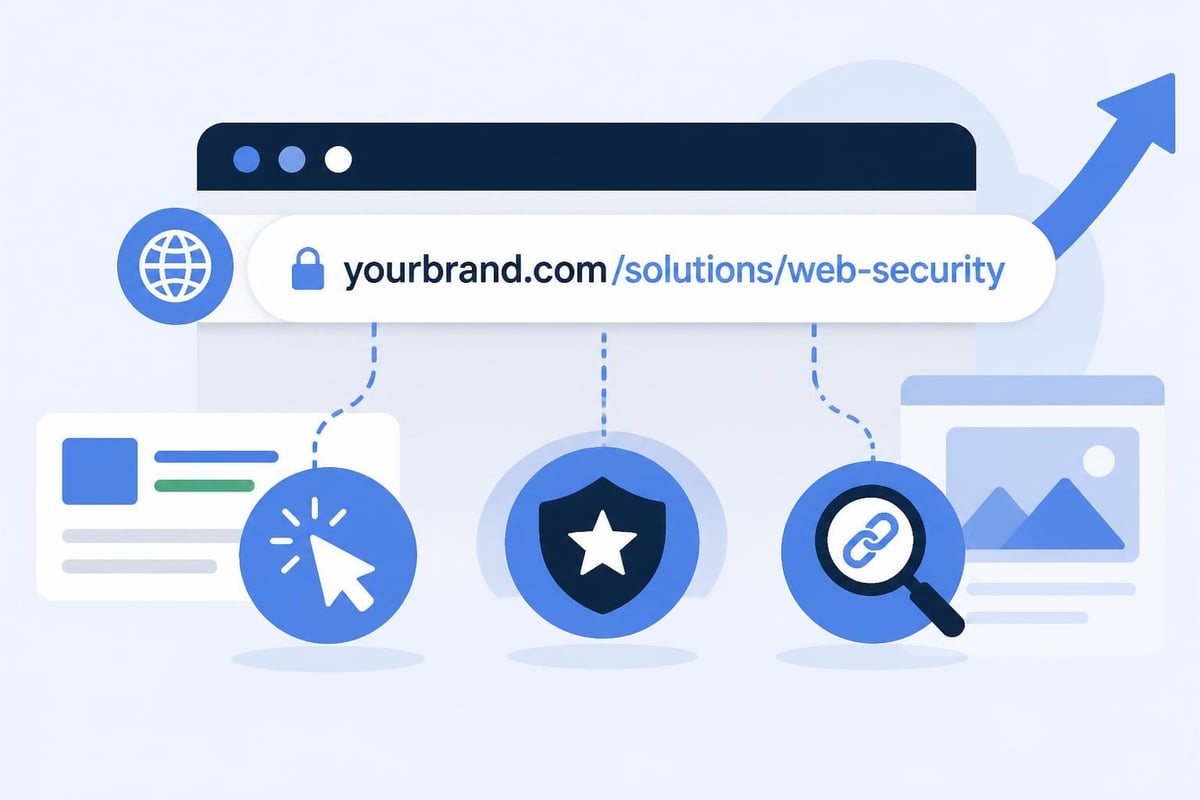
Branded links build authority: Consistent use of custom domains across marketing campaigns strengthens brand search performance. When audiences see brand.co links repeatedly, they begin associating your brand with specific topics and offerings.
Descriptive paths provide context: Unlike random character strings, keyword-rich vanity URL paths give search engines additional context about destination content. brand.co/seo-guide clearly indicates SEO-related content before anyone clicks.
Analytics and Performance Tracking Capabilities
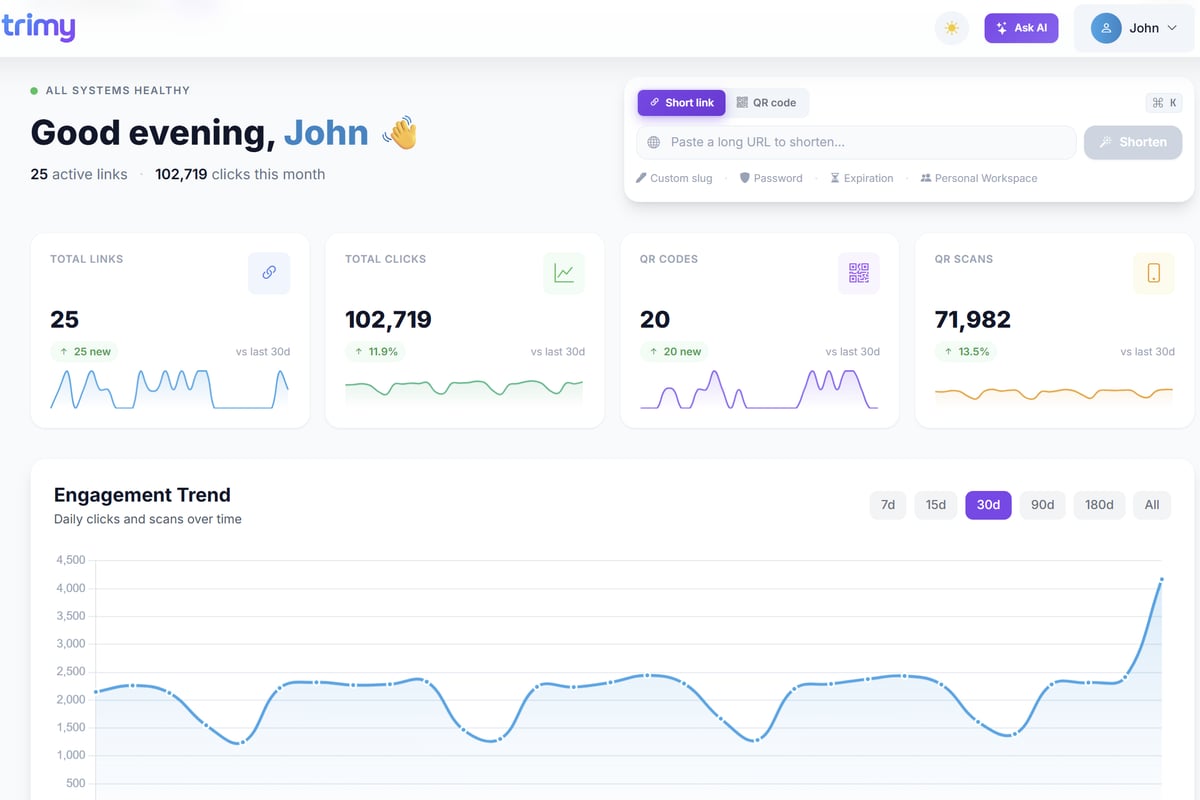
Modern vanity URL platforms provide sophisticated tracking capabilities that transform simple links into rich data sources. This intelligence separates basic URL shortening from comprehensive link management strategies.
Advanced Metrics Beyond Click Counts
Basic click tracking answers "how many people clicked?" Advanced link intelligence platforms reveal deeper insights about who clicked, when, from where, and what they did after clicking.
Key performance indicators for vanity URL campaigns include:
- Geographic distribution: Which regions generate the most engagement?
- Device breakdown: Mobile versus desktop traffic patterns
- Referral sources: Which channels drive the highest-quality traffic?
- Conversion tracking: Post-click actions and revenue attribution
- Time-based patterns: Peak engagement windows for optimization
A/B Testing and Traffic Routing
Sophisticated link management enables marketers to run experiments without changing visible URLs. A/B testing through vanity URLs lets you route different audience segments to variant landing pages while maintaining consistent campaign messaging.
Smart routing takes this further by automatically directing traffic based on real-time conditions. Send mobile users to app download pages while desktop visitors access web experiences-all through a single vanity URL that adapts based on detected parameters.
The ability to update destinations without changing published links provides unprecedented campaign flexibility. If your brand.co/summer-sale needs to point to different products mid-campaign, you can adjust the backend redirect while all previously shared links continue working flawlessly.
Creating Vanity URLs That Convert
Theoretical knowledge becomes valuable only through practical application. Implementing vanity URLs that genuinely improve marketing outcomes requires attention to psychological triggers, campaign context, and audience preferences.
Psychology of Memorable URLs
Human memory favors patterns, familiar words, and emotional connections. Crafting vanity URLs that stick in minds requires understanding these cognitive principles.
Use recognizable words: brand.co/win registers faster than brand.co/promotion-entry. Single-word paths work best when the context makes meaning clear.
Create curiosity: Sometimes vague paths outperform descriptive ones by generating curiosity. brand.co/secret or brand.co/insider promise exclusive access that motivates clicks.
Align with campaign messaging: If your email subject line promotes "The Ultimate Guide," your vanity URL should reflect this with brand.co/ultimate-guide rather than generic alternatives.
Industry-Specific Implementation Examples
Different industries leverage vanity URLs in unique ways based on customer behavior patterns and marketing channel priorities.
E-commerce brands create product-specific vanity URLs for influencer partnerships: brand.co/creator-name tracks individual affiliate performance while providing influencers memorable links to share with followers.
SaaS companies use feature-focused paths: brand.co/integrations, brand.co/api-docs, brand.co/changelog serve both marketing and product communication needs.
Event organizers build time-sensitive vanity URLs: brand.co/2026-conference, brand.co/early-bird, brand.co/speakers guide attendees through registration and information gathering.
Managing Vanity URL Infrastructure at Scale
As marketing programs expand, managing dozens or hundreds of vanity URLs requires systematic approaches and proper tooling. What works for five campaign links becomes unwieldy at fifty without appropriate infrastructure.
Organizational Systems and Governance
Establish naming conventions before creating your first vanity URL. Document standards for path structure, capitalization, special characters, and multi-word separators. Consistency prevents confusion and makes link audits manageable.
Implement approval workflows for teams where multiple people create vanity URLs. This prevents duplicate paths, maintains quality standards, and ensures all links align with brand guidelines before going live.
Maintain a link directory: Track all active vanity URLs in a centralized database or spreadsheet. Include destination URLs, creation dates, campaign associations, and performance benchmarks for easy reference and historical analysis.
Link Management Platform Capabilities
Professional marketers managing sophisticated campaigns need more than basic URL shortening. Comprehensive link management platforms provide integrated tools that transform links from simple redirects into strategic marketing assets.
Marketers seeking full control over their vanity URL strategy benefit from platforms offering custom domain management, detailed analytics, testing capabilities, and smart routing options. These features transform what is a vanity url from a simple redirect into an intelligent component of your marketing technology stack.
Security and Trust Considerations
While vanity URLs improve user experience and brand perception, they also introduce security considerations that responsible marketers must address. Protecting both your brand reputation and audience safety requires proactive measures.
Preventing Misuse and Brand Protection
Monitor for spoofing attempts: Bad actors occasionally create lookalike vanity URLs hoping to deceive your audience. Regularly search for variations of your branded short domains and file trademark complaints against clear violations.
Use SSL certificates: Ensure all custom domains configured for vanity URLs support HTTPS. This encrypts data transmission and displays security indicators that reassure cautious users.
Implement link expiration: For time-sensitive campaigns, configure vanity URLs to redirect to general pages after promotion periods end rather than showing error messages. This preserves user experience even for outdated links.
Compliance and Privacy Standards
Marketing links often include tracking parameters that collect user data. Understanding what is a vanity url in regulated industries means ensuring compliance with data protection requirements.
GDPR considerations: European audiences have rights regarding data collection. Ensure tracking mechanisms respect user preferences and provide transparency about information gathering.
Accessibility requirements: Vanity URLs should meet accessibility standards including screen reader compatibility and clear destination indication for users with disabilities.
Measuring Vanity URL ROI and Success Metrics
Investment in custom branded links requires justification through measurable business impact. Defining success metrics before implementation enables objective evaluation of vanity URL programs.
Quantitative Performance Indicators
Track these metrics to evaluate vanity URL effectiveness:
- Click-through rate improvement: Compare branded versus generic link performance
- Cost per click reduction: Lower CPC indicates improved ad efficiency
- Conversion rate changes: Track post-click actions attributed to vanity links
- Brand search volume: Monitor branded search trends as vanity URL usage increases
- Share rate: Measure how often audiences share your vanity URLs organically
Qualitative Brand Impact Assessment
Numbers tell part of the story, but qualitative feedback reveals deeper insights about brand perception and customer experience improvements.
Customer feedback: Survey audiences about link trustworthiness and professionalism perceptions.
Competitive differentiation: Evaluate how your branded links compare to competitor marketing materials in presentation quality.
Internal efficiency gains: Assess whether vanity URLs simplify campaign management, reduce errors, or improve team collaboration.
Future Trends in Vanity URL Technology
The evolution of digital marketing continues shaping how businesses leverage vanity URLs. Emerging technologies and shifting consumer behaviors point toward several developments on the horizon.
AI-Powered Link Optimization
Machine learning algorithms are beginning to optimize vanity URL routing based on historical performance data. Systems analyze which audience segments respond best to specific destination pages and automatically route traffic to maximize conversions.
Predictive analytics help marketers anticipate which vanity URL formats will resonate with target audiences before campaigns launch, reducing testing time and improving initial performance.
Enhanced Attribution and Cross-Channel Tracking
As privacy regulations evolve and third-party cookies disappear, first-party data collection through owned vanity URLs becomes increasingly valuable. Advanced platforms now connect link engagement to CRM records, providing complete customer journey visibility.
Cross-device tracking through vanity URLs enables marketers to understand how audiences interact with branded links across smartphones, tablets, and desktops without relying on problematic tracking methods.
Vanity URLs represent far more than cosmetic improvements to marketing links-they function as strategic assets that build brand recognition, improve campaign performance, and generate valuable customer intelligence. When implemented thoughtfully with consistent naming conventions, proper tracking infrastructure, and attention to user experience, custom branded links deliver measurable advantages across every digital marketing channel. Trimy provides the link intelligence and management capabilities that transform basic vanity URLs into powerful revenue signals, offering marketers and developers the advanced analytics, A/B testing, and smart routing tools needed to optimize every campaign at competitive pricing.