AI Market Research Tools: Complete 2026 Guide
Market research has entered a new era powered by artificial intelligence. Organizations now rely on ai market research tools to process massive datasets, uncover hidden patterns, and generate insights that would take human analysts months to discover. These platforms combine machine learning, natural language processing, and predictive analytics to transform how businesses understand their customers, competitors, and markets. For companies managing digital campaigns and tracking user behavior through links and analytics, the integration of AI-powered research capabilities represents a fundamental shift in strategic decision-making.
The Evolution of Market Research Technology
Traditional market research methods relied heavily on surveys, focus groups, and manual data analysis. Researchers spent countless hours coding responses, identifying themes, and building reports that were often outdated by the time they reached decision-makers. The process was labor-intensive, expensive, and limited in scope.
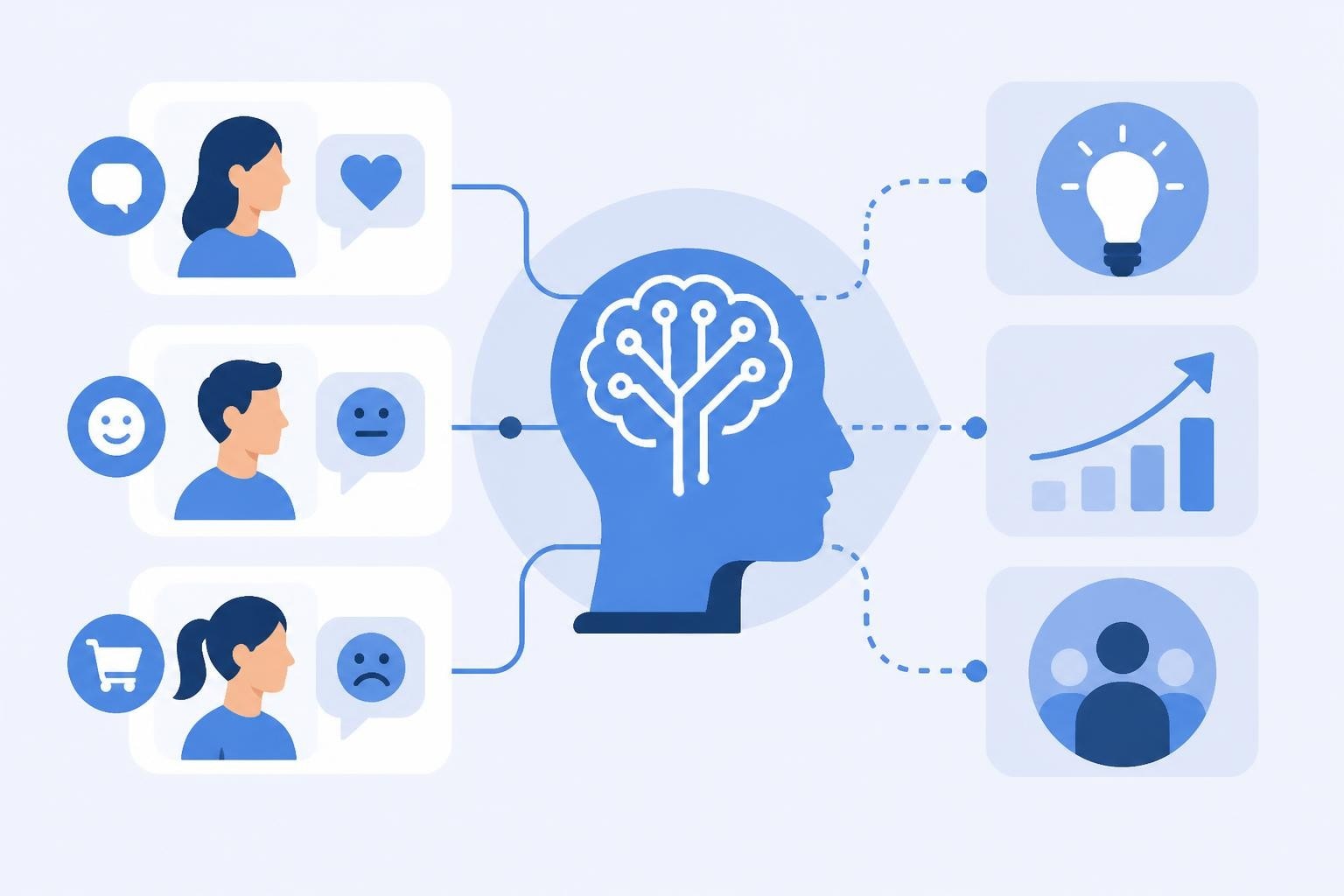
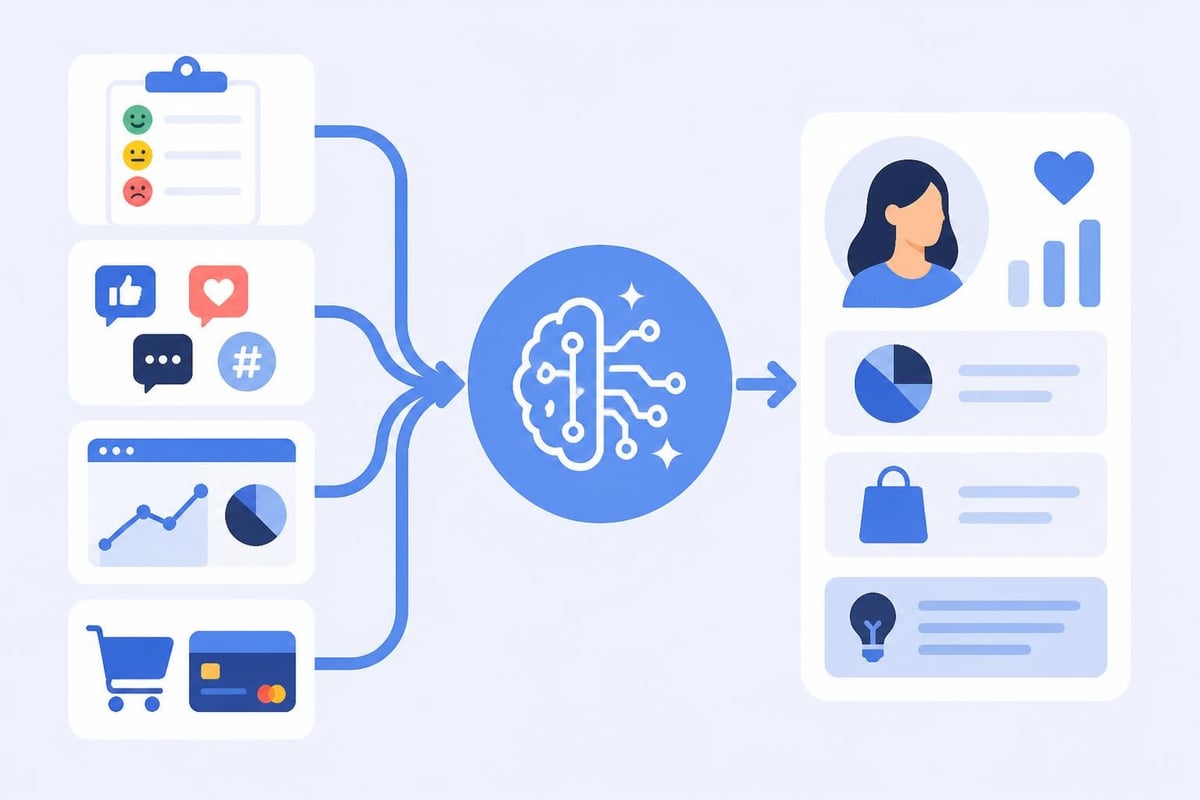
AI market research tools have fundamentally changed this landscape. These platforms can analyze thousands of customer reviews in minutes, identify sentiment patterns across social media channels, and predict market trends with remarkable accuracy. According to Stanford's AI Index Report 2024, enterprise adoption of AI for analytics and insights increased by 47% between 2023 and 2024.
The transformation extends beyond speed and scale. Modern ai market research tools can process unstructured data from multiple sources simultaneously, connecting dots that humans might miss. They identify micro-trends before they become visible in aggregate reports, enabling businesses to act on opportunities faster than competitors.
Key Capabilities Driving Adoption
What makes these tools indispensable? The answer lies in their ability to handle complexity at scale:
- Real-time sentiment analysis across millions of social media posts, reviews, and comments
- Predictive modeling that forecasts market shifts based on historical patterns and current signals
- Automated survey design and response analysis that reduces research time by 70-80%
- Competitive intelligence gathering from public data sources and digital footprints
- Customer segmentation using behavioral data and psychographic profiling
- Trend identification through pattern recognition across diverse data streams
Organizations using link management and analytics platforms particularly benefit from AI research tools because they already collect rich behavioral data. Every click, conversion, and campaign metric becomes input for deeper market understanding.
Enterprise Implementation and Strategic Integration
Deloitte's research on generative AI in the enterprise reveals that 62% of organizations now consider AI-powered insights critical to their competitive strategy. Implementation, however, requires careful planning and integration with existing data infrastructure.
Successful deployment begins with clear objectives. Companies must define what questions they need answered, what data sources they'll leverage, and how insights will flow into decision-making processes. AI market research tools work best when they complement human expertise rather than replace it.
Building Your AI Research Stack
The modern research technology stack typically includes several specialized components:
| Tool Category | Primary Function | Integration Priority |
|---|---|---|
| Survey Platforms | Automated questionnaire design and distribution | High |
| Sentiment Analysis | Social listening and brand monitoring | High |
| Predictive Analytics | Forecasting and trend modeling | Medium |
| Customer Data Platforms | Unified customer view and segmentation | Critical |
| Visualization Tools | Dashboard creation and reporting | Medium |
For businesses focused on digital marketing and campaign optimization, integration with existing analytics becomes essential. Your ai market research tools should connect seamlessly with web analytics, CRM systems, and marketing automation platforms. This creates a closed loop where campaign data informs research, and research insights improve campaign performance.
Small businesses looking to adopt AI capabilities often benefit from working with specialists who understand practical implementation. Resources like AI 4 Small Business help organizations identify time-consuming processes and select tools that deliver measurable impact without overwhelming existing teams.
Data Quality and Ethical Considerations
The effectiveness of any AI research tool depends entirely on data quality and ethical governance. Poor data quality produces misleading insights, while ethical lapses damage brand reputation and customer trust.
Essential Quality Standards
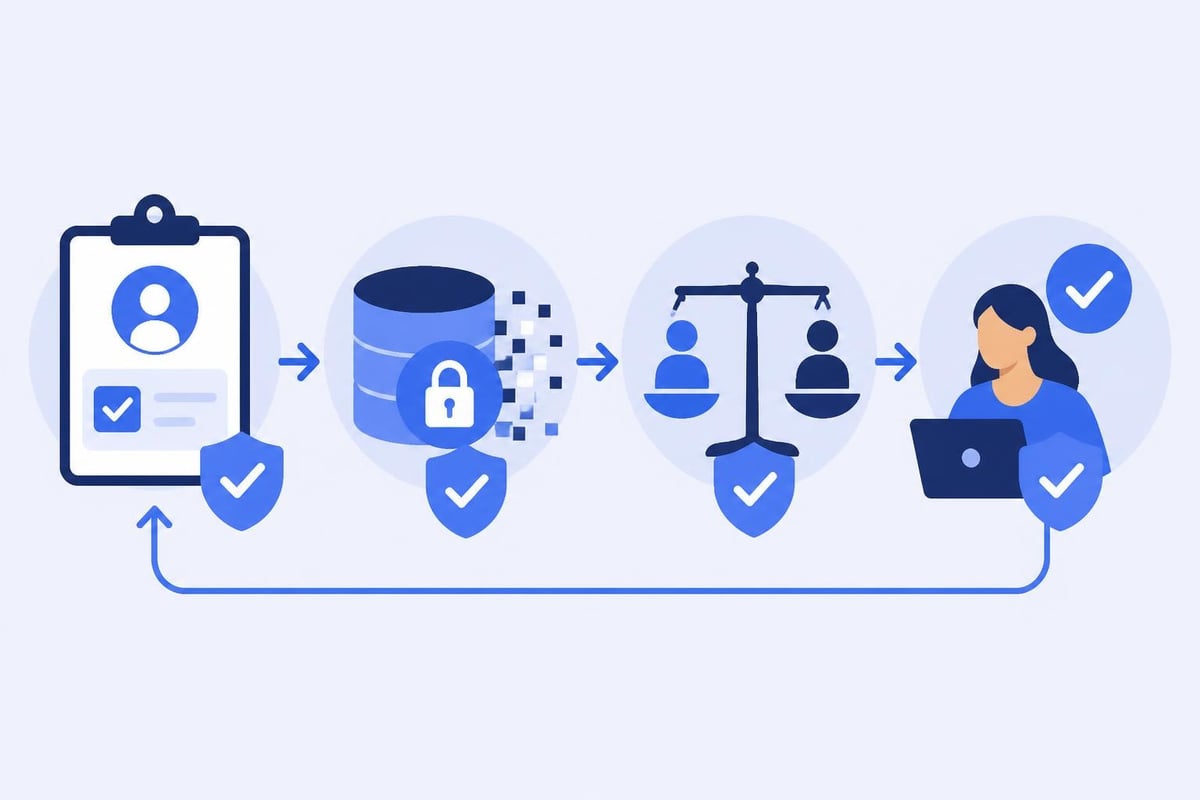
Data sourcing transparency should be non-negotiable. You need to know exactly where your AI tool gathers information and whether sources are reliable, representative, and current. Bias in training data leads to biased insights, which can skew strategic decisions in dangerous directions.
Privacy compliance has become increasingly complex as regulations evolve. Your ai market research tools must comply with GDPR, CCPA, and other regional privacy frameworks. This means obtaining proper consent, anonymizing personal information, and maintaining audit trails for all data processing activities.
The ESOMAR guidance on AI-based services provides a comprehensive framework for evaluating tools. Their 20 questions cover algorithm transparency, data handling practices, accuracy measurement, and human oversight requirements. Following this checklist helps organizations avoid costly compliance issues and ethical missteps.
Building Trust Through Transparency
Customers increasingly want to know how their data is used. Organizations that openly communicate their research practices and AI usage build stronger relationships than those operating in secrecy. This transparency extends to explaining how AI-generated insights influence product development, pricing, and marketing strategies.
When evaluating ai market research tools, ask vendors detailed questions about their algorithms, training data, and accuracy rates. Request case studies showing how the tool performs across different industries and use cases. Reputable providers welcome scrutiny and provide detailed documentation.
Practical Applications Across Marketing Functions
How do marketing teams actually use these tools day-to-day? The applications span the entire customer journey and campaign lifecycle.
Campaign Planning and Optimization
AI-powered research platforms analyze historical campaign performance to identify patterns that predict success. They can recommend optimal timing, messaging, channels, and audience segments based on thousands of previous campaigns. This data-driven approach reduces guesswork and improves ROI.
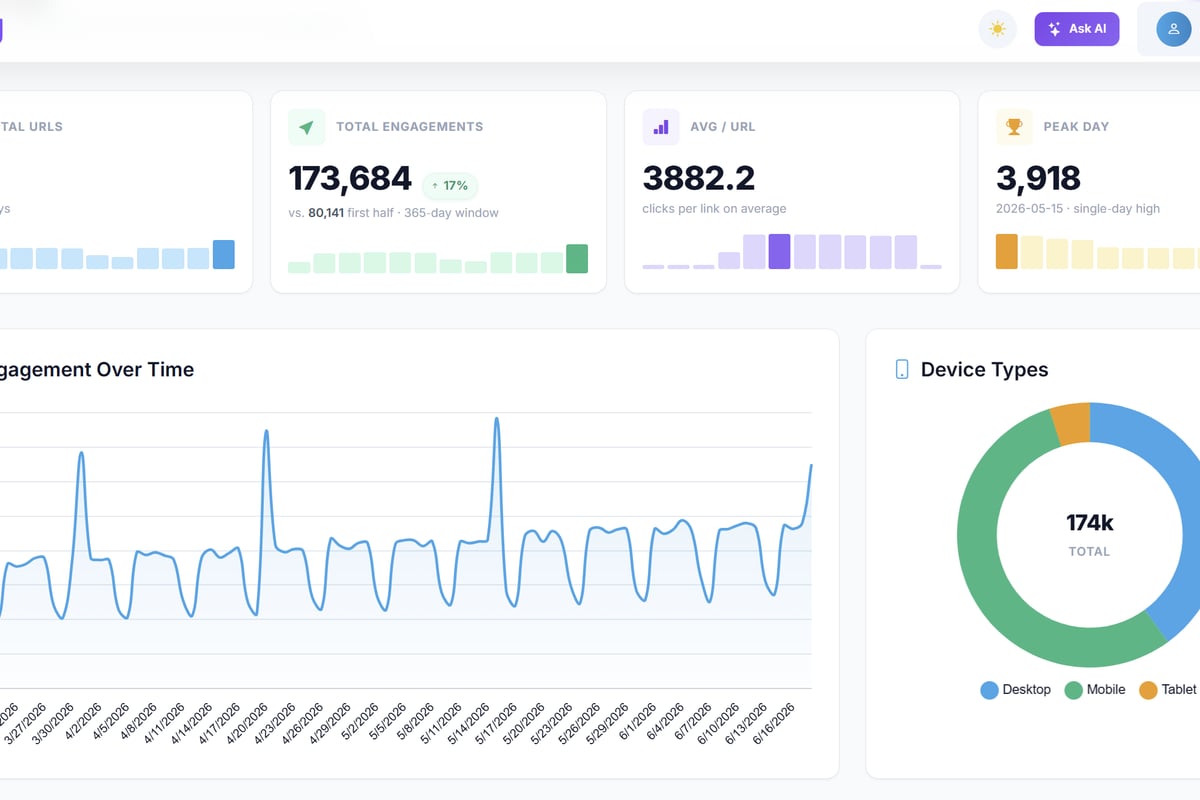
For teams managing multiple campaigns through link-based tracking systems, AI tools can correlate click patterns with conversion outcomes. They identify which traffic sources deliver the highest-quality leads, which content topics drive engagement, and which call-to-action variations perform best.
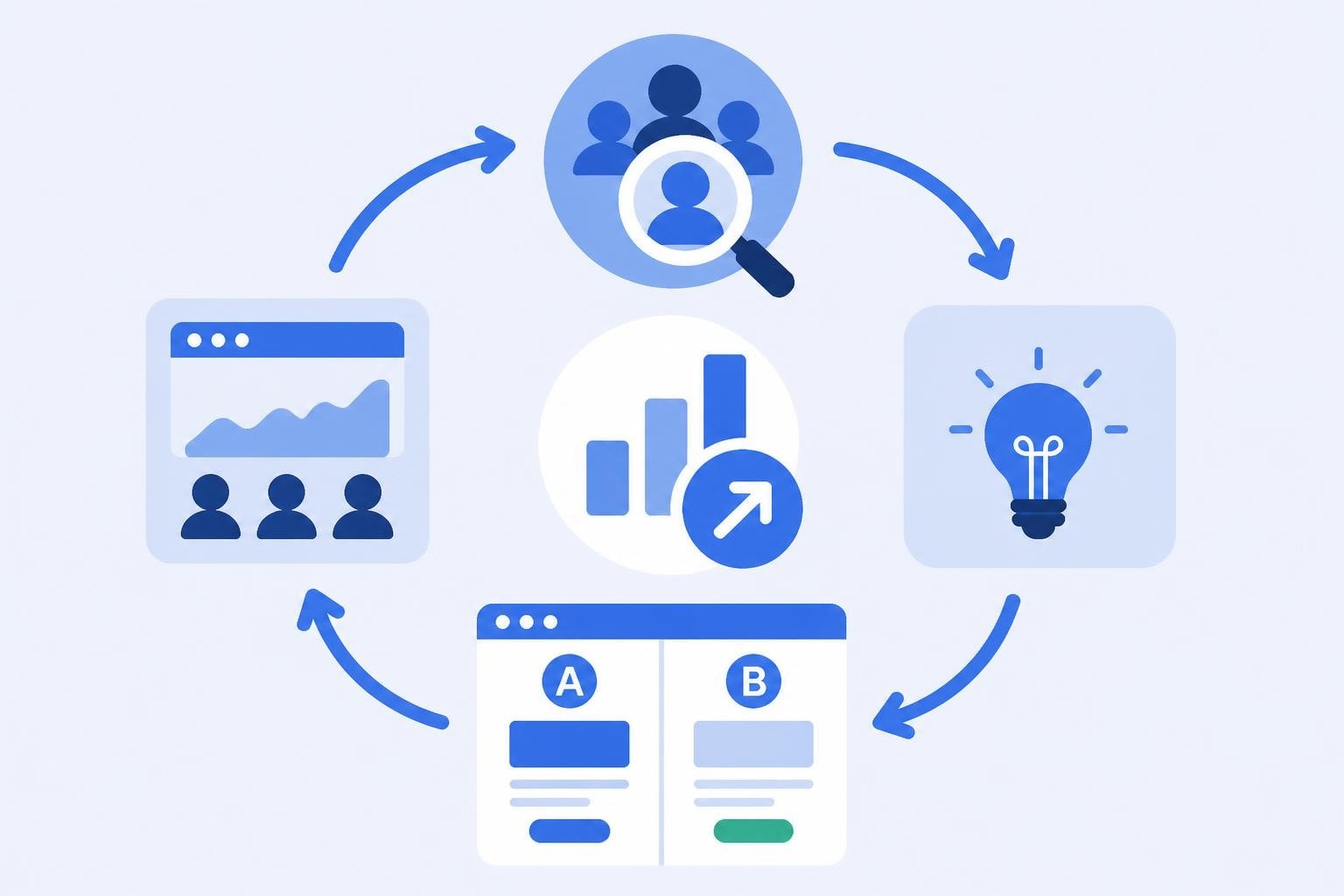
Trimy helps marketing teams capture the granular behavioral data that feeds AI research tools. By tracking every click, route, and conversion across campaigns, it generates the rich datasets that AI algorithms need to identify meaningful patterns. The platform's A/B testing capabilities and smart routing features provide the experimental framework for testing AI-generated hypotheses about audience behavior and preferences.
Customer Intelligence and Segmentation
Modern ai market research tools excel at identifying customer microsegments that traditional analysis misses. By processing behavioral data, transaction history, content consumption patterns, and engagement metrics, these platforms create highly detailed customer profiles.
The process typically follows these steps:
- Data aggregation from all customer touchpoints into a unified platform
- Clustering analysis using machine learning to identify natural groupings
- Profile generation creating detailed descriptions of each segment
- Predictive scoring estimating lifetime value and conversion probability
- Personalization mapping matching content and offers to each segment
This granular understanding enables hyper-personalized marketing that feels relevant rather than intrusive. Customers receive messages aligned with their actual interests and needs, improving response rates while reducing ad waste.
Measuring ROI and Performance Metrics
Implementing ai market research tools requires investment in software, training, and process changes. Organizations need clear frameworks for measuring return on that investment.
Quantifiable Impact Areas
| Metric Category | Traditional Approach | AI-Enhanced Approach | Typical Improvement |
|---|---|---|---|
| Research Cycle Time | 4-8 weeks | 3-5 days | 80-90% reduction |
| Sample Size Analysis | Hundreds | Thousands to millions | 100x+ increase |
| Insight Accuracy | 65-75% | 85-92% | 20-25% improvement |
| Cost per Insight | $500-2,000 | $50-200 | 90% reduction |
| Strategic Decision Speed | Monthly | Real-time | Continuous improvement |
Harvard Business Review's analysis of generative AI in market research demonstrates that organizations using AI tools make strategic decisions 3-5 times faster than those relying on traditional methods. This velocity advantage compounds over time, creating sustained competitive benefits.
Beyond direct efficiency metrics, consider strategic value indicators. How many new market opportunities has your research uncovered? How accurately do your predictive models forecast demand? How much has customer satisfaction improved based on AI-driven product refinements?
Integration With Custom Development Projects
Organizations with unique research needs often require custom software solutions that incorporate AI capabilities. Working with experienced development teams ensures these tools align perfectly with business requirements and existing systems.
Brytend specializes in creating custom software solutions that integrate AI market research capabilities with proprietary data sources and workflows. Their approach focuses on building systems that deliver specific outcomes rather than generic platforms that require extensive configuration.
Custom development becomes particularly valuable when off-the-shelf ai market research tools can't handle specialized data types, industry-specific analysis requirements, or unique compliance constraints. A tailored solution processes exactly the data you need, in precisely the format that supports your decisions.
When to Build Versus Buy
The build-versus-buy decision depends on several factors:
Choose commercial platforms when:
- Your research needs align with standard market research functions
- You need rapid deployment without extensive development time
- Budget constraints favor subscription models over development costs
- Vendor ecosystems provide valuable integrations and support
Invest in custom development when:
- Your industry has unique data types or analysis requirements
- Proprietary algorithms would create competitive advantages
- Integration complexity makes commercial tools impractical
- Long-term total cost of ownership favors owned systems
Most organizations benefit from a hybrid approach, using commercial ai market research tools for standard functions while developing custom capabilities for strategic differentiators.
Selecting the Right Platform for Your Needs
The market offers dozens of AI research platforms, each with different strengths, limitations, and pricing models. Making the right choice requires systematic evaluation against your specific requirements.
Essential Evaluation Criteria
Start by mapping your must-have capabilities. Do you primarily need sentiment analysis, predictive modeling, survey automation, or competitive intelligence? Some platforms excel in specific areas while offering basic functionality in others.
Integration capabilities deserve special attention. Your ai market research tools should connect easily with your existing technology stack-CRM, marketing automation, analytics platforms, and data warehouses. APIs, pre-built connectors, and data export options determine how smoothly insights flow into decision-making processes.
Scalability matters more than most organizations initially recognize. A tool that works perfectly for 10,000 monthly survey responses may collapse under 1 million. Understand the platform's capacity limits and growth pricing before committing.
According to Forrester's analysis of AI in market insights, the enterprise AI research market will grow from $2.1 billion in 2024 to $7.8 billion by 2028. This rapid expansion brings new vendors and capabilities but also creates confusion about which solutions deliver genuine value.
Vendor Evaluation Process
Conduct thorough vendor assessments using these steps:
- Request detailed demonstrations using your actual data and research questions
- Run pilot projects with small datasets before committing to enterprise agreements
- Check references from companies in your industry with similar use cases
- Review security certifications and compliance documentation carefully
- Negotiate proof-of-concept periods with clear success metrics and exit options
Don't rush the selection process. The wrong ai market research tools create more problems than they solve, generating misleading insights and wasting resources. Taking extra time upfront prevents expensive mistakes later.
Training Teams for AI-Augmented Research
Technology alone doesn't transform research capabilities. Teams need training, support, and new workflows that leverage AI tools effectively while maintaining critical thinking and strategic judgment.
Building AI Literacy
Most researchers and marketers don't need to understand the mathematics behind machine learning algorithms. They do need to understand what AI can and cannot do, how to interpret AI-generated insights, and when human judgment should override algorithmic recommendations.
Effective training programs cover:
- How the specific ai market research tools work and what data they use
- Interpreting confidence scores, probability ranges, and uncertainty measures
- Identifying potential bias in AI-generated insights
- Combining AI analysis with qualitative research methods
- Asking better questions that leverage AI capabilities
- Validating AI findings through additional research
Create ongoing learning opportunities rather than one-time training sessions. As AI capabilities evolve and your organization's needs change, continuous education keeps teams current and effective.
Workflow Redesign for AI Integration
Traditional research workflows don't automatically accommodate AI tools. Organizations must redesign processes to leverage automation while preserving quality control and strategic thinking.
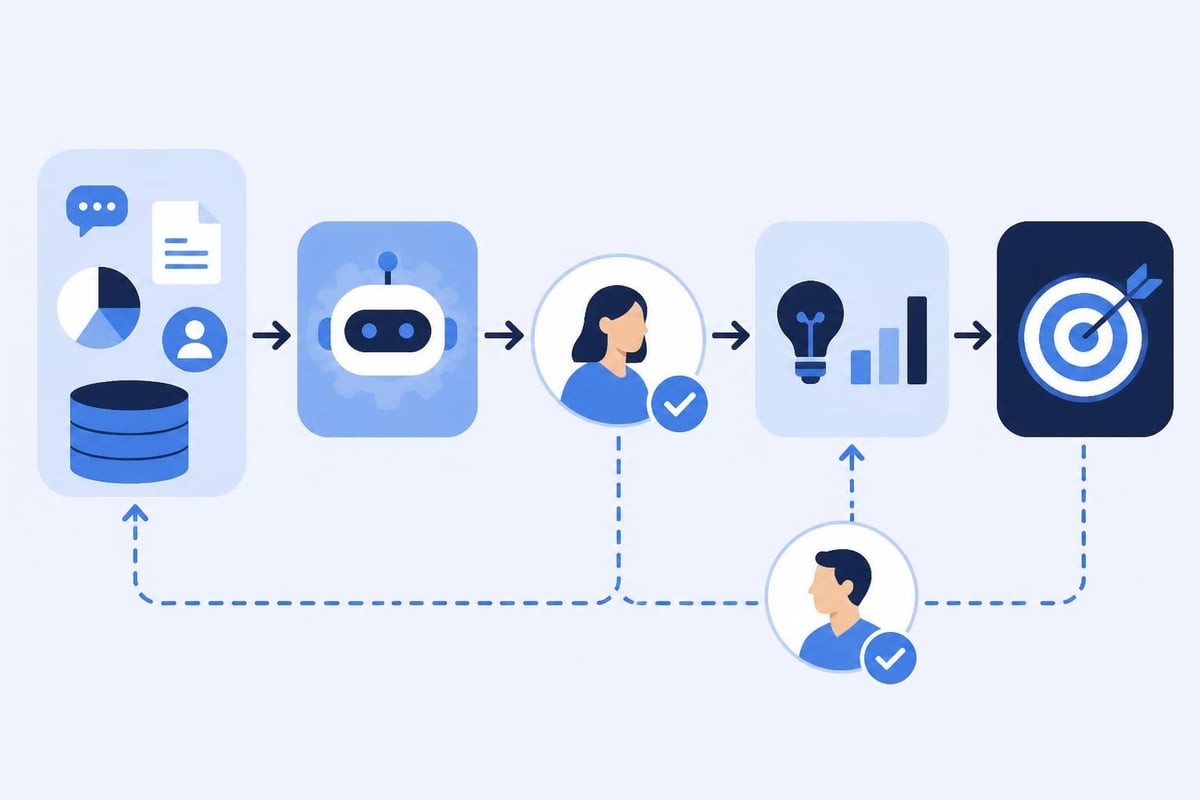
Consider this modernized workflow:
- Define research objectives using human strategic thinking and business context
- Configure AI tools to gather relevant data from appropriate sources
- Run automated analysis processing datasets too large for manual review
- Human review examining AI findings for bias, errors, and context
- Supplementary research filling gaps and testing hypotheses
- Insight synthesis combining AI analysis with human interpretation
- Strategic recommendations translating insights into actionable plans
- Implementation tracking measuring whether insights improved outcomes
This approach keeps humans in control while allowing AI to handle computational heavy lifting. The result is faster, more thorough research that maintains quality and relevance.
Future Trends Shaping AI Research Capabilities
The capabilities of ai market research tools continue expanding rapidly. Understanding emerging trends helps organizations prepare for the next wave of innovation and maintain competitive advantages.
Multimodal Analysis and Cross-Channel Intelligence
Early AI research tools focused on text analysis-surveys, reviews, social media posts. Modern platforms increasingly process images, video, audio, and behavioral data simultaneously. This multimodal approach provides richer, more nuanced understanding of customer sentiment and preferences.
Imagine analyzing not just what customers say in reviews, but how they sound in video testimonials, what products appear in their social media photos, and how they navigate your website. These combined signals reveal insights that single data types miss.
Cross-channel intelligence connects the dots across touchpoints. Your ai market research tools track how customers move between social media, search, email, and direct visits. They identify the sequences that lead to purchases versus abandonment, enabling optimization of the entire journey rather than isolated channels.
Real-Time Adaptive Research
Static research studies provide snapshots that quickly become outdated. Emerging AI platforms continuously adapt research based on incoming data, shifting trends, and changing market conditions.
These systems automatically adjust survey questions when initial responses reveal unexpected patterns. They reallocate sampling resources toward emerging segments that show unusual behavior. They flag anomalies and opportunities the moment they appear in data streams.
For marketing teams managing time-sensitive campaigns, real-time adaptive research transforms how quickly they can respond to market changes. Instead of waiting weeks for research reports, they get alerts about significant shifts within hours or minutes.
Predictive Accuracy Improvements
Current ai market research tools achieve 85-92% accuracy in predicting customer behavior and market trends. That number will climb as algorithms improve and training datasets expand. Some specialized applications already exceed 95% accuracy for specific prediction tasks.
Higher accuracy doesn't just mean better forecasts. It fundamentally changes which decisions you can automate versus those requiring human judgment. When predictions reach 98% accuracy, organizations can confidently act on AI recommendations without manual review in many situations.
Addressing Common Implementation Challenges
Despite their power, ai market research tools present implementation challenges that organizations must navigate carefully.
Data Silos and Integration Complexity
Most organizations store data in multiple disconnected systems-CRM platforms, marketing automation tools, analytics suites, and legacy databases. AI tools need unified access to generate comprehensive insights, but integration proves technically challenging and politically complex.
Breaking down data silos requires executive sponsorship, cross-functional collaboration, and sometimes significant technical investment. Start with high-value integrations that deliver quick wins, then expand gradually. Don't attempt to integrate everything simultaneously.
Skill Gaps and Resistance to Change
Marketing and research teams accustomed to traditional methods sometimes resist AI adoption, viewing it as threatening their expertise or creating extra work. Addressing this resistance requires demonstrating value, providing adequate training, and showing how AI enhances rather than replaces human capabilities.
Position ai market research tools as assistants that handle tedious tasks, freeing professionals for strategic work. Celebrate early successes and share stories of how AI insights led to better decisions. Create incentives for adoption rather than mandating usage.
Cost Justification and Budget Allocation
Enterprise-grade AI research platforms can cost $50,000 to $500,000 annually depending on features, data volumes, and user counts. Justifying these investments requires clear ROI projections and evidence of value.
Build business cases showing how faster insights accelerate revenue, how improved accuracy reduces wasted marketing spend, and how competitive intelligence creates strategic advantages. Use pilot projects to generate proof points before requesting full budget commitments.
AI market research tools have fundamentally transformed how organizations understand markets, customers, and competition in 2026. The combination of speed, scale, and sophistication these platforms provide creates competitive advantages that traditional research methods cannot match. For marketing teams managing digital campaigns and customer touchpoints, trimy provides the link intelligence and behavioral data that powers AI-driven insights, connecting every click to deeper market understanding and better strategic decisions.