Automatic Lead Generation: Systems That Scale Growth
Modern businesses face a persistent challenge: finding enough qualified prospects to sustain growth while managing limited resources. Automatic lead generation addresses this bottleneck by replacing manual prospecting tasks with intelligent systems that identify, capture, and qualify potential customers around the clock. This approach transforms how marketing and sales teams allocate their time, shifting focus from repetitive data entry to strategic relationship building and closing deals.
Understanding Automatic Lead Generation Fundamentals
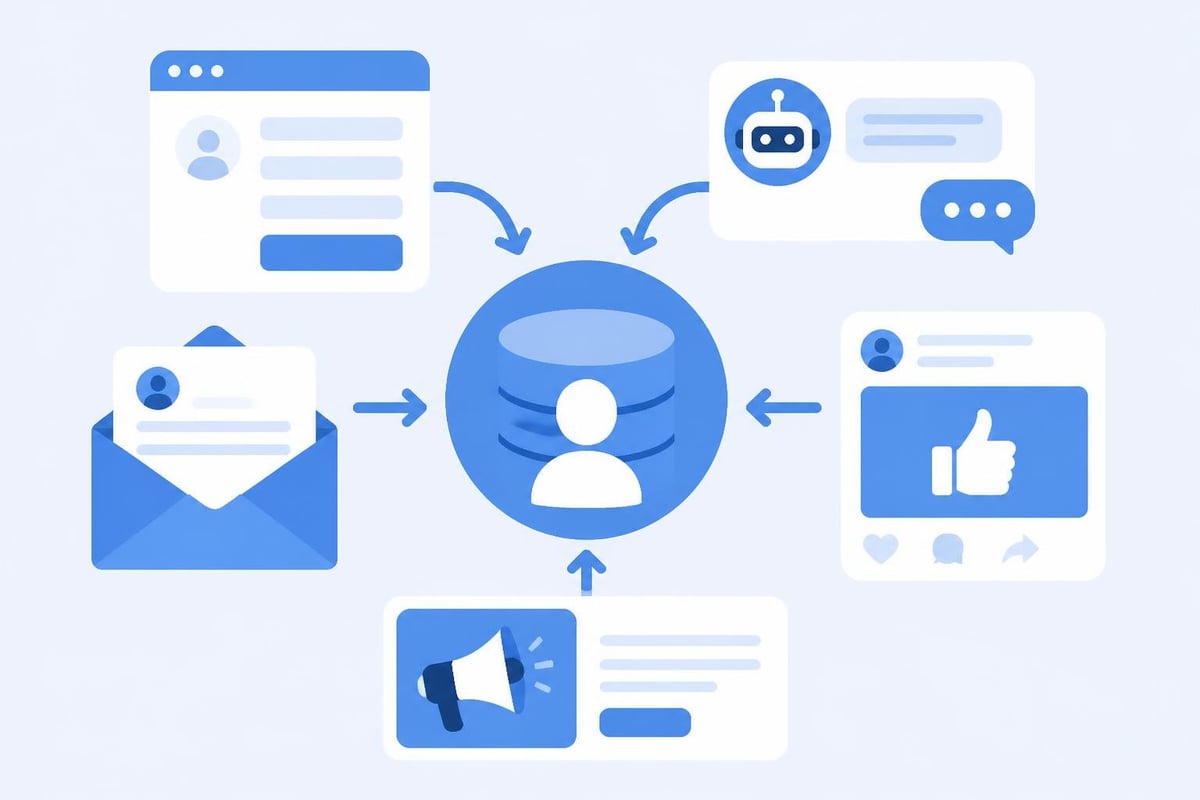
Automatic lead generation refers to technology-driven processes that identify potential customers, collect their information, and assess their readiness to buy without constant human intervention. These systems leverage various digital touchpoints, from website forms and chatbots to social media interactions and email campaigns, creating a continuous pipeline of prospects.
The core advantage lies in scalability. While a sales representative might manually research and contact twenty prospects daily, automated systems can process hundreds or thousands of interactions simultaneously. This multiplication effect doesn't just increase volume-it ensures consistency in how your business qualifies and routes leads to the appropriate team members.
Key Components of Automated Systems
Every effective automatic lead generation system includes several interconnected elements working together:
- Data capture mechanisms that collect prospect information through forms, landing pages, and interactive content
- Lead scoring algorithms that assign values based on demographic data and behavioral signals
- Nurture sequences that deliver targeted content based on prospect actions and interests
- CRM integration that maintains clean, updated records across your technology stack
- Analytics dashboards that measure conversion rates and identify optimization opportunities
These components create feedback loops that improve over time. As your system gathers more data about which prospects convert, it becomes better at identifying similar high-quality leads in the future.
Building Your Lead Generation Workflow
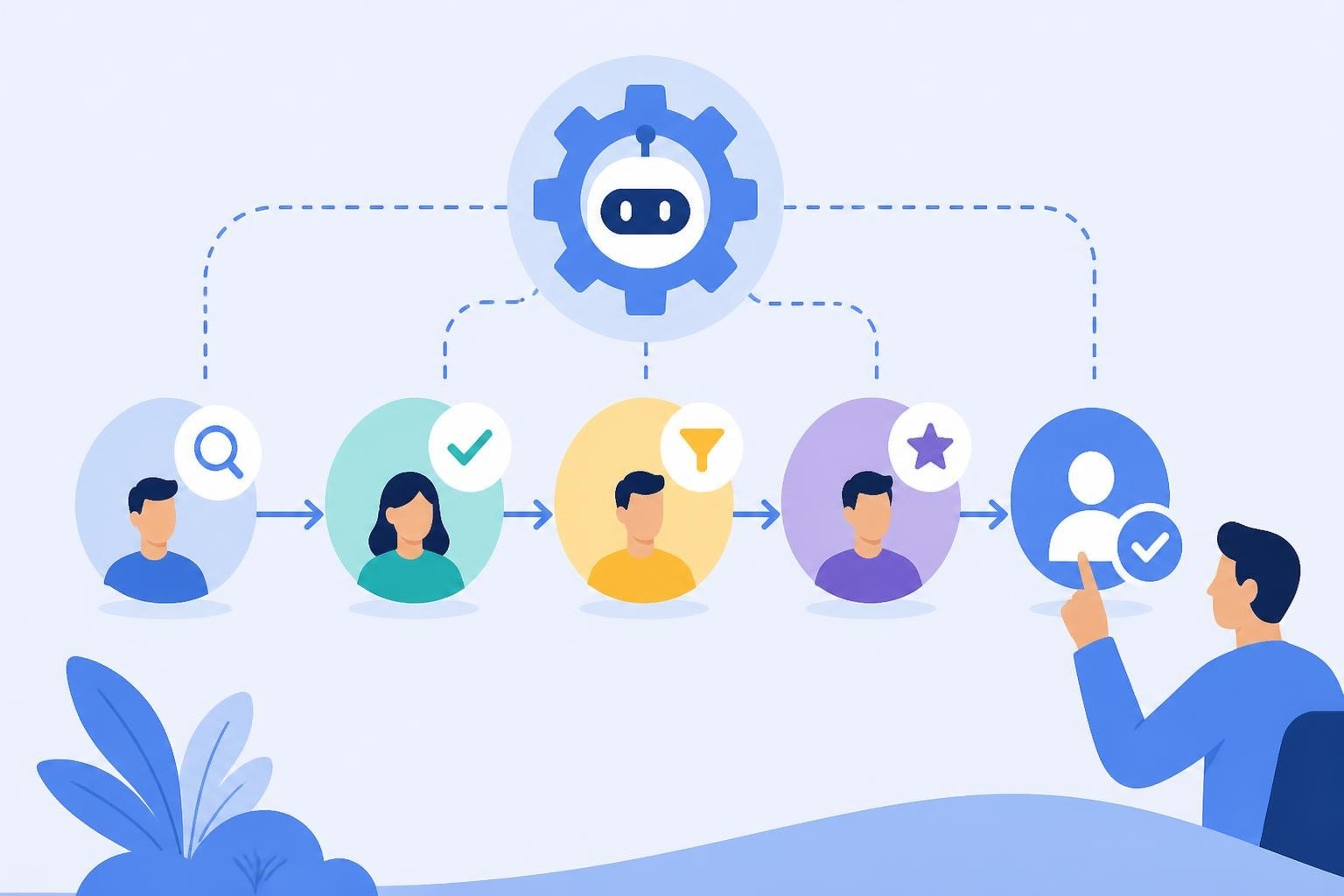
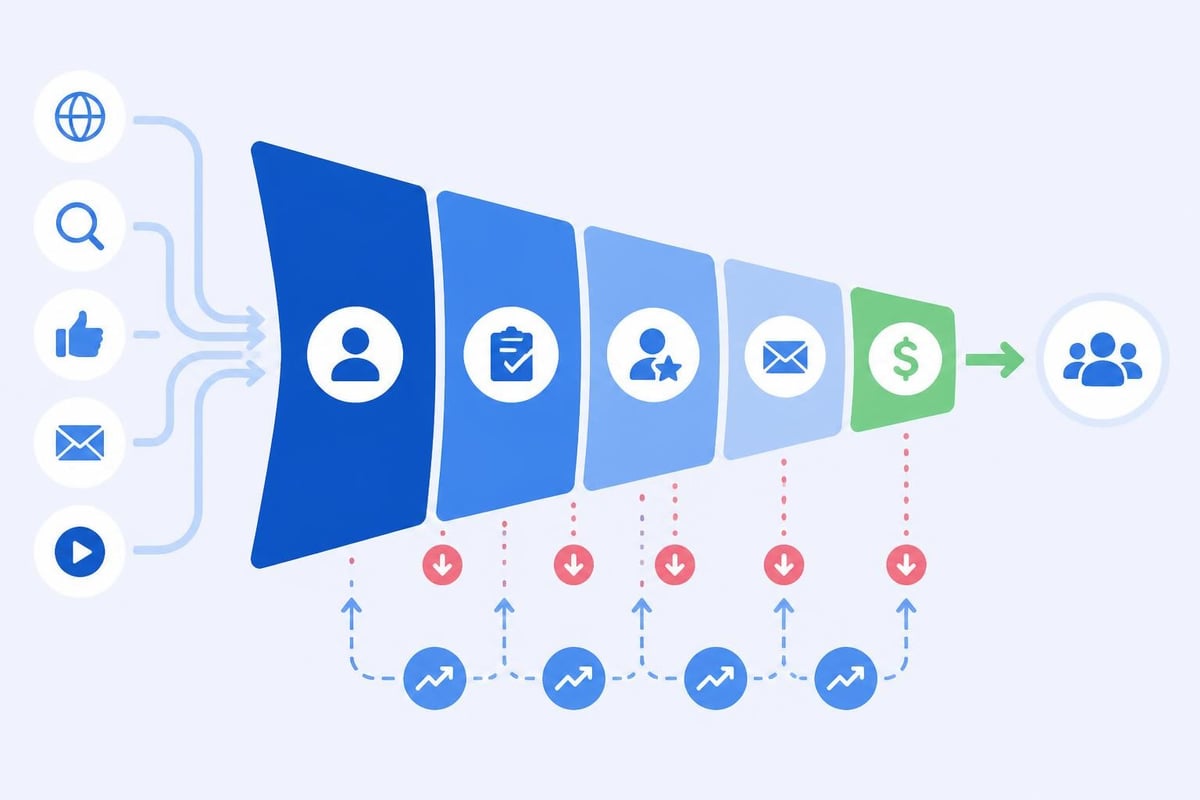
Creating an effective automated workflow requires mapping the complete customer journey from initial awareness to sales-ready status. Understanding this journey helps you place the right automated triggers at moments when prospects need specific information or encouragement.
Start by documenting every touchpoint where potential customers interact with your brand. Website visits, content downloads, email opens, social media engagement, and product demo requests all represent opportunities to capture data and advance relationships. Each interaction should trigger appropriate automated responses that provide value while moving prospects toward conversion.
Mapping Customer Touchpoints
| Stage | Touchpoint | Automated Action | Expected Outcome |
|---|---|---|---|
| Awareness | Blog visit | Cookie tracking, content recommendations | Return visit, email capture |
| Interest | Email signup | Welcome sequence, educational content | Engagement, profile enrichment |
| Consideration | Pricing page view | Sales alert, targeted case study delivery | Demo request, consultation booking |
| Decision | Demo request | Immediate confirmation, calendar integration | Scheduled conversation, opportunity creation |
This structured approach ensures no prospect falls through the cracks. When someone downloads a whitepaper, your system immediately adds them to a relevant nurture sequence. When they visit your pricing page three times in one week, sales receives an alert highlighting this buying signal.
Segmentation and Personalization
Generic messaging produces generic results. Automatic lead generation systems excel when they deliver personalized experiences based on prospect characteristics and behaviors. Segment your audience using criteria like industry, company size, role, challenges, and engagement level.
A marketing director at an enterprise company requires different messaging than a startup founder, even if both downloaded the same ebook. Your automation should recognize these differences and adjust content, timing, and offers accordingly. This personalization increases relevance and accelerates the qualification process.
Implementing Lead Capture Technologies
The tools you select determine what's possible within your automatic lead generation framework. Modern platforms offer capabilities far beyond simple form submissions, creating multiple pathways for prospects to engage with your brand.
AI-powered chatbots represent one of the most effective lead capture innovations, engaging website visitors in real-time conversations that answer questions while collecting qualification data. Unlike static forms, chatbots adapt their questions based on responses, creating natural interactions that feel helpful rather than intrusive.
Essential Technology Categories
- Website conversion tools including pop-ups, slide-ins, embedded forms, and exit-intent overlays
- Chatbot platforms that qualify visitors through conversational interfaces
- Landing page builders optimized for specific campaigns and audience segments
- Email marketing automation for nurture sequences and behavioral triggers
- Social media automation for engagement tracking and lead identification
- Analytics platforms that attribute revenue to specific channels and campaigns
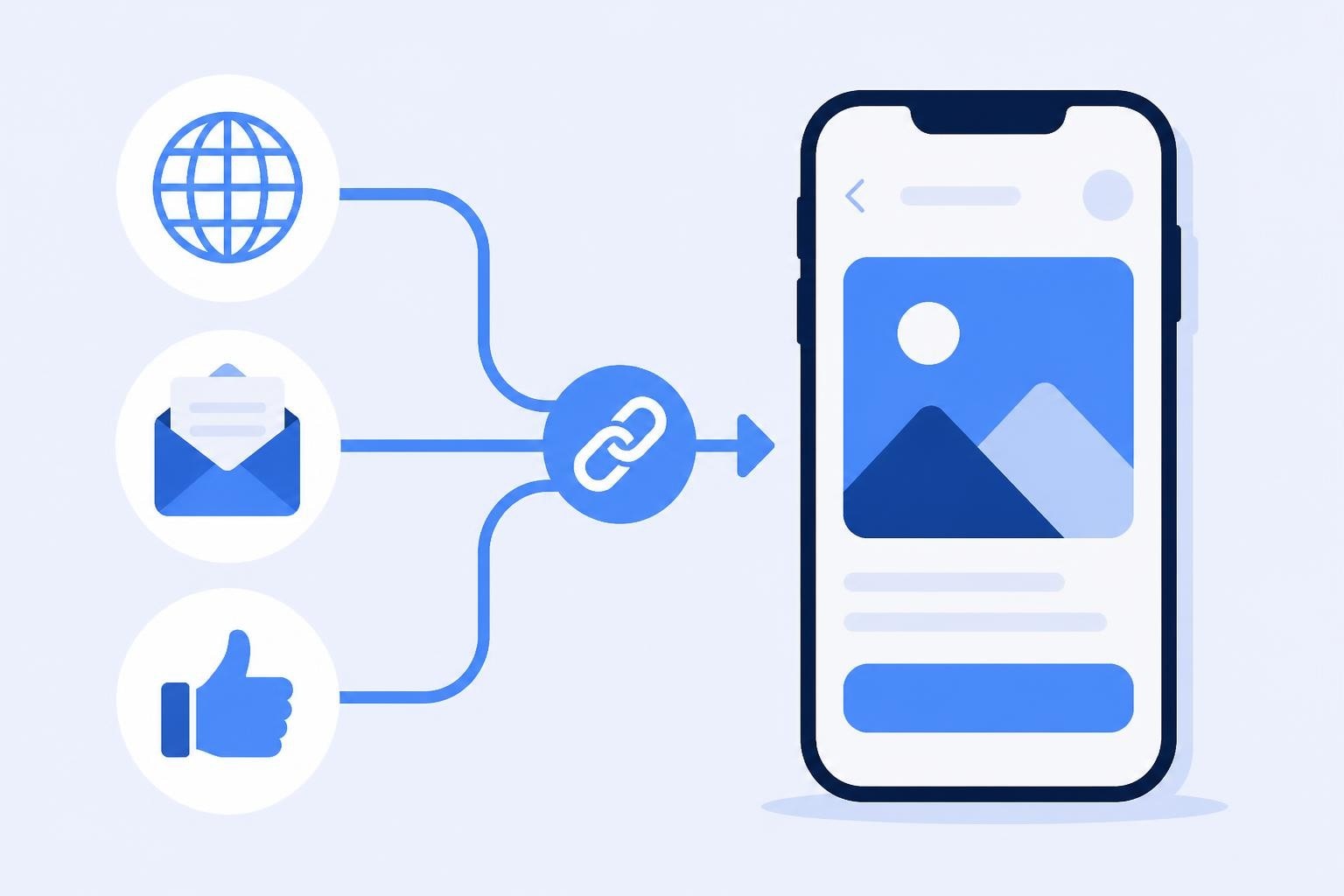
The most sophisticated setups integrate these technologies seamlessly. When a prospect engages with your chatbot, that conversation history flows into your CRM. When they click a link in your email, their lead score updates automatically. This connectivity eliminates data silos and creates a unified view of each prospect.
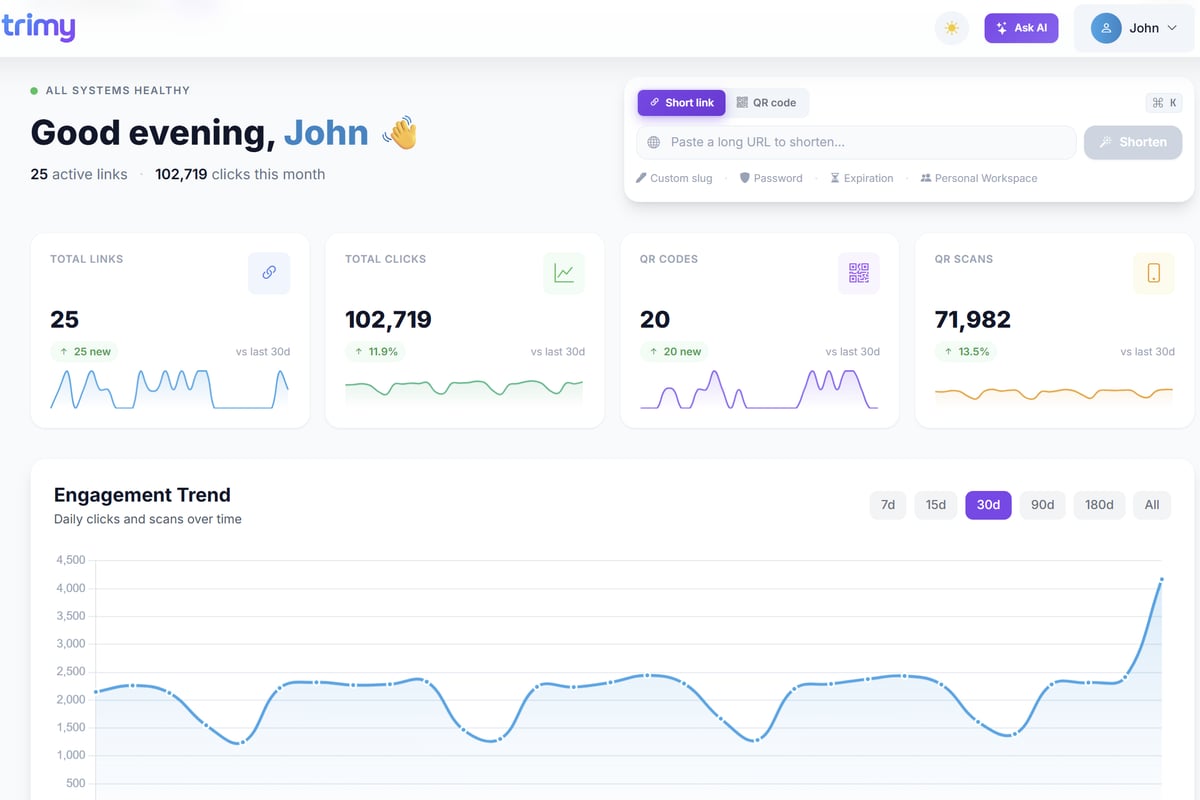
For businesses running complex marketing campaigns across multiple channels, link management becomes critical infrastructure. Tracking which specific links drive the highest-quality leads allows you to optimize budget allocation and creative decisions. Trimy transforms standard marketing links into intelligence-gathering assets, providing detailed analytics on click behavior, conversion paths, and campaign performance that feed directly into lead qualification algorithms.
Qualifying Leads at Scale
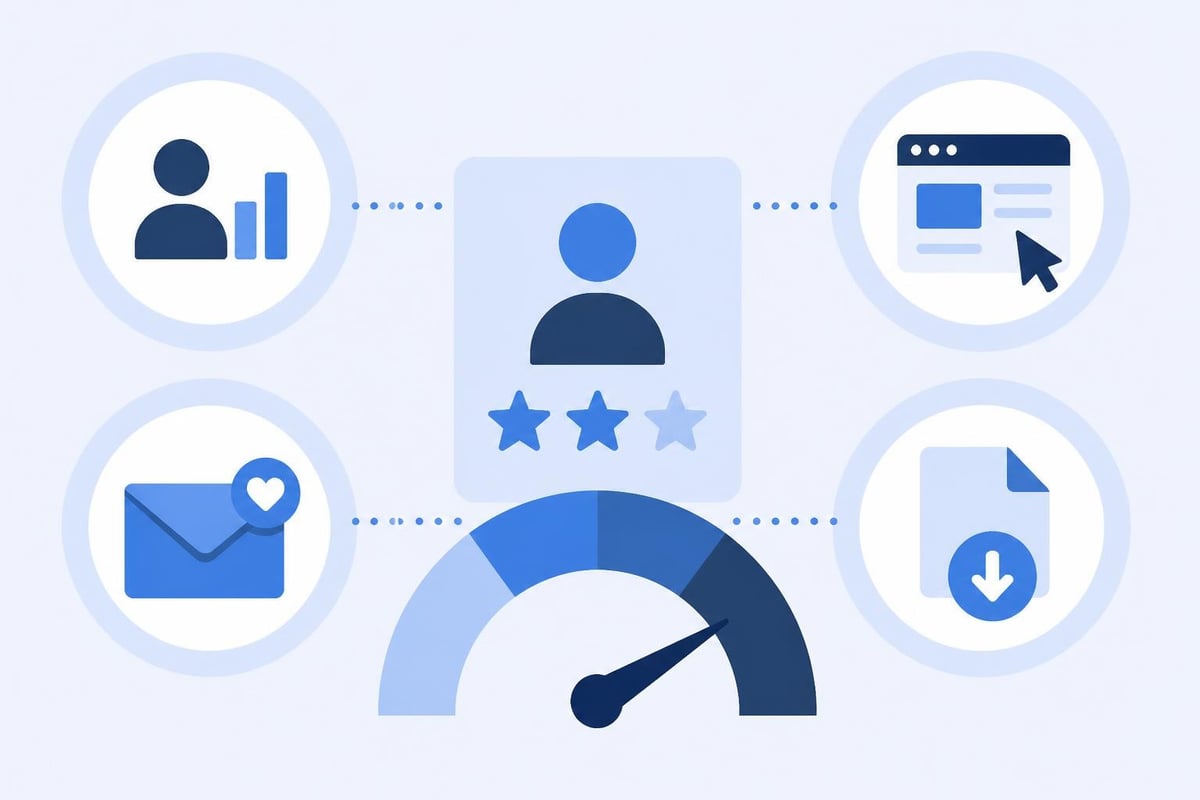
Capturing contact information represents only the first step. Effective automatic lead generation systems must distinguish between curious browsers and serious buyers, routing each group appropriately. Lead scoring provides this qualification mechanism, assigning numerical values based on fit and interest signals.
Demographic Scoring Criteria
Demographic data indicates whether a prospect matches your ideal customer profile. Assign higher scores to leads from target industries, companies within your preferred size range, and individuals holding decision-making roles. Subtract points for characteristics that predict poor fit, such as students, competitors, or businesses outside your service area.
Behavioral scoring tracks actions that indicate purchase intent:
- Pricing page visits (high intent)
- Case study downloads (medium-high intent)
- Blog article reads (medium intent)
- Social media follows (low-medium intent)
- Multiple return visits within short timeframes (high intent)
- Email engagement rates (varying based on content type)
Combine both scoring dimensions to create composite scores. A prospect from a perfect-fit company who barely engages with your content might score lower than someone from a marginal-fit organization demonstrating intense research behavior.
Nurturing Leads Through Automation
Not every prospect is ready to buy immediately. Automated nurture sequences maintain relationships with early-stage leads, providing educational content that builds trust and demonstrates expertise while keeping your solution top-of-mind.
Design nurture tracks for different segments and journey stages. New subscribers might receive a weekly educational series introducing core concepts related to your solution. Prospects who engaged with product-specific content enter sequences highlighting use cases and customer success stories. Those who attended a webinar but didn't request a demo receive targeted follow-up addressing common objections.
Behavioral Triggers and Dynamic Content
The most effective nurture programs respond to prospect actions in real-time. When someone downloads a guide about a specific topic, your system immediately sends related resources. When they visit competitor comparison pages, automation delivers differentiation content. When engagement drops, re-engagement campaigns attempt to revive interest.
Dynamic content takes personalization further by customizing email and landing page elements based on known prospect attributes. Industry-specific examples, role-relevant use cases, and company-size-appropriate pricing all increase relevance and conversion rates.
Optimizing Conversion Paths
Continuous improvement distinguishes high-performing automatic lead generation systems from mediocre ones. Regular analysis of conversion data reveals bottlenecks, identifies high-performing assets, and guides strategic refinements.
A/B testing provides empirical answers to optimization questions:
- Which headline generates more form submissions?
- Does a two-field form outperform a five-field version?
- Which call-to-action language drives higher click-through rates?
- What email subject lines achieve better open rates for different segments?
- Which landing page layouts convert visitors most effectively?
Track metrics at every stage of your funnel. Monitor not just overall conversion rates but segment-specific performance. A campaign might generate impressive volume while delivering poor-quality leads that never convert to customers, or vice versa.
| Metric Category | Key Indicators | Optimization Focus |
|---|---|---|
| Traffic Quality | Source, bounce rate, time on site | Channel selection, targeting |
| Capture Efficiency | Form conversion rate, chat engagement | Offer strength, friction reduction |
| Lead Quality | Lead score distribution, MQL rate | Scoring criteria, segmentation |
| Nurture Performance | Email open/click rates, content engagement | Messaging, timing, personalization |
| Sales Conversion | SQLs, opportunity value, close rate | Qualification accuracy, routing logic |
Balancing Automation and Human Touch
While automatic lead generation handles repetitive tasks efficiently, successful strategies maintain human elements at critical decision points. Prospects researching significant purchases want to interact with knowledgeable people before committing, not just receive automated messages.
Design your workflow so automation handles qualification and education while sales teams focus on high-value conversations with ready-to-buy prospects. When lead scores cross predetermined thresholds, human outreach should begin. This handoff timing varies by industry and sales cycle length, but the principle remains constant-automation supports rather than replaces relationship building.
Sales and Marketing Alignment
Automatic lead generation systems fail when sales and marketing teams operate with different definitions of "qualified lead." Establish clear criteria for when leads transition from marketing nurture to sales follow-up. Create service level agreements specifying how quickly sales will contact marketing-qualified leads and what happens when prospects aren't ready to buy.
Regular feedback loops between teams improve the entire system. Sales provides insights about lead quality, common objections, and which marketing touchpoints prove most influential. Marketing adjusts targeting, messaging, and scoring based on this intelligence, creating continuous refinement.
Advanced Strategies for 2026
The automatic lead generation landscape continues evolving as new technologies and techniques emerge. Staying current with best practices ensures your systems remain competitive and effective.
Predictive analytics now enable systems to identify high-potential prospects before they explicitly signal interest. By analyzing patterns in existing customer data and external signals like funding announcements, hiring trends, and technology adoption, these tools recommend prospects likely to need your solution soon.
Account-based approaches flip traditional lead generation logic, targeting specific high-value accounts rather than individual leads. Automation tracks engagement across all stakeholders within target accounts, coordinating multi-threaded outreach that addresses different roles simultaneously.
Intent data integration enriches lead scoring by incorporating third-party signals showing when prospects research topics related to your solution across the broader web. This early-stage awareness helps prioritize outreach to companies actively exploring solutions.
Privacy and Compliance Considerations
Automatic lead generation must respect evolving privacy regulations across different jurisdictions. GDPR, CCPA, and similar frameworks require explicit consent for data collection, clear disclosure of how information will be used, and easy opt-out mechanisms. Implementing compliant lead capture processes protects your business from penalties while building trust with prospects.
Transparency about automation enhances rather than undermines effectiveness. Prospects appreciate knowing they're interacting with chatbots when appropriate and receiving automated emails as part of educational sequences. The deception creates frustration when discovered, damaging relationships you've invested resources to build.
Measuring Return on Investment
Automatic lead generation systems require investment in technology, content creation, and ongoing optimization. Demonstrating ROI justifies these expenditures and guides resource allocation decisions.
Calculate the full cost of lead acquisition including:
- Software subscriptions and licensing fees
- Content creation expenses (writing, design, video production)
- Paid advertising spend driving traffic to capture mechanisms
- Personnel time for system management and optimization
- Integration and technical maintenance costs
Compare these expenses against revenue generated from automatically captured leads. Track not just immediate conversions but lifetime customer value, since nurture sequences often generate customers months after initial capture.
Attribution modeling answers which touchpoints deserve credit for conversions. First-touch attribution credits the initial interaction that brought prospects into your system. Last-touch attributes conversion to the final action before purchase. Multi-touch models distribute credit across the entire journey, providing nuanced understanding of what drives results.
Common Implementation Pitfalls
Even well-intentioned automatic lead generation initiatives stumble on predictable challenges. Recognizing these traps helps you avoid wasted effort and disappointing results.
Over-automation creates robotic experiences that alienate prospects. Every interaction shouldn't trigger automated responses. Sometimes silence is appropriate, giving prospects space to consume content and reflect without pressure.
Neglecting data quality undermines everything built on flawed information. Implement validation at capture points, regularly clean your database of duplicates and outdated records, and enrich profiles with missing information from reliable sources.
Ignoring mobile optimization excludes the growing percentage of prospects researching solutions on smartphones and tablets. Forms, chatbots, landing pages, and emails must function flawlessly across all devices.
Insufficient testing leaves money on the table. Small improvements in conversion rates compound across thousands of prospects. Dedicate resources to systematic experimentation across all system components.
Failing to update content and sequences based on performance data and market changes means your automation becomes stale. Schedule regular reviews of nurture tracks, scoring criteria, and qualification thresholds to maintain effectiveness.
Automatic lead generation transforms how businesses build sustainable growth pipelines, replacing manual prospecting with intelligent systems that work continuously. By implementing the strategies outlined above, you'll create scalable processes that consistently deliver qualified prospects to your sales team. When you're ready to enhance your lead generation campaigns with advanced link intelligence, trimy provides the analytics and optimization tools that transform marketing links into revenue signals, helping you understand exactly which campaigns drive your highest-quality leads.