Demand Generation vs Lead Generation: What's the Difference?
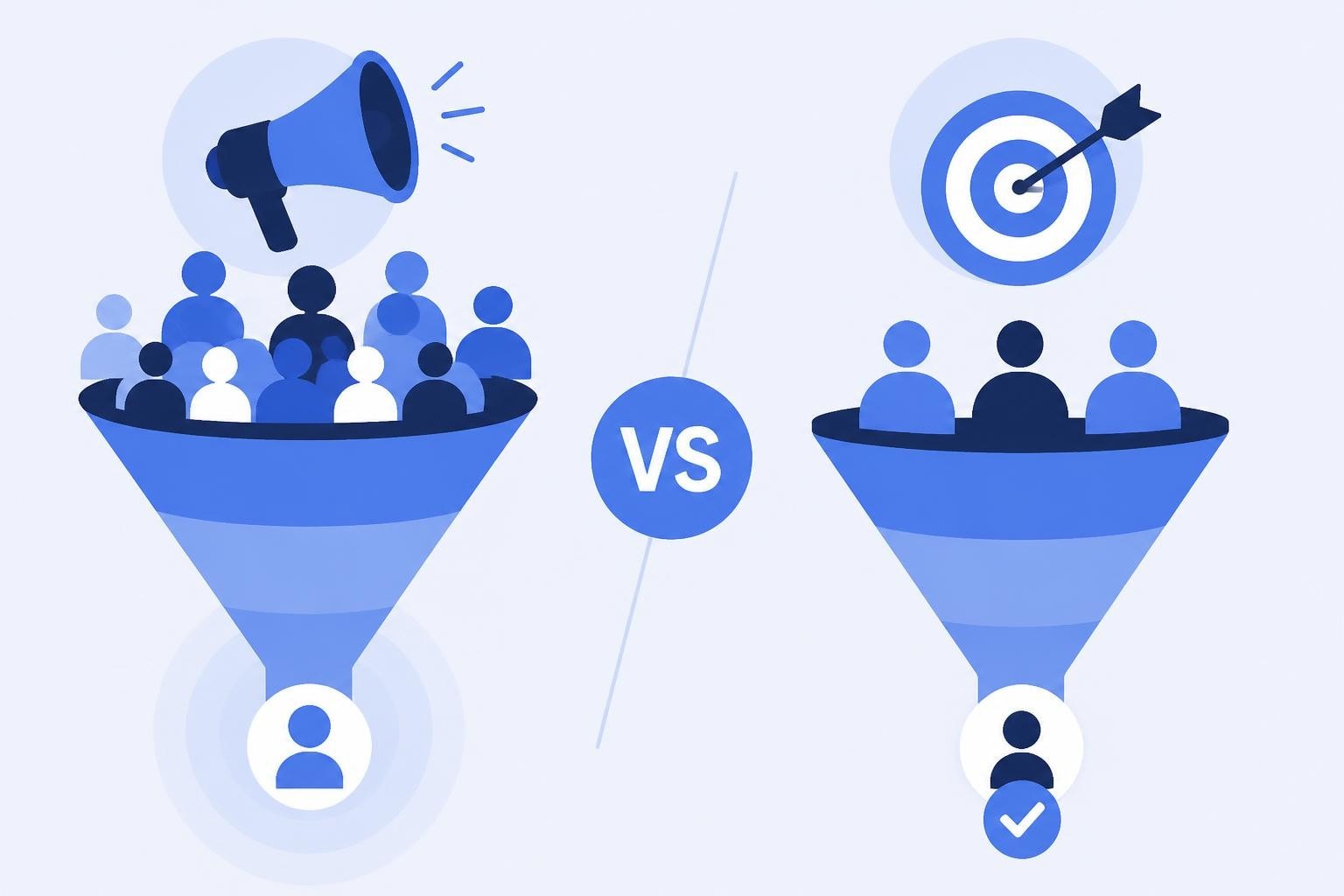
Understanding the distinction between demand generation and lead generation is critical for any marketing team looking to build sustainable growth. While these terms are often used interchangeably, they represent fundamentally different approaches to attracting and converting customers. Demand generation focuses on building awareness and interest in your brand across a broad audience, while lead generation concentrates on capturing contact information from qualified prospects ready to engage with sales. Both strategies play essential roles in a comprehensive marketing framework, but knowing when and how to deploy each approach can dramatically impact your return on investment.
The Core Differences Between Demand Gen and Lead Gen
The conversation around demand generation vs lead generation starts with understanding their distinct objectives. Demand generation casts a wide net to create awareness, educate potential customers, and build trust with audiences who may not yet be ready to buy. This approach prioritizes long-term brand building and thought leadership over immediate conversions.
Lead generation, in contrast, focuses on identifying and capturing prospects who have demonstrated purchase intent. The goal is to collect contact information through forms, gated content, or other mechanisms that allow sales teams to follow up directly. TechRadar's feature explores the distinctions between these strategies in detail, showing how each serves different stages of the buyer journey.
Strategic Intent and Measurement
Demand generation measures success through metrics like:
- Brand awareness and reach
- Website traffic and engagement
- Content consumption and sharing
- Social media mentions and sentiment
- Educational resource downloads (ungated)
Lead generation tracks performance via:
- Form submissions and conversions
- Marketing Qualified Leads (MQLs)
- Sales Qualified Leads (SQLs)
- Cost per lead
- Lead-to-customer conversion rate
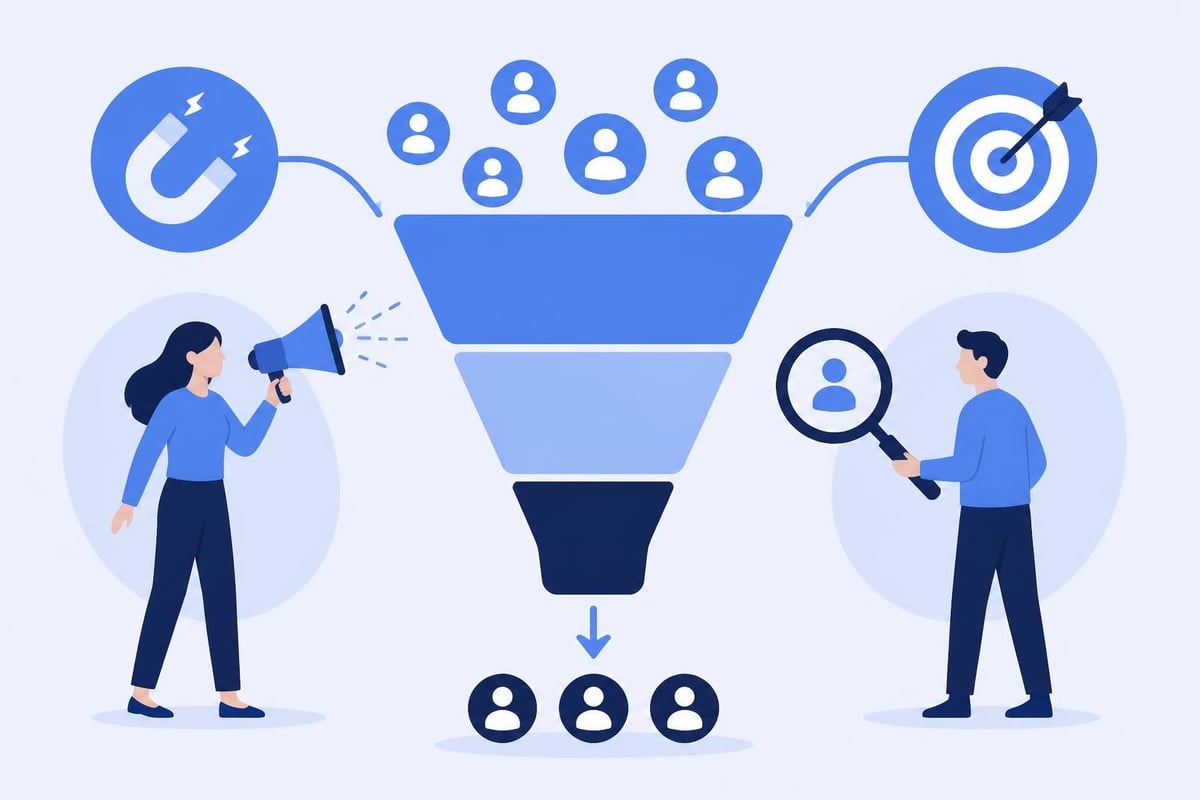
The measurement frameworks reveal the fundamental difference in approach. Demand generation accepts that not every interaction will produce immediate contact information, while lead generation optimizes specifically for capturing identifiable prospects.
When to Prioritize Demand Generation
Demand generation becomes essential when entering new markets, launching innovative products, or addressing complex problems that require significant customer education. Companies in emerging categories often struggle with lead generation because potential customers don't yet understand the problem well enough to seek solutions actively.
Consider a link management platform like Trimy entering the market when most marketers viewed URL shorteners as simple utilities rather than intelligence platforms. Demand generation would educate audiences about the revenue opportunities hidden in link data, A/B testing capabilities, and advanced analytics before asking for contact information.
Demand Generation Tactics That Work
- Ungated premium content that demonstrates expertise without barriers
- Community building through forums, Slack channels, or social groups
- Podcast appearances and thought leadership interviews
- Educational webinars focused on industry trends rather than product pitches
- SEO-optimized content answering common questions in your space
- Social media engagement that provides value before asking for anything
The G2 article delves into demand generation strategies that help brands build credibility over time. These tactics work especially well when your sales cycle is long or your product requires significant behavioral change from customers.
Building Trust Before Conversion
Demand generation recognizes that modern buyers conduct extensive research before ever speaking with sales. By providing valuable insights, tools, and resources without requiring form fills, you build goodwill and position your brand as a trusted advisor rather than just another vendor.
This approach particularly benefits technical products where developers and practitioners need to evaluate capabilities hands-on. Offering free tools, open-source libraries, or interactive demonstrations removes friction and accelerates trust-building.
When Lead Generation Takes Priority
Lead generation becomes the focus when you have established market awareness, clearly defined buyer personas, and sales teams ready to follow up with qualified prospects. If people already understand their problem and actively search for solutions, capturing their information at the right moment becomes paramount.
The demand generation vs lead generation question often depends on market maturity. In saturated categories where buyers compare multiple solutions, lead generation helps you identify and nurture prospects through the decision-making process.
Effective Lead Generation Strategies
| Strategy | Best For | Key Metric |
|---|---|---|
| Gated whitepapers/ebooks | Complex B2B solutions | Download-to-MQL rate |
| Free trial signups | SaaS products | Trial-to-paid conversion |
| Demo requests | Enterprise software | Demo-to-opportunity rate |
| Email newsletter signups | Content-driven brands | Subscriber engagement |
| Calculator/assessment tools | ROI-focused solutions | Completion-to-contact rate |
Lead generation works best when paired with clear value propositions that justify the information exchange. Yesware's blog post explains when to deploy gated versus ungated content based on buyer readiness and competitive dynamics.
Optimizing the Conversion Moment
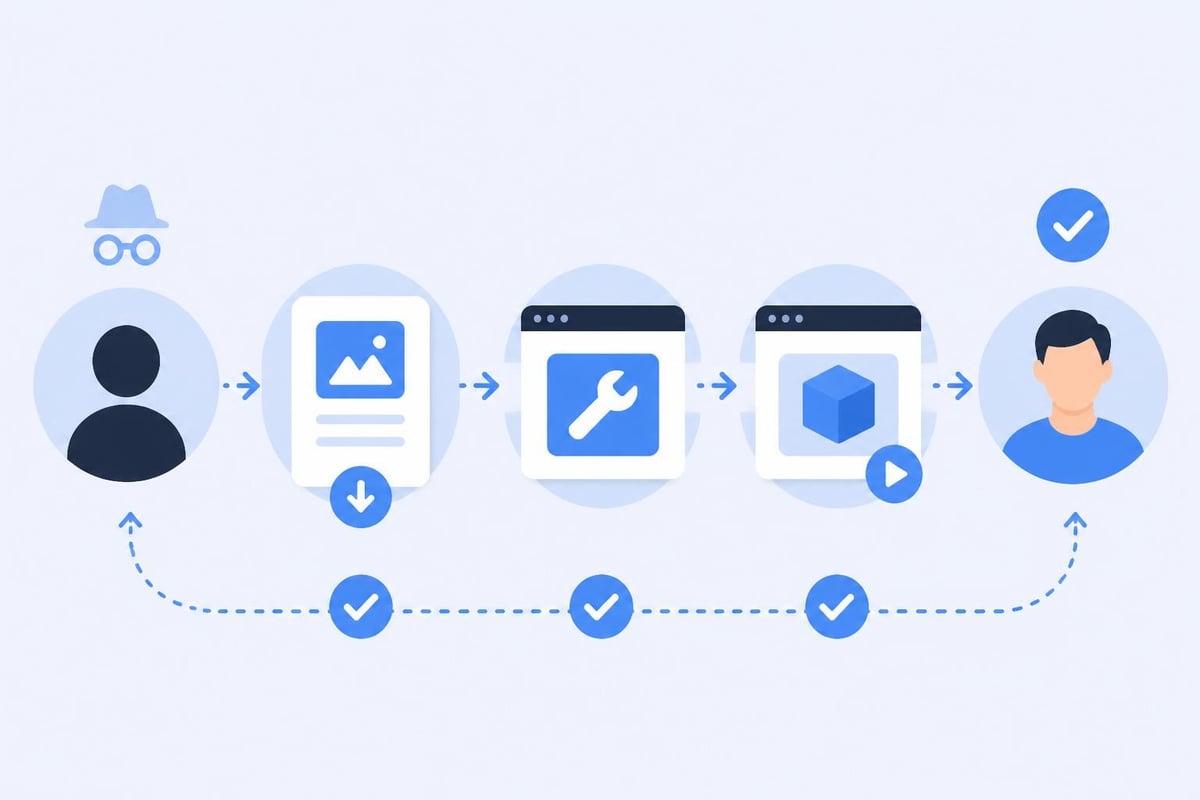
The transition from unknown visitor to known lead requires careful consideration of what you ask for and what you offer in return. Progressive profiling allows you to collect information gradually rather than overwhelming prospects with lengthy forms upfront.
Smart marketers also track which sources generate the highest-quality leads rather than just the highest volume. A campaign generating 1,000 leads with 1% conversion to customers may underperform compared to 100 leads with 15% conversion, even though the raw lead count looks more impressive.
Integrating Both Strategies for Maximum Impact
The most sophisticated marketing organizations recognize that demand generation vs lead generation isn't an either-or decision. These strategies work synergistically when properly orchestrated across the customer journey.
The Sequential Approach
Start with demand generation to build awareness and credibility, then layer in lead generation tactics as prospects demonstrate increasing engagement. This sequential model might look like:
- Awareness stage: Publish ungated educational content optimized for search and social discovery
- Consideration stage: Offer lightweight conversions like newsletter signups or tool access
- Evaluation stage: Provide detailed comparison guides, case studies, or ROI calculators requiring contact information
- Decision stage: Enable direct demo requests or sales consultations
Cognism's side-by-side comparison illustrates how these stages flow together naturally when you align content and conversion expectations with buyer readiness.
Using Analytics to Balance Both Approaches
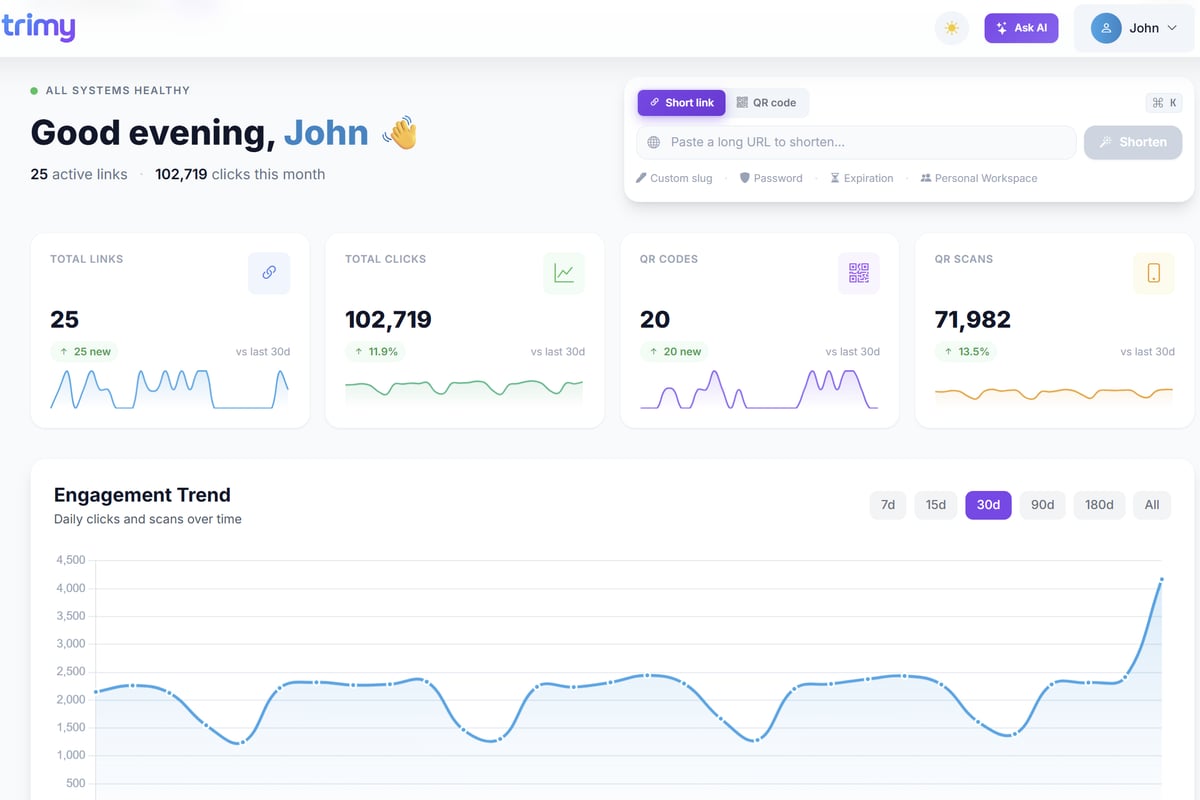
Link intelligence platforms provide critical data for optimizing both demand and lead generation efforts. By tracking which content drives awareness versus which content converts, marketers can allocate resources more effectively.
For instance, analyzing click patterns, geographic distribution, and device types helps identify which channels build broad awareness versus which channels attract high-intent prospects. This data enables precise budget allocation between upper-funnel demand generation and lower-funnel lead generation activities.
When campaigns leverage advanced link management with A/B testing capabilities, marketers can experiment with different conversion thresholds. Testing whether prospects engage more with gated versus ungated versions of similar content reveals optimal strategies for specific audience segments.
Channel Selection and Budget Allocation
Different channels serve demand generation and lead generation objectives with varying effectiveness. Understanding these dynamics prevents wasted spend on mismatched tactics.
Demand Generation Channels
- Organic social media: Building community and sharing insights without direct conversion pressure
- SEO and content marketing: Creating discoverable resources that answer questions at scale
- Podcasts and video: Developing deeper relationships through long-form storytelling
- PR and partnerships: Expanding reach through third-party credibility
- Events and conferences: Establishing thought leadership and networking
Lead Generation Channels
- Paid search (high-intent keywords): Capturing prospects actively searching for solutions
- LinkedIn advertising: Targeting specific job titles and companies with conversion-focused offers
- Retargeting campaigns: Converting previous website visitors who showed initial interest
- Email nurture sequences: Moving engaged subscribers toward conversion actions
- Affiliate partnerships: Leveraging established audiences for qualified referrals
| Consideration | Demand Gen Budget | Lead Gen Budget |
|---|---|---|
| Typical allocation | 40-60% of total | 40-60% of total |
| Payback period | 6-18 months | 1-6 months |
| Quality metrics | Engagement, sentiment | Conversion rates, SQL % |
| Attribution model | Multi-touch, influenced | First/last touch, direct |
The Apollo insights article discusses how leading companies balance these investments based on growth stage and competitive positioning.
Content Strategy Across Both Frameworks
Content serves as the fuel for both demand generation and lead generation, but the packaging and distribution differ significantly. The demand generation vs lead generation content debate centers on accessibility versus exclusivity.
Demand Generation Content Characteristics
Always ungated and freely accessible. The goal is maximum distribution and consumption to build awareness and establish authority. Examples include:
- Blog posts optimized for search traffic
- Social media micro-content and threads
- YouTube tutorials and explainer videos
- Open-source tools and code libraries
- Public research reports and industry data
Lead Generation Content Characteristics
Often gated behind forms to identify interested prospects. The perceived value must justify the information exchange. Effective formats include:
- Comprehensive guides (50+ pages)
- Original research with proprietary data
- Interactive tools and calculators
- Email courses and certification programs
- Template libraries and frameworks
Smart marketers repurpose content across both models. A comprehensive guide might be gated, while individual chapters become ungated blog posts that drive awareness and link back to the full resource.
Organizational Alignment and Team Structure
The demand generation vs lead generation distinction extends beyond tactics into how marketing teams organize and measure success. Misalignment between strategy and structure creates friction that undermines both approaches.
Demand Generation Teams
Typically include content marketers, social media specialists, SEO experts, and brand strategists. They report to metrics like:
- Organic traffic growth
- Content engagement scores
- Brand search volume
- Social following and engagement rates
- Pipeline influenced (multi-touch attribution)
Lead Generation Teams
Usually comprise demand capture specialists, conversion rate optimizers, paid media managers, and marketing automation experts. Their KPIs focus on:
- Monthly lead volume
- Cost per lead by channel
- MQL-to-SQL conversion rate
- Lead response time
- Channel ROI
Leadfeeder's blog post examines how successful companies structure teams to maximize collaboration while maintaining clear accountability for each function.
Technology Stack Considerations
The tools required for demand generation versus lead generation overlap in some areas but diverge in others. Building the right technology foundation enables both strategies to thrive.
Essential Demand Generation Tools
- Content management systems with robust SEO capabilities
- Social media management and listening platforms
- Video hosting and distribution networks
- Community platforms and engagement tools
- Brand monitoring and sentiment analysis
Essential Lead Generation Tools
- Marketing automation platforms
- Landing page builders with A/B testing
- Form builders and progressive profiling systems
- Lead scoring and routing engines
- CRM integration and sync capabilities
Both strategies benefit from advanced link management and analytics platforms that track prospect behavior across channels, measure content performance, and optimize traffic routing based on campaign objectives.
Common Mistakes to Avoid
Understanding demand generation vs lead generation helps marketers avoid costly errors that undermine both strategies.
Gating too much content too early. When prospects can't access basic educational resources without providing contact information, they simply go elsewhere. Save gating for truly premium assets that deliver exceptional value.
Measuring demand generation with lead generation metrics. Judging awareness campaigns solely by lead volume ignores their actual purpose and encourages short-term thinking that damages long-term brand building.
Neglecting lead nurture after capture. Generating leads without systematic nurture processes wastes the investment in conversion. Many prospects need months of engagement before they're ready to buy.
Inconsistent messaging across funnel stages. When demand generation content promises one thing but lead generation assets deliver another, trust erodes and conversion rates suffer.
Ignoring the prospect experience. Bombarding people with aggressive follow-up after they download one piece of content creates negative brand associations that undermine future engagement.
Industry-Specific Applications
Different industries require different balances between demand generation and lead generation based on product complexity, sales cycle length, and buyer behavior.
Technology and SaaS
Fast-moving technology companies often emphasize demand generation to educate markets about emerging capabilities, then convert awareness into free trials and product-led growth. The relatively short sales cycle for many SaaS products enables rapid testing and optimization of lead generation tactics.
Professional Services
Consulting firms and agencies rely heavily on demand generation to demonstrate expertise and build trust before prospects ever consider engagement. The high-value, relationship-driven nature of professional services means lead generation tactics must be highly targeted and personalized.
Manufacturing and Industrial
Complex B2B manufacturing often requires extensive demand generation to educate multiple stakeholders within buying committees. Lead generation then identifies and qualifies organizations with genuine purchasing authority and budget.
Future Trends Shaping Both Strategies
The demand generation vs lead generation landscape continues to evolve as buyer behaviors shift and new technologies emerge. Several trends are reshaping how marketers approach both strategies in 2026.
Privacy regulations and cookie deprecation make traditional lead generation tracking more difficult, pushing marketers toward first-party data strategies and demand generation approaches that build direct relationships.
AI-powered personalization enables more sophisticated nurture programs that adapt content and messaging based on individual prospect behavior, blurring the lines between broad demand generation and targeted lead generation.
Community-led growth emphasizes peer-to-peer engagement and user-generated content as demand generation engines, reducing reliance on traditional advertising and gated content.
Intent data platforms help identify prospects actively researching solutions even before they visit your website, allowing earlier intervention with targeted lead generation tactics.
Interactive content formats like calculators, assessments, and configurators serve dual purposes as both demand generation tools (when ungated) and lead generation mechanisms (when requiring contact information for results).
The most successful marketing organizations treat demand generation and lead generation as complementary rather than competing priorities, allocating resources based on market conditions, competitive dynamics, and growth objectives.
Successfully navigating demand generation vs lead generation requires understanding your market maturity, buyer behavior, and organizational capabilities. Both strategies deliver essential value when deployed strategically across the customer journey. Whether you're building awareness through ungated content or capturing high-intent prospects through targeted conversion points, the key is measuring what matters and optimizing based on actual business outcomes. Trimy helps marketers connect their demand and lead generation efforts through intelligent link management, providing the analytics and testing capabilities needed to understand which campaigns drive awareness versus which convert prospects into pipeline opportunities.