What Is Upselling? Definition, Strategies & Examples
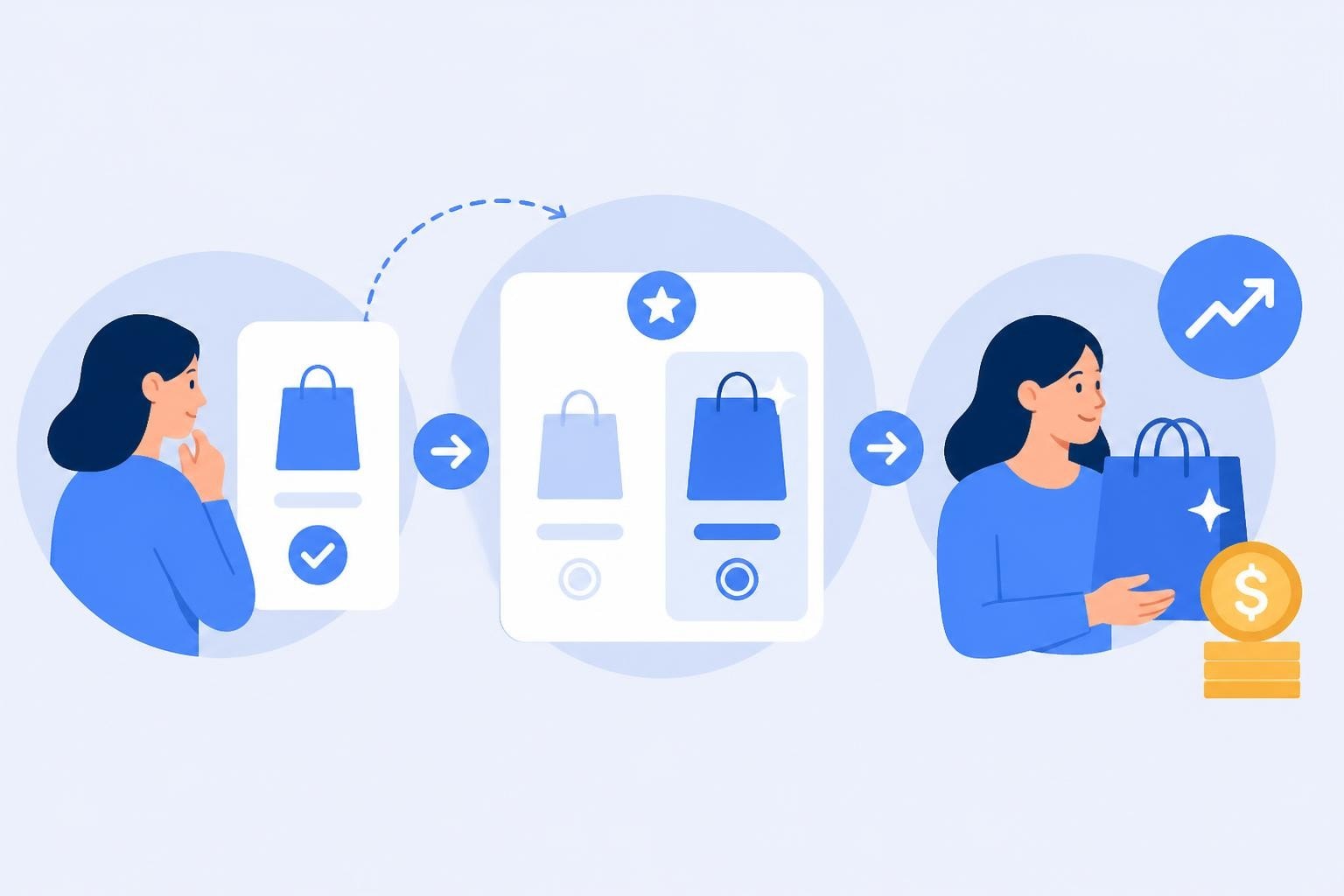
Understanding what is upselling represents a fundamental shift in how businesses approach revenue growth. Rather than constantly chasing new customers, upselling focuses on expanding the value of existing relationships by encouraging customers to purchase premium versions, add-ons, or upgrades to their original selections. This sales technique has become increasingly sophisticated in 2026, powered by data analytics and personalization technologies that allow businesses to present relevant upgrade opportunities at precisely the right moment in the customer journey.
Understanding What Is Upselling in Modern Commerce
What is upselling? At its core, upselling is a sales strategy where a seller encourages a customer to purchase a more expensive, upgraded, or premium version of the item they are considering or have already chosen. Unlike aggressive sales tactics that can alienate customers, effective upselling creates genuine value by matching customers with products or services that better meet their needs.
The technique works because it leverages an existing purchase intent. When a customer has already decided to buy, they are in a receptive mindset and open to considering enhancements that improve their purchase. This psychological timing makes upselling significantly more cost-effective than acquiring new customers, with research showing that selling to existing customers has a success rate of 60-70% compared to just 5-20% for new prospects.
The Economic Foundation of Upselling
The financial logic behind upselling strategies is compelling for businesses across industries. Customer acquisition costs have risen dramatically over the past decade, making it increasingly expensive to bring new buyers through the door. Meanwhile, existing customers who already trust your brand represent a reservoir of untapped revenue potential.
Key economic drivers include:
- Lower marketing costs per transaction compared to new customer acquisition
- Higher conversion rates due to established trust and familiarity
- Increased customer lifetime value through expanded product usage
- Improved profit margins on premium products and services
- Enhanced customer satisfaction when upgrades genuinely solve problems
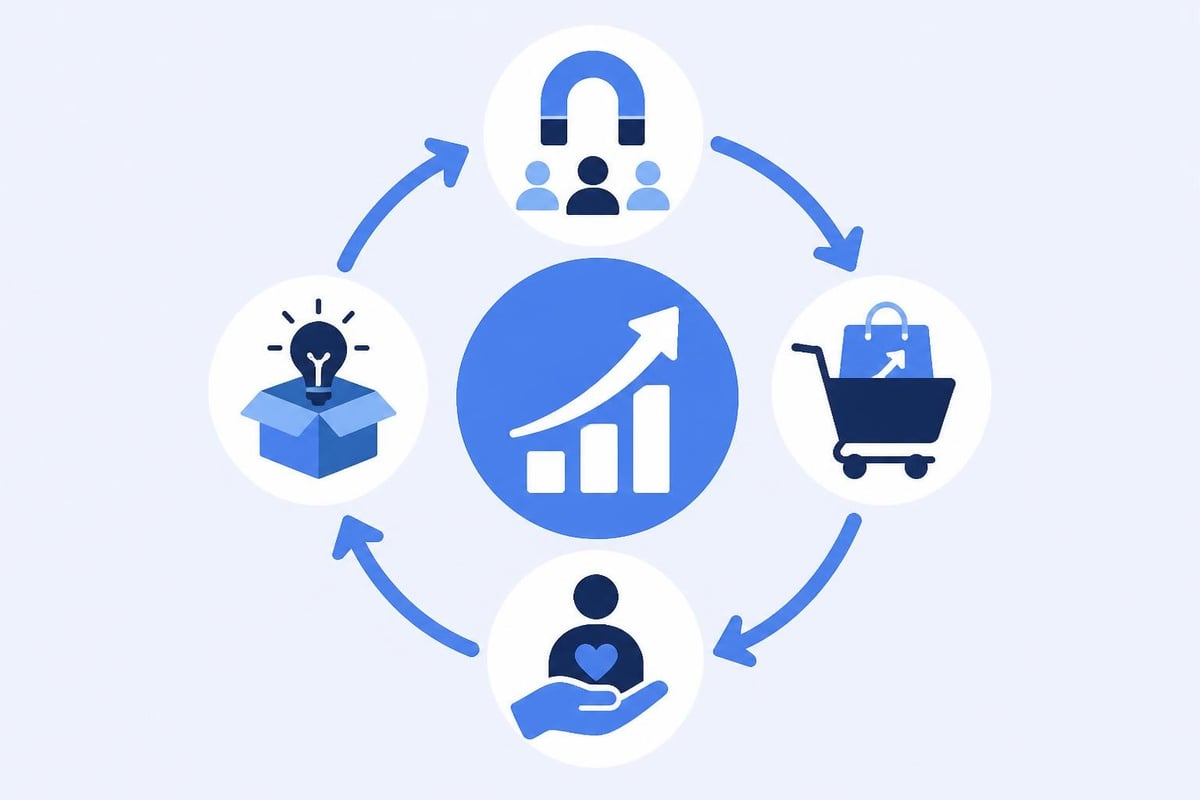
According to Deloitte's consumer trends research, businesses that excel at account expansion through upselling and personalization capture a larger share of customer wallets, particularly in competitive markets where switching costs are low.
Distinguishing Upselling from Cross-Selling
While often mentioned together, what is upselling versus cross-selling? These strategies differ in fundamental ways that affect implementation and outcomes.
| Aspect | Upselling | Cross-Selling |
|---|---|---|
| Definition | Encouraging a higher-tier version of the same product | Suggesting complementary or related products |
| Example | Upgrading from standard to premium software plan | Adding a phone case when buying a smartphone |
| Timing | Usually during initial purchase decision | Can occur during or after primary purchase |
| Customer Intent | Enhances the original purchase decision | Expands beyond the original need |
| Price Impact | Typically one larger transaction | Multiple smaller additions |
Understanding this distinction helps businesses design appropriate strategies for each approach. Upselling works best when you can demonstrate clear, quantifiable benefits that justify a higher price point. The customer should understand exactly what additional value they receive for the premium investment.
When Upselling Creates Genuine Value
The most successful upselling initiatives focus on customer outcomes rather than simply increasing transaction size. This customer-centric approach requires understanding your buyers' goals, pain points, and use cases well enough to recommend genuinely beneficial upgrades.
For businesses in the link management and marketing analytics space, upselling opportunities naturally arise when customers outgrow basic tracking capabilities. When a marketer starts running multiple campaigns across channels, the need for advanced features like A/B testing, smart routing, and deeper analytics becomes apparent. This creates an organic upselling moment where the premium tier solves real problems the customer is experiencing.
Strategic Approaches to Implementing Upselling
What is upselling without a structured approach? Simply hoping customers will choose premium options rarely succeeds. Effective upselling requires deliberate strategy, proper timing, and thoughtful presentation.
Timing-Based Upselling Strategies
The moment when you present an upsell dramatically affects acceptance rates. Different timing strategies work for different business models and customer types.
Pre-purchase upselling occurs when customers are actively comparing options. At this stage, presenting premium alternatives alongside standard offerings allows customers to make informed decisions. Clear feature comparisons and value propositions work best here.
During-purchase upselling happens at checkout or during configuration. E-commerce platforms often display premium versions or add-ons during the cart review process, capitalizing on the customer's commitment to complete the transaction.
Post-purchase upselling targets existing customers who have already experienced your product or service. This approach benefits from usage data that reveals when customers are ready for additional capabilities. For instance, a customer who hits usage limits on a basic plan demonstrates clear readiness for an upgrade.
Data-Driven Personalization in Upselling
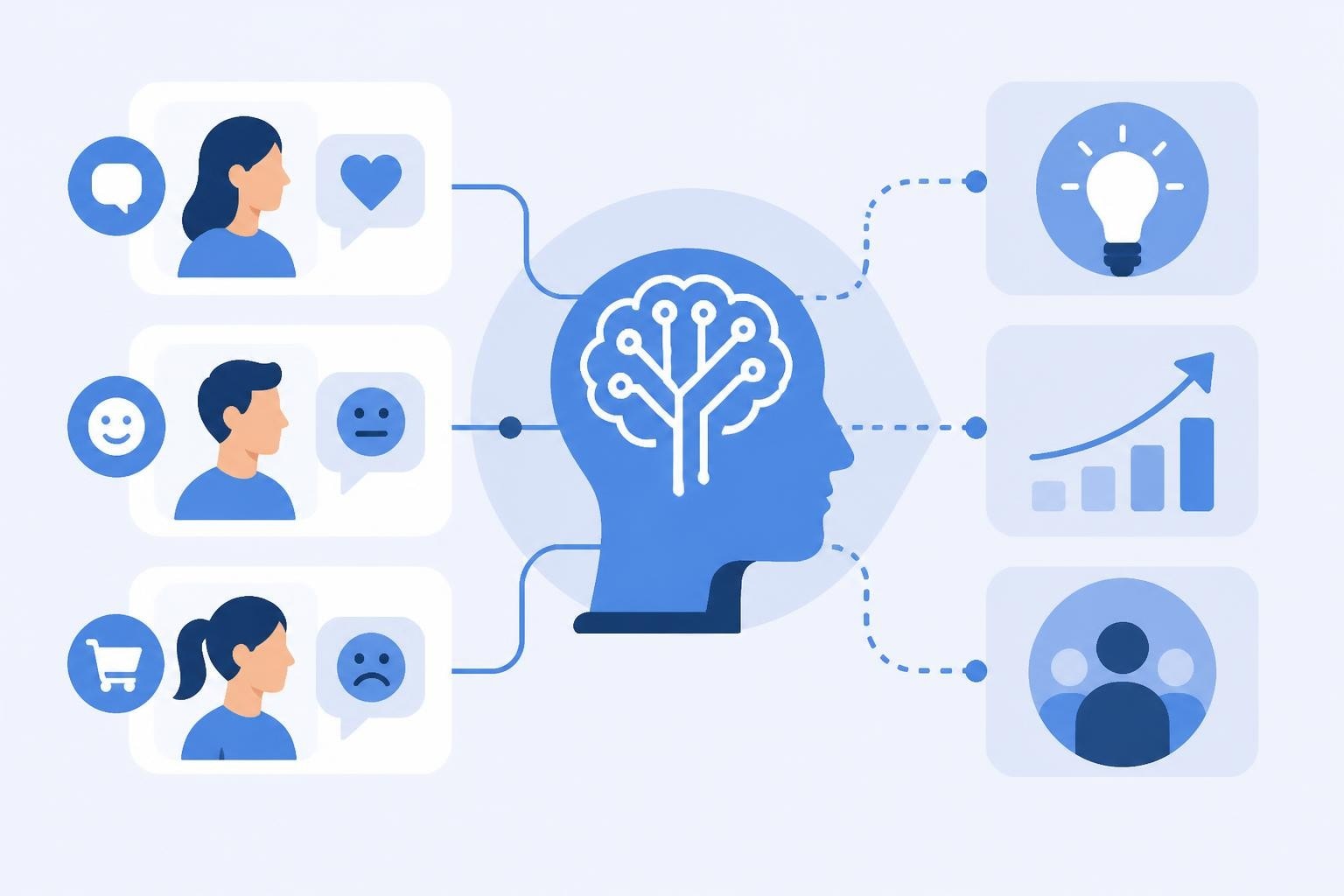
Modern upselling success depends heavily on data intelligence. Generic upgrade prompts that ignore customer context perform poorly compared to personalized recommendations based on actual behavior and needs.
Effective personalization requires:
- Usage pattern analysis to identify customers approaching plan limits
- Feature engagement tracking to understand which capabilities customers value
- Campaign performance data to demonstrate ROI from premium features
- Segmentation models that group customers by similar needs and behaviors
- Predictive analytics that anticipate when customers will need additional capacity
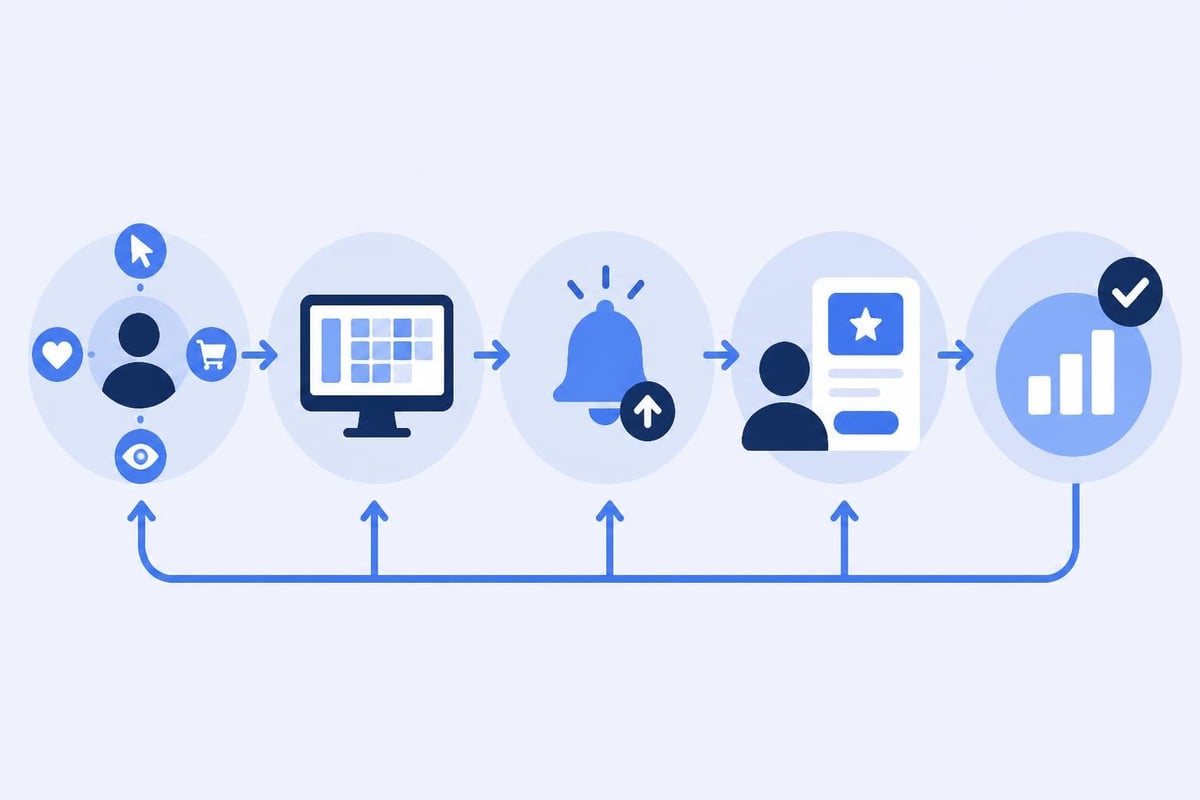
For link management platforms, this might mean tracking metrics like monthly click volume, number of active campaigns, use of basic versus advanced features, and team collaboration patterns. When data shows a customer consistently maximizing their current plan's capabilities, it signals an ideal upselling opportunity.
Practical Upselling Techniques Across Channels
What is upselling in practice across different customer touchpoints? Each channel offers unique opportunities and requires tailored approaches.
Email-Based Upselling Campaigns
Email remains one of the most effective channels for presenting upsell opportunities to existing customers. Strategic email templates that highlight specific benefits and use cases typically outperform generic promotional messages.
Successful upsell emails share several characteristics. They lead with customer value rather than features, use concrete examples showing how premium capabilities solve real problems, include social proof from similar customers who upgraded, and present clear, simple calls to action without creating pressure.
For marketing teams using link management tools, an effective upsell email might showcase how A/B testing capabilities helped a similar company increase conversion rates by 23%, then invite the recipient to try these features with a limited-time upgrade offer.
In-Application Upselling
Software and SaaS platforms benefit from contextual upselling within the product interface. When a user attempts an action that requires premium features, presenting the upgrade option at that exact moment capitalizes on demonstrated interest.
The key is making these prompts helpful rather than obstructive. Instead of blocking the action entirely, show what the premium feature enables and offer a frictionless path to upgrade. This approach transforms a potential point of frustration into an opportunity for value creation.
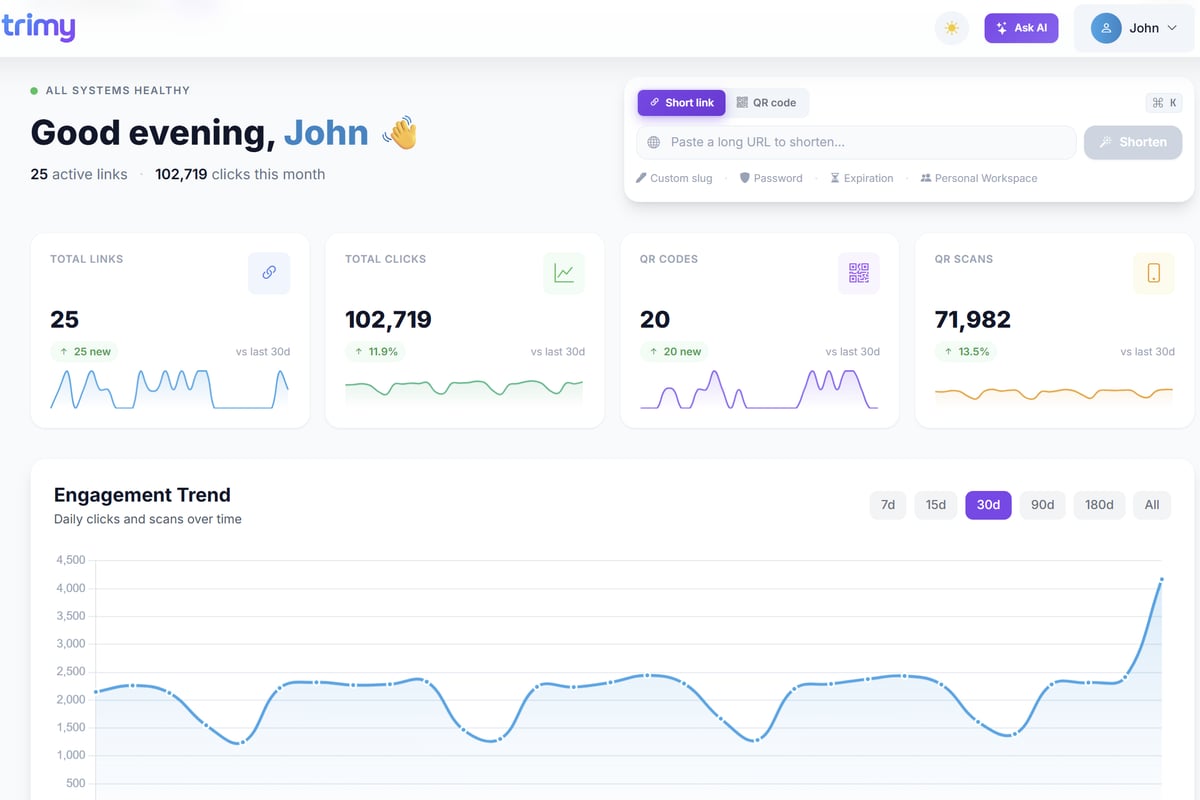
Trimy leverages this principle by showcasing advanced analytics, A/B testing capabilities, and smart routing features when users interact with basic link tracking. When marketers see their campaigns could benefit from split-testing different landing pages or routing traffic based on custom rules, the upgrade path becomes clear and compelling. The platform's comprehensive link intelligence transforms simple click tracking into revenue optimization signals, making the premium tier's value immediately apparent.
Account Management and Sales Team Upselling
For B2B businesses, account managers and customer success teams play crucial roles in identifying and executing upselling opportunities. These professionals can have nuanced conversations that uncover expanding needs and demonstrate how premium solutions address them.
Training sales teams on consultative upselling rather than transactional pitching produces better results. The focus shifts from "closing the upsell" to genuinely understanding whether the premium offering solves customer problems worth the additional investment.
Measuring and Optimizing Upselling Performance
Understanding what is upselling includes knowing how to measure its effectiveness. Without proper metrics, businesses cannot distinguish successful strategies from ineffective ones or identify opportunities for improvement.
Key Performance Indicators for Upselling
Different metrics reveal different aspects of upselling performance, and the most relevant KPIs vary by business model and sales cycle.
| Metric | Definition | Why It Matters |
|---|---|---|
| Upsell Rate | Percentage of customers who accept upsell offers | Core conversion metric showing offer relevance |
| Average Revenue Per User (ARPU) | Total revenue divided by total customers | Indicates overall monetization effectiveness |
| Expansion Revenue | New revenue from existing customers | Tracks growth without acquisition costs |
| Time to Upsell | Average days from initial purchase to upgrade | Shows customer maturation and value realization |
| Upsell Retention | Percentage of upsold customers who remain at higher tier | Measures whether upgrades deliver sustained value |
Research on upselling effectiveness demonstrates that measurement approaches significantly impact what businesses learn about their programs. Tracking not just acceptance rates but also post-upsell satisfaction and retention provides a complete picture of success.
Avoiding Common Upselling Pitfalls
What is upselling when done poorly? An exercise in customer frustration that damages relationships and reduces lifetime value. Several common mistakes undermine upselling initiatives.
Premature upselling attempts to upgrade customers before they have experienced sufficient value from their current purchase. This creates skepticism and suggests the business prioritizes revenue over customer success. Timing upsell offers to align with demonstrated usage patterns and value realization produces better outcomes.
Feature dumping overwhelms customers with long lists of premium capabilities without connecting them to specific needs or outcomes. Effective upselling focuses on two or three key benefits that directly address the customer's known challenges or goals.
Aggressive tactics that pressure customers or use manipulative scarcity create short-term conversions at the cost of long-term trust. Ethical upselling presents options clearly, gives customers time to decide, and respects "no" as a valid answer.
Upselling in Different Business Models
What is upselling across various industries and business structures? The fundamental principle remains constant, but implementation varies significantly.
SaaS and Subscription Business Upselling
Software-as-a-Service businesses rely heavily on upselling to expand account revenue over time. Tiered pricing structures naturally facilitate upselling as customers grow and require additional capacity or features.
The most effective SaaS upselling strategies include:
- Usage-based triggers that notify customers when they approach plan limits
- Feature-gated experiences that demonstrate premium capabilities in context
- Cohort-based offers tailored to specific customer segments or use cases
- Annual plan upgrades that combine tier increases with billing term changes
- Team expansion packages that add users and collaborative features simultaneously
E-commerce and Retail Upselling
Online and physical retailers approach upselling differently than subscription businesses, focusing more on immediate transaction value than ongoing relationships. Payment processors emphasize checkout-stage upselling techniques that increase cart values without creating friction.
Retail upselling techniques include product comparison displays showing standard and premium options side-by-side, package deals that bundle premium versions with accessories, warranty and protection plan offers, and expedited shipping upgrades that enhance the purchase experience.
B2B Enterprise Upselling
Enterprise sales cycles involve longer timeframes, multiple stakeholders, and higher transaction values. Forrester's research on customer revenue expansion emphasizes that B2B upselling requires organizational alignment across sales, customer success, and product teams.
Enterprise upselling succeeds when it:
- Demonstrates ROI with concrete data from the customer's existing usage
- Involves stakeholders beyond the initial buyer who benefit from expanded capabilities
- Aligns with the customer's strategic initiatives and business objectives
- Provides implementation support and change management resources
- Offers flexible contract terms that reduce perceived risk
Building an Upselling Culture and Infrastructure
What is upselling at an organizational level? More than individual transactions, it represents a systematic approach to customer value expansion that requires cultural commitment and operational support.
Cross-Functional Alignment
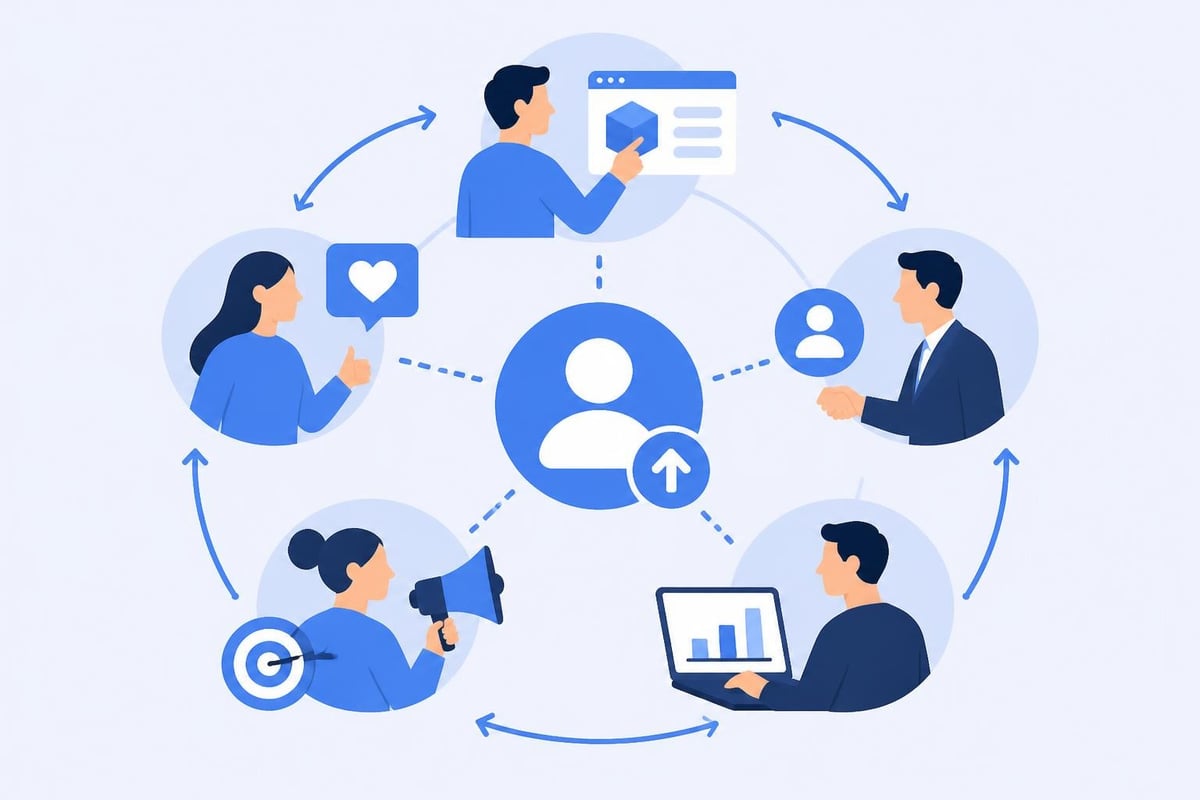
Successful upselling programs require coordination across multiple departments. Product teams must design tiered offerings with clear value differentiation. Marketing creates awareness and education around premium features. Sales and customer success identify opportunities and guide conversations. Finance structures pricing that incentivizes upgrades while maintaining healthy margins.
When these functions operate in silos, upselling efforts become fragmented and less effective. Creating shared metrics, regular communication rhythms, and collaborative planning processes aligns the organization around expansion revenue goals.
Technology and Automation
Modern upselling relies on technology infrastructure that identifies opportunities, delivers personalized offers, and measures outcomes. Customer relationship management systems track account history and engagement. Analytics platforms reveal usage patterns and trigger points. Marketing automation delivers timely, relevant communications at scale.
For businesses focused on marketing optimization and link management, the same analytics capabilities that track campaign performance can identify upselling opportunities. When your platform shows that a customer's A/B tests are delivering significant conversion improvements, it creates natural conversation points about expanding testing capabilities or accessing deeper insights.
Training and Enablement
Customer-facing teams need specific skills and knowledge to execute consultative upselling effectively. This includes understanding each tier's capabilities in detail, asking questions that uncover expansion needs, presenting value in customer-centric terms rather than feature lists, and handling objections without defensiveness or pressure.
Regular training that incorporates real customer scenarios, role-playing exercises, and feedback from actual upselling conversations builds these capabilities over time. Sharing success stories and best practices across teams accelerates learning and maintains motivation.
Ethical Considerations in Upselling
What is upselling when customer welfare takes priority? The most sustainable approach balances business revenue goals with genuine customer benefit, creating win-win outcomes that strengthen rather than exploit relationships.
Ensuring Upgrade Value
Ethical upselling requires honestly assessing whether the premium offering delivers value proportional to its cost for each specific customer. This means sometimes recommending customers stay on their current plan if the upgrade would not meaningfully improve their outcomes.
Building this discipline into your upselling process creates long-term trust. Customers who feel their best interests guided your recommendation become loyal advocates who expand their relationship when the timing is genuinely right.
Transparency and Choice
Clear communication about what customers receive at each tier, honest comparisons that do not exaggerate differences, straightforward pricing without hidden fees, and easy downgrade options if the premium tier does not deliver expected value all contribute to ethical upselling practices.
Transparency extends to measurement and optimization as well. Tracking not just upsell acceptance rates but also customer satisfaction, retention, and realized value ensures your program delivers on its promises.
Mastering what is upselling transforms it from a sales tactic into a strategic growth engine that benefits both businesses and customers. When executed with proper timing, personalization, and genuine value focus, upselling expands customer relationships while solving real problems. For marketers and teams managing campaigns across multiple channels, Trimy provides the link intelligence and analytics foundation that reveals upselling opportunities naturally through usage patterns and performance data, turning every link into actionable revenue signals that guide customer growth conversations.