Email Marketing Best Practices to Boost ROI in 2026
Email remains one of the most powerful marketing channels available, delivering an average return of $36 for every dollar spent. Yet many marketers fail to maximize this potential because they overlook fundamental email marketing best practices. Understanding how to build engaged lists, craft compelling messages, and measure performance separates successful campaigns from those that languish in spam folders. Whether you're launching your first newsletter or optimizing an existing program, implementing proven strategies will transform your email marketing into a revenue-generating machine.
Building a Quality Email List Foundation
The foundation of any successful email campaign starts with how you collect and manage subscriber information. Purchasing email lists might seem like a shortcut, but it typically results in poor engagement, damaged sender reputation, and potential legal issues under regulations like CAN-SPAM and GDPR.
Permission-Based Opt-In Strategies
Double opt-in confirmation represents the gold standard for list building. This process requires subscribers to confirm their email address after initial signup, ensuring that only genuinely interested people receive your messages. While it adds an extra step, double opt-in significantly improves engagement rates and reduces spam complaints.
Consider these effective list-building tactics:
- Place signup forms strategically on high-traffic pages
- Offer valuable lead magnets in exchange for email addresses
- Use exit-intent popups to capture departing visitors
- Promote email subscriptions across social media channels
- Create dedicated landing pages for specific audience segments
Transparency matters from the first interaction. Clearly communicate what subscribers will receive, how often they'll hear from you, and how you'll protect their data. Shopify's comprehensive guide emphasizes that setting accurate expectations upfront builds trust and reduces unsubscribe rates.
Segmentation for Targeted Messaging
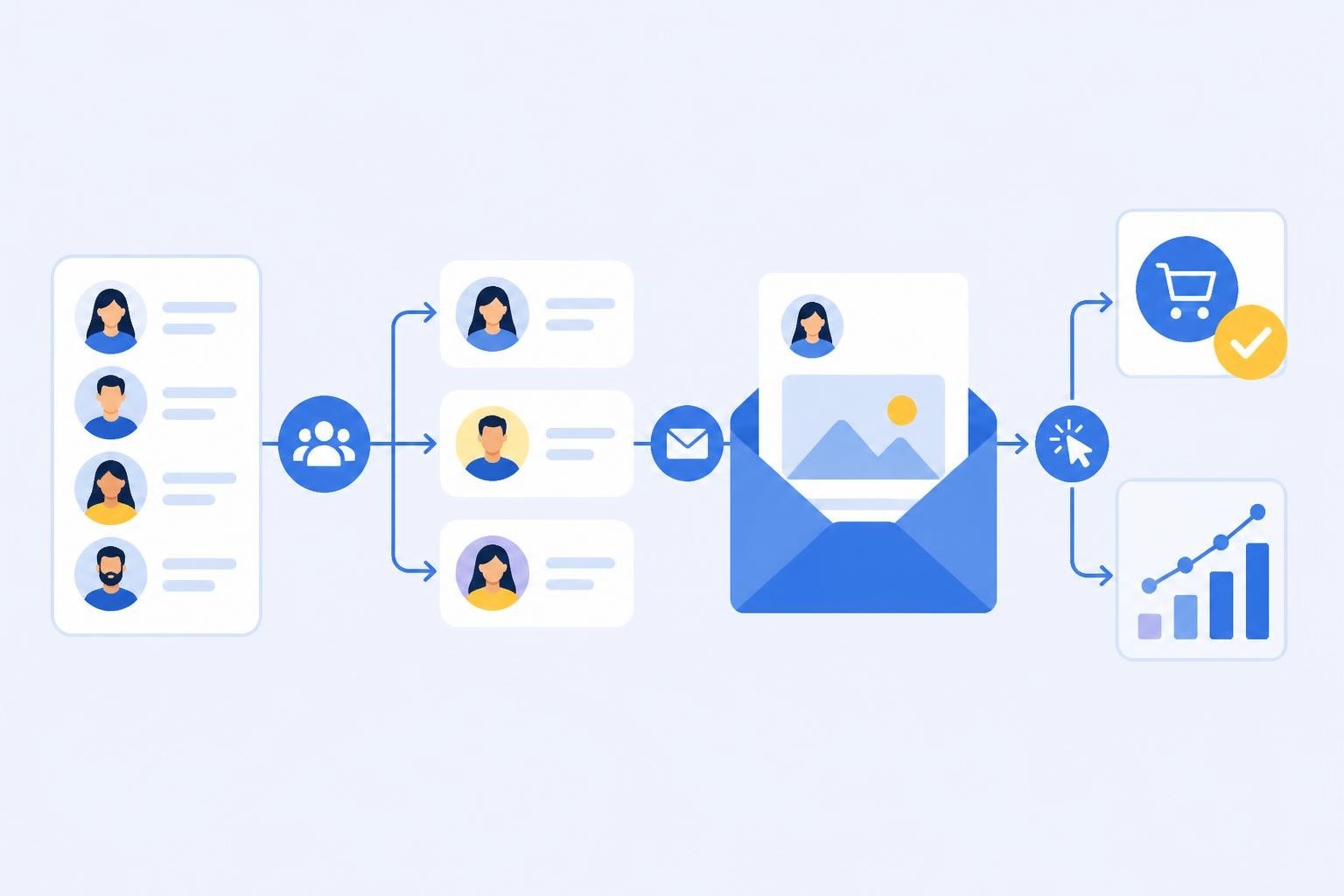
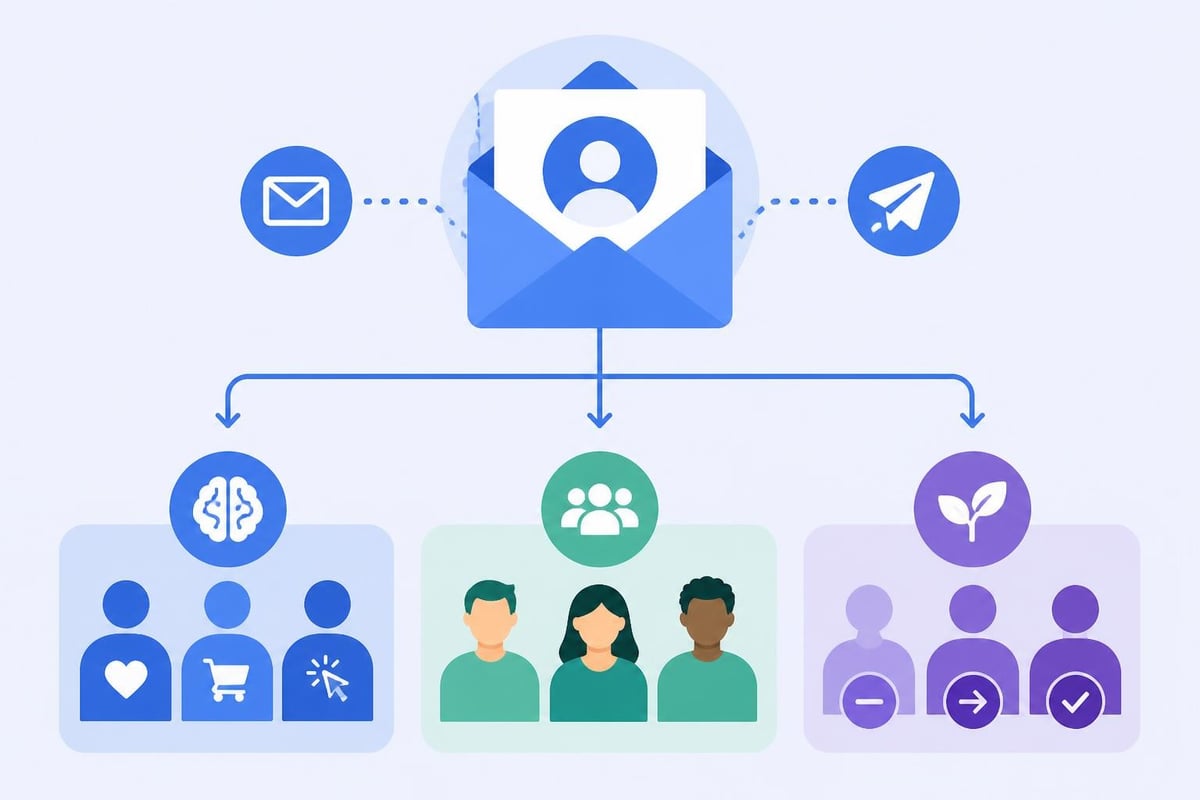
Not all subscribers share the same interests, behaviors, or purchase patterns. Segmentation divides your email list into distinct groups based on specific criteria, enabling you to deliver more relevant content to each audience segment.
| Segmentation Type | Criteria | Use Case |
|---|---|---|
| Demographic | Age, location, gender, income | Regional promotions, age-specific products |
| Behavioral | Purchase history, browsing activity, engagement | Product recommendations, re-engagement campaigns |
| Lifecycle Stage | New subscriber, active customer, churned user | Welcome series, loyalty rewards, win-back offers |
| Engagement Level | Opens, clicks, conversions | Re-activation campaigns, VIP programs |
Advanced marketers combine multiple segmentation criteria to create highly specific audience groups. For example, targeting active customers in a specific region who have purchased within the last 30 days allows for hyper-personalized messaging that resonates.
Crafting Compelling Email Content
Once you've built a quality list, the content you send determines whether subscribers engage or ignore your messages. Email marketing best practices for content creation focus on relevance, value, and clarity.
Subject Lines That Drive Opens
Your subject line serves as the gatekeeper to your email content. With the average person receiving over 100 emails daily, breaking through inbox clutter requires strategic thinking.
Effective subject line techniques include:
- Personalization: Include the recipient's name or reference their specific interests
- Urgency: Create time-sensitive offers without resorting to excessive hype
- Curiosity: Pose questions or tease valuable information
- Clarity: Communicate the email's value proposition directly
- Length: Keep subject lines under 50 characters for mobile optimization
Research from MoEngage's best practices guide shows that personalized subject lines increase open rates by 26%. However, personalization extends beyond simply inserting a name. Reference past purchases, browsing behavior, or geographic location to demonstrate genuine understanding of individual subscribers.
Body Content and Design Principles
Readability trumps creativity when designing email content. While beautiful designs attract attention, they must support rather than hinder message comprehension.
Structure your emails with these elements:
- Clear hierarchy: Use headings, subheadings, and bullet points to organize information
- Scannable content: Most readers skim rather than read thoroughly
- Strong calls-to-action: Make it obvious what action you want recipients to take
- Mobile optimization: Over 60% of emails are opened on mobile devices
- Visual balance: Combine text with relevant images, but don't overwhelm
The inverted pyramid approach works exceptionally well for email marketing. Lead with your most important information and call-to-action, then provide supporting details for those who read further. This structure ensures that even subscribers who only glance at your email receive the core message.
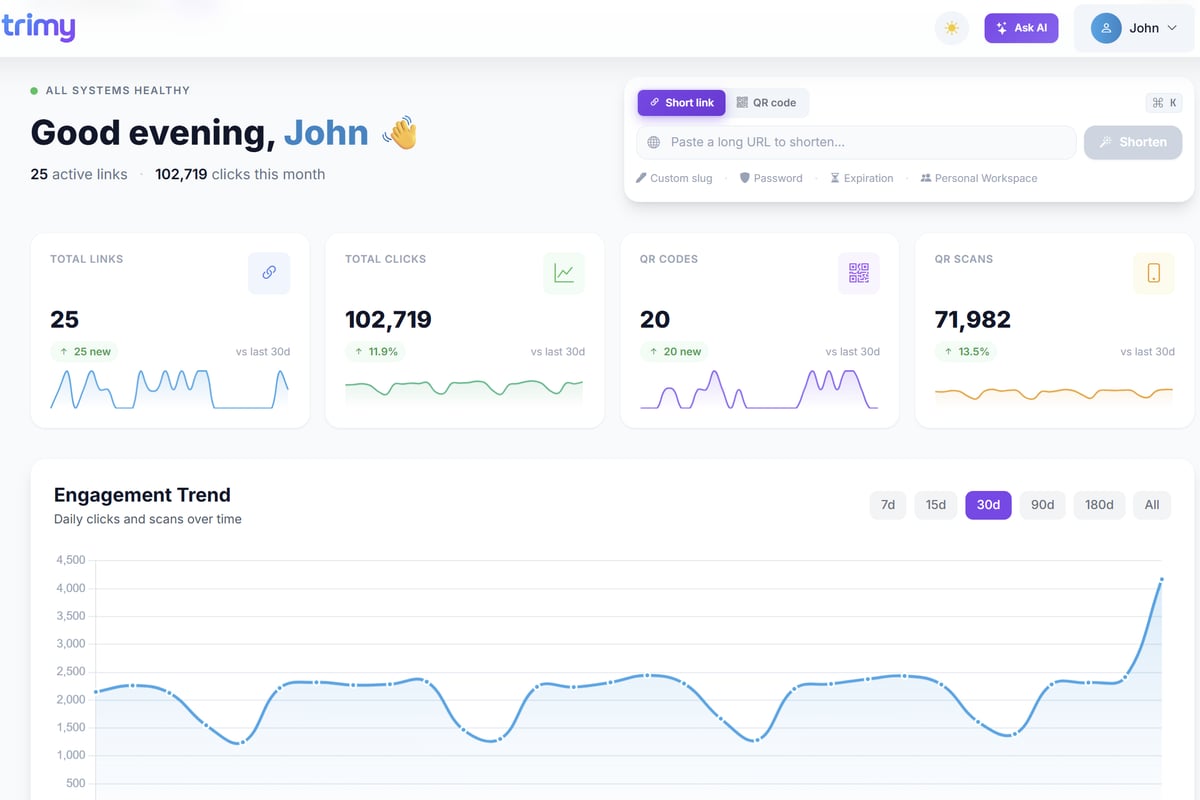
Link optimization represents a critical yet often overlooked aspect of email content. Every link in your email should serve a purpose and be tracked for performance. When you shorten and track links properly, you gain visibility into which content drives the most engagement and conversions. This data becomes invaluable for refining future campaigns.
Trimy transforms how marketers manage and optimize email links by providing advanced analytics, A/B testing capabilities, and smart routing features that maximize campaign performance. Instead of using generic shortened links that provide minimal insights, Trimy enables you to understand exactly how subscribers interact with your content and which variations drive the best results.
Timing and Frequency Optimization
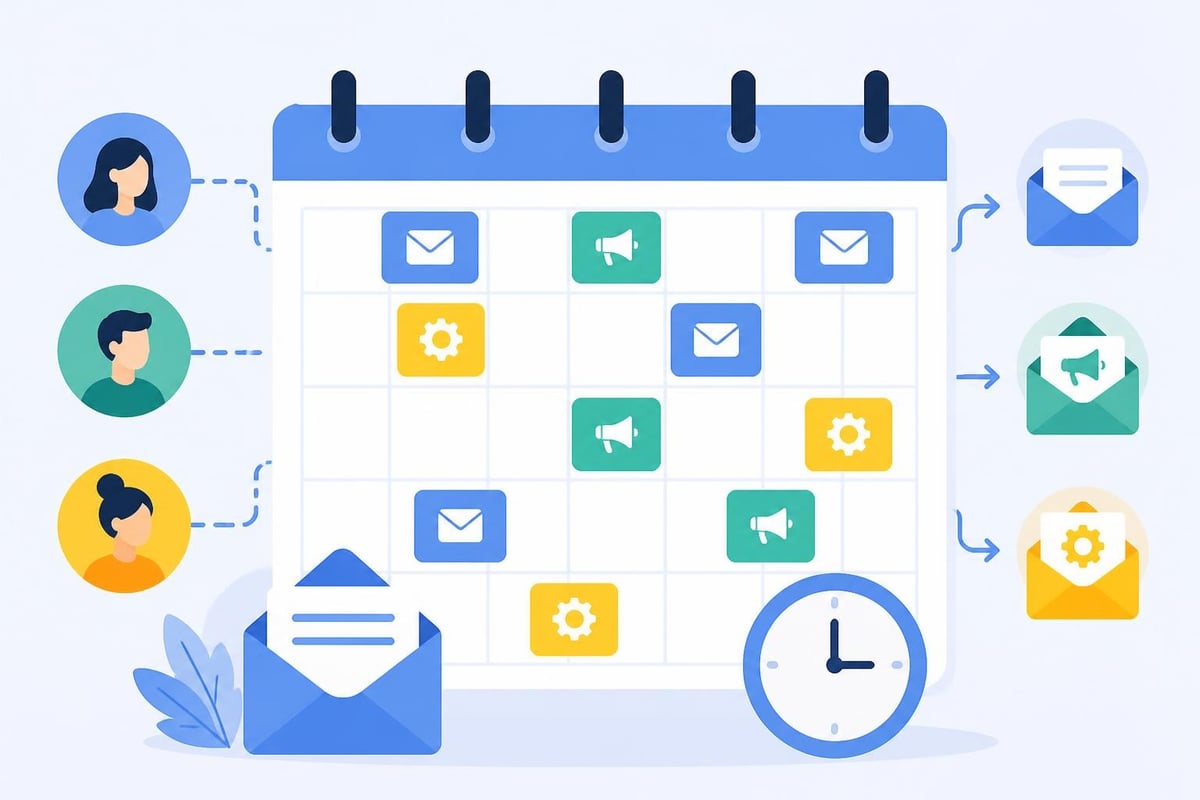
Sending the right message to the right person means nothing if you deliver it at the wrong time. Email marketing best practices for timing and frequency balance staying top-of-mind with avoiding subscriber fatigue.
Determining Optimal Send Times
Industry benchmarks suggest Tuesday through Thursday mornings typically perform best for B2B emails, while B2C emails may see better engagement during lunch hours or early evenings. However, these averages don't account for your specific audience's behaviors.
Testing different send times with your own list provides more accurate insights than relying on general statistics. Consider these factors when scheduling campaigns:
- Time zones: Segment lists by geography to send at appropriate local times
- Audience routines: B2B professionals check email differently than consumers
- Product type: Urgent offers may perform better at different times than educational content
- Historical data: Analyze past campaign performance to identify patterns
Frequency Best Practices
Finding the right email frequency requires balancing engagement with annoyance. Mailchimp's research on common mistakes reveals that both under-mailing and over-mailing harm list health, but over-mailing causes more significant damage through increased unsubscribe rates.
| Email Type | Recommended Frequency | Purpose |
|---|---|---|
| Newsletters | Weekly to monthly | Regular touchpoints, thought leadership |
| Promotional | 2-4 times monthly | Sales, special offers, new products |
| Transactional | As needed | Order confirmations, shipping updates |
| Behavioral | Triggered by actions | Cart abandonment, browse recovery |
Preference centers empower subscribers to control their email experience. Allow people to choose which types of emails they receive and how often, reducing unsubscribes while improving engagement among those who remain.
Testing and Optimization Strategies
Continuous improvement separates mediocre email programs from exceptional ones. Email marketing best practices emphasize systematic testing and data-driven optimization.
A/B Testing Fundamentals
Split testing allows you to compare different versions of an email element to determine which performs better. While the concept seems simple, effective A/B testing requires discipline and patience.
Test these elements systematically:
- Subject lines and preview text
- Call-to-action button text and placement
- Email design and layout
- Sending time and day
- From name and sender address
- Personalization approaches
- Image usage and placement
One variable at a time represents the cardinal rule of A/B testing. Testing multiple changes simultaneously makes it impossible to identify which specific element drove performance differences. Run tests with statistically significant sample sizes, typically at least 1,000 subscribers per variation for reliable results.
According to research on email marketing ROI, marketers who consistently test and optimize their campaigns achieve 2-3 times higher conversion rates than those who rely on guesswork.
Advanced Testing Methodologies
Multivariate testing takes A/B testing further by simultaneously testing multiple variables and their interactions. This approach works best for high-volume email programs with large subscriber lists. For example, you might test different combinations of subject lines, images, and call-to-action buttons to identify the optimal combination.
Predictive analytics and machine learning increasingly influence email optimization. These technologies analyze historical performance data to predict which subject lines, send times, or content types will resonate with specific subscriber segments, as explored in recent research on personalized email generation.
Tracking and Analytics Implementation
Understanding campaign performance requires comprehensive tracking and analysis. Many businesses still send marketing emails without properly tracking ROI, missing critical opportunities to refine their strategies.
Essential Email Metrics
Open rate measures the percentage of recipients who opened your email, indicating subject line effectiveness and sender reputation health. However, privacy changes in email clients have made open rates less reliable, requiring marketers to emphasize other metrics.
Track these key performance indicators:
- Click-through rate (CTR): Percentage of recipients who clicked any link
- Conversion rate: Percentage who completed your desired action
- Bounce rate: Undeliverable emails, split between hard and soft bounces
- Unsubscribe rate: People who opted out after receiving the email
- List growth rate: Net new subscribers versus unsubscribes and bounces
- Revenue per email: Total revenue attributed to the campaign divided by sends
Attribution and Revenue Tracking
Connecting email campaigns to actual revenue requires robust tracking infrastructure. UTM parameters, conversion pixels, and integration with analytics platforms enable accurate attribution modeling.
Multi-touch attribution recognizes that customers rarely convert after a single email. They might receive a welcome email, browse your site, receive a promotional email, and then convert days later. Understanding this journey helps you value each touchpoint appropriately rather than giving all credit to the final interaction.
Link-level analytics provide granular insights into content performance. By tracking which specific links generate clicks and conversions, you identify what resonates with subscribers and optimize future content accordingly. Sophisticated link management platforms enable marketers to test different destinations, route traffic based on user characteristics, and gather deep insights that inform broader marketing strategy.
Deliverability and Compliance Fundamentals
Even perfectly crafted emails fail if they never reach subscriber inboxes. Email marketing best practices for deliverability ensure your messages avoid spam folders and comply with regulations.
Technical Infrastructure Requirements
Sender authentication protocols verify that emails actually come from your domain, preventing spoofing and improving deliverability:
- SPF (Sender Policy Framework): Lists authorized servers for sending from your domain
- DKIM (DomainKeys Identified Mail): Adds a digital signature to verify message integrity
- DMARC (Domain-based Message Authentication): Specifies how receivers should handle authentication failures
Implement all three protocols to maximize deliverability and protect your sender reputation. Most email service providers offer guidance for setting up these technical requirements.
Legal Compliance and Privacy
CAN-SPAM Act requirements in the United States mandate:
- Accurate "From" information
- Truthful subject lines
- Clear identification of messages as advertisements
- Valid physical postal address
- Obvious unsubscribe mechanisms
- Prompt honor of opt-out requests
GDPR in Europe imposes stricter requirements, including explicit consent, data processing transparency, and the right to be forgotten. Research on email marketing practices and privacy highlights growing consumer awareness of data protection issues, making compliance both a legal necessity and competitive advantage.
| Compliance Requirement | CAN-SPAM | GDPR |
|---|---|---|
| Consent Type | Implied opt-in acceptable | Explicit opt-in required |
| Unsubscribe Timeframe | 10 business days | Immediate |
| Data Processing Disclosure | Not required | Required |
| Geographic Scope | US recipients | EU residents |
Automation and Workflow Development
Email automation transforms one-time campaigns into sophisticated, behavior-driven communication systems that nurture relationships at scale.
Welcome Series Implementation
First impressions matter tremendously in email marketing. Welcome series emails achieve open rates 50-60% higher than standard promotional emails, making them ideal for establishing relationships and setting engagement patterns.
Structure an effective welcome series:
- Immediate confirmation: Send within minutes of signup to confirm subscription
- Introduction email: Share your story, values, and what subscribers should expect
- Value delivery: Provide promised content, resources, or offers
- Engagement prompt: Encourage profile completion, social follows, or first purchase
- Transition: Move subscribers into regular email cadence
Space welcome emails 3-7 days apart, allowing subscribers to engage with each message before receiving the next.
Behavioral Trigger Campaigns
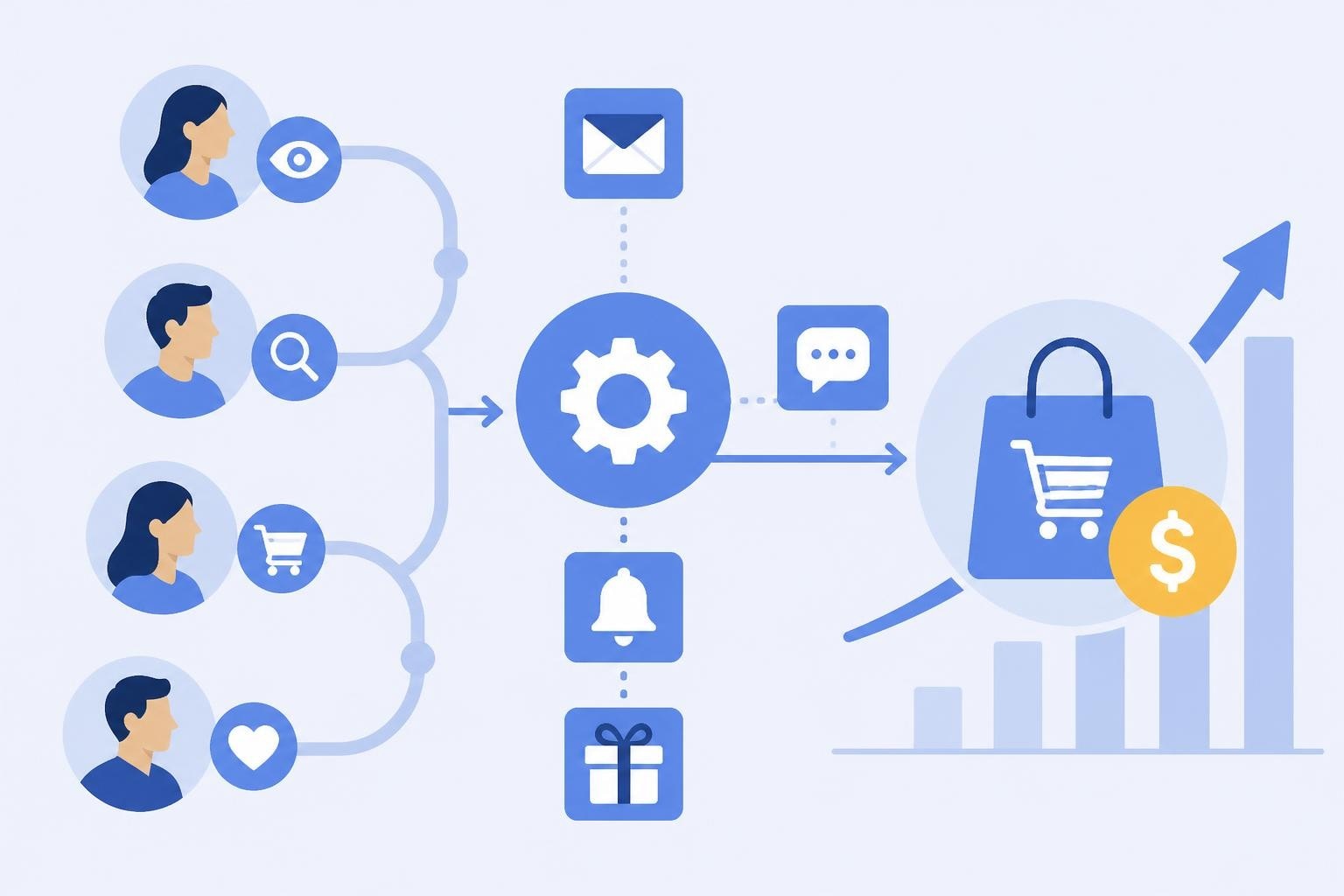
Event-based automation responds to specific subscriber actions or inactions, delivering timely, relevant messages that drive conversions.
Implement these high-performing triggered campaigns:
- Cart abandonment: Remind shoppers of items left behind
- Browse abandonment: Follow up when users view products without purchasing
- Post-purchase: Thank customers and suggest complementary products
- Re-engagement: Reach out to subscribers who haven't engaged recently
- Birthday or anniversary: Celebrate milestones with special offers
- Product replenishment: Remind customers when consumables need replacement
Automation platforms allow you to create complex workflows with multiple decision points, ensuring each subscriber receives the most relevant message based on their specific journey and behaviors. Effective email outreach strategies emphasize the importance of personalization and timing, both of which automation enables at scale.
Advanced Personalization Techniques
Moving beyond "Dear [FirstName]" creates genuinely personalized experiences that drive engagement and loyalty. Email marketing best practices for personalization leverage data to make every message feel individually crafted.
Dynamic Content Blocks
Content that adapts to individual recipient characteristics creates unique experiences without managing separate campaigns for each segment. Dynamic content changes based on subscriber data, showing different images, offers, or text blocks depending on who opens the email.
Apply dynamic content based on:
- Purchase history: Show products related to past purchases
- Geographic location: Display local store information or region-specific offers
- Engagement level: Vary messaging for highly engaged versus dormant subscribers
- Demographic data: Tailor content to age, gender, or other characteristics
- Browsing behavior: Reference recently viewed products or categories
Predictive Personalization
Machine learning algorithms analyze historical data to predict future behavior, enabling proactive personalization. Rather than simply responding to what a customer has done, predictive personalization anticipates what they're likely to do next.
Applications include:
- Product recommendations: Suggest items based on similar customer purchases
- Churn prediction: Identify at-risk subscribers and intervene proactively
- Optimal send times: Predict when each individual is most likely to engage
- Content preferences: Determine which topics resonate with specific subscribers
- Lifetime value forecasting: Focus resources on highest-value prospects
The sophistication of these techniques continues advancing rapidly. Choosing the right email marketing platform increasingly depends on their personalization capabilities and integration with customer data platforms.
Mobile Optimization Imperatives
With mobile devices accounting for the majority of email opens, mobile optimization represents a fundamental requirement rather than an optional enhancement.
Responsive Design Requirements
Mobile-first design approaches prioritize the smartphone experience, then adapts layouts for larger screens. This philosophy acknowledges that most subscribers will encounter your email on a small screen first.
Implement these mobile optimization techniques:
- Single-column layouts: Stack content vertically for easy scrolling
- Large, tappable buttons: Ensure calls-to-action are easy to tap with a thumb
- Readable font sizes: Use 14px minimum for body text, 22px for headings
- Compressed images: Balance visual quality with fast loading times
- Minimal scrolling: Place key information and CTAs above the fold
- Touch-friendly spacing: Provide adequate space between clickable elements
Test emails across multiple devices and email clients before sending. What looks perfect in your design tool may render differently in Gmail mobile, Apple Mail, or Outlook apps.
Progressive Enhancement Strategy
Core content accessibility comes first, with enhanced features layered on for devices and clients that support them. This approach ensures all subscribers receive a functional, readable email regardless of their technical constraints.
Start with plain text, HTML structure, and basic styling that works everywhere. Then add advanced features like animations, interactive elements, or sophisticated layouts that gracefully degrade when unsupported. Approximately 20-30% of subscribers view emails with images disabled, making alt text and text-based design critical for communicating value even without visual elements.
Implementing email marketing best practices requires systematic attention to list quality, content relevance, technical infrastructure, and continuous optimization. The strategies outlined here provide a comprehensive framework for building campaigns that engage subscribers and drive measurable business results. When you combine these proven tactics with sophisticated link tracking and analytics, you transform email from a broadcast channel into a precision revenue-generation tool. Trimy empowers marketers to extract maximum value from every email campaign by providing the link intelligence, testing capabilities, and deep insights needed to optimize performance and prove ROI.