Intelligence Insights: Transform Data Into Strategic Action
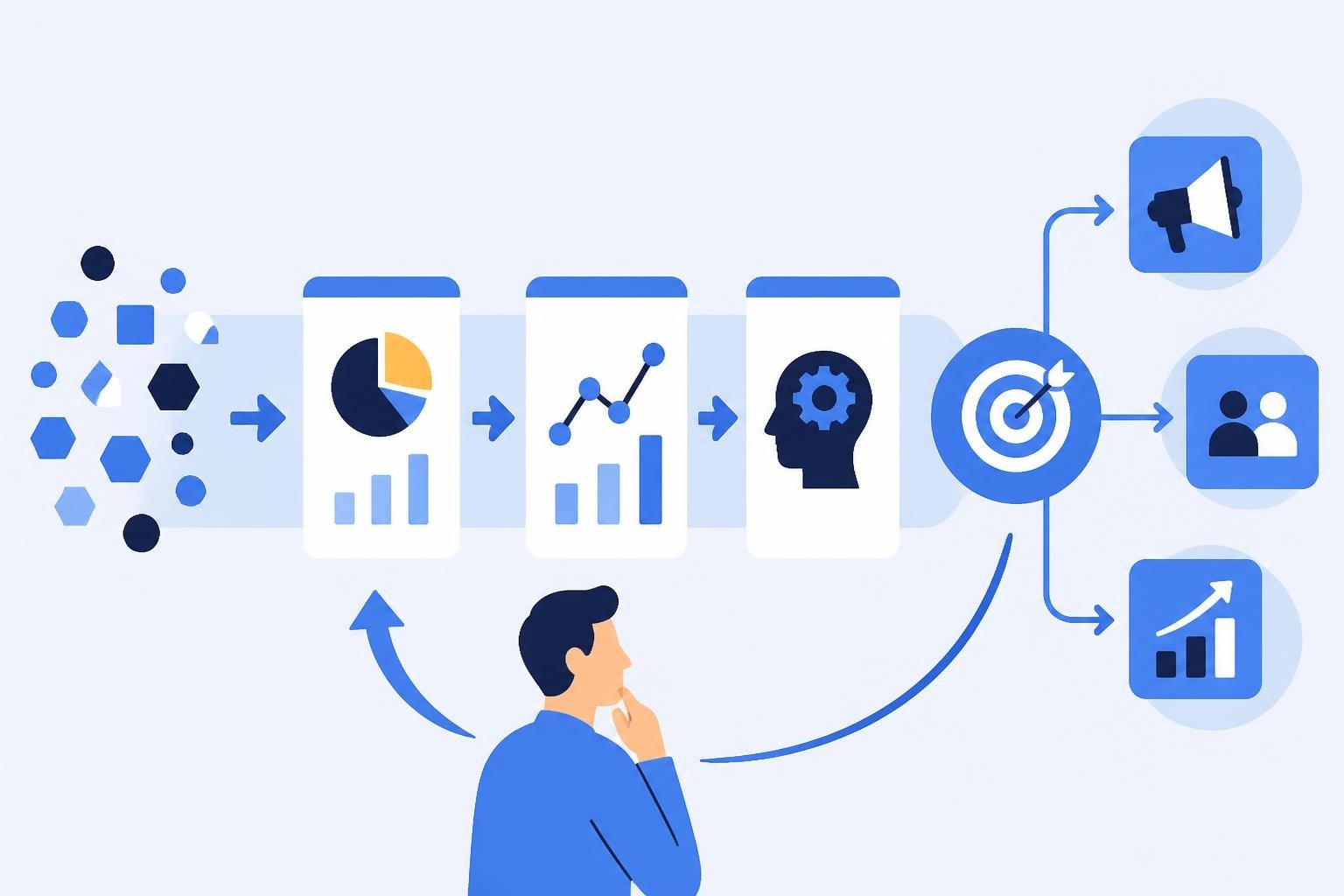
Intelligence insights represent the critical bridge between raw data and strategic action. In 2026, organizations across industries recognize that collecting information alone provides little competitive advantage. The true value emerges when teams systematically transform data points into actionable intelligence that drives measurable outcomes. For marketers and developers managing digital campaigns, understanding how to extract and apply intelligence insights can mean the difference between guessing and knowing exactly what drives results.
Understanding the Foundation of Intelligence Insights
Intelligence insights emerge from structured analysis of collected information, transforming observations into knowledge that informs strategic decisions. The intelligence community operates more securely and efficiently by establishing rigorous frameworks for gathering, analyzing, and distributing critical information. This same principle applies to marketing intelligence, where systematic approaches to data collection and analysis separate high-performing campaigns from mediocre efforts.
The foundation begins with defining clear objectives. What specific questions need answers? Which metrics actually matter to business outcomes? Without this clarity, organizations drown in data while starving for insights. Marketing teams face similar challenges to national security analysts: overwhelming information volume combined with the pressure to identify patterns that predict future outcomes.
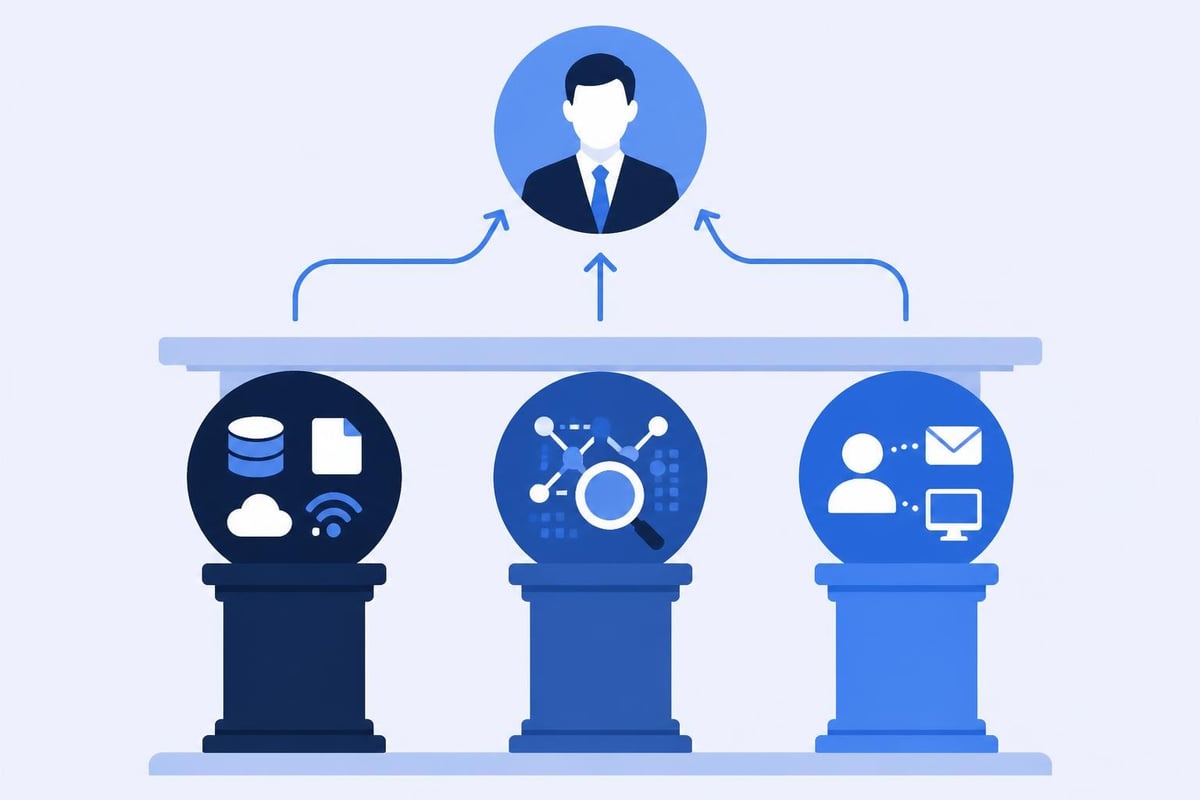
The Three Pillars of Effective Intelligence Gathering
Data Collection forms the first pillar, requiring both breadth and precision. Successful intelligence operations cast wide nets while maintaining strict quality standards for incoming information. In marketing analytics, this translates to:
- Tracking user behavior across multiple touchpoints
- Capturing campaign performance metrics in real-time
- Monitoring competitor activities and market trends
- Recording technical data such as device types, geographic locations, and referral sources
Analysis Methodology represents the second pillar, where raw data transforms into meaningful patterns. The CIA's Directorate of Analysis demonstrates how structured analytical techniques produce timely, objective intelligence. Marketing teams benefit from similar rigor, applying statistical methods, comparative analysis, and trend identification to their data sets.
Distribution Systems complete the foundation as the third pillar. Intelligence insights lose value when they fail to reach decision-makers promptly. Effective distribution requires understanding audience needs, timing requirements, and preferred formats for consuming analytical findings.
Transforming Link Data Into Marketing Intelligence
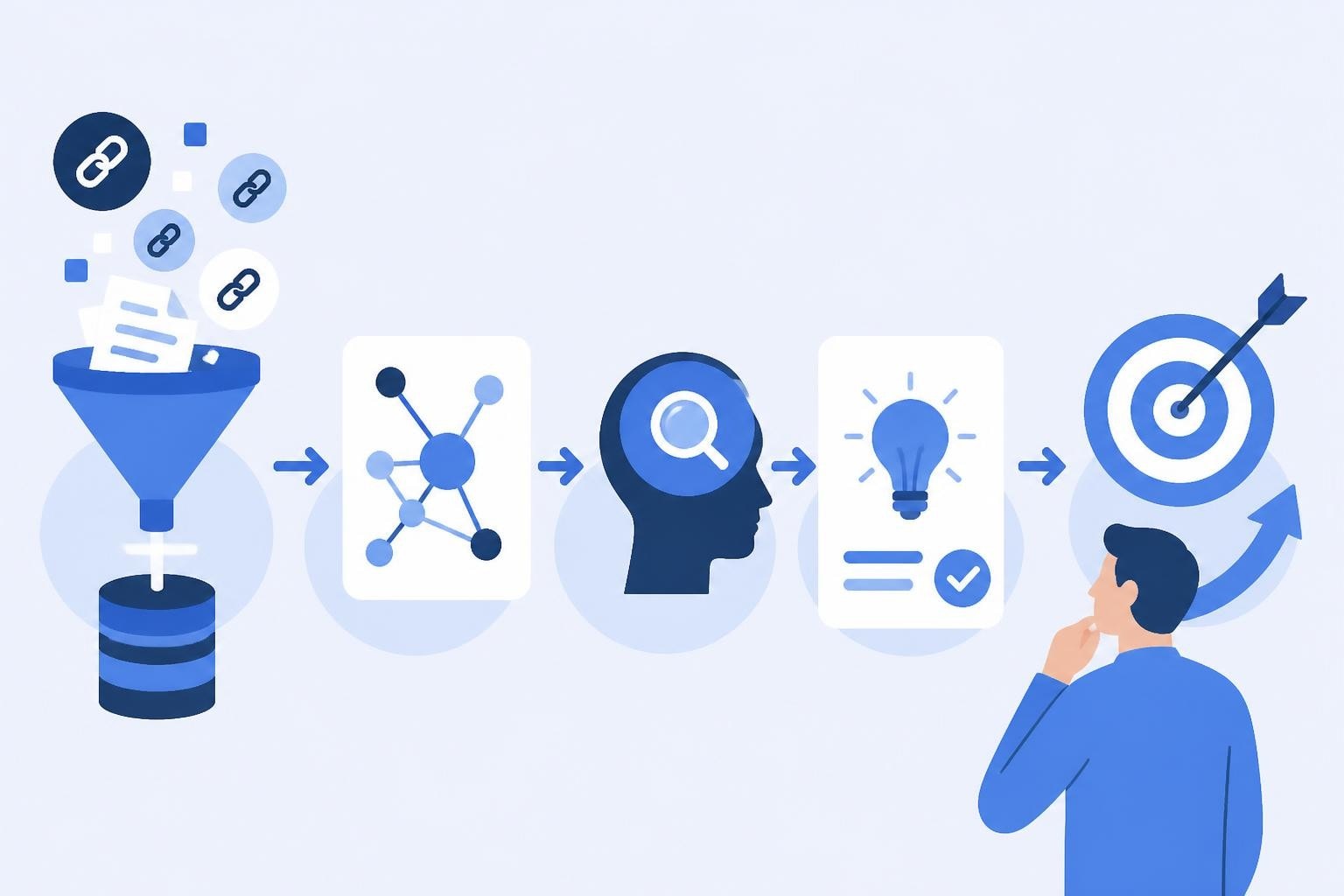
Link management provides a particularly rich source of intelligence insights for digital marketers. Every click, redirect, and conversion pathway generates data points that reveal audience behavior, campaign effectiveness, and optimization opportunities. However, most organizations barely scratch the surface of available link intelligence.
Advanced link analytics reveal patterns invisible through basic tracking. Consider how different audience segments respond to identical content delivered through varied channels. A link shared on professional networks might generate high-quality leads with lower volume, while social media distribution drives traffic spikes with different conversion characteristics. These behavioral patterns constitute actionable intelligence insights.
Key Metrics That Generate Strategic Intelligence
| Metric Category | Intelligence Value | Strategic Application |
|---|---|---|
| Click-through patterns | Reveals content resonance | Optimize messaging and timing |
| Geographic distribution | Identifies market opportunities | Target expansion and localization |
| Device preferences | Shows technical requirements | Improve mobile experience |
| Referral sources | Maps audience channels | Allocate marketing resources |
| Conversion pathways | Tracks decision journeys | Refine funnel design |
Smart routing capabilities extend intelligence gathering by testing hypotheses in real-time. Rather than waiting for campaign completion to analyze results, intelligent link management systems redirect traffic dynamically based on accumulating data. This approach generates intelligence insights continuously, enabling mid-flight corrections that maximize campaign performance.
The evolving role of open-source intelligence demonstrates how publicly available information, when properly analyzed, produces strategic advantage. Marketing link data represents a similar opportunity, where openly collected behavioral signals combine to reveal competitive insights and market dynamics.
Applying A/B Testing for Deeper Intelligence
A/B testing transforms assumptions into verified intelligence insights through controlled experimentation. While many marketers understand basic A/B testing concepts, few extract the full intelligence value these experiments offer. The difference lies in treating tests as intelligence operations rather than simple comparisons.
Effective testing protocols establish clear hypotheses before collecting data. What specific belief about audience behavior needs verification? How will confirming or rejecting this hypothesis change strategic decisions? These questions focus testing efforts on generating actionable intelligence rather than accumulating interesting but useless statistics.
Structured Testing Frameworks
- Hypothesis Development - Articulate specific, testable predictions about audience behavior
- Variable Isolation - Change one element at a time to identify causal relationships
- Sample Size Calculation - Ensure statistical validity before drawing conclusions
- Duration Planning - Run tests long enough to capture behavioral patterns
- Analysis Protocol - Apply consistent methods to interpret results
Multi-variant testing expands intelligence gathering beyond simple binary comparisons. Testing multiple variables simultaneously reveals interaction effects, where combined elements produce results different from their individual impacts. This generates intelligence insights about system-level dynamics rather than isolated component performance.
Trimy enables marketers to run sophisticated A/B tests on their links, comparing different destinations, messaging approaches, or audience segments to identify what actually drives conversions. This testing infrastructure transforms every campaign into an intelligence-gathering operation that continuously improves marketing effectiveness.
Pattern Recognition in Campaign Performance
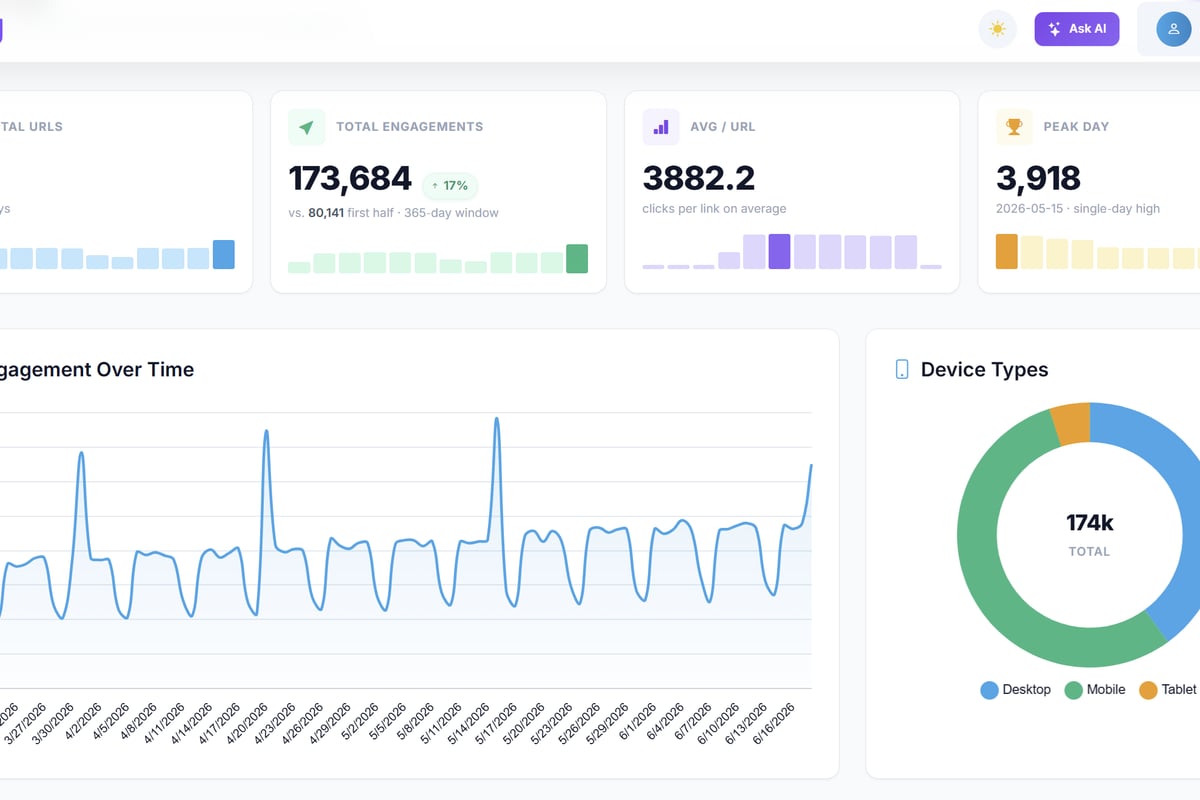
Intelligence insights emerge most powerfully when analysts identify patterns across seemingly disconnected data points. Research on intelligence operations shows how connecting disparate information sources reveals threats and opportunities invisible from single perspectives. Marketing analytics follows identical principles.
Consider how temporal patterns reveal audience behavior rhythms. Some campaigns perform optimally during specific days or hours, while others maintain consistent performance across time periods. Recognizing these patterns enables precise scheduling that maximizes engagement. Similarly, geographic clustering might indicate untapped markets or reveal cultural factors affecting message reception.
Advanced Pattern Analysis Techniques
Cohort analysis segments audiences based on shared characteristics or behaviors, revealing how different groups respond to identical stimuli. This technique generates intelligence insights about customer lifecycle stages, acquisition channel quality, and long-term value patterns.
Anomaly detection identifies outliers that either signal problems requiring attention or opportunities worth investigating. A sudden traffic spike from an unexpected source might indicate organic viral spread or technical issues creating false positives. Distinguishing between these scenarios requires context and experience.
Correlation mapping connects performance metrics to identify leading indicators. If certain early behaviors consistently predict later conversions, those patterns become intelligence insights that enable proactive optimization. Marketing teams can then allocate resources toward activities that generate these predictive signals.
Building Intelligence Dashboards That Drive Decisions
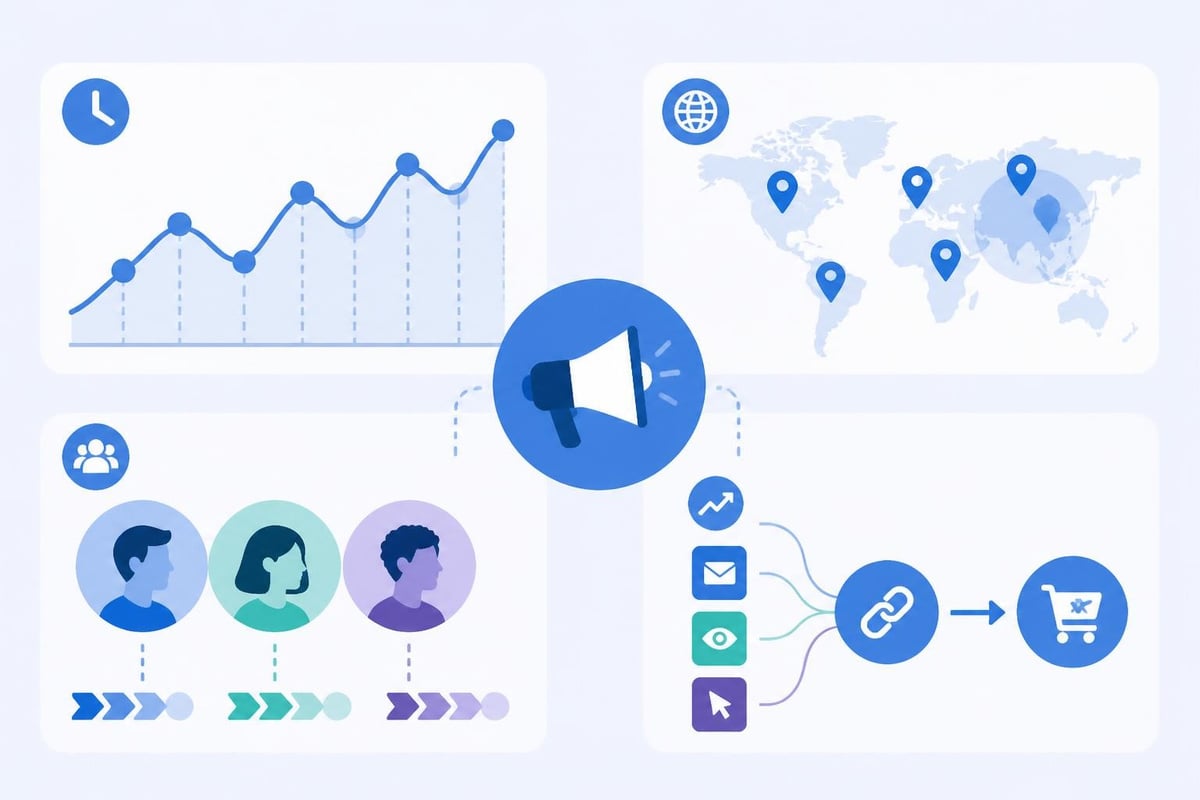
The most sophisticated intelligence insights become worthless without effective presentation systems. Decision-makers need information delivered in formats that facilitate rapid comprehension and confident action. This requires understanding how different stakeholders consume analytical findings and what context they need for interpretation.
Real-time dashboards provide immediate visibility into current conditions, enabling responsive adjustments as situations develop. However, real-time data alone can mislead without historical context showing normal patterns and seasonal variations. Effective dashboards balance current snapshots with trend analysis that reveals whether present conditions represent opportunities, threats, or routine fluctuations.
Essential Dashboard Components
- Executive summaries distill complex analyses into key takeaways
- Trend visualizations show performance trajectories over time
- Comparative benchmarks contextualize current performance
- Drill-down capabilities enable detailed investigation
- Alert systems flag significant deviations requiring attention
Customization capabilities ensure different team members access intelligence insights relevant to their responsibilities. Marketing strategists need campaign-level performance summaries, while tactical executors require granular data about specific channels or creative elements. Building flexible systems that serve multiple audiences maximizes intelligence utilization across organizations.
The decade of intelligence forums reveals how persistent focus on actionable analysis produces better outcomes than purely technical capabilities. Similarly, marketing teams benefit more from usable dashboards presenting clear intelligence than from sophisticated analytics platforms generating incomprehensible reports.
Privacy and Ethical Considerations in Intelligence Collection
Gathering intelligence insights requires balancing analytical power with ethical responsibility. In 2026, privacy regulations and consumer expectations demand transparent data practices that respect individual rights while enabling legitimate business intelligence. Organizations that navigate this balance successfully build sustainable competitive advantages through trusted relationships.
Data minimization principles suggest collecting only information necessary for defined purposes. This approach reduces privacy risks while focusing intelligence efforts on truly valuable signals. Many marketing systems default to maximum data collection, creating compliance burdens without proportional analytical benefits.
Ethical Intelligence Practices
| Practice | Implementation | Benefit |
|---|---|---|
| Transparent disclosure | Clear privacy policies and consent mechanisms | Builds customer trust |
| Purpose limitation | Use data only for stated objectives | Reduces regulatory risk |
| Security protocols | Protect collected information from breaches | Maintains data integrity |
| Retention policies | Delete data when no longer needed | Minimizes exposure |
Anonymization techniques enable intelligence gathering while protecting individual privacy. Aggregated behavioral patterns reveal market trends without exposing personal information. This approach generates actionable intelligence insights while respecting user privacy preferences and regulatory requirements.
Integrating Multiple Intelligence Sources
Single-source intelligence rarely provides complete pictures. The most valuable intelligence insights emerge from synthesizing information across multiple collection systems, analytical methods, and data sources. This integration reveals relationships and patterns invisible from isolated perspectives.
Marketing technology stacks typically include numerous platforms generating independent data streams. Email systems track engagement metrics, social media tools measure reach and interaction, and website analytics capture visitor behavior. Connecting these disparate sources creates unified intelligence that shows complete customer journeys rather than fragmented touchpoints.
Cross-Platform Intelligence Synthesis
- Establish common identifiers that connect user activities across systems
- Standardize metrics to enable valid comparisons between platforms
- Create unified taxonomies for categorizing campaigns, content, and audiences
- Build integration pipelines that centralize data from multiple sources
- Develop holistic analysis frameworks that interpret combined intelligence
Attribution modeling represents a critical application of integrated intelligence. Understanding which touchpoints deserve credit for conversions requires tracking customer interactions across channels and over time. This multi-source analysis generates intelligence insights that optimize budget allocation and channel strategy.
Converting Intelligence Into Strategic Action
Intelligence insights achieve value only when they drive different decisions or actions than would occur without them. The CIA's analytical mission emphasizes delivering unique insights that inform government decisions. Marketing intelligence serves identical purposes, transforming organizational understanding in ways that change strategic direction or tactical execution.
The gap between insight and action often represents the largest opportunity loss in intelligence operations. Organizations invest heavily in analytics infrastructure and analytical talent, then fail to implement the resulting recommendations. Bridging this gap requires embedding intelligence insights into decision-making processes rather than treating analysis as a separate activity.
Automated optimization systems close the insight-to-action gap by implementing intelligence-driven changes without manual intervention. When analysis identifies better-performing alternatives, automated systems can redirect traffic, adjust bidding strategies, or modify content delivery. This approach accelerates intelligence utilization while maintaining human oversight for strategic decisions.
Regular intelligence briefings ensure decision-makers receive timely updates formatted for rapid comprehension. These briefings should highlight significant changes, emerging patterns, and recommended actions rather than comprehensive data dumps. Effective briefings answer three questions: What changed? Why does it matter? What should we do differently?
Future Trends in Marketing Intelligence
The intelligence landscape continues evolving as new technologies enable more sophisticated collection and analysis capabilities. Artificial intelligence developments in 2024 demonstrate how machine learning systems increasingly augment human analytical capabilities. These tools identify patterns across larger datasets faster than manual analysis while raising new questions about interpretation and bias.
Predictive analytics represents the next frontier in intelligence insights, moving beyond understanding what happened to forecasting what will happen. Machine learning models trained on historical patterns can predict campaign performance, customer lifetime value, and optimal timing for engagement activities. These predictions enable proactive strategies rather than reactive responses.
Real-time intelligence gathering combined with automated response systems creates adaptive marketing that continuously optimizes itself based on accumulating data. This approach treats every campaign as an ongoing experiment, constantly testing variations and implementing improvements based on emerging intelligence insights.
Privacy-preserving technologies will shape future intelligence methodologies as regulations tighten and consumer awareness increases. Techniques like federated learning and differential privacy enable analytical insights while protecting individual data. Organizations that master these approaches will maintain intelligence capabilities while respecting privacy expectations.
Effective intelligence insights transform how organizations understand and respond to their markets, moving from intuition-based decisions to data-driven strategies that deliver measurable results. The key lies not in collecting more data, but in systematically converting available information into actionable knowledge that changes behaviors and improves outcomes. For marketing teams seeking to maximize their campaign effectiveness through better link intelligence, Trimy provides the advanced analytics, A/B testing capabilities, and deep insights needed to transform every link into a strategic asset that drives revenue and growth.