LinkedIn Campaign Manager: Advanced Advertising Guide
LinkedIn has evolved into the premier platform for B2B marketing, and understanding how to leverage its advertising tools has become essential for marketers who want to reach decision-makers at scale. The linkedin campaign manager serves as the central hub for creating, managing, and optimizing paid campaigns on LinkedIn, offering sophisticated targeting capabilities and comprehensive analytics that help marketers drive qualified leads and measurable business outcomes. Whether you're launching your first LinkedIn campaign or refining an established advertising strategy, mastering this platform's features can dramatically improve your return on ad spend.
Understanding LinkedIn Campaign Manager's Core Architecture
The linkedin campaign manager operates as a self-service advertising platform that gives marketers direct control over every aspect of their LinkedIn advertising efforts. At its foundation, the platform organizes advertising activities into a three-tier hierarchy: account groups, campaigns, and individual ads. This structure allows teams to manage multiple brands, regions, or business units under a single umbrella while maintaining granular control over budgets, targeting, and creative execution.
Account groups sit at the top of this hierarchy, enabling enterprise marketers to segment their advertising efforts by geography, product line, or business unit. Each account group can contain multiple campaigns, which in turn house individual ad variations. This organizational model provides flexibility for both small businesses running focused initiatives and large enterprises coordinating complex, multi-market advertising strategies.
Campaign Objectives and Their Strategic Implications
When you launch a new campaign in linkedin campaign manager, selecting the right objective shapes every subsequent decision. The platform offers objectives aligned with different stages of the marketing funnel: brand awareness, website visits, engagement, video views, lead generation, website conversions, job applicants, and talent leads. Each objective optimizes the platform's delivery algorithm differently, influencing which audiences see your ads and how LinkedIn measures success.
Brand awareness campaigns maximize reach among your target audience, prioritizing impressions and unique viewers. Conversion campaigns optimize for specific actions on your website, requiring the LinkedIn Insight Tag and conversion tracking setup. Lead generation campaigns use LinkedIn's native lead forms, reducing friction by pre-populating user data and keeping prospects within the LinkedIn environment.
Choosing the wrong objective can undermine your entire campaign. A common mistake involves selecting "engagement" when the true goal is lead generation, resulting in optimized delivery to users who like and comment but rarely convert. Aligning objectives with business outcomes from the start ensures the platform's machine learning works in your favor.
Advanced Targeting Strategies in LinkedIn Campaign Manager
LinkedIn's professional data sets it apart from other advertising platforms, and the linkedin campaign manager's targeting capabilities reflect this unique positioning. The platform allows marketers to build audiences using firmographic, demographic, and behavioral criteria that would be impossible to replicate elsewhere. You can target users based on job title, seniority, company size, industry, skills, groups, interests, and dozens of other professional attributes.
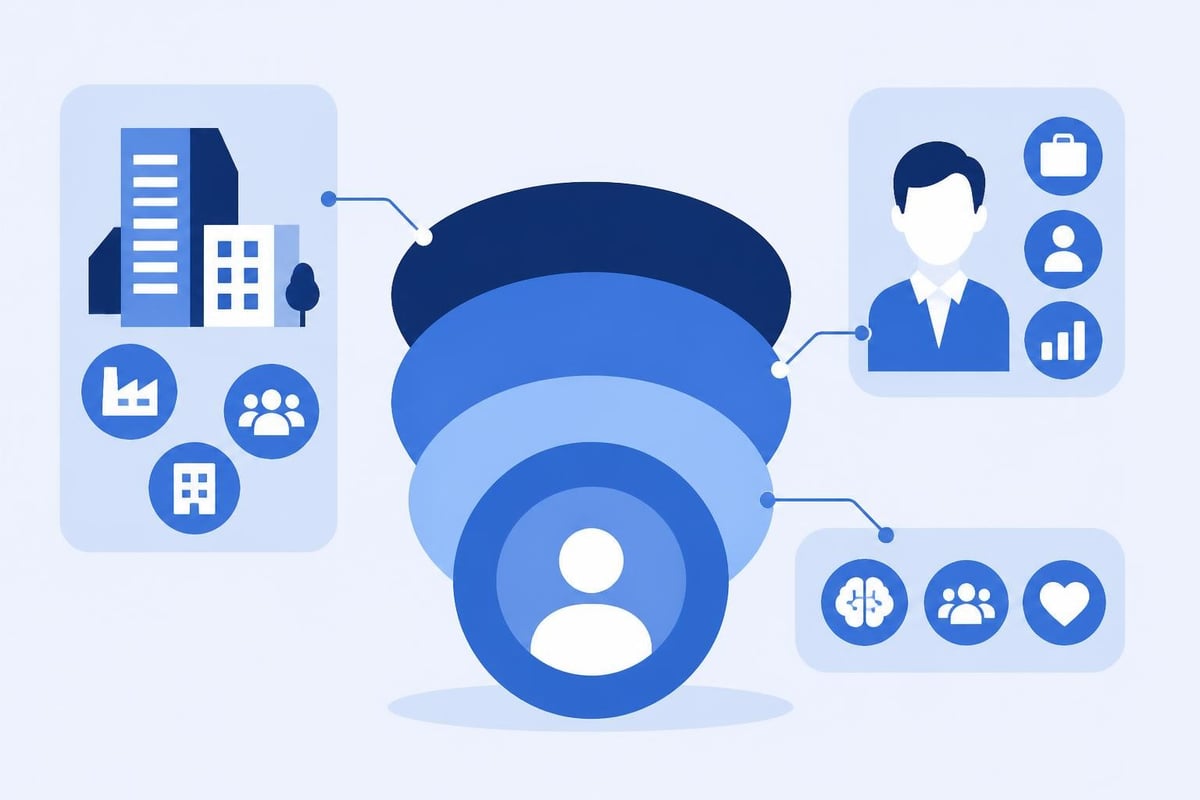
Matched Audiences represents one of the platform's most powerful features, enabling marketers to upload customer lists, target specific companies, and create lookalike audiences. This capability transforms linkedin campaign manager from a prospecting tool into a full-funnel marketing platform. You can retarget website visitors who didn't convert, suppress existing customers from acquisition campaigns, or build expansion lists that mirror your best accounts.
Building Effective Audience Combinations
The art of LinkedIn targeting lies in balancing precision with scale. Too narrow, and your campaigns struggle to exit the learning phase and achieve efficient delivery. Too broad, and you waste budget on irrelevant audiences. Most successful campaigns combine three to five targeting criteria, creating audiences between 50,000 and 500,000 members.
- Job function + seniority + industry creates focused audiences for specialized products
- Company size + industry + geography works well for regional or market-specific campaigns
- Skills + groups + interests targets practitioners with specific expertise
- Account targeting + job function enables ABM strategies at scale
Testing different audience combinations systematically reveals which targeting criteria correlate with conversion rates and cost efficiency. The linkedin campaign manager's forecasting tool provides reach estimates for each audience configuration, helping marketers strike the right balance before launching campaigns.
Creative Formats and Ad Specifications
The linkedin campaign manager supports multiple ad formats, each serving different strategic purposes and user contexts. Single image ads remain the workhorse format for most campaigns, offering straightforward creative requirements and broad compatibility across placements. These ads appear in the LinkedIn feed alongside organic content, making native, value-driven creative essential for performance.
| Format | Best Use Case | Key Specifications | Engagement Pattern |
|---|---|---|---|
| Single Image | Thought leadership, content promotion | 1200×627 px, max 5MB | Moderate CTR, broad reach |
| Carousel | Product features, case studies | 1080×1080 px, 2-10 cards | High engagement, storytelling |
| Video | Brand building, product demos | 1920×1080 px, max 200MB | High view-through, awareness |
| Text Ads | Retargeting, budget-conscious | 100×100 px logo | Lower CTR, lowest CPM |
| Conversation Ads | Multi-step nurture, event registration | Message-based format | High conversion, complex journeys |
| Lead Gen Forms | Demand generation, content downloads | Native form, pre-filled | Highest conversion rate |
Video ads have gained significant traction in 2026, with the platform's algorithm favoring video content in feed rankings. However, LinkedIn users consume video differently than on entertainment platforms. Successful video ads on LinkedIn deliver value quickly, use captions for sound-off viewing, and include clear calls to action within the first five seconds.
Optimizing Creative for Professional Audiences
LinkedIn's audience expects content that respects their intelligence and professional context. The most effective ads in linkedin campaign manager avoid overtly promotional messaging in favor of educational value, industry insights, or peer recognition. Creative that performs well typically features real people, authentic business scenarios, and messaging that addresses specific professional challenges.
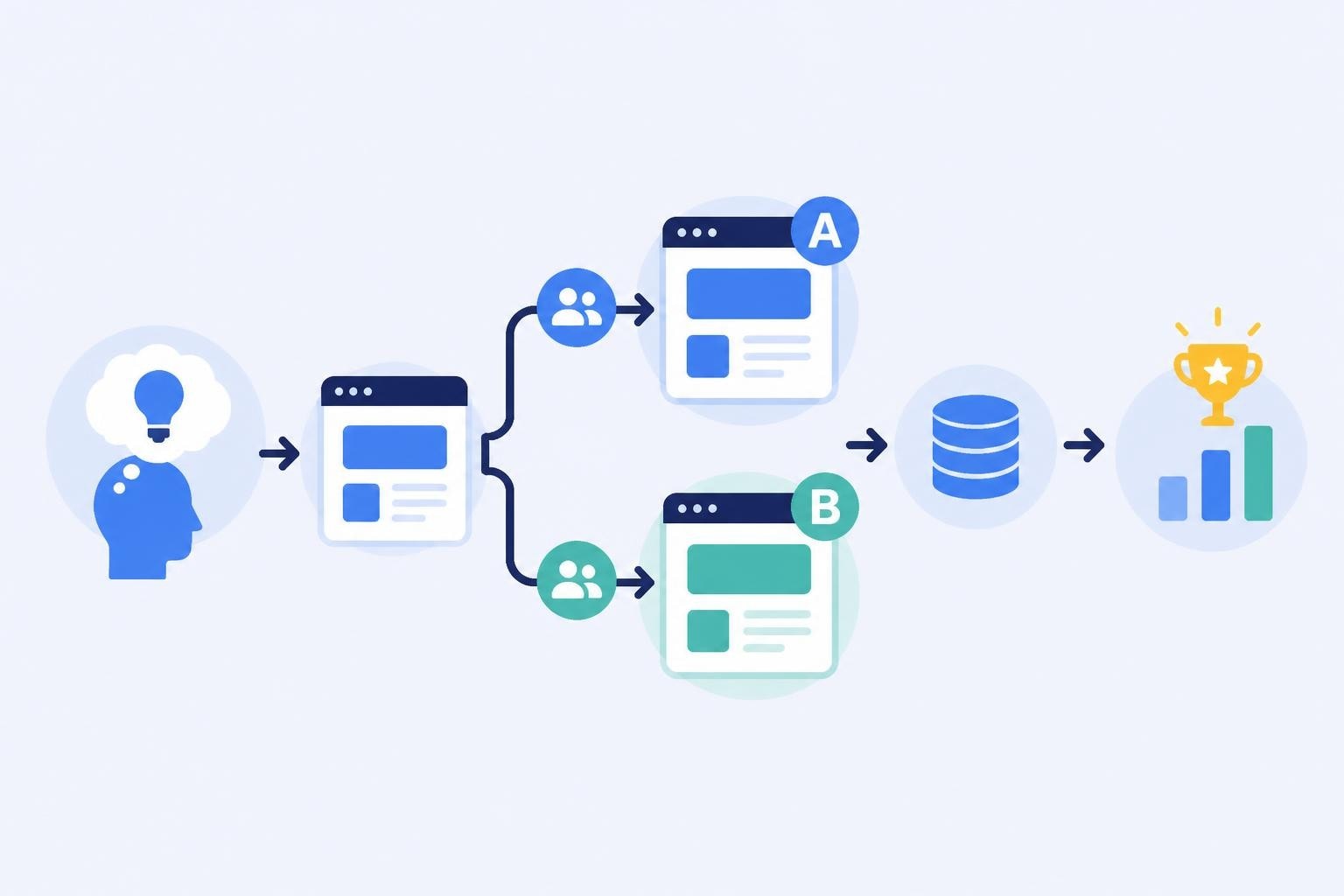
Testing creative variations systematically improves performance over time. Most successful advertisers rotate three to five creative variations per audience segment, letting the platform's optimization algorithms identify winning combinations. Creative fatigue sets in faster on LinkedIn than on entertainment platforms, typically within 30-45 days for the same audience, making regular creative refreshes essential.
Conversion Tracking and Measurement Infrastructure
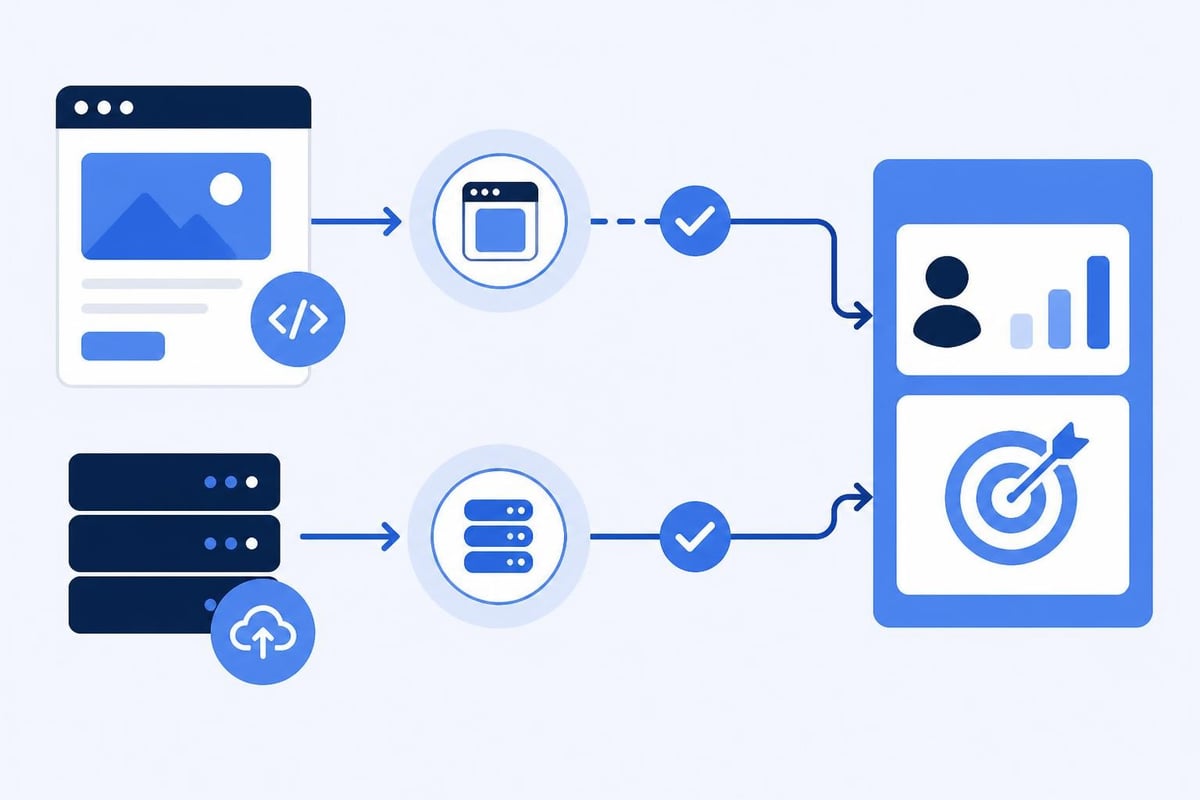
Accurate measurement separates strategic advertising from guesswork, and the linkedin campaign manager provides multiple approaches to conversion tracking. The LinkedIn Insight Tag serves as the foundation, a JavaScript pixel placed on your website that tracks visitors, enables retargeting, and attributes conversions to LinkedIn campaigns. Installing this tag correctly ensures you can measure downstream actions beyond platform engagement.
For marketers who need more sophisticated attribution or want to bypass browser-based tracking limitations, the LinkedIn Conversions API offers server-side tracking that improves data accuracy and privacy compliance. This approach sends conversion events directly from your server to LinkedIn, bypassing browser restrictions and providing more reliable measurement as third-party cookies continue to phase out.
Setting up conversion tracking requires defining which actions matter to your business. LinkedIn allows you to track multiple conversion types-form submissions, content downloads, demo requests, purchases-and assign different values to each. This flexibility enables sophisticated ROI analysis and campaign optimization based on actual business value rather than vanity metrics.
Attribution Models and Reporting Dimensions
The linkedin campaign manager supports multiple attribution models, each telling a different story about campaign influence. Last-touch attribution credits the final interaction before conversion, while first-touch attributes success to the initial touchpoint. LinkedIn's default 30-day click and 1-day view attribution windows capture most B2B buyer journeys, though complex sales cycles may require custom attribution analysis outside the platform.
Demographic reporting reveals which job functions, seniorities, and industries drive the best results, informing both targeting refinement and product positioning. Company reporting identifies high-performing organizations, enabling sales teams to prioritize accounts showing advertising engagement. These insights transform the linkedin campaign manager from a media buying tool into a market intelligence platform.
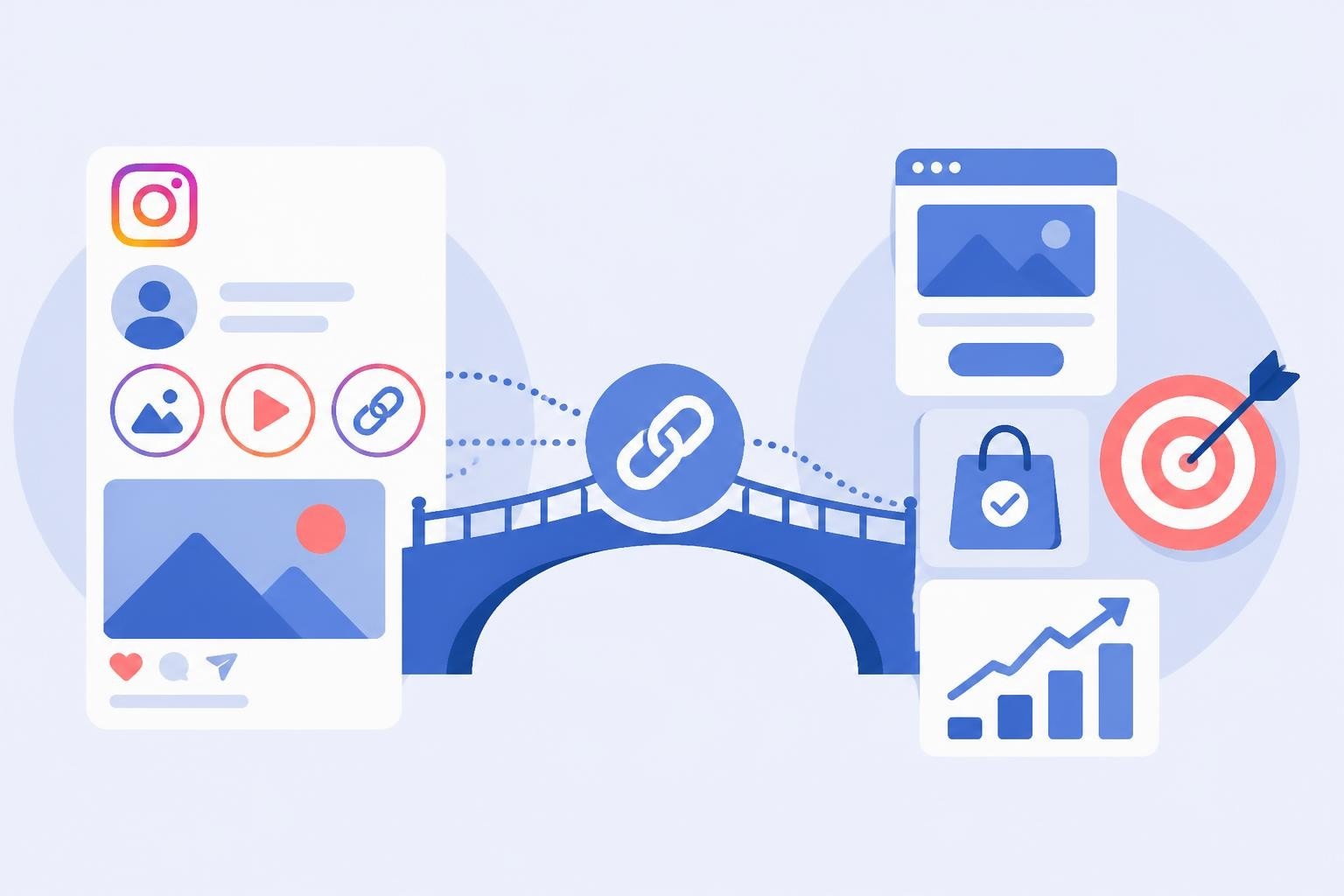
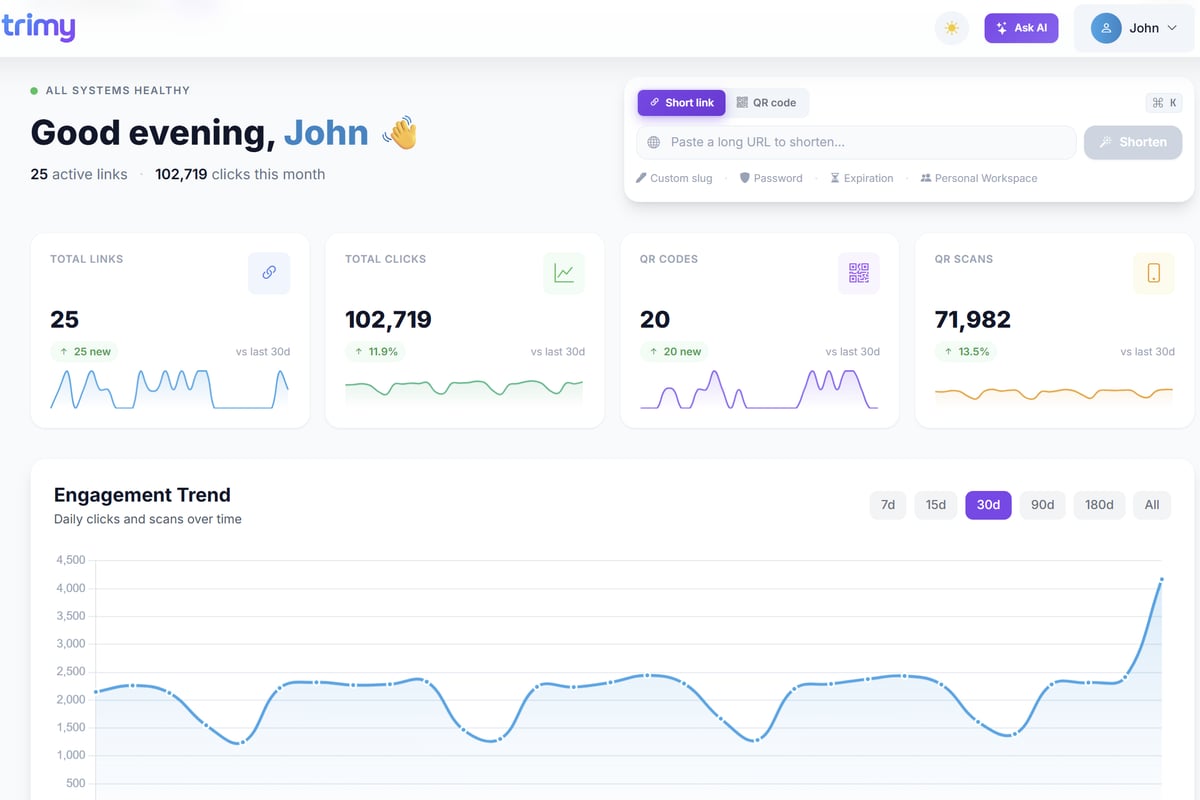
Many marketers enhance LinkedIn's native reporting with third-party analytics and CRM integration. By passing campaign, ad, and audience parameters through UTM tags in destination URLs, you can analyze LinkedIn traffic behavior in Google Analytics, compare performance against other channels, and track full-funnel progression. For organizations managing multiple links and campaigns, tools like Trimy centralize link management, provide advanced A/B testing for landing pages, and offer deep analytics that complement Campaign Manager's native reporting.
Budget Management and Bidding Strategies
LinkedIn advertising typically commands higher CPMs than other social platforms, reflecting the platform's professional audience and B2B focus. Understanding how the linkedin campaign manager's bidding system works helps marketers maximize results within budget constraints. The platform offers three primary bidding strategies: maximum delivery (automated bid), cost cap, and manual bidding.
Maximum delivery lets LinkedIn's algorithm adjust bids automatically to spend your budget and achieve the best results at scale. This approach works well for campaigns with sufficient conversion data for the algorithm to optimize effectively. Cost cap bidding sets a target cost per result, giving the algorithm room to exceed the cap if doing so improves overall efficiency. Manual bidding provides complete control but requires constant monitoring and adjustment.
- Start with maximum delivery to establish performance baselines
- Monitor cost per result metrics for 7-14 days during learning phase
- Switch to cost cap bidding once stable performance emerges
- Set cost caps 10-15% below observed CPA to drive efficiency
- Reserve manual bidding for sophisticated campaigns with clear bid value curves
The learning phase affects campaign performance significantly. When you launch a new campaign or make major changes, linkedin campaign manager enters a learning period where the algorithm explores which users respond best to your ads. Performance stabilizes after approximately 50 conversions or 30 days, whichever comes first. Frequent changes restart this learning phase, so patience and strategic restraint often outperform constant tinkering.
Daily Budgets vs. Lifetime Budgets
Campaign Manager offers both daily and lifetime budget options, each suited to different campaign strategies. Daily budgets provide consistent spend pacing and work well for always-on programs or time-sensitive promotions where you need guaranteed daily exposure. Lifetime budgets give the algorithm more flexibility to capitalize on high-performance days, potentially improving overall efficiency.
Most experienced advertisers use daily budgets for brand awareness campaigns where consistent exposure matters and lifetime budgets for conversion campaigns where the algorithm benefits from pacing flexibility. Setting minimum daily budgets at least 10x your target cost per click ensures sufficient auction participation and prevents delivery throttling.
API Integration and Automation Workflows
As marketing teams scale their linkedin campaign manager operations, manual campaign management becomes unsustainable. The LinkedIn Marketing APIs enable programmatic campaign creation, automated reporting, and sophisticated optimization workflows that would be impossible through the web interface alone. These APIs provide endpoints for campaign management, lead retrieval, conversion tracking, and analytics aggregation.
Campaign creation APIs allow marketing operations teams to build templates that ensure brand consistency, proper tracking implementation, and naming convention compliance across hundreds of campaigns. When launching new products, entering new markets, or running seasonal promotions, API-driven campaign generation scales operations that would otherwise require armies of media buyers.
Reporting APIs extract campaign data for analysis in business intelligence tools, custom dashboards, or integrated marketing platforms. Rather than manually downloading CSV exports and reformatting data, automated reporting pipelines deliver fresh performance metrics to decision-makers daily. This infrastructure supports data-driven optimization at a pace manual processes cannot match.
Building Sustainable Automation
Successful API integration balances automation's efficiency with marketing's need for strategic control. The most effective implementations automate repetitive tasks-campaign setup, budget pacing adjustments, basic optimizations-while preserving human oversight for strategic decisions like audience selection, creative direction, and budget allocation across initiatives.
- Automated budget reallocation shifts spend from low-performing campaigns to high-performers
- Bid adjustment algorithms respond to conversion rate changes faster than manual monitoring
- Anomaly detection alerts teams to sudden performance shifts requiring investigation
- Lead sync automation delivers LinkedIn leads to CRM systems within minutes of submission
Organizations like MDO Digital help businesses build these marketing systems, creating automation infrastructure that removes operational chaos while maintaining strategic control. Their expertise in CRM integration and data-driven marketing ensures linkedin campaign manager data flows seamlessly into broader marketing and sales workflows.
Emerging Trends Shaping LinkedIn Advertising in 2026
The advertising landscape continues evolving rapidly, and linkedin campaign manager reflects broader industry shifts toward privacy-first measurement, artificial intelligence, and integrated customer experiences. Understanding these trends helps marketers prepare for changes that will shape platform capabilities and advertising best practices over the coming years.
Privacy regulations and cookie deprecation drive increasing adoption of server-side tracking and first-party data strategies. The technical implementation of Conversions API represents this shift, moving measurement infrastructure from client-side pixels vulnerable to ad blockers and privacy settings to server-based systems that respect user privacy while maintaining advertiser measurement needs.
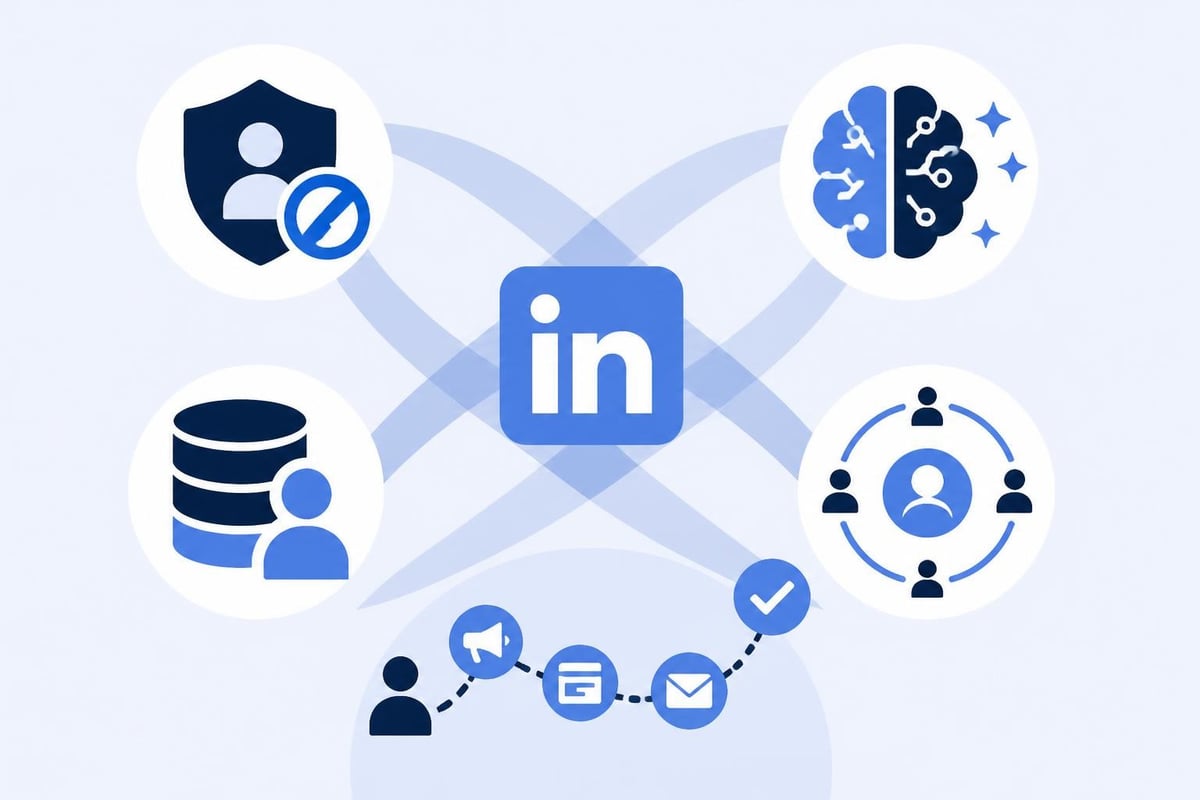
AI-powered creative optimization leverages machine learning to test variations at scale, identifying winning combinations of headlines, images, and calls to action faster than human-driven testing programs. The linkedin campaign manager increasingly automates creative assembly and variation testing, though human strategy and brand judgment remain essential for maintaining message quality and strategic coherence.
The B2B Measurement Challenge
B2B buyer journeys complicate attribution modeling, with multiple stakeholders, extended decision timelines, and offline interactions that platform analytics cannot fully capture. Industry bodies like the IAB continue developing measurement standards and frameworks that help marketers navigate these complexities, balancing the need for actionable data with realistic acknowledgment of measurement limitations.
Forward-thinking organizations supplement linkedin campaign manager reporting with multi-touch attribution platforms, CRM analysis, and sales pipeline tracking. This holistic view reveals how LinkedIn advertising influences earlier-stage awareness and consideration, even when other channels receive last-touch credit for conversions. Understanding LinkedIn's role across the full buyer journey-not just final conversion-justifies appropriate investment and prevents premature campaign cancellation based on incomplete data.
Practical Implementation: Running Your First Campaign
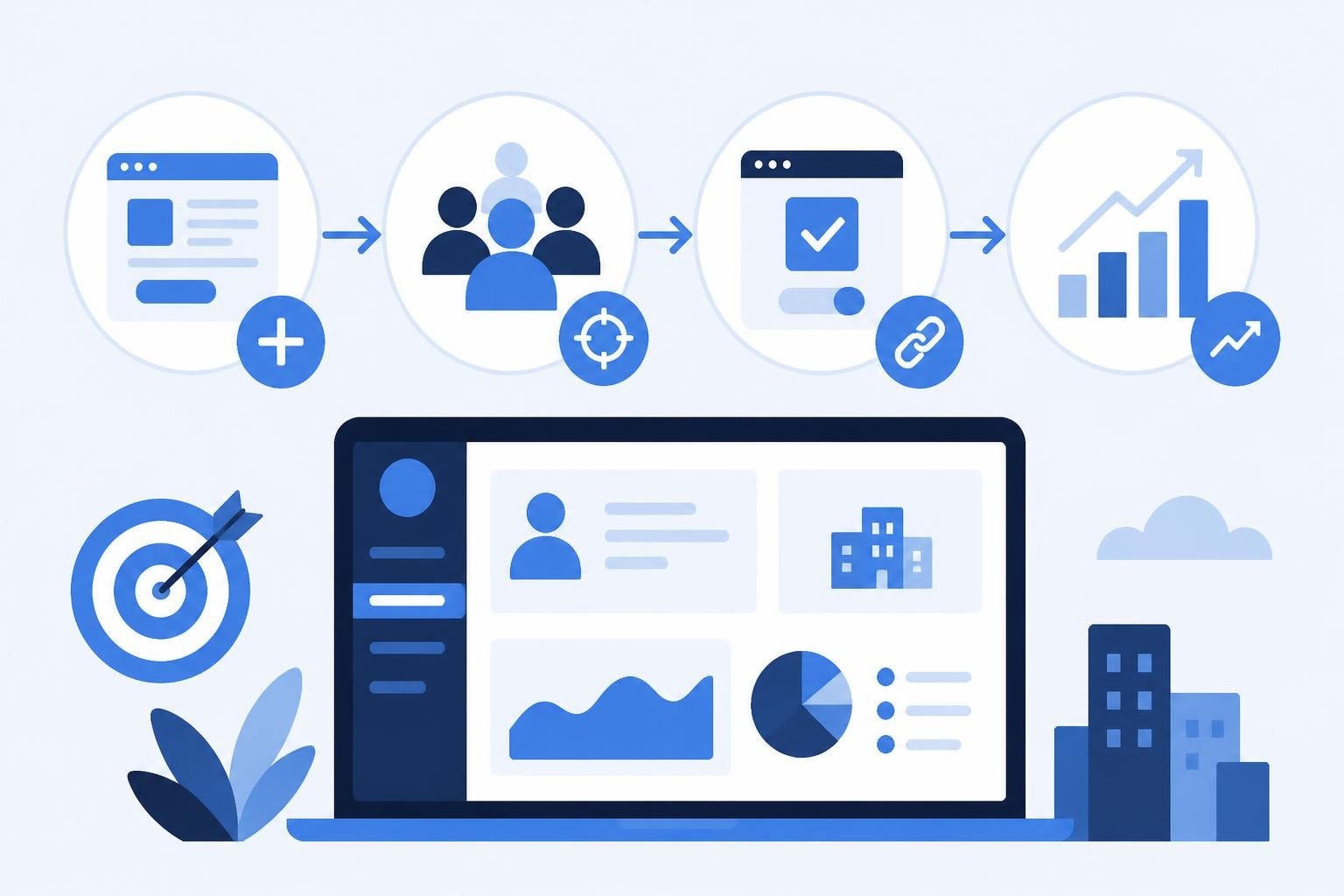
Setting up effective LinkedIn campaigns requires systematic planning and execution. The linkedin campaign manager workflow guides advertisers through essential decisions, but understanding the strategic implications of each choice separates successful campaigns from wasted budget.
Start with clear objective definition. What specific business outcome justifies this advertising investment? Clear objectives drive every subsequent decision-targeting criteria, ad format selection, budget allocation, and success metrics. Vague goals like "increase awareness" lead to campaigns that spend budget without delivering measurable value.
Build audiences deliberately. Resist the temptation to target everyone who might be interested. Focused audiences enable more relevant messaging, higher engagement rates, and better conversion efficiency. Use Matched Audiences to retarget engaged users and suppress converted customers, ensuring budget focuses on genuine prospects.
Campaign Structure Best Practices
Well-structured campaigns simplify optimization and improve performance transparency. Create separate campaigns for different products, audiences, or objectives rather than combining everything into single mega-campaigns. This granularity reveals which initiatives drive results and which need adjustment.
| Structural Element | Recommendation | Rationale |
|---|---|---|
| Campaigns | One per objective + audience combination | Enables clean performance comparison |
| Ads per campaign | 3-5 creative variations | Sufficient testing without dilution |
| Audiences | 50,000-500,000 members | Balance between precision and scale |
| Budget minimum | $100/day per campaign | Ensures exit from learning phase |
| Testing duration | 30 days before major changes | Allows statistical significance |
Create compelling, value-driven ads. LinkedIn users scroll feeds during work hours, seeking professional value rather than entertainment. Ads that educate, inform, or solve problems outperform promotional messaging. Lead with benefits, use social proof, and respect the professional context.
Monitor performance actively during launch. The first 48 hours reveal delivery issues, targeting misconfigurations, or creative problems. Check that campaigns spend budget, ads deliver impressions, and early engagement signals align with expectations. Catching issues early prevents wasted spend and accelerates learning.
Building social media presence often complements LinkedIn advertising efforts, creating organic visibility that reinforces paid messages. Platforms like Viewpals help creators and brands scale their social presence across multiple channels, ensuring coordinated growth strategies. Similarly, services like Ads4u.co offer social media engagement solutions for diverse platforms, supporting integrated digital marketing approaches.
Optimization Frameworks for Sustained Performance
Initial campaign launch represents just the beginning. Sustained linkedin campaign manager success requires systematic optimization, continuous testing, and strategic refinement based on performance data. The most successful advertisers establish regular review cycles that balance responsive adjustments with strategic patience.
Weekly reviews focus on tactical optimizations-pausing underperforming ads, increasing budgets for top performers, and identifying emerging issues. These sessions keep campaigns healthy without triggering constant learning phase resets. Review impression delivery, click-through rates, and cost per result metrics, looking for week-over-week trends rather than day-to-day noise.
Monthly strategic reviews examine broader patterns and inform larger decisions. Analyze which audiences consistently outperform, identify creative themes that resonate, and assess channel-level ROI. These reviews drive decisions about budget reallocation across campaigns, new audience testing priorities, and creative refresh schedules.
- Establish performance benchmarks from initial campaigns
- Define threshold metrics that trigger action (CPA exceeds target by 20%)
- Test one variable at a time to isolate impact
- Document changes and results for institutional learning
- Share insights across teams to compound knowledge
Quarterly planning cycles connect linkedin campaign manager performance to broader business objectives. Review how LinkedIn contributes to pipeline generation, evaluate budget efficiency against other channels, and plan strategic initiatives for the coming quarter. This altitude prevents optimization myopia where tactical improvements obscure strategic misalignment.
The optimization process never truly ends. Audience behavior shifts, competitive dynamics evolve, and platform algorithms change. Maintaining performance requires treating linkedin campaign manager as a dynamic system requiring continuous learning and adaptation rather than a set-it-and-forget-it tool.
Mastering linkedin campaign manager transforms LinkedIn from a networking platform into a predictable lead generation engine, providing access to professional audiences impossible to reach through other channels. The combination of sophisticated targeting, conversion tracking infrastructure, and systematic optimization creates advertising programs that scale with business growth. As you implement these strategies, remember that link intelligence plays a crucial role in campaign success-every click represents valuable data about audience behavior and campaign performance. Trimy helps marketers maximize that intelligence through advanced analytics, A/B testing, and smart routing that transforms campaign links into revenue signals, ensuring every advertising dollar delivers measurable impact and actionable insights.