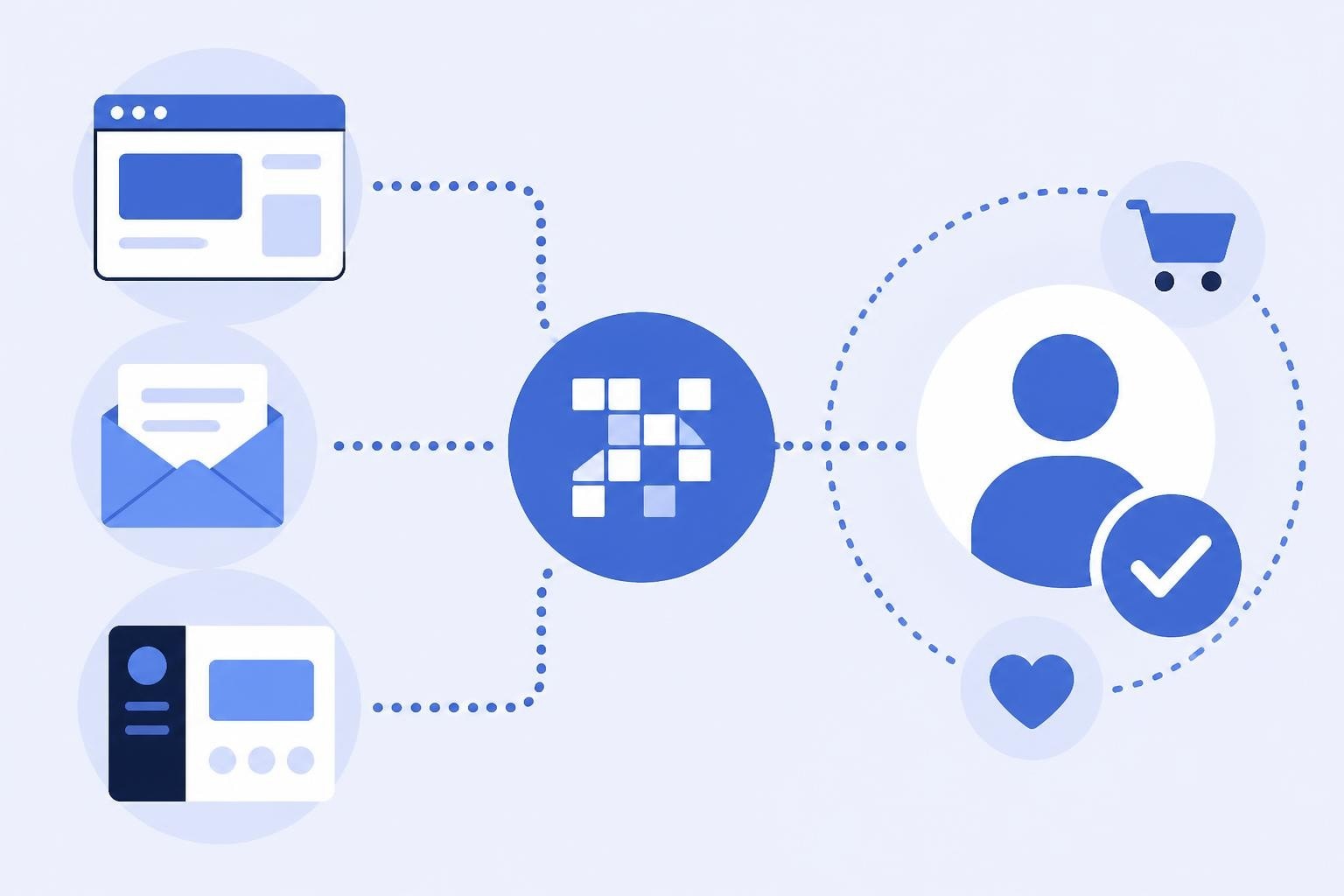
QR Code Analytics: Tracking Performance & Data Insights
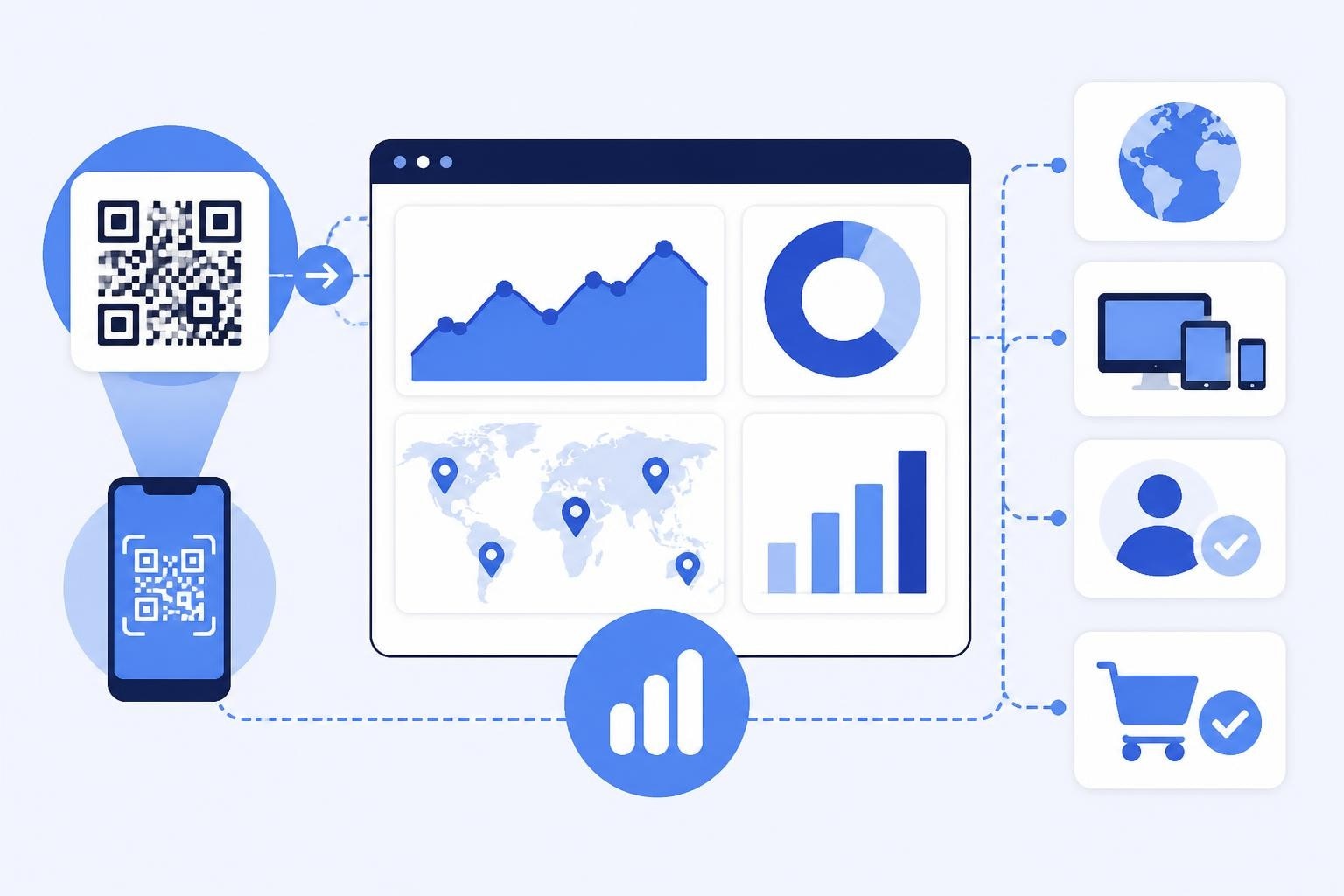
The resurgence of QR codes has transformed them from a novelty into a critical marketing tool. As businesses deploy QR codes across packaging, advertisements, event materials, and digital platforms, understanding their performance becomes essential. QR code analytics provides the infrastructure to track, measure, and optimize these two-dimensional barcodes, turning simple scans into actionable intelligence. This data-driven approach enables marketers and developers to understand user behavior, measure campaign effectiveness, and refine strategies based on concrete evidence rather than assumptions.
Understanding QR Code Analytics Fundamentals
QR code analytics refers to the collection, measurement, and analysis of data generated when users scan QR codes. Unlike traditional static QR codes that simply encode information, dynamic QR codes enable comprehensive tracking capabilities. These codes function as trackable links, capturing detailed information about each scan event.
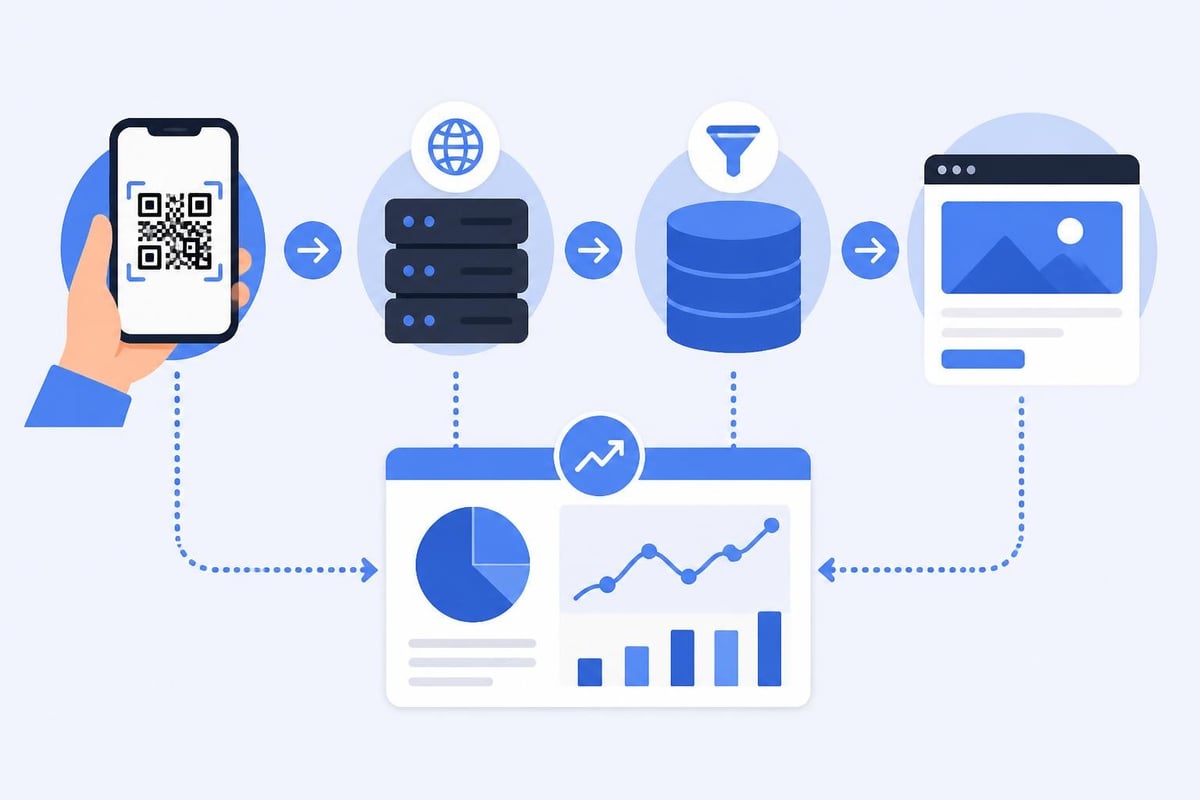
The analytics infrastructure operates through redirect mechanisms. When a user scans a dynamic QR code, the request first routes through an analytics server before directing to the final destination. This intermediary step allows the system to capture critical data points without degrading user experience.
Key Metrics in QR Code Analytics
Performance measurement relies on several fundamental metrics that reveal campaign effectiveness:
- Total scans: The aggregate number of times users have scanned the code
- Unique scans: Distinct users who scanned the code, eliminating duplicate counts
- Scan location: Geographic data showing where scans occurred
- Time and date: Temporal patterns revealing when engagement peaks
- Device type: Information about whether users scanned with iOS, Android, or other platforms
- Operating system versions: Specific OS details that inform compatibility decisions
Beyond basic metrics, advanced qr code analytics tracks conversion events, session duration, and downstream actions users take after scanning. This deeper intelligence connects QR code interactions to business outcomes like purchases, sign-ups, or content engagement.
Implementation Strategies for Tracking QR Codes
Deploying effective qr code analytics requires strategic planning and proper technical setup. The implementation process begins with selecting the right platform and tools to generate trackable codes.
Dynamic QR code generators integrate analytics capabilities directly into the code creation process. These platforms assign unique identifiers to each code, enabling granular tracking across multiple campaigns. When planning implementation, consider these essential steps:
- Define tracking objectives: Establish what success looks like for your campaign
- Create dynamic QR codes: Generate codes with built-in tracking parameters
- Add UTM parameters: Include campaign tracking codes for integration with analytics platforms
- Test thoroughly: Verify that codes scan correctly and tracking fires properly
- Deploy strategically: Place codes where your target audience will encounter them
- Monitor continuously: Review data regularly to identify trends and opportunities
Integration with Analytics Platforms
Tracking QR codes using Google Analytics requires configuring campaign parameters that flow into your analytics dashboard. UTM parameters serve as the bridge between QR code scans and your broader analytics ecosystem. These parameters should include source, medium, campaign name, and content identifiers that distinguish different QR code placements.
The integration process extends beyond Google Analytics. Modern qr code analytics platforms connect with customer relationship management systems, marketing automation tools, and business intelligence dashboards. This interconnected approach ensures scan data enriches your complete customer understanding rather than existing in isolation.
| Integration Type | Primary Benefit | Common Use Case |
|---|---|---|
| Google Analytics | Website behavior tracking | Content campaigns |
| CRM Systems | Lead attribution | Sales enablement |
| Email Platforms | Campaign performance | Newsletter promotions |
| Social Media | Engagement metrics | Event marketing |
Advanced Analytics Capabilities
Modern qr code analytics extends far beyond simple scan counts. Advanced platforms provide sophisticated features that transform QR codes into powerful marketing instruments.
A/B Testing and Optimization
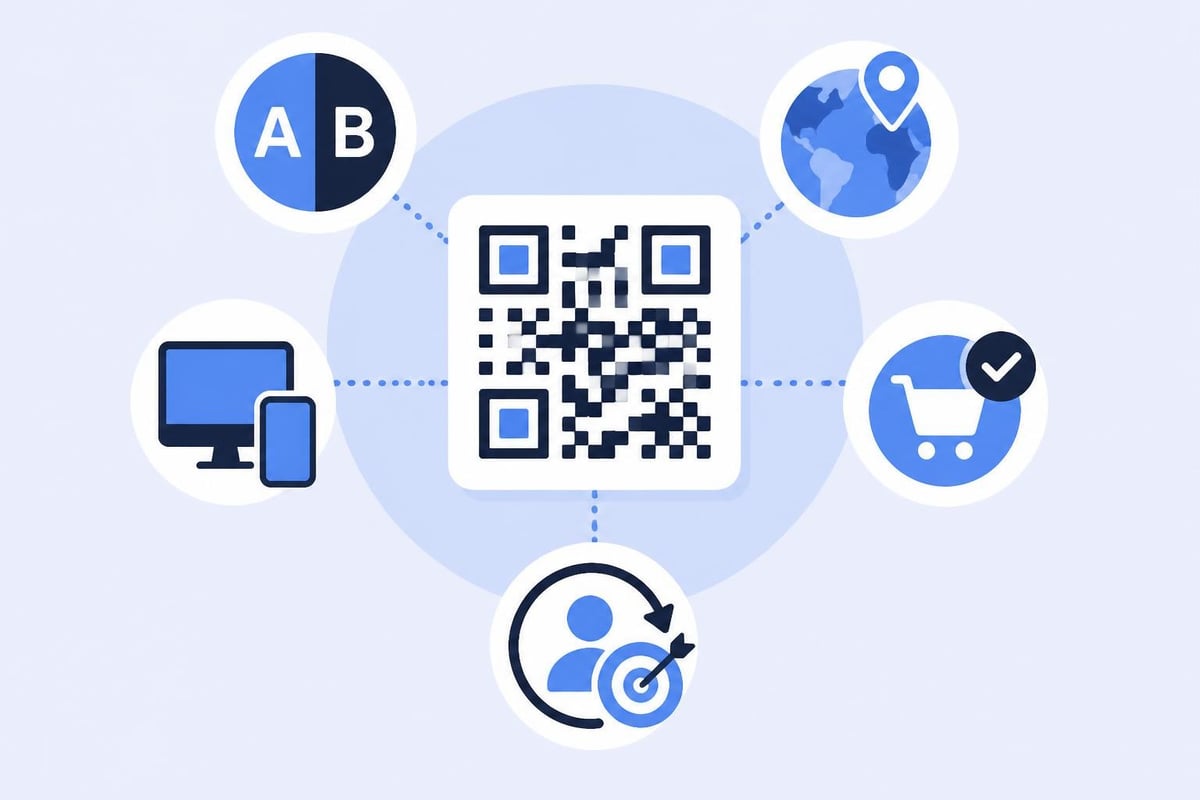
Split testing capabilities allow marketers to direct QR code scans to different destinations based on predetermined rules. This functionality enables comparison of landing page designs, offer variations, or content approaches. By analyzing conversion rates across test groups, teams can identify the most effective strategies.
For example, a product launch campaign might test two different promotional messages. Half of scanners see offer A while the remaining half see offer B. The analytics platform tracks which variant drives more conversions, informing future campaign decisions.
Smart Routing and Personalization
Intelligent qr code analytics platforms enable dynamic destination routing based on user attributes. The system can direct users to different experiences based on factors like geographic location, device type, time of day, or previous interaction history. A restaurant chain might route scans to location-specific menus, while a software company directs iOS users to the App Store and Android users to Google Play.
Attribution and Multi-Touch Analysis
Understanding the customer journey requires connecting QR code interactions to broader marketing touchpoints. Advanced analytics platforms track how QR code scans fit within multi-channel campaigns. Did the user previously visit your website? Have they engaged with email campaigns? This attribution intelligence reveals the true value of QR code initiatives.
The challenge of QR code phishing attacks underscores the importance of security within analytics platforms. Robust systems include verification mechanisms to protect users while maintaining comprehensive tracking capabilities.
Privacy, Security, and Compliance Considerations
As qr code analytics collects user data, privacy and security obligations become paramount. Organizations must balance analytics depth with user privacy rights and regulatory requirements.
Data Protection Frameworks
Compliance with regulations like GDPR, CCPA, and similar frameworks requires transparent data handling practices. Users should understand what information you collect when they scan QR codes. Privacy policies must explicitly address QR code tracking, and where required, obtain user consent before collecting personal data.
Anonymization techniques help organizations gather meaningful insights while protecting individual privacy. Aggregating data, removing personally identifiable information, and implementing data retention policies all contribute to responsible analytics practices.
Security Best Practices
Research on QR code phishing effectiveness demonstrates how malicious actors exploit QR codes for "quishing" attacks. Organizations implementing qr code analytics must protect users from fraudulent codes while maintaining tracking capabilities. Security measures include:
- SSL encryption for all data transmission
- Regular security audits of analytics platforms
- User education about legitimate QR code sources
- Visual indicators that distinguish official codes
- Monitoring systems that detect suspicious scanning patterns
Practical Applications Across Industries
QR code analytics delivers value across diverse sectors, each leveraging tracking data to achieve specific objectives.
Retail and E-Commerce
Physical retailers use qr code analytics to bridge offline and online experiences. Product packaging featuring QR codes enables tracking of customer interest, measuring which products generate the most engagement. Analytics reveal whether customers scan codes in-store or at home, informing inventory and marketing decisions.
E-commerce businesses deploy QR codes in shipment packaging to drive reviews, encourage repeat purchases, or provide product care information. Tracking these interactions helps optimize post-purchase engagement strategies.
Event Management and Hospitality
Event organizers leverage qr code analytics for attendee tracking, session attendance, and engagement measurement. Each attendee receives a unique code that serves as their event credential. Scanning at various touchpoints creates a comprehensive picture of attendee behavior and preferences.
Restaurants and hospitality venues use QR codes for contactless menus, ordering systems, and feedback collection. Analytics from these interactions inform menu optimization, service improvements, and operational decisions.
Healthcare and Pharmaceutical
Healthcare organizations implement QR codes for patient education, medication information, and appointment scheduling. Analytics help understand which resources patients access most frequently, enabling targeted improvements to educational content.
Pharmaceutical companies use qr code analytics for medication tracking, ensuring patients access current prescribing information while measuring engagement with patient resources.
Choosing the Right Analytics Platform
Selecting an appropriate qr code analytics platform requires evaluating capabilities against business requirements. Not all solutions offer equivalent functionality, and the right choice depends on your specific use cases.
Essential Platform Features
| Feature | Why It Matters | Questions to Ask |
|---|---|---|
| Real-time reporting | Immediate campaign adjustments | How quickly does data update? |
| Custom domains | Brand consistency and trust | Can I use my own domain? |
| API access | Integration flexibility | What endpoints are available? |
| Data export | Long-term analysis | What formats are supported? |
| Multi-user access | Team collaboration | How is access controlled? |
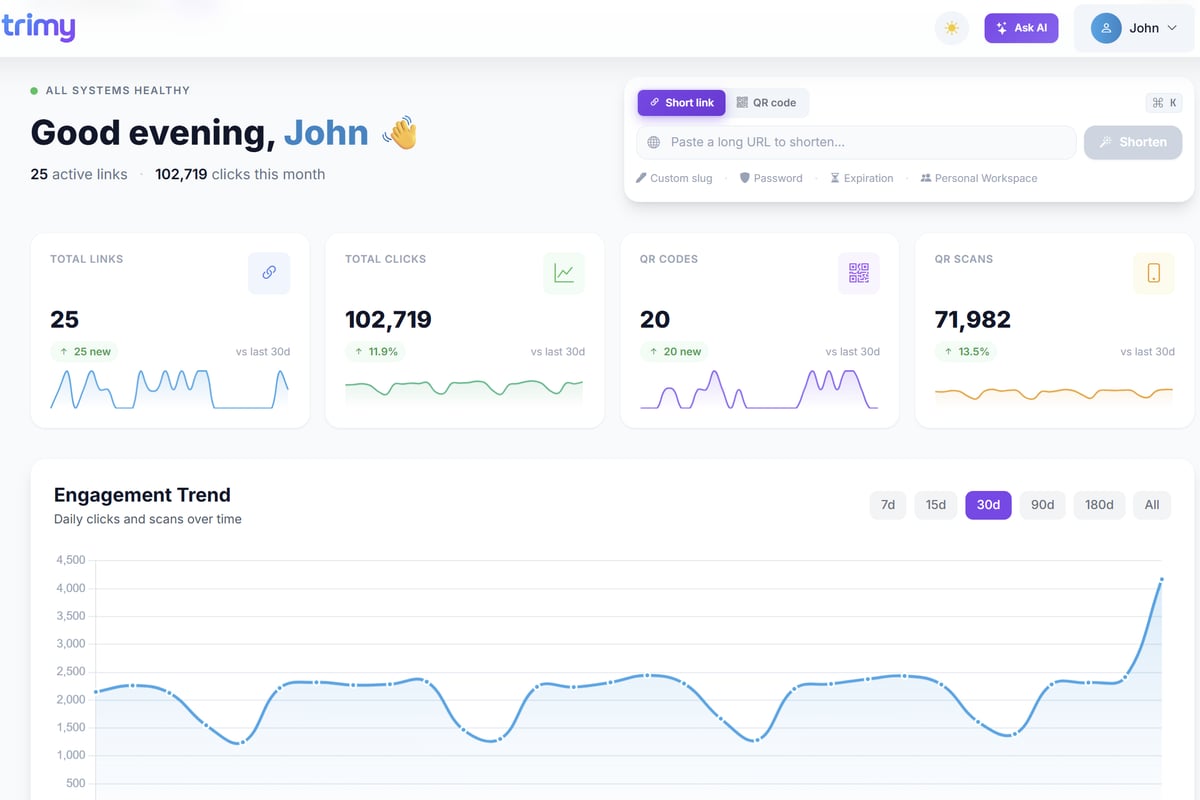
Platforms designed for marketers and developers should provide comprehensive APIs that enable custom integrations and automated workflows. Trimy combines URL shortening with advanced analytics, A/B testing, and smart routing capabilities, transforming links and QR codes into intelligence assets. The platform offers retargeting pixel integration, custom branded domains, and UTM campaign management within a unified dashboard built for businesses requiring complete control over traffic data.
Pricing and Scalability Considerations
Cost structures vary significantly across qr code analytics platforms. Some charge per code, others per scan, and some use subscription models with tiered features. Evaluate pricing against your expected volume and required features.
Scalability ensures the platform grows with your needs. A solution that works for hundreds of scans monthly may falter at thousands or millions. Review platform specifications for volume limits, performance guarantees, and upgrade paths.
Optimizing Campaign Performance with Analytics Data
Collecting qr code analytics data creates value only when translated into action. Systematic analysis and optimization processes turn raw numbers into improved outcomes.
Identifying Performance Patterns
Regular review of analytics dashboards reveals trends that inform strategic decisions. Look for:
- Peak scanning times that suggest optimal campaign scheduling
- Geographic hotspots indicating market opportunities
- Device preferences that guide mobile optimization
- Drop-off points where users abandon the experience
- High-performing placements worthy of expansion
These patterns become more apparent over time as data accumulates. Establish review cadences that match campaign timelines, examining data weekly for active campaigns and monthly for ongoing initiatives.
Iterative Improvement Cycles
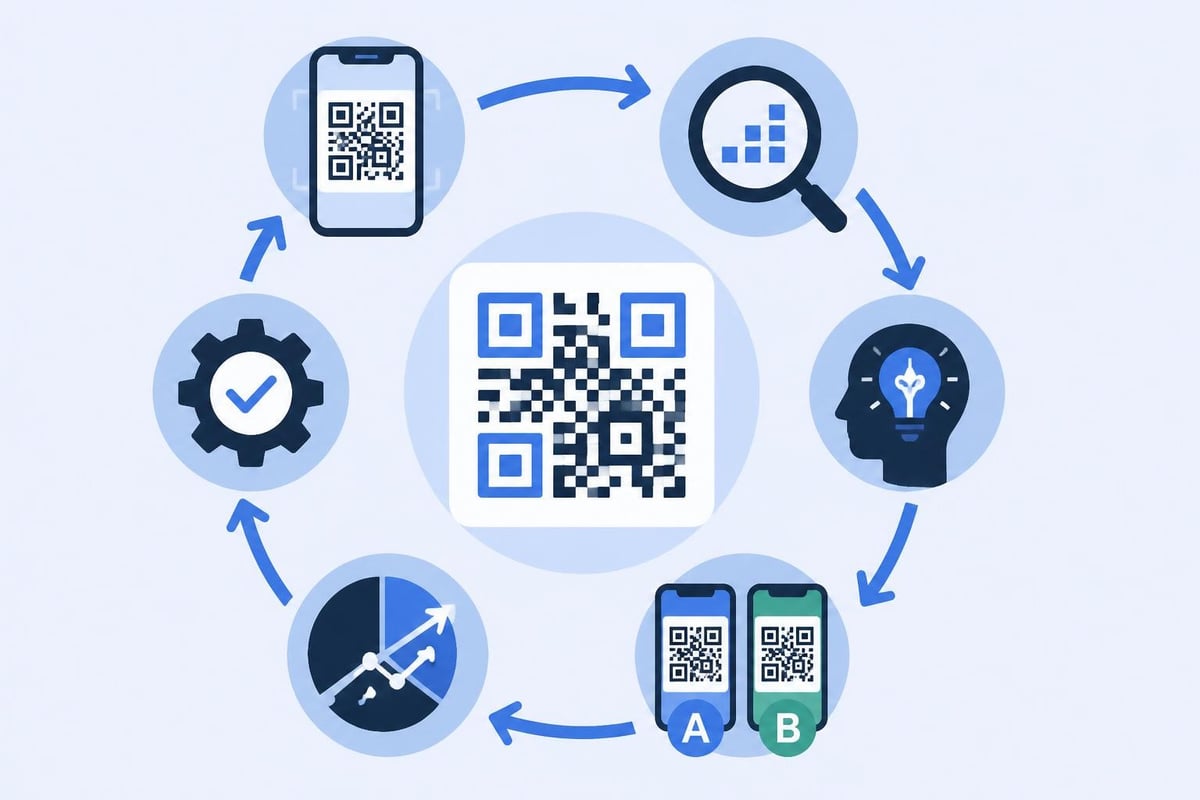
Optimization follows a continuous cycle of hypothesis, testing, measurement, and refinement. When analytics reveal underperforming elements, develop specific hypotheses about improvements. Design tests that isolate variables, measure results rigorously, and implement successful changes broadly.
For instance, if QR codes on product packaging show low scan rates, hypothesize that size, placement, or accompanying text requires adjustment. Test variations systematically, measuring scan rate changes. Apply winning approaches across your product line.
Future Trends in QR Code Analytics
The qr code analytics landscape continues evolving as technology advances and user expectations shift. Several emerging trends will shape how organizations leverage QR code tracking.
Enhanced Visual Design Capabilities
Research into stylized QR codes demonstrates methods for creating visually appealing codes that maintain scanning reliability. As design techniques advance, analytics platforms will need to track performance across varied visual approaches, helping marketers understand whether customized designs improve or hinder scan rates.
Miniaturization and New Applications
Breakthroughs in QR code miniaturization open possibilities for embedding codes in previously impossible contexts. As QR codes appear in new environments, analytics platforms must adapt to track these novel use cases while maintaining accuracy.
Improved Mobile Experiences
Updates to native QR code scanners on platforms like Android enhance user experience by providing additional actions directly from the scanner interface. Analytics platforms must account for these evolving interaction patterns to maintain accurate tracking.
Executable QR Codes
Specifications for executable QR codes introduce possibilities for codes that trigger specific actions rather than simply linking to URLs. As these capabilities mature, qr code analytics will expand to track not just scans but the execution of embedded functions and their outcomes.
Measuring Return on Investment
Ultimately, qr code analytics must demonstrate business value through measurable ROI. Connecting scan data to revenue outcomes validates QR code investments and justifies continued deployment.
Attribution Modeling
Assign appropriate credit to QR code touchpoints within the customer journey. First-touch attribution credits QR codes for initiating customer relationships, while last-touch attribution recognizes them for closing conversions. Multi-touch models distribute credit across all interactions, providing balanced perspective on QR code contributions.
Calculate cost per acquisition by dividing QR code campaign costs by the number of conversions generated. Compare this metric against other marketing channels to assess relative efficiency.
Lifetime Value Analysis
Customers acquired through QR codes may exhibit different lifetime value patterns than those from other sources. Track cohorts over extended periods to understand whether QR code users show higher retention, greater purchase frequency, or superior engagement metrics.
This longitudinal analysis informs investment decisions, helping allocate marketing resources to channels that deliver the highest long-term returns rather than optimizing solely for immediate conversions.
QR code analytics transforms simple two-dimensional barcodes into sophisticated marketing instruments that generate actionable intelligence. By implementing comprehensive tracking, analyzing performance data systematically, and optimizing based on evidence, organizations unlock the full potential of QR code campaigns. The platform you choose significantly impacts your ability to capture insights and act on them effectively. Trimy delivers the advanced analytics, testing capabilities, and integration options that marketers and developers need to transform links and QR codes into revenue signals, all at competitive pricing designed for businesses serious about data-driven growth.