QR Stuff: Best Practices for Marketing Success
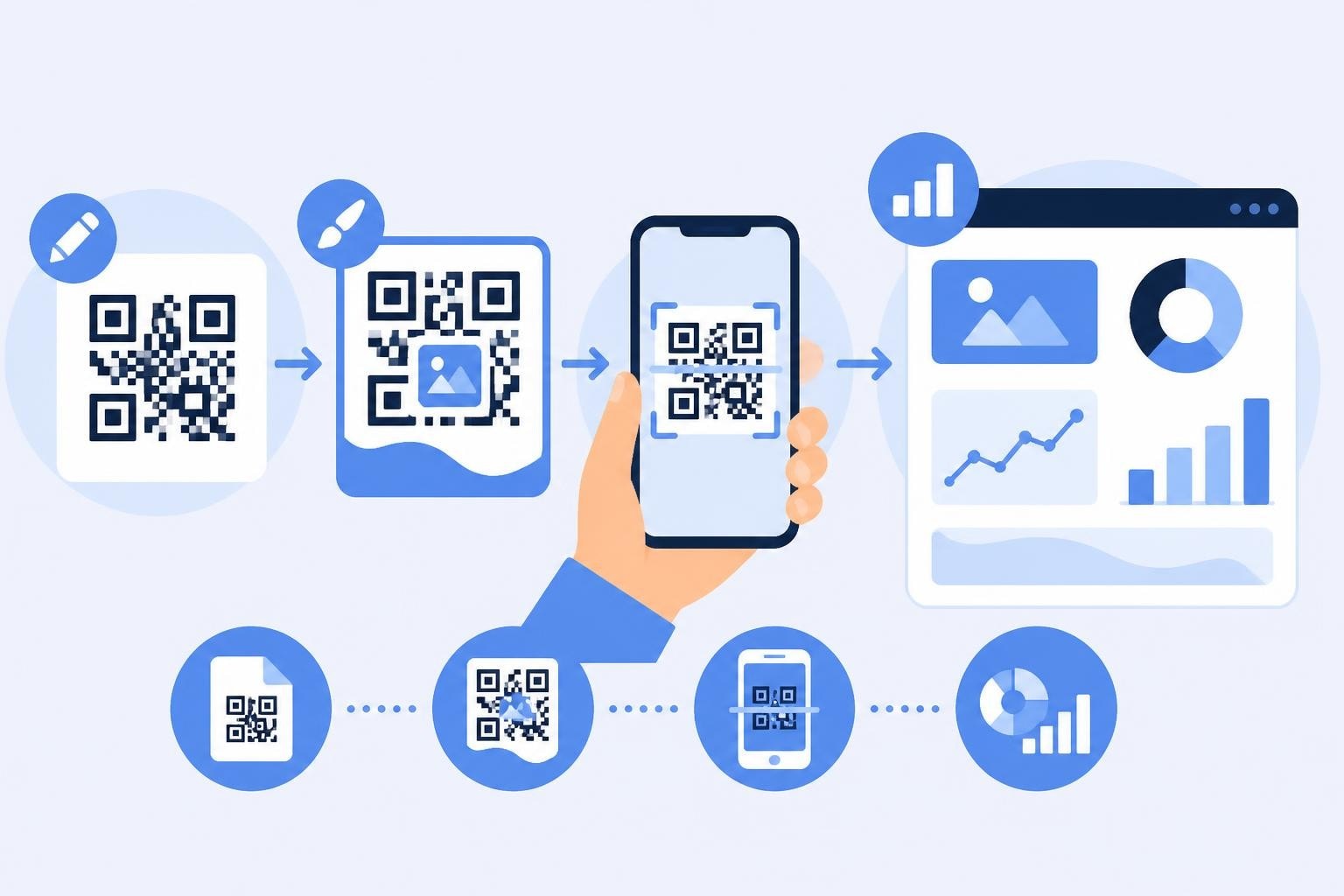
QR codes have evolved from simple black-and-white squares into sophisticated marketing tools that bridge physical and digital experiences. Understanding QR stuff-from creation to optimization-has become essential for marketers who want to track customer journeys, measure campaign performance, and deliver seamless user experiences. Whether you're running print campaigns, managing event registrations, or connecting packaging to digital content, mastering the technical and strategic aspects of QR stuff can transform how you engage with audiences.
Understanding the Fundamentals of QR Stuff
QR codes serve as powerful connectors between offline touchpoints and online destinations. These matrix barcodes can store URLs, contact information, WiFi credentials, payment details, and much more within their distinctive square patterns.
The technology behind QR stuff relies on error correction capabilities that allow codes to remain scannable even when partially damaged or obscured. This built-in resilience makes QR codes ideal for physical applications where wear and tear are inevitable. Modern smartphones have native QR scanning capabilities, eliminating the need for specialized apps and dramatically increasing adoption rates.
Why QR Stuff Matters for Modern Marketing
Marketing teams leverage QR stuff to create measurable touchpoints in previously untrackable environments. A QR code on a billboard transforms a static advertisement into an interactive experience where every scan generates valuable data.
Key benefits include:
- Direct attribution of offline marketing to online conversions
- Instant access to product information, reviews, and purchasing options
- Seamless event check-ins and registration processes
- Contactless payment and menu access in retail and hospitality
- Enhanced packaging with authenticity verification and usage instructions
The shift toward privacy-focused marketing makes QR stuff increasingly valuable. Unlike cookies and third-party tracking, QR codes provide first-party data when users voluntarily scan and engage with your content.
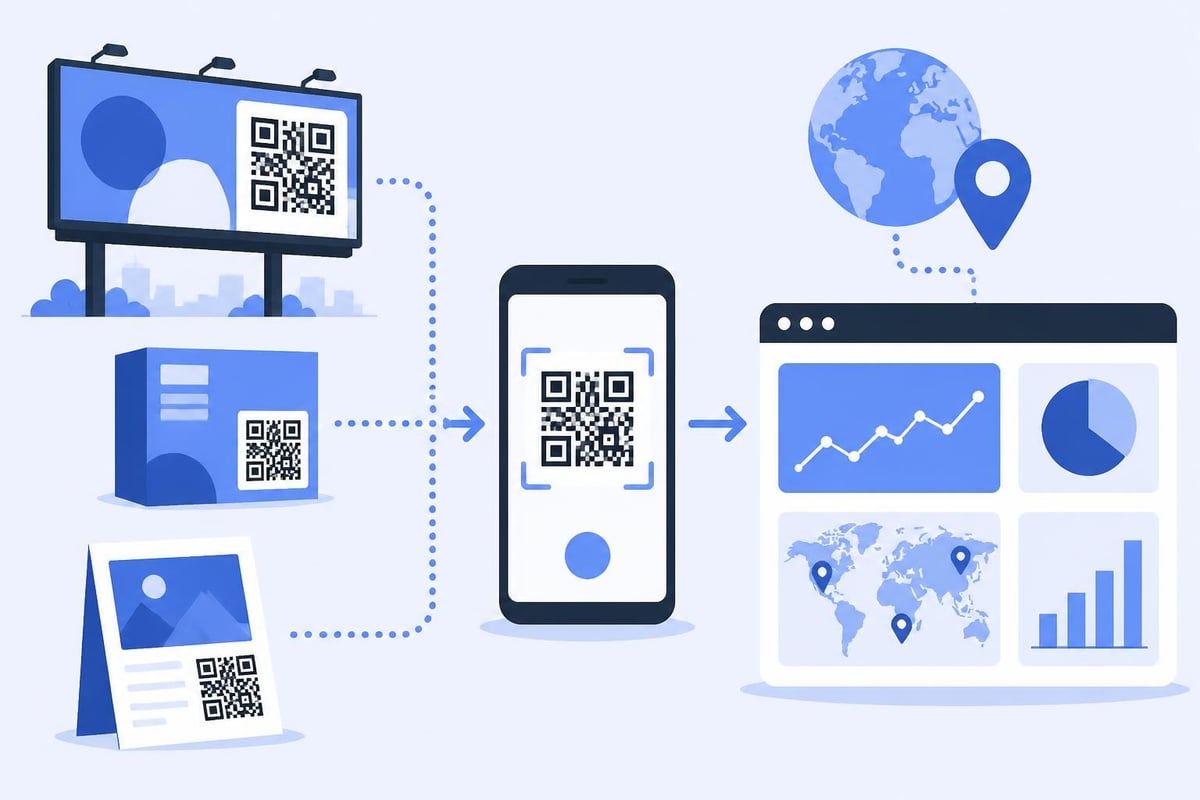
Design Best Practices for QR Stuff
Creating effective QR codes requires balancing aesthetics with functionality. Poor design choices can render codes unscannable, wasting marketing investment and frustrating potential customers.
Size and Placement Considerations
The minimum scannable size for QR codes depends on scanning distance. Following QR code standards and best practices, the general formula suggests a 10:1 ratio-if someone scans from 10 inches away, the code should be at least 1 inch square.
| Scanning Distance | Minimum QR Code Size | Ideal Use Case |
|---|---|---|
| 4-8 inches | 0.4-0.8 inches | Business cards, product labels |
| 1-2 feet | 1-2 inches | Flyers, menus, table tents |
| 3-6 feet | 3-6 inches | Posters, window displays |
| 10+ feet | 10+ inches | Billboards, vehicle wraps |
Position QR stuff where your target audience naturally looks and can comfortably scan. Eye level placement on vertical surfaces typically performs best. Avoid corners, folds, or areas where glare might interfere with scanning.
Color, Contrast, and Customization
While traditional black-and-white QR codes offer maximum contrast, customization can enhance brand alignment without sacrificing scannability. The key principle: maintain sufficient contrast between the dark and light modules.
Design guidelines for customized QR stuff:
- Keep the foreground at least 40% darker than the background
- Avoid busy backgrounds or patterns behind the code
- Test with multiple devices and lighting conditions before printing
- Use error correction level H (30% recovery) when adding logos
- Limit logo size to 15-20% of the total QR code area
According to QR code design best practices, incorporating brand colors while maintaining contrast can increase scan rates by making codes more visually appealing and trustworthy.
Security Considerations in QR Stuff
The convenience of QR codes has made them attractive targets for malicious actors. "Quishing" attacks-QR code phishing-have surged as attackers exploit user trust in these familiar squares.
Common QR Code Security Threats
Cybercriminals use various tactics to weaponize QR stuff. Physical stickers placed over legitimate codes redirect users to phishing sites. Fake parking tickets with malicious QR codes trick victims into providing payment information. Email-based attacks embed malicious codes that bypass traditional security filters.
QR codes are being weaponized in new quishing attacks, with most people unaware of the risks until they've already compromised their data.
Implementing Secure QR Practices
Protecting your audience requires proactive security measures throughout the QR stuff lifecycle. Following QR code security best practices helps safeguard both your brand reputation and customer data.
Essential security measures:
- Always use HTTPS URLs with valid SSL certificates
- Implement dynamic QR codes that allow URL updates without reprinting
- Monitor scan analytics for unusual patterns or suspicious activity
- Display preview URLs or descriptions near QR codes
- Use branded short links that build trust and recognition
- Apply physical security measures like tamper-evident materials
- Regularly audit and expire unused QR campaigns
Dynamic QR codes provide superior security because you can update destinations, disable compromised codes, and track who scans what, when, and where. This flexibility transforms QR stuff from static tools into adaptive security assets.

Optimizing QR Stuff for Campaign Performance
Creating scannable codes is just the beginning. Maximizing QR stuff effectiveness requires strategic planning, testing, and optimization across the entire user journey.
Landing Page Optimization
Every scan represents user intent-someone took action to engage with your content. The destination must deliver immediate value or risk losing that hard-won attention.
Mobile optimization is non-negotiable since virtually all QR scans occur on smartphones. Pages must load quickly (under 3 seconds), display clearly on small screens, and provide obvious next steps. Reducing friction between scan and conversion directly impacts campaign ROI.
Landing page essentials for QR campaigns:
- Mobile-responsive design with large, tappable buttons
- Clear value proposition visible without scrolling
- Minimal form fields (request only essential information)
- Fast loading times through optimized images and code
- Single, focused call-to-action matching campaign intent
- Consistent branding from QR code to landing page
Tracking and Analytics for QR Stuff
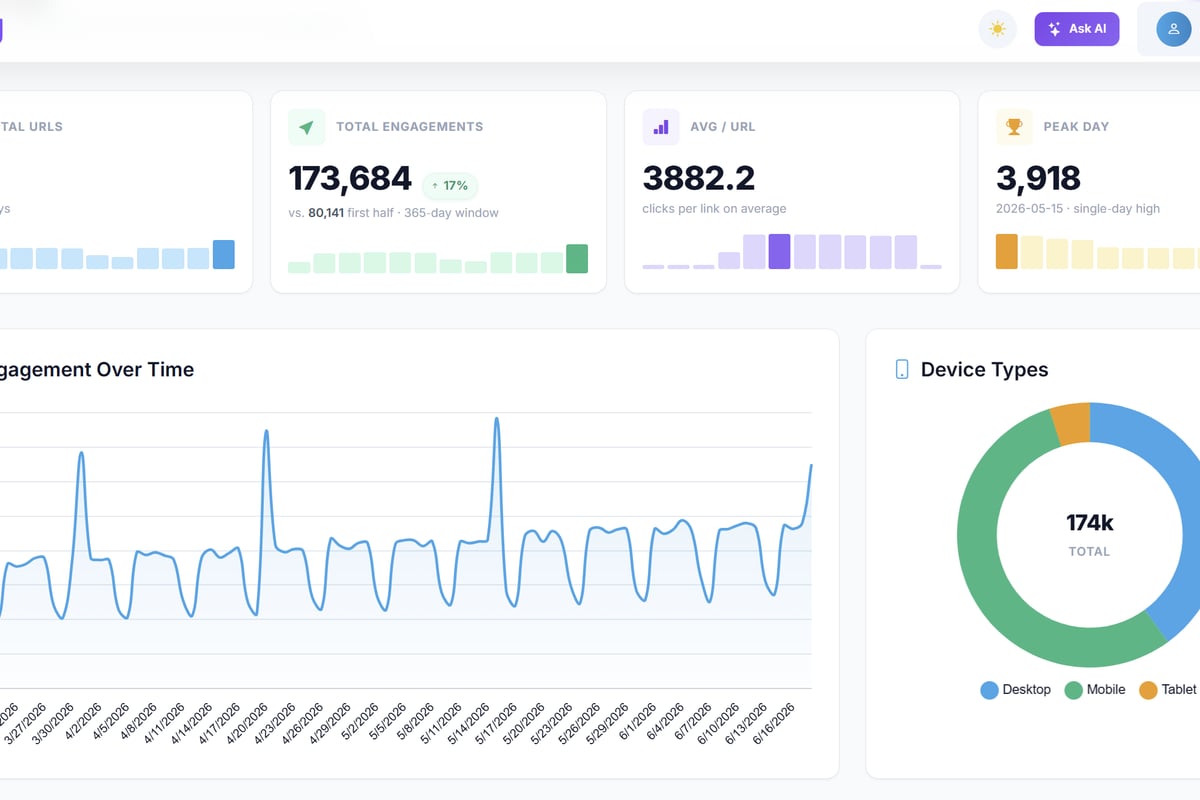
Understanding QR performance requires more than simple scan counts. Advanced analytics reveal who scans, when they scan, where they scan, what devices they use, and whether they convert.
| Metric Category | Key Data Points | Business Value |
|---|---|---|
| Engagement | Total scans, unique scans, scan rate | Campaign reach and interest |
| Demographics | Device type, OS, location, time | Audience insights and timing |
| Behavior | Page views, session duration, bounce rate | Content effectiveness |
| Conversion | Goal completions, revenue, ROI | Campaign success and optimization |
Platforms like Trimy enable marketers to track QR stuff with the same sophistication as digital campaigns, providing UTM parameter management, A/B testing capabilities, and conversion attribution that connects offline scans to online revenue.
A/B Testing Your QR Campaigns
Different QR stuff approaches yield different results. Systematic testing reveals which strategies resonate with your specific audience.
Test design elements like size, color, and customization against standard codes. Compare placements on packaging, signage, or printed materials. Experiment with incentives-discount codes, exclusive content, or time-limited offers.
Most importantly, test destination content. Does a product page convert better than a landing page? Do video demonstrations outperform written descriptions? Split testing QR destinations provides concrete data for optimization decisions.
Advanced Applications of QR Stuff
Beyond basic URL linking, sophisticated QR implementations create competitive advantages through enhanced functionality and user experiences.
Smart Routing and Personalization
Dynamic QR codes enable context-aware routing based on scan conditions. Route users to different destinations based on their location, the time of day, device type, or previous interactions with your brand.
Smart routing scenarios:
- Geographic targeting: Direct international scanners to localized content in their language
- Inventory management: Route to in-stock alternatives when featured products are unavailable
- Time-based offers: Display lunch specials during midday, dinner menus in the evening
- Device optimization: Serve app store links to mobile devices, web experiences to tablets
- Campaign staging: Roll out content progressively as products launch in different markets
This level of sophistication transforms QR stuff from static links into intelligent marketing tools that adapt to user context.
Integration with Marketing Ecosystems
QR codes shouldn't exist in isolation. Integration with broader marketing technology stacks multiplies their value and enables comprehensive customer journey tracking.
Connect QR scans to your CRM to track individual customer touchpoints across channels. Feed scan data into marketing automation platforms to trigger personalized email sequences. Use retargeting pixels on QR landing pages to re-engage scanners across advertising networks.
Following technical best practices for QR codes ensures your implementations support these integrations through proper URL structure, parameter passing, and tracking code placement.
Implementation Strategies for Different Industries
QR stuff applications vary significantly across industries, each with unique requirements and opportunities.
Retail and E-commerce
Physical retail locations use QR codes to bridge the gap between browsing and buying. Product tags with QR codes provide detailed specifications, customer reviews, and size guides without cluttering shelf space. "Scan to cart" functionality lets customers add items to online shopping carts for later purchase or home delivery.
Packaging QR codes extend the customer relationship beyond the initial sale. Provide setup instructions, register products for warranties, offer replenishment reminders, or suggest complementary items.
Events and Hospitality
Event organizers leverage QR stuff for ticketing, check-in, and attendee engagement. Contactless check-in speeds entry while capturing attendance data. Session-specific QR codes track which presentations attendees visit, informing future event planning.
Restaurants evolved QR menu systems during 2020 and continue finding value in digital ordering, payment processing, and loyalty program enrollment-all through scanning QR stuff on table displays.
Real Estate and Property Management
Property listings with QR codes on yard signs provide instant access to photos, virtual tours, and agent contact information. Prospective buyers can explore properties at their convenience without scheduling viewings.
Building management uses QR stuff for maintenance requests, amenity reservations, and community announcements. Residents scan codes to report issues, automatically capturing location data and streamlining work orders.
Measuring ROI from QR Stuff
Justifying QR investment requires connecting scans to business outcomes. Proper attribution reveals which campaigns drive results and deserve expanded budgets.
Attribution Models for QR Campaigns
Different attribution approaches suit different campaign types. Last-click attribution credits QR scans that immediately precede conversions. First-click models credit the initial touchpoint that started the customer journey. Multi-touch attribution distributes credit across all interactions, including QR scans.
ROI calculation framework:
- Track total campaign costs (design, printing, placement, management)
- Measure unique scans and conversion rates from QR traffic
- Calculate average order value or lead value from QR-attributed conversions
- Compare QR campaign performance to other marketing channels
- Factor in secondary benefits (data collection, brand engagement, customer insights)
The best practices for tracking QR codes emphasize using UTM parameters and campaign identifiers to ensure accurate attribution across analytics platforms.
Benchmarks and Performance Standards
QR scan rates vary widely by context, but understanding industry benchmarks helps set realistic expectations and identify underperforming campaigns.
| Placement Type | Typical Scan Rate | Optimization Priority |
|---|---|---|
| Direct mail | 3-8% | Strong call-to-action, clear value |
| Print ads | 1-3% | Placement visibility, size |
| Product packaging | 5-12% | Problem-solving content, incentives |
| In-store signage | 8-15% | Positioning, staff encouragement |
| Event materials | 15-25% | Contextual relevance, exclusive content |
Low scan rates don't always indicate failure. A premium product with a 2% scan rate but high average order value may outperform a mass-market item with 10% scans but minimal conversion value.
Common Mistakes to Avoid with QR Stuff
Even experienced marketers make preventable errors that undermine QR campaign effectiveness. Awareness of these pitfalls helps you implement QR stuff successfully from the start.
Technical Errors
Broken links are surprisingly common, especially with static QR codes printed for long-term use. URLs change, campaigns end, or websites restructure-leaving QR codes pointing to 404 errors. Dynamic QR codes solve this by allowing destination updates without reprinting.
Insufficient testing across devices and scanning apps causes compatibility issues. What scans perfectly on the latest iPhone might fail on Android devices using different camera software. Test with multiple devices before mass production.
Strategic Missteps
Providing no context or call-to-action leaves users wondering why they should scan. "Scan for more information" is vague. "Scan to watch the 2-minute setup tutorial" sets clear expectations and motivates action.
Failing to optimize for the scanning environment wastes opportunities. QR codes on moving vehicles, in low-light conditions, or behind glass create scanning difficulties that frustrate users and reduce engagement.
According to comprehensive guides on QR code best practices, combining proper size, strategic placement, and compelling calls-to-action can maximize scan rates and campaign effectiveness.
Privacy and Compliance Oversights
Collecting data through QR campaigns requires compliance with privacy regulations like GDPR and CCPA. Provide clear privacy policies, obtain necessary consents, and explain how scan data will be used.
Failing to secure QR destinations exposes users to risks and damages brand trust. Always use HTTPS, implement proper security headers, and regularly audit linked content for vulnerabilities.
Mastering QR stuff requires balancing design, security, strategy, and measurement to create campaigns that engage audiences and drive measurable results. By implementing the best practices outlined above-from proper sizing and placement to advanced security measures and sophisticated analytics-you can transform simple QR codes into powerful marketing assets. Trimy provides the link intelligence and management capabilities you need to take your QR campaigns to the next level, with advanced tracking, A/B testing, and conversion attribution that turns every scan into actionable business insights.