Social Media Agency Near Me: The 2026 Selection Guide

Searching for a "social media agency near me" has become one of the most common queries for businesses looking to elevate their digital presence in 2026. The decision to work with a local agency versus a remote partner involves weighing several strategic factors, from face-to-face collaboration to deep market knowledge. This guide walks you through the essential criteria for evaluating social media agencies in your area, understanding what services truly matter, and building a partnership that delivers measurable returns on your marketing investment.
Why Local Proximity Still Matters for Social Media Marketing
The paradox of digital marketing is that while platforms enable global reach, local partnerships often deliver superior results. When you search for a social media agency near me, you're not just looking for convenience; you're seeking an agency that understands regional market dynamics, local consumer behavior, and area-specific opportunities.
Geographic Market Intelligence
Local agencies bring firsthand knowledge of your competitive landscape. They understand seasonal trends in your city, regional events that create content opportunities, and the nuances of local dialects or cultural references that resonate with your target audience. This intelligence translates into campaigns that feel authentic rather than generic.
Key advantages of local market expertise include:
- Real-time awareness of competitor activities and market shifts
- Access to local influencers and partnership opportunities
- Understanding of regional media buying opportunities
- Insight into community events and sponsorship possibilities

Face-to-face meetings still hold value in 2026, particularly during strategy sessions, creative reviews, and quarterly business reviews. The ability to walk into an agency's office, meet the team working on your account, and build personal relationships creates accountability and trust that video calls cannot fully replicate.
Integration with Local SEO and Business Presence
Social media strategies increasingly intersect with local search optimization. According to BrightLocal's local SEO research, businesses that coordinate social media activity with local SEO see significantly higher conversion rates. A social media agency near me should seamlessly integrate your social presence with your Google Business Profile, local citations, and location-based advertising.
This integration matters because Google's official guidance on establishing business details emphasizes consistency across all digital touchpoints. Your local agency should ensure your social profiles reinforce the same NAP (name, address, phone) information, business hours, and service areas.
Evaluating Agency Capabilities Beyond the Pitch Deck
Every agency presents an impressive portfolio during initial meetings. The challenge lies in distinguishing between agencies that deliver consistent results and those that excel at sales presentations. Your evaluation process should dig deeper than case studies and client logos.
Core Service Assessment Framework
Modern social media agencies should offer a comprehensive suite of services, but not every business needs every service. Identify which capabilities align with your specific goals.
| Service Category | Essential For | Questions to Ask |
|---|---|---|
| Organic Content | Brand building, engagement | What's your content production process? How do you maintain brand voice? |
| Paid Advertising | Lead generation, sales | Which attribution models do you use? How do you optimize spend? |
| Community Management | Customer service, reputation | What's your response time SLA? How do you handle crises? |
| Analytics & Reporting | ROI measurement, optimization | Which metrics do you prioritize? How often do you report? |
| Influencer Marketing | Reach expansion, credibility | How do you vet influencers? What's your negotiation process? |
Platform Expertise and Certification Status
Not all agencies maintain equal competency across platforms. Meta's partner resources outline what official partnership means for Facebook and Instagram management. Ask potential agencies about their certification status, beta program access, and direct support channels with platform representatives.
According to Pew Research's 2025 analysis of social media use, platform demographics continue to shift. An agency working with your business should demonstrate current knowledge of where your audience spends time and how platform algorithms have evolved throughout 2026.
Platform-specific questions to ask:
- Which platforms do you recommend for our business, and why?
- How do you stay current with algorithm changes?
- What beta features or early-access programs do you participate in?
- Can you share performance benchmarks by platform for our industry?
Measurement, Attribution, and ROI Transparency
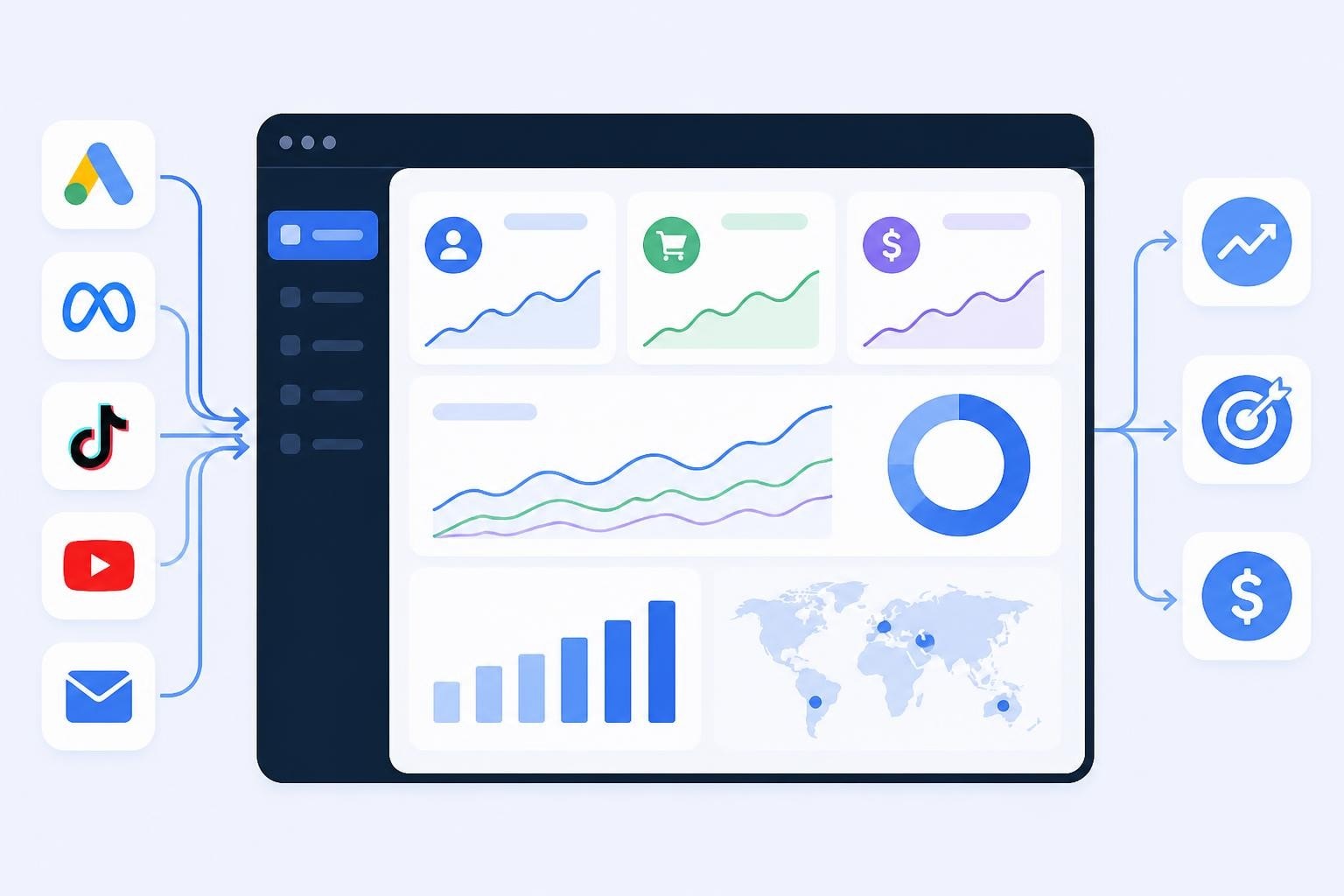
The most common complaint about social media marketing is the difficulty in connecting activity to revenue. When evaluating a social media agency near me, their approach to measurement reveals their strategic sophistication.
Modern Attribution Models
Leading agencies have moved beyond last-click attribution to understand the full customer journey. Think with Google's measurement guidance emphasizes cross-channel measurement and the role of social media in assisted conversions rather than only direct conversions.
Your agency should explain how they track:
- Assisted conversions where social touchpoints influenced later purchases
- View-through conversions from display and video ads
- Cross-device journeys where users discover on mobile but convert on desktop
- Offline conversions for businesses with physical locations
The IAB's updated best practices for marketing measurement provide industry standards for privacy-compliant attribution. Agencies should demonstrate familiarity with these frameworks and explain how they've adapted to iOS 14.5+ restrictions and the deprecation of third-party cookies.

Link Tracking and Campaign Intelligence
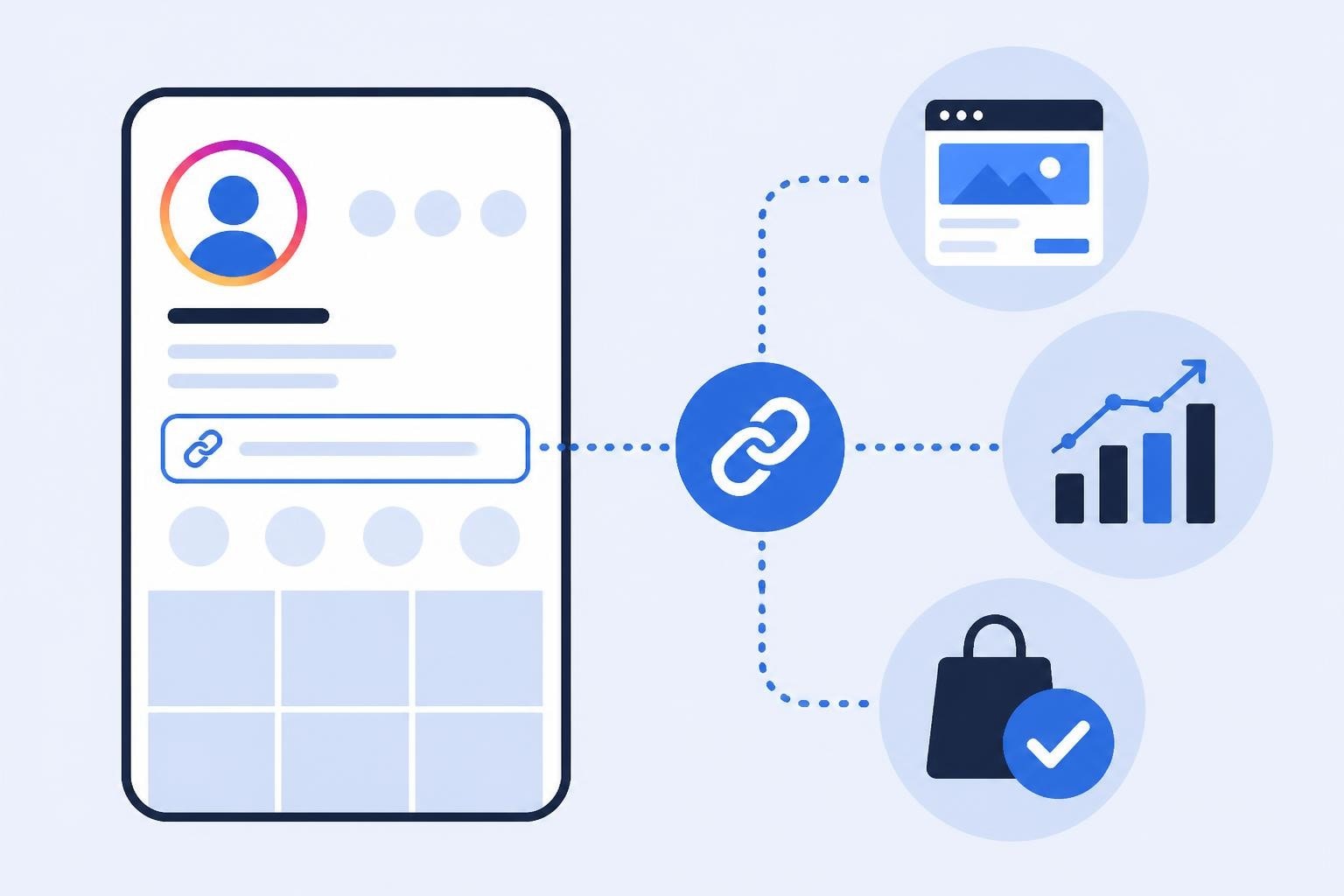
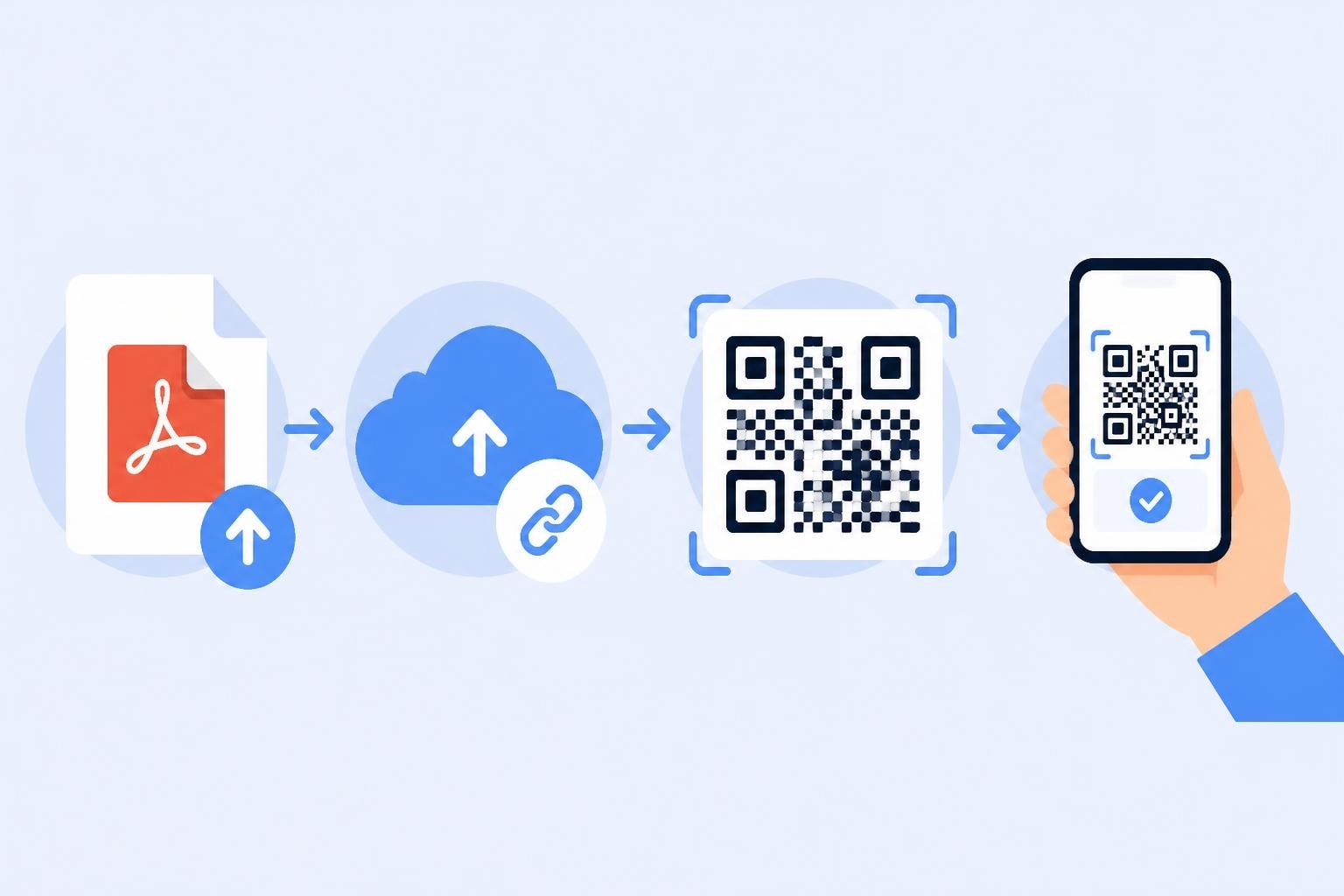
Sophisticated measurement starts with proper link management. Every social media post, ad, story, or bio link should carry tracking parameters that feed into your analytics systems. This is where link intelligence platforms become essential infrastructure.
When agencies share multiple campaign links across platforms, A/B test different landing pages, or route traffic based on user characteristics, they need robust link management. Trimy provides the tracking precision and routing flexibility that professional agencies require, enabling them to attribute revenue to specific posts, influencers, or ad variations while maintaining clean, branded URLs that don't deter clicks.
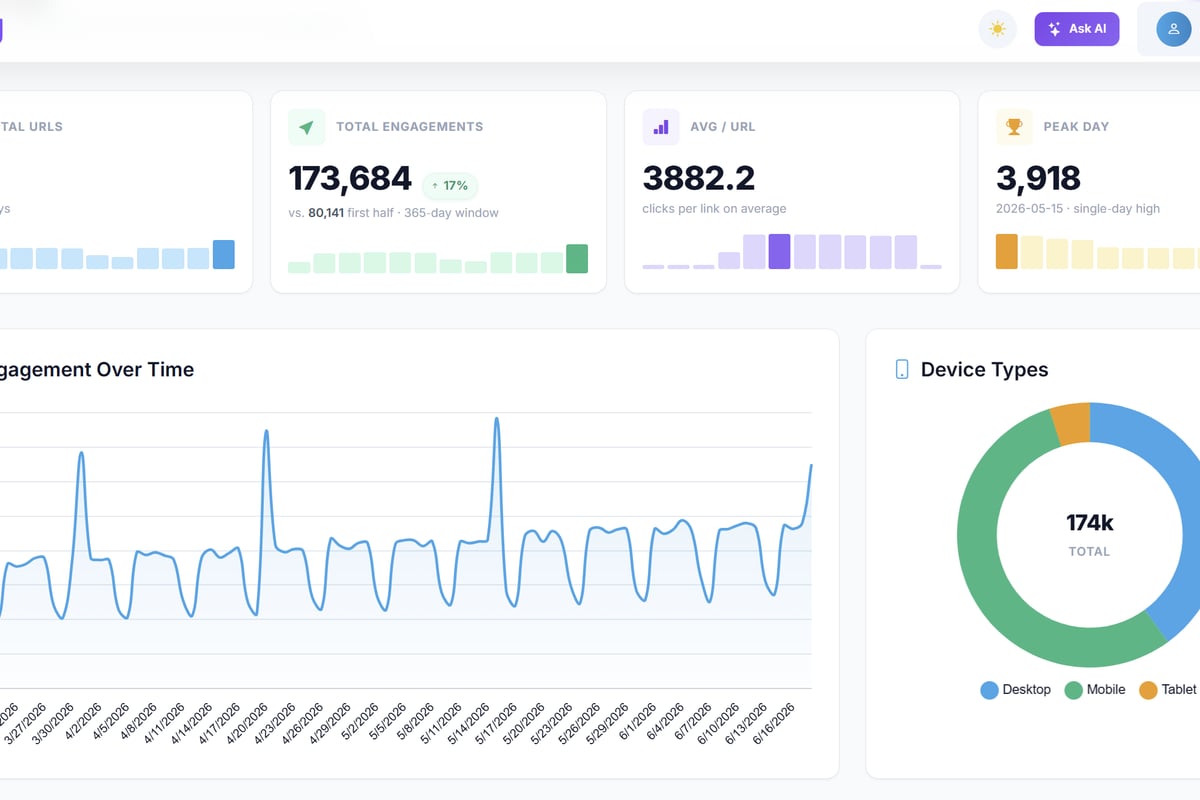
Ask agencies how they structure UTM parameters, what link shortening tools they use, and how they ensure tracking consistency across team members. Agencies that lack systematic link management will struggle to prove ROI, regardless of how effective their creative work may be.
Pricing Models and Contract Structures
Understanding how agencies price their services helps you evaluate proposals and avoid surprises. The social media agency near me that offers the lowest retainer isn't necessarily the best value.
Common Pricing Approaches
Retainer-based pricing provides predictable monthly costs and ongoing support. Most agencies structure retainers to include a set number of posts, ad spend management, community management hours, and monthly reporting. Retainers typically range from $2,500 to $15,000+ monthly depending on scope.
Project-based pricing works well for specific campaigns, product launches, or content creation bursts. You pay a fixed fee for defined deliverables like a campaign strategy, video production series, or influencer program.
Performance-based pricing ties agency compensation to results. While this sounds appealing, it requires extremely clear definitions of what constitutes success and typically includes a smaller base retainer plus performance bonuses.
| Pricing Model | Best For | Typical Range | Considerations |
|---|---|---|---|
| Monthly Retainer | Ongoing management | $2,500 - $15,000/mo | Predictable costs, consistent support |
| Project-Based | Campaigns, launches | $5,000 - $50,000 | Clear scope, defined timeline |
| Performance Bonus | Lead generation | 10-30% of base | Requires attribution clarity |
| Percentage of Ad Spend | Paid social focus | 15-25% of spend | Scales with budget |
Contract Terms Worth Negotiating
Don't accept boilerplate contracts without review. Key terms that affect your flexibility and risk include:
- Minimum commitment period: Most agencies require 3-6 months, but you should negotiate performance milestones that allow earlier exit if benchmarks aren't met
- Content ownership: Clarify who owns created content, photography, video footage, and design files after contract termination
- Ad account access: Ensure you maintain admin access to all paid advertising accounts; never let agencies run ads through their business manager exclusively
- Offboarding process: Define how assets, passwords, and institutional knowledge transfer if you change agencies
Vetting Process: From Shortlist to Selection
HubSpot's guide to choosing a social media agency recommends a structured evaluation process. After identifying 3-5 agencies through your "social media agency near me" search, implement a systematic vetting framework.
Initial Screening Questions
Schedule 30-minute discovery calls with each agency on your shortlist. These conversations should answer:
- What industries do you specialize in, and do you have experience with businesses of our size?
- Which team members would work on our account, and what are their backgrounds?
- How do you stay current with platform changes and emerging trends?
- Can you share 2-3 case studies from the past year with measurable results?
- What's your typical client retention rate?
Red flags during discovery calls include vague answers about team structure, inability to discuss recent algorithm changes, or resistance to sharing client references.
The Agency Audit Checklist
Before signing a contract, conduct due diligence across multiple dimensions:
Reputation and stability:
- Google the agency name plus "reviews" and "complaints"
- Check their own social media presence and engagement quality
- Verify how long they've been in business and staff turnover rates
- Ask for three client references and actually call them
Technical capabilities:
- Request access to sample dashboards and reporting templates
- Ask about their technology stack (scheduling tools, analytics platforms, creative software)
- Verify their disaster recovery and account security practices
- Understand their process for staying compliant with platform policies
Cultural fit:
- Assess whether their communication style matches your preferences
- Evaluate their responsiveness during the sales process
- Determine if their values align with your brand positioning
- Consider whether they seem genuinely interested in your business goals
The Proposal Evaluation Matrix
When comparing proposals from multiple agencies, create a scoring matrix that weights factors according to your priorities.
| Evaluation Criteria | Weight | Agency A | Agency B | Agency C |
|---|---|---|---|---|
| Relevant Experience | 20% | 8/10 | 6/10 | 9/10 |
| Team Expertise | 20% | 7/10 | 9/10 | 7/10 |
| Strategic Approach | 25% | 9/10 | 7/10 | 8/10 |
| Measurement Capabilities | 20% | 8/10 | 8/10 | 6/10 |
| Pricing Value | 15% | 6/10 | 8/10 | 7/10 |
| Weighted Score | 7.85 | 7.65 | 7.65 |
This quantitative approach helps remove emotional bias from the decision and provides documentation for stakeholder buy-in.
Strategic Partnership: Setting Up for Success
According to Forbes' guide on finding the right marketing agency, the most successful agency relationships result from clear goal alignment and structured onboarding. Your social media agency near me becomes a true partner when both parties invest in the relationship beyond transactional deliverables.
Onboarding Best Practices
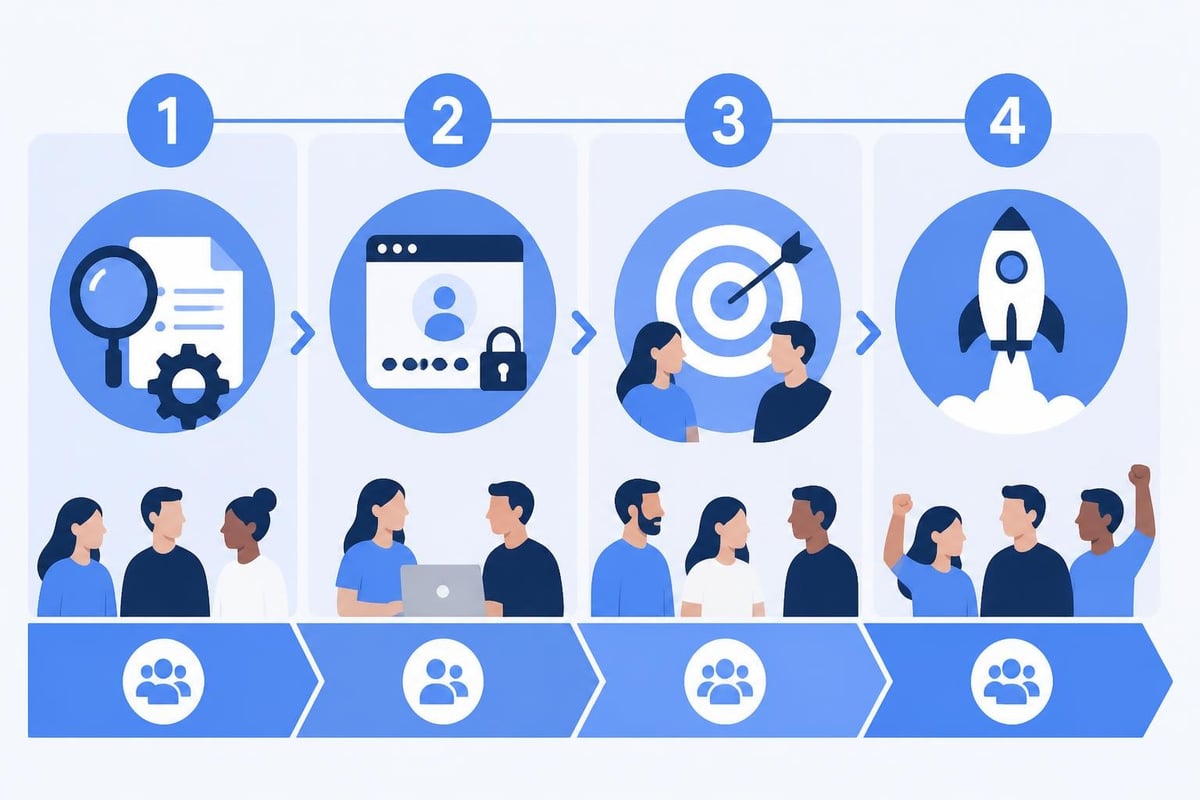
The first 30 days determine whether your agency relationship will thrive or struggle. Effective onboarding includes:
Week 1 - Discovery and Access:
- Provide comprehensive brand guidelines, voice documentation, and visual assets
- Grant appropriate access to social accounts, analytics platforms, and advertising accounts
- Share competitive intelligence, past performance data, and historical campaign results
- Introduce agency team to key internal stakeholders
Week 2 - Strategic Alignment:
- Collaborate on goal-setting workshops that define specific, measurable objectives
- Review and approve initial content calendars and campaign concepts
- Establish approval workflows and communication protocols
- Set expectations for reporting cadence and meeting schedules
Weeks 3-4 - Execution Launch:
- Review and approve first batch of content before scheduling
- Monitor early performance and provide feedback
- Refine targeting parameters based on initial data
- Schedule your first monthly business review
Ongoing Communication Frameworks
Establish regular touchpoints that keep the partnership productive without creating meeting overload:
- Daily: Asynchronous updates via Slack or project management tools for urgent items
- Weekly: 30-minute status calls covering performance highlights, upcoming content, and quick decisions
- Monthly: 90-minute business reviews analyzing full-funnel metrics, strategic recommendations, and next-month planning
- Quarterly: Half-day strategic sessions revisiting annual goals, major campaign planning, and competitive landscape shifts
Industry-Specific Considerations for Link-Based Businesses
For businesses in the link management and marketing technology space, your social media agency needs to understand technical audiences and B2B decision cycles. The agency you choose should demonstrate experience marketing to marketers and developers.
Technical Audience Engagement
Marketing to marketers requires a different approach than B2C campaigns. Your social media agency near me should understand how to create content that provides genuine value to sophisticated audiences who see through promotional tactics.
Effective content types for technical marketing audiences:
- Tutorial threads demonstrating specific use cases and implementation examples
- Data visualizations sharing industry benchmarks and performance insights
- Product comparison matrices that honestly position your solution
- Behind-the-scenes content showing your development process or feature roadmap
- Community-generated content highlighting innovative customer implementations
Platform Priority for B2B SaaS
While consumer brands often prioritize Instagram and TikTok, B2B technology companies typically see stronger returns from LinkedIn, Twitter/X, and increasingly, niche communities on Reddit and specialized forums. Your agency should help you allocate resources to platforms where your ICP (ideal customer profile) actively engages with professional content.
LinkedIn's algorithm in 2026 continues to reward native content and genuine engagement over promotional posts. Agencies that understand how to leverage employee advocacy, thought leadership positioning, and LinkedIn's document and carousel formats deliver measurably better results than those simply repurposing Instagram content.
Red Flags and Warning Signs
Not every social media agency near me delivers on promises. Protect yourself by recognizing warning signs during the evaluation process and early relationship stages.
Pre-Contract Red Flags
Guarantees of specific follower counts or viral posts indicate an agency that doesn't understand platform dynamics or is willing to use questionable growth tactics. Organic reach depends on numerous factors outside any agency's control.
Resistance to transparency about their process, team structure, or previous client results suggests the agency has something to hide. Professional agencies welcome detailed questions and provide comprehensive answers.
Pressure tactics pushing you to sign immediately with limited-time discounts or artificial scarcity demonstrate sales-first culture rather than client-first values. Quality agencies maintain consistent pricing and allow appropriate decision timelines.
Post-Contract Concerns
If you notice these issues after engaging an agency, address them immediately in writing:
- Missed deadlines without proactive communication or explanation
- Generic content that could work for any brand in any industry
- Declining engagement metrics without strategic pivots or testing
- Poor community management with slow response times or off-brand interactions
- Reporting gaps with missing metrics, incomplete attribution, or inconsistent data
Making the Final Decision
Your search for a social media agency near me should balance analytical evaluation with intuitive assessment of cultural fit. The agency with the most impressive portfolio may not be the best partner if their working style clashes with your team's preferences.
Decision Framework
Create a final decision document that summarizes:
Quantitative factors:
- Total cost over the initial contract period
- Expected ROI based on their projections and your conservative estimates
- Resource allocation across platforms and service types
- Performance benchmarks and accountability metrics
Qualitative factors:
- Team chemistry and communication compatibility
- Strategic alignment on brand positioning and growth approach
- Confidence in their ability to execute and adapt
- Long-term partnership potential beyond initial contract
Schedule a final meeting with your top choice to discuss the partnership structure, confirm all terms, and ensure mutual understanding before signing. This conversation should feel collaborative rather than transactional, with both parties excited about the upcoming work.
Finding the right social media agency near me requires thorough evaluation of capabilities, pricing, and cultural fit alongside clear expectations for measurement and accountability. As you implement social strategies with your chosen agency, ensure every campaign link carries proper tracking to attribute revenue accurately. Trimy provides the link intelligence infrastructure that transforms your social media traffic into actionable insights, enabling you to measure true ROI and optimize campaigns with precision. Start building smarter social strategies with better link data today.