Team QR Code: Streamline Collaboration & Workflows
Modern teams face constant challenges coordinating access to shared resources, tracking attendance, and maintaining secure workflows. A team QR code represents a powerful solution that simplifies these processes by creating scannable codes that multiple team members can use to access centralized information, verify attendance, or initiate collaborative actions. These codes transform how organizations manage internal operations, reducing friction points and increasing productivity across departments.
Understanding Team QR Code Technology
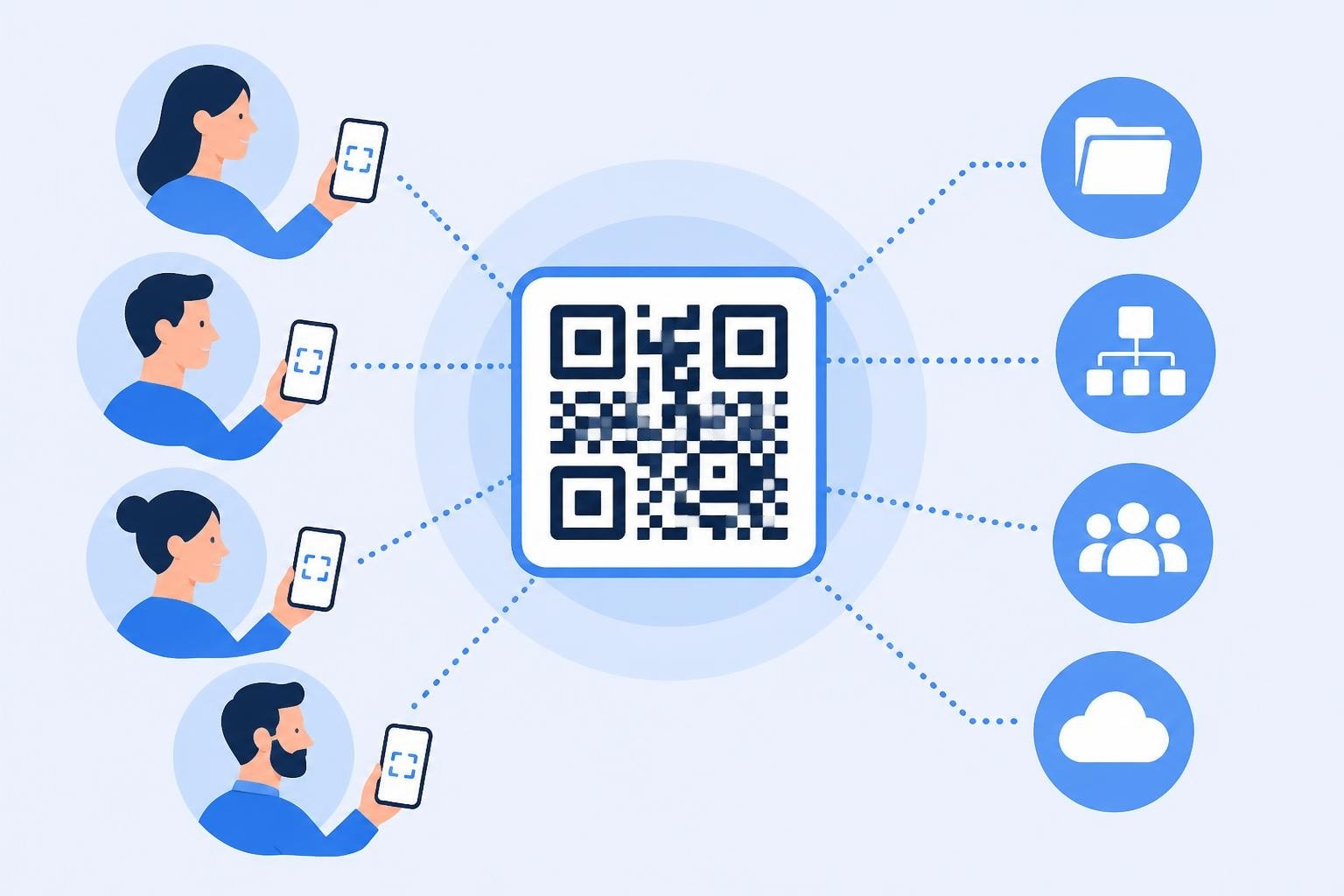
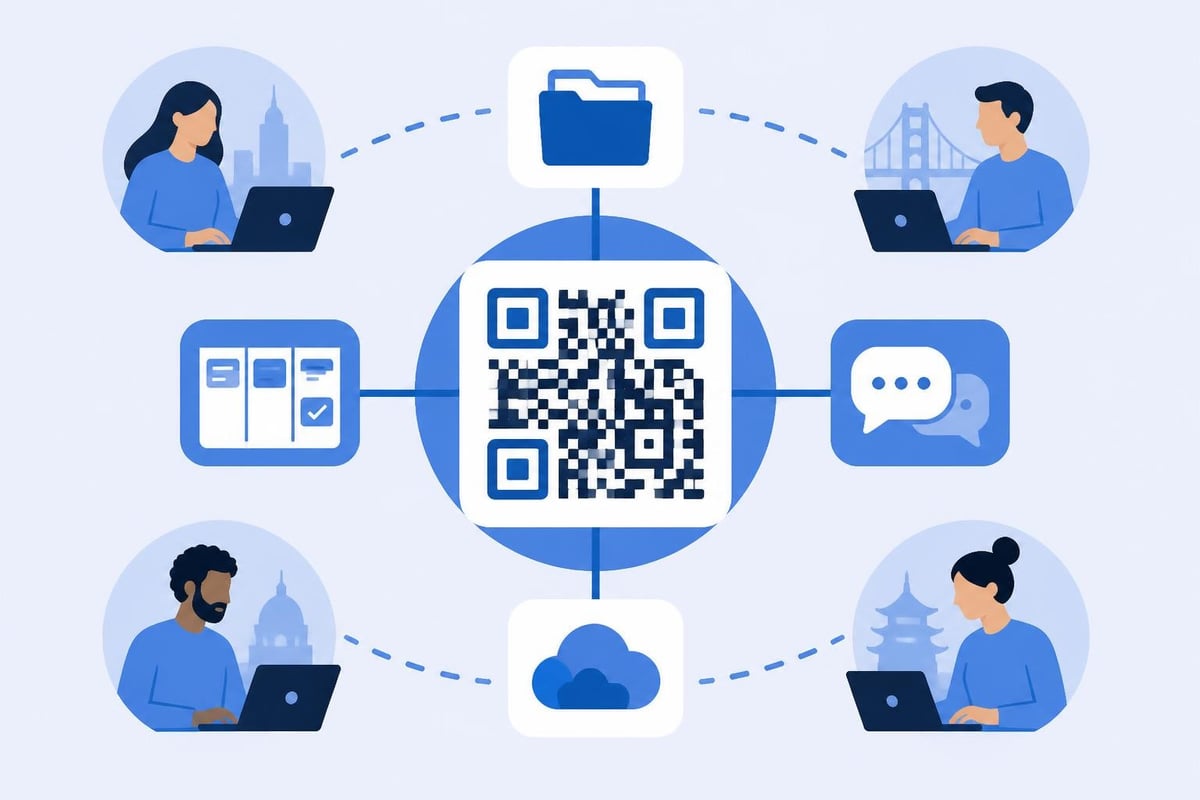
A team QR code differs significantly from individual QR codes by serving multiple users simultaneously while maintaining tracking capabilities and access controls. Rather than creating separate codes for each team member, organizations can deploy a single code that routes users to appropriate resources based on their permissions or requirements.
Core Functionality and Benefits
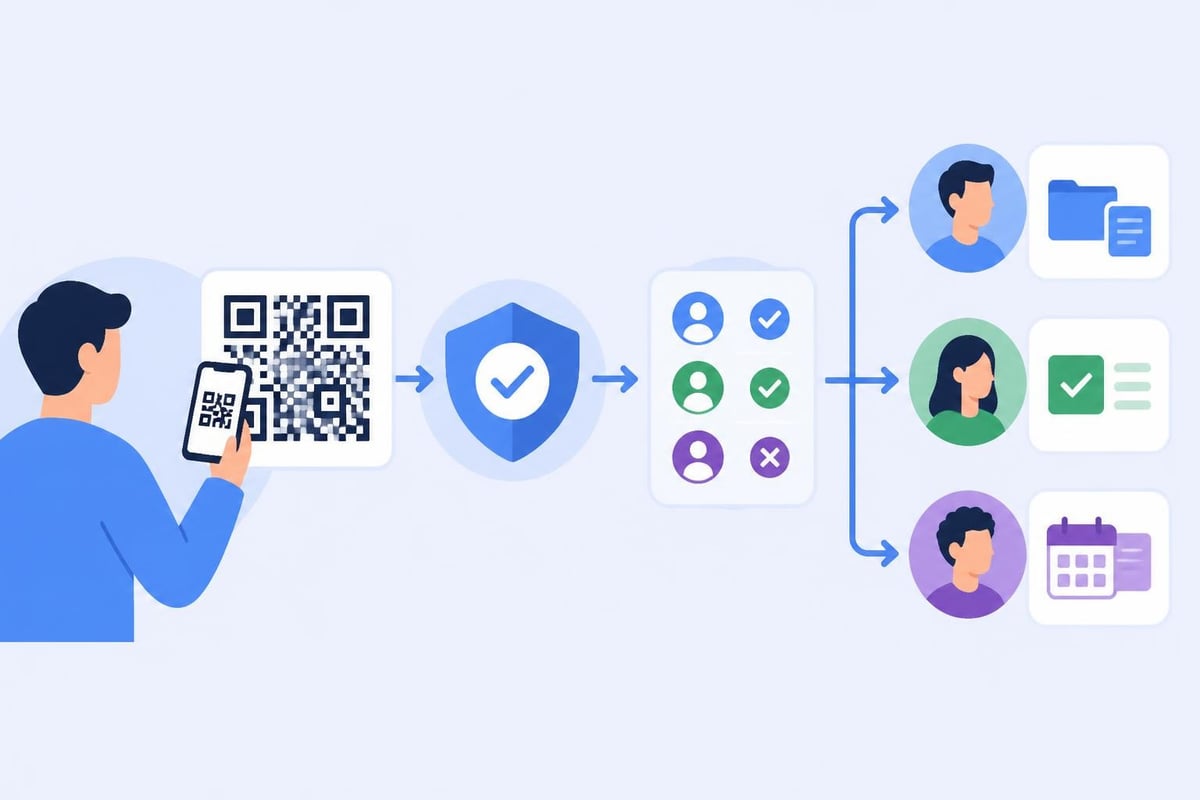
Team QR codes operate through dynamic linking systems that connect to centralized databases or management platforms. When a team member scans the code, the system identifies the user (either through device recognition, login credentials, or additional input) and delivers personalized content or access.
The primary advantages include:
- Reduced administrative overhead through centralized code management
- Real-time updates that propagate instantly across all scanning devices
- Comprehensive analytics showing team engagement patterns
- Simplified onboarding for new team members
- Enhanced security through controlled access parameters
Organizations implementing team QR code systems report significant improvements in workflow efficiency. Rather than distributing individual access credentials or printed materials, teams can share a single code that adapts to user needs.
Technical Architecture
The backend infrastructure supporting team QR codes requires careful planning. Most systems utilize redirect logic that evaluates scanning context before determining destination URLs. This architecture enables sophisticated routing based on factors like time of day, location, user role, or previous scanning history.
| Feature | Individual QR Code | Team QR Code |
|---|---|---|
| User Capacity | Single user | Multiple users |
| Update Flexibility | Limited | Real-time dynamic |
| Analytics Depth | Basic scans | User-level insights |
| Management Complexity | High volume | Centralized |
| Cost Efficiency | Per-code pricing | Shared resource |
Implementation Strategies for Teams
Successful team QR code deployment requires strategic planning across several dimensions. Organizations must consider use cases, user training, technical infrastructure, and measurement frameworks to maximize return on investment.
Access Control and Security Applications
Many organizations leverage QR codes for access control in buildings and facilities to replace traditional key cards or badge systems. A team QR code can grant temporary or permanent access to specific areas while logging entry times and user information.
Security implementation best practices include:
- Time-based expiration for temporary access codes
- Multi-factor authentication combining QR scans with PIN verification
- Geofencing restrictions limiting code functionality to specific locations
- Audit trails maintaining comprehensive access logs
- Revocation capabilities allowing instant access termination
These security layers transform simple QR codes into robust authentication mechanisms. Teams can confidently use QR codes for sensitive areas knowing that access remains controlled and monitored.
Event Management and Check-In Systems
Team QR code technology excels in event management scenarios where multiple attendees need streamlined entry processes. Rather than managing hundreds of individual tickets, event organizers can deploy team-based codes for different groups or registration tiers.
The advantages of QR code check-in systems become particularly evident during large-scale events. Teams handling registration, catering, or breakout sessions can use unified codes that track attendance patterns while reducing wait times.
Consider a corporate conference with multiple sessions running simultaneously. Each session can have a team QR code displayed at the entrance, allowing attendees to self-check-in while providing organizers with real-time attendance data across all venues.
Workflow Optimization Through Team QR Codes
Beyond access control, team QR codes revolutionize daily workflows by eliminating repetitive tasks and centralizing information distribution. QR codes for streamlining internal team processes have become essential tools for organizations seeking operational efficiency.
Document Management and Resource Sharing
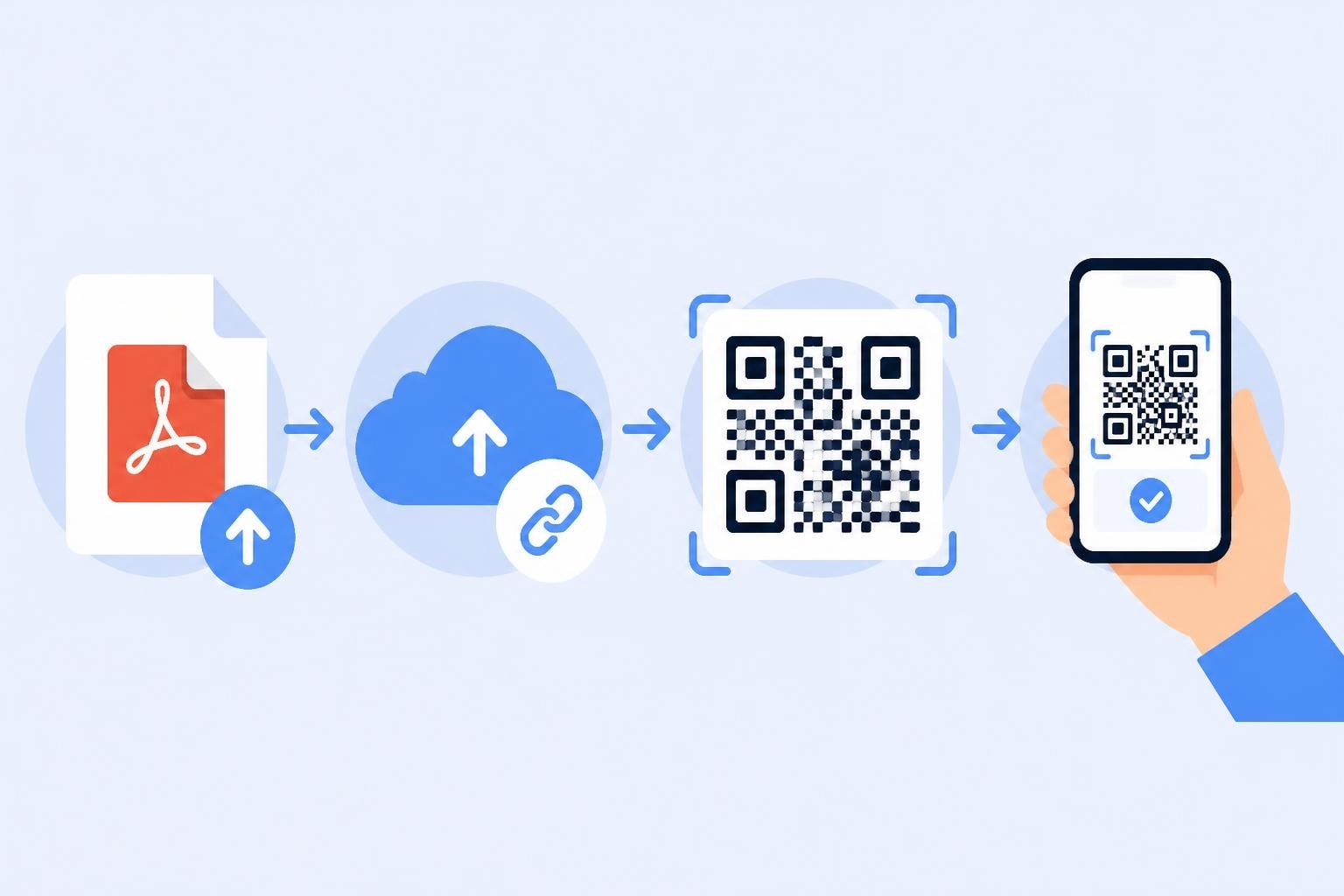
Teams frequently struggle with version control and document accessibility. A team QR code can link to cloud-based folders, ensuring everyone accesses the most current versions of shared files. Marketing teams can use these codes to connect campaign assets, brand guidelines, and creative briefs.
Common document management applications:
- Project specifications and technical documentation
- Training materials and standard operating procedures
- Compliance checklists and safety protocols
- Client presentations and proposal templates
- Inventory databases and equipment manuals
The dynamic nature of team QR codes means updating the destination URL instantly refreshes what all team members access. When a new version of a document becomes available, administrators simply update the link without redistributing new codes.
Employee Onboarding Enhancement
QR codes significantly improve employee onboarding processes by organizing orientation materials and tracking completion milestones. New hires can scan team QR codes to access welcome videos, benefits enrollment portals, or department-specific resources.
Human resources departments benefit from analytics showing which onboarding materials receive the most engagement and where new employees spend time. This data informs continuous improvement of the onboarding experience.
Platform Integration and Analytics
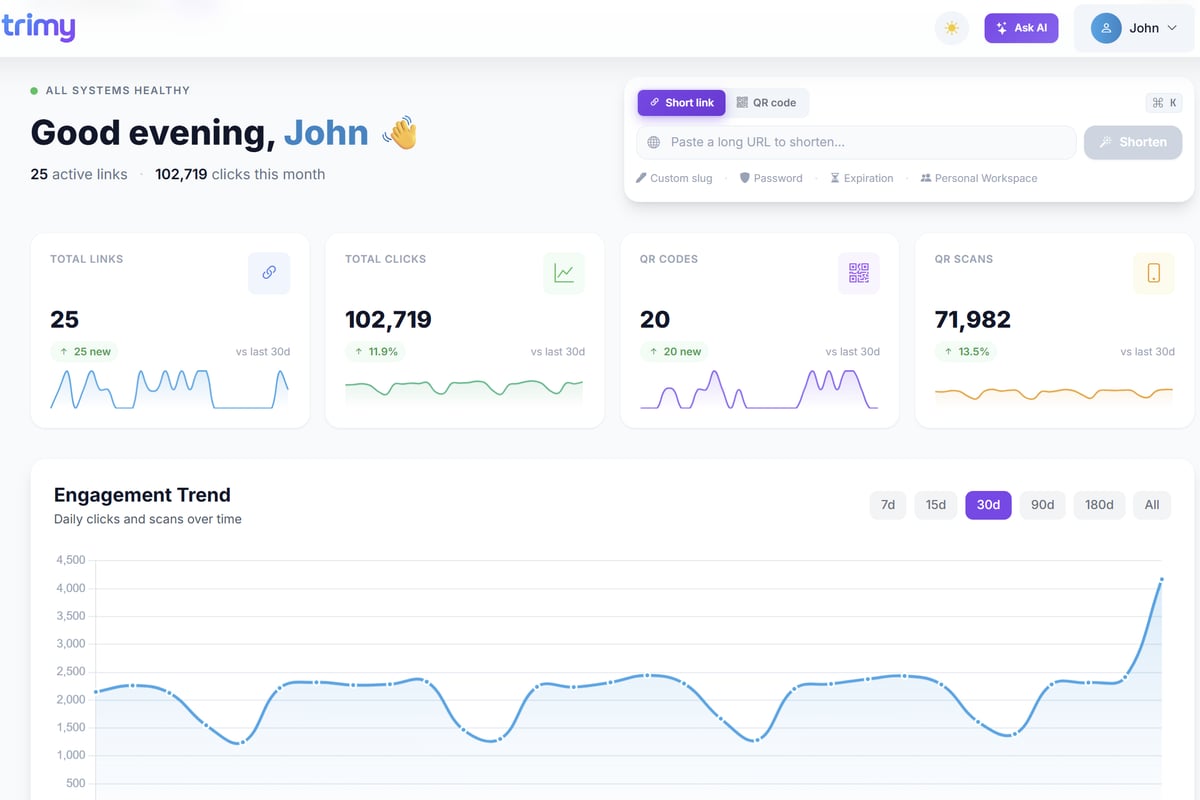
The true power of team QR code systems emerges through integration with comprehensive link management platforms. Organizations need visibility into scanning patterns, user behavior, and conversion metrics to optimize their QR code strategies.
Trimy provides the infrastructure necessary for sophisticated team QR code deployment, offering dynamic link management, detailed analytics, and advanced routing capabilities. Teams can create branded QR codes that maintain consistent visual identity while delivering deep performance insights across campaigns.
Measuring Team Engagement
Analytics for team QR codes should capture multiple dimensions of user interaction. Standard metrics include scan volume, unique users, geographic distribution, and device types. More advanced platforms track:
- Scan frequency patterns revealing peak usage times
- User journey mapping showing post-scan behavior
- Conversion attribution connecting scans to business outcomes
- A/B testing results comparing different code placements or destinations
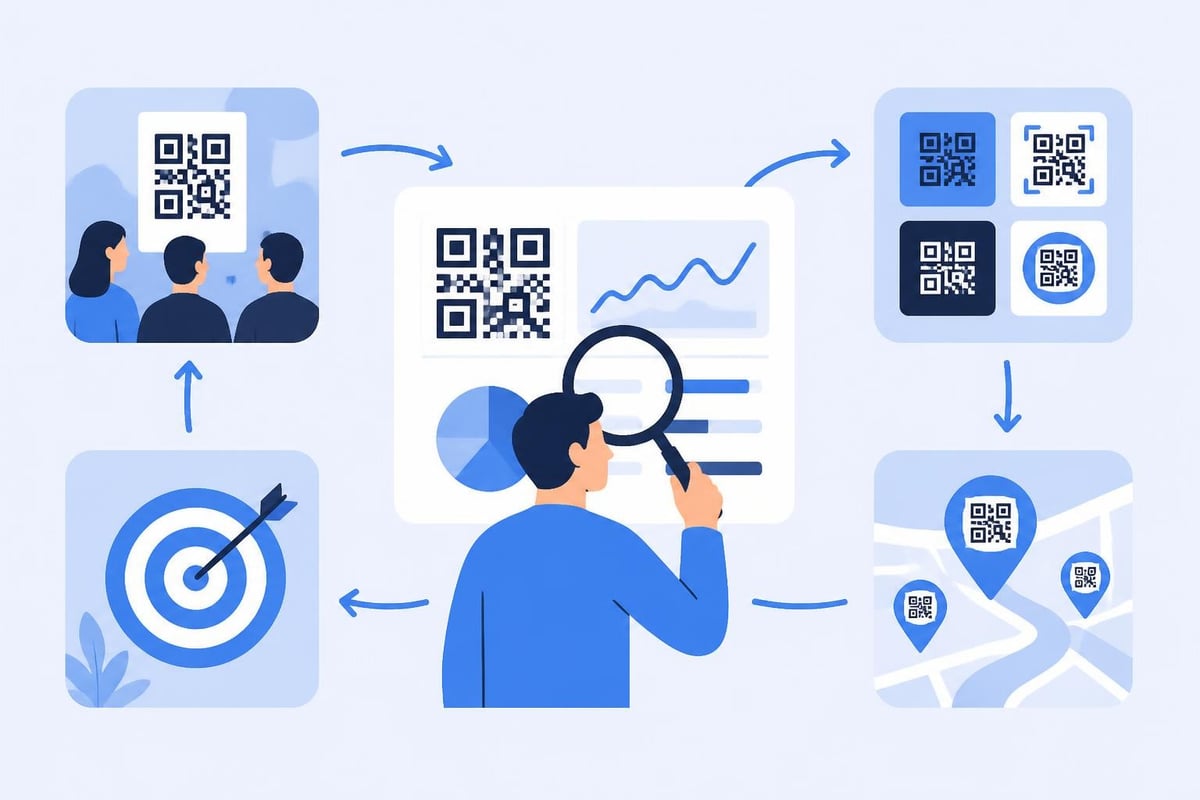
- Heatmaps indicating physical code location performance
| Metric Category | Basic Tracking | Advanced Tracking |
|---|---|---|
| Volume | Total scans | Scans per user segment |
| Timing | Date/time stamps | Pattern analysis |
| Location | City/country | Specific GPS coordinates |
| Devices | Mobile vs. desktop | OS and browser details |
| Outcomes | Clicks | Conversions and revenue |
Organizations implementing best practices for QR code campaigns emphasize measurement frameworks that align QR code performance with broader business objectives.
Industry-Specific Applications
Different sectors leverage team QR codes to address unique operational challenges. Understanding industry-specific use cases helps organizations identify relevant applications for their contexts.
Fitness and Wellness Centers
Gyms and fitness facilities use QR codes to enhance member experiences through simplified class registration, equipment usage tracking, and personalized workout access. A team QR code displayed in the group fitness studio allows members to check into classes automatically.
Personal trainers can create team QR codes for their clients, linking to customized workout plans, nutritional guidance, and progress tracking dashboards. This centralized access point strengthens trainer-client relationships while reducing administrative tasks.
Coworking Spaces
Coworking environments utilize QR codes to manage member access, conference room booking, and community engagement. Team QR codes enable seamless transitions between different workspace areas while collecting data on space utilization patterns.
Members can scan codes to access WiFi credentials, reserve meeting rooms, or join community events. Space operators gain valuable insights into which amenities receive the most use, informing future facility planning decisions.
Creating Effective Team QR Code Systems
Success with team QR codes requires attention to design, placement, and user education. Organizations should approach implementation systematically to maximize adoption and effectiveness.
Design Considerations
While functionality takes priority, visual presentation influences scanning rates. Team QR codes should incorporate:
- Adequate sizing (minimum 2 x 2 centimeters for reliable scanning)
- High contrast ratios between code and background colors
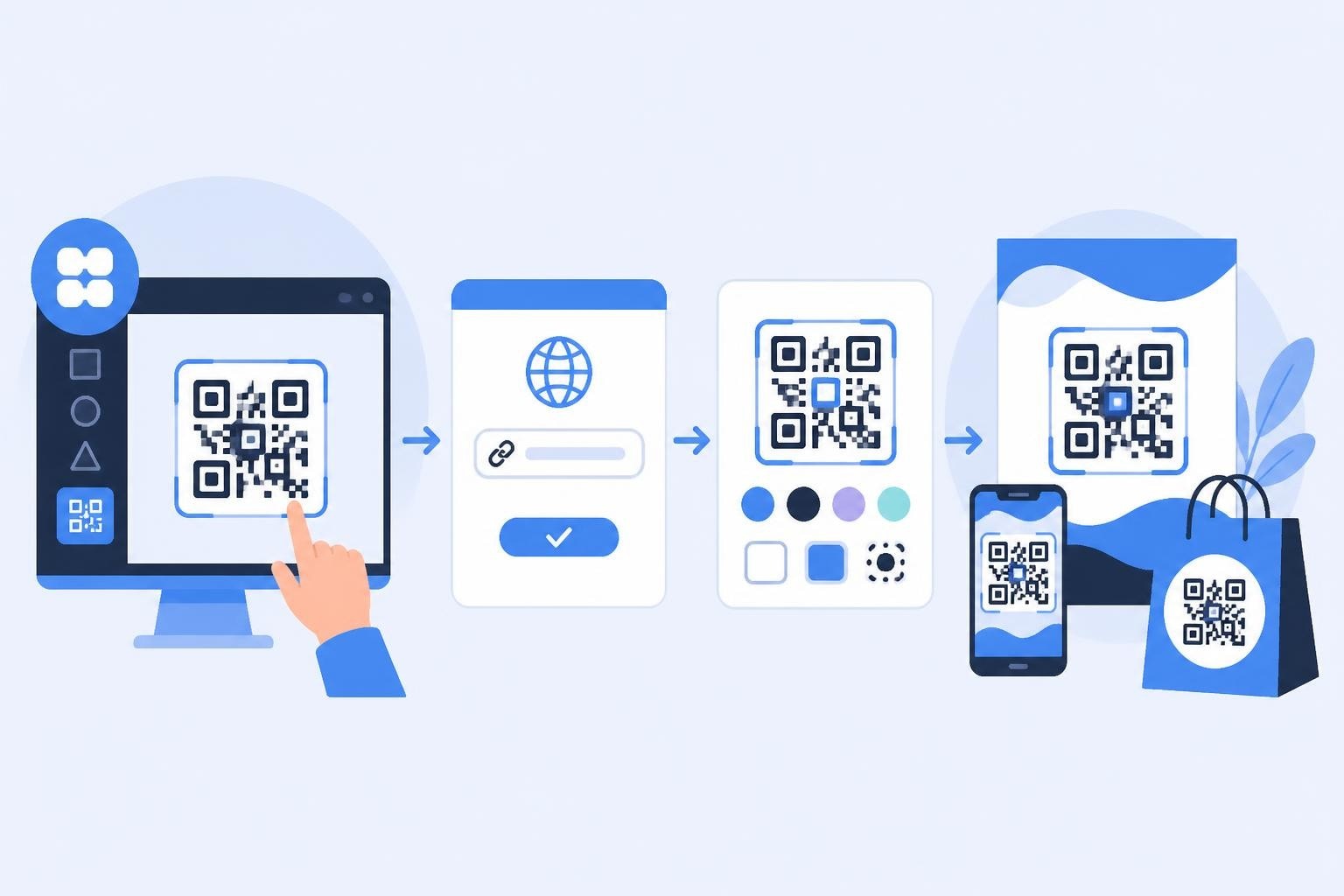
- Brand elements when using custom designs
- Clear instructions indicating what users will access
- Error correction levels appropriate for the display environment
Physical placement matters significantly. Codes should appear at comfortable scanning heights, well-lit locations, and contexts where users have time to complete the scanning action. Rushing past a QR code in a crowded hallway produces lower engagement than codes placed in waiting areas.
User Training and Adoption
Even technologically savvy teams benefit from clear guidance on QR code usage. Organizations should provide:
- Quick reference guides showing scanning procedures for different devices
- Expected outcomes so users know what happens after scanning
- Troubleshooting resources for common scanning issues
- Privacy information explaining what data gets collected
- Support channels for questions or technical problems
Change management principles apply to team QR code rollouts. Early adopters and champions within teams can demonstrate value and encourage broader usage across the organization.
Advanced Features and Future Trends
As team QR code technology matures, new capabilities emerge that expand potential applications. Forward-thinking organizations explore these advanced features to maintain competitive advantages.
Dynamic Routing and Personalization
Sophisticated team QR code systems can route users to different destinations based on extensive criteria. Marketing teams might use a single code that delivers different content based on:
- Previous scanning history
- User account status or membership level
- Device type or operating system
- Geographic location or language preference
- Time since last scan
This personalization transforms generic team codes into tailored experiences that improve relevance and engagement. Users feel the organization understands their specific needs rather than providing one-size-fits-all solutions.
Integration with Business Systems
Team QR codes increasingly connect with enterprise resource planning systems, customer relationship management platforms, and project management tools. These integrations enable automated workflows triggered by QR code scans.
Consider a manufacturing team scanning a QR code on equipment to access maintenance records. The scan automatically logs the inspection in the maintenance database, creates work orders if issues are found, and notifies relevant supervisors through integrated communication tools.
Enhanced Engagement Strategies
Organizations are discovering creative ways to boost engagement through team QR codes. Gamification elements, progress tracking, and incentive programs encourage regular scanning and interaction with team resources.
Sales teams might use QR codes to access daily targets, competitive leaderboards, and product information. Regular scanning becomes habitual as team members check progress and celebrate achievements together.
Security and Privacy Considerations
As team QR codes handle increasingly sensitive information and access controls, security becomes paramount. Organizations must implement protective measures while maintaining usability.
Essential security practices include:
- Encrypting destination URLs to prevent manipulation
- Implementing scan limits to prevent unauthorized sharing
- Monitoring unusual scanning patterns indicating potential security breaches
- Regularly rotating codes for high-security applications
- Maintaining separate codes for different security clearance levels
Privacy regulations require transparent communication about data collection practices. Teams should understand what information gets captured during scanning and how the organization uses that data. Clear privacy policies and consent mechanisms build trust while ensuring compliance.
Measuring Return on Investment
Justifying team QR code investments requires demonstrating measurable business value. Organizations should establish baseline metrics before implementation and track improvements across relevant dimensions.
Quantifiable benefits often include:
- Time savings from reduced administrative tasks
- Cost reductions eliminating printed materials or physical credentials
- Productivity gains through faster information access
- Error reduction from automated data capture
- Engagement improvements measured through increased resource utilization
The investment extends beyond initial setup costs to include platform subscriptions, ongoing management, and user training. Comprehensive ROI calculations account for both direct financial impacts and indirect benefits like improved team morale or enhanced security posture.
Team QR code implementation represents a strategic opportunity for organizations seeking operational efficiency and enhanced collaboration. By centralizing access, streamlining workflows, and providing actionable analytics, these systems deliver measurable improvements across diverse business functions. When you're ready to harness the full potential of team QR codes with advanced analytics, smart routing, and comprehensive link management, explore how trimy transforms simple scans into revenue signals and operational insights that drive your business forward.