What Is a Referral Program? How It Works & Why It Matters

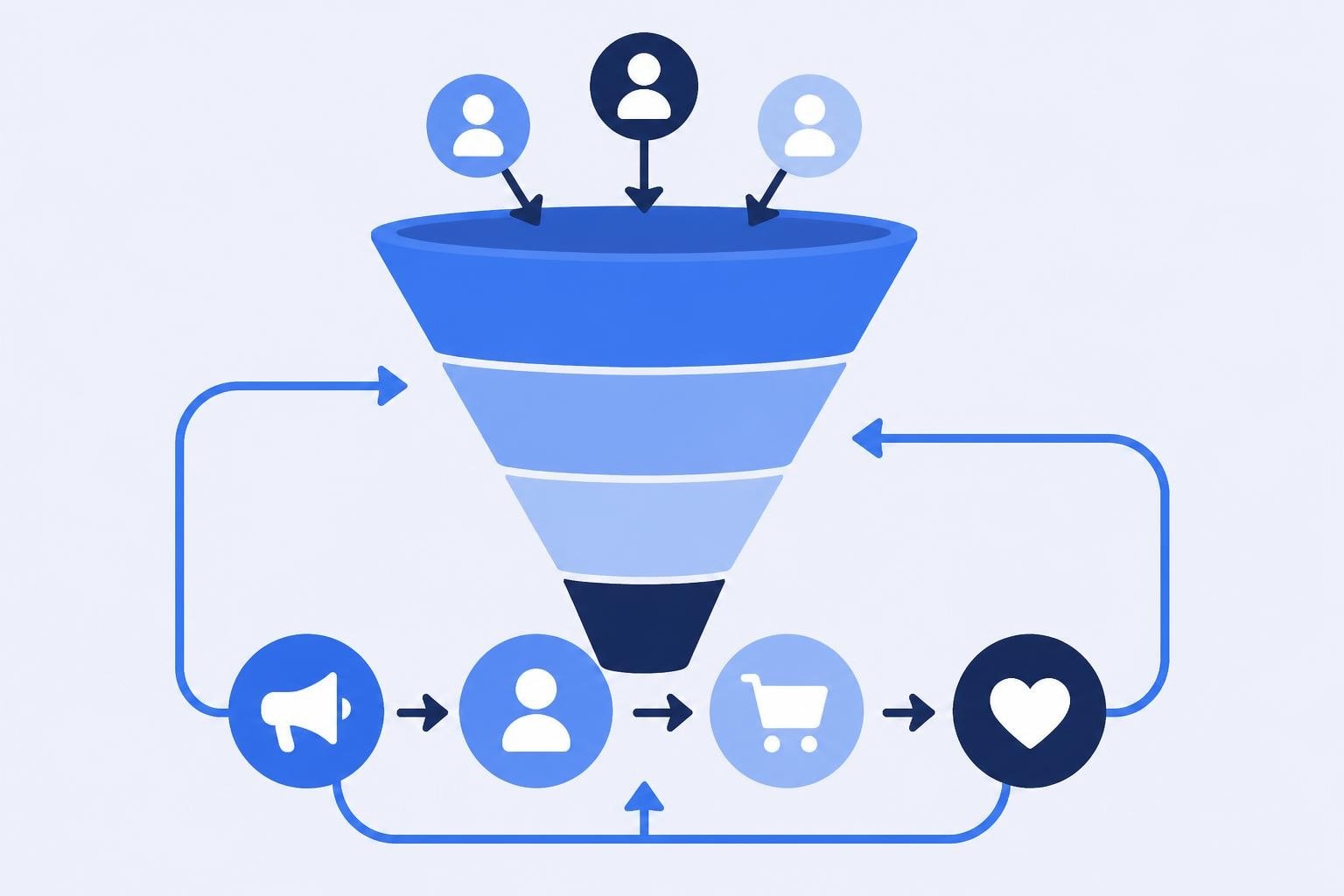
Understanding what is a referral program starts with recognizing one of the most powerful forces in business: word-of-mouth marketing. When your satisfied customers recommend your product or service to their friends, colleagues, or family members, they create a trust-based introduction that no advertisement can match. A referral program systematizes this natural behavior by providing structure, incentives, and tracking mechanisms that turn occasional recommendations into a predictable growth channel. For marketers and developers working with platforms like Trimy, referral programs represent an opportunity to create measurable revenue signals from customer advocacy while optimizing the customer acquisition funnel through intelligent link management and analytics.
The Fundamentals of Referral Programs
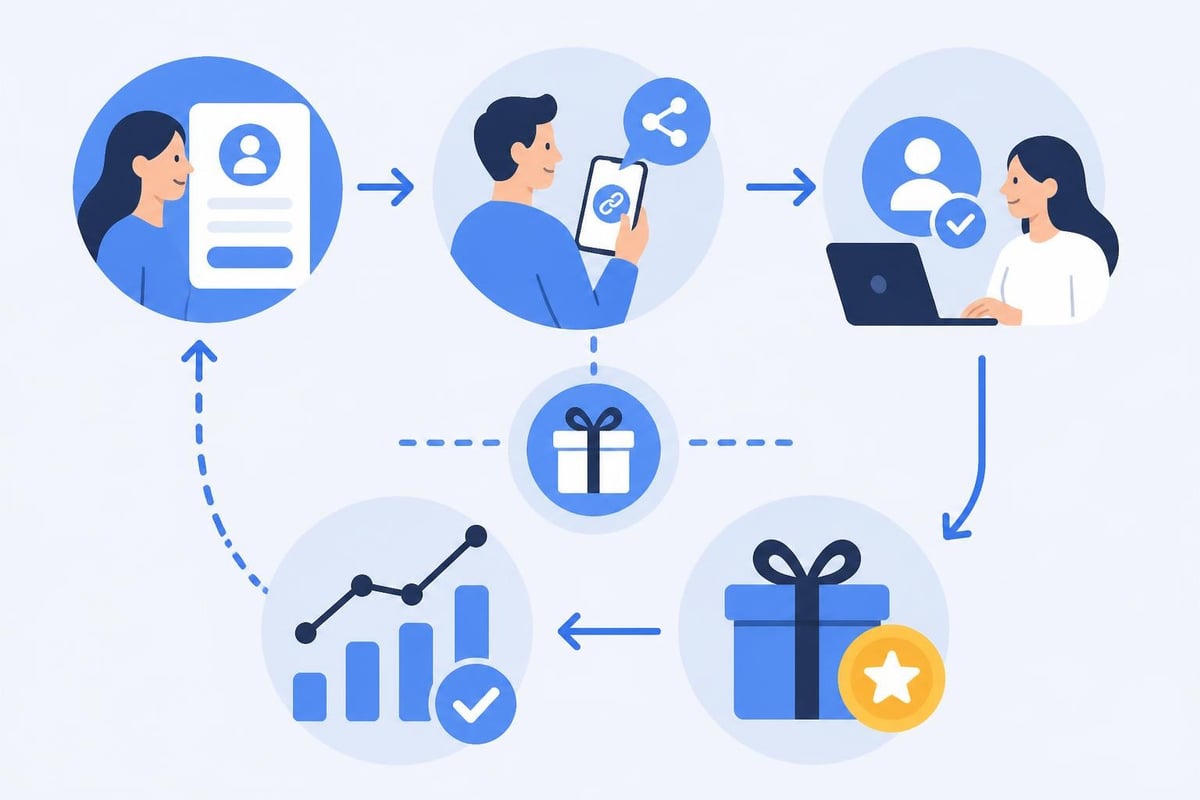
A referral program is a structured marketing strategy that rewards existing customers for introducing new customers to your business. Unlike passive word-of-mouth, referral programs create formal frameworks with clear incentives, easy sharing mechanisms, and measurable outcomes. These programs transform satisfied customers into active promoters by offering rewards when their referrals complete specific actions, such as making a purchase, signing up for a trial, or subscribing to a service.
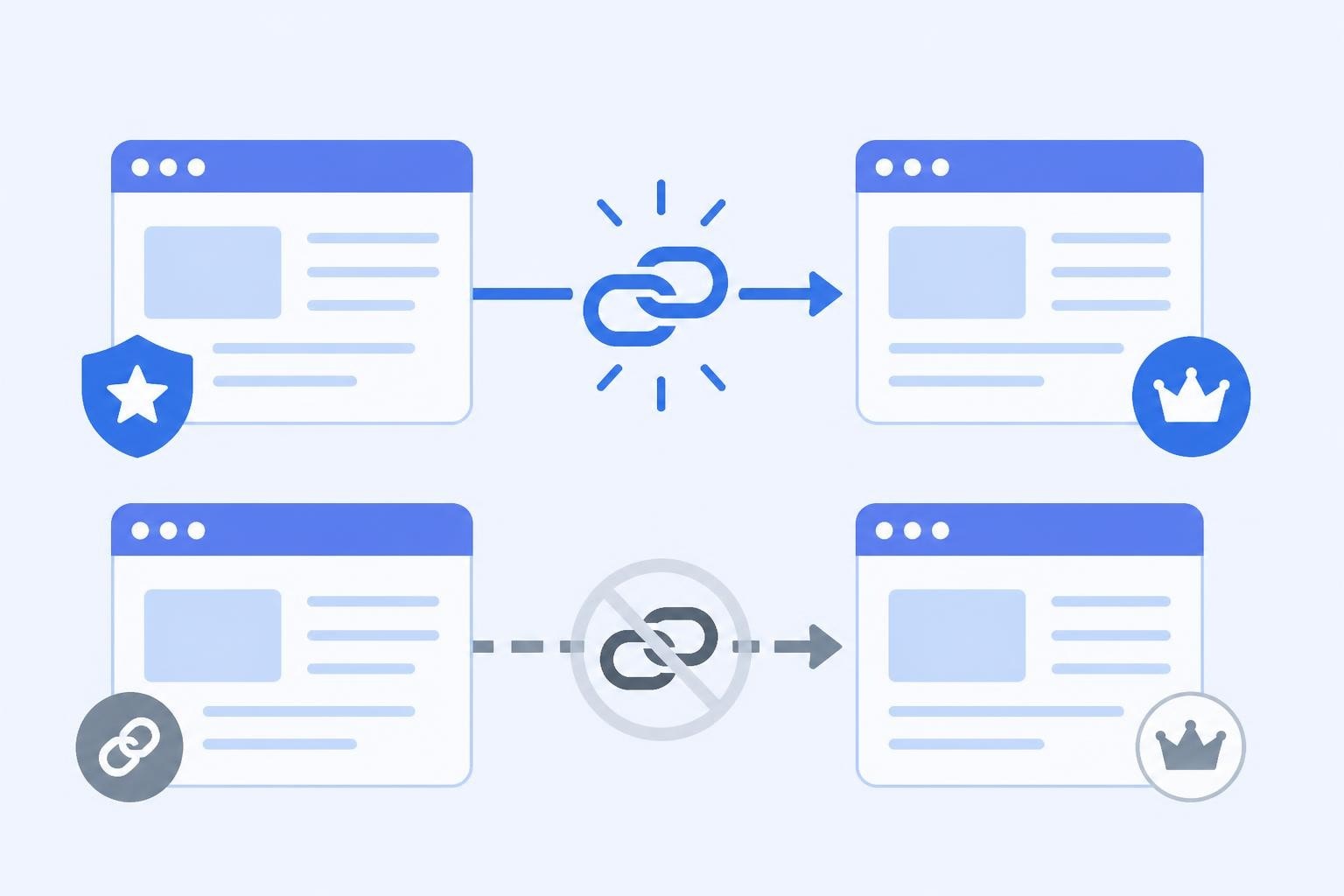
The mechanics are straightforward but powerful. Each participant receives a unique referral link or code that tracks their sharing activity. When someone uses that link to become a customer, the system attributes the conversion to the referrer, triggering the reward mechanism. This attribution layer is where link intelligence becomes critical-accurate tracking ensures both parties receive their promised benefits and provides businesses with clear ROI data.
Core Components of Effective Programs
Every successful referral program includes several essential elements that work together to drive participation and results:
- Unique tracking identifiers that attribute new customers to specific referrers
- Clear eligibility criteria defining who can participate and refer
- Compelling incentive structures that motivate sharing behavior
- Simple sharing mechanisms that reduce friction in the referral process
- Transparent reward fulfillment that builds trust and encourages continued participation
- Performance analytics that measure program effectiveness and guide optimization
The tracking component deserves special attention. Modern referral programs rely on sophisticated link management systems to ensure accurate attribution across multiple channels and devices. When referrers share links via email, social media, or messaging apps, the underlying technology must capture that journey and connect it to eventual conversions.
Why Companies Implement Referral Programs
The decision to launch a referral program stems from several compelling business advantages that traditional marketing channels struggle to deliver. Understanding what is a referral program from a strategic perspective reveals why it has become a cornerstone growth tactic for companies ranging from startups to enterprise organizations.
Trust and Conversion Rate Advantages
People trust recommendations from friends and family more than any form of advertising. This trust-based dynamic significantly impacts conversion rates, with referred customers often converting at two to five times the rate of other acquisition channels. The implicit endorsement from someone they know reduces skepticism and accelerates the decision-making process.
Referred customers also tend to have higher lifetime value and better retention rates. They arrive with realistic expectations set by someone who actually uses your product, reducing the likelihood of early churn due to misaligned expectations. This quality advantage makes the cost per acquisition through referral programs particularly attractive when evaluated against long-term customer value.
Cost Efficiency and Scalability
Compared to paid advertising, referral programs offer exceptional cost efficiency. You only pay when results occur-a new customer signs up or makes a purchase. This performance-based model eliminates wasted spend on impressions or clicks that never convert. The economics improve further as your customer base grows, since each new customer becomes a potential referrer, creating compound growth effects.
Key Economic Benefits:
| Metric | Referral Program Advantage |
|---|---|
| Cost per Acquisition | 25-50% lower than paid channels |
| Customer Lifetime Value | 16-25% higher than non-referred |
| Retention Rate | 37% higher after first year |
| Conversion Rate | 2-5x higher than cold traffic |
The scalability factor is equally important. A well-designed program requires minimal marginal cost to accommodate additional participants. Your infrastructure handles one thousand referrers as efficiently as ten thousand, allowing growth without proportional cost increases.
Common Referral Program Structures
When exploring what is a referral program in practice, you'll encounter several proven structural models, each with distinct characteristics and ideal use cases. The structure you choose should align with your business model, customer behavior patterns, and strategic objectives.
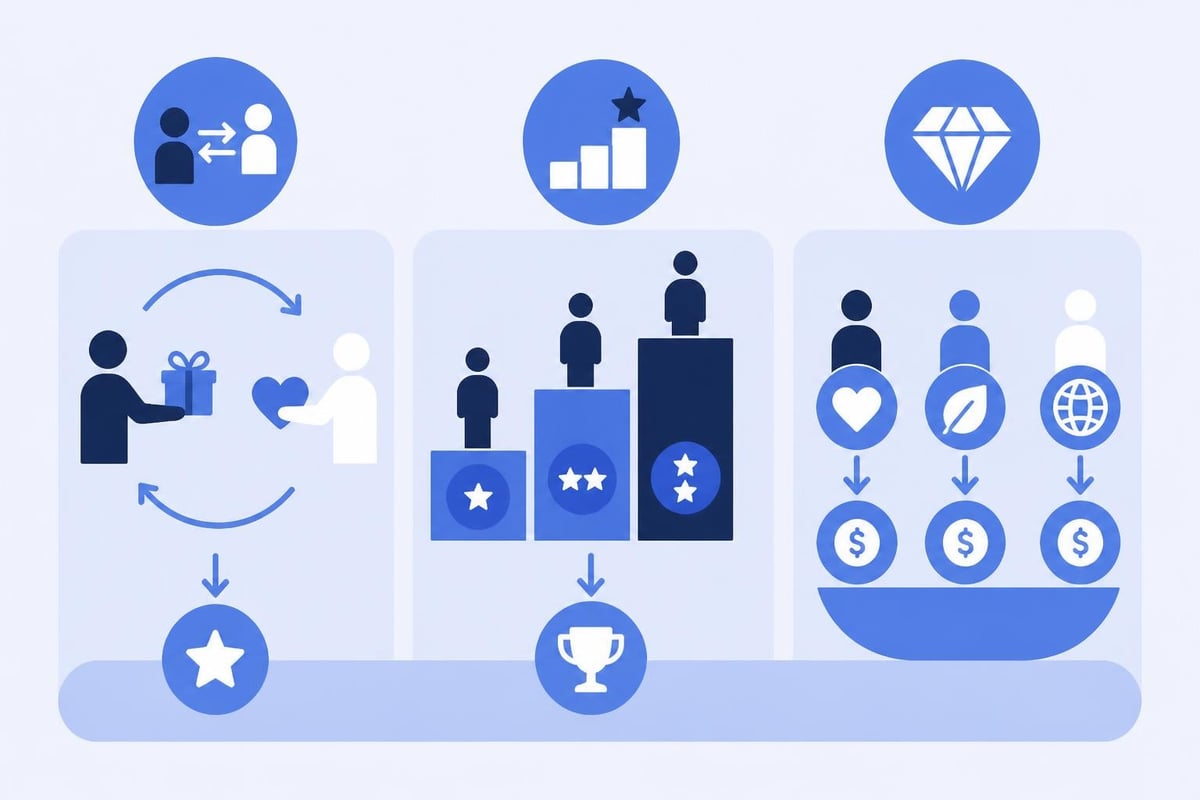
Give-Get Reward Systems
The most common structure offers rewards to both the referrer and the new customer-often called "give-get" or "dual-sided incentives." This approach recognizes that both parties contribute to the success: the referrer provides the introduction and endorsement, while the new customer takes the risk of trying something based on a recommendation.
For example, a software platform might offer the referrer a $50 account credit when their friend signs up for a paid plan, while the new customer receives a 20% discount on their first month. This dual-sided approach increases participation by creating value for everyone involved and removing barriers to trying the product.
The give-get model works particularly well for subscription services, SaaS platforms, and e-commerce businesses where both parties can benefit from monetary or service-based rewards. The key is balancing the incentives so they're meaningful to both audiences without eroding profit margins.
Tiered Reward Structures
Tiered programs escalate rewards based on the number or value of successful referrals. A basic tier might offer $10 for the first referral, $15 for the second through fifth, and $25 for each referral after that. This progressive structure incentivizes sustained participation and rewards your most effective advocates disproportionately.
- Entry Tier: First 1-3 referrals earn standard rewards
- Growth Tier: Referrals 4-10 earn enhanced rewards
- Champion Tier: Beyond 10 referrals, receive premium rewards or status
- Elite Tier: Top performers gain exclusive benefits or revenue sharing
Tiered systems particularly appeal to power users and brand enthusiasts who actively want to promote products they believe in. The gamification element creates friendly competition and status recognition that motivates continued engagement.
Value-Based Incentives
Rather than fixed rewards, some programs offer percentage-based incentives tied to the value of the referred customer's purchase or subscription. A consultant might earn 10% of the first year's contract value when they refer a new client. This approach aligns incentives with business outcomes and can be extremely powerful for high-value B2B relationships.
Designing Your Referral Program Strategy
Moving from understanding what is a referral program to actually building one requires careful strategic planning. The most successful programs stem from deep customer understanding and clear alignment with broader business objectives.
Identifying Your Ideal Referrers
Not all customers make equally effective referrers. Your most satisfied customers, those who have achieved meaningful results with your product, naturally become your best advocates. Understanding your audience helps you target program communications and incentives effectively.
Consider these referrer personas when designing your program:
- Power Users: Deeply engaged customers who regularly use advanced features
- Recent Converts: New customers experiencing the "aha moment" with fresh enthusiasm
- Professional Influencers: Industry experts whose recommendations carry significant weight
- Community Leaders: Active participants in user communities or forums
Each persona responds to different incentives and messaging. Power users might appreciate advanced features or increased limits, while professional influencers might value co-marketing opportunities or revenue sharing arrangements.
Setting Program Parameters
Your program's rules and boundaries shape participant behavior and program sustainability. Define clear eligibility requirements, reward thresholds, and limitation policies before launch. Will you allow self-referrals? How will you handle fraud or gaming attempts? What actions qualify for rewards-sign-ups, trials, or paid conversions?
Essential Parameters to Define:
- Minimum purchase or subscription tier that triggers rewards
- Time limits for new customers to complete qualifying actions
- Geographic or market restrictions if applicable
- Reward caps per referrer (daily, monthly, or lifetime)
- Disqualification criteria and dispute resolution processes
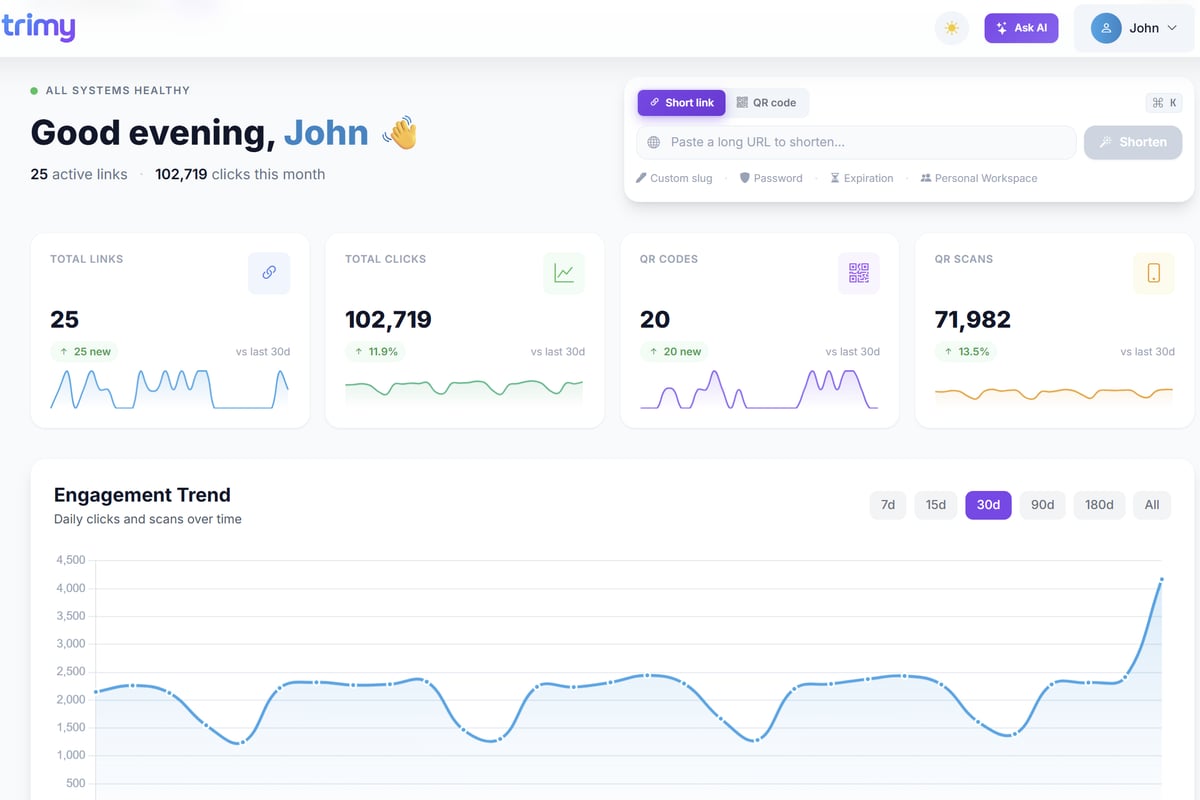
Trimy's link management platform enables marketers to implement sophisticated tracking for referral programs, using unique shortened links that capture granular data about sharing behavior, conversion patterns, and campaign performance. This intelligence helps optimize program parameters based on real user behavior rather than assumptions.
Simplifying the Sharing Experience
Friction kills referral programs. The easier you make sharing, the more people will do it. Your customers should be able to share their unique link in seconds through their preferred channels-email, SMS, social media, or messaging apps.
Modern referral programs provide pre-written message templates that referrers can customize, eliminating the burden of composing promotional content. Smart programs also adapt sharing options based on context-mobile users might see SMS sharing prominently featured, while desktop users get email and social options.
The landing experience for referred prospects matters equally. When someone clicks a referral link, they should immediately understand the offer, who referred them, and what action to take next. Using trackable links allows you to optimize these landing pages through A/B testing, measuring which messaging and design elements drive the highest conversion rates.
Measuring and Optimizing Program Performance
Understanding what is a referral program extends to measuring its impact on your business. Without proper analytics, you're flying blind-unable to optimize, justify investment, or scale successfully.
Key Performance Indicators
Track metrics that connect referral activity to business outcomes. Vanity metrics like "shares" or "clicks" matter less than conversion rates, customer acquisition cost, and referred customer lifetime value. Focus on indicators that demonstrate ROI and guide optimization decisions.
Critical Metrics to Monitor:
| Metric | What It Measures | Why It Matters |
|---|---|---|
| Referral Conversion Rate | % of referred prospects who become customers | Indicates program effectiveness and offer appeal |
| Participation Rate | % of eligible customers who refer | Shows program awareness and incentive strength |
| Cost Per Referred Acquisition | Total program cost ÷ new referred customers | Compares efficiency to other channels |
| Referred Customer LTV | Average lifetime value of referred customers | Demonstrates long-term program value |
| Viral Coefficient | Average referrals per new customer | Measures potential for exponential growth |
| Time to Conversion | Days from referral link click to purchase | Identifies friction points in funnel |
The viral coefficient deserves special attention. When this number exceeds 1.0-meaning each new customer refers more than one additional customer-you've achieved viral growth where the program becomes self-sustaining.
A/B Testing Program Elements
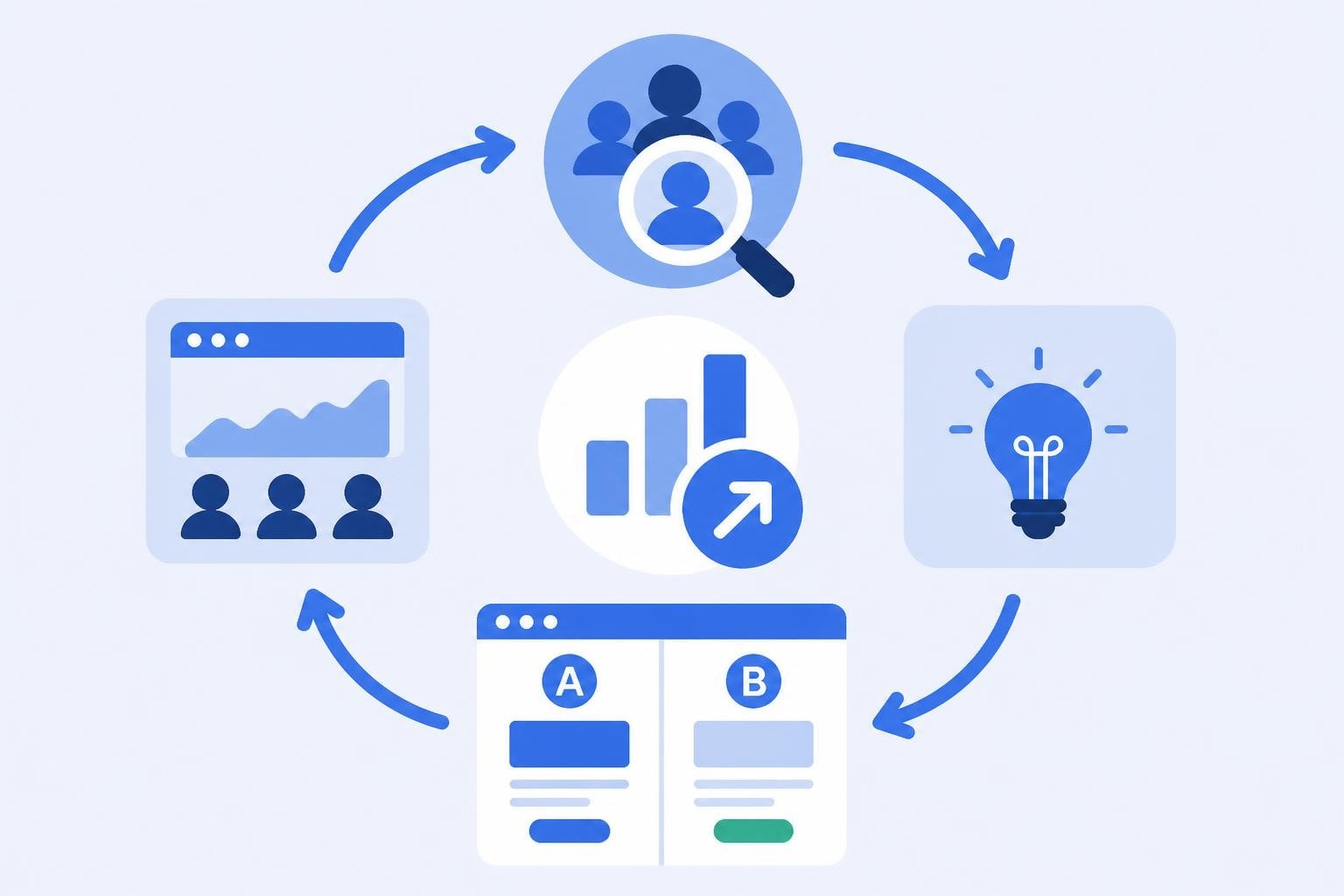
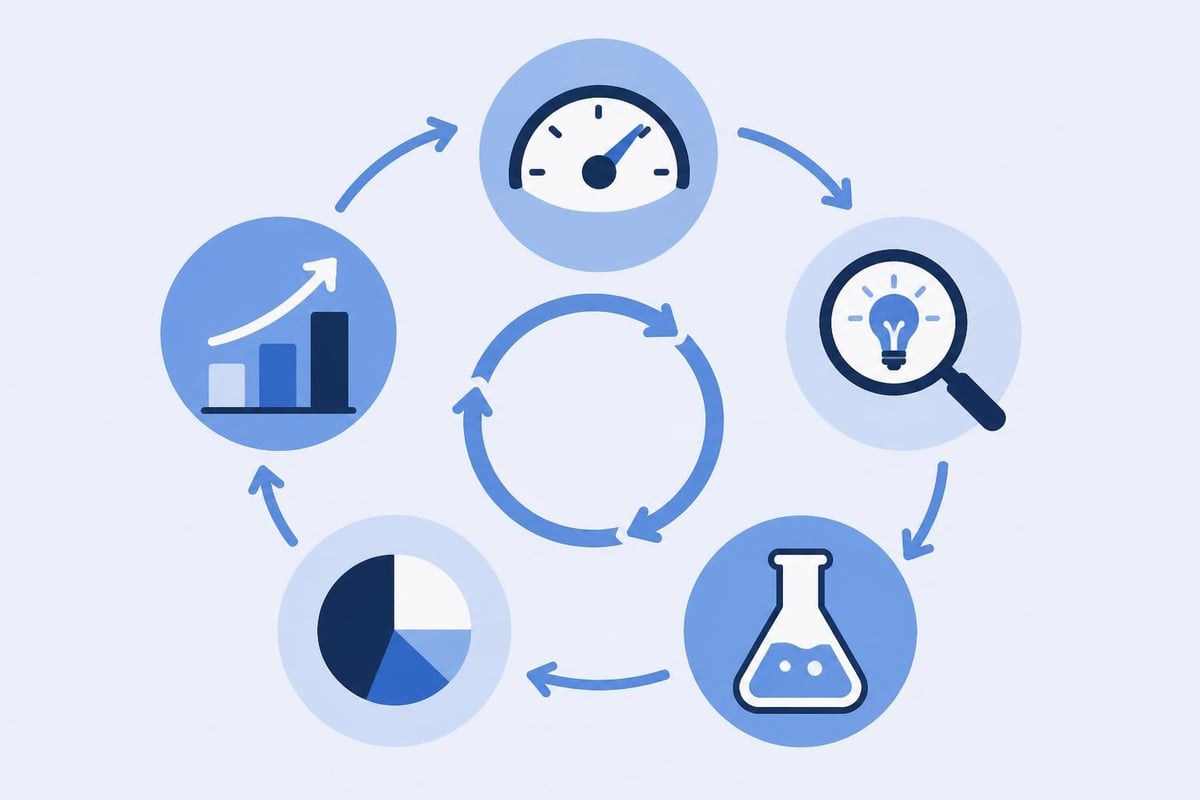
Continuous optimization separates good referral programs from great ones. Test different incentive amounts, reward structures, messaging, sharing mechanisms, and landing page designs. Even small improvements in conversion rate compound significantly over time.
Start with high-impact tests: Does a $20 reward outperform a $10 reward enough to justify the increased cost? Do referred customers respond better to percentage discounts or fixed dollar amounts? Which sharing channels drive the highest-quality referrals?
Advanced link management platforms enable sophisticated testing across the referral journey, from initial sharing through conversion. By creating multiple link variants with different parameters, you can measure which approaches deliver optimal results and allocate program resources accordingly.
Best Practices for Sustainable Growth
The most effective referral programs share common characteristics that drive both immediate results and long-term sustainability. These best practices emerge from analyzing thousands of successful programs across industries.
Maintain Program Simplicity
Complexity kills participation. Your customers shouldn't need to read extensive documentation or watch tutorial videos to understand how your program works. The entire flow-from discovering the program through receiving rewards-should feel intuitive and frictionless.
Use clear, jargon-free language that explains exactly what participants need to do and what they'll receive. Avoid complicated qualification rules or multi-step reward processes that confuse or frustrate users. The cognitive load required to participate should approach zero.
Promote Program Visibility
Even the best-designed program fails without awareness. Your customers can't participate in a program they don't know exists. Integrate program promotion throughout the customer journey-onboarding sequences, product dashboards, email communications, and support interactions.
Effective Promotion Channels:
- Post-purchase confirmation pages when satisfaction is highest
- In-app notifications for engaged users showing positive behavior
- Email campaigns highlighting program benefits and success stories
- Customer service touchpoints where satisfied customers express appreciation
- Community forums where advocates naturally gather and share experiences
Timing matters as much as placement. Promote your referral program when customers experience success or express satisfaction. A user who just accomplished a key objective with your product is exponentially more likely to refer than someone struggling with onboarding.
Personalize Incentives When Possible
One-size-fits-all approaches miss opportunities to maximize participation across different customer segments. Enterprise customers might value service upgrades or dedicated support more than small discounts. Individual users might prefer cash rewards while small businesses appreciate account credits.
Consider offering reward choices where participants select their preferred incentive type. This personalization increases perceived value without necessarily increasing your costs, since different customers assign different values to the same rewards.
Ensure Transparent Communication
Trust forms the foundation of successful referral programs. Participants need confidence that you'll track their referrals accurately and deliver promised rewards promptly. Provide real-time visibility into referral status, pending rewards, and qualification criteria.
Send immediate confirmation when someone uses a referral link. Notify referrers when their friend takes qualifying actions. Explain clearly why certain referrals don't qualify rather than silently rejecting them. This transparency builds trust and encourages continued participation.
Integration with Broader Marketing Strategy
Understanding what is a referral program in isolation misses how it integrates with your complete marketing ecosystem. The most successful programs don't operate independently-they complement and amplify other acquisition channels while feeding valuable customer intelligence back into your marketing operations.
Coordination with Customer Journey Mapping
Referral opportunities exist throughout the customer lifecycle, not just at a single touchpoint. Map where customers naturally discuss or recommend your product, then design program touchpoints that align with those moments. Someone who just completed successful onboarding has different referral motivations than a three-year customer who relies on your product daily.
Early-stage customers might refer based on initial positive impressions and competitive advantages. Long-term customers refer based on accumulated value, reliable performance, and relationship strength. Tailor your messaging and incentives to match these different motivational contexts.
Data-Driven Attribution and Optimization
Modern referral programs generate rich data about customer behavior, network effects, and conversion patterns. This intelligence extends far beyond measuring the program itself-it reveals which customer segments have the most valuable networks, which use cases resonate most in referral conversations, and which messaging drives action.
When you use trackable links to measure referral program performance, you capture granular data about sharing behavior across channels, devices, and audience segments. This information informs broader marketing decisions about positioning, messaging, and channel allocation.
Cross-Channel Consistency
Your referral program messaging should align with your overall brand voice and value proposition. Disjointed communication confuses participants and dilutes brand impact. The incentives you offer should reinforce product value rather than commoditizing it through excessive discounting.
Consider how referral incentives interact with other promotional programs. Can participants combine referral rewards with seasonal promotions? Do loyalty program tiers affect referral rewards? Clear policies prevent confusion and support ticket volume while ensuring positive participant experiences.
Referral programs transform satisfied customers into growth engines by systematizing word-of-mouth through structured incentives, easy sharing mechanisms, and measurable tracking. When designed thoughtfully with clear value propositions, minimal friction, and transparent operations, these programs deliver efficient customer acquisition while strengthening customer relationships and community. Trimy empowers marketers to build and optimize referral programs through intelligent link management, advanced analytics, and A/B testing capabilities that turn every shared link into actionable growth intelligence-helping you transform customer advocacy into measurable revenue at scale.