What Is Programmatic Advertising? Complete Guide 2026

Digital advertising has evolved dramatically over the past decade, moving from manual negotiations and insertion orders to automated, data-driven systems that operate in milliseconds. Understanding what is programmatic advertising has become essential for marketers who want to maximize their advertising budgets and reach the right audiences at scale. This automated approach to buying and selling digital ad inventory has transformed how brands connect with consumers across multiple channels and devices.
Understanding Programmatic Advertising Fundamentals
Programmatic advertising refers to the automated buying and selling of digital advertising space using software platforms and algorithms. Unlike traditional advertising methods that involve human negotiations, phone calls, and manual insertion orders, programmatic advertising leverages technology to purchase ad inventory in real time.
The process happens in the time it takes for a webpage to load, typically less than 100 milliseconds. When a user visits a website, an automated auction occurs where advertisers bid for the opportunity to show their ads to that specific user based on predefined targeting criteria.
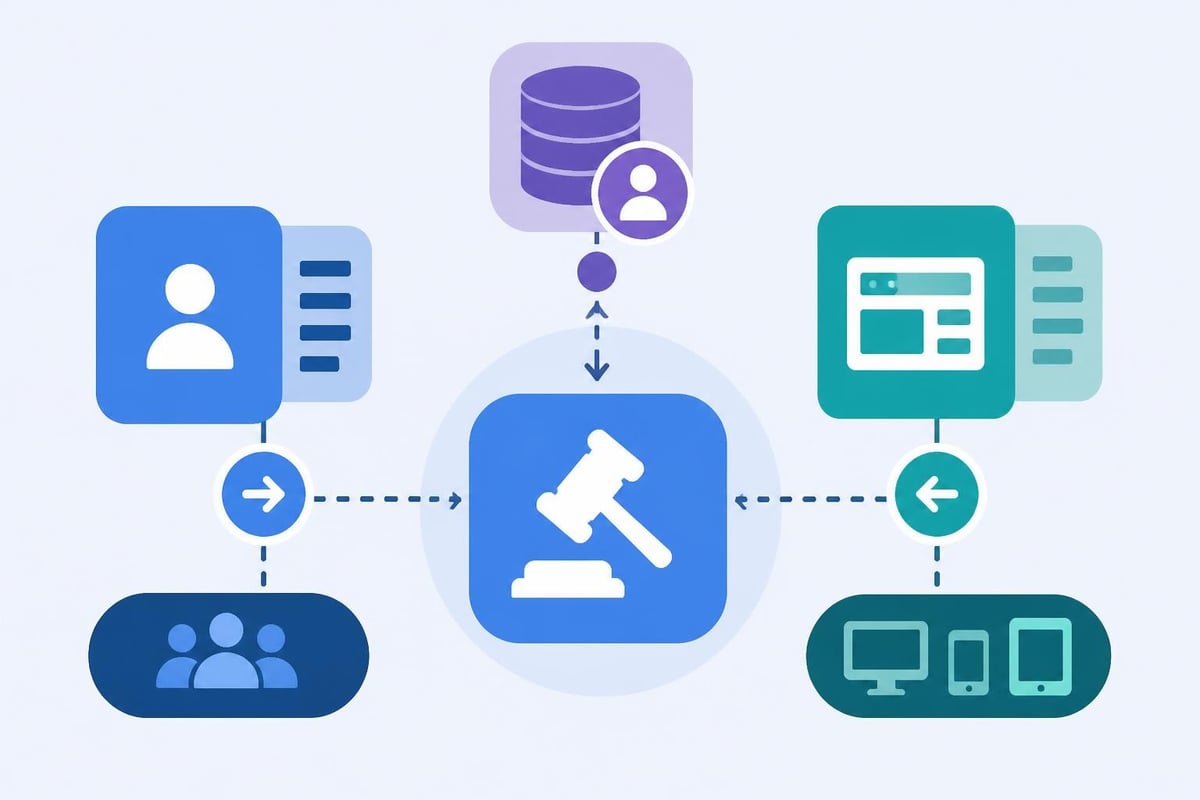
The Core Components
Several key elements work together to make programmatic advertising function effectively:
- Demand-Side Platforms (DSPs) allow advertisers to purchase ad inventory across multiple ad exchanges through a single interface
- Supply-Side Platforms (SSPs) enable publishers to sell their ad inventory to multiple ad exchanges and networks simultaneously
- Ad Exchanges serve as digital marketplaces where DSPs and SSPs connect to buy and sell ad inventory
- Data Management Platforms (DMPs) collect and analyze audience data to inform targeting decisions
The ecosystem operates on sophisticated algorithms that evaluate thousands of data points about users, contexts, and performance metrics to determine the optimal ad placement and price.
How Programmatic Advertising Works
When exploring what is programmatic advertising in practice, the process becomes clearer by breaking it down into sequential steps. The entire transaction occurs automatically within fractions of a second.
The Real-Time Bidding Process
- User visits a webpage and the page begins to load
- Publisher's SSP sends bid request containing user data and context information
- Ad exchange distributes request to multiple DSPs representing different advertisers
- DSPs evaluate the opportunity against advertiser criteria and budget parameters
- Automated bidding occurs with each DSP submitting their maximum bid
- Highest bidder wins and their ad is immediately served to the user
- Ad displays on the page before the user even notices any delay
This real-time bidding (RTB) process represents the most common form of programmatic advertising, though other buying methods exist including programmatic direct and private marketplaces.
Targeting Capabilities
What is programmatic advertising's greatest advantage? The sophisticated targeting options that enable advertisers to reach specific audiences with precision:
| Targeting Type | Description | Use Case |
|---|---|---|
| Demographic | Age, gender, income, education | Reaching specific age groups for product launches |
| Geographic | Location-based targeting | Local business promotions or regional campaigns |
| Behavioral | Past browsing and purchase behavior | Retargeting previous website visitors |
| Contextual | Content and page category | Placing ads on relevant content pages |
| Device | Desktop, mobile, tablet, CTV | Mobile-first campaigns or cross-device strategies |
| Time-based | Dayparting and scheduling | Reaching users at optimal times |
According to comprehensive programmatic advertising statistics, advertisers can combine multiple targeting criteria to create highly specific audience segments that maximize campaign relevance and performance.
Types of Programmatic Advertising Deals
Understanding what is programmatic advertising requires knowledge of the different buying methods available. Each approach offers distinct advantages depending on campaign objectives and advertiser-publisher relationships.
Open Exchange
The open marketplace represents the most accessible form of programmatic buying. Any advertiser can bid on available inventory through public ad exchanges, creating maximum competition and generally lower prices. This method works well for reaching broad audiences and testing new channels.
Private Marketplace (PMP)
PMPs operate as invitation-only auctions where selected advertisers compete for premium inventory. Publishers maintain more control over who can bid while advertisers gain access to higher-quality placements. These deals often include minimum pricing floors and preferred access to specific ad units.
Preferred Deals
Also called programmatic non-guaranteed, these arrangements allow advertisers to preview and purchase inventory at fixed prices before it reaches the open exchange. The transaction remains automated, but advertisers gain first-look rights without committing to specific volume guarantees.
Programmatic Guaranteed
This approach most closely resembles traditional direct buying, with automated execution. Advertisers and publishers agree on fixed pricing and guaranteed impressions, combining the certainty of direct deals with programmatic efficiency.

Benefits and Advantages
What is programmatic advertising's value proposition for modern marketers? The technology delivers several compelling benefits that traditional advertising methods cannot match.
Efficiency and scale represent primary advantages. Advertisers access thousands of publishers and millions of impressions through a single platform, eliminating the need for individual negotiations. This access enables campaigns to scale rapidly while maintaining consistent targeting and messaging.
Real-time optimization allows campaigns to adjust based on performance data as it occurs. Algorithms automatically shift budgets toward high-performing placements, audiences, and creatives while reducing spend on underperforming elements.
Measurable Performance
The data-driven nature of programmatic advertising provides unprecedented transparency into campaign performance:
- Track impressions, clicks, conversions, and revenue in real time
- Attribute sales and actions to specific ads, placements, and audience segments
- Calculate precise return on ad spend (ROAS) and cost per acquisition (CPA)
- Identify the most effective combinations of targeting, creative, and placement
- Make data-informed decisions about budget allocation and strategy adjustments
Research from the IAB Tech Lab emphasizes how standardization and transparency improvements continue to enhance programmatic advertising's effectiveness and trustworthiness.
Challenges and Considerations
While understanding what is programmatic advertising reveals numerous advantages, marketers must also navigate several challenges inherent to the ecosystem.
Transparency Issues
The programmatic supply chain involves multiple intermediaries, each taking a percentage of advertiser spend. The Incorporated Society of British Advertisers has highlighted concerns about transparency in the supply chain, noting that advertisers often struggle to determine exactly where their money goes and which fees various intermediaries charge.
Ad fraud remains a persistent concern. Sophisticated bot networks can generate fake impressions and clicks, draining advertiser budgets without delivering real human engagement. Advertisers must implement verification tools and work with trusted partners to minimize fraud exposure.
Brand Safety
Automated buying can occasionally place ads alongside inappropriate or controversial content. Marketers need to establish:
- Comprehensive brand safety controls and blocklists
- Category exclusions for sensitive content types
- Publisher whitelists for approved inventory sources
- Regular monitoring and reporting of ad placements
- Partnerships with verification vendors for additional protection
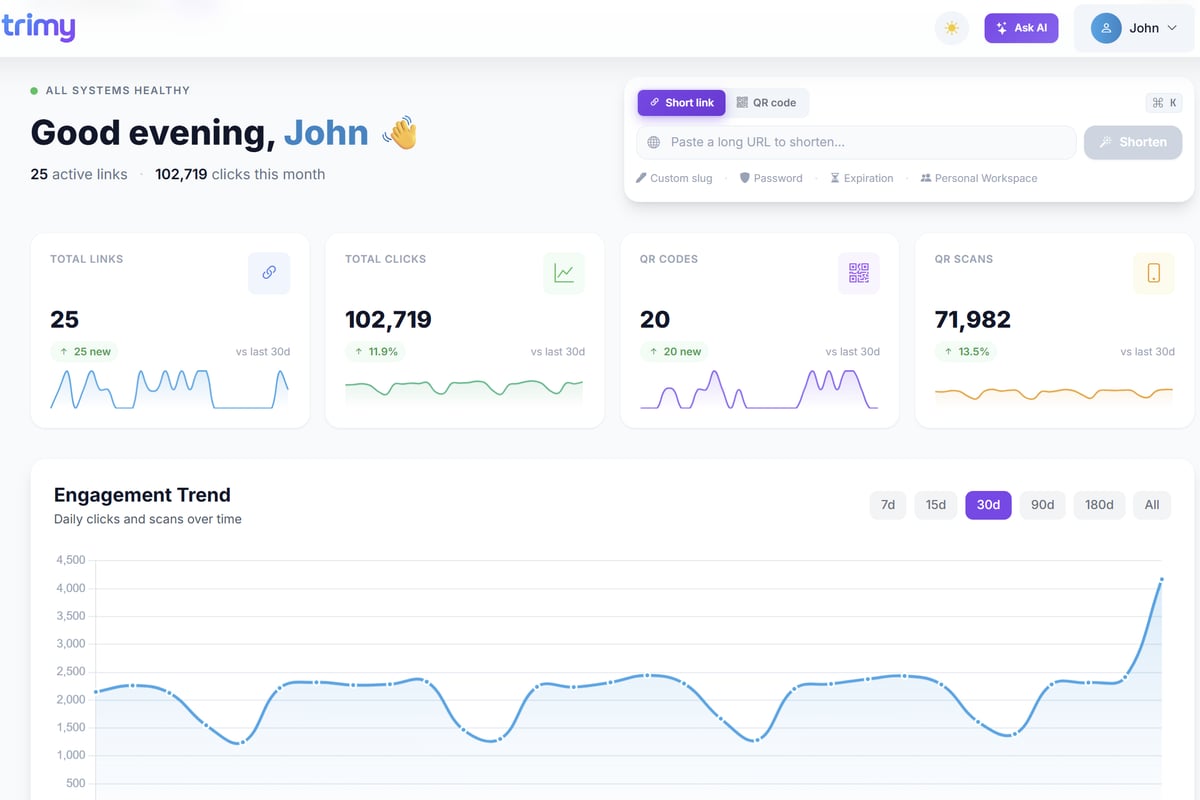
For marketers managing complex campaigns across multiple channels, tracking performance becomes critical. Link management platforms help maintain visibility across programmatic campaigns by providing unified analytics and attribution insights that complement programmatic advertising data.
Emerging Trends in Programmatic Advertising
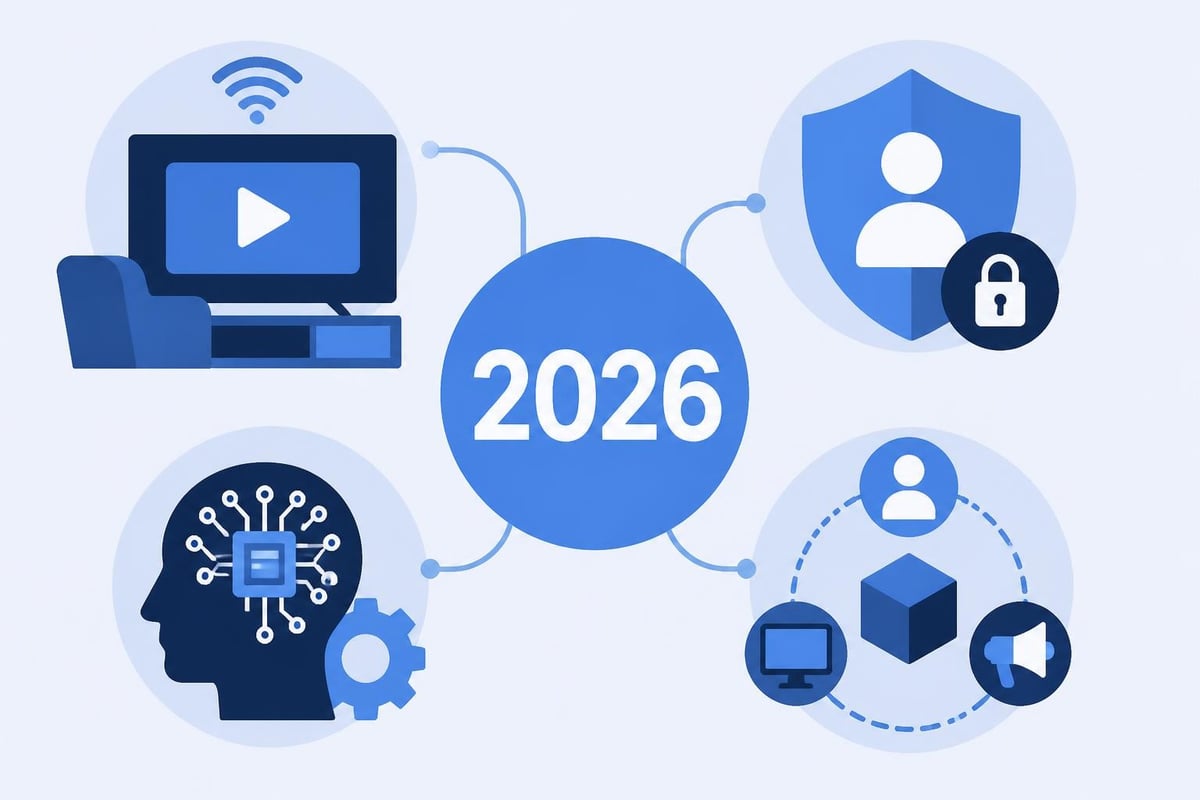
The programmatic landscape continues evolving rapidly. The 2025 State of Programmatic Report from Comscore identifies several key trends shaping the industry's future.
Connected TV Growth
CTV programmatic advertising has emerged as one of the fastest-growing segments. As consumers shift from traditional linear television to streaming services, advertisers follow with programmatic capabilities that bring digital precision to the television screen. CTV combines the impact of video advertising with sophisticated targeting and measurement.
Privacy-First Strategies
With third-party cookie deprecation and increased privacy regulations, programmatic advertising is adapting to new paradigms. Strategies gaining prominence include:
- Contextual targeting analyzing page content rather than user behavior
- First-party data activation leveraging advertiser-owned customer information
- Universal IDs creating privacy-compliant alternatives to cookies
- Privacy sandbox solutions utilizing browser-level privacy protections
Research on AI-driven contextual advertising demonstrates how artificial intelligence enhances semantic understanding of content, improving targeting effectiveness without relying on personal data.
Best Practices for Success
Understanding what is programmatic advertising theoretically differs from executing effective campaigns. These proven strategies help marketers maximize programmatic performance.
Start with Clear Objectives
Define specific, measurable goals before launching campaigns. Whether focused on brand awareness, lead generation, or direct sales, clear objectives inform targeting decisions, bidding strategies, and creative approaches.
Audience segmentation enables more relevant messaging. Rather than targeting broad demographics, create specific audience personas based on behaviors, interests, and purchase intent. Test different segments to identify the highest-value audiences for your offerings.
Creative Optimization
Programmatic advertising's targeting sophistication means nothing without compelling creative:
- Develop multiple creative variations for A/B testing
- Align messaging with specific audience segments and contexts
- Optimize creative formats for different devices and placements
- Refresh creative regularly to prevent ad fatigue
- Use dynamic creative optimization (DCO) to personalize ads at scale
For businesses running multi-channel campaigns, Trimy provides the link management infrastructure needed to track programmatic traffic alongside other marketing channels, offering unified analytics that reveal which campaigns drive the most valuable actions.
Partner Selection
Choose programmatic partners carefully based on:
| Criteria | Considerations |
|---|---|
| Inventory Quality | Access to premium publishers and brand-safe environments |
| Targeting Capabilities | Sophisticated audience data and targeting options |
| Transparency | Clear reporting on fees, placements, and performance |
| Fraud Prevention | Robust verification and invalid traffic filtration |
| Support | Dedicated account management and strategic guidance |
Resources like ProgrammaticAd Hub and AdtechSchool provide directories of programmatic partners and educational materials for evaluating options.
Programmatic Advertising for Different Channels
What is programmatic advertising's reach across digital channels? The technology extends far beyond traditional display advertising to encompass multiple formats and environments.
Display Advertising
Banner ads on websites represent the original programmatic format. Modern display campaigns leverage responsive ads that automatically adjust size and format based on available ad units, maximizing inventory access while maintaining design quality.
Video Advertising
Programmatic video includes pre-roll, mid-roll, and post-roll ads on streaming content, as well as outstream video ads that appear within editorial content. Video commands premium pricing but delivers higher engagement and brand recall.
Native Advertising
Programmatically purchased native ads blend seamlessly with publisher content, matching the form and function of surrounding editorial. This format typically generates higher engagement rates than traditional display units.
Audio and Podcast
Programmatic audio advertising reaches listeners on streaming music platforms and podcasts. As audio consumption grows, programmatic capabilities bring targeting precision to this traditionally difficult-to-measure channel.
For specialized industries, agencies like Markkinointikone help businesses develop comprehensive programmatic strategies that integrate multiple channels while maintaining consistent messaging and performance tracking across campaigns.
Measuring Programmatic Success
Understanding what is programmatic advertising includes knowing how to evaluate campaign performance. The automated nature of programmatic advertising generates extensive data, but marketers must focus on meaningful metrics aligned with business objectives.
Upper-funnel campaigns focused on awareness prioritize metrics including:
- Impressions and reach
- Viewability rates
- Brand lift studies
- Engagement metrics
Mid and lower-funnel campaigns driving consideration and conversion emphasize:
- Click-through rates (CTR)
- Conversion rates
- Cost per acquisition (CPA)
- Return on ad spend (ROAS)
- Customer lifetime value (CLV)
Advanced attribution modeling helps determine which programmatic touchpoints contribute most significantly to conversions, enabling more sophisticated budget allocation across channels and audience segments.
Integration with Marketing Technology
Modern programmatic advertising doesn't operate in isolation. Integration with broader marketing technology stacks amplifies effectiveness and enables sophisticated cross-channel orchestration.
Customer Relationship Management
Connecting programmatic platforms with CRM systems allows advertisers to target existing customers with retention messaging while excluding them from acquisition campaigns. This integration prevents wasted impressions and enables more relevant customer experiences.
Marketing Automation
Programmatic advertising coordinates with email, social, and other channels through marketing automation platforms. Sequential messaging across channels creates cohesive customer journeys that guide prospects from awareness through consideration to conversion.
According to insights from MarTech, successful programmatic strategies increasingly depend on seamless integration across the marketing technology landscape rather than operating as standalone initiatives.
Programmatic advertising has fundamentally transformed digital marketing by automating ad buying with unprecedented precision and efficiency. Understanding what is programmatic advertising and implementing best practices around targeting, creative optimization, and transparent partnerships enables marketers to reach the right audiences at the right moments with relevant messaging. As programmatic capabilities expand across channels from display to CTV to audio, the technology becomes increasingly central to modern marketing strategies. Trimy helps marketers maximize programmatic campaign performance by providing sophisticated link tracking, analytics, and optimization tools that transform every click into actionable intelligence for smarter marketing decisions.